
Car Seat Safety for Multiples: Tips for Twins and More

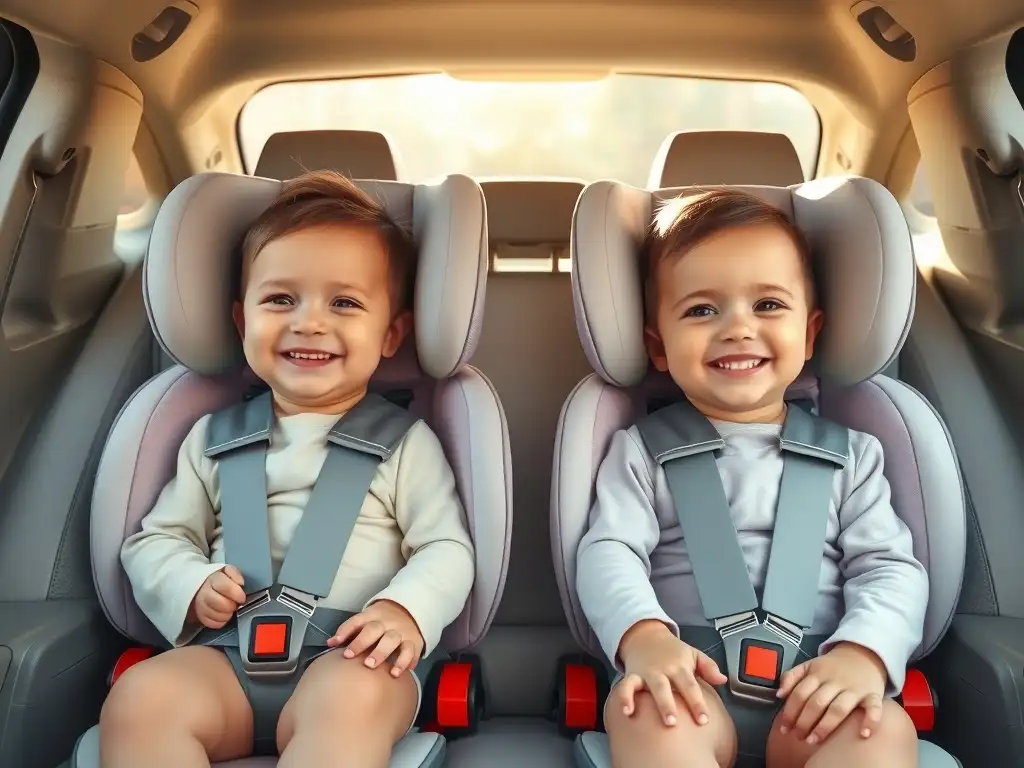
Welcome to BabyCareHub, your ultimate guide to navigating the incredible journey of parenthood! Are you ready to confidently tackle the challenges and joys of raising your little ones? We understand that the arrival of a new baby, especially multiples, brings a whirlwind of questions, and ensuring their safety is paramount. That's why we've dedicated this section to safe twins car seat installation, a critical aspect of keeping your precious cargo secure. Dive in and discover expert advice that will ease your mind and empower you to provide the best possible care. Let's explore the essentials together!
- Understanding the Challenges of Safe Twins Car Seat Installation
- Selecting the Appropriate Car Seats for Your Multiples
- Safe Twins Car Seat Installation: A Step-by-Step Guide
- Maximizing Safety with Multiple Car Seats
- Essential Accessories for Safe Multiples Car Seat Travel
- Addressing Common Concerns Regarding Safe Twins Car Seat Installation
- Frequently Asked Questions
- Final Reflection: Securing Our Future, One Car Seat at a Time
- Unlock Safer Journeys: Actionable Steps for Twin & Multiple Car Seat Safety
Understanding the Challenges of Safe Twins Car Seat Installation
Navigating the world of car seat safety can be daunting for any new parent, but the task becomes exponentially more complex when welcoming multiples, particularly twins or triplets. Ensuring the safe and legal transportation of your little ones requires careful planning, meticulous installation, and a thorough understanding of relevant regulations.
This comprehensive guide will equip you with the knowledge and strategies needed to confidently and safely install car seats for twins, addressing common challenges and providing practical solutions for optimal protection. We’ll delve into legal requirements, car seat selection, installation techniques, and ongoing maintenance, empowering you to prioritize the safety of your precious cargo on every journey.
Safe twins car seat installation is not just about following instructions; it's about understanding the nuances of your specific vehicle and the unique needs of your multiples. Let's embark on this journey together, ensuring your twins are securely and correctly positioned for every ride.
Legal Requirements for Transporting Twins and Multiples
Before even considering specific car seat models, it's crucial to understand the legal framework governing the transportation of multiple infants. Laws vary slightly by region and state/province, but the overarching principle remains consistent: each child requires an age and weight-appropriate car seat properly installed and secured. Failing to adhere to these regulations can result in significant fines and, more importantly, compromise the safety of your children.
Some key aspects to consider include:
- Individual Car Seats: The most common and generally recommended approach is to use individual car seats for each child. This allows for optimal customization based on each child's size and developmental stage.
- Vehicle Capacity: Your vehicle's capacity and seatbelt configuration significantly influence your car seat choices and placement. Some vehicles may not accommodate two full-sized car seats side-by-side in the backseat.
- State/Provincial Regulations: Thoroughly research and understand the specific car seat laws in your jurisdiction. These laws often detail minimum age and weight requirements for different car seat types (rear-facing, forward-facing, booster).
- Enforcement: Remember that law enforcement officers can issue citations for improper car seat installation or non-compliance with relevant regulations. Understanding the rules is your first line of defense.
Choosing the Right Car Seats for Twins: Side-by-Side vs. Tandem
Selecting the appropriate car seats for your twins is a critical decision. The primary choice lies between side-by-side and tandem arrangements. Each presents distinct advantages and disadvantages, heavily influenced by your vehicle's interior dimensions and the ages/sizes of your children.
- Side-by-Side Installation: This setup involves placing two individual car seats side-by-side in the back seat. This is generally preferred for its ease of access to both children, but it requires sufficient width in your vehicle's back seat. If your vehicle is compact, this may not be feasible. Consider the specific dimensions of your chosen car seats to ensure a proper fit.
- Tandem Installation: In this arrangement, one car seat is placed behind the other, typically in the back seat. This is a space-saving option, particularly useful in vehicles with narrower back seats. However, accessing the rearmost child can be more challenging. Furthermore, the forward-facing car seat in a tandem setup may obstruct the rear view, necessitating the use of a rearview mirror extension.
Choosing between these two options requires careful consideration of your vehicle's physical limitations and your personal preferences regarding ease of access and child management. Remember to always prioritize safety and ensure a secure and stable installation regardless of your chosen configuration.
Selecting the Appropriate Car Seats for Your Multiples
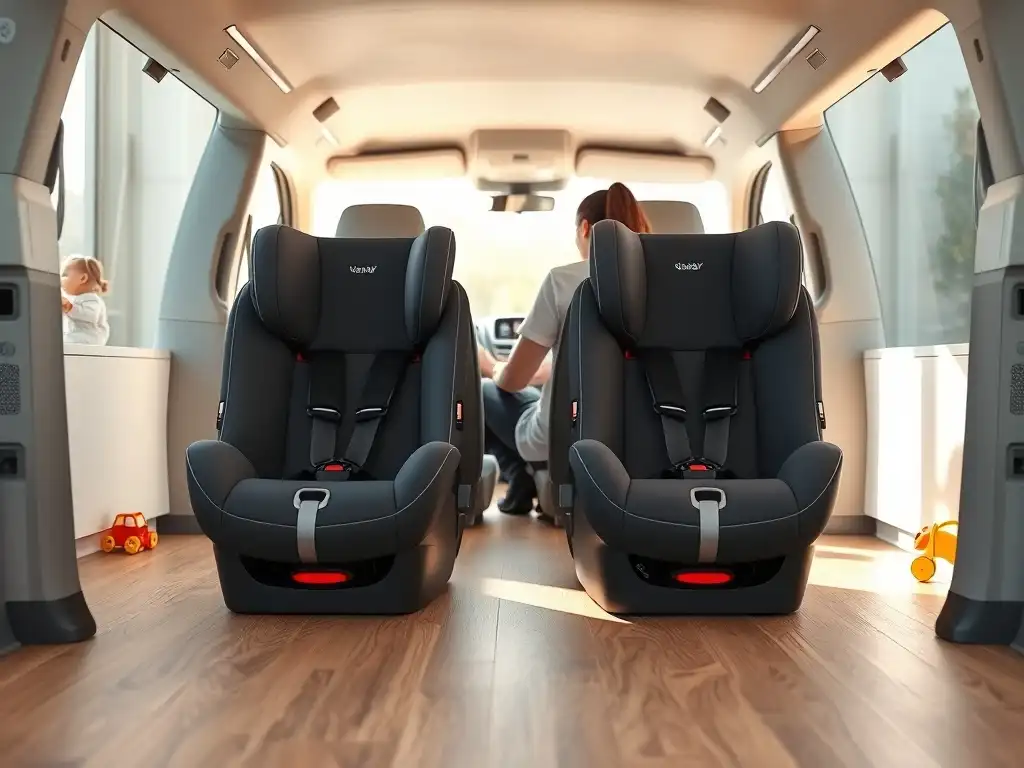
Choosing the right car seats for twins or multiples requires careful consideration of several factors beyond simply buying two of the same model. The most crucial aspect is ensuring each child has their own properly installed and appropriate car seat, regardless of their size or age differences. This means evaluating individual needs, vehicle space, and budget constraints. Space is often the biggest challenge; a larger SUV or minivan might be necessary to accommodate multiple car seats safely.
Furthermore, different car seat types may be needed depending on the ages and sizes of your multiples. For example, infants will require infant car seats, while toddlers might transition to convertible car seats, and older children may graduate to booster seats. Remember, the ultimate goal is to achieve a safe twins car seat installation for each child.
Considerations for Infant Car Seats for Twins
Infant car seats, also known as rear-facing infant carriers, are designed for newborns and infants up to a certain weight and height limit (typically around 30-35 pounds and 30-35 inches). When selecting infant car seats for twins, you'll need to consider:
- Size and Weight Limits: Ensure each seat accommodates your individual babies' sizes and weights. Premature babies or those with different birth weights may need seats with varying weight limits.
- Vehicle Compatibility: Some infant car seats are better suited for certain vehicle models. Check the car seat manufacturer's instructions for compatibility with your vehicle's seat belts and LATCH system.
- Ease of Installation: Installing two infant car seats can be challenging. Look for seats with user-friendly LATCH systems and clear instructions. Consider the ease of removing the seats from the car base and carrying each infant separately.
- Features: Some infant car seats offer additional features such as built-in sunshades, extra padding for newborns, or convenient carrying handles.
Convertible Car Seats for Growing Twins: Features and Benefits
Convertible car seats offer extended use, transitioning from rear-facing to forward-facing as your child grows. This is a cost-effective option compared to purchasing separate infant and toddler car seats. However, the transition to a convertible car seat depends on the child's weight and height, and it's crucial to follow the manufacturer's guidelines.
| Feature | Benefit |
|---|---|
| Rear-facing option | Provides superior head and neck protection in a crash. |
| Forward-facing option | Allows for continued use as the child grows beyond the rear-facing limits. |
| Adjustable Harness | Allows for a snug and secure fit as your child grows. |
| Multiple Recline Positions | Offers comfort and better support during long drives. |
| Cup Holders & Storage | Adds extra convenience for parents. |
Choosing convertible car seats for twins requires you to consider the same factors as for infant car seats – vehicle compatibility, ease of installation, and individual child needs. Remember to always check the weight and height limits before transitioning your child from rear-facing to forward-facing. The safety of your twins is paramount.
Extended Rear-Facing Options for Enhanced Safety
Many experts recommend keeping children rear-facing for as long as possible, up to the maximum weight and height limits allowed by the car seat. This is because rear-facing car seats offer superior protection in a crash for a child's developing spine and neck. Several convertible car seats offer extended rear-facing capabilities, allowing you to keep your twins rear-facing for an extended period.
The benefits of extended rear-facing are significant:
- Improved Head and Neck Protection: Rear-facing car seats distribute crash forces more effectively, minimizing the risk of head and neck injuries.
- Reduced Risk of Injury: Studies show a lower risk of serious injury for children who remain rear-facing longer.
- Peace of Mind: Knowing your children are in the safest possible position provides invaluable peace of mind for parents.
Choosing extended rear-facing car seats for twins requires careful consideration of your vehicle's space and the individual needs of your children. Make sure to check the manufacturer’s instructions to ensure you are following the correct installation and usage guidelines. Prioritizing safe twins car seat installation is crucial for your children's well-being. Remember, a safe twins car seat installation is the ultimate goal, and this extended rear-facing option provides an extra layer of security.
Safe Twins Car Seat Installation: A Step-by-Step Guide
This section provides a detailed guide to safely installing car seats for twins or multiples, focusing on crucial steps for secure and stable placement. Remember, always consult your car seat and vehicle manuals for specific instructions. Incorrect installation can severely compromise your children's safety. Proper installation is paramount for achieving "safe twins car seat installation".
Securing Infant Car Seats: Base Installation and Harnessing
Installing infant car seats for twins requires meticulous attention to detail. The base is the foundation of a secure installation. Before beginning, ensure you have the correct base for your specific car seat model. Many parents find the process easier with a second person to assist.
First, locate the lower Latch anchors or the vehicle's seat belt system. Latch anchors are typically located between the seat cushions, and their use is generally preferred for ease and security. If using Latch, carefully insert the Latch connectors into the anchors, ensuring they click securely into place. A firm connection is crucial. If using the vehicle's seat belt, route the belt through the designated slots on the base, ensuring it's taut and free of twists.
Next, carefully position the car seat base onto the vehicle seat. Ensure it's level and firmly seated. A rocking motion should not be possible. Tighten the Latch system or the seat belt, following the manufacturer's instructions precisely. Over-tightening can damage the car seat or vehicle, while under-tightening compromises safety. A properly installed base will be rock-solid.
Finally, harness your infant. Ensure the harness straps are snug and correctly positioned, lying flat against your baby's shoulders and chest. No slack should be present. The chest clip should be positioned at armpit level. Remember, a properly fitted harness is the primary restraint in an accident. Always double-check the harness after installation.
A well-installed infant car seat should not move more than one inch side-to-side or front-to-back at the base. This is a vital indicator of a secure and "safe twins car seat installation".
Installing Convertible Car Seats: Proper Belt Routing and Adjustments
Convertible car seats offer versatility, transitioning from rear-facing to forward-facing as your child grows. Installing them for twins requires careful attention to belt routing and harness adjustments. The process is very similar for either Latch or seatbelt installation.
First, determine the appropriate mode (rear-facing or forward-facing) for your child's age and weight. Consult your car seat's manual for specific guidelines. Then, locate the appropriate belt paths on the car seat. The car seat manual provides detailed diagrams. Incorrect routing can significantly reduce the effectiveness of the seat.
Next, route the vehicle's seat belts or Latch connectors through the designated slots on the car seat base. Again, ensure there are no twists in the belts. Tighten the belts or Latch system firmly, ensuring a secure fit. A wobbly car seat is a dangerous car seat.
Finally, adjust the harness straps to fit your child snugly. The straps should be tight enough that you can only fit two fingers between the harness and your child's chest. The chest clip should be at armpit level. Proper harness adjustment is vital for "safe twins car seat installation" and your child's protection.
Remember, the correct installation method depends on your vehicle and car seat. Always consult both manuals for specific instructions.
Ensuring Adequate Space and Stability in Your Vehicle
With two or more car seats, maximizing space and stability is crucial. Consider the following points to ensure a safe and practical arrangement.
- Vehicle Compatibility: Not all vehicles can comfortably accommodate two car seats in the backseat. Check your vehicle's specifications to see if it is suitable for the number and type of car seats you need. Consider the size of the car seats and the width of the backseat.
- Car Seat Size and Compatibility: Choose car seats that are appropriate for your children's ages and weights. Consider car seats with narrower bases if space is limited. Some car seats are designed to be more compact than others.
- Placement of Car Seats: Experiment with different placements to find the most stable and secure arrangement. Avoid placing car seats directly against the vehicle's doors. The center of the back seat is generally the safest location for car seats.
- Stability Check: After installation, conduct a thorough stability check for each car seat. Ensure that each car seat is firmly secured and does not move excessively. Remember, a stable environment is paramount for "safe twins car seat installation".
- Regular Inspections: Regularly inspect the car seats and their installation to ensure everything remains secure and functional. Check for any wear and tear or loose straps. Regular checks are a crucial part of your child's safety.
Remember, safety is paramount when installing car seats for twins or multiples. Always consult your car seat and vehicle manuals for detailed instructions. If you have any doubts, seek assistance from a certified child passenger safety technician. A properly installed car seat significantly increases the likelihood of a successful outcome in the event of a collision.
Checking for Proper Installation: The Pinch Test and Other Methods
Ensuring your twins' car seats are correctly installed is paramount for their safety. A poorly installed car seat, even by a small margin, can significantly reduce its effectiveness in a collision. The pinch test is a quick and easy method to check for proper installation, but it's not the only one. Let's explore several methods to verify a secure fit.
The pinch test focuses on the car seat's connection to the vehicle's lower anchors and tethers. To perform the pinch test, locate the lower anchors and straps connecting your car seat to your vehicle. Once located, try to pinch the webbing between your fingers where the strap connects to the car seat.
If you can pinch more than an inch of webbing, the car seat is likely too loose and needs tightening. A properly installed seat will have very little slack, making it difficult, if not impossible, to pinch the webbing. Remember to perform this test for both car seats, and for all connection points.
Beyond the pinch test, visual inspection is crucial. Carefully examine the car seat's base to ensure it's firmly seated against the vehicle seat. Look for any gaps or tilting. If the base isn't flush against the vehicle seat, it might indicate a problem with the installation. Pay close attention to the indicator lights or labels on the car seat and your vehicle's LATCH system. These indicators often confirm a proper connection. If the indicators aren't showing a secure connection, re-check your installation steps.
Another important verification step, especially for rear-facing car seats, is to ensure there’s enough space between the back of the car seat and the front seat. Insufficient space can compromise the child's safety in the event of a collision. Check your vehicle's owner's manual for recommended spacing guidelines, as this will vary depending on your car model. This is particularly critical when installing two car seats side-by-side, as space can be more limited.
Finally, consider seeking professional help. Many fire departments and police stations offer free car seat checks. Certified Child Passenger Safety Technicians (CPSTs) can provide expert advice and hands-on assistance to ensure your car seats are correctly installed. They can identify any potential issues you might have missed and provide valuable guidance on safe car seat practices for twins or multiples.
Don't hesitate to utilize this invaluable resource; the safety of your children is worth the effort. A proper installation provides peace of mind and significantly increases the protection offered by the car seats. Remember, a correctly installed car seat is the first and most crucial step in keeping your twins safe on the road.
Maximizing Safety with Multiple Car Seats
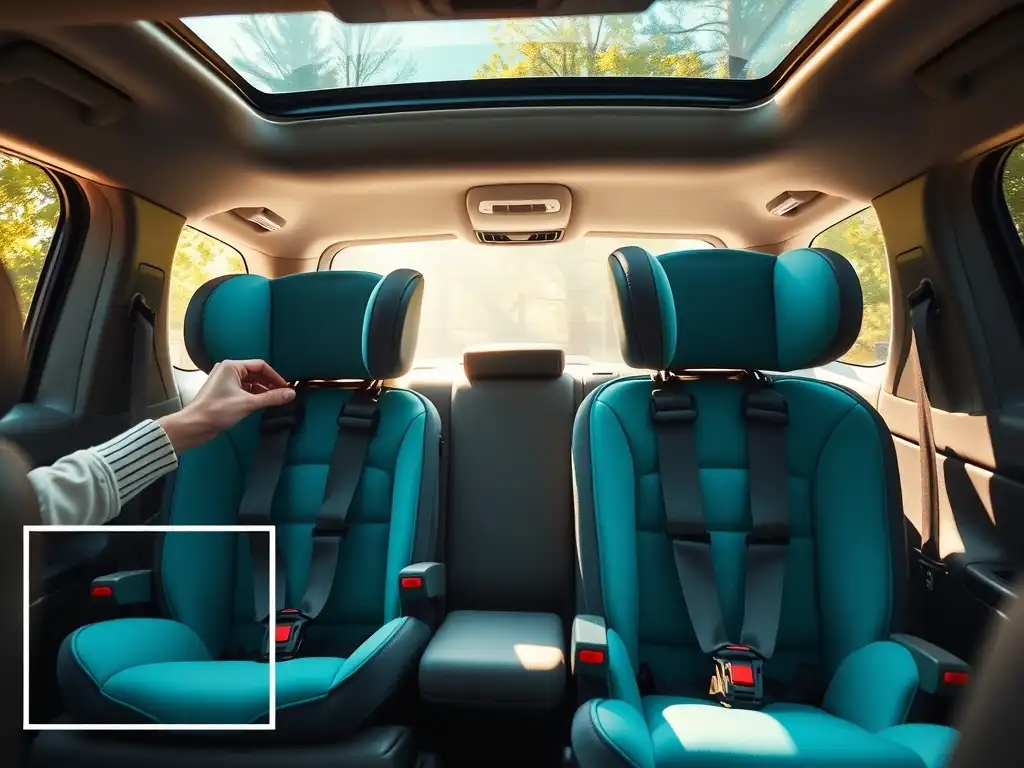
This section focuses on optimizing car seat placement and securing multiple infants or toddlers in your vehicle. Safe twins car seat installation requires careful planning and attention to detail. Remember, the ultimate goal is to minimize the risk of injury in the event of a collision. Incorrect installation is a leading cause of car seat-related accidents.
Utilizing LATCH System vs. Seat Belts: Pros and Cons
Choosing between the Lower Anchors and Tethers for Children (LATCH) system and vehicle seat belts for installing multiple car seats depends on several factors. Both methods can provide secure installations, but each has its advantages and disadvantages.
| Feature | LATCH System | Seat Belts |
|---|---|---|
| Ease of Use | Generally easier, especially for multiple seats | Can be more challenging, especially with multiple seats |
| Tether Anchors | Provides additional stability and security | Lacks the additional top tether point for stability |
| Weight Limits | Each vehicle and car seat has specific limits | Weight limits vary depending on the vehicle and car seat |
| Number of Seats | Limited number of LATCH positions per vehicle | Usually more available attachment points |
| Vehicle Compatibility | Not all vehicles are equally LATCH compatible | More universally compatible |
The LATCH system offers convenience and often enhanced stability, particularly with rear-facing car seats. However, the number of LATCH anchors in a vehicle is limited. If you have more than two car seats, you might need to use a combination of LATCH and seat belts. Always consult your vehicle's owner's manual to identify the location and weight limits of your vehicle's LATCH system. Incorrect use of the LATCH system can compromise safety.
For example, using a seatbelt to install a car seat might be necessary if the LATCH anchors are already occupied or if the car seat exceeds the LATCH weight limit. Always ensure the seat belt is routed correctly and snugly around the car seat, eliminating any slack. Remember to check the car seat manufacturer's instructions for specific guidance.
Adapting to Different Vehicle Models and Sizes
Fitting multiple car seats in various vehicle types presents unique challenges. Compact cars, SUVs, and minivans all offer different interior spaces and configurations. Before purchasing car seats, it's crucial to measure your vehicle's backseat dimensions to ensure adequate space for each seat and to prevent overcrowding, which could restrict seatbelt access or compromise safety.
Consider the following:
- Vehicle size: A smaller car will naturally have less space.
- Seat shape and curvature: Some vehicle seats are more curved than others, potentially affecting car seat fit.
- Floor space: Ensure enough legroom between the front and back seats for passengers.
- Third-row access: If using a third-row seat, check for ease of access for installing and securing car seats.
Careful planning and potentially even trying different car seat brands and models in your vehicle before installing them permanently are highly recommended. Some car seat models are designed to fit more snugly in specific vehicle types. Always prioritize safety and comfort for your children.
Rear-Facing vs. Forward-Facing: Age and Size Guidelines
The safest position for infants and toddlers is rear-facing. However, the transition to forward-facing is inevitable. Understanding the age and size guidelines for both positions is paramount for safe twins car seat installation. These guidelines aren't just suggestions; they're based on extensive safety research.
Generally, children should remain rear-facing until they reach the highest weight or height limit allowed by their car seat manufacturer. This is often around 35-40 lbs or until they reach the top height marker on the car seat. Forcing a child to switch to forward-facing prematurely significantly increases their risk of serious injury in a crash.
Once a child outgrows their rear-facing car seat, they can transition to a forward-facing car seat. However, even then, children should remain in a forward-facing car seat with a harness until they reach the maximum weight or height limit specified by the manufacturer, usually around 65 lbs or until they reach the top height marker on the car seat. Only after exceeding these limits should a child transition to a booster seat.
Always refer to the specific instructions provided with your child's car seat for detailed information about weight and height limits. Prioritizing safety ensures your children's well-being during travel. 👶 🚘
Essential Accessories for Safe Multiples Car Seat Travel
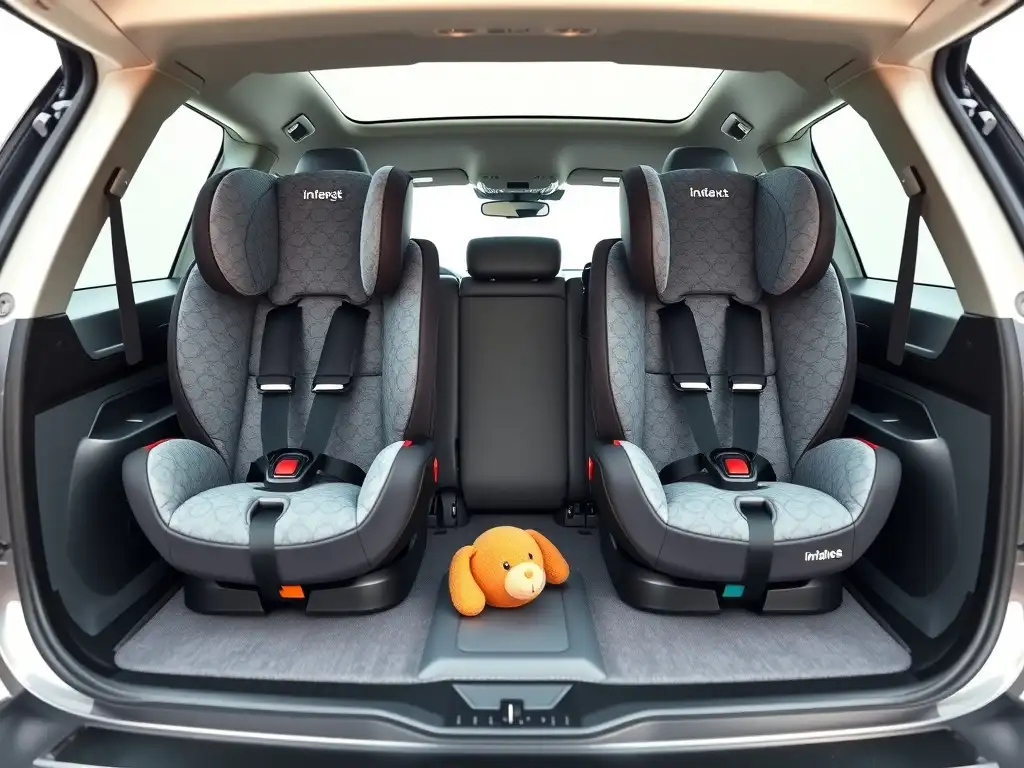
Traveling safely with twins or multiples requires more than just the right car seats; optimizing the car ride for both safety and convenience involves strategic use of helpful accessories. These aren't just nice-to-haves; they're crucial for maintaining order and ensuring the well-being of your little ones during every journey. Properly equipping your vehicle significantly enhances your ability to perform safe twins car seat installation and maintain a secure environment for all passengers.
Car Seat Organizers for Efficient Storage
Keeping your car organized when transporting twins or triplets is a challenge. Diaper bags, wipes, toys, extra clothes – the list goes on. Car seat organizers are lifesavers, providing dedicated storage for all the essentials within easy reach. They typically attach to the headrests of your car seats, maximizing space and preventing items from cluttering the car floor.
Look for organizers with multiple compartments, including insulated pockets for bottles or snacks, and sturdy straps to ensure secure attachment. Consider features like waterproof materials for easy cleaning and reflective strips for enhanced visibility at night. Investing in a well-designed organizer can dramatically reduce the stress of traveling with multiples, allowing you to focus on driving safely and attending to your children's needs. The organization also contributes indirectly to safe twins car seat installation by preventing items from interfering with the car seats' secure placement.
Mirror for Monitoring Rear-Facing Passengers
When transporting infants or toddlers in rear-facing car seats, maintaining visibility is paramount. A rearview mirror specifically designed for car seats provides a clear and unobstructed view of your children in the back seats. These mirrors attach securely to the headrest and offer a wide-angle view, allowing you to easily monitor their comfort and safety without having to constantly turn around. Choose a mirror with a shatter-resistant design and an adjustable angle for optimal viewing.
This simple accessory significantly enhances your peace of mind, knowing you can keep a watchful eye on your precious cargo while driving. This is especially important for safe twins car seat installation as it allows you to constantly check if the children are secured correctly. It’s a small investment with a big payoff in safety and reassurance.
Additional Safety Tips for Traveling with Twins or Multiples
Beyond specific accessories, several key practices enhance car seat safety for multiples:
- Regular Inspections: Always check car seat straps, buckles, and anchors before each trip. Ensure the seats are properly installed and adjusted for your children's size and weight.
- Appropriate Car Seats: Use car seats appropriate for the age, weight, and height of each child, following manufacturer instructions meticulously.
- Secure Loading and Unloading: Always ensure all children are safely buckled in before driving and remain buckled until the car is completely stopped. Never leave children unattended in a vehicle.
- Emergency Preparedness: Keep a well-stocked emergency kit in your vehicle, including first-aid supplies, extra diapers, wipes, and water.
- Professional Installation: If you are unsure about the proper installation of your car seats, seek professional assistance from a certified child passenger safety technician. This is especially valuable when dealing with multiple car seats to ensure safe twins car seat installation.
Careful preparation and attention to detail are essential components of ensuring a safe and comfortable journey for your family. Remember, proactive measures are key to preventing accidents and ensuring the well-being of your multiples. Prioritizing safe twins car seat installation and following these guidelines will significantly contribute to the safety and well-being of your children.
Addressing Common Concerns Regarding Safe Twins Car Seat Installation
This section addresses frequently asked questions and anxieties surrounding the installation of car seats for twins or multiples. Safe twins car seat installation requires careful planning and attention to detail, exceeding the challenges of securing a single child's car seat. We'll explore practical solutions to common hurdles, ensuring the safety and well-being of your precious cargo.
Handling Tight Spaces and Limited Vehicle Capacity
Fitting two (or more!) car seats into a vehicle, especially smaller models, can feel like a logistical nightmare. Many parents struggle with finding enough space to install car seats correctly while maintaining passenger comfort and access. Here are some crucial considerations:
- Vehicle Selection: Before even thinking about car seats, consider the vehicle's interior dimensions. Measure the backseat width and depth to ensure sufficient space for the chosen car seats. Models with wider backseats, such as SUVs or minivans, are often preferable. Consider the ISOFIX system – many newer vehicles have this built-in system, which facilitates easy and safe installation.
- Car Seat Choice: Opt for slim, lightweight car seats designed for optimal space utilization. Look for models with narrow bases and adjustable features that allow for a customized fit within the vehicle's constraints. Avoid bulky, oversized car seats that might not leave sufficient space for proper installation or passenger comfort.
- Strategic Placement: Experiment with different arrangements to find the most effective seating configuration. Sometimes, rotating car seats can maximize space. Remember, always prioritize safe installation according to the manufacturer's instructions and local regulations. Consider using a car seat installation guide from a certified child passenger safety technician for support.
- Extended Family Vehicles: If your regular vehicle is too cramped, consider borrowing a larger vehicle for journeys with your multiples or having an alternative for longer trips.
Managing Different Child Sizes and Stages
Twins and multiples often reach developmental milestones at slightly different times, resulting in variations in size and the need for different car seat types. This presents unique challenges for safe twins car seat installation.
One child might still need a rear-facing infant car seat while the other has transitioned to a forward-facing convertible car seat. This necessitates careful planning and consideration of compatibility.
- Staggered Growth: Be prepared for this reality. You may need to purchase car seats at different times, accommodating the individual growth of each child. Consider purchasing different stages of car seats to ensure you are ready.
- Compromise on Features: You may need to compromise on some features (e.g., cup holders or extra padding) to prioritize space efficiency and the safe, secure installation of both car seats.
- Professional Guidance: Consult a certified child passenger safety technician to ensure both car seats are installed correctly, regardless of their size and type. They can also offer advice on which car seat types are best suited for your vehicle and children's sizes.
- Regular Checks: Regularly check the fit of each car seat to ensure that it remains appropriate for your child's size and weight. This is crucial for maintaining optimal safety.
Emergency Preparedness: Quick Release Strategies and Evacuation Plans
In the event of an accident or emergency, quick and efficient removal of children from the vehicle is paramount. For multiples, this requires meticulous planning and practice.
- Familiarization: Practice releasing your children from their car seats regularly. This will help you become proficient and confident in the process, reducing stress during a crisis.
- Accessible Placement: Ensure that the car seats are easily accessible, allowing for quick and safe removal of children from the vehicle. Avoid placing bulky items that could hinder access.
- Emergency Evacuation Plan: Develop a detailed emergency evacuation plan that includes specific steps for removing your children from their car seats in various scenarios. The plan should be well-rehearsed and understood by all caregivers.
- Emergency Contacts: Keep a list of emergency contacts readily available, including the numbers for local emergency services and family members.
- Regular Drills: Conduct regular practice drills to familiarize yourselves with the evacuation plan. This will ensure that everyone knows what to do in case of an emergency, boosting confidence and preparedness. This is especially important for safe twins car seat installation.
Remember, prioritizing safe twins car seat installation is crucial. Careful planning, proper installation, and regular practice are key to ensuring the safety and well-being of your multiples. Don't hesitate to seek professional advice if you have any doubts or concerns. Your diligence will pay off in providing the safest possible environment for your children.
Frequently Asked Questions
What are the best car seats for twins?
There's no single "best" car seat, as the ideal choice depends on your twins' ages and sizes, as well as your vehicle. Consider convertible car seats or all-in-one car seats for versatility. Consult a certified Child Passenger Safety Technician for personalized recommendations.
How do I safely install two car seats in my car?
Safe installation requires careful consideration of your vehicle's seatbelts and anchor points. Ensure each seat is securely fastened according to the manufacturer's instructions. Professional installation is highly recommended, especially for rear-facing seats.
Are there specific regulations for installing twin car seats?
While there aren't specific "twin" regulations, all car seat installations must comply with federal safety standards. Always refer to your car seat's manual and your vehicle's owner's manual for guidance. Prioritize correct installation above all else.
What if my car doesn't have enough space for two car seats?
Consider different car seat models to maximize space. Some are more compact than others. If space remains an issue, explore alternative transportation, such as a larger vehicle or carpooling. Safety should never be compromised.
Where can I find a certified Child Passenger Safety Technician (CPST)?
You can locate a CPST near you through the National Highway Traffic Safety Administration (NHTSA) website or Safe Kids Worldwide. They can provide expert advice and installation checks, ensuring your twins are safely secured.
Final Reflection: Securing Our Future, One Car Seat at a Time
The safe transportation of our most precious cargo – our children – remains a paramount concern, and for parents of multiples, this concern is amplified. The complexities of installing multiple car seats correctly, ensuring proper fit and minimizing the risk of injury, underscore the critical need for comprehensive knowledge and readily available resources. The seemingly simple act of buckling a child into a car seat becomes a multifaceted challenge when dealing with twins, triplets, or more.
The journey towards mastering safe car seat installation for multiples is a testament to the unwavering dedication of parents. It's a journey filled with learning curves, moments of frustration, and ultimately, the immense satisfaction of knowing you've done everything possible to protect your children. This journey reflects a broader societal shift towards prioritizing child safety, a shift that demands ongoing education and support. The best thing you can do is to be informed and prepared. Knowledge is the greatest protection.
This quote resonates deeply, highlighting the power of information in safeguarding our children.
Now, consider your own family's car seat setup. Are you confident in the safety of your installation? Take a moment to review the guidelines outlined in this article. Don't hesitate to seek professional help if needed. Remember, the peace of mind that comes from knowing your children are securely fastened is invaluable. Embrace the challenge, celebrate the victories, and continue to learn and grow in your commitment to ensuring the safest possible journey for your multiples. The future of your family's safety depends on it.
Unlock Safer Journeys: Actionable Steps for Twin & Multiple Car Seat Safety
Thank you for learning about car seat safety for twins and multiples! We hope you found valuable information to keep your children secure on every trip. Now, let's put that knowledge into practice:
- Get a professional car seat check: Schedule a consultation with a certified Child Passenger Safety Technician (CPST) to ensure your car seats are correctly installed and your children are properly secured. This is the most crucial step for their safety.
- Share this information: Help spread awareness about essential car seat safety tips! Sharing this article on social media could save a life.
- Join a support network: Connect with other parents of multiples online to share experiences, ask questions, and build a supportive community focused on safe travel for twins and other multiples.
Ready to prioritize your family's safety? What's the first step you'll take to ensure your children are securely buckled up?