
Car Seat Safety After an Accident: When to Replace Your Seat

Welcome to BabyCareHub, your ultimate guide to navigating the incredible journey of parenthood. We understand that the first few years are filled with both joy and countless questions. But what happens when the unexpected occurs? This is why we're addressing a critical aspect of your baby's safety: car seat replacement after an accident. Discover when it's time to replace your car seat and ensure your little one's continued protection. Learn more and gain peace of mind by exploring our comprehensive Health & Safety section.
- Understanding Car Seat Damage After a Car Accident
- Determining if Your Car Seat Needs Replacement After a Crash
- Car Seat Replacement: Choosing a Suitable Replacement
- Cost Considerations and Insurance Coverage for Car Seat Replacement
- Resources for Car Seat Safety and Replacement
- Beyond Replacement: Maintaining Car Seat Safety
- Frequently Asked Questions About Car Seat Replacement After an Accident
-
Frequently Asked Questions
- Should I replace my car seat after a car accident, even if it doesn't look damaged?
- What are the signs that indicate I need a car seat replacement after an accident?
- How do I know if my car seat is still safe after a minor fender bender?
- Where can I find a certified technician to inspect my car seat after an accident?
- What type of car seat should I buy as a replacement?
- Final Reflection: The Silent Guardian: Protecting Your Child After a Crash
- Rediscover Your Peace of Mind: Prioritize Car Seat Safety
Understanding Car Seat Damage After a Car Accident
The safety of your little one is paramount, and choosing the right car seat is just the first step. What happens after a car accident, even a minor one, is equally crucial. This guide will help first-time parents understand when it's necessary to replace a car seat following a collision, ensuring your baby continues to travel safely and securely.
We'll delve into both the visible and hidden damage that can compromise a car seat's protective capabilities, emphasizing the importance of professional inspection and replacement when necessary. Knowing when to replace your car seat after an accident is a critical aspect of responsible parenting, directly impacting your child's well-being and safety on the road. Ignoring potential damage can have severe consequences, so let's explore this important topic thoroughly.
This article aims to answer the question: "When should I replace my car seat after an accident?" providing clear guidelines and helping you make informed decisions about your child's safety.
Assessing Visible Damage: Cracks, Breaks, and Tears
After any car accident, carefully inspect your child's car seat for visible damage. This is the first, and often easiest, step in determining whether replacement is necessary. Look for obvious signs of damage, such as:
- Cracks: Examine the plastic shell thoroughly for any cracks, no matter how small. Even hairline fractures can significantly weaken the car seat's structural integrity. Pay close attention to areas subjected to high impact forces during the accident, such as the base and sides.
- Breaks: Any broken parts, whether in the plastic shell, the harness system, or the buckles, require immediate car seat replacement. These breaks indicate a compromised ability to protect your child in a subsequent collision.
- Tears: Check the fabric covering for any tears or significant abrasions. While superficial tears might not immediately compromise safety, they can indicate underlying damage to the structure beneath. Extensive tearing necessitates a thorough inspection and likely replacement.
Remember, even seemingly insignificant damage can compromise the car seat's ability to absorb impact. A seemingly minor crack could become a catastrophic failure in a future accident. It's better to err on the side of caution and replace the car seat if you observe any visible damage. The safety of your child is worth the investment.
Visible damage is only part of the equation. Internal structural damage, often invisible to the naked eye, can be equally dangerous. The impact of a collision can weaken the car seat's internal components, even if the exterior appears undamaged. This hidden damage can significantly reduce the car seat's effectiveness in protecting your child in a subsequent accident. Examples of this hidden damage include:
- Internal Fractures: Microscopic fractures within the plastic shell might not be apparent during a visual inspection but can significantly weaken the car seat's ability to absorb impact forces.
- Harness System Damage: Even without visible tears, the harness system may have been compromised at the structural level. Internal damage to the straps or buckles can reduce their effectiveness in restraining your child.
- Compromised Energy Absorption: The materials designed to absorb impact energy might have been damaged, reducing the car seat's overall protection.
Because these types of damages are often not readily apparent, visual inspection alone is insufficient. A thorough professional inspection is crucial to ensure the continued safety of your child.
The Importance of Professional Inspection
Following any accident, regardless of severity, it is strongly recommended to have your car seat professionally inspected. While a visual inspection is a good first step, only a qualified technician can accurately assess the extent of potential hidden damage and determine the car seat's fitness for continued use. A professional inspection will provide peace of mind and ensure your child's safety.
Don't risk your child's safety by relying solely on a visual inspection; seek professional guidance to ascertain the car seat's structural integrity. Professional car seat technicians are trained to identify both visible and hidden damage, and they can advise you on whether replacement is necessary, providing you with the assurance and safety your child deserves. 👶 This expert evaluation is a crucial step in ensuring your child's safety after a car accident.
Determining if Your Car Seat Needs Replacement After a Crash
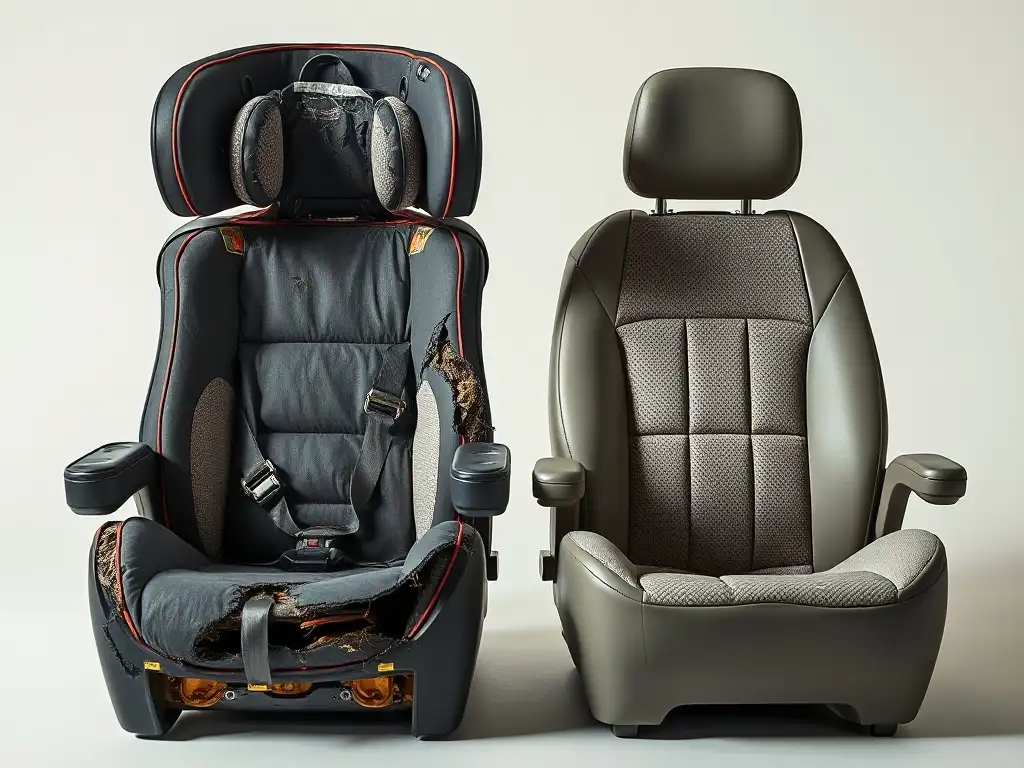
Determining whether your car seat requires replacement after a car accident can be stressful. The safety of your child is paramount, and understanding the nuances of car seat damage is crucial. This section will guide you through the process of assessing your car seat's condition following a collision, focusing on the severity of the impact and the manufacturer's recommendations. Remember, even seemingly minor accidents can compromise the structural integrity of your car seat, potentially jeopardizing your child's safety. Prioritizing car seat replacement after an accident is a critical aspect of responsible parenting.
Minor Accidents: Evaluating the Severity of Impact
Minor accidents, while seemingly insignificant, can still cause unseen damage to your car seat. A seemingly small bump might not show visible cracks or breaks, but the internal structure could be compromised. Consider these factors when evaluating a minor accident:
- Speed: Was the impact at low speed (under 5 mph), or slightly higher? Lower speeds generally result in less damage, but a careful inspection is still necessary.
- Type of Collision: Rear-end collisions often cause less damage to the car seat than head-on or side impacts. However, any collision warrants a careful evaluation.
- Visible Damage: Look closely for any cracks, breaks, or deformations in the car seat's plastic shell, harness, or base. Even small cracks can compromise its ability to protect your child.
- Functionality: Does the harness buckle and release smoothly? Does the car seat recline and adjust as it should? Any stiffness or difficulty in operation could indicate internal damage.
Example: Imagine a low-speed fender bender where your car sustained only minor scratches. While the damage to your vehicle might seem superficial, carefully examine the car seat. Even if there’s no visible damage, check the harness for any unusual stiffness or difficulty in adjusting the straps. If anything feels off, err on the side of caution and consider replacement. Your child's safety is worth the investment.
Moderate to Severe Accidents: Automatic Replacement Recommendation
In moderate to severe accidents, car seat replacement is almost always recommended. The forces involved in these collisions are significantly higher, dramatically increasing the risk of unseen damage. This includes accidents involving:
- Deployment of Airbags: Airbag deployment can cause significant damage to a car seat, even if the car seat wasn't directly involved in the impact. The force of the airbag deploying can compromise the integrity of the car seat's structure.
- Significant Vehicle Damage: If your vehicle sustained substantial damage (e.g., crumpled metal, deployed airbags, significant structural damage), it is highly recommended that you replace the car seat, regardless of visible damage to the seat itself.
- Rollover Accidents: Rollover accidents present a particularly high risk of car seat damage due to the complex forces and angles involved. Replacement is strongly advised after any rollover accident.
A general rule of thumb: If you're unsure after any accident, replace the car seat. The cost of a new car seat is far less than the potential cost of injuries to your child. Remember, the car seat's primary function is to mitigate the forces of a collision and protect your child. Compromising its integrity increases the likelihood of serious injury.
The Role of the Car Seat's Manufacturer
Many car seat manufacturers offer specific guidelines regarding car seat replacement after an accident. Check the manufacturer's instructions that came with your car seat or visit their website. These instructions often provide detailed information on assessing damage and making replacement recommendations based on the severity of the collision. They might provide a specific checklist to guide you.
Manufacturers sometimes offer a limited warranty that may cover replacement or repair in the event of an accident. Review your warranty information to understand your options. Contacting the manufacturer directly can provide valuable clarification and assistance in making an informed decision. Remember, their expertise in the design and safety features of their car seats is invaluable in determining the best course of action for your situation. Don't hesitate to reach out for guidance. Prioritizing your child's safety is always the top priority.
Car Seat Replacement: Choosing a Suitable Replacement
Choosing a replacement car seat after an accident can be daunting, but prioritizing your child's safety is paramount. This process requires careful consideration of several factors beyond simply finding a similar model. The severity of the accident, the damage to the car seat itself, and the age and size of your child all play crucial roles in selecting the appropriate replacement.
Remember, even if the car seat appears undamaged, internal components might be compromised, significantly reducing its protective capabilities. Always err on the side of caution; your child's safety is priceless. This section will guide you through the essential steps to ensure you select a car seat that provides optimal protection.
Selecting a Car Seat Compatible with Your Vehicle
Compatibility between the car seat and your vehicle is critical for proper installation and optimal safety. Check your vehicle's owner's manual for specific recommendations on car seat types and placement. Not all vehicles are designed to accommodate all car seat models. Consider the vehicle's seatbelt system and the presence of LATCH (Lower Anchors and Tethers for Children) connectors.
These systems significantly impact the installation process and the overall security of the car seat. For example, some older vehicles may lack LATCH, requiring reliance on the seatbelt system, which may necessitate more complex installation techniques. Improper installation can drastically reduce the effectiveness of the car seat, negating its protective features.
Take your time and carefully review the car seat's instruction manual alongside your vehicle's manual to ensure a secure and correct fit. If you are unsure, seeking professional installation assistance is always recommended. This could be through a certified child passenger safety technician or a qualified car seat installer at a local retailer.
Understanding Different Car Seat Types and Their Safety Features
The market offers a diverse range of car seats, each designed for specific age and weight ranges. Understanding these differences is crucial for making an informed decision. Rear-facing car seats offer superior protection for infants and toddlers, while forward-facing seats are suitable for older children. Convertible car seats offer both rear-facing and forward-facing options, providing versatility and cost savings.
Booster seats, used for older children, elevate the child to allow the vehicle's seatbelt to fit correctly. Each type has specific safety features, such as side-impact protection, energy-absorbing materials, and harness systems designed to minimize injury during a collision. Consider the features that align best with your child's needs and your vehicle's capabilities.
For instance, a car seat with advanced side-impact protection might be a worthwhile investment if you frequently travel on busy roads. Researching safety ratings from reputable organizations can provide valuable insights into the comparative performance of different car seat models. Don't hesitate to compare features and ratings before making your final decision.
Proper Installation of Your New Car Seat: Ensuring Correct Fit
Even the safest car seat is ineffective if improperly installed. Follow the manufacturer's instructions meticulously, ensuring a snug and secure fit. For LATCH-equipped vehicles, correctly attach the lower anchors and tether strap. For seatbelt installation, ensure the seatbelt is routed correctly through the car seat's designated pathways, and there is no slack. The car seat should not move more than one inch from side to side or front to back when you attempt to shake it.
If there is any excessive movement, readjust the installation. Consider using a level to ensure the car seat is properly aligned. Regularly check the installation to ensure it remains secure, especially after any changes in the vehicle or the child's weight. A properly installed car seat is the cornerstone of your child's safety.
Remember, a correctly installed car seat significantly reduces the risk of injury in the event of an accident. Investing time and effort into this crucial step is an investment in your child's well-being. If you have any doubts or questions about the installation process, seek professional assistance. The peace of mind knowing your child is properly protected is invaluable.
Cost Considerations and Insurance Coverage for Car Seat Replacement
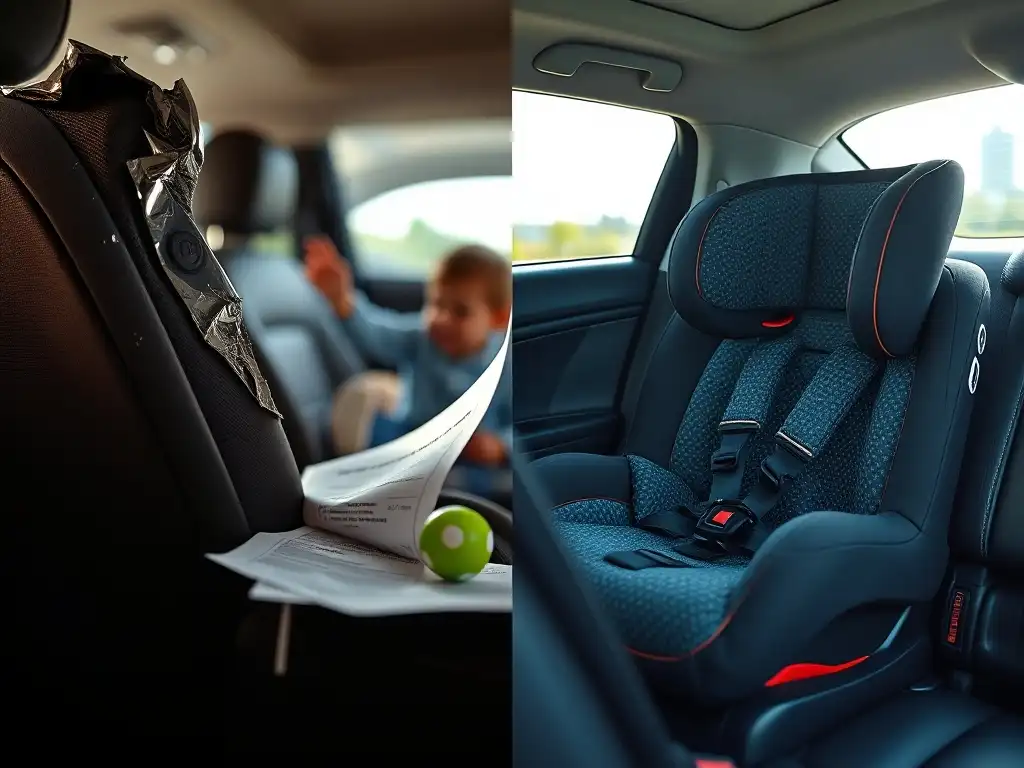
Replacing a car seat after an accident can be a significant expense, adding to the stress of an already difficult situation. Understanding the costs involved and whether your insurance will cover the replacement is crucial. This section will break down the factors influencing car seat replacement costs and guide you through checking your insurance policy for potential coverage.
Factors Affecting Car Seat Replacement Costs
Several factors influence the cost of replacing a car seat after an accident. The most significant is the brand and model of your car seat. High-end car seats with advanced safety features naturally cost more to replace than basic models. The age of the car seat also plays a role; older models might be harder to find, driving up the price. Finally, the availability of the specific car seat model in your area or online significantly impacts the cost. You might find yourself paying a premium for expedited shipping or searching across multiple retailers to find a suitable replacement.
Consider this example: A premium convertible car seat from a well-known brand, only a year old, might cost between $200 and $400 to replace. However, a more basic infant car seat, readily available online, could cost between $50 and $150. These are just estimates; actual prices vary widely depending on the factors mentioned above.
| Factor | Impact on Cost | Example |
|---|---|---|
| Car Seat Brand & Model | Higher-end brands and models cost more. | Graco SnugRide vs. Nuna Pipa |
| Age of Car Seat | Older models can be more expensive to replace. | Finding a discontinued model might be difficult. |
| Availability | Scarcity increases the price. | Limited stock can lead to higher prices. |
| Retailer | Prices vary between retailers. | Online vs. brick-and-mortar store prices. |
It's important to remember that even if the car seat appears undamaged, the internal structure might be compromised after a collision. This latent damage is often invisible to the naked eye and could significantly impact the car seat's ability to protect your child in a future accident. Therefore, erring on the side of caution and replacing the car seat is always recommended. The cost of replacement is far less than the potential cost of injury to your child.
Checking Your Insurance Policy for Coverage
Many insurance policies cover car seat replacement after an accident, but the specifics vary widely depending on your coverage type and your insurer. Before purchasing a replacement, thoroughly review your policy documents or contact your insurance provider directly. Look for clauses related to "child safety seat replacement," "accident-related expenses," or similar terms.
Some insurers might require you to file a claim and provide documentation such as a police report and evidence of the accident. Others might have a specific process for requesting reimbursement for car seat replacement. Keep all receipts related to the purchase of the new car seat. Some policies might have a limit on the amount they will reimburse, while others might cover the full cost of a new car seat up to a certain value. Understanding these details is critical to avoid unexpected out-of-pocket expenses.
Don't hesitate to ask your insurer clarifying questions. They can provide specific details about your coverage, including any required documentation or procedures. Proactive communication will ensure a smoother process and help you obtain the necessary reimbursement for your car seat replacement. Remember, prioritizing your child's safety is paramount, and understanding your insurance coverage is a crucial step in that process. 🚗👶
Resources for Car Seat Safety and Replacement
This section details crucial resources to help you determine whether your car seat needs replacing after an accident and guides you through the replacement process. Understanding the intricacies of car seat safety post-accident is paramount for your child's well-being. Remember, a compromised car seat significantly increases the risk of injury in future incidents. Prioritizing safety is always the top priority.
National Highway Traffic Safety Administration (NHTSA) Guidelines
The National Highway Traffic Safety Administration (NHTSA) is the leading authority on car seat safety in the United States. Their guidelines provide a comprehensive framework for assessing car seat damage following an accident, regardless of the severity. While they don't offer a simple "yes" or "no" answer for replacement, their recommendations are crucial for informed decision-making.
The NHTSA strongly advises replacing a car seat if it's been involved in a moderate to severe car accident. This includes collisions where the vehicle sustained significant damage, such as:
- Structural damage: Damage to the vehicle's frame or body impacting the area where the car seat was installed.
- Airbag deployment: Even if the car seat wasn't directly impacted, airbag deployment can exert substantial force that could compromise the seat's integrity.
- Rollover: Rollover accidents often subject car seats to extreme forces and twisting, increasing the risk of damage.
- High-speed impact: Collisions exceeding a certain speed threshold (specific speed limits aren't provided by NHTSA, but the severity of the impact is the key factor) significantly increase the likelihood of car seat damage.
Even in minor accidents, a thorough inspection is essential. Look for:
- Cracks or breaks: Examine the car seat's plastic shell, straps, and buckles for any visible cracks, breaks, or deformations.
- Loose parts: Check for any loose or wobbly parts, including the harness, buckles, and the base.
- Harness damage: Inspect the harness straps for fraying, cuts, or excessive stretching. A damaged harness cannot properly restrain your child.
- Latch system damage: If using the LATCH system, verify that the anchors are securely attached and show no signs of damage.
The NHTSA recommends discarding and replacing any car seat exhibiting any of these signs of damage. Remember, even if the damage is subtle, it could compromise the seat's ability to protect your child in a subsequent accident. Prioritizing your child's safety is paramount, and erring on the side of caution is always the best approach when it comes to car seat safety.
Certified Child Passenger Safety Technicians (CPSTs)
For a professional evaluation, consider consulting a Certified Child Passenger Safety Technician (CPST). These trained professionals can conduct a thorough inspection of your car seat to determine if it's still safe for use after an accident. They possess the expertise to identify subtle damage that might be missed by the average parent.
CPSTs can assess the structural integrity of the car seat, examine the harness system for damage, and verify the proper functioning of all components. Their expertise provides an invaluable layer of assurance, particularly in cases where you're unsure about the extent of the damage.
Locating a CPST near you is typically achievable through online searches or by contacting local hospitals, fire departments, or police stations. Many organizations offer resources to help you find a CPST in your area. They can provide invaluable insights and guidance, helping you make an informed decision about your child's car seat. Leveraging their expertise can significantly enhance your peace of mind. Remember, the safety of your child is priceless. Don't hesitate to seek professional help when in doubt.
This detailed guide emphasizes the critical importance of car seat replacement after accidents, highlighting the need for thorough inspection and professional assessment. Remember, a safe car seat is an essential element in keeping your child secure.
Beyond Replacement: Maintaining Car Seat Safety
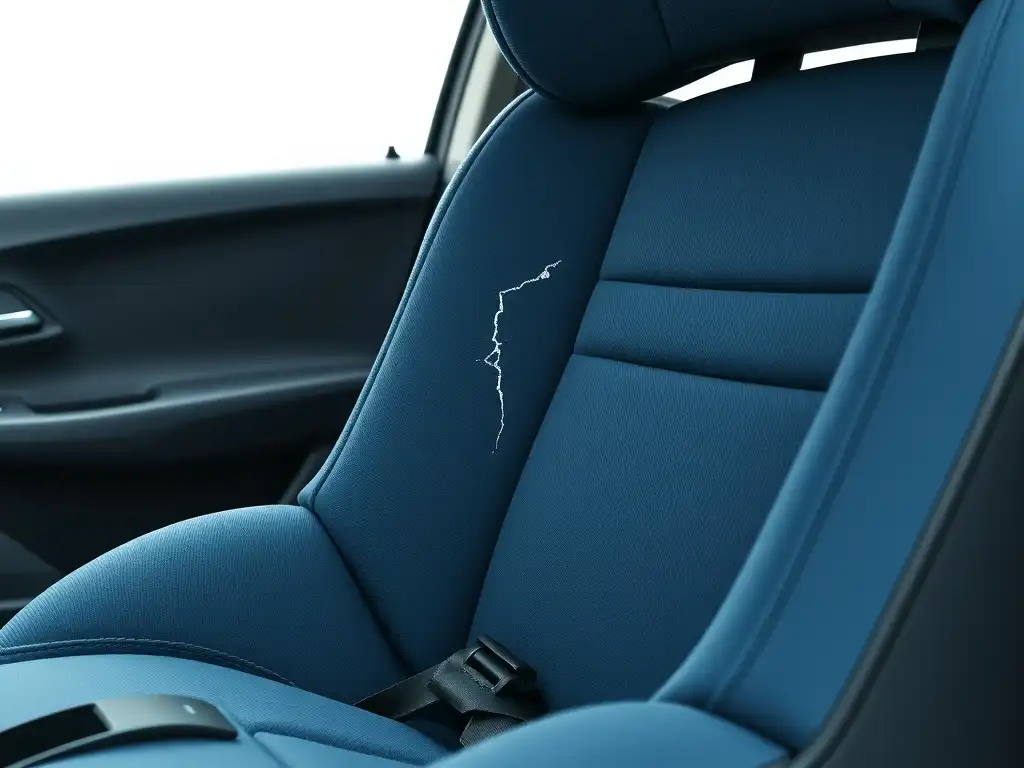
After a car accident, determining whether to replace your car seat is crucial for your baby's safety. However, even if your car seat survives a crash unscathed, proactive maintenance is key to ensuring its continued effectiveness in protecting your precious cargo. Neglecting regular care can compromise its structural integrity and reduce its ability to absorb impact in future incidents.
This section focuses on maintaining your car seat's safety beyond the immediate aftermath of an accident, focusing on regular checks and cleaning. Remember, a well-maintained car seat is a safer car seat, regardless of prior accidents. This is vital for ensuring your child's continued safety while riding in the car.
Regular Inspections for Wear and Tear
Regularly inspecting your car seat for wear and tear is paramount. Even without a significant accident, everyday use can lead to gradual deterioration. Look for:
- Cracked or broken plastic: Examine the car seat's shell carefully for any cracks, breaks, or significant scratches. These can compromise its structural integrity and ability to protect your child. Pay particular attention to the areas that bear the most stress during impact – the base, harness connectors, and buckle.
- Frayed or damaged straps: Check the harness straps for fraying, cuts, or excessive wear. Straps are critical for securing your child, and damage can significantly reduce their effectiveness. Also, examine the stitching on the straps – loose or broken stitching is a serious issue.
- Loose or malfunctioning buckles: The buckle is the primary mechanism for securing the harness. Ensure it latches securely and releases smoothly. A malfunctioning buckle can easily fail in an accident.
- Expired car seat: Many car seats have expiration dates printed on a label, typically found on the side or bottom of the seat. These dates reflect the manufacturer's assessment of the materials' degradation over time. Using an expired car seat can compromise its effectiveness. Always check for this expiration date and replace the seat accordingly.
Consider creating a checklist and scheduling monthly inspections to make this a habit. Taking photos of your inspections can help you track any changes over time and provide evidence of any wear and tear if you ever need to make an insurance claim. Remember, proactive maintenance is the best way to ensure your child's car seat remains safe and effective. A proactive approach to car seat maintenance significantly reduces the risk of injury in the event of an accident.
Keeping Your Car Seat Clean and Free from Debris
Maintaining cleanliness is not merely about aesthetics; it's crucial for the car seat's functionality and longevity. Food spills, dirt, and other debris can accumulate, affecting the straps' ability to function correctly and potentially harbor harmful bacteria.
- Regular cleaning: Regularly wipe down the car seat's surfaces with a damp cloth and mild detergent. Follow the manufacturer's cleaning instructions carefully, as some car seats have specific cleaning requirements. Avoid harsh chemicals, abrasive cleaners, and bleach.
- Spot cleaning spills: Address spills immediately to prevent staining and odor buildup. For stubborn stains, consult the manufacturer's instructions or seek guidance from a car seat specialist.
- Harness cleaning: Pay particular attention to cleaning the harness straps. Use a mild detergent and gently scrub to remove dirt and grime. Allow the straps to air dry completely before reinstalling the car seat. Avoid using a washing machine or dryer, unless explicitly stated as safe by the manufacturer.
- Removing debris: Regularly check for and remove any debris such as crumbs, small toys, or other items that may have gotten lodged in the car seat's crevices. This is important for preventing the build-up of bacteria and maintaining the integrity of the seat.
Maintaining a clean car seat is not only essential for hygiene but also helps you identify potential problems more easily. A clean car seat allows for easier visual inspection of the straps, buckles, and shell for wear and tear. By incorporating regular cleaning into your car seat maintenance routine, you contribute significantly to your child's safety and comfort while traveling. A clean car seat is a safer car seat.
Frequently Asked Questions About Car Seat Replacement After an Accident
This section addresses common concerns parents have regarding car seat replacement after a vehicle accident. Understanding when to replace your car seat is crucial for ensuring your child's continued safety. Remember, even minor accidents can compromise the structural integrity of your car seat, potentially jeopardizing your child's well-being. Prioritizing safety is paramount.
What are the signs of internal damage to a car seat that may not be immediately visible?
Determining if a car seat needs replacing after an accident isn't always straightforward. Visible damage, like cracks or broken plastic, is a clear indicator of the need for replacement. However, significant internal damage may not be apparent to the naked eye. This hidden damage can severely compromise the car seat's ability to protect your child in a subsequent accident.
Several subtle clues might suggest internal damage:
- Unusual flexibility: Gently squeeze the car seat's shell. If it feels unusually flexible or softer than before the accident, it could indicate internal damage to the structural components. A weakened shell won't provide adequate protection in a crash.
- Loose or wobbly parts: Examine the harness straps, buckle, and other moving parts. Any looseness or wobbling that wasn't present before the accident is a major red flag. These components are critical for securely restraining your child.
- Clicking or grinding sounds: If you hear unusual clicking or grinding sounds when manipulating the car seat's parts, it suggests potential damage to the internal mechanisms. This could affect the car seat's ability to absorb impact forces effectively.
- Altered base stability: For car seats with bases, check for any instability or looseness. If the base doesn't feel as secure as before, it may be compromised.
Remember, even if you don't see obvious damage, any accident involving a car seat warrants a careful inspection. When in doubt, err on the side of caution and replace the car seat. Your child's safety is worth the investment. The peace of mind knowing your child is properly protected is invaluable.
How can I find a Certified Child Passenger Safety Technician (CPST) near me?
Locating a Certified Child Passenger Safety Technician (CPST) is highly recommended after any accident involving a car seat. These trained professionals can thoroughly inspect your car seat and determine whether it's safe for continued use. They possess the expertise to identify hidden damage that might be missed by a casual observer. Their professional assessment offers invaluable peace of mind.
To find a CPST near you, you can utilize online search engines by searching "CPST near me". Many organizations dedicated to child passenger safety maintain searchable databases of certified technicians. These databases often allow you to filter by location to find technicians in your immediate vicinity. Alternatively, you can contact local hospitals, fire departments, or police stations; they often have information on CPSTs in their area. Don't hesitate to reach out; their expertise is a valuable resource.
What is the average cost of replacing a car seat?
The cost of replacing a car seat varies significantly depending on several factors including:
- Type of car seat: Infant car seats generally cost less than convertible or all-in-one car seats. Features like added safety technologies or brand name recognition can also impact pricing.
- Brand: Different brands offer a range of price points, reflecting variations in materials, features, and manufacturing costs.
- Retailer: Prices can fluctuate between different retailers, including online stores and brick-and-mortar baby shops.
While providing an exact average cost is difficult due to these variations, expect to spend anywhere from $100 to $400 or more for a new car seat. This is a significant investment, but it's a small price to pay for your child's safety and security. Consider this cost an investment in the most precious cargo you'll ever carry. Prioritizing your child's safety should always be the top priority.
Frequently Asked Questions
Should I replace my car seat after a car accident, even if it doesn't look damaged?
Yes, even minor accidents can compromise the structural integrity of your car seat. It's crucial to replace it to ensure your baby's safety. Always err on the side of caution.
What are the signs that indicate I need a car seat replacement after an accident?
Obvious signs include cracks, breaks, or significant damage to the car seat's plastic or frame. Less obvious signs may require a professional inspection. Always check the manufacturer's instructions.
How do I know if my car seat is still safe after a minor fender bender?
A minor fender bender might not cause visible damage, but it could still affect the car seat's ability to protect your child. Contact the manufacturer or a certified child passenger safety technician for guidance.
Where can I find a certified technician to inspect my car seat after an accident?
You can find a certified Child Passenger Safety Technician (CPST) through the National Highway Traffic Safety Administration (NHTSA) website or similar organizations in your country. They can assess the damage and advise you on replacement.
What type of car seat should I buy as a replacement?
The best replacement car seat will depend on your child's age, weight, and height. Consult the manufacturer's guidelines and consider features like ease of use and safety ratings. Always choose a car seat that meets current safety standards.
Final Reflection: The Silent Guardian: Protecting Your Child After a Crash
The safety of our children is paramount, and ensuring their car seats remain effective protectors after an accident is a critical, often overlooked, aspect of responsible parenting. A seemingly minor fender bender can compromise the structural integrity of a car seat, silently jeopardizing your child's safety in future incidents. This knowledge underscores the urgent need for informed decision-making when it comes to car seat replacement.
The emotional toll of a car accident, regardless of severity, can overshadow the crucial need for a thorough inspection and potential replacement of your child's car seat. The lingering fear and trauma can make it difficult to focus on the practical steps needed to ensure future safety. The best way to predict the future is to create it,
Abraham Lincoln once said. And in this context, creating a safe future for our children requires proactive attention to detail, even after the immediate crisis has passed. We must move beyond the immediate shock and actively assess the integrity of our car seats to ensure they continue to provide the protection they were designed for.
Consider this your call to action. Don't let the potential cost of a new car seat outweigh the immeasurable value of your child's safety. Take the time to carefully review the information presented in this article, and if you've been involved in even a minor accident, don't hesitate to err on the side of caution. Your child's life depends on it. Invest in their future, invest in their safety, and choose peace of mind knowing you've done everything possible to protect them on the road.
Rediscover Your Peace of Mind: Prioritize Car Seat Safety
Thank you for taking the time to learn about car seat safety. Your child's well-being is our top priority, and we hope this information has been helpful. Let's ensure your child's safety on every journey.
- Replace your car seat immediately after any moderate or severe accident. A damaged car seat compromises your child's safety and should never be reused.
- Carefully inspect your car seat for any cracks, damage to the shell, or loose straps. Even seemingly minor damage can significantly reduce its effectiveness in protecting your child.
- Share this vital safety information with your friends and family—it could save a life!
Are you ready to ensure your child is securely protected?