
Car Seat Headrests: Understanding Their Role in Safety

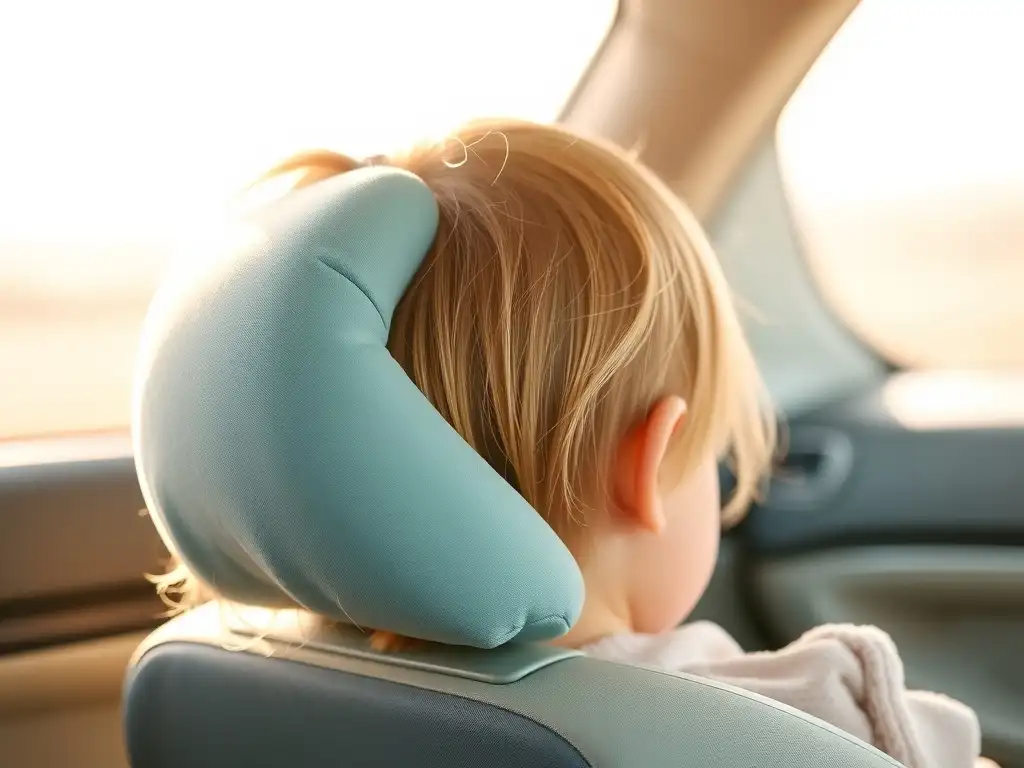
Welcome to BabyCareHub, your ultimate guide to navigating the exciting yet challenging journey of parenthood! Are you ready to confidently tackle every stage of your baby's development? We're here to help, offering expert advice and practical tips on everything from feeding schedules to developmental milestones. But first, let's address a crucial aspect of your little one's safety: discover the critical role of car seat headrests and how choosing the best can make all the difference. Dive into our comprehensive article on "Car Seat Headrests: Understanding Their Role in Safety" and ensure your precious cargo is protected.
- The Importance of Proper Headrest Adjustment for Child Car Seat Safety
- Best Car Seat Headrest Safety: Choosing the Right Headrest
- Installing and Adjusting Your Car Seat Headrest Correctly
- Maintaining Your Car Seat Headrest for Optimal Performance
- Frequently Overlooked Aspects of Car Seat Headrest Safety
- Resources and Further Information on Car Seat Headrest Safety
- Frequently Asked Questions
- Final Reflection: The Unsung Heroes of Road Safety
- Unlock Your Child's Safe Journey: Take Action Today!
The Importance of Proper Headrest Adjustment for Child Car Seat Safety
Ensuring your child's safety during car travel is paramount, and a crucial, often overlooked, aspect is the proper adjustment of the car seat headrest. This comprehensive guide will delve into the critical role headrests play in protecting your little one, focusing on achieving optimal headrest height and understanding the consequences of improper positioning. We'll explore how the seemingly small detail of headrest adjustment significantly impacts your child's safety in the event of a collision, offering practical advice and age-specific recommendations to help you make informed choices and maximize your child's protection.
Understanding and implementing these best practices contributes significantly to your child's overall car seat safety and peace of mind for parents. This guide aims to be your ultimate resource for understanding the "Best car seat headrest safety" practices, ensuring your child travels safely and securely.
Understanding Headrest Function in Car Seat Safety
Car seat headrests are not merely for comfort; they are vital safety components designed to protect your child's head and neck in the event of a collision. During a rear-end impact, the headrest helps to prevent the head from snapping backward, reducing the risk of whiplash and other serious neck injuries. Similarly, in a side-impact collision, a properly adjusted headrest provides crucial support, minimizing the potential for head and neck trauma.
The headrest works in conjunction with the car seat's harness and shell to create a secure and protective environment, distributing impact forces away from the most vulnerable areas of your child's body. Think of it as an additional layer of protection, working synergistically with the car seat's other safety features.
The effectiveness of the headrest hinges on its correct positioning. A headrest that's too low allows the head to move excessively during an impact, increasing the risk of injury. Conversely, a headrest that's too high can also be problematic, potentially restricting movement and impacting the overall safety of the car seat. Finding the optimal height is critical for maximizing the headrest's protective capabilities.
Optimal Headrest Height for Different Age Groups and Car Seats
Determining the ideal headrest height depends on several factors, including your child's age, height, and the specific car seat model. There isn't a one-size-fits-all answer, but general guidelines can help. For infants and toddlers in rear-facing car seats, the headrest is often not a primary concern as their heads are well-supported by the car seat's shell. However, ensure the car seat itself is properly installed and fits snugly.
For older children in forward-facing car seats, the headrest becomes increasingly important. As a general rule, the top of the headrest should be at or slightly above the top of your child's head. This ensures that the headrest provides adequate support and prevents excessive head movement during a collision. Always refer to your car seat's manual for specific instructions on adjusting the headrest and ensuring it's correctly positioned for your child's age and size. Regularly check and adjust the headrest as your child grows to maintain optimal protection. Remember, safety is an ongoing process, not a one-time event.
The Impact of Incorrect Headrest Positioning on Child Safety
Failing to adjust the headrest correctly can have severe consequences. A headrest that's too low significantly increases the risk of whiplash and other neck injuries during a rear-end collision. The head can be thrown backward with considerable force, potentially causing serious damage to the cervical spine. In side-impact collisions, an improperly positioned headrest can leave the head and neck vulnerable to lateral forces, leading to significant injuries.
Conversely, a headrest that is too high can also compromise safety. It can restrict the child's movement, potentially interfering with the proper functioning of the car seat's harness system. It can also increase the risk of the child's head striking the headrest during a collision, potentially causing injury. Therefore, achieving the optimal headrest height is crucial for mitigating these risks and ensuring your child's maximum safety. Regularly reviewing the headrest position is a simple yet critical step in ensuring your child's safe travels.
Best Car Seat Headrest Safety: Choosing the Right Headrest
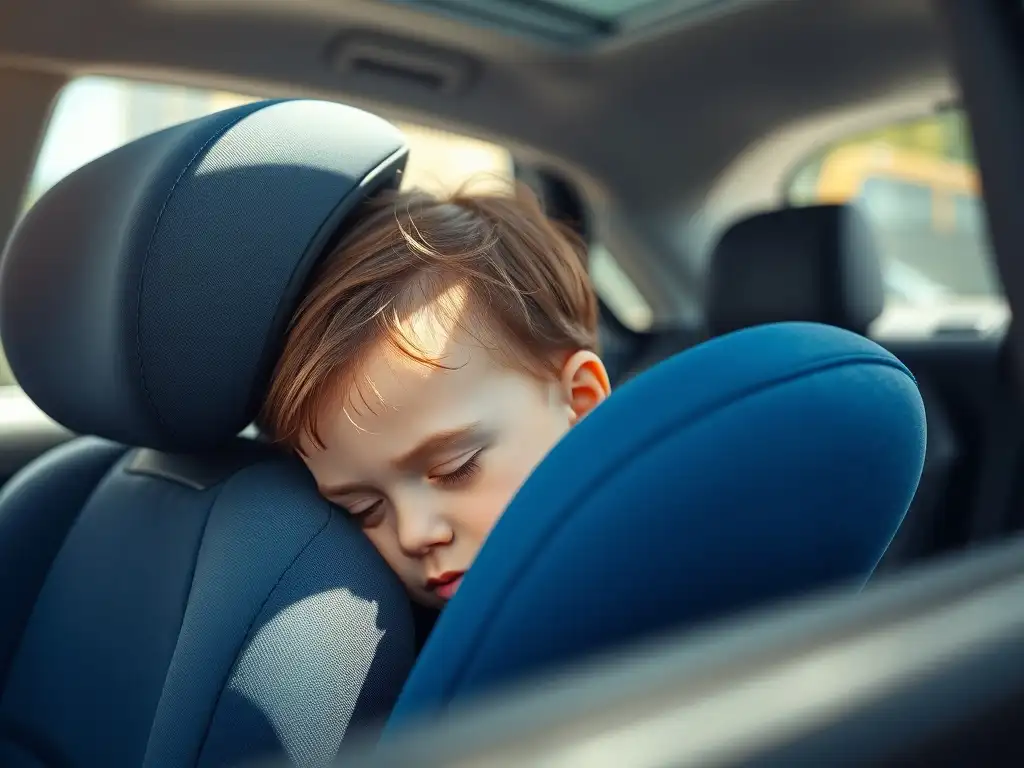
Choosing the right car seat headrest is crucial for your baby's safety. While the overall car seat installation and its proper fit are paramount, the headrest plays a vital role in protecting your child's head and neck during a collision. A poorly designed or improperly adjusted headrest can significantly compromise safety, even with a correctly installed car seat.
This section will guide you through selecting a headrest that provides optimal protection and peace of mind. Remember, the "best" car seat headrest safety is not just about a specific brand, but about the features and compatibility that ensure a snug and secure fit for your child.
Features to Look for in a Safe and Effective Car Seat Headrest
Several key features distinguish a safe and effective car seat headrest from a less protective one. These features work together to minimize the risk of head and neck injuries in the event of a crash.
- Height Adjustability: The headrest should be easily adjustable in height to accommodate your child's growth. A headrest that is too low will leave the head unsupported, while one that's too high can be uncomfortable and potentially hinder proper restraint. Look for models with clear height markings and simple adjustment mechanisms.
- Side Impact Protection: Modern car seats often incorporate enhanced side impact protection, and the headrest plays a crucial role. Look for headrests that extend beyond the shoulders, providing additional coverage in the event of a side collision. Some headrests have built-in padding or specialized materials designed to absorb impact energy.
- Firmness and Stability: The headrest should be firm and stable, not flimsy or easily moved. A wobbly or unstable headrest won't provide adequate support in a crash. Check the headrest's construction and materials to ensure it's robust enough to withstand impact forces.
- Material and Padding: The headrest material should be comfortable and breathable, but also durable and resistant to tearing or damage. Adequate padding is essential to provide cushioning and absorb impact energy. Consider the breathability of the material, particularly in warmer climates, to ensure your child's comfort.
- Integrated Headrest and Harness System: Some car seats have an integrated headrest and harness system, which adjusts simultaneously. This design ensures the headrest and harness remain optimally positioned as your child grows, simplifying adjustments and enhancing safety.
Different Types of Headrests and Their Safety Benefits
Car seat headrests vary in design and construction, each offering specific safety benefits:
| Headrest Type | Description | Safety Benefits | Considerations |
|---|---|---|---|
| Standard Headrest | A basic, fixed or adjustable headrest integrated into the car seat. | Provides basic head and neck support. | May not offer advanced side impact protection or adjustability as newer models. |
| LATCH-equipped | A headrest that seamlessly works with the LATCH system for secure installation. | Ensures correct installation and a stable base for the headrest. | Verify compatibility with your vehicle's LATCH system. |
| Adjustable Headrest | Offers multiple height settings to accommodate your child's growth. | Maintains proper head and neck support as your child grows. | Easy adjustability is key for optimal safety. |
| Side Impact Headrest | Designed with extended side wings or padding for enhanced side collision protection. | Reduces the risk of head and neck injuries in side impacts. | Offers superior protection but may be slightly bulkier. |
Remember to always consult your car seat's manual for specific instructions on headrest adjustment and use.
Headrest Compatibility with Various Car Seat Models
Headrest compatibility is often overlooked, but it's a crucial factor in ensuring optimal safety. Not all headrests are compatible with all car seat models. Always check the car seat manufacturer's instructions to confirm compatibility before purchasing or installing a headrest. Improper compatibility can compromise the effectiveness of the car seat's safety features and potentially endanger your child.
The compatibility often depends on the car seat's design and the type of headrest attachment system used (e.g., integrated, clip-on, etc.). Some car seats may have proprietary headrest designs that only work with their own brand's headrests. Always prioritize safety and carefully review the manufacturer's guidelines to ensure you are using a compatible and correctly installed headrest. Failure to do so could severely impact the effectiveness of the car seat's safety features.
Before purchasing, confirming the compatibility between the headrest and car seat should be a top priority. This simple step can help ensure the best possible protection for your child. 🚗👶
Installing and Adjusting Your Car Seat Headrest Correctly
This section focuses on the correct installation and adjustment of your car seat headrest, a crucial aspect of ensuring optimal safety for your baby. Remember, a properly installed and adjusted headrest contributes significantly to the overall protection offered by your car seat. Neglecting this step can compromise your child's safety in the event of a collision. The “Best car seat headrest safety” depends heavily on correct installation.
Step-by-Step Guide to Headrest Adjustment
The process of adjusting your car seat headrest varies slightly depending on the specific car seat model. However, most follow a similar pattern. Always refer to your car seat's instruction manual for detailed, model-specific guidance. This guide provides a general overview.
- Locate the Headrest Adjustment Mechanism: Most car seats have levers, buttons, or knobs located on the sides or back of the headrest itself. These mechanisms control the height and sometimes the angle of the headrest.
- Unlock the Headrest: Locate and engage the release mechanism. This usually involves pressing a button or pulling a lever.
- Adjust the Height: Once unlocked, gently move the headrest up or down to the desired height. The ideal height ensures your child's head rests comfortably within the headrest's protective area, generally at or slightly above the top of their ears. This is especially important for infants and toddlers.
- Check for Secureness: After adjusting, firmly press down on the headrest to ensure it's securely locked in place. There should be no noticeable movement or looseness. A wobbly headrest compromises safety.
- Repeat for Both Sides: Make sure to adjust both sides of the headrest evenly, ensuring symmetrical positioning. This is critical for maintaining the structural integrity of the headrest during an impact.
Checking for Proper Headrest Fit and Secureness
After adjusting the headrest, a thorough check is crucial to ensure optimal safety. Here's how to verify proper fit and secureness:
- Visual Inspection: Carefully examine the headrest to ensure it's correctly positioned and firmly attached to the car seat. Look for any signs of looseness, misalignment, or damage.
- Manual Check: Gently try to move the headrest in different directions (up, down, side-to-side). There should be no significant movement. Any looseness indicates a problem that needs immediate attention.
- Head Position: Observe your child's head position while seated in the car seat. Their head should rest comfortably within the headrest's protective area, preventing it from slumping forward or to the side.
- Harness Fit: Ensure that the harness straps are properly adjusted and routed through the headrest slots correctly, ensuring a snug and secure fit against the child’s body. A loose harness, even with a well-fitted headrest, reduces the effectiveness of the car seat's safety features.
Troubleshooting Common Headrest Installation Problems
Despite careful installation, you may encounter some problems. This section addresses common issues and their solutions:
| Problem | Possible Cause | Solution |
|---|---|---|
| Headrest won't adjust | Mechanism jammed or broken; incorrect procedure | Check the instruction manual; try different techniques; contact manufacturer. |
| Headrest feels loose | Improper locking; damaged parts | Re-engage the locking mechanism; inspect for damaged parts; replace if needed. |
| Headrest is misaligned | Uneven adjustment; damaged parts | Re-adjust evenly; inspect for damaged parts; replace if needed. |
| Headrest doesn't fit snugly | Incorrect model; incompatible car seat | Verify compatibility; consult the car seat and headrest manuals; contact seller. |
Remember, consistent vigilance is key. Regularly inspect your car seat and headrest for any signs of wear and tear, damage, or looseness. Prioritizing "best car seat headrest safety" means proactive maintenance and attention to detail. Regularly checking for proper installation and adjustment can help prevent accidents and protect your child. If you have any doubts or encounter persistent problems, consult the car seat manufacturer or a certified child passenger safety technician. 👶🏽 Safety first!
Maintaining Your Car Seat Headrest for Optimal Performance
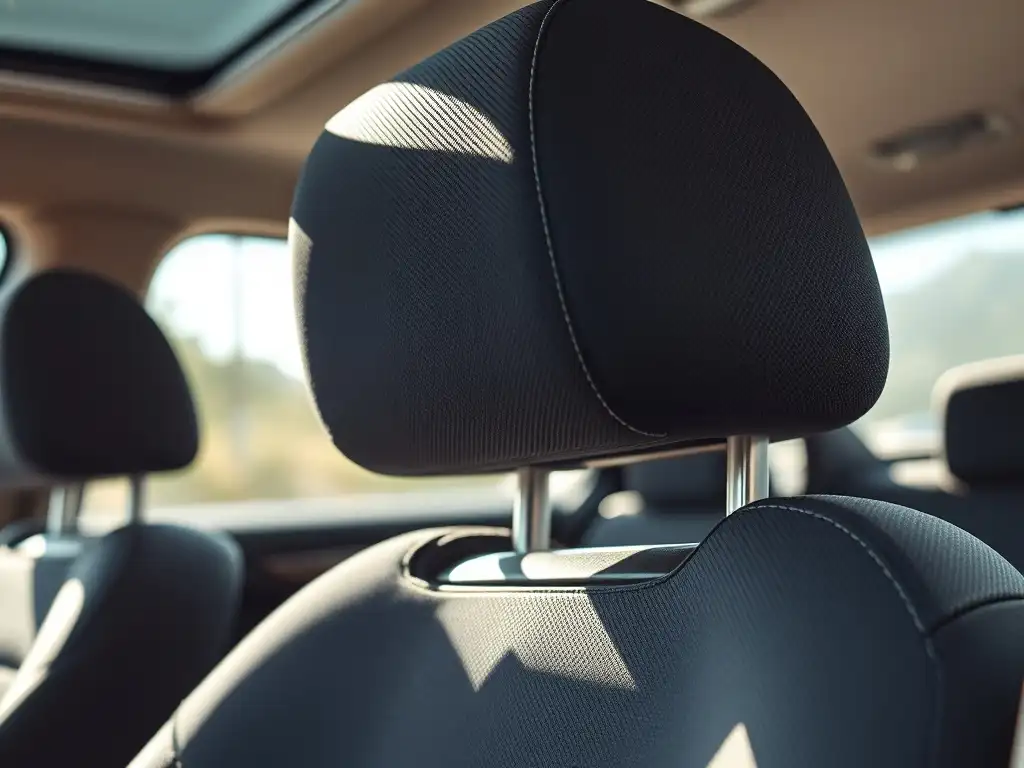
Ensuring your child's car seat headrest is in top condition is crucial for their safety. A well-maintained headrest contributes significantly to the overall effectiveness of the car seat's crash protection. Neglecting maintenance can compromise the headrest's ability to absorb impact and protect your little one's head and neck in the event of a collision. This section focuses on practical steps to keep your car seat headrest functioning optimally, maximizing your child's safety. Remember, proactive maintenance is key to achieving the "best car seat headrest safety."
Regular Inspection and Cleaning of the Headrest
Regular inspection is the cornerstone of effective car seat headrest maintenance. Aim to inspect the headrest at least once a month, paying close attention to several key areas. Look for any visible damage, such as cracks, tears, or loose stitching. Check for any signs of wear and tear on the padding, ensuring it remains firmly attached and doesn't show any signs of deterioration. Also, examine the headrest's adjustment mechanism; it should move smoothly and securely lock into place.
Cleaning the headrest is just as important. Spills and dirt can accumulate, affecting the headrest's structural integrity and hygiene. Use a mild detergent and a damp cloth to clean the fabric. Always allow the headrest to air dry completely before reinstalling it in the car seat. Avoid harsh chemicals or abrasive cleaners, as these could damage the material. Remember, a clean headrest not only looks better, but it also contributes to a safer and healthier environment for your child.
Signs of Wear and Tear and When to Replace the Headrest
Knowing when to replace your car seat headrest is paramount. While regular cleaning and inspection helps extend its lifespan, certain signs indicate it's time for a replacement. These include:
- Significant tears or rips in the fabric: A major tear compromises the headrest's structural integrity and ability to provide adequate support.
- Loose or broken stitching: Weakened stitching indicates structural weakness, potentially impacting the headrest's performance in a crash.
- Cracked or damaged plastic components: If the plastic frame or any adjustment mechanisms are cracked or broken, the headrest should be replaced immediately.
- Significant fading or discoloration: While not always indicative of a safety hazard, significant fading can suggest prolonged sun exposure and potential material degradation. Consider this a warning sign.
- Padding that is significantly compressed or lumpy: This could indicate the padding has lost its ability to absorb impact effectively.
If you observe any of these signs, replace the headrest without delay. Remember, prioritizing your child's safety should always be your top concern. A compromised headrest might not meet the "best car seat headrest safety" standards.
Long-Term Car Seat Headrest Care and Maintenance
Maintaining your car seat headrest isn't a one-time task; it requires ongoing attention. Here are some tips for long-term care:
- Avoid direct sunlight: Prolonged sun exposure can degrade the fabric and plastic components, reducing the headrest's lifespan and effectiveness. Park your car in the shade whenever possible.
- Proper storage: When not in use, store the car seat (and its headrest) in a cool, dry place, away from direct sunlight and extreme temperatures.
- Follow manufacturer's instructions: Always refer to the car seat manufacturer's instructions for specific cleaning and maintenance recommendations. These instructions often contain crucial information specific to your model.
- Regularly check for recalls: Keep an eye out for safety recalls on your car seat model. Manufacturer recalls often address potential safety issues, including problems with the headrest.
By following these guidelines, you'll significantly extend the lifespan of your car seat headrest and ensure it continues to provide optimal safety for your child, meeting the highest standards for "best car seat headrest safety." Remember, proactive maintenance is an investment in your child's well-being.
Frequently Overlooked Aspects of Car Seat Headrest Safety
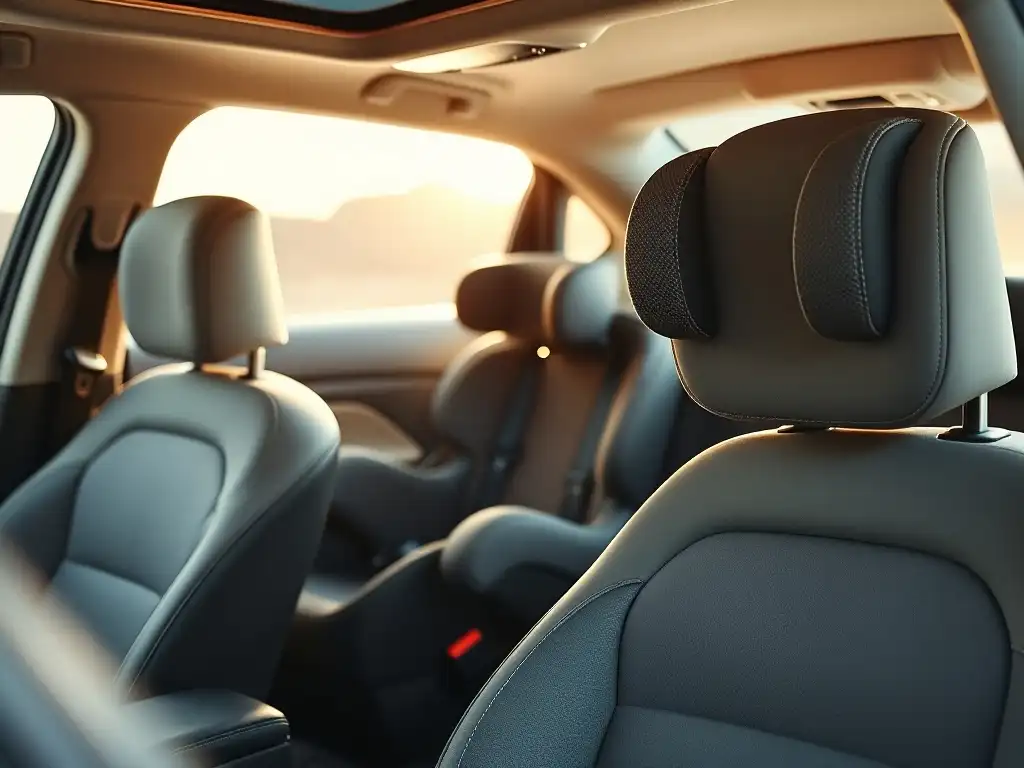
This section delves into often-missed details concerning car seat headrests and their crucial role in child safety. While many parents understand the basic importance of car seats, the nuanced impact of headrests is frequently underestimated. Optimizing headrest adjustment significantly enhances the overall safety provided by the car seat, contributing to better "Best car seat headrest safety".
The Role of Headrests in Preventing Whiplash Injuries
Whiplash, a common injury in car accidents, can have devastating consequences for children. Their developing necks are particularly vulnerable. A properly adjusted headrest helps to minimize the extent of head and neck movement during a sudden stop or impact. It acts as a crucial buffer, reducing the forces that cause whiplash. Consider this scenario: a rear-end collision.
Without a properly positioned headrest, a child's head can snap backward violently, potentially resulting in serious neck injury. However, a headrest positioned correctly supports the head and neck, limiting this backward movement and lessening the risk of whiplash. Studies have shown a significant reduction in whiplash injuries in children when headrests are properly adjusted, aligning the top of the headrest with the top of the child's head. This optimal positioning is key to achieving the best car seat headrest safety.
The height adjustment of the headrest is not to be overlooked. Many car seats and vehicles offer adjustable headrests. Utilizing this feature to ensure the headrest is at the correct height is critical. A headrest that is too low offers minimal protection, while one that is too high can actually increase the risk of injury in certain types of collisions. Therefore, always consult your car seat and vehicle manuals for specific instructions on proper headrest adjustment.
Headrest Impact on Side-Impact Protection
While often associated with rear-end collisions, headrests also play a vital role in side-impact protection. In a side-impact crash, the headrest helps prevent the child's head from being thrown forcefully against the side window or door. The headrest, in conjunction with the car seat's side impact protection features, works to contain and cushion the impact, minimizing head and neck injuries.
This is particularly important for children, whose heads are proportionally larger than their bodies, making them more susceptible to side-impact injuries. The correct positioning of the headrest, in line with the top of the child's head, ensures optimal protection during such events. Remember, achieving the "Best car seat headrest safety" requires attention to both front and side impact considerations.
The material of the headrest also plays a role. Headrests made of energy-absorbing materials are more effective at reducing the force of impact. While specific material composition is often not publicly available for all headrests, look for headrests that seem well-padded and substantial.
Understanding Headrest Regulations and Safety Standards
Car seat headrests are subject to various safety regulations and standards, varying by country and region. These regulations typically specify minimum requirements for headrest height, strength, and energy absorption capabilities. Adherence to these standards is crucial in ensuring the headrest effectively contributes to overall car seat safety.
However, it’s important to remember that meeting minimum standards doesn't necessarily equate to optimal safety. Always prioritize car seats and vehicles that exceed minimum requirements and offer superior headrest designs and features. Staying informed about the latest safety standards and regulations can help parents make well-informed decisions when choosing a car seat and ensuring the "Best car seat headrest safety" for their child.
Understanding the specific regulations in your region is vital. Checking your country or region's transportation safety authority website for detailed information on car seat regulations and standards is highly recommended. This will empower you to make informed choices about car seat selection and maintenance, ensuring maximum safety for your child. Remember, proactive safety measures are the best way to protect your little one. 🚘👶
Resources and Further Information on Car Seat Headrest Safety
This section provides valuable resources to delve deeper into car seat headrest safety and ensure your little one is optimally protected during car travel. Understanding the nuances of car seat safety is crucial, and these resources offer comprehensive information beyond the basics. Choosing the best car seat headrest involves careful consideration of various factors, and these resources will help guide you.
Recommended Websites and Organizations for Car Seat Safety Information
Finding reliable information on car seat safety can sometimes feel overwhelming. To help you navigate this, we've compiled a list of reputable websites and organizations dedicated to child passenger safety. These resources offer expert advice, updated guidelines, and often provide answers to frequently asked questions about car seat headrest functionality and overall safety. Remember that staying informed is key to ensuring your child's safety.
These organizations often conduct independent testing and research, providing unbiased information on various car seat models and features, including headrest design and effectiveness. They also offer valuable insights into proper car seat installation techniques, a critical component of ensuring the headrest's protective capabilities are maximized. By utilizing these resources, you'll gain a comprehensive understanding of best practices and current recommendations for optimal child passenger safety. This includes understanding the role of the headrest in minimizing the risk of head and neck injuries in the event of a collision.
The information provided by these organizations is regularly updated to reflect the latest research and safety standards. This ensures that the guidance you receive is current and relevant to the latest car seat technology and safety regulations. Staying updated on these developments is paramount in ensuring your child enjoys the highest level of protection while traveling in a vehicle. Remember, proactive safety measures are invaluable when it comes to protecting your child.
Additional Reading Materials on Child Passenger Safety
Beyond websites and organizations, several books and publications offer in-depth information on child passenger safety. These resources often provide detailed explanations of car seat mechanics, including the role of the headrest in impact protection. They may also contain case studies, statistical data on accident rates, and comparative analyses of different car seat models and their headrest designs. This deeper dive into the subject will further enhance your understanding of best car seat headrest safety.
Several reputable authors and researchers specialize in child passenger safety. Their publications often provide valuable insights into the evolution of car seat technology, including improvements in headrest design over time. These resources can be particularly helpful in understanding the rationale behind specific safety features and regulations. Reading these materials can also help you identify potential hazards and vulnerabilities in older car seat models and guide you in making informed decisions when purchasing or upgrading a car seat.
Here's a potential structure for a table summarizing some potential reading materials (Note: Specific titles and authors are placeholders and require research to be accurate):
| Title | Author(s) | Publisher | Focus |
|---|---|---|---|
| The Ultimate Guide to Car Seat Safety | [Author Name Pending] | [Publisher Pending] | Comprehensive overview, including headrest details |
| Child Passenger Safety Handbook | [Author Name Pending] | [Publisher Pending] | Detailed technical aspects, accident statistics |
| Safe Travels with Your Child | [Author Name Pending] | [Publisher Pending] | Practical advice, focusing on installation and use |
Remember that staying informed and proactive is crucial in ensuring your child's safety. By utilizing these resources, you'll be well-equipped to make informed decisions regarding car seat selection and usage. The knowledge gained will empower you to optimize your child's safety during car travel. 🚘👶
Frequently Asked Questions
What is the importance of a car seat headrest?
Car seat headrests are crucial for child safety. They provide crucial neck and head support during a collision, minimizing the risk of whiplash and serious injury. A properly adjusted headrest is essential.
How do I know if my car seat headrest is properly adjusted?
The top of the headrest should be level with, or slightly above, your child's ears. It should be snug against the back of their head, not loose or too far away. Check your car seat's manual for specific instructions.
Are all car seat headrests the same?
No, headrest design and adjustability vary depending on the car seat model. Some offer height adjustment, while others are fixed. Always check the manufacturer's specifications for your specific car seat.
What should I do if my car seat headrest is damaged?
A damaged headrest compromises safety. Replace the entire car seat immediately. Never attempt to repair a damaged headrest, as it may fail to provide adequate protection in a crash.
My child is taller now; do I need to adjust the headrest?
Yes, regular adjustments are vital as your child grows. The headrest should always be positioned correctly to provide optimal neck and head support. Check and adjust the headrest frequently.
Final Reflection: The Unsung Heroes of Road Safety
The seemingly simple car seat headrest plays a crucial, often overlooked, role in preventing serious injury during collisions; its proper adjustment and design are paramount to passenger safety. Failing to understand and utilize this vital safety feature is a gamble we simply cannot afford to take. The statistics surrounding whiplash and head trauma in car accidents highlight the urgent need for increased awareness and responsible use of headrests.
The evolution of car seat headrest design, from rudimentary additions to the sophisticated systems we see today, reflects our growing understanding of biomechanics and the devastating impact of rear-end collisions. The best safety device is an alert driver, but even the most attentive driver can be involved in an accident.
This quote underscores the importance of passive safety features like properly adjusted headrests, which act as a crucial second line of defense. The impact of this seemingly small component on the overall safety of our roads is profound, and its continued improvement is a testament to the ongoing commitment to road safety innovation.
Consider, for a moment, the lives saved and the injuries prevented by the simple act of properly adjusting your car's headrest. You have the power to significantly improve your safety and the safety of your passengers. Take a few minutes today to ensure your headrests are correctly positioned, and encourage your friends and family to do the same. Let's work together to make our roads safer, one properly adjusted headrest at a time.
Unlock Your Child's Safe Journey: Take Action Today!
Thank you for learning about the crucial role of car seat headrests in your child's safety. You've gained valuable knowledge to protect your little one on the road. Now, let's put that knowledge into practice!
- Prioritize proper headrest adjustment: Immediately check your car seat's headrest height. Ensure it's positioned correctly to protect your child's head and neck in the event of a collision. The headrest should be high enough to support the back of their head and neck.
- Share this vital information with other parents! Spread the word about car seat headrest safety and help protect more children. Consider sharing this information on social media or with friends and family.
- Dive deeper! Explore BabyCareHub.org for more articles on child car seat safety, including information on other safety features and best practices. This will help ensure your child is as safe as possible.
Ready to maximize your child's car seat safety? What adjustments will you make to their car seat headrest today? Even a small change can make a big difference.