
Bronchiolitis Recovery Timeline: What to Expect and How to Support Baby


Welcome to BabyCareHub, your ultimate guide to navigating the incredible journey of parenthood! We understand that the first year is filled with both joy and challenges, and that's why we've created this comprehensive resource. Are you concerned about your little one's recovery? Learn more about the crucial Bronchiolitis recovery baby timeline and discover expert advice to help your baby heal and thrive. Explore our wealth of information on everything from feeding schedules to developmental milestones – ensuring you're fully equipped to provide the best possible care. Let's embark on this adventure together!
- Understanding the Bronchiolitis Recovery Process in Babies
- Bronchiolitis Recovery Timeline: A Day-by-Day Guide
- Supporting Your Baby's Bronchiolitis Recovery
- When to Contact Your Pediatrician After Bronchiolitis
- Preventing Future Bronchiolitis Infections
-
Frequently Asked Questions
- How long does it typically take for a baby to recover from bronchiolitis?
- What are the signs that my baby is recovering from bronchiolitis?
- When should I seek medical attention during my baby's bronchiolitis recovery?
- What can I do to support my baby's recovery from bronchiolitis?
- Can bronchiolitis reoccur in babies?
- Final Reflection: Navigating the Bronchiolitis Journey with Hope
- Ready to Empower Your Little One's Recovery?
Understanding the Bronchiolitis Recovery Process in Babies
Bronchiolitis, a common respiratory infection affecting infants and young children, can be a worrying experience for new parents. This comprehensive guide provides a realistic timeline for bronchiolitis recovery in babies, outlining what to expect at each stage and offering practical advice to support your little one's journey back to health. Understanding the recovery process empowers parents to provide the best possible care and alleviate anxieties surrounding this prevalent illness.
We will explore the typical symptoms, factors influencing recovery time, and crucial steps to aid your baby's healing, ensuring you feel equipped and confident throughout the process. Remember, this information is for guidance only and should not replace professional medical advice. Always consult your pediatrician for personalized care and treatment for your child.
What is Bronchiolitis and its Impact on Infants?
Bronchiolitis is an inflammation of the small airways (bronchioles) in the lungs, most often caused by respiratory syncytial virus (RSV). This virus causes the bronchioles to become inflamed and narrowed, making it difficult for your baby to breathe. The impact on infants can be significant, ranging from mild sniffles to severe respiratory distress requiring hospitalization. The severity depends on several factors, including the baby's age, overall health, and the severity of the infection.
Younger infants, particularly those born prematurely or with underlying health conditions, are at higher risk of developing severe complications. The inflammation can lead to increased mucus production, wheezing, coughing, and difficulty breathing, making it crucial to monitor your baby closely and seek medical attention if symptoms worsen. Early intervention is key to minimizing the impact of bronchiolitis and ensuring a smoother recovery.
Typical Symptoms and Severity of Bronchiolitis in Babies
Bronchiolitis symptoms typically begin with cold-like symptoms, such as a runny nose and mild cough. However, these can quickly progress to more severe symptoms, including:
- Wheezing: A whistling sound during breathing.
- Rapid breathing: More than 60 breaths per minute.
- Coughing: Often worse at night.
- Difficulty breathing: Retractions (sucking in of the skin between the ribs or under the collarbone) and nasal flaring.
- Lethargy: Unusually tired or unresponsive.
- Poor feeding: Difficulty sucking or taking in enough fluids.
- Fever: Although not always present.
The severity of bronchiolitis varies greatly. Some babies experience mild symptoms that resolve within a week or two with supportive care at home. Others may require hospitalization due to severe respiratory distress, requiring oxygen therapy or other interventions. It's vital to recognize the signs of worsening symptoms and seek immediate medical attention if your baby exhibits any of the following:
- Increased difficulty breathing
- Bluish discoloration of the skin (cyanosis)
- Significant lethargy or unresponsiveness
- Dehydration (dry mouth, sunken eyes)
Monitoring your baby's breathing rate, feeding habits, and overall energy levels is crucial for early detection of any worsening symptoms.
Factors Influencing Bronchiolitis Recovery Time
The recovery timeline for bronchiolitis can vary significantly from baby to baby. Several factors influence how long it takes for your little one to fully recover:
- Severity of the infection: Milder cases typically resolve faster than severe cases requiring hospitalization.
- Age of the baby: Younger infants tend to have a longer recovery period.
- Underlying health conditions: Premature babies or those with chronic lung conditions may experience a prolonged recovery.
- Adequacy of treatment: Prompt medical attention and appropriate treatment significantly impact recovery time.
- Supportive care: Providing adequate hydration, nutrition, and rest helps expedite the healing process.
While most babies recover fully within a few weeks, some may experience lingering coughs or wheezing for several more weeks. It's important to be patient and follow your pediatrician's recommendations for ongoing care. Regular follow-up appointments can help monitor your baby's progress and address any lingering concerns. Remember, every baby is unique, and their recovery journey will be individual. Focus on providing consistent care and support, and celebrate each milestone on the path to full recovery.
Bronchiolitis Recovery Timeline: A Day-by-Day Guide
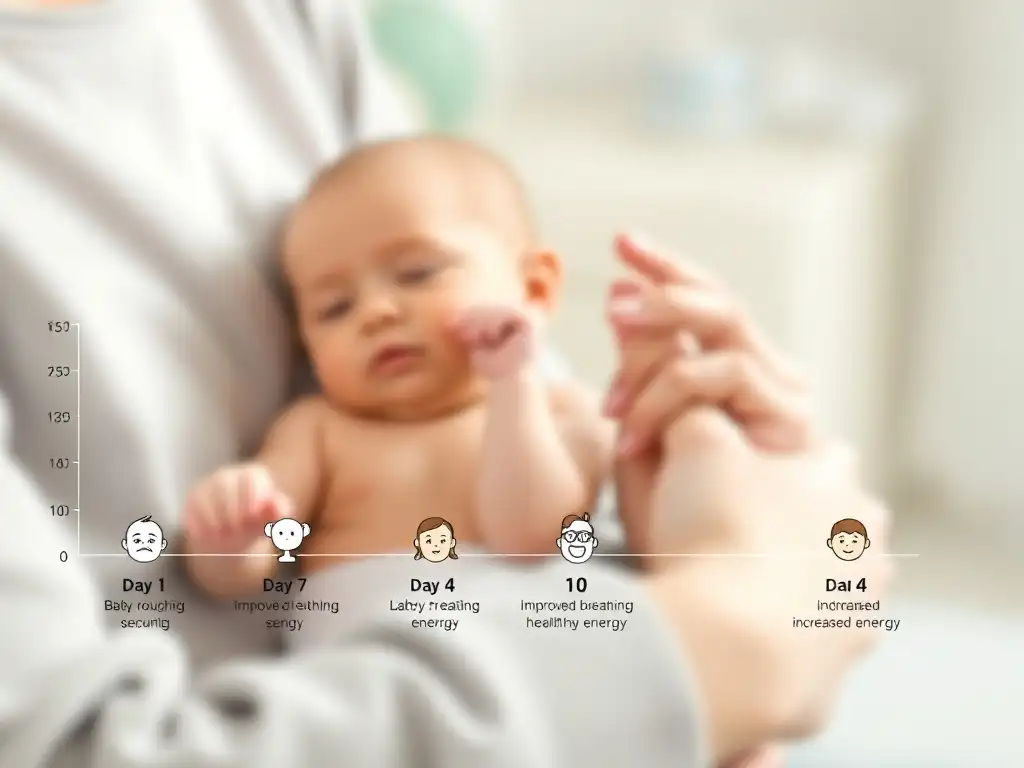
This section provides a general guideline for the bronchiolitis recovery timeline in babies. Remember, every baby is unique, and recovery times can vary significantly depending on the severity of the illness and individual factors. Always consult your pediatrician for personalized advice and to address any concerns. This information is for educational purposes only and should not be considered medical advice.
Day 1-3: Initial Stages of Recovery and Home Care
The first few days after discharge from the hospital (if hospitalization was necessary) or after the initial acute phase of bronchiolitis at home, are crucial for your baby's recovery. You'll likely still observe some symptoms, albeit less severe than before. Expect continued coughing, possibly with wheezing, and some nasal congestion. Your little one might still be feeding less enthusiastically than usual due to discomfort.
- Feeding: Continue offering frequent, smaller feeds of breast milk or formula. If your baby is struggling to feed, consider using a syringe or dropper to administer fluids to prevent dehydration. This is especially important as dehydration can exacerbate symptoms. Observe your baby's urine output – fewer wet diapers than usual is a warning sign.
- Rest: Prioritize rest. Bronchiolitis is exhausting, and adequate sleep is vital for recovery. Create a calm and quiet environment for your baby, minimizing stimulation. Skin-to-skin contact can be soothing and beneficial.
- Hydration: Monitor your baby's hydration very closely. Dehydration is a serious risk during this phase. Look for signs like dry mouth, sunken eyes, and fewer wet diapers. Consult your pediatrician immediately if you suspect dehydration.
- Monitoring: Continue to monitor your baby's breathing. While you should see improvement, rapid breathing, grunting, or nasal flaring still warrant immediate medical attention. Keep a close eye on their temperature as well; a high fever could indicate a secondary infection. Note down any changes in symptoms and report them to your doctor.
Days 4-7: Symptom Improvement and Monitoring
By days 4-7, you should notice a significant improvement in your baby's condition. The coughing might become less frequent and less severe. Wheezing should also lessen, and your baby’s breathing should become more regular. Their appetite should improve, and they should be more alert and playful.
| Day | Expected Improvements | Potential Ongoing Symptoms | Actions |
|---|---|---|---|
| 4-5 | Less frequent coughing, reduced wheezing, improved appetite | Mild cough, occasional wheezing, some nasal congestion | Continue frequent small feeds, monitor breathing, offer plenty of fluids |
| 6-7 | Cough becoming less intense, increased energy levels | Occasional cough, slight nasal congestion | Encourage playtime (age-appropriate), continue monitoring hydration and breathing |
However, it's important to remain vigilant. Even with improvement, some coughing and nasal congestion may persist. It's vital to continue monitoring your baby’s breathing and hydration levels. Any worsening of symptoms, such as increased coughing, difficulty breathing, or fever, requires immediate medical attention. Don't hesitate to contact your pediatrician if you have any concerns.
Days 8-14: Gradual Recovery and Increased Activity
By this stage, most babies are significantly improved, though a lingering cough might persist for several more weeks. This is perfectly normal and doesn't necessarily indicate a problem. Your baby's energy levels should return to normal, and they should be able to engage in age-appropriate activities with increasing ease.
This phase focuses on gradual reintroduction to normal routines. You can slowly increase their playtime and social interaction. Remember to avoid exposure to sick individuals to prevent reinfection. Continue to monitor your baby's hydration and breathing, but significant improvements should be visible. If your baby was hospitalized, follow your doctor's instructions regarding follow-up appointments.
Remember, every baby recovers at their own pace. While this timeline offers a general guideline for bronchiolitis recovery in babies, it's crucial to consult your pediatrician for personalized advice and to address any concerns. Early detection and prompt medical attention are key to minimizing complications and ensuring a speedy recovery. Don't hesitate to seek medical advice if you have any doubts or observe any concerning symptoms. The well-being of your baby is paramount.
Weeks 3-4: Full Recovery and Return to Normal Activity
By the third and fourth weeks post-bronchiolitis diagnosis, most babies will have made a complete recovery. Their breathing should be back to normal, without wheezing or labored breathing. Coughing may still persist, but it should be significantly less frequent and less severe than in the earlier weeks. Appetite should have returned to normal levels, and your baby should be gaining weight steadily. This is a crucial milestone in the bronchiolitis recovery timeline. Remember, every baby recovers at their own pace, and some might exhibit lingering coughs for a bit longer.
This stage marks a return to normal activities. You can gradually reintroduce your baby to their usual routine, including playtime, social interactions, and outings. However, it's still wise to avoid crowded places or exposure to sick individuals for a few more weeks to minimize the risk of reinfection. Observe your baby closely for any signs of relapse, such as increased coughing, difficulty breathing, or lethargy. If you notice any concerning symptoms, contact your pediatrician immediately.
During this period, maintaining a healthy and supportive environment is crucial. Continue to ensure your baby gets plenty of rest, fluids, and a nutritious diet. Breast milk or formula, depending on your baby's age, remains paramount for their continued recovery and immune system development. Proper hand hygiene within the household remains essential to prevent the spread of germs.
The focus now shifts from intensive medical care to consistent monitoring and nurturing your baby back to full health and vitality. This period represents a significant victory in your baby’s battle against bronchiolitis, and consistent monitoring will ensure a smooth transition back to a healthy and active life. Remember, celebrating these milestones is vital for both you and your little one. 🎉
Supporting Your Baby's Bronchiolitis Recovery

This section focuses on the practical steps you can take to support your baby's recovery from bronchiolitis. Remember, every baby is different, and recovery times vary. This timeline provides a general guideline, and you should always consult your pediatrician for personalized advice and to address any concerns. The information provided here is for educational purposes and should not be considered medical advice.
Nutrition and Hydration During Bronchiolitis Recovery
Adequate nutrition and hydration are crucial for your baby's recovery from bronchiolitis. Because bronchiolitis often involves significant congestion and coughing, babies may have difficulty feeding and may become dehydrated. Maintaining proper fluid intake is paramount.
- Frequent, smaller feeds: Instead of offering large feedings, try giving your baby more frequent, smaller amounts of breast milk or formula. This can be less strenuous on their respiratory system. If breastfeeding, continue to nurse as often as your baby wants.
- Electrolyte solutions: If your baby shows signs of dehydration (decreased wet diapers, sunken eyes, lethargy), your pediatrician might recommend an oral rehydration solution (ORS). Never give your baby plain water; ORS provides essential electrolytes lost through illness.
- Signs of dehydration: Be vigilant for signs of dehydration, such as dry mouth, fewer wet diapers than usual, and a lack of tears when crying. If you notice any of these, contact your pediatrician immediately.
- Nutritional needs: Your baby's nutritional needs may be slightly increased during recovery to help replenish energy stores depleted by the illness. Continue offering breast milk or formula as the primary source of nutrition. If your baby is on solids, you might need to adjust the texture to something easier to manage if they’re experiencing discomfort while eating.
Managing Cough and Congestion in Infants with Bronchiolitis
Managing your baby's cough and congestion is a key part of the bronchiolitis recovery process. While you can't cure the cough, you can take steps to alleviate symptoms and make your baby more comfortable.
- Cool-mist humidifier: A cool-mist humidifier can add moisture to the air, helping to loosen congestion. Ensure the humidifier is cleaned regularly to prevent mold growth.
- Saline nasal drops: Saline nasal drops can help clear nasal passages, making it easier for your baby to breathe. Administer the drops gently before suctioning with a bulb syringe. Never use a cotton swab inside your baby's nose.
- Elevation: Elevating your baby's head slightly while sleeping (using a small wedge or rolled-up towel) can help reduce congestion and improve breathing.
- Avoid smoke and irritants: Keep your home free from smoke, dust, and other irritants that could worsen your baby's cough and breathing difficulties.
- Over-the-counter medications: Do not give your baby any over-the-counter cough or cold medicines without first consulting your pediatrician. Many of these medications are not recommended for infants and can be harmful.
This careful management of symptoms will help your baby recover more comfortably and quickly. Remember to always follow your pediatrician's recommendations.
Rest and Sleep for Optimal Healing in Babies with Bronchiolitis
Sufficient rest and sleep are essential for your baby's body to fight off the infection and recover from bronchiolitis. A well-rested baby will have a stronger immune system and be better equipped to heal.
- Quiet environment: Create a calm and quiet sleep environment for your baby. This includes minimizing noise and light. A dark, peaceful room is ideal for promoting restorative sleep.
- Skin-to-skin contact: Skin-to-skin contact can be soothing for your baby and can help regulate their body temperature and breathing.
- Frequent short naps: Your baby might need more frequent, shorter naps during their recovery. Don't force them to sleep, but create an environment conducive to rest.
- Monitoring sleep: While your baby sleeps, monitor their breathing for any signs of distress, such as labored breathing or unusual sounds. If you have any concerns, contact your pediatrician immediately.
- Parental rest: Remember that you also need rest! Bronchiolitis recovery can be stressful for parents. Seek support from family and friends, and don't hesitate to ask for help. Adequate rest for you is also crucial for effectively caring for your baby.
Remember, consistent monitoring and following your pediatrician's instructions are key to a successful bronchiolitis recovery for your baby. This detailed timeline provides valuable information for navigating this challenging period, but always prioritize professional medical advice for your baby's specific needs. 👶
Monitoring for Warning Signs and When to Seek Medical Attention
Following your baby's discharge from the hospital or after a successful home treatment plan for bronchiolitis, vigilant monitoring is crucial. While the initial acute phase has passed, your little one remains vulnerable to complications. Understanding the warning signs and knowing when to seek immediate medical attention can make a significant difference in their recovery.
One key indicator is a worsening of respiratory symptoms. While some coughing and wheezing are expected during the recovery phase, a sudden increase in the frequency or severity of these symptoms warrants immediate medical attention. This could manifest as increased difficulty breathing, characterized by rapid, shallow breaths (tachypnea), pronounced retractions (sucking in of the skin between the ribs or above the collarbone), or nasal flaring.
These are all signs that the airways are still significantly obstructed. Pay close attention to your baby's breathing rate and pattern; significant changes should prompt a call to your pediatrician or a visit to the emergency room.
Another critical warning sign is a change in your baby's overall demeanor. Lethargy, unusual irritability, or a noticeable decrease in feeding interest can signal a problem. Bronchiolitis can lead to dehydration, which can quickly worsen a baby's condition. If your baby is refusing to feed, appears unusually sleepy or unresponsive, or is exhibiting signs of dehydration (such as fewer wet diapers than usual or sunken eyes), seek immediate medical attention. These are subtle but significant indicators that something beyond the expected recovery process is occurring. Remember, a healthy baby is typically alert, interactive, and eager to feed.
Furthermore, be alert for fever spikes. While a low-grade fever might be part of the recovery process, a high or persistent fever (above 100.4°F or 38°C rectally) could indicate a secondary infection, such as pneumonia. This requires prompt medical intervention. Keep a close eye on your baby's temperature and record it regularly, especially during the first few weeks post-bronchiolitis. A sudden increase, particularly accompanied by other concerning symptoms, demands immediate action.
Finally, pay attention to your baby's color. A bluish tinge to their lips or skin (cyanosis) indicates a severe lack of oxygen and requires emergency medical care. This is a life-threatening sign and necessitates immediate transport to a hospital. Don't hesitate; in this situation, every second counts. Early intervention is key in preventing serious complications during bronchiolitis recovery. Trust your instincts; if something feels wrong, don't delay seeking professional medical help. Your baby's well-being is paramount. 👶
When to Contact Your Pediatrician After Bronchiolitis

Bronchiolitis recovery is a gradual process, and while most babies recover fully within a few weeks, monitoring their progress is crucial. Knowing when to seek further medical attention is vital for ensuring your baby's well-being. This section outlines key indicators requiring immediate consultation with your pediatrician. Understanding the potential complications and recognizing the warning signs can significantly impact your baby's recovery time and overall health. Remember, this information is for guidance only; always consult your pediatrician for personalized advice. This information is not a substitute for professional medical advice.
Persistent Symptoms or Worsening Condition
A key element of the bronchiolitis recovery timeline involves carefully observing your baby for persistent or worsening symptoms. While a runny nose, cough, and mild wheezing are expected for several days, their persistence beyond a certain point warrants immediate medical attention. For instance, if your baby's cough becomes significantly more severe, accompanied by labored breathing or persistent high fever (over 100.4°F or 38°C), contact your pediatrician immediately.
The same applies if wheezing intensifies or becomes more frequent, or if your baby exhibits signs of increased respiratory distress, such as retractions (sucking in of the skin between the ribs or above the collarbone) or nasal flaring. Even a slight change in your baby's usual behavior, such as increased irritability or lethargy, could indicate a worsening condition and should be reported to your doctor. Early intervention is key in managing potential complications.
Don't hesitate to contact your pediatrician if you are at all concerned. Trust your instincts; you know your baby best.
Signs of Dehydration in Your Baby
Dehydration is a significant concern during bronchiolitis recovery, particularly in infants. The increased respiratory effort and potential fever can lead to fluid loss. Recognizing the signs of dehydration is therefore crucial. Look for the following indicators: fewer wet diapers than usual (a significant decrease in urine output), dry mouth and tongue, sunken eyes, lack of tears when crying, and lethargy or unusual sleepiness.
A baby who is dehydrated needs prompt medical attention. Severe dehydration can lead to serious complications. Keep a close watch on your baby's fluid intake and output, and don't hesitate to contact your pediatrician if you suspect dehydration. Offer your baby frequent small amounts of fluids, such as breast milk or formula, to prevent dehydration.
Difficulty Breathing or Increased Respiratory Distress
Difficulty breathing is a major concern during the bronchiolitis recovery period and represents a significant deviation from the expected timeline. While some mild wheezing or occasional rapid breathing is normal in the early stages of recovery, a noticeable increase in respiratory distress warrants immediate medical attention. This includes:
- Increased respiratory rate: Babies normally breathe faster than adults, but a significantly elevated respiratory rate (more than 60 breaths per minute) is a red flag.
- Retractions: As previously mentioned, the sucking in of skin between the ribs or above the collarbone (retractions) is a serious sign of respiratory distress.
- Nasal flaring: Widening of the nostrils during breathing is another indication of difficulty breathing.
- Grunting: A baby making grunting sounds during exhalation is a sign that they are working hard to breathe.
- Cyanosis: Bluish discoloration of the skin, particularly around the lips and fingertips, indicates a lack of oxygen and requires immediate medical attention.
If you observe any of these signs, seek immediate medical attention. Do not delay; prompt intervention is crucial in managing severe respiratory distress. These are life-threatening symptoms and require immediate medical care. Remember to always consult your pediatrician for personalized advice and support throughout your baby's recovery journey.
Preventing Future Bronchiolitis Infections
Bronchiolitis, while a common viral infection in babies, can be a frightening experience for parents. Understanding the recovery timeline is crucial, but equally important is proactively minimizing the risk of future infections. This section focuses on preventative measures you can take to protect your little one. Remember, while you can't entirely eliminate the risk, proactive steps significantly reduce the chances of another bout of bronchiolitis. The goal is to strengthen your baby's immune system and reduce their exposure to the viruses that cause this respiratory illness. This proactive approach is key to your baby's overall respiratory health and well-being.
Hygiene Practices to Minimize Bronchiolitis Risk
Maintaining impeccable hygiene is paramount in preventing the spread of respiratory viruses, including those causing bronchiolitis. This involves a multi-pronged approach encompassing several key practices. Frequent and thorough handwashing is the cornerstone of this strategy. Wash your hands meticulously with soap and water for at least 20 seconds, especially after changing diapers, before preparing food, and after being in public places. If soap and water aren't readily available, use an alcohol-based hand sanitizer containing at least 60% alcohol.
Beyond hand hygiene, consider these additional measures:
- Surface disinfection: Regularly disinfect frequently touched surfaces in your home, such as doorknobs, light switches, and toys, using a suitable disinfectant. This helps eliminate virus particles that may linger on surfaces.
- Avoiding close contact: Minimize close contact with individuals who are sick, especially those exhibiting cold or flu symptoms. This is particularly crucial during peak cold and flu seasons.
- Proper respiratory etiquette: Encourage everyone around your baby to practice proper cough and sneeze etiquette – covering their mouths and noses with a tissue or their elbow. Immediately dispose of used tissues in a trash can.
- Breastfeeding (if applicable): Breastfeeding provides passive immunity, offering your baby some protection against various infections, including respiratory illnesses. The antibodies in breast milk contribute to a stronger immune system.
Vaccination and Immunizations to Protect Your Baby
While there's no specific vaccine against bronchiolitis itself (as it's often caused by RSV, for which there is now a vaccine for high-risk infants), several vaccines can indirectly protect your baby by boosting their overall immune system and reducing the severity of other respiratory infections. These vaccines strengthen the body's defenses against a range of viruses and bacteria, thereby lessening the likelihood of severe respiratory illness. Consult your pediatrician to determine the appropriate vaccination schedule for your baby. They can advise on the timing and necessity of various immunizations, considering your baby's individual health and risk factors.
Remember, a strong immune system is your baby's best defense against many illnesses. Vaccination is a crucial step in this preventative approach. Staying up-to-date with recommended vaccinations is essential for building a robust immune response.
Managing Environmental Factors to Reduce Exposure
Environmental factors play a significant role in your baby's susceptibility to respiratory infections. Minimizing exposure to irritants and allergens is a vital part of preventing bronchiolitis and other respiratory illnesses. Here's how you can manage the environment to create a safer space for your baby:
- Air quality: Maintain good indoor air quality. Use air purifiers with HEPA filters to remove airborne particles and allergens. Regularly clean or change air filters in your home's heating and cooling systems. Avoid smoking or allowing others to smoke near your baby. Secondhand smoke significantly increases the risk of respiratory infections.
- Allergen control: Minimize exposure to allergens like dust mites, pet dander, and mold. Use dust mite-proof covers for mattresses and pillows. Regularly vacuum and clean carpets and upholstery. Keep pets out of your baby's room or minimize their contact.
- Hand hygiene (re-emphasis): We've mentioned hand hygiene, but it bears repeating. It's the most effective way to prevent the spread of germs, including those that cause bronchiolitis. Make it a family habit. The more diligent you are, the better you'll protect your baby.
- Hygiene of others: Ensure everyone who interacts with your baby practices good hygiene. This is especially crucial for older siblings, caregivers, and visitors. Encourage frequent handwashing and avoidance of close contact when sick.
By implementing these preventative strategies, you can significantly reduce your baby's risk of future bronchiolitis infections and contribute to their overall respiratory health. Remember to consult with your pediatrician for personalized advice and guidance. They can help you create a comprehensive plan based on your baby's specific needs and circumstances. 👶
Frequently Asked Questions
How long does it typically take for a baby to recover from bronchiolitis?
The recovery timeline for bronchiolitis varies greatly. While some babies recover within a week or two, others may take several weeks, depending on the severity of the illness and the baby's overall health. Close monitoring is crucial.
What are the signs that my baby is recovering from bronchiolitis?
Signs of recovery include improved breathing, less coughing and wheezing, increased energy levels, and a return to their normal appetite and activity levels. However, some coughing may persist for a few weeks.
When should I seek medical attention during my baby's bronchiolitis recovery?
Seek immediate medical attention if your baby experiences increased difficulty breathing, develops a high fever, becomes lethargic, or shows signs of dehydration. Don't hesitate to contact your pediatrician with any concerns.
What can I do to support my baby's recovery from bronchiolitis?
Rest is crucial. Ensure your baby gets plenty of fluids to prevent dehydration. Humidified air can help ease breathing difficulties. Follow your doctor's advice regarding medication and follow-up care.
Can bronchiolitis reoccur in babies?
While reoccurrence is possible, especially within the first year, it's not guaranteed. Strengthening the immune system through proper nutrition and hygiene can help reduce the risk of future infections. Consult your pediatrician for advice.
The journey through bronchiolitis is undeniably challenging, but understanding the recovery timeline empowers parents and caregivers to provide the best possible support. This knowledge transforms anxious waiting into proactive care, offering a beacon of hope during a difficult time for families.
Witnessing a tiny human struggle to breathe is a deeply unsettling experience, one that leaves an indelible mark. The emotional toll on parents is immense, often overshadowed by the focus on the child's physical recovery. The most important thing is to remember that you are not alone. Many families face this challenge, and there is support available.
This simple truth, though often overlooked in the midst of the crisis, offers a powerful message of resilience and shared experience. The emotional recovery for the entire family is as crucial as the physical healing of the child.
Now, consider this: the knowledge gained from understanding the bronchiolitis recovery timeline isn't just for the immediate crisis. It's a tool for future preparedness, a resource to share with other parents, and a testament to the power of informed caregiving. You, the reader, now possess a deeper understanding of this illness and its progression. Use this knowledge to advocate for your child, to support other families facing similar challenges, and to contribute to a community of informed and compassionate caregivers. Remember, your journey, though difficult, is a testament to the strength of love and the power of hope.
Ready to Empower Your Little One's Recovery?
Thank you for learning more about supporting your baby through bronchiolitis recovery. We hope this information has been helpful and reassuring. Now, let's put it into action!
Here's how you can continue to support your child's recovery:
- Prioritize Rest and Hydration: Adequate sleep and fluids are essential for building strength and boosting immunity during recovery.
- Monitor Your Child's Progress: Keep track of your baby's symptoms, energy levels, and feeding habits. This information is invaluable for monitoring progress and will be helpful if you have any concerns.
- Connect with Other Parents: Join our BabyCareHub community forum to share experiences and learn from other parents. This support network can provide comfort and reassurance during this time.
What can you do today to help your baby recover?