
Bronchiolitis and Daycare: How to Minimize Transmission


Welcome to BabyCareHub, your ultimate guide to navigating the incredible journey of parenthood! We understand the anxieties that come with caring for a newborn, especially concerning their health. This is why we've created a wealth of resources to support you every step of the way. But what about protecting your little one in shared environments? Learn crucial Bronchiolitis daycare prevention tips to safeguard your baby's well-being and keep them healthy and happy. Dive in and discover the knowledge you need to confidently embrace this exciting chapter.
- Understanding Bronchiolitis Transmission in Daycare Settings
- Reducing Bronchiolitis Risk in Daycare: Practical Prevention Strategies
- Bronchiolitis Prevention at Home: Supporting Daycare Efforts
- When to Seek Medical Attention for Bronchiolitis
- Choosing a Daycare with Strong Infection Control Measures
- The Role of Vaccination in Preventing Respiratory Infections
- Frequently Asked Questions
- Final Reflection: Protecting Our Little Ones from Bronchiolitis
- Protect Your Little One: Take Action Against Bronchiolitis
Understanding Bronchiolitis Transmission in Daycare Settings
Bronchiolitis, a common lower respiratory tract infection, is a significant concern for parents, especially those with infants attending daycare. This comprehensive guide will delve into the intricacies of bronchiolitis transmission in daycare settings, providing practical and evidence-based prevention strategies to minimize the risk of infection for your little one. We'll explore what bronchiolitis is, how the primary culprit – Respiratory Syncytial Virus (RSV) – spreads, and the crucial symptoms to watch out for in your baby.
Understanding these factors empowers you to proactively protect your child and contribute to a healthier environment for all children in daycare. This article focuses on providing actionable "Bronchiolitis daycare prevention tips," equipping you with the knowledge to navigate this common childhood illness.
What is Bronchiolitis?
Bronchiolitis is an inflammation of the small airways in the lungs, most commonly caused by the Respiratory Syncytial Virus (RSV). It primarily affects infants and young children under two years old, although older children and adults can also contract it, often with milder symptoms. The virus infects the bronchioles, the tiny tubes that carry air to the lungs. This infection causes inflammation and swelling, leading to a narrowing of the airways, making it difficult for the baby to breathe.
The severity of bronchiolitis can range from mild, with symptoms similar to a common cold, to severe, requiring hospitalization. Symptoms such as wheezing, coughing, and rapid breathing can significantly impact a baby's comfort and well-being. Understanding the nature of this infection is the first step in effective prevention strategies. Early identification and appropriate management are crucial to minimizing complications.
How Respiratory Syncytial Virus (RSV) Spreads in Daycares
Daycares provide an ideal environment for the rapid spread of RSV, the primary cause of bronchiolitis. The close proximity of many young children, coupled with frequent contact through shared toys, surfaces, and close physical interactions, facilitates easy transmission. RSV is highly contagious and spreads through direct contact with respiratory secretions, such as droplets produced when an infected individual coughs or sneezes. Indirect transmission can also occur when a child touches a contaminated surface and then touches their mouth, nose, or eyes.
The virus can survive on surfaces for several hours, increasing the risk of transmission. Furthermore, asymptomatic carriers can unknowingly spread the virus, making prevention challenging. This highlights the importance of diligent hygiene practices within daycare settings. The high density of children in daycare makes it crucial to implement preventative measures to limit the spread of RSV.
Identifying Bronchiolitis Symptoms in Infants
Recognizing the symptoms of bronchiolitis in infants is crucial for timely intervention. Early detection allows for prompt medical attention, potentially preventing severe complications. Common symptoms include:
- Cough: A persistent cough, often worsening at night, is a hallmark symptom.
- Wheezing: A whistling sound during breathing, indicating narrowed airways.
- Rapid breathing: An increased respiratory rate, often accompanied by nasal flaring and grunting.
- Difficulty breathing: Visible effort in breathing, including retractions (sucking in of the skin between the ribs or under the collarbone).
- Fever: While not always present, a fever may accompany other symptoms.
- Lethargy: Unusual tiredness and lack of energy.
- Poor feeding: Difficulty feeding due to breathing difficulties.
- Nasal congestion: Runny nose and nasal congestion.
It's important to note that these symptoms can vary in severity. If you observe any of these symptoms in your infant, especially difficulty breathing, seek immediate medical attention. Prompt diagnosis and treatment can significantly improve your baby's outcome and minimize the risk of severe complications. Early intervention is key in managing bronchiolitis effectively.
Reducing Bronchiolitis Risk in Daycare: Practical Prevention Strategies
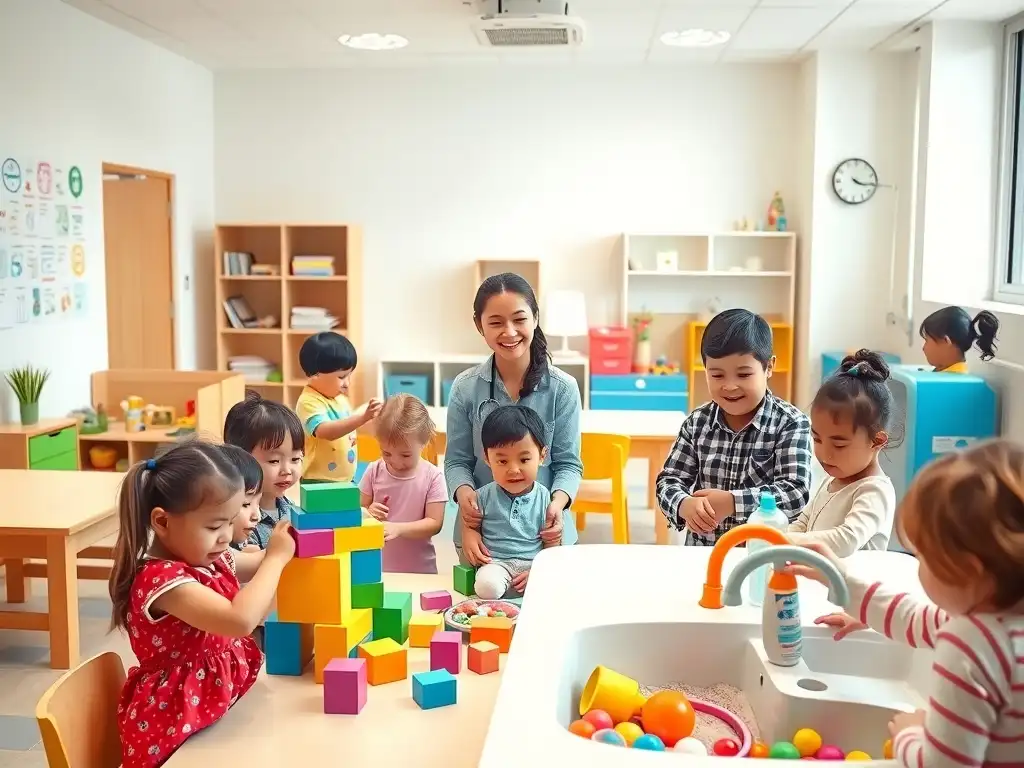
Bronchiolitis, a common respiratory infection in infants and young children, can significantly impact daycare settings. Minimizing transmission requires a multi-pronged approach focusing on hygiene, environmental control, and mindful behavior. This section details practical prevention strategies to safeguard your little one and their daycare peers. Effective implementation of these measures can drastically reduce the incidence of bronchiolitis outbreaks and create a healthier environment for all. Understanding and diligently practicing these "Bronchiolitis daycare prevention tips" is crucial for parents and daycare providers alike.
Hand Hygiene Practices for Daycare Staff and Parents
Hand hygiene is the cornerstone of preventing the spread of respiratory viruses, including the RSV virus that often causes bronchiolitis. Thorough and frequent handwashing is paramount. This goes beyond a quick rinse; it involves a meticulous process.
Daycare staff should wash their hands:
- Before and after handling each child.
- Before and after preparing food.
- After changing diapers or cleaning up bodily fluids.
- After using the restroom.
- After coughing or sneezing.
- Before and after administering medications.
Parents should also adhere to strict hand hygiene practices when interacting with their children at daycare and at home. The use of alcohol-based hand sanitizers is acceptable between handwashings, especially when soap and water aren't readily available, but handwashing remains the gold standard. The effectiveness of hand hygiene relies on using soap and water for at least 20 seconds, ensuring all surfaces of the hands are scrubbed, including between fingers and under nails.
Regular monitoring and training for staff on proper handwashing techniques are essential. Consider providing visual aids and checklists to reinforce best practices. The emphasis should be on making hand hygiene a consistent and ingrained habit for everyone in the daycare environment.
Effective Cleaning and Disinfection Protocols in Daycare
Beyond hand hygiene, maintaining a clean and disinfected daycare environment is crucial in preventing bronchiolitis transmission. This requires a comprehensive cleaning and disinfection protocol targeting high-touch surfaces.
Regular cleaning should include:
- Daily: Wiping down all frequently touched surfaces such as doorknobs, light switches, tables, chairs, toys, and play equipment with soap and water.
- Weekly: More thorough cleaning, including disinfecting these surfaces with an EPA-registered disinfectant effective against viruses. Pay close attention to areas like cribs, changing tables, and bathroom fixtures.
- After illness: Immediately disinfect any surfaces that may have been contaminated by respiratory secretions. This includes toys, bedding, and any other items the sick child may have touched.
A well-defined cleaning schedule, clearly communicated to all staff, is essential. Regular audits of the cleaning process should be conducted to ensure consistent adherence to the protocol. The choice of disinfectant is important; always follow the manufacturer's instructions carefully for proper dilution and application. Proper ventilation is also crucial to reduce the concentration of airborne viruses. Regularly checking and maintaining the HVAC system is a critical aspect of environmental control. Remember that proper cleaning and disinfection, coupled with effective hand hygiene, form a powerful defense against the spread of bronchiolitis.
Importance of Respiratory Etiquette in Daycare Environments
Promoting good respiratory etiquette among children and staff significantly reduces the spread of respiratory illnesses. This involves teaching and reinforcing simple yet effective practices:
- Covering coughs and sneezes: Children should be taught to cover their mouths and noses with a tissue or their elbow when coughing or sneezing. Proper disposal of used tissues is essential.
- Handwashing after coughing or sneezing: This reinforces the importance of hand hygiene in preventing transmission.
- Staying home when sick: This is perhaps the most crucial aspect. Children and staff who are experiencing respiratory symptoms, such as coughing, sneezing, or fever, should stay home to prevent infecting others. A clear policy on sick leave for both staff and children is vital. Early identification and isolation of sick individuals are crucial in mitigating outbreaks. Educating parents about the importance of keeping sick children home is equally crucial. Open communication and collaboration between daycare staff and parents are key to successful implementation. Consider creating a visual guide with pictures demonstrating proper respiratory etiquette to aid in teaching young children. This multifaceted approach creates a safer and healthier environment for everyone.
Strategies for Managing Sick Children in Daycare
Effective management of sick children in daycare settings is crucial for preventing the spread of bronchiolitis and other respiratory illnesses. A robust protocol should be in place, clearly communicated to parents and staff. This involves more than simply sending a child home; it's about proactive measures to minimize transmission.
Firstly, early detection is paramount. Daycare providers should be trained to recognize the early signs and symptoms of bronchiolitis, such as a runny nose, cough, and increased respiratory rate. Regular temperature checks, especially during peak cold and flu season, can help identify unwell children before symptoms become severe. A detailed symptom checklist, readily available to staff, can aid in consistent and accurate assessment. This proactive approach allows for early isolation and reduces the risk of widespread infection.
Secondly, strict isolation procedures are vital. A designated isolation area, separate from the main play areas, is essential. This space should be well-ventilated and equipped with necessary supplies like tissues, hand sanitizer, and disposable gloves. Sick children should be kept away from other children and staff as much as possible, limiting contact to necessary care. This isolation should continue until a child is fever-free for at least 24 hours without the use of fever-reducing medication. Clear guidelines on the duration of isolation should be communicated to parents.
Thirdly, enhanced hygiene practices are non-negotiable. Frequent and thorough handwashing with soap and water for at least 20 seconds is crucial, especially after handling sick children or contaminated surfaces. The daycare should provide readily accessible hand sanitizer with at least 60% alcohol content. Regular disinfection of frequently touched surfaces, such as toys, doorknobs, and tables, using appropriate disinfectants is equally important. Regular cleaning schedules should be posted publicly, demonstrating a commitment to hygiene. The use of disposable wipes for cleaning up spills and bodily fluids is highly recommended.
Finally, open communication with parents is key. Daycares should have a clear policy for communicating with parents about sick children, including prompt notification of suspected illness and any necessary isolation measures. Regular updates on the child's condition should be provided. This open dialogue fosters trust and ensures that parents can take appropriate steps to manage the illness at home and prevent further spread.
Collaborating with parents is crucial for effective bronchiolitis daycare prevention. A proactive approach, combining early detection, stringent isolation, enhanced hygiene, and transparent communication, significantly reduces the risk of bronchiolitis transmission within the daycare setting. This comprehensive strategy prioritizes the health and well-being of all children in care.
Bronchiolitis Prevention at Home: Supporting Daycare Efforts
This section focuses on proactive measures you can take at home to complement the preventative strategies implemented by your daycare center, significantly reducing your baby's risk of contracting bronchiolitis. Remember, a multi-pronged approach is the most effective way to protect your little one. Consistent application of these home-based preventative measures, alongside the daycare's efforts, offers the best chance of preventing bronchiolitis transmission.
Strengthening Your Baby's Immune System
A robust immune system is your baby's best defense against respiratory illnesses like bronchiolitis. While you can't entirely control the exposure to viruses, you can bolster their natural defenses. This involves several key strategies:
- Breastfeeding: If you're breastfeeding, continue to do so for as long as possible. Breast milk provides essential antibodies and nutrients that significantly strengthen your baby's immune response. Studies consistently demonstrate a reduced risk of respiratory infections in breastfed infants. 1
- Healthy Diet: Once your baby starts solids, focus on providing a diverse and nutritious diet rich in fruits, vegetables, and whole grains. These foods provide the vitamins and minerals crucial for immune function. Avoid processed foods and sugary drinks as much as possible.
- Adequate Sleep: Sufficient sleep is vital for immune system development and function. Ensure your baby gets enough quality sleep each day, establishing a consistent sleep schedule. A well-rested baby is better equipped to fight off infections.
- Hand Hygiene: Rigorous handwashing is paramount, not just for you but for everyone who interacts with your baby. Wash hands thoroughly with soap and water for at least 20 seconds, especially before handling your baby and after changing diapers. Use an alcohol-based hand sanitizer when soap and water aren't readily available.
Monitoring Your Baby's Health Before Daycare
Daily monitoring of your baby's health is crucial for early detection of any potential illness. This proactive approach allows for prompt intervention, preventing the spread of infection at the daycare. Key aspects of daily monitoring include:
- Temperature Checks: Take your baby's temperature regularly, especially before sending them to daycare. Even a slightly elevated temperature can be an early indicator of infection. A digital thermometer is a convenient and accurate tool.
- Observe for Symptoms: Pay close attention to any changes in your baby's behavior or physical condition. Common symptoms of bronchiolitis include coughing, wheezing, difficulty breathing, and increased mucus production. Note any changes in appetite, sleep patterns, or energy levels.
- Keep a Record: Maintaining a daily record of your baby's temperature, symptoms, and any other relevant observations is highly beneficial. This detailed record can be invaluable when discussing your baby's health with your pediatrician and daycare provider. This detailed record aids in tracking potential illness trends and facilitates better communication with healthcare professionals.
- Consult Your Doctor: If you notice any concerning symptoms, don't hesitate to consult your pediatrician. Early diagnosis and treatment are key to managing bronchiolitis effectively and preventing its spread.
Communicating with Your Daycare Provider about Illness
Open and proactive communication with your daycare provider is essential for preventing the spread of bronchiolitis. This involves promptly informing them of any illness, even if it seems minor. Effective communication strategies include:
- Prompt Notification: Immediately inform your daycare provider if your baby shows any signs of illness, no matter how mild. This allows them to take appropriate precautions to prevent the spread of infection to other children.
- Detailed Information: Provide your daycare provider with a detailed description of your baby's symptoms, including the onset, duration, and severity. Share any relevant medical information, such as any pre-existing conditions.
- Follow Daycare Protocols: Cooperate fully with your daycare's illness policies and procedures. This may involve keeping your baby home until they are symptom-free or following specific guidelines for medication administration.
- Regular Updates: Maintain regular communication with your daycare provider regarding your baby's progress. Provide updates on their condition and inform them when they are well enough to return to daycare. This collaborative approach ensures the safety and well-being of all children.
1 [Specific study details pending]
When to Seek Medical Attention for Bronchiolitis

Bronchiolitis, while often a mild illness, can become serious, especially in infants. Knowing when to seek medical attention is crucial for preventing complications and ensuring your baby receives timely care. Early intervention can significantly impact the severity and duration of the illness. This section provides guidance on recognizing severe symptoms and navigating the process of seeking appropriate medical help for your little one. Remember, proactive care is key to minimizing the risks associated with bronchiolitis. This information is for guidance only and should not replace advice from your pediatrician.
Recognizing Severe Bronchiolitis Symptoms
Severe bronchiolitis manifests through a worsening of typical symptoms. While a mild cough, runny nose, and mild wheezing are common, watch for these red flags indicating a need for immediate medical attention:
- Increased respiratory rate: A baby's normal breathing rate varies with age, but consistently rapid breathing (more than 60 breaths per minute in infants under 2 months, or significantly elevated rates in older infants) is a serious sign. This indicates the baby is working hard to breathe.
- Severe retractions: Observe your baby's chest and abdomen. Severe retractions (sunken areas between the ribs or under the rib cage) signify difficulty breathing. The muscles are working so hard that the skin pulls in with each breath.
- Grunting or wheezing: While some wheezing is common, persistent, loud wheezing or grunting sounds with each breath indicate air is struggling to pass through the narrowed airways.
- Nasal flaring: The baby's nostrils flare widely with each breath, a sign of labored breathing.
- Lethargy or poor feeding: A significant decrease in your baby's usual alertness, irritability, or refusal to feed are warning signs. Dehydration can quickly become a serious concern.
- Cyanosis (bluish discoloration of the skin): This is a very serious sign indicating a lack of oxygen in the blood and requires immediate emergency medical attention.
- Apnea (pauses in breathing): Any pause in breathing, even for a few seconds, should be considered a medical emergency.
Remember to carefully monitor your baby's vital signs and note any changes in their condition. Keeping a record of their breathing rate, feeding patterns, and overall behavior can be invaluable for communicating with healthcare providers. Early recognition of severe symptoms is paramount for effective intervention.
Contacting Your Pediatrician or Urgent Care
If you notice any concerning symptoms, don't hesitate to contact your pediatrician. They can provide guidance over the phone or schedule an appointment for an in-person evaluation. Depending on the severity of the symptoms and the availability of your pediatrician, they might recommend visiting an urgent care clinic. Having your baby's medical history readily available will facilitate a quicker and more efficient assessment. Be prepared to describe the symptoms in detail, including their onset, duration, and severity. Also, be ready to answer questions about your baby's overall health, including any pre-existing conditions.
Emergency Care for Infants with Bronchiolitis
In cases of severe symptoms like apnea, cyanosis, or significant respiratory distress, immediate emergency care is crucial. Do not delay seeking help. Call emergency medical services (911 or your local equivalent) immediately. Explain the situation clearly and concisely, providing as much detail as possible about your baby's condition. Emergency personnel are trained to handle such situations and will provide prompt and appropriate medical intervention, potentially including oxygen therapy or other supportive measures. Quick action in these critical situations can be life-saving. Remember, your baby's health and safety are paramount. Don't hesitate to seek emergency medical attention when necessary.
Choosing a Daycare with Strong Infection Control Measures
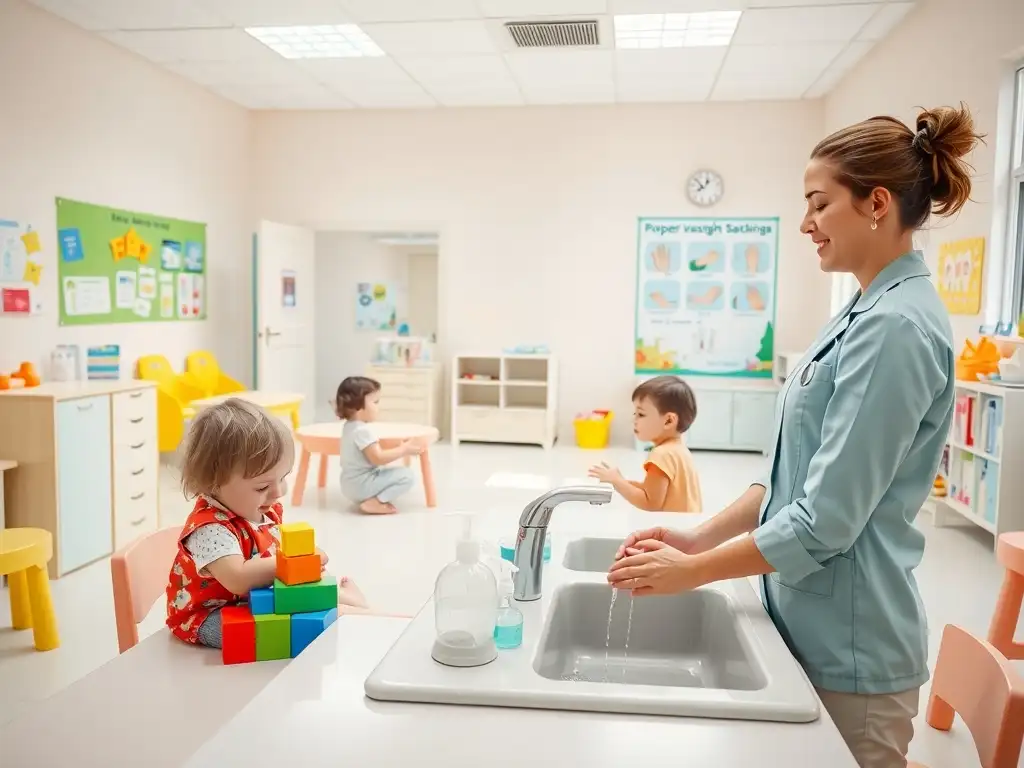
Selecting a daycare center for your little one involves careful consideration of many factors, but for parents concerned about bronchiolitis, prioritizing robust infection control measures is paramount. Bronchiolitis, a common respiratory infection affecting infants and young children, spreads easily in group settings like daycare centers. Therefore, proactive measures to minimize transmission are crucial. This section focuses on how to identify daycares that actively prioritize bronchiolitis prevention. Understanding a daycare's commitment to hygiene and infection control is key to safeguarding your baby's health. The best way to do this is through thorough research and direct communication with potential daycares.
Researching Daycare Centers' Health Policies
Before even scheduling a visit, thoroughly investigate each daycare's written health policies. Look for explicit mention of infection control protocols, including those specifically addressing respiratory illnesses like bronchiolitis. A comprehensive policy will detail procedures for:
- Illness Reporting: A clear and efficient system for reporting sick children and staff, including how quickly they are sent home.
- Exclusion Policies: Specific guidelines about when a child should stay home due to illness, including symptoms suggestive of bronchiolitis (cough, runny nose, difficulty breathing). Look for policies that are stricter rather than lenient.
- Hygiene Practices: Detailed descriptions of handwashing protocols, surface cleaning procedures (especially high-touch surfaces like toys and doorknobs), and disinfection methods.
- Staff Training: Evidence of regular training for staff on infection control practices, including proper hand hygiene and the recognition of respiratory illness symptoms.
- Sick Bay Procedures: A dedicated space for isolating sick children, if available. The policy should detail how this space is cleaned and disinfected.
These policies should be readily available on the daycare's website or provided during your initial contact. Don't hesitate to ask for clarification if anything is unclear. The more detailed and thorough the policy, the better equipped the daycare is to prevent the spread of bronchiolitis.
Asking Specific Questions about Bronchiolitis Prevention
While reviewing written policies is important, direct communication is equally crucial. Prepare a list of specific questions to ask during your daycare visits or phone calls. Don't be afraid to ask probing questions to assess their commitment to bronchiolitis prevention. Here are some key questions to consider:
- "What is your policy regarding children exhibiting symptoms of bronchiolitis?"
- "How frequently are high-touch surfaces cleaned and disinfected, and what products are used?"
- "What training do your staff receive on infection control and recognizing respiratory illnesses?"
- "What steps do you take to minimize the spread of illness during flu season or other periods of increased respiratory illness?"
- "Can you describe your sick child isolation procedures?"
- "What is your policy on hand hygiene for both children and staff?"
- "What is the daycare's sick child ratio; how many staff members are available to care for sick children?"
The daycare's responses will reveal their level of preparedness and proactive approach to bronchiolitis prevention. Pay close attention to the details of their answers and how confident and knowledgeable the staff appear.
Observing Daycare Hygiene and Cleaning Practices
During your visit, actively observe the daycare's hygiene and cleaning practices. A clean and organized environment is a good indicator of a commitment to infection control. Look for:
- Handwashing Stations: Easily accessible handwashing stations with soap and paper towels readily available. Observe whether staff and children regularly use them.
- Cleanliness of Surfaces: Inspect high-touch surfaces like toys, doorknobs, tables, and chairs for cleanliness. Look for any visible dirt or grime.
- Disinfectant Use: Note whether disinfectants are used regularly and appropriately.
- Overall Tidiness: A well-organized and clean environment suggests a proactive approach to hygiene.
Remember, your observations are as valuable as the information you gather from written policies and verbal responses. Trust your instincts; if something feels amiss, it's worth considering other options. Choosing a daycare with a strong commitment to infection control is a significant step in protecting your baby from bronchiolitis and other respiratory illnesses. This proactive approach helps create a healthier environment for all children.
The Role of Vaccination in Preventing Respiratory Infections
The cornerstone of preventing bronchiolitis and other respiratory infections in daycare settings is vaccination. While no single vaccine completely eradicates the risk of bronchiolitis, several vaccines significantly reduce the severity and likelihood of infection, particularly from Respiratory Syncytial Virus (RSV), a major culprit behind bronchiolitis cases. Understanding the role of vaccination in preventing these infections is crucial for parents and daycare providers alike.
Effective vaccination strategies contribute significantly to creating a healthier environment for all children. This section will delve into the specifics of RSV vaccines and their impact on bronchiolitis severity. Proactive vaccination is a key component of a comprehensive bronchiolitis daycare prevention strategy.
Understanding RSV and other Respiratory Viruses
Respiratory Syncytial Virus (RSV) is a highly contagious virus that is the leading cause of bronchiolitis in infants and young children. It spreads easily through close contact, such as coughing and sneezing, making daycare environments particularly susceptible to outbreaks. Other respiratory viruses, like influenza and parainfluenza viruses, can also contribute to bronchiolitis, although RSV remains the primary concern. These viruses thrive in environments with many young children in close proximity, emphasizing the importance of preventive measures.
Understanding the transmission dynamics of these viruses is vital for implementing effective prevention strategies within the daycare setting. The high transmissibility of RSV underscores the need for robust preventative measures, including vaccination. Data shows that RSV hospitalizations are significantly higher in unvaccinated infants compared to vaccinated ones. This highlights the effectiveness of available vaccines in mitigating the risks associated with RSV infection.
The Effectiveness of Vaccines in Reducing Bronchiolitis Severity
Several studies have demonstrated the effectiveness of vaccines in reducing the severity of bronchiolitis. While vaccines don't completely eliminate the risk of infection, they significantly lessen the likelihood of severe illness requiring hospitalization. For example, [Specific data on vaccine efficacy in reducing hospitalization rates pending]. This reduction in severity translates to fewer missed days of daycare for the affected child and reduced burden on healthcare systems.
Furthermore, vaccines can contribute to herd immunity within the daycare, protecting even those children who cannot be vaccinated due to underlying health conditions. The protective effect extends beyond the individual child, creating a safer environment for everyone. The positive impact of vaccination on the overall health of the daycare population is undeniable. Choosing to vaccinate your child can play a significant role in minimizing the spread of bronchiolitis and other respiratory illnesses.
Discussing Vaccination Options with Your Doctor
Before making any vaccination decisions, it's crucial to have an open and thorough discussion with your pediatrician or family doctor. They can assess your child's individual health status and discuss the risks and benefits of each vaccine. This personalized approach ensures that the vaccination plan aligns with your child's specific needs and any pre-existing health conditions. Factors like age, prematurity, and underlying health conditions can influence the recommended vaccination schedule and type. Your doctor will provide tailored advice and address any concerns you might have.
Remember to ask questions and voice any anxieties, ensuring you feel confident and informed about the vaccination process. Open communication between parents and healthcare providers is paramount in making informed decisions about their child's health and well-being. The doctor can provide crucial information regarding the timing and type of vaccine most suitable for your child, contributing to a proactive approach to bronchiolitis prevention. 👶💉
Frequently Asked Questions
What is bronchiolitis?
Bronchiolitis is a common respiratory infection, mainly affecting infants and young children. It's caused by a virus, most often RSV (Respiratory Syncytial Virus), and inflames the small airways in the lungs, making it hard to breathe. Early detection and treatment are crucial.
How is bronchiolitis transmitted in daycare settings?
Bronchiolitis spreads easily through direct contact with respiratory secretions, such as when an infected child coughs or sneezes. It can also spread through contact with contaminated surfaces. Good hygiene practices are essential to minimize transmission.
What are some daycare prevention tips for bronchiolitis?
Frequent handwashing is paramount. Daycares should also emphasize cleaning and disinfecting frequently touched surfaces like toys and doorknobs. Keeping sick children home is crucial to prevent outbreaks.
My child has bronchiolitis. When can they return to daycare?
Your child should remain home until they are fever-free for at least 24 hours without the use of fever-reducing medication and their symptoms have significantly improved. Consult your pediatrician before returning them to daycare.
What if a case of bronchiolitis is confirmed in my child's daycare?
The daycare should implement enhanced cleaning and disinfection protocols. Closely monitor your child for symptoms. Contact your pediatrician if you have any concerns about your child's health or notice any symptoms.
Final Reflection: Protecting Our Little Ones from Bronchiolitis
The pervasive threat of bronchiolitis in daycare settings remains a significant concern for parents and caregivers alike, demanding proactive strategies to safeguard the health of our youngest members of society. The sheer number of children in close proximity within daycare environments creates a breeding ground for respiratory viruses, highlighting the urgent need for effective preventative measures. This vulnerability underscores the importance of the information presented throughout this article.
The impact of bronchiolitis extends far beyond individual illness; it ripples through families, disrupting routines, and placing a strain on healthcare systems. The emotional toll on parents witnessing their child struggle to breathe is immeasurable. The best prevention is a good offense,
a wise pediatrician once told me, and this rings truer than ever when considering the contagious nature of bronchiolitis. This simple phrase encapsulates the proactive approach we must adopt, moving beyond reactive treatment to a culture of preventative care within daycare facilities.
You, as a parent or caregiver, now possess the knowledge to make informed decisions about your child's well-being. Consider the practical tips outlined in this article – from handwashing techniques to vaccination schedules and environmental controls – and actively implement them. Don't just read this information; empower yourself to create a safer, healthier environment for your child and for all the children in their care. Your proactive involvement is the key to minimizing the spread of bronchiolitis and building a stronger, healthier future for our youngest generation.
Protect Your Little One: Take Action Against Bronchiolitis
Thank you for learning about protecting your child from bronchiolitis! We hope this article has provided you with valuable information to help you manage this common respiratory illness. Let's put that knowledge into action:
- Prioritize hand hygiene: Frequent and thorough handwashing for both you and your child, especially before meals and after being in public places, is crucial in preventing the spread of infection.
- Support your child's immune system: Discuss ways to boost your child's natural defenses with your pediatrician. They can advise on healthy eating, appropriate exercise, and other supportive measures.
- Share this important information: Help protect other children by sharing this article with friends, family, and other caregivers.
What steps will you take today to create a healthier home environment for your child?