
Beyond Creams: Holistic Approaches to Treating Baby Eczema


Welcome to BabyCareHub, your ultimate guide to navigating the incredible journey of parenthood. We understand the challenges – and the joys – that come with raising a little one. Are you searching for solutions beyond the typical creams and ointments for your baby's eczema? Our Holistic baby eczema treatment guide offers a fresh perspective, exploring natural and effective approaches to soothe your baby's sensitive skin and promote lasting relief. Discover a world of gentle yet powerful strategies to help your baby thrive. Dive in and explore the path to healthier, happier babyhood!
- Understanding Baby Eczema: A Holistic Perspective
- Environmental Factors and Eczema Triggers in Babies
- The Role of Diet in Managing Baby Eczema: Foods to Avoid and Include
- Clothing and Fabrics: Choosing Hypoallergenic Options for Sensitive Skin
- Natural Remedies and Complementary Therapies for Baby Eczema
- Lifestyle Modifications for Eczema Management
- When to Seek Professional Medical Advice for Baby Eczema
- Creating a Holistic Eczema Management Plan for Your Baby: A Step-by-Step Guide
- Frequently Asked Questions
- Final Reflection: Nurturing Healthy Skin, Nurturing Healthy Futures
- Unlock Your Baby's Comfort: A Holistic Eczema Journey
Understanding Baby Eczema: A Holistic Perspective
Baby eczema, also known as atopic dermatitis, is a common inflammatory skin condition affecting many infants. It's characterized by dry, itchy, and inflamed skin, often appearing as red patches, especially on the face, scalp, and creases of the elbows and knees.
This article serves as your comprehensive guide to understanding and managing baby eczema from a holistic perspective, moving beyond solely topical creams to explore a multifaceted approach that addresses the root causes and promotes long-term skin health. We'll delve into recognizing eczema symptoms, exploring the limitations of conventional treatments, and ultimately, empowering you with natural and effective strategies for easing your baby's discomfort and improving their overall well-being.
This holistic baby eczema treatment guide aims to provide you with the knowledge and tools to navigate this common childhood condition with confidence and compassion. We will be focusing on strategies that support your baby's immune system and overall health, rather than solely relying on symptom suppression.
Identifying Eczema in Infants: Symptoms and Diagnosis
Diagnosing baby eczema often relies on observing characteristic symptoms. These can include intensely itchy skin, often leading to scratching and skin irritation. The affected areas are usually dry, rough, and may appear red, inflamed, or scaly. Infants may present with small, raised bumps or blisters, particularly in the folds of their skin.
The rash can be widespread or localized, frequently appearing on the cheeks, scalp, forehead, and the creases of the elbows and knees. However, it's crucial to remember that symptoms can vary significantly between babies. Some infants might experience mild, intermittent flare-ups, while others may have persistent, severe eczema. A proper diagnosis should always be made by a pediatrician or dermatologist who can differentiate eczema from other skin conditions.
They may also perform a physical examination and ask about family history of allergies or atopic conditions, such as asthma or hay fever, as these often co-occur with eczema. Accurate identification is the first step in creating an effective treatment plan. The severity of your baby's eczema will inform the intensity of the holistic approach you'll need to take.
Conventional Eczema Treatments: Limitations and Side Effects
Conventional eczema treatments often focus on topical corticosteroids and other medications to reduce inflammation and itching. While these can provide temporary relief, they often come with limitations and potential side effects. Long-term use of topical steroids can lead to skin thinning, skin discoloration, and increased susceptibility to infections. Furthermore, these treatments often only address the symptoms, not the underlying causes of eczema, leading to a cycle of flare-ups and reliance on medication.
Some babies may also experience adverse reactions to topical treatments, such as burning, stinging, or allergic contact dermatitis. The reliance on solely conventional methods often neglects the importance of addressing potential dietary triggers, environmental factors, and the overall health of the baby's immune system. This holistic baby eczema treatment guide emphasizes a more comprehensive and sustainable approach.
The Holistic Approach: A Multifaceted Strategy for Eczema Relief
A holistic approach to baby eczema management involves a multifaceted strategy encompassing several key areas. This includes identifying and eliminating potential environmental triggers like harsh soaps, detergents, and certain fabrics. Dietary modifications, such as eliminating common allergens (dairy, soy, eggs, wheat) may also be necessary – always consult with your pediatrician before making significant changes to your baby's diet.
Furthermore, strengthening the baby's immune system through proper nutrition, adequate sleep, and stress reduction for both baby and parent is crucial. This may involve incorporating probiotics, prebiotics, and omega-3 fatty acids into the baby's diet, as well as creating a calm and nurturing environment. Natural remedies like applying cool compresses, using gentle, fragrance-free moisturizers, and incorporating soothing bath additives (like colloidal oatmeal) can also provide significant relief.
This integrated strategy aims to address the root causes of eczema while providing immediate comfort and promoting long-term skin health. Remember, consistency and patience are key to success. A personalized plan, developed in conjunction with your pediatrician or a healthcare professional experienced in holistic approaches, will yield the best results for your baby.
Environmental Factors and Eczema Triggers in Babies
This section focuses on identifying and mitigating environmental factors that significantly contribute to baby eczema flare-ups. A holistic approach to treating baby eczema necessitates a thorough understanding of these triggers, going beyond simply applying topical creams. Successfully managing your baby's eczema often involves significant environmental modifications.
Identifying and Eliminating Eczema Triggers in the Home
Dust mites, pet dander, and pollen are common culprits in exacerbating eczema symptoms. A clean and well-maintained home environment is crucial. Regular cleaning, particularly of frequently touched surfaces and bedding, is essential. Consider using hypoallergenic bedding and washing all fabrics in fragrance-free detergents. Regular vacuuming, ideally with a HEPA filter vacuum cleaner, can help minimize airborne allergens.
Detailed Cleaning Schedule Suggestion:
Consider a weekly cleaning schedule that includes:
- Vacuuming all carpets and rugs.
- Washing all bedding (sheets, blankets, pillowcases) in hot water.
- Wiping down all surfaces with a damp cloth.
- Cleaning hard floors with a suitable cleaner.
Minimizing exposure to irritants is also key. This includes strong fragrances from cleaning products, air fresheners, and even some laundry detergents. Opt for fragrance-free and hypoallergenic versions of these products. Similarly, smoke, whether from cigarettes or fireplaces, should be completely avoided. The air quality in your home significantly impacts your baby's sensitive skin. Consider using an air purifier, especially during allergy seasons, to improve air quality and reduce exposure to airborne allergens.
The Role of Diet in Managing Baby Eczema: Foods to Avoid and Include
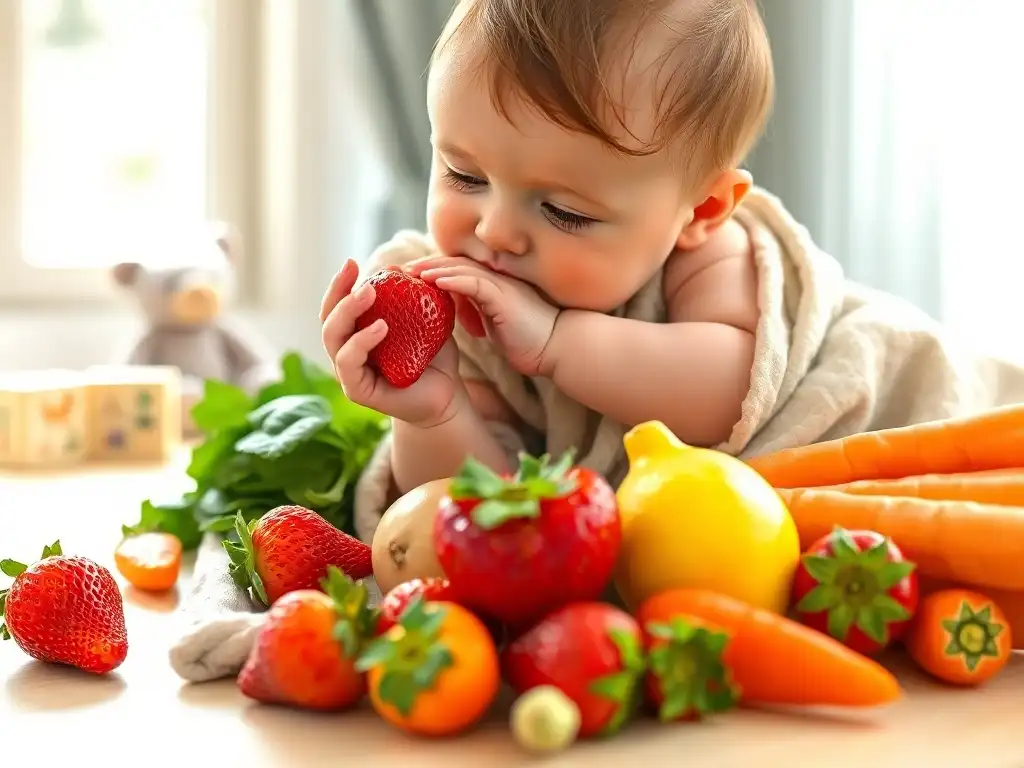
Dietary changes can play a significant role in managing baby eczema. While the exact mechanism isn't fully understood, certain foods are known to trigger or exacerbate symptoms in some infants. This is particularly true for common allergens like dairy, eggs, soy, peanuts, wheat, and fish.
Foods to Avoid and Include
A careful food diary can help identify potential triggers. If you suspect a food allergy, it's crucial to consult with a pediatrician or allergist before making significant dietary changes. Eliminating suspected allergens one at a time, under professional guidance, is often recommended. This allows for precise identification of triggers and minimizes nutritional deficiencies.
| Food Group | Potential Triggers | Alternatives |
|---|---|---|
| Dairy | Cow's milk protein | Soy milk (check for allergies), breast milk |
| Eggs | Egg whites, yolks | Alternatives may be limited; consult a doctor |
| Soy | Soy protein | Rice milk, oat milk |
| Peanuts | Peanut protein | Other nut butters (with caution) |
| Wheat | Gluten | Gluten-free alternatives |
| Fish | Certain types of fish (e.g., tuna) | Other protein sources |
Introducing solid foods gradually and monitoring for reactions is essential. Remember, the elimination diet should be managed under professional supervision to ensure adequate nutrition for your baby's development. Probiotics may also be beneficial in supporting gut health, which is increasingly linked to skin health. Always consult your pediatrician before introducing probiotics to your baby's diet.
Clothing and Fabrics: Choosing Hypoallergenic Options for Sensitive Skin
The fabric next to your baby's skin plays a significant role in eczema management. Choosing hypoallergenic options can make a substantial difference in reducing irritation and preventing flare-ups. Rough or irritating fabrics can exacerbate existing inflammation and trigger new outbreaks.
Choosing Hypoallergenic Options for Sensitive Skin
Soft, breathable fabrics like 100% cotton are generally best for babies with eczema. Avoid synthetic fabrics like polyester or nylon, as these can trap heat and moisture, creating a breeding ground for bacteria and exacerbating eczema symptoms. Wool, while naturally soft, can sometimes irritate sensitive skin, so it's best to avoid it, especially during flare-ups.
Fabric Selection Tips:
- Choose loose-fitting clothing to allow for air circulation.
- Avoid tight-fitting clothing that rubs against the skin.
- Wash all clothing in fragrance-free detergent and rinse thoroughly.
- Consider using a fabric softener specifically designed for sensitive skin.
Pay attention to seams and labels. Rough seams can irritate the skin, so choose clothing with soft, flat seams. Remove any tags or labels that might scratch your baby's delicate skin. Remember, even the smallest detail can make a big difference in managing your baby's eczema. Prioritizing soft, breathable, and hypoallergenic clothing is a crucial part of a holistic approach to baby eczema treatment. This holistic baby eczema treatment guide aims to empower you with knowledge to support your baby's comfort and health.
Natural Remedies and Complementary Therapies for Baby Eczema

This section explores natural remedies and complementary therapies that can be incorporated into a holistic approach to managing baby eczema. Remember, it's crucial to consult your pediatrician before starting any new treatment, especially for infants. While these methods can offer relief, they shouldn't replace medical advice or prescribed treatments. This holistic baby eczema treatment guide focuses on providing you with additional tools to help your little one.
Soothing Baths and Moisturizers: Natural Ingredients for Eczema Relief
Finding the right bath and moisturizer routine is a cornerstone of managing baby eczema. Harsh soaps and chemicals can exacerbate the condition, so opting for natural alternatives is key. Oatmeal baths are a classic remedy. The colloidal oatmeal creates a protective barrier on the skin, reducing inflammation and itching. You can purchase pre-made colloidal oatmeal bath products, or grind your own certified organic oats into a fine powder for a DIY solution. Remember to always use lukewarm water – hot water can further dry out the skin.
Following the bath, moisturizing is crucial. Look for fragrance-free, hypoallergenic lotions and creams containing natural ingredients like shea butter, coconut oil, and aloe vera. These provide deep hydration and help restore the skin's natural barrier function. Avoid products with potential irritants such as artificial fragrances, dyes, and preservatives.
Here's a sample of a soothing bath routine:
| Step | Description | Time |
|---|---|---|
| Bath Preparation | Fill the tub with lukewarm water and add 1-2 cups of colloidal oatmeal. | 2 minutes |
| Bath Time | Gently bathe your baby for 5-10 minutes, avoiding harsh scrubbing. | 10 minutes |
| Rinse | Rinse your baby thoroughly with lukewarm water. | 2 minutes |
| Moisturizing | Gently pat your baby dry and immediately apply a natural moisturizer. | 5 minutes |
Remember to always test a small area of skin first for any allergic reactions before applying the product to a larger area. Consistent application is key – aim for multiple applications throughout the day, especially after baths. The frequency may need adjusting based on your baby's skin condition.
Herbal Remedies for Baby Eczema: Research and Application
While some herbal remedies show promise in managing eczema, scientific evidence supporting their use in infants is often limited. It's vital to approach herbal remedies with caution and always consult your pediatrician before use. Some commonly discussed herbs include chamomile and calendula. These are known for their anti-inflammatory and soothing properties. However, their application on infants requires careful consideration due to potential allergies or sensitivities. Always dilute essential oils significantly before topical application and never apply them directly to broken skin.
Always choose high-quality, certified organic herbs from reputable sources. Avoid using herbal remedies that haven't been thoroughly researched for infant safety. Remember, the best approach is a preventative one, focusing on reducing triggers and maintaining a healthy environment. [Specific studies and research data pending on efficacy and safety of specific herbal remedies for infant eczema].
Probiotics and Gut Health: Their Impact on Eczema Severity
Emerging research suggests a strong link between gut health and eczema severity. The gut microbiome plays a vital role in immune system development, and imbalances in this microbiome are thought to contribute to inflammatory skin conditions like eczema. Introducing probiotics, which are beneficial bacteria, can help restore a healthy gut balance. However, the evidence regarding probiotics for infant eczema is still developing. [Specific studies and research data pending on the effectiveness of probiotics in reducing eczema severity in infants].
While introducing probiotics through food or supplements might be beneficial, it's crucial to consult your pediatrician before giving your baby any probiotic supplements. They can help determine the appropriate type, dosage, and potential risks. Focus on a diverse and healthy diet rich in fruits, vegetables, and whole grains to support a thriving gut microbiome. This holistic approach, combined with other eczema management strategies, offers a comprehensive plan for improving your baby's overall well-being.
Gentle Cleansing and Hygiene Practices for Eczema-Prone Skin
Infants with eczema require a particularly gentle approach to hygiene. Harsh soaps and detergents can strip the skin of its natural oils, exacerbating dryness and itching, leading to a vicious cycle of scratching and inflammation. Therefore, choosing the right cleanser is paramount in a holistic eczema treatment plan.
Opt for fragrance-free, hypoallergenic cleansers specifically designed for sensitive skin. Many brands now offer baby washes formulated with soothing ingredients like colloidal oatmeal or chamomile, known for their anti-inflammatory properties. Avoid products containing sulfates, parabens, and artificial fragrances, as these are common irritants. When bathing your baby, use lukewarm water—avoiding hot water which can further dry out the skin. Keep bath times short, ideally around 5-10 minutes, to minimize skin irritation. Pat the skin dry gently with a soft towel, avoiding rubbing, which can cause further irritation.
Beyond bathing, daily cleansing routines should also be adapted for eczema-prone skin. Instead of harsh wipes, consider using soft, damp cloths to gently cleanse the skin, especially in areas prone to diaper rash or skin folds. For facial cleansing, a soft, damp cotton pad can be used. Avoid excessive cleansing, as this can disrupt the skin's natural barrier function.
Remember, the goal is to cleanse gently without stripping the skin of its essential moisture. Regular moisturizing after cleansing is crucial to maintain the skin's hydration levels and prevent dryness. This gentle approach to hygiene is a cornerstone of holistic eczema management, minimizing irritation and promoting healthy skin regeneration. Consistent, gentle cleansing forms a crucial part of a comprehensive holistic baby eczema treatment guide.
Lifestyle Modifications for Eczema Management
This section explores how adjusting your lifestyle can significantly impact your baby's eczema. A holistic approach to eczema treatment goes beyond topical creams; it considers the interconnectedness of various factors influencing the condition. We'll delve into specific lifestyle changes that can help manage and even alleviate eczema symptoms. Remember, consistency is key when implementing these modifications. The goal is to create a supportive environment that minimizes eczema triggers and promotes your baby's overall well-being. This holistic baby eczema treatment guide emphasizes preventative measures alongside direct symptom management.
Stress Reduction Techniques for Parents and Babies
Stress, both in parents and babies, can exacerbate eczema. Elevated cortisol levels, a stress hormone, are known to worsen inflammation, a key component of eczema. Therefore, implementing stress-reduction techniques is crucial for a holistic approach. For parents, consider practicing mindfulness techniques like meditation or deep breathing exercises. Even 10-15 minutes a day can make a difference. Yoga and gentle stretching can also help manage stress levels.
For babies, soothing routines like gentle massage, skin-to-skin contact, and quiet playtime can significantly reduce stress and promote relaxation. A calm and predictable environment is vital. Consider creating a calming bedtime routine to reduce evening stress. Studies show that a relaxed parent creates a relaxed baby, which can favorably impact eczema symptoms. Remember, prioritizing self-care as a parent is not selfish; it's essential for effectively supporting your baby. A holistic treatment plan considers the well-being of the entire family.
Sleep Hygiene and its Impact on Eczema Symptoms
Sufficient, high-quality sleep is vital for overall health, including managing eczema. During sleep, the body repairs and regenerates. Disrupted sleep, however, can lead to increased inflammation and worsen eczema symptoms. Implementing good sleep hygiene practices for both you and your baby is crucial. For your baby, establish a consistent bedtime routine, ensuring a dark, quiet, and cool sleeping environment. Bath time before bed can be calming, but avoid overly hot water.
Use gentle, fragrance-free lotions to keep skin hydrated. For yourself, prioritize sufficient sleep to manage stress and maintain your own well-being, further contributing to a positive impact on your baby's eczema. Adequate sleep improves the immune system, making it more resilient to triggers. A detailed sleep diary can help identify patterns and potential disruptions. Tracking sleep patterns and correlating them with eczema flare-ups can provide valuable insights.
Maintaining a Healthy Immune System in Infants with Eczema
A strong immune system is essential in managing eczema. Eczema is often linked to a compromised immune system, making infants more susceptible to infections and worsening inflammation. Boosting your baby's immune system through a holistic approach is beneficial. Breastfeeding, if possible, provides crucial antibodies and nutrients that support immune development. A balanced diet rich in fruits, vegetables, and whole grains provides essential vitamins and minerals for a healthy immune system. Avoid introducing common allergens gradually and monitor your baby's reaction.
Excessive use of antibiotics can disrupt the gut microbiome, further impacting immune function. Therefore, a cautious approach to antibiotics is advisable. Regular check-ups with your pediatrician are vital for monitoring your baby's health and identifying potential issues early. Remember, a strong immune system is a cornerstone of a holistic eczema management strategy. This holistic baby eczema treatment guide emphasizes building a resilient immune system to combat the condition effectively.
When to Seek Professional Medical Advice for Baby Eczema
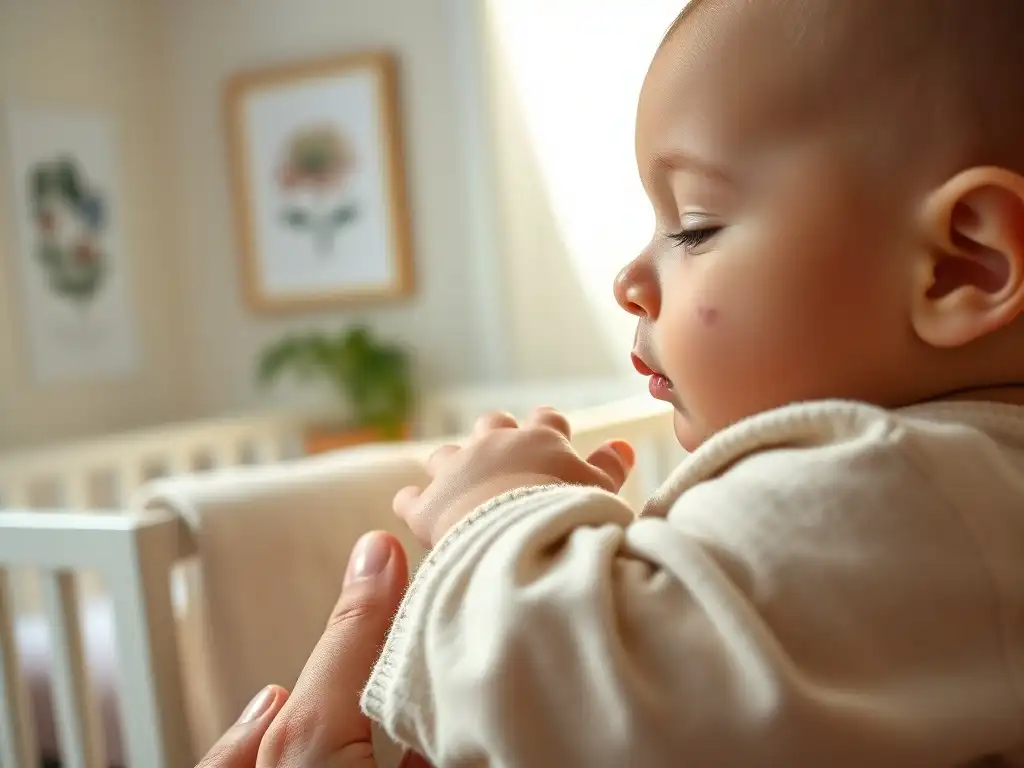
Knowing when to seek professional medical advice for your baby's eczema is crucial for effective management and preventing complications. While many mild cases of eczema can be managed with home remedies and holistic approaches, certain signs indicate the need for immediate medical intervention. This section serves as a guide to help you discern when your baby's eczema requires the expertise of a pediatrician or dermatologist. This holistic baby eczema treatment guide emphasizes the importance of collaboration between parents and medical professionals.
Recognizing Severe Eczema Symptoms Requiring Medical Intervention
Severe eczema in babies can manifest in various ways, often requiring immediate medical attention. These symptoms go beyond the typical dry, itchy patches and can significantly impact your baby's comfort and overall well-being. Look out for the following red flags:
- Widespread inflammation: If the eczema covers a large portion of your baby's body, causing extensive redness, swelling, and weeping sores, it's time to consult a doctor. This could indicate a secondary infection requiring antibiotics or other medical treatments.
- Secondary infections: Noticeable signs of infection, such as yellow crusting, pus, increased pain, fever, or swollen lymph nodes, necessitate immediate medical evaluation. These infections can complicate eczema and require targeted treatment.
- Intense itching and scratching: Excessive scratching can lead to skin damage, bleeding, and potential scarring. If your baby is constantly scratching, causing significant distress and sleep disruption, professional intervention is necessary. This persistent discomfort warrants a review of the treatment plan.
- Failure to respond to home remedies: If you've tried various over-the-counter remedies and holistic approaches for several weeks without improvement, it's crucial to seek professional medical guidance. Your doctor can assess the situation and recommend more targeted therapies.
- Difficulty breathing or swallowing: In rare cases, severe eczema can affect the airways, causing breathing difficulties or swallowing problems. This is a medical emergency requiring immediate attention.
Remember, early intervention is key to managing severe eczema and preventing long-term complications. Don't hesitate to contact your pediatrician or dermatologist if you have any concerns about your baby's eczema.
Working with Your Pediatrician to Develop a Comprehensive Treatment Plan
Developing a comprehensive treatment plan for your baby's eczema requires close collaboration with your pediatrician. This plan should integrate both conventional and holistic approaches, tailored to your baby's specific needs and the severity of their condition. The holistic baby eczema treatment guide emphasizes this collaborative approach.
Your pediatrician will conduct a thorough examination to assess the severity of the eczema, rule out other conditions, and discuss various treatment options. This may involve:
- Detailed medical history: Providing a comprehensive history of your baby's eczema, including when it started, any known triggers, and the effectiveness of previous treatments, is crucial for effective management.
- Physical examination: A thorough physical examination will allow your pediatrician to assess the extent of the eczema, identify any secondary infections, and evaluate your baby's overall health.
- Allergy testing: Allergy testing may be recommended to identify potential triggers, such as food allergies or environmental allergens. This information can help you modify your baby's environment and diet accordingly.
- Prescription medications: In more severe cases, your pediatrician may prescribe topical corticosteroids or other medications to reduce inflammation and control the symptoms.
Integrating Holistic and Conventional Eczema Treatments
A holistic approach to baby eczema treatment involves integrating conventional medical treatments with complementary therapies to support your baby's overall well-being and improve skin health. This holistic baby eczema treatment guide emphasizes this integrative approach. This doesn't replace medical advice but complements it.
This integrated approach might involve:
- Moisturizing: Regular moisturizing with fragrance-free, hypoallergenic lotions is crucial to maintain skin hydration and prevent dryness.
- Dietary adjustments: Eliminating potential food allergens from your baby's diet, if identified through allergy testing, can significantly reduce eczema symptoms.
- Environmental modifications: Minimizing exposure to known triggers, such as dust mites, pet dander, and harsh detergents, is essential for preventing flare-ups.
- Stress reduction techniques: For both parents and baby, managing stress can have a positive impact on eczema severity. Techniques like gentle massage, calming baths, and a peaceful home environment can help.
- Probiotics: Some studies suggest that probiotics may improve gut health and potentially reduce eczema symptoms. Always consult your pediatrician before introducing probiotics to your baby's diet.
Remember, the key to successful eczema management is a collaborative effort between you, your pediatrician, and other healthcare professionals. By combining conventional medical treatments with holistic approaches, you can create a comprehensive plan to effectively manage your baby's eczema and improve their quality of life.
Creating a Holistic Eczema Management Plan for Your Baby: A Step-by-Step Guide
This section provides a detailed, step-by-step guide to creating a personalized holistic eczema management plan for your baby. Remember, this is a guide, and always consult your pediatrician before making significant changes to your baby's care routine, especially regarding medication. A holistic approach integrates various strategies to address the root causes of eczema, not just the symptoms. This holistic baby eczema treatment guide emphasizes a proactive, preventative approach alongside symptom management.
Assessment and Goal Setting: Identifying Your Baby's Specific Needs
Before implementing any holistic strategies, a thorough assessment of your baby's eczema is crucial. This involves identifying the severity of the condition, pinpointing potential triggers, and setting realistic, achievable goals. Consider these key aspects:
- Severity Assessment: Use a validated scoring system (if available from your pediatrician) to track the extent and intensity of your baby's eczema. Note the location, size, and appearance of the affected areas. Document the presence of weeping, crusting, or scaling. This helps track progress over time.
- Trigger Identification: Keep a detailed diary noting potential triggers like specific foods (dairy, soy, eggs, nuts), environmental factors (dust mites, pollen, pet dander), detergents, fabrics (wool, synthetic materials), and stress (both yours and your baby's). A food diary can be particularly helpful.
- Goal Setting: Set SMART goals (Specific, Measurable, Achievable, Relevant, Time-bound). For example, instead of "improve eczema," aim for "reduce the number of flare-ups by 50% within two months by eliminating dairy from the diet and using a hypoallergenic laundry detergent."
| Trigger Category | Potential Triggers | Tracking Method |
|---|---|---|
| Diet | Dairy, soy, eggs, wheat, nuts, etc. | Detailed food diary, noting reactions |
| Environment | Dust mites, pollen, pet dander, etc. | Environmental monitoring, noting exposure |
| Clothing/Textiles | Wool, synthetic fabrics, detergents | Fabric type, detergent brand, reaction notes |
| Stress | Parental stress, sleep disturbances | Daily journal tracking stress levels |
Remember to involve your pediatrician in this assessment process. They can provide valuable insights and guidance, ensuring your chosen approach aligns with your baby's specific needs and health status. This collaborative approach is essential for effective holistic baby eczema treatment.
Implementing Holistic Strategies: A Practical Approach
Once you've assessed your baby's eczema and set goals, you can start implementing various holistic strategies. These strategies should be introduced gradually to monitor their effectiveness and identify any potential adverse reactions.
- Dietary Modifications: If food allergies or sensitivities are suspected, carefully introduce elimination diets under the guidance of your pediatrician or a registered dietitian. This might involve eliminating common allergens like dairy or soy, one at a time, to determine their impact.
- Environmental Control: Minimize exposure to known triggers by using hypoallergenic bedding, washing clothes in fragrance-free detergents, and regularly cleaning the home to reduce dust mites. Consider air purifiers for pollen and pet dander.
- Skincare Routine: Use gentle, fragrance-free cleansers and moisturizers specifically formulated for sensitive skin. Lukewarm baths (not hot) can help soothe inflamed skin. Avoid harsh scrubbing. Consider adding oatmeal baths for their soothing properties.
- Stress Reduction: Manage your own stress levels, as stress can exacerbate eczema. Prioritize self-care, including sufficient sleep and relaxation techniques. A calm and nurturing environment can benefit both you and your baby.
- Probiotics: Some studies suggest that probiotics may improve gut health and potentially reduce eczema symptoms. However, consult your pediatrician before introducing probiotics to your baby's diet.
This holistic approach offers a multi-pronged strategy, addressing not only symptoms but also underlying contributing factors. The success of this approach depends heavily on consistent implementation and careful monitoring.
Monitoring Progress and Adjusting the Plan as Needed
Regular monitoring is crucial for evaluating the effectiveness of your holistic eczema management plan. Track your baby's eczema severity using the same scoring system you used initially. Note any changes in symptoms, the frequency of flare-ups, and the effectiveness of the strategies implemented.
- Regular Check-ups: Schedule regular check-ups with your pediatrician to discuss progress, adjust the treatment plan as needed, and rule out any underlying medical conditions.
- Plan Adjustments: Based on your observations and your pediatrician's recommendations, be prepared to modify your approach. This might involve adjusting the diet, changing skincare products, or adding new strategies. Flexibility is key. Remember, what works for one baby might not work for another.
- Documentation: Maintain a detailed record of your baby's eczema, including triggers, treatments, and responses. This valuable information will help you and your pediatrician make informed decisions about future care and identify patterns to anticipate and manage future flare-ups. This detailed record is a vital part of your holistic baby eczema treatment guide.
Remember, patience and persistence are essential. Managing eczema holistically is a journey, not a quick fix. By diligently tracking progress, making necessary adjustments, and collaborating with your pediatrician, you can create a personalized plan that supports your baby's health and well-being.
Long-Term Eczema Management: Strategies for Prevention and Maintenance
Long-term eczema management for your baby isn't just about treating flare-ups; it's about implementing strategies to minimize their frequency and severity. This involves a proactive approach focusing on identifying and avoiding triggers, maintaining healthy skin hydration, and supporting your baby's overall well-being. A holistic approach considers the interconnectedness of factors influencing eczema, encompassing environmental, dietary, and lifestyle considerations.
One crucial aspect is identifying and minimizing exposure to known triggers. This requires diligent observation and record-keeping. Common triggers include certain fabrics (wool, synthetic materials), harsh soaps and detergents, pet dander, dust mites, and specific food allergens. Keeping a detailed eczema diary, noting flare-ups alongside potential exposures, can reveal patterns and pinpoint specific culprits. For instance, a baby might experience a flare-up after contact with a particular laundry detergent, indicating a need to switch to a fragrance-free, hypoallergenic alternative. Similarly, introducing new foods one at a time and observing for reactions is essential, especially during the first year.
Maintaining optimal skin hydration is paramount. Regular bathing with lukewarm water (avoiding excessively hot water which can dry the skin) followed by the application of a fragrance-free, hypoallergenic moisturizer is crucial. The moisturizer should be applied while the skin is still damp to lock in moisture.
Consider using emollients, which are specially formulated to create a protective barrier on the skin, preventing water loss and reducing irritation. Choosing the right moisturizer is critical; some babies may react to certain ingredients, so experimentation might be necessary to find the best fit. Remember to consult with your pediatrician or a dermatologist to determine the most suitable moisturizer for your baby's skin type and condition.
Beyond skincare, consider your baby's overall environment. Regular cleaning of the home, particularly bedding and carpets, can help minimize exposure to dust mites and other allergens. Air purifiers can also be beneficial in reducing airborne irritants. In addition, maintaining a consistent routine, including regular bath times and moisturizing, helps establish a predictable environment that can reduce stress and contribute to better skin health. Remember, stress can exacerbate eczema symptoms in some babies.
Finally, nurturing your baby's overall well-being is a key component of long-term eczema management. A balanced diet rich in nutrients that support skin health, adequate sleep, and minimizing stress through calming routines can significantly impact eczema severity. These holistic approaches, combined with appropriate medical treatments as advised by your pediatrician or dermatologist, contribute to a comprehensive and effective long-term eczema management plan for your baby. Remember, patience and consistency are essential in this journey. The goal is not to eliminate eczema entirely but to manage it effectively, minimizing discomfort and improving your baby's quality of life.
Frequently Asked Questions
What is a holistic approach to baby eczema treatment?
A holistic approach considers all aspects of your baby's health, including diet, environment, and stress levels, alongside topical treatments. It aims to address the root causes of eczema, not just the symptoms.
Are there any dietary changes that can help manage baby eczema?
Yes, eliminating potential allergens like dairy, soy, eggs, or nuts from your baby's diet (if breastfeeding) or your own diet (if breastfeeding) can significantly reduce eczema symptoms. Introducing solids slowly and observing reactions is crucial.
How can I create a soothing environment for my baby with eczema?
Maintain a cool, humid environment to minimize dryness. Use hypoallergenic laundry detergent and avoid harsh chemicals in cleaning products. Regular baths with lukewarm water and gentle cleansers can also help.
What role does stress play in baby eczema?
Stress, both in the baby and the caregiver, can exacerbate eczema symptoms. Relaxation techniques for both parent and child, such as massage or calming routines, can be beneficial.
When should I seek professional medical advice for my baby's eczema?
Seek professional help if your baby's eczema is severe, doesn't respond to home remedies, or is accompanied by infection (e.g., weeping sores, fever). A doctor can provide a proper diagnosis and treatment plan.
Final Reflection: Nurturing Healthy Skin, Nurturing Healthy Futures
The holistic approach to treating baby eczema isn't just a trend; it's a vital shift towards recognizing the interconnectedness of our children's well-being. Ignoring the root causes of eczema, focusing solely on symptom management, leaves a crucial piece of the puzzle unsolved. This holistic perspective, encompassing diet, environment, and emotional well-being, offers a pathway to truly heal, not just mask, the symptoms.
The journey of understanding and treating my own child's eczema profoundly shaped my perspective on this topic. It highlighted the limitations of purely topical treatments and the power of a more integrated approach. The relief we found in addressing dietary sensitivities and environmental triggers was immeasurable. The body is a temple, and we must treat it with respect.
This simple truth underpins the holistic philosophy, emphasizing the importance of nurturing our children's bodies from the inside out.
You, as a parent or caregiver, hold the power to create a nurturing environment that supports your child's delicate skin and overall health. Consider the information presented in this guide as a starting point, a springboard for your own research and exploration. Don't hesitate to consult with healthcare professionals, and most importantly, trust your intuition as you navigate this journey. Remember, healing is a process, and every step you take towards a holistic approach is a step towards a healthier, happier future for your child.
Unlock Your Baby's Comfort: A Holistic Eczema Journey
Thank you for exploring holistic ways to soothe your baby's eczema! We hope you found helpful information on gentler, more effective approaches. Ready to take the next step?
- Prioritize a gentle bath routine: Start with oatmeal baths and experiment with hypoallergenic cleansers. This is key to immediate relief and reducing irritation.
- Keep a food diary: Track your baby's diet to identify and minimize potential food triggers. This proactive step can significantly improve your baby's condition over time.
- Connect with other parents: Share your experiences, challenges, and successes in our BabyCareHub community forum. Supporting each other makes this journey easier!
What small change will you make today to improve your baby's comfort and well-being?