
Baby's First Sunburn: Recognizing the Signs and Seeking Treatment

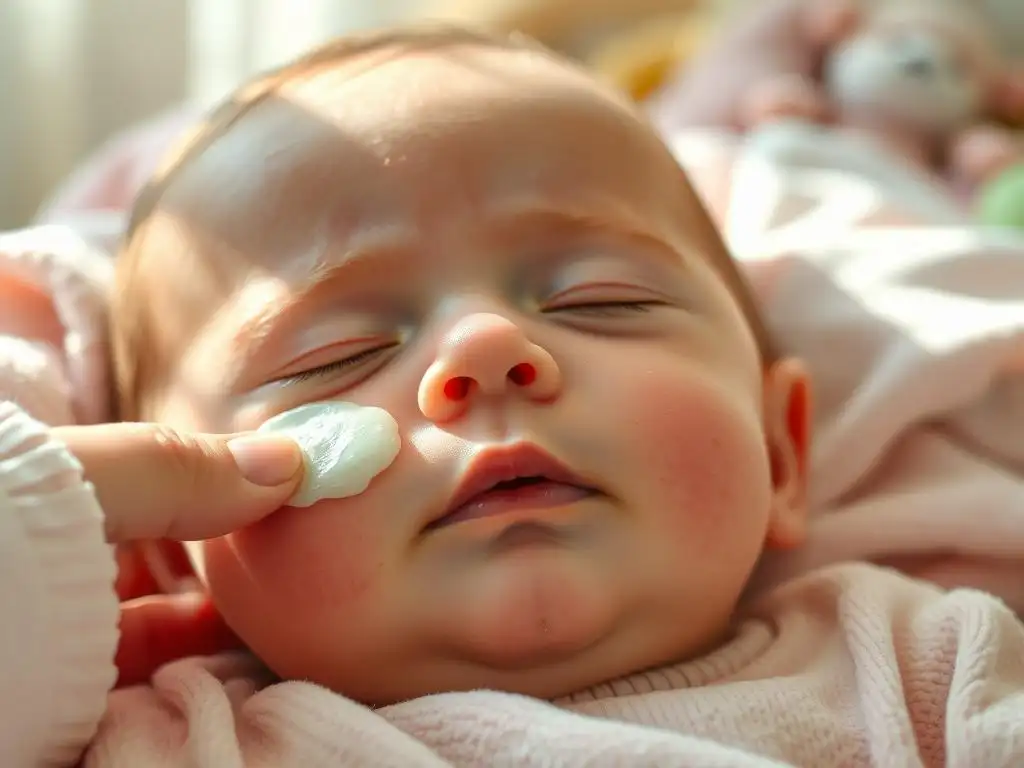
Welcome to BabyCareHub, your ultimate guide to navigating the incredible journey of parenthood! Are you a first-time parent facing the unexpected challenge of a baby sunburn? We understand the worry and urgency involved. Discover essential first aid steps and expert advice on recognizing and treating your little one's delicate skin in our comprehensive guide on Baby Sunburn Treatment First Aid. Learn how to protect your baby from future sun damage and ensure their healthy development. Let's dive in!
- Understanding Sunburn in Infants: Risks and Prevention
- Identifying Sunburn Symptoms in Your Baby
- Baby Sunburn Treatment: First Aid and Home Care
- Seeking Medical Attention for Severe Sunburn
- Preventing Future Sunburns: Protecting Your Baby's Delicate Skin
- Frequently Asked Questions
- Final Reflection: Protecting Our Little Ones from the Sun's Embrace
- Protect Your Little One: Next Steps for Sun-Safe Summers
Understanding Sunburn in Infants: Risks and Prevention
Sunburn in babies is a serious concern, as their delicate skin is far more vulnerable to the harmful effects of ultraviolet (UV) radiation than adult skin. This article provides a comprehensive guide to recognizing, treating, and preventing sunburn in infants, equipping first-time parents with the essential knowledge to protect their little ones from sun damage. We'll cover the specific vulnerabilities of infants, the subtle and severe signs of sunburn, and effective sun protection strategies to keep your baby safe and healthy.
Understanding these crucial aspects of baby care will help ensure your baby's healthy development and minimize the risk of long-term skin damage associated with sunburn, contributing to their overall well-being. This guide focuses on providing practical, first-aid-focused advice for dealing with baby sunburn treatment, making it easy to navigate this common concern for new parents.
Why are babies more susceptible to sunburn?
Infants' skin is significantly thinner and more sensitive than adult skin. Their skin barrier, which protects against external irritants and UV rays, is still developing. This means that their skin absorbs UV radiation more readily, leading to sunburn more quickly and easily than in older children or adults. Furthermore, babies have less melanin, the pigment that protects against UV damage.
This reduced melanin production further increases their susceptibility to sunburn. Even short periods of sun exposure, especially during peak sun hours (typically 10 am to 4 pm), can cause significant damage. 👶 Consider this: a baby's skin is approximately 70% more permeable than an adult’s, making it incredibly sensitive to the sun's harmful rays. This increased permeability explains why even mild sun exposure can lead to significant sunburn in infants.
Recognizing the signs of sunburn in babies: Mild vs. Severe
Recognizing the signs of sunburn in babies is crucial for prompt treatment. The symptoms might be different from those seen in adults, often being more subtle initially.
Mild Sunburn:
- Redness and slight warmth to the touch on exposed skin areas.
- Mild discomfort or fussiness. The baby may be more irritable than usual.
- Skin may feel slightly tender to the touch.
Severe Sunburn:
- Blisters on the affected area.
- Significant redness and swelling.
- High fever (this is a serious sign requiring immediate medical attention).
- Lethargy or unusual sleepiness.
- Dehydration (indicated by dry mouth, sunken eyes, reduced urination).
- Severe pain and irritability.
It's important to note that even mild sunburn can be damaging. Always prioritize preventative measures and seek medical attention if you suspect severe sunburn or if your baby shows signs of dehydration or significant discomfort.
Preventing sunburn: Sun protection strategies for infants
Protecting your baby from the sun is paramount. Here are some essential strategies to minimize their risk of sunburn:
- Seek shade: Keep your baby in the shade whenever possible, especially during peak sun hours. Use a stroller with a canopy or seek shade under trees or umbrellas.
- Clothing: Dress your baby in lightweight, loose-fitting clothing that covers most of their skin. Opt for clothing with a UPF (Ultraviolet Protection Factor) rating.
- Hats: Use a wide-brimmed hat to shade their face, ears, and neck.
- Sunscreen: For areas not covered by clothing, use a broad-spectrum sunscreen with an SPF of 30 or higher. Apply liberally 15-30 minutes before sun exposure and reapply frequently, especially after swimming or sweating. Remember to avoid sunscreen application on babies under 6 months unless absolutely necessary and consult your pediatrician. Always check the sunscreen's ingredients to ensure it's suitable for babies' sensitive skin. Look for options that are fragrance-free and hypoallergenic.
- Timing: Limit your baby's exposure to direct sunlight, especially between 10 am and 4 pm.
By following these guidelines, you can significantly reduce your baby's risk of sunburn and protect their delicate skin from the harmful effects of the sun. Remember, prevention is always the best approach when it comes to baby sunburn treatment. Early intervention and consistent sun protection are key to ensuring your baby's health and well-being.
Identifying Sunburn Symptoms in Your Baby
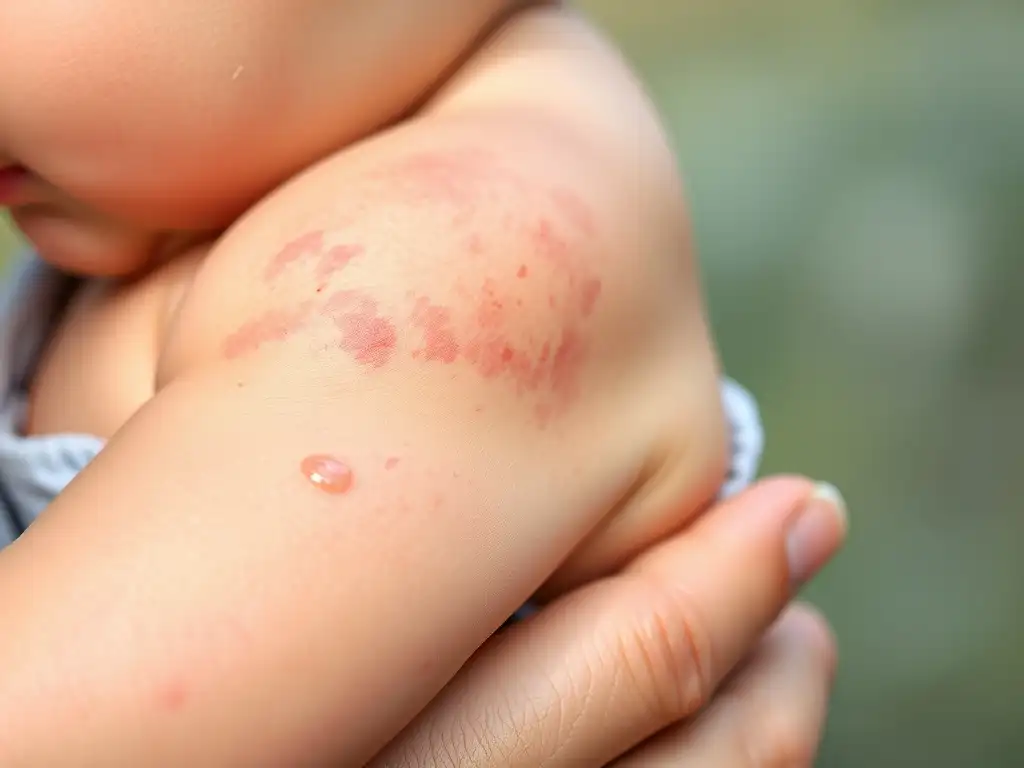
This section focuses on recognizing the specific signs of sunburn in babies, a crucial first step in effective baby sunburn treatment first aid. Babies' delicate skin is far more susceptible to sun damage than adult skin, making early identification paramount. Remember, prompt action minimizes discomfort and potential long-term skin problems.
Recognizing the telltale signs of sunburn in babies
Sunburn in babies often manifests differently than in adults. Instead of the familiar redness and peeling, you might observe subtle cues. Look for:
- Redness: While obvious redness is a key sign, it might be less pronounced in babies, appearing as a slight pinkness or flush, particularly on areas directly exposed to the sun. Pay close attention to the baby's face, ears, shoulders, and the backs of their hands and legs.
- Warmth to the touch: Gently touch the affected area. Sunburned skin will feel warmer than the surrounding skin.
- Blisters: In severe cases, small blisters may develop. These are painful and require extra care to prevent infection. Avoid popping them.
- Fussiness or irritability: A sunburned baby might be more fussy, irritable, or difficult to soothe than usual. This is often an early indicator, even before visible redness appears.
- Lethargy: In more severe cases, a baby might exhibit unusual lethargy or sleepiness. This is a serious sign and requires immediate attention.
Remember, even a mild sunburn can be painful and damaging for a baby's sensitive skin. Don't underestimate the severity based solely on the visible redness. Pay attention to the baby's overall behavior and the warmth of the affected skin.
Distinguishing sunburn from other skin conditions
It's crucial to differentiate sunburn from other skin conditions that might present similar symptoms. Rashes, heat rash, and allergic reactions can sometimes mimic sunburn. Key distinctions include:
| Condition | Symptoms | Location | Other Clues |
|---|---|---|---|
| Sunburn | Redness, warmth, possible blisters, fussiness | Sun-exposed areas | Usually develops after sun exposure |
| Heat Rash (Miliaria) | Small, red bumps, often itchy, no blisters | Skin folds, neck, chest | Occurs in hot, humid conditions |
| Diaper Rash | Red, irritated skin in diaper area | Diaper area | Often accompanied by diaper changes difficulties |
| Allergic Reaction | Redness, itching, swelling, possible hives | Varies, can be widespread | Often triggered by a specific allergen |
If you are unsure whether your baby has sunburn or another skin condition, it's always best to consult your pediatrician. They can provide a proper diagnosis and recommend appropriate baby sunburn treatment first aid.
Checking for dehydration in sunburned babies
Sunburn can lead to dehydration, especially in babies. Dehydration is a serious complication that needs immediate attention. Monitor your baby closely for signs of dehydration, including:
- Dry mouth and tongue: Check for dryness in the mouth and a sticky feeling on the tongue.
- Few or no wet diapers: A significant reduction in the number of wet diapers is a warning sign.
- Sunken eyes: Sunken eyes can indicate dehydration.
- Lethargy and irritability: Dehydration can worsen existing fussiness and lead to increased lethargy.
- No tears when crying: This is a significant indicator of dehydration.
If you notice any of these signs, offer your baby plenty of fluids, such as breast milk or formula (for formula-fed babies). If dehydration persists or worsens, seek immediate medical attention. Prompt treatment is essential for preventing serious complications associated with baby sunburn treatment first aid. Remember, early intervention is key to ensuring your baby's well-being and recovery. 👶
Baby Sunburn Treatment: First Aid and Home Care
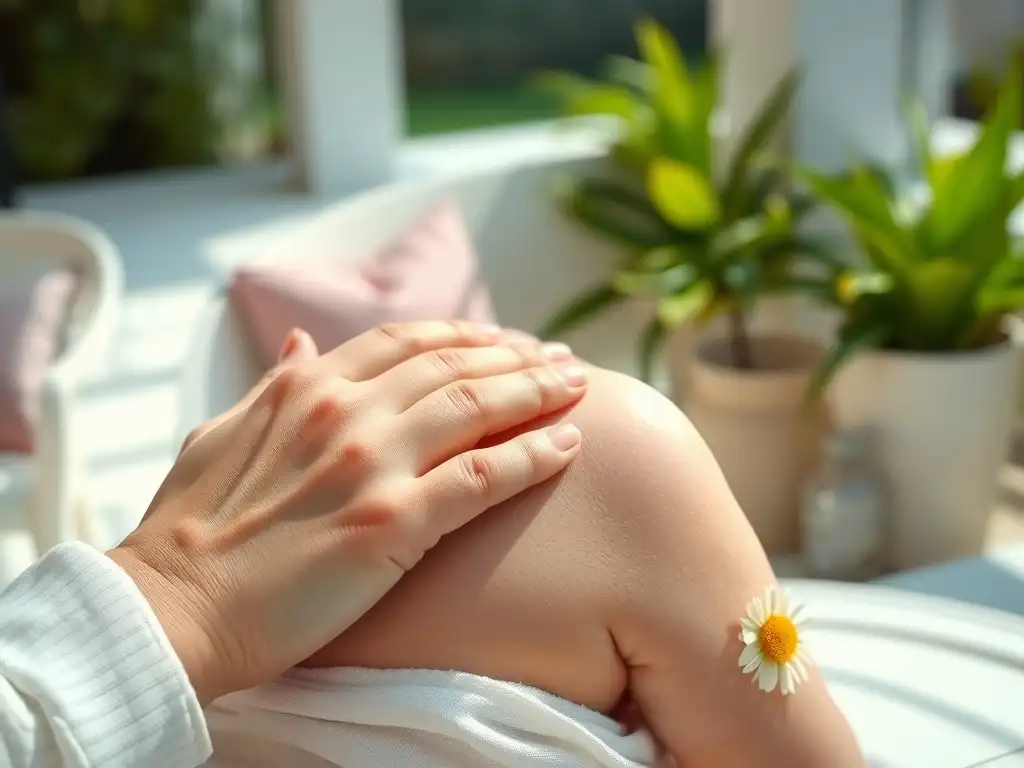
Protecting your baby's delicate skin from the sun is crucial, but even with the best precautions, sunburn can happen. Knowing how to effectively treat a baby sunburn is essential for first-time parents. This section focuses on first aid and home care strategies for managing your baby's sunburn, emphasizing gentle and effective methods. Remember, prevention is always the best approach, but when a sunburn occurs, swift and appropriate action is key. This guide will help you navigate baby sunburn treatment and first aid, providing you with the confidence to care for your little one.
Immediate first aid for baby sunburn: Cooling and hydration
The first step in treating a baby sunburn is immediate cooling and hydration. The sun's rays damage the skin, causing inflammation and discomfort. Cooling the affected area helps reduce inflammation and soothe the burning sensation. This is especially important because babies have thinner skin that is more susceptible to damage.
- Cool bath or compress: Gently bathe your baby in lukewarm water (avoid cold water, as it can cause shivering) for 10-15 minutes. Alternatively, apply cool, damp compresses to the sunburned area. Use a clean, soft cloth and gently dab, avoiding rubbing. The coolness will provide immediate relief. Repeat this process several times throughout the day.
- Hydration is key: Sunburn causes dehydration, so ensure your baby is drinking plenty of fluids. Breast milk or formula is ideal for infants, while older babies can be offered water or electrolyte solutions (always consult your pediatrician before giving electrolyte solutions to infants). Monitor your baby's urine output – decreased urination is a sign of dehydration and requires immediate attention.
- Avoid harsh soaps and lotions: Skip using harsh soaps or scented lotions on the sunburned skin. These can irritate the already damaged skin, exacerbating the discomfort. Stick to plain water for cleansing.
Remember to carefully monitor your baby for signs of overheating, such as excessive sweating, rapid breathing, or lethargy. These symptoms require immediate medical attention. Early intervention is vital in preventing complications from a sunburn. The immediate first aid steps outlined above are crucial in providing comfort and promoting healing.
Home remedies for mild baby sunburn: Soothing the skin
For mild sunburns, several gentle home remedies can help soothe your baby's skin and promote healing. These remedies focus on hydration and reducing inflammation. Always test a small area of skin first to ensure there are no adverse reactions.
- Aloe vera: The gel from an aloe vera plant is a natural soothing agent. Apply a small amount of pure aloe vera gel directly to the sunburned area. Its cooling and anti-inflammatory properties can help alleviate discomfort.
- Oatmeal bath: Adding colloidal oatmeal to your baby's bath can help soothe irritated skin. The oatmeal acts as a natural moisturizer and can help reduce inflammation. Follow product instructions for the correct amount to add to the bathwater.
- Breast milk: For nursing mothers, breast milk can be a surprisingly effective remedy. The antibodies and other beneficial components in breast milk can help soothe and heal sunburned skin. Simply apply a small amount to the affected area.
- Cool, damp cloths: Continuing to apply cool, damp cloths throughout the day provides consistent relief and helps keep the skin hydrated.
It's crucial to remember that these home remedies are only suitable for mild sunburns. Monitor your baby's condition closely, and if the sunburn worsens or shows signs of infection (increased redness, swelling, pus), seek medical attention immediately. Always prioritize gentle care, avoiding any harsh substances that could further irritate the delicate skin. Proper hydration and consistent cooling are critical aspects of effective home treatment.
When to seek professional medical help for baby sunburn
While many mild sunburns can be managed at home, certain situations warrant immediate medical attention. Recognizing these warning signs is crucial for ensuring your baby's safety and well-being.
| Symptom | Severity | Action |
|---|---|---|
| Blisters | Moderate to severe; indicates significant skin damage. | Seek immediate medical attention. |
| Fever | Any fever accompanying a sunburn, especially in infants. | Seek immediate medical attention. Fever could indicate a more serious condition. |
| Severe pain or discomfort | The baby is inconsolable despite home remedies. | Seek medical attention. Over-the-counter pain relievers are generally not recommended for infants. |
| Dehydration | Lethargy, decreased urination, dry mouth. | Seek immediate medical attention. Dehydration can be dangerous for infants. |
| Signs of infection | Increased redness, swelling, pus, or streaks of red lines on the skin. | Seek immediate medical attention. This indicates a possible skin infection. |
| Large sunburned area | Sunburn covering a significant portion of the baby's body. | Seek medical attention. |
Don't hesitate to contact your pediatrician or seek medical advice if you have any concerns about your baby's sunburn, even if it seems mild. Early intervention can prevent complications and ensure your baby's swift recovery. Remember, a proactive approach to baby sunburn treatment, combined with vigilant monitoring, is essential for protecting your little one's delicate skin.
Seeking Medical Attention for Severe Sunburn
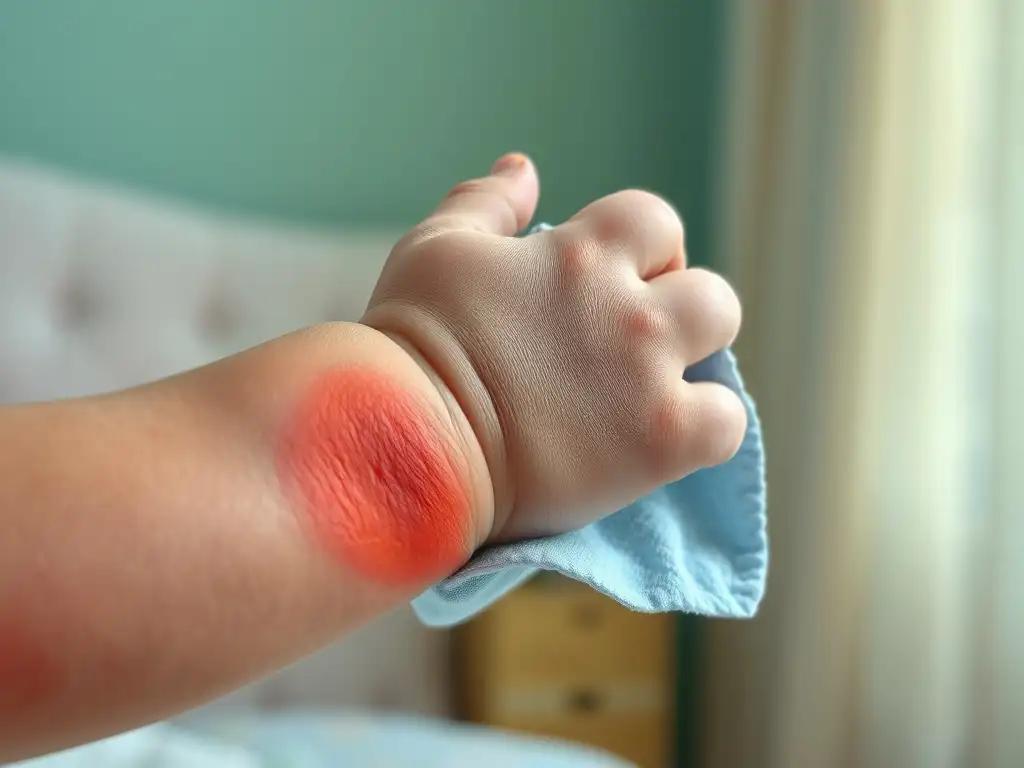
Sunburn in babies is a serious concern, as their delicate skin is far more susceptible to damage than adult skin. While mild sunburns can often be treated at home with first aid measures, knowing when to seek professional medical attention is crucial for your baby's well-being. This section focuses on identifying severe sunburn requiring immediate medical intervention and outlining the steps involved in seeking and receiving appropriate treatment. Understanding these points is paramount for effective "baby sunburn treatment first aid."
Recognizing signs of severe sunburn requiring immediate medical attention
Severe sunburn in babies isn't just about redness; it's about the overall impact on their health and comfort. Look for the following indicators that require an immediate trip to the doctor:
- Blisters: The presence of large or numerous blisters covering a significant portion of the baby's skin indicates a severe burn. These blisters are fragile and increase the risk of infection.
- Fever: A high fever (above 100.4°F or 38°C) accompanying the sunburn suggests a systemic reaction and needs urgent medical evaluation.
- Dehydration: Sunburn can lead to significant fluid loss. Signs of dehydration, such as decreased urination, dry mouth, sunken eyes, and lethargy, are serious and necessitate immediate medical attention.
- Extreme Pain and Fussiness: While some fussiness is expected with sunburn, inconsolable crying and extreme distress are warning signs. This could indicate a more severe burn than initially apparent.
- Headache: In older infants, headaches can be an indication of a severe reaction.
- Significant Skin Area Affected: If a large percentage of your baby's body is sunburned (more than 50%), immediate medical care is essential.
- Chills: Shivering or chills can indicate a more serious reaction to the sunburn.
- Difficulty Breathing: This is a very serious sign requiring immediate emergency care.
It's crucial to remember that even if your baby doesn't exhibit all these symptoms, a severe sunburn warrants a call to your pediatrician or a visit to the emergency room, especially if you are unsure about the severity of the situation. Early intervention is key in minimizing complications and ensuring your baby's swift recovery. Don't hesitate; your baby's health is paramount.
What to expect during a doctor's visit for baby sunburn
When taking your baby to the doctor for a sunburn, be prepared to provide a detailed account of the incident, including the duration of sun exposure, the type of protection used (if any), and the onset and progression of symptoms. The doctor will likely perform a thorough physical examination, assessing the extent of the burn, the presence of blisters, and other related symptoms. They may also check your baby's temperature, hydration levels, and overall health status.
Depending on the severity of the burn, the doctor may recommend various treatment options, including:
- Pain relief: Over-the-counter pain relievers appropriate for infants may be suggested to manage discomfort. Always follow the doctor's instructions carefully regarding dosage and administration.
- Cooling measures: The doctor might recommend cool baths or compresses to soothe the burned skin.
- Topical creams or ointments: In some cases, topical antibiotics or other medications might be prescribed to prevent infection and promote healing. Never apply home remedies without consulting your doctor.
- Hydration: The doctor may emphasize the importance of increased fluid intake to prevent dehydration.
- Monitoring for complications: The doctor will likely advise you on monitoring your baby for signs of infection or other complications and schedule follow-up visits as needed.
Remember to ask your doctor any questions or concerns you may have. Their expertise will guide you through the process and provide you with the best possible care for your baby. Active participation in your baby's care is vital for successful treatment.
Treatment options for severe sunburn cases
Treatment for severe baby sunburn often involves a multi-pronged approach focusing on pain management, infection prevention, and promoting healing. The specific treatment plan will depend on the severity of the burn and your baby's overall health. Here are some common treatment options your doctor might consider:
| Treatment Option | Description | Potential Benefits | Potential Side Effects |
|---|---|---|---|
| Cool Compresses/Baths | Applying cool (not cold!) compresses or giving your baby a cool bath can soothe the skin and reduce pain. | Reduces inflammation, pain relief, promotes comfort. | Chills if water is too cold, potential for worsening discomfort if not done correctly. |
| Pain Relievers (as prescribed) | Acetaminophen (paracetamol) or ibuprofen (as directed by your doctor) can help manage pain and fever. | Pain reduction, fever control. | Allergic reactions (rare), potential for side effects if not administered correctly. |
| Antibiotic Ointments | Topical antibiotics may be prescribed to prevent infection, especially if blisters are present. | Prevention of infection. | Skin irritation (rare), allergic reactions (rare). |
| Hydration Therapy (in severe cases) | In cases of severe dehydration, intravenous fluids may be necessary to restore fluid balance. | Prevents dehydration, supports overall health. | Possible discomfort during IV administration. |
| Monitoring for Infection | Regular monitoring for signs of infection, such as increased pain, swelling, pus, or fever, is crucial. | Early detection and treatment of infection. | None, but requires vigilance. |
Remember, never self-treat a severe sunburn. Always consult a doctor to ensure your baby receives the appropriate care and to prevent potential complications. Early and proper intervention is crucial for optimal healing and preventing lasting damage. Following your doctor's instructions meticulously is essential for your baby's well-being.
Preventing Future Sunburns: Protecting Your Baby's Delicate Skin
Protecting your baby's delicate skin from the sun's harmful ultraviolet (UV) rays is crucial for preventing future sunburns and reducing the long-term risk of skin cancer. A baby's skin is significantly thinner and more sensitive than an adult's, making them much more susceptible to sunburn. Even short periods of sun exposure can cause significant damage.
Therefore, proactive measures are essential to ensure your baby's skin health. This section focuses on practical strategies to minimize sun exposure and maximize protection, offering detailed guidance on sunscreen selection and application, as well as creating a sun-safe environment. Remember, consistent and diligent sun protection is key to safeguarding your baby's skin.
Choosing the right sunscreen for your baby: SPF and ingredients
Choosing the right sunscreen for your baby is paramount. Look for sunscreens specifically labeled as "baby" or "infant" sunscreens. These are usually formulated with gentler ingredients and are less likely to irritate your baby's sensitive skin. The American Academy of Pediatrics recommends using a broad-spectrum sunscreen with an SPF of 30 or higher. "Broad-spectrum" means the sunscreen protects against both UVA and UVB rays.
Crucially, avoid sunscreens containing oxybenzone and octinoxate. These chemicals have been linked to potential hormonal disruptions and are increasingly being phased out in many baby sunscreens. Look for mineral-based sunscreens containing zinc oxide or titanium dioxide as active ingredients. These are generally considered safer and more gentle on delicate skin. Always check the ingredient list carefully before applying any sunscreen to your baby. Consider factors like fragrance and the potential for allergic reactions. A patch test on a small area of skin before widespread application can help identify potential sensitivities.
Here's a table summarizing key considerations for choosing a baby sunscreen:
| Feature | Recommendation |
|---|---|
| SPF | 30 or higher |
| Spectrum | Broad-spectrum (UVA and UVB protection) |
| Ingredients | Zinc oxide or titanium dioxide; avoid oxybenzone and octinoxate |
| Formulation | Baby or infant specific |
| Fragrance | Fragrance-free or hypoallergenic is preferable |
Applying sunscreen correctly: Tips and techniques
Correct application is just as vital as choosing the right sunscreen. Apply sunscreen liberally 15-30 minutes before sun exposure to allow it to fully absorb. Reapply every two hours, or more frequently if your baby is swimming or sweating heavily. Don't forget often-missed spots like the ears, back of the neck, and tops of the feet. A generous amount is key – don't skimp! Many parents underestimate the quantity needed for effective protection.
For babies under six months, the AAP recommends limiting direct sun exposure. If sun exposure is unavoidable, a small amount of sunscreen can be applied to exposed areas, but shade and protective clothing should be the primary defense.
Important Note: Always supervise your baby closely when applying sunscreen and ensure they don't ingest any.
Creating a sun-safe environment for your baby: Shade and clothing
Minimizing your baby's direct sun exposure is the most effective way to prevent sunburn. Utilize shade whenever possible. This includes seeking shade under trees, using a stroller canopy, or employing a beach umbrella. Remember that even on cloudy days, UV rays can penetrate the clouds and cause sunburn.
Dress your baby in lightweight, loose-fitting clothing that covers as much skin as possible. Look for clothing with a UPF (Ultraviolet Protection Factor) rating for added sun protection. A wide-brimmed hat will protect their face, ears, and neck. Sunglasses with UV protection can also help shield their eyes from harmful rays. These simple measures, combined with appropriate sunscreen use, provide layered protection against sunburn and ensure your baby enjoys the outdoors safely. Remember, prevention is always better than cure when it comes to baby sunburn treatment first aid. 👶☀️
Frequently Asked Questions
What are the signs of sunburn in babies?
Babies' skin is very delicate. Signs of sunburn include redness, tenderness, and swelling of the skin. Blisters may also appear in severe cases.
How can I treat my baby's sunburn at home?
Cool baths or compresses can help soothe the affected area. Apply a gentle, fragrance-free moisturizer regularly. Avoid using harsh soaps or lotions.
When should I take my baby to the doctor for a sunburn?
Seek medical attention if your baby has fever, severe blisters, signs of dehydration, or the sunburn covers a large area of their body.
What can I do to prevent sunburn in my baby?
Keep your baby out of direct sunlight, especially during peak hours. Dress them in lightweight, light-colored clothing that covers their skin. Apply a broad-spectrum, high-SPF sunscreen to exposed areas, but only after six months of age.
What type of sunscreen is best for babies?
Use a broad-spectrum sunscreen with an SPF of 30 or higher that is specifically formulated for babies. Look for water-resistant and hypoallergenic options. Always test a small area first to check for any allergic reactions.
Final Reflection: Protecting Our Little Ones from the Sun's Embrace
The sun's rays, while essential for life, pose a significant threat to our most vulnerable population: babies. A seemingly harmless day at the beach or a few minutes in the backyard can quickly lead to painful sunburn, highlighting the urgent need for increased awareness and proactive sun safety measures. Ignoring this risk can have lasting consequences for a child's health.
The impact of sun exposure on a child's developing skin is profound and far-reaching. We've explored the immediate effects of sunburn, from redness and blistering to the potential for long-term skin damage, including an increased risk of skin cancer later in life. This isn't just about a temporary discomfort; it's about safeguarding a child's future health and well-being. The sun is a powerful force, and we must learn to respect its power and protect ourselves from its harmful effects.
This simple truth applies especially to our babies, whose delicate skin is particularly susceptible.
Now, consider your own approach to sun safety. Are you fully equipped to protect your little ones from the sun's harmful rays? Do you know the signs of sunburn and how to effectively treat it? Take a moment to reflect on the information presented in this article and commit to implementing these crucial sun safety practices. Your vigilance and proactive approach will not only protect your child from immediate pain but will also contribute to a healthier and happier future, free from the long-term consequences of sun damage. Let's work together to create a sun-safe world for our children.
Protect Your Little One: Next Steps for Sun-Safe Summers
Thank you for learning about protecting your baby's delicate skin from sunburn. We hope this information empowers you to keep your child safe and happy in the sun. Now, let's put that knowledge into action!
- Regularly check your baby's skin: Carefully examine your baby's skin for any redness or discomfort. Early detection is crucial.
- Share your sun safety knowledge: Discuss the importance of sun protection for babies with other parents. Let's work together to create a sun-safe community!
- Add sun hats and protective clothing to your shopping list: These simple additions will significantly improve your baby's sun protection.
What's one simple sun safety practice you'll adopt today to protect your baby?