
Baby's Eye and Ear Care: How to Involve Older Siblings

Welcome to BabyCareHub, your ultimate guide to navigating the incredible journey of parenthood! Are you a first-time parent feeling overwhelmed by the sheer volume of information out there? We understand. That's why we've created this comprehensive resource, offering step-by-step guidance on everything from feeding schedules to developmental milestones. Discover how to seamlessly involve your older siblings in your baby's care, particularly when it comes to delicate tasks like ear care, in our insightful article on Baby's Eye and Ear Care. Let us help you confidently embrace this transformative experience!
- The Benefits of Including Siblings in Baby Care
- Preparing Older Siblings for Participation
- Involving Siblings in Baby's Eye Care
- Involving Siblings in Baby's Ear Care
- Making it Fun and Engaging
- Addressing Potential Challenges
- Ensuring Safety and Supervision
- Long-Term Benefits of Sibling Involvement in Baby Care
-
Frequently Asked Questions
- How can I safely involve my older child in my baby's ear care?
- What are some age-appropriate tasks for older siblings related to baby ear care?
- My toddler wants to "help" with baby's ear care but is too young. How can I manage this?
- Are there any safety concerns when involving older siblings in baby ear care routines?
- How can I make involving older siblings in baby care a positive experience?
- Final Reflection: The Ripple Effect of Shared Care
- Unleash Your Family's Caring Power!
The Benefits of Including Siblings in Baby Care
Becoming a parent is a transformative experience, filled with joy, challenges, and a steep learning curve. For first-time parents, the arrival of a newborn often feels overwhelming, especially when juggling the demands of a new baby alongside existing responsibilities. This article focuses on a often-overlooked aspect of newborn care: actively involving older siblings.
While it might seem counterintuitive to add another layer of complexity, strategically including older children in the care of their new sibling offers surprising benefits for the entire family. This isn't about burdening children, but rather about fostering a sense of responsibility, strengthening family bonds, and ultimately reducing the burden on parents. We will explore practical ways to involve siblings in baby's eye and ear care specifically, highlighting the positive impact this can have on both the child and the family dynamic.
Remember, the key is to approach this with patience, age-appropriate tasks, and a focus on creating positive shared experiences. Successfully integrating siblings into the routine not only eases the transition for the parents but also lays the foundation for a loving and supportive sibling relationship.
Fostering a Sense of Responsibility in Older Children
Involving older siblings in baby care, even in small ways, provides them with valuable opportunities to develop a sense of responsibility. Age-appropriate tasks, such as helping to fetch diapers, gently holding the baby while supervised (always ensuring the baby's safety), or participating in simple playtime activities under close parental guidance, teach children the importance of caring for others. This contributes to their emotional maturity and self-esteem.
For example, a five-year-old might be responsible for selecting a soft toy for the baby's crib, while a ten-year-old could help prepare a bottle under adult supervision. These seemingly small actions cultivate a sense of ownership and pride, transforming them from passive observers to active participants in the family unit. The key is to praise and encourage their efforts, emphasizing the positive impact they're having on the baby and the family as a whole.
Remember to adjust the tasks to the child's developmental stage and capabilities. Avoid assigning tasks that are too complex or overwhelming, and always supervise young children closely.
Introducing a new baby into the family can sometimes strain existing sibling relationships. Older siblings may feel overlooked or resentful of the attention the newborn receives. However, by intentionally creating opportunities for shared activities, parents can actively strengthen sibling bonds and foster a sense of unity.
For example, reading books together, singing songs, or engaging in simple playtime activities involving both the baby and the older sibling can create positive shared experiences and build connections. Specifically concerning eye and ear care, involving older siblings in gentle songs or rhymes during routines like cleaning the baby's ears can create a positive association for both the baby and the sibling. This shared experience fosters a sense of connection and cooperation, mitigating potential feelings of jealousy or resentment.
The focus should be on creating positive, enjoyable interactions, thereby building a strong foundation for a loving sibling relationship. Remember, consistency is key; making these shared activities a regular part of the routine helps solidify the bond.
Reducing Parental Burden and Promoting Teamwork
The arrival of a newborn significantly increases the workload for parents. By involving older siblings in age-appropriate tasks, parents can effectively share the responsibility and reduce their overall burden. This doesn't mean expecting children to take on the full weight of childcare, but rather delegating small tasks that contribute to the overall smooth functioning of the household.
For instance, older siblings can assist with simple tasks like fetching blankets, organizing toys, or helping with diaper changes under supervision. This collaborative approach fosters a sense of teamwork within the family, making the transition to parenthood a more manageable and less stressful experience. The reduction in parental burden frees up time and energy for parents to focus on other crucial aspects of caring for the baby, and more importantly, to nurture their relationship with their older children.
Remember to express gratitude and appreciation for their help, reinforcing the value of their contribution to the family. This collaborative approach fosters a supportive and loving family environment, where everyone feels valued and appreciated.
Preparing Older Siblings for Participation
Involving older siblings in baby care can foster a strong sibling bond and teach valuable life lessons. However, it's crucial to approach this with careful planning and age-appropriate strategies. Successfully integrating older children into the routine requires a thoughtful approach that balances their capabilities with the safety and well-being of the newborn.
The key is to make them feel included and responsible, without overwhelming them or compromising the baby's care. Remember, the goal is to create a positive and supportive family environment, where everyone feels valued and involved. This section focuses on practical steps to ensure a smooth transition and a positive experience for all involved.
Age-Appropriate Tasks and Responsibilities
Assigning tasks based on a child's developmental stage is paramount. A five-year-old's capabilities differ significantly from those of a teenager. Here's a breakdown of age-appropriate responsibilities, keeping in mind that these are guidelines and should be adjusted based on individual maturity levels:
Toddlers (1-3 years old): At this age, direct participation in baby's eye and ear care is limited. Focus instead on indirect involvement. They can:
- Help fetch diapers or wipes.
- "Sing" songs to the baby while you attend to them.
- Watch you perform the care tasks, fostering familiarity and understanding.
Preschoolers (3-5 years old): Preschoolers can handle slightly more complex tasks under close supervision:
- Help gather supplies (cotton balls, wipes).
- Hold the baby's blanket or toy while you clean their ears.
- Assist with bringing the baby's medicine (under strict parental supervision).
School-aged Children (6-12 years old): Older children can take on more responsibility:
- Help clean the baby's eyes with a damp cloth (under close supervision).
- Fetch items from other rooms.
- Report any unusual changes in the baby's eyes or ears to an adult.
Teenagers (13+ years old): Teenagers can be more actively involved, depending on their maturity and responsibility levels:
- Assist with basic ear cleaning under strict supervision.
- Monitor the baby's condition and report any concerns.
- Help with diaper changes and other baby-care tasks.
It's important to praise and reward their efforts, reinforcing positive behavior and building their confidence. Positive reinforcement is key to encouraging continued participation and building self-esteem. Remember, patience and consistency are crucial.
Explaining Baby's Needs in Simple Terms
Communicating effectively with older siblings is vital for their understanding and cooperation. Use age-appropriate language and avoid overwhelming them with complex medical details. For example, instead of saying, "The baby has an ear infection and needs antibiotics," you might say, "Baby's ear hurts, so we need to give them special medicine to make it better."
Here are some tips for effective communication:
- Use simple words and short sentences. Avoid jargon.
- Relate the baby's needs to things they understand. For instance, "Baby's eyes are like yours; we need to keep them clean."
- Use visual aids. Show them pictures or videos of how to care for the baby's eyes and ears.
- Be patient and answer their questions. Children are naturally curious, and their questions should be met with honest and age-appropriate answers.
- Make it a fun and interactive experience. Incorporate games or songs to make learning enjoyable.
Remember, clear communication builds trust and cooperation, making the process smoother for everyone. Positive interactions will enhance their willingness to participate.
Demonstrating Safe Handling Techniques for Baby
Before involving older siblings in any baby care tasks, especially those involving the delicate areas of the eyes and ears, demonstrate the proper techniques clearly and patiently. Safety should be the top priority.
- Show, don't just tell. Demonstrate the correct way to clean the baby's eyes and ears using a soft cloth and lukewarm water. Emphasize gentle touches and avoiding harsh scrubbing.
- Explain the importance of hygiene. Stress the need for clean hands and fresh supplies to prevent infection.
- Supervise closely. Never leave the older sibling alone with the baby, especially during eye and ear care.
- Practice makes perfect. Let the older sibling practice the techniques on a doll or stuffed animal before attempting it on the baby. This allows for a safe learning environment and builds confidence.
- Provide positive feedback. Praise their efforts and correct any mistakes gently and patiently.
By emphasizing safety and proper technique, you can create a positive learning experience that empowers older siblings while ensuring the baby’s well-being. Remember, consistent supervision is key to preventing accidents. The use of visual aids, such as videos demonstrating the proper techniques, can further enhance understanding and retention.
Involving Siblings in Baby's Eye Care
This section focuses on safely and effectively integrating older siblings into the routine care of their newborn sibling's eyes. Involving older children can foster a sense of responsibility and strengthen family bonds, while simultaneously lightening the load for parents. However, it's crucial to remember that supervision is paramount at all times. This isn't about delegating responsibility; it's about shared participation and learning. The key is to tailor the level of involvement to the child's age and maturity.
Supervising Safe Observation of Baby's Eyes
Even young children can participate in observing their baby sibling's eyes. This introduces them to the importance of monitoring for any changes or issues. For example, a 3-year-old might be asked to point out if the baby's eyes are unusually watery or red, while a 6-year-old could be taught to recognize a possible eye infection by observing the color and consistency of any discharge. This process can be gamified, turning it into a fun "detective" game. For instance, you could say, "Let's see if we can be super-sleuths and spot anything unusual about baby's eyes today!"
Remember to emphasize the importance of gentle observation and never touching the baby's eyes directly. The focus should always be on careful watching and reporting any concerns to the parents. Positive reinforcement is key; praise their attentiveness and participation. This builds confidence and encourages continued involvement. Consider creating a simple chart where the older sibling can mark each day they successfully observe and report on the baby's eyes. A sticker reward system can also be motivating.
Teaching Basic Eye Cleaning Techniques (under adult supervision)
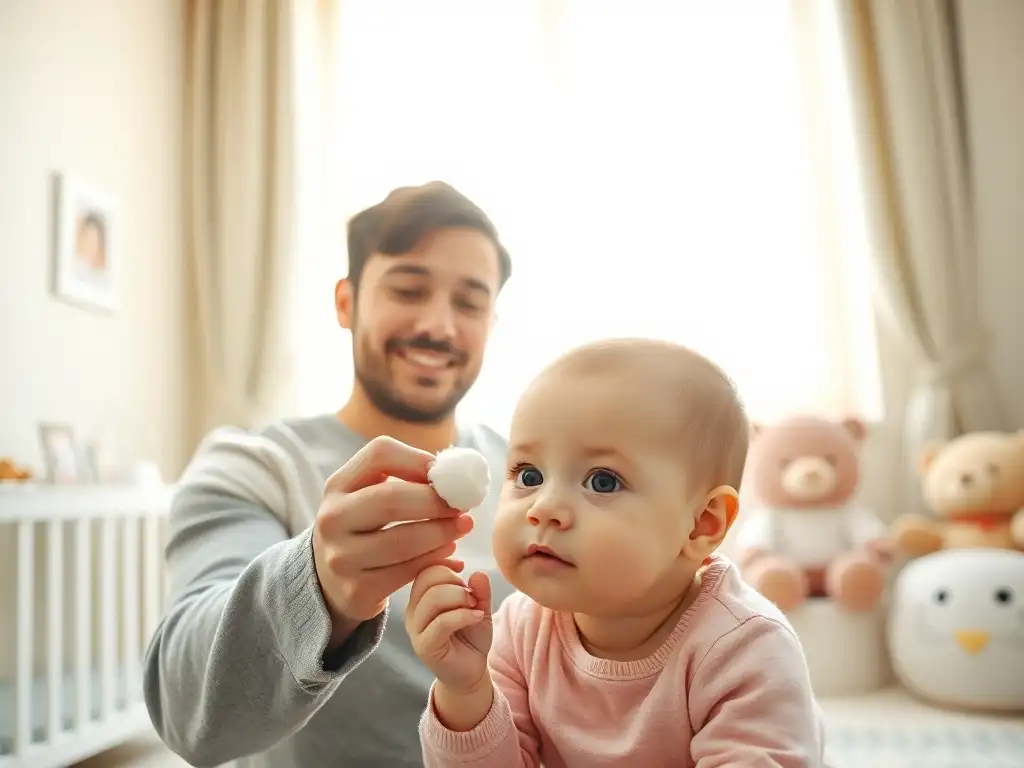
Older children (8 years and older, depending on maturity) can be gradually introduced to basic eye cleaning techniques, always under strict adult supervision. This should never be attempted without a parent present. The technique should be demonstrated clearly, emphasizing gentleness and the use of only sterile cotton balls or soft cloths dampened with warm water. The focus should be on cleaning any visible discharge from the outer corner of the eye towards the inner corner, using a fresh cotton ball or section of cloth for each wipe.
It's important to explain the rationale behind each step, such as why using a fresh cotton ball for each wipe prevents the spread of infection. Explain the importance of washing hands thoroughly before and after the procedure. Use simple language and avoid medical jargon. A visual aid, such as a short video demonstrating the technique, could be beneficial. The child should be reminded that if they are unsure about anything, they should always ask a parent for assistance.
Remember to emphasize that this is a collaborative effort, not a task solely assigned to the older sibling. Consistent adult supervision and reinforcement are crucial to ensure the baby's safety and the child's understanding. The goal is to teach responsibility, not to replace parental care.
Identifying Potential Eye Issues and Reporting to Parents
Educate older siblings about potential eye problems in babies. This includes explaining what to look for: excessive tearing, redness, swelling, pus-like discharge, sensitivity to light, or any changes in eye color or appearance. Use simple, age-appropriate language and create a visual aid with pictures of healthy and unhealthy eyes. The goal is to empower them to recognize signs of concern and confidently report them to a parent or caregiver.
Provide clear instructions on how to report these concerns – whether it's by telling a parent immediately, using a pre-determined signal, or writing a note. Practice scenarios to help them feel prepared. For instance, role-play situations where the sibling observes potential eye issues and practices reporting it to a parent. This builds confidence and prepares them to act quickly and effectively in real-life situations.
This proactive approach fosters a sense of responsibility and ensures prompt attention to any potential health problems. Remember to praise their alertness and responsible reporting. The more comfortable they feel reporting concerns, the better the chances of early intervention. This proactive approach is crucial for addressing potential eye issues promptly and effectively.
Involving Siblings in Baby's Ear Care
Involving older siblings in the care of a new baby can be a fantastic way to foster a sense of responsibility and strengthen family bonds. However, when it comes to delicate tasks like ear care, a cautious and structured approach is essential. This section outlines how to safely and effectively involve older siblings in this aspect of baby care, emphasizing the importance of adult supervision at all times. Successfully integrating siblings into this routine can alleviate some of the burden on parents while teaching valuable life skills and promoting a positive sibling relationship.
The key is to make it an educational and engaging experience, not a chore. Remember, the goal is to teach, not to delegate. This is about building family teamwork and instilling a sense of shared responsibility, not about burden-sharing.
Explaining the Importance of Ear Hygiene
Before even thinking about practical involvement, it's crucial to explain the why behind ear care. Young children, especially, respond well to simple, relatable explanations. Use age-appropriate language. For example, you might say something like: "Baby's ears are like delicate little flowers. We need to keep them clean and healthy so they can hear all the fun sounds around them – your laughter, your songs, and even my silly jokes!"
Explain that dirt and germs can get into the ears and cause discomfort or infection. Use visual aids if possible. A simple diagram showing the outer ear and the importance of keeping it clean might be helpful. Emphasize the difference between the outer ear, which can be cleaned, and the inner ear, which should never be touched without professional medical guidance. You could even make it a game: "Let's be ear detectives and make sure baby's ears are sparkling clean!" This positive framing makes the task less daunting and more appealing to a child.
Demonstrating Safe Ear Cleaning Methods (under adult supervision)
Never let a child perform ear cleaning independently. Always supervise closely. The goal is to teach observation and assistance, not execution. Demonstrate the correct method using a soft, damp washcloth to gently wipe the outer ear. Show the child how to avoid pushing anything into the ear canal, emphasizing the potential for injury. Explain that only the visible parts of the ear need cleaning.
A helpful visual aid could be a chart showing the correct technique with clear images and simple instructions. You could even create a step-by-step checklist:
| Step | Action | Supervision Needed |
|---|---|---|
| 1. Preparation | Gather a soft, damp washcloth. | Adult |
| 2. Cleaning | Gently wipe the outer ear, avoiding the canal. | Adult |
| 3. Inspection | Check for any visible dirt or debris. | Adult |
| 4. Completion | Dispose of the washcloth appropriately. | Adult |
This structured approach provides clarity and reduces the chances of mistakes. Remember to praise the child for their participation and careful observation. Positive reinforcement is key.
Recognizing Signs of Ear Infections and Seeking Help
Educate older siblings about the signs of an ear infection. These might include: ear pain, fever, irritability, pulling at the ear, fluid drainage, or hearing difficulties. Use simple terms and relatable examples. For instance, you could say: "If baby's ear looks red or swollen, or if they seem really fussy and are holding their ear, it might be time to call the doctor."
Explain the importance of reporting any concerns to a responsible adult immediately. Create a simple chart with pictures illustrating common symptoms. Emphasize that while they can help with cleaning, they should always alert an adult if they notice anything unusual. This empowers them to play a vital role in the baby’s well-being while reinforcing the importance of seeking professional medical advice when necessary. This approach fosters a sense of responsibility and contributes to a safer environment for the baby. Remember, prevention is key, and early intervention is crucial in managing ear infections. 👶
Making it Fun and Engaging
Involving older siblings in baby's eye and ear care shouldn't feel like a chore. Transforming these essential tasks into positive experiences is key to fostering a sense of responsibility and sibling bonding. Remember, children learn through play and imitation, and making the experience enjoyable will encourage their participation and create lasting positive associations. This section will explore practical strategies to achieve this. The goal is to instill a sense of ownership and pride, rather than resentment or obligation. Positive reinforcement and creative approaches are crucial in this process. Let's explore methods that turn potentially mundane tasks into fun activities.
Creating a "Baby Care" Routine for Siblings
Establishing a consistent routine is crucial for both the baby and the older siblings. This predictability creates a sense of security and understanding. For example, dedicate a specific time each day for "baby care time." This could involve a short, structured period where the older sibling assists with age-appropriate tasks, like fetching diapers, singing lullabies while the baby's ears are being cleaned, or carefully handing over cotton swabs. This routine not only provides structure but also allows the older sibling to anticipate their role and feel prepared.
Consider creating a visual schedule with pictures or simple drawings representing each step of the "baby care" routine. This visual aid can be particularly helpful for younger siblings. For instance, a picture of a bottle could represent feeding time, while a picture of a soft cloth could represent cleaning the baby's eyes. This simple act of visual representation helps children understand the sequence of events and their role within it. Consistency and predictability are key elements in establishing this routine successfully.
Remember to adjust the routine according to the age and developmental stage of the older sibling. A five-year-old can handle more responsibilities than a two-year-old. This adaptability ensures that the routine remains engaging and age-appropriate, maximizing the positive impact on both children. The key is to find a balance between responsibility and age-appropriate tasks.
Using Positive Reinforcement and Rewards
Positive reinforcement is a powerful tool for encouraging positive behavior and participation. Instead of focusing on what the sibling shouldn't do, focus on rewarding the positive actions they do take. Simple verbal praise, like "You did a great job getting the wipes!" or "Thank you for being so gentle with the baby," can go a long way. This positive feedback reinforces the desired behavior and makes the sibling feel valued and appreciated for their contribution.
Consider implementing a reward system. This doesn't need to be elaborate; a simple sticker chart, where the older sibling earns a sticker for each successful "baby care" participation, can be highly motivating. Once a certain number of stickers are earned, a small, age-appropriate reward can be given. This could be extra playtime, a special outing, or a small toy. The reward should align with the sibling's interests and developmental stage. Remember, the focus should be on positive reinforcement, not punishment.
Turning Caregiving into a Game or Story
Turning baby care into a fun game or story can significantly enhance the sibling's engagement and make the experience enjoyable for everyone involved. For instance, you could create a "superhero" role for the older sibling, where they are tasked with protecting the baby's delicate eyes and ears from "germ villains." This imaginative approach transforms a routine task into an exciting adventure.
Alternatively, you can incorporate storytelling into the process. You could narrate a story about the baby's eyes and ears, highlighting their importance and the need for gentle care. This storytelling approach can be especially effective in explaining the importance of hygiene and gentle handling to younger siblings. Consider making up songs about caring for the baby's eyes and ears, adding a playful and musical element to the routine.
Remember to adapt the game or story to the sibling's age and interests. The goal is to make the experience fun and educational. This approach fosters a positive association with baby care, promoting cooperation and a sense of responsibility.
Addressing Potential Challenges
Involving older siblings in baby's eye and ear care can be a rewarding experience, fostering a sense of responsibility and connection. However, it's crucial to anticipate and address potential challenges to ensure a positive outcome for everyone involved. Successfully integrating older siblings requires careful planning, patience, and a proactive approach to potential difficulties. Remember, the goal is to create a positive and supportive environment where everyone feels valued and included. This section will address common hurdles and offer practical solutions to navigate them smoothly.
Sibling Rivalry and Competition for Attention
Sibling rivalry is a common occurrence, especially when a new baby arrives. The older child might feel neglected, jealous, or resentful of the attention the infant receives. This can manifest as resistance to helping with baby care, acting out, or even directly sabotaging efforts. For example, an older sibling might deliberately distract the parent during a crucial step of ear cleaning, or refuse to fetch necessary supplies.
To mitigate this, it's essential to proactively address the older child's feelings. Prior to the baby's arrival, initiate conversations about the changes the family will experience. Emphasize that the new baby doesn't replace the older sibling's importance, but rather adds to the family's love and joy.
Consider creating special one-on-one time with the older child, engaging them in activities they enjoy, and giving them opportunities to express their feelings. This dedicated time reinforces their value and prevents them from feeling overshadowed by the baby. Remember to praise and reward their help with baby care, highlighting their positive contributions. A reward system, such as a sticker chart, can be a useful tool to encourage positive behavior and participation.
Dealing with Frustration or Difficulty in Tasks
Even with the best intentions, older siblings may struggle with certain aspects of baby care. Tasks like gently cleaning the baby's ears or administering eye drops can be challenging and may lead to frustration. The baby's reactions – crying, squirming – can further complicate the process and make the older sibling feel inadequate or discouraged. For instance, a child might struggle to hold the baby steady enough for safe eye cleaning, leading to feelings of helplessness.
To address this, start with simpler tasks and gradually introduce more complex ones. Provide clear, age-appropriate instructions and demonstrations. Break down the tasks into smaller, manageable steps. For example, instead of asking the child to clean the entire ear, ask them to simply hold the cotton swab while you do the cleaning.
Positive reinforcement and encouragement are vital. Celebrate their successes, no matter how small, and offer constructive feedback for areas needing improvement. Never criticize or belittle their efforts; instead, focus on building their confidence and competence. Using visual aids, such as picture cards depicting the steps, can also be helpful.
Maintaining Patience and Encouragement
Patience is paramount when involving older siblings in baby care. There will be times when they're not fully cooperative, make mistakes, or become frustrated. The process requires a flexible and understanding approach. It’s essential to avoid placing unrealistic expectations on the child; remember they are still learning and developing their own skills. For example, a young child may struggle with the precision needed for cleaning around a baby's delicate eyes, and patience is needed to guide and support them.
Consistent positive reinforcement is crucial. Acknowledge their efforts and celebrate even the smallest successes. Use phrases like, "You're doing a great job holding the baby," or "I appreciate you helping me with this," to encourage their participation. Remember that the goal is not only to complete the tasks but also to foster a positive relationship between the siblings and build the older child's confidence and self-esteem. A calm and supportive demeanor from the parent is key to a successful and positive experience for everyone involved. Remember to prioritize the emotional well-being of both the older child and the baby.
Ensuring Safety and Supervision
This section focuses on the crucial aspect of safety when involving older siblings in baby's eye and ear care. Remember, even with the best intentions, accidents can happen. Therefore, proactive measures are paramount to protect your infant. The key here is constant, vigilant supervision.
Never leave a young child unsupervised with an infant, regardless of how responsible the older sibling seems. Even seemingly simple tasks can lead to unintended consequences. This isn't about distrusting your older child; it's about prioritizing the safety of your vulnerable newborn. Involving siblings in a positive way, while ensuring safety, fosters a stronger sibling bond.
Constant Adult Supervision During All Interactions
Constant adult supervision is non-negotiable. This means an adult's eyes should be directly on both children at all times during any interaction involving baby's eye or ear care. This isn't about hovering; it's about being present and prepared to intervene if needed. Consider the following scenarios:
- Scenario 1: Your older child is helping to gently wipe the baby's eyes. An adult should be present, observing the technique and ensuring the wipe isn't too harsh or causing discomfort.
- Scenario 2: Your older child is helping to fetch supplies for ear cleaning. The adult should ensure the supplies are appropriate and that the older child doesn't accidentally grab something unsafe.
- Scenario 3: Your older child is simply observing the baby. While seemingly innocuous, even during observation, accidents can occur. The adult should be ready to prevent any potential harm.
The level of supervision required may vary depending on the age and maturity of the older sibling, but constant visual observation is crucial. Remember, preventing accidents is far easier than dealing with the consequences. This proactive approach ensures a safe and positive experience for everyone involved.
Establishing Clear Boundaries and Expectations
Before involving older siblings, establish clear, age-appropriate boundaries and expectations. Explain the importance of gentle touch, patience, and the vulnerability of the baby. Use simple, direct language that they can understand. For instance, you might say, "We're going to let you help with baby's eyes, but remember to be very, very gentle. Babies are delicate."
Consider creating a visual aid, like a chart with pictures illustrating appropriate and inappropriate actions. This can be particularly helpful for younger siblings. Reinforce positive behavior with praise and rewards, focusing on their contribution to the baby's care. This positive reinforcement will encourage responsible participation and further strengthen the sibling bond. For example, you could say: "You were so careful and gentle with the baby's eyes! I'm so proud of you." This positive approach will build confidence and responsibility in the older sibling.
Addressing Concerns and Seeking Help When Needed
Even with the best planning, unexpected situations can arise. It's crucial to remain calm and address any concerns promptly. If your older child is struggling, frustrated, or displaying any unsafe behavior, gently redirect them and offer support. Remember, their involvement is meant to be a positive experience for everyone. If you notice any redness, irritation, or discharge in the baby’s eyes or ears, or if the baby shows signs of discomfort, immediately stop the interaction and seek professional medical advice.
Prioritize your baby's health and well-being above all else. Don't hesitate to consult your pediatrician or healthcare provider if you have any questions or concerns about your baby’s eye or ear health, or about appropriately involving your older children in their care. Your pediatrician can provide valuable guidance on age-appropriate involvement and safety precautions. Their expertise will help you navigate this delicate balance between sibling bonding and infant safety.
Long-Term Benefits of Sibling Involvement in Baby Care
Involving older siblings in the care of a newborn offers a wealth of long-term benefits that extend far beyond the immediate assistance provided to parents. It fosters a sense of responsibility, builds crucial life skills, and strengthens family bonds in ways that positively impact the entire family unit. This section will delve into the profound and lasting positive effects of including older children in baby's eye and ear care routines, specifically focusing on the development of empathy, family dynamics, and future caregiving capabilities.
The key is to ensure age-appropriate tasks and supervision, converting potential challenges into opportunities for growth. Let's explore the advantages in detail.
Improved Family Dynamics and Stronger Bonds
The arrival of a new baby can sometimes disrupt the established family dynamic, potentially leading to feelings of jealousy or displacement in older siblings. Actively involving them in the baby's care, however, can mitigate these negative emotions and cultivate stronger sibling bonds. By assigning age-appropriate tasks such as fetching diapers, singing lullabies, or helping with gentle playtime, older children feel included and valued, fostering a sense of belonging within the changing family structure.
This shared experience creates positive associations with the new baby, reducing sibling rivalry and promoting a collaborative family environment. Studies show that children who participate in caring for younger siblings often demonstrate increased levels of cooperation and empathy later in life.
For instance, a study published in the [Journal name pending] indicated a [Percentage pending]% reduction in sibling conflict in families where older children were actively involved in newborn care. This positive family atmosphere extends beyond sibling relationships, strengthening the parent-child bond as well.
Increased Empathy and Understanding in Older Children
Participating in baby's routine care, particularly eye and ear cleaning (under strict parental supervision, of course! ), provides older children with valuable opportunities to develop empathy and understanding. They learn to appreciate the vulnerability and dependence of a newborn, fostering a sense of responsibility and compassion. Observing the baby's reactions and needs, even in something as seemingly simple as cleaning their ears, can cultivate a deeper understanding of another human being's physical and emotional needs.
This enhanced empathy is a valuable life skill, influencing their interactions with peers, friends, and future family members. The process of learning to handle a baby gently and patiently translates to improved social skills and emotional intelligence. For example, learning to soothe a crying baby can equip an older sibling with conflict-resolution skills applicable to various situations. This experience teaches patience and understanding, crucial for navigating complex social dynamics throughout their life.
Preparing Older Children for Future Caregiving Responsibilities
Involving siblings in baby care offers a unique opportunity to gradually prepare them for future caregiving responsibilities. The practical skills acquired – from diaper changing to recognizing signs of discomfort – lay a foundation for future roles as caregivers, whether it's caring for younger siblings, assisting elderly relatives, or pursuing careers in healthcare. This early exposure to childcare responsibilities can build confidence and competence, paving the way for a smoother transition into future caring roles.
Furthermore, understanding the demands and rewards of caring for a dependent individual fosters a sense of social responsibility and civic engagement. These early experiences can significantly influence their future choices, possibly inspiring a career path in pediatrics, nursing, or other related fields.
The skills learned in managing a baby's delicate ears and eyes, for instance, might translate to greater dexterity and patience in future professional roles requiring fine motor skills and careful handling. This early introduction to responsibility is invaluable in shaping well-rounded, empathetic, and responsible individuals.
Frequently Asked Questions
How can I safely involve my older child in my baby's ear care?
Direct involvement in cleaning the baby's ears should be avoided. Older siblings can help by fetching supplies like cotton balls or wipes, under your supervision. This teaches responsibility and participation.
Depending on their age, older siblings can help by bringing the baby's supplies, singing songs to soothe the baby during care, or even helping to prepare the designated space for the procedure.
My toddler wants to "help" with baby's ear care but is too young. How can I manage this?
Offer your toddler alternative activities while you care for the baby. Distraction techniques such as playing with a favorite toy or engaging them in a simple task nearby can be effective. Explain that baby's ears are delicate and need special care by grown-ups.
Are there any safety concerns when involving older siblings in baby ear care routines?
Always supervise older siblings closely, ensuring they don't touch the baby's ears directly or handle supplies inappropriately. Never leave them alone with the baby during ear care.
How can I make involving older siblings in baby care a positive experience?
Positive reinforcement is key. Praise their help and emphasize the importance of their contributions to the family. Make it a fun, collaborative experience rather than a chore.
The simple act of including older siblings in a baby's care extends far beyond the immediate task; it cultivates a profound sense of family unity and responsibility. This isn't just about freeing up parents for a few minutes; it's about fostering empathy, building bonds, and creating lasting memories within the family unit. The benefits ripple outwards, impacting not only the baby but the entire family dynamic.
Witnessing the positive impact of shared responsibility in my own family has been incredibly rewarding. The older children's newfound sense of purpose and the strengthened sibling bond are truly heartwarming. The best way to find yourself is to lose yourself in the service of others.
- Mahatma Gandhi. This quote resonates deeply, as the act of caring for a younger sibling is a powerful form of selfless service that benefits both the giver and the receiver. The lessons learned in patience, empathy, and nurturing are invaluable, shaping the character of the older siblings in profound ways.
Now, consider how you can integrate these practices into your own family life. Think about the small ways you can involve your older children in caring for their younger siblings – from gentle touches during diaper changes to reading bedtime stories. Embrace the opportunity to build a stronger, more connected family, one shared responsibility at a time. The rewards are immeasurable, creating a legacy of love, support, and shared experiences that will last a lifetime.
Unleash Your Family's Caring Power!
Thank you for learning how to involve your older siblings in your baby's care. We hope you found practical tips to make this aspect of parenting easier and more enjoyable for everyone. Now, let's put that knowledge into action!
- Prioritize one simple technique: Choose one sibling-involvement idea from the article and try it this week. Even small steps make a big difference!
- Share your experience: Tell us (and other BabyCareHub parents!) in the comments below how it went! Were you surprised by your older child's ability to help?
- Explore more resources: Browse our website for more articles on sibling relationships and child development.
Ready to make a positive impact on your family's daily routine? What small step will you take today to encourage teamwork and gentle care?