
Baby Vaccination Schedule: How to Make Informed Decisions


Welcome to BabyCareHub, your ultimate guide to navigating the incredible journey of parenthood. Are you a first-time parent facing the complex world of newborn care? We understand the overwhelming feeling, which is why we've created this comprehensive resource. Discover the essential information you need, from mastering feeding techniques to ensuring your little one's safety. Let's start with one of the most important decisions you'll make: understanding your baby's vaccination schedule. Dive in and learn how to make informed decisions that will protect your child's health and well-being.
- Understanding Your Baby's Immunization Schedule
-
Key Vaccines and Their Importance
- Protecting Against Diptheria, Tetanus, and Pertussis (DTaP)
- Polio Vaccine: Preventing Paralysis
- Haemophilus influenzae type b (Hib) Vaccine: Protecting Against Serious Infections
- Hepatitis B Vaccine: Preventing Liver Disease
- Rotavirus Vaccine: Reducing Severe Diarrhea
- Pneumococcal Conjugate Vaccine (PCV13): Protecting Against Pneumonia and Other Infections
- Influenza Vaccine (Flu Shot): Seasonal Protection
- Measles, Mumps, and Rubella (MMR) Vaccine: Preventing Serious Childhood Illnesses
- Varicella (Chickenpox) Vaccine
- Addressing Common Concerns and Questions about Baby Vaccination Schedule Decisions
- Making Informed Vaccination Decisions: Resources and Support
- Maintaining Your Baby's Health Beyond Vaccinations
- Frequently Asked Questions
- Final Reflection: Navigating the Vaccination Journey with Confidence
- Unlock Your Baby's Healthiest Future: Take Charge Now!
Understanding Your Baby's Immunization Schedule
Navigating the world of baby vaccinations can feel overwhelming for first-time parents. This comprehensive guide aims to empower you with the knowledge to make informed decisions about your baby's immunization schedule, ensuring their health and well-being. We'll break down the recommended vaccination timeline, highlighting key vaccines at each stage, and addressing common parental concerns. Understanding the rationale behind each vaccine and its potential benefits will help you approach this crucial aspect of childcare with confidence and clarity.
Remember, this information is for educational purposes and should not replace consultation with your pediatrician. Always discuss your individual child's needs and any specific concerns with a healthcare professional. Making informed decisions regarding your baby's health requires a collaborative approach between parents and medical experts. Let's explore the journey of baby vaccinations together!
Recommended Vaccination Timeline for Infants
The following timeline outlines the recommended vaccination schedule for infants in many countries. However, it's crucial to remember that specific recommendations may vary slightly depending on your location and your healthcare provider's advice. Always consult your pediatrician for personalized guidance tailored to your baby's individual health needs and any pre-existing conditions. This schedule provides a general framework, and individual variations are common and often appropriate.
Birth to 2 Months: Initial Vaccines and Protection
This initial phase focuses on protecting your newborn from serious illnesses. Vaccines administered typically include the Hepatitis B vaccine (often given at birth or shortly thereafter) and potentially others depending on your location and health assessment. These early vaccinations lay the foundation for a strong immune system throughout infancy. The timing of these vaccinations is carefully chosen to provide early protection during a vulnerable period in your baby's life. It's important to understand the diseases these vaccines prevent and how they contribute to your baby's overall health.
2 to 4 Months: Expanding Vaccine Coverage
Between two and four months, the vaccination schedule expands to include additional crucial vaccines. This period often involves multiple vaccines administered simultaneously, providing broad protection against a range of serious illnesses. This approach is safe and effective, and it optimizes the timing of vaccinations to maximize the immune response. Your pediatrician will discuss the specific vaccines included in this phase and answer any questions you may have about the process. Detailed information about each vaccine's efficacy and potential side effects will be provided.
4 to 6 Months: Boosters and Continued Protection
This phase frequently involves booster shots to reinforce the immunity provided by earlier vaccines. Boosters are crucial for ensuring long-lasting protection against the targeted diseases. The combination of initial vaccines and boosters during this period creates a robust immune response, offering comprehensive protection for your growing baby. Your doctor will explain the necessity of each booster and address any concerns you might have.
6 to 12 Months: Important Vaccines for Growing Babies
As your baby continues to develop and explore their world, the risk of exposure to various illnesses increases. This phase often includes additional crucial vaccines to maintain protection against preventable diseases. These vaccines offer continued protection during a period of increased mobility and social interaction. The importance of these vaccines cannot be overstated in safeguarding your baby's health.
12 to 18 Months: Maintaining Immunity
This period focuses on maintaining the robust immunity built during previous phases. Booster shots and additional vaccines may be administered to ensure ongoing protection. This is a critical stage for continued immune response and disease prevention. Your pediatrician will advise on the necessary vaccines and answer any questions you may have about their efficacy and safety.
18 Months to 2 Years: Final Vaccines and Ongoing Health
This phase often concludes the primary series of childhood vaccinations. However, ongoing vaccination may be necessary throughout childhood and adolescence to maintain immunity and protection against specific diseases. This final stage completes a significant milestone in your baby's health journey, ensuring a strong foundation for future health. Discuss with your doctor the vaccination schedule beyond this age. Remember, regular check-ups are crucial for monitoring your child's overall health and well-being.
Remember to always consult your pediatrician for personalized advice and to address any specific concerns you may have. Your child's health is paramount, and informed decision-making, in collaboration with your healthcare provider, is key. 😊
Key Vaccines and Their Importance

This section delves into the crucial role of vaccinations in protecting your baby from potentially life-threatening diseases. Making informed decisions about your baby's vaccination schedule requires understanding the specific benefits of each vaccine. Remember, consulting your pediatrician is paramount for personalized advice tailored to your baby's health and circumstances. This information serves as a valuable resource to aid your discussions with your healthcare provider, empowering you to make the best choices for your child. The goal is to equip parents with the knowledge to navigate the complexities of baby vaccination schedule decisions effectively.
Protecting Against Diptheria, Tetanus, and Pertussis (DTaP)
The DTaP vaccine is a cornerstone of childhood immunizations, protecting against three serious bacterial infections: diphtheria, tetanus, and pertussis (whooping cough). Diphtheria is a highly contagious infection that can cause severe throat inflammation, breathing difficulties, and even death. Tetanus, commonly known as lockjaw, causes painful muscle spasms and can be fatal. Pertussis, or whooping cough, is characterized by severe coughing fits that can lead to pneumonia, seizures, and brain damage, especially in infants.
The DTaP vaccine is administered in a series of shots, typically beginning at two months of age. The schedule usually involves five doses, given at 2, 4, 6, 15-18 months, and 4-6 years of age. This multi-dose approach ensures robust and long-lasting immunity against these dangerous diseases. While rare, side effects may include mild fever, redness at the injection site, and fussiness.
These side effects are generally temporary and manageable. The benefits of preventing these serious illnesses far outweigh the potential risks associated with the vaccine. Understanding the severity of these diseases is crucial in making informed baby vaccination schedule decisions.
Polio Vaccine: Preventing Paralysis
Polio, a highly infectious disease caused by the poliovirus, can lead to paralysis and even death. Before the widespread use of the polio vaccine, polio outbreaks caused widespread fear and devastation. Thanks to vaccination efforts, polio has been largely eradicated in many parts of the world. However, the virus still persists in some regions, making vaccination crucial for continued protection.
The inactivated polio vaccine (IPV) is the type currently used in most countries. It's administered as a series of shots, usually at 2, 4, and 6 months of age, with booster shots later in childhood. The IPV is extremely safe and effective in preventing polio. Side effects are generally mild and include soreness at the injection site and possibly a low-grade fever. The elimination of polio is a testament to the power of vaccination, highlighting the importance of making informed baby vaccination schedule decisions to safeguard your child’s future.
Haemophilus influenzae type b (Hib) Vaccine: Protecting Against Serious Infections
The Haemophilus influenzae type b (Hib) vaccine protects against a bacterial infection that can cause serious illnesses, including meningitis (inflammation of the brain and spinal cord), pneumonia, and epiglottitis (a life-threatening infection of the throat). These infections can lead to severe complications, including brain damage, hearing loss, and death, particularly in young children.
The Hib vaccine is highly effective and generally well-tolerated. It's typically administered as part of a routine childhood immunization schedule, usually beginning at two months of age. Similar to other vaccines, a series of shots is required to ensure complete protection. Side effects are usually minor and include pain or swelling at the injection site and possibly a mild fever.
The benefits of preventing these potentially devastating infections far outweigh any potential risks associated with the vaccine. Making informed baby vaccination schedule decisions with your pediatrician is essential to ensure your child's optimal health and well-being. Understanding the potential consequences of Hib infection underscores the critical role of this vaccine in protecting your baby.
Hepatitis B Vaccine: Preventing Liver Disease
The Hepatitis B vaccine is crucial for newborns, offering protection against the Hepatitis B virus (HBV), a serious liver infection. HBV can cause both acute and chronic liver disease, ranging from mild illness to life-threatening liver failure, cirrhosis, and liver cancer. Infants born to mothers with HBV infection are at especially high risk of contracting the virus during birth. The vaccine is typically administered in a three-shot series, with the first dose given shortly after birth, usually within 12 hours.
The second dose is given at one to two months of age, and the third dose is given at six to eighteen months. This proactive approach significantly reduces the risk of HBV infection and its long-term consequences. Early vaccination is vital because HBV can cause lifelong infection and serious health problems if left untreated.
The vaccine is highly effective and safe, offering a significant benefit to infants' overall health and well-being. Delaying vaccination increases the risk of exposure and infection, highlighting the importance of adhering to the recommended schedule. Understanding the severity of HBV and the protective power of the vaccine is paramount in making informed decisions about your baby's health.
Rotavirus Vaccine: Reducing Severe Diarrhea
Rotavirus is a leading cause of severe diarrhea in infants and young children globally. This highly contagious virus can lead to dehydration, requiring hospitalization in many cases. The rotavirus vaccine significantly reduces the risk of severe rotavirus gastroenteritis, minimizing hospitalizations and improving overall health outcomes for babies.
The vaccine is administered orally, usually in two or three doses, depending on the specific vaccine used. The timing of these doses varies slightly depending on the brand and your pediatrician's recommendation, but generally falls within the first six months of life. The vaccine's effectiveness is substantial, reducing the incidence of severe rotavirus disease by a significant percentage.
While some mild side effects, such as mild diarrhea or vomiting, might occur, these are typically short-lived and less severe than the potential consequences of rotavirus infection. Making the decision to vaccinate your baby against rotavirus is a proactive step in safeguarding their health and well-being, protecting them from a potentially debilitating illness. The benefits far outweigh any potential minor side effects, contributing to a healthier and happier infancy.
Pneumococcal Conjugate Vaccine (PCV13): Protecting Against Pneumonia and Other Infections
The Pneumococcal Conjugate Vaccine (PCV13) protects against 13 strains of Streptococcus pneumoniae bacteria, a common cause of several serious infections in young children. These infections can include pneumonia (lung infection), bacteremia (blood infection), and meningitis (infection of the brain and spinal cord). Pneumonia, in particular, can be life-threatening, especially for infants and young children. PCV13 is a highly effective vaccine, significantly reducing the incidence of pneumococcal diseases.
Administered as a series of injections, typically four doses, the vaccine offers broad protection against many serious illnesses. The schedule usually involves doses at two, four, six, and twelve to fifteen months of age. This comprehensive protection is crucial for a baby's overall health, contributing to a stronger immune system and fewer risks of severe infections.
While side effects are generally mild, such as soreness at the injection site, the benefits of preventing serious illnesses like pneumonia and meningitis are substantial. Choosing to vaccinate your baby with PCV13 is a vital step in protecting them from potentially devastating infections, ensuring a healthier and safer infancy. The decision to vaccinate is a crucial one in ensuring your baby's optimal health and well-being.
Influenza Vaccine (Flu Shot): Seasonal Protection
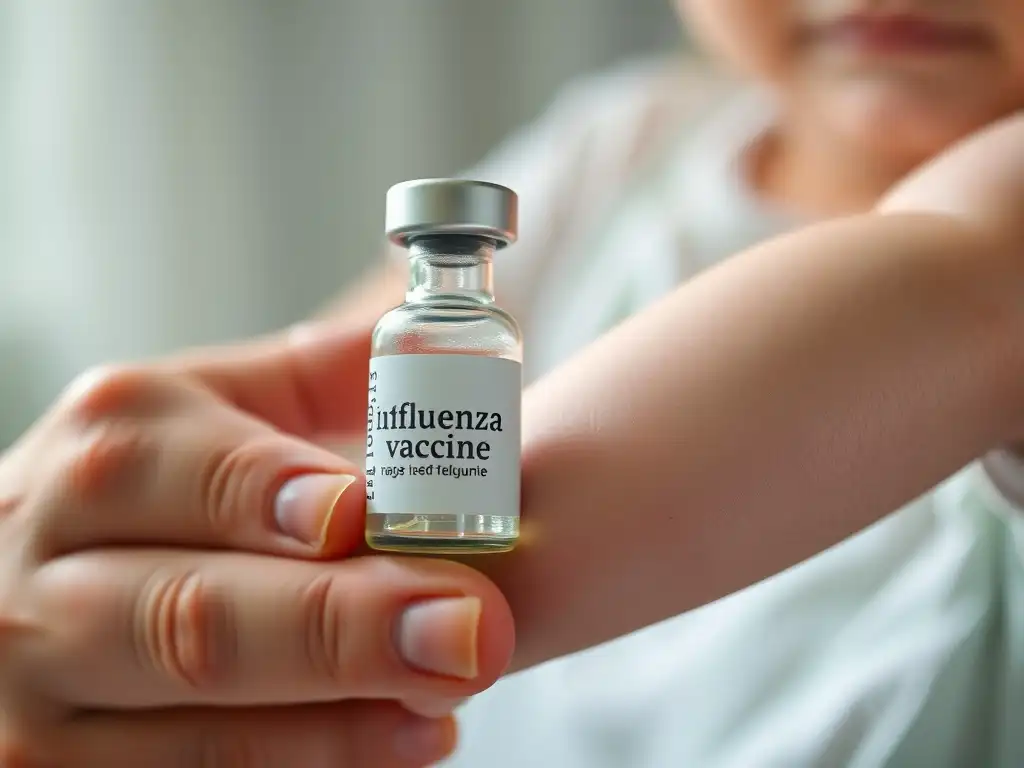
The influenza vaccine, or flu shot, is crucial for protecting infants and young children from the influenza virus. Influenza is a highly contagious respiratory illness that can cause mild to severe illness, and in some cases, hospitalization or even death, particularly in young children whose immune systems are still developing. The flu shot is typically recommended for babies starting at six months of age. The timing of the first dose might vary slightly depending on the specific vaccine formulation and your pediatrician's recommendations.
Remember, the flu shot doesn't guarantee complete protection, but it significantly reduces the severity of illness and the risk of complications. The effectiveness of the vaccine can fluctuate from year to year depending on how well the vaccine's strains match the circulating viruses. Therefore, annual vaccination is essential to maintain protection against the ever-evolving influenza strains. Parents should discuss the optimal timing for their child's flu shot with their pediatrician, considering factors like the child's overall health and the current influenza season.
It's also important to note that even if your baby shows mild side effects like soreness at the injection site or a low-grade fever, these are generally short-lived and manageable. These minor reactions are a sign that the body is building immunity, not a cause for alarm. However, if your baby experiences any severe or unusual reactions, seek immediate medical attention.
Measles, Mumps, and Rubella (MMR) Vaccine: Preventing Serious Childhood Illnesses
The MMR vaccine is a combined vaccine that protects against three highly contagious viral diseases: measles, mumps, and rubella. These illnesses, while preventable through vaccination, can have severe and long-lasting consequences, especially for young children. Measles, for instance, can lead to pneumonia, encephalitis (brain swelling), and even death. Mumps can cause meningitis (inflammation of the brain and spinal cord) and, in rare cases, deafness.
Rubella, while typically mild in children, poses a significant risk to pregnant women, potentially causing severe birth defects. The MMR vaccine is usually given in two doses, the first between 12 and 15 months of age, and the second between 4 and 6 years of age. This two-dose schedule ensures a high level of protection against these diseases. The MMR vaccine is highly effective, and it has drastically reduced the incidence of these diseases in many parts of the world.
However, maintaining high vaccination rates within the community is crucial for herd immunity—protecting those who cannot be vaccinated for medical reasons. Parents should consult their pediatrician to understand the risks and benefits of the MMR vaccine and to establish a vaccination schedule that is safe and effective for their child. It is vital to address any concerns or misinformation about vaccine safety with a healthcare professional, who can provide evidence-based information and dispel any myths. Remember, making informed decisions about vaccination is a crucial step in safeguarding your child's health and well-being.
Varicella (Chickenpox) Vaccine
The varicella vaccine protects against chickenpox, a highly contagious viral infection characterized by an itchy, blister-like rash. While chickenpox is often considered a relatively mild childhood illness, it can lead to serious complications, such as bacterial skin infections, pneumonia, and encephalitis. In rare cases, chickenpox can even be fatal. Furthermore, the virus can reactivate later in life, causing shingles, a painful and potentially debilitating condition. The varicella vaccine is typically administered in two doses.
The first dose is usually given between 12 and 15 months of age, and the second dose is given between 4 and 6 years of age. This two-dose schedule provides optimal protection against chickenpox and significantly reduces the risk of complications. Like other vaccines, the varicella vaccine might cause mild side effects such as soreness at the injection site or a low-grade fever. These side effects are generally short-lived and are a sign that the body is building immunity. Severe reactions are rare.
However, it is important to monitor your child for any unusual symptoms and contact your pediatrician if you have any concerns. The varicella vaccine is a safe and effective way to protect your child from chickenpox and its potential complications, contributing to a healthier and safer childhood. Remember to discuss the vaccination schedule with your pediatrician to ensure your child receives the vaccine at the appropriate time and in accordance with recommended guidelines. Making informed decisions about your child's vaccinations is a key aspect of proactive healthcare.
Addressing Common Concerns and Questions about Baby Vaccination Schedule Decisions
Making informed decisions about your baby's vaccination schedule can feel overwhelming. Navigating the wealth of information – and misinformation – available requires careful consideration and open communication with your healthcare provider. This section aims to address some common concerns and questions parents frequently raise regarding baby vaccination schedule decisions. Understanding these issues empowers you to make choices that best protect your child's health. Remember, your pediatrician is your best resource for personalized advice tailored to your baby's individual needs and health history.
Vaccine Safety and Side Effects: What to Expect
Many parents express concerns about vaccine safety and potential side effects. It's completely understandable to want to protect your child from any harm. Vaccines undergo rigorous testing and are closely monitored for safety. However, like any medical intervention, vaccines can have side effects, although these are usually mild and temporary.
The most common side effects are typically localized at the injection site: redness, swelling, and tenderness. These usually resolve within a few days. Some babies may experience a mild fever, fussiness, or fatigue. These symptoms are usually a sign that the body is building immunity and are generally manageable with over-the-counter pain relievers such as acetaminophen (always consult your pediatrician before administering any medication to your baby).
Severe side effects are extremely rare. The benefits of vaccination far outweigh the extremely low risk of serious adverse events. Organizations like the CDC and WHO meticulously track vaccine safety data, allowing for continuous monitoring and improvements in vaccine development and administration.
| Side Effect | Frequency | Severity | Management |
|---|---|---|---|
| Injection site pain | Very Common | Mild | Cold compress, gentle massage |
| Swelling | Common | Mild | Cold compress |
| Redness | Common | Mild | Cold compress |
| Fever | Less Common | Mild to Moderate | Acetaminophen (as directed by pediatrician) |
| Fussiness | Less Common | Mild | Comforting measures, extra cuddles |
| Allergic Reaction | Extremely Rare | Severe | Immediate medical attention required |
It's crucial to report any unusual or concerning side effects to your pediatrician immediately. Open communication with your healthcare provider ensures prompt assessment and appropriate management of any issues. Remember, documenting your baby's reactions to each vaccination is beneficial for future reference and discussions with your doctor.
Addressing Vaccine Hesitancy and Misconceptions
Vaccine hesitancy stems from various sources, including misinformation, fear of side effects, and mistrust of medical authorities. It's important to approach these concerns with empathy and evidence-based information.
One common misconception is the link between vaccines and autism. Extensive research has definitively debunked this claim. Numerous large-scale studies have found no causal relationship between vaccines and autism spectrum disorder. This misinformation continues to circulate, despite the overwhelming scientific consensus.
Another concern revolves around the "overload" of vaccines given to infants. The schedule is carefully designed based on the timing when babies are most vulnerable to certain diseases and when their immune systems are best able to respond. The number of antigens in vaccines is far less than what a child encounters naturally through daily life.
Addressing vaccine hesitancy requires a multi-pronged approach: providing accurate, evidence-based information from reputable sources such as the CDC and WHO; fostering open and honest conversations with healthcare providers; and engaging with trusted community leaders and health educators. Combating misinformation requires actively seeking out credible sources and critically evaluating information before making decisions. Remember, informed choices are empowered choices.
Communicating with Your Pediatrician about Vaccination Concerns
Open and honest communication with your pediatrician is paramount when making decisions about your baby's vaccination schedule. Your pediatrician can address your specific concerns, provide personalized advice, and help you navigate any anxieties.
Don't hesitate to ask questions. Write them down beforehand to ensure you cover everything. It's perfectly acceptable to express concerns about vaccine safety or side effects. Your pediatrician is there to listen, provide information, and help you make informed decisions.
Tips for Effective Communication with Your Pediatrician
- Prepare a list of questions before your appointment.
- Bring a notebook and pen to take notes.
- Don't be afraid to express your concerns.
- Listen carefully to your pediatrician's explanations.
- Ask for clarification if you don't understand something.
- Follow up with your pediatrician if you have further questions after your appointment.
Building a strong, trusting relationship with your pediatrician is crucial for your baby's overall health and well-being. This includes open communication about vaccination, fostering a collaborative approach to healthcare decisions, and ensuring your concerns are heard and addressed. Remember, you are your child's advocate, and making informed decisions together with your pediatrician will best serve your baby's health.
Understanding Vaccine Ingredients and Reactions

Parents often express concerns about the ingredients in vaccines and the potential for adverse reactions. It's crucial to understand that vaccines are meticulously researched and developed to minimize risks. The ingredients are generally very safe and are designed to trigger an immune response, not cause illness. Common components include antigens (weakened or inactive parts of the germ), preservatives to maintain the vaccine's potency (like thimerosal, although many vaccines are now thimerosal-free), and stabilizers to help the vaccine remain effective. 1
While most children experience minimal side effects, such as mild fever or soreness at the injection site, serious reactions are extremely rare. 2 These reactions are closely monitored and reported through robust surveillance systems. Healthcare providers are trained to identify and manage any adverse events. Open communication with your pediatrician is key; they can address your specific concerns and explain the potential benefits and risks in detail, considering your child's individual health history. Understanding the frequency and severity of potential side effects in relation to the serious illnesses the vaccines prevent is crucial for making an informed decision. This includes discussing the risks of not vaccinating your child, such as contracting preventable diseases with potentially severe consequences. Remember, the benefits of vaccination far outweigh the risks for the vast majority of children.
The Importance of Following the Recommended Schedule
Adhering to the recommended vaccination schedule is paramount for optimal protection. This schedule is developed by leading health organizations, such as the CDC and WHO, based on extensive research and epidemiological data. 3 It's carefully designed to provide immunity at the ages when infants and children are most vulnerable to specific diseases. Delaying or skipping vaccines can leave your child susceptible to infection during critical periods of their development. Moreover, an incomplete vaccination schedule can potentially lead to outbreaks of preventable diseases, putting both your child and the community at risk.
For example, the measles, mumps, and rubella (MMR) vaccine is highly effective when administered according to the recommended schedule. Delaying the MMR vaccine can increase the chances of contracting measles, which can have severe and even life-threatening complications. Similarly, the polio vaccine, administered on a specific schedule, has been instrumental in virtually eradicating polio in many parts of the world. Deviations from the recommended schedule can compromise the effectiveness of the vaccine series and increase the risk of contracting these potentially devastating diseases.
It's vital to discuss any concerns or questions with your healthcare provider to ensure your child receives the full benefit of a timely and complete vaccination schedule. They can help you navigate any scheduling challenges and ensure your child's protection. Remember, following the recommended schedule is a crucial step in safeguarding your child's health and contributing to a healthier community.
1 [Specific information pending: Detailed list of common vaccine ingredients and their functions] 2 [Specific information pending: Statistics on vaccine side effects and their severity] 3 [Specific information pending: Citations for CDC and WHO recommendations]
Making Informed Vaccination Decisions: Resources and Support
Making informed decisions about your baby's vaccination schedule requires careful consideration of various factors and access to reliable information. This process shouldn't feel overwhelming; it's a journey best navigated with the right support and resources. Understanding the available options and empowering yourself with knowledge will help you create a vaccination plan that aligns with your family's values and your baby's health needs. Remember, a proactive approach ensures your little one receives the best possible protection against preventable diseases. This section will guide you through the key steps in making these crucial decisions.
Talking to Your Doctor: Personalized Advice and Guidance
Your pediatrician or family doctor is your most valuable resource when it comes to your baby's vaccination schedule. They can provide personalized advice tailored to your baby's individual health history, any potential allergies or pre-existing conditions, and your family's specific circumstances. Don't hesitate to ask questions; a clear understanding of the risks and benefits of each vaccine is crucial. A frank discussion with your doctor will address any concerns you may have, helping to alleviate anxieties and build confidence in your chosen vaccination plan.
Schedule a dedicated appointment to discuss the vaccination schedule in detail. This allows for sufficient time to address all your questions and concerns thoroughly. Remember, your doctor's expertise is invaluable in navigating the complexities of infant immunization.
They can explain the science behind each vaccine, address potential side effects, and offer reassurance based on your unique situation. This personalized approach is key to making informed decisions about your baby's health. For example, if your baby has a family history of specific reactions to certain medications, your doctor can help you assess potential risks and make informed choices.
Reliable Sources of Information on Infant Immunization
Navigating the vast ocean of information available online can be daunting. It's crucial to rely on credible sources when researching infant immunization. The official websites of your country's health organizations (e.g., the CDC in the US) provide comprehensive and up-to-date information on recommended vaccination schedules and the safety of vaccines. These organizations conduct rigorous research and provide evidence-based guidelines that are regularly reviewed and updated. Look for information that is backed by scientific studies and peer-reviewed research.
Be wary of websites or individuals promoting misinformation or unsubstantiated claims. The World Health Organization (WHO) also offers valuable global perspectives and resources on vaccination. Always prioritize information from reputable sources, ensuring accuracy and reliability. Remember, accurate information is paramount in making informed decisions. Consider consulting with multiple reliable sources to gain a well-rounded understanding of the topic before making any decisions regarding your baby's vaccination.
Creating a Vaccination Plan for Your Baby
Once you've gathered information from your doctor and reliable sources, it's time to create a vaccination plan for your baby. This plan should be a collaborative effort between you and your doctor, ensuring it aligns with your baby's individual needs and your family's preferences. The plan should clearly outline the recommended vaccines, their administration schedule, and any potential side effects to watch out for. Remember to keep a record of your baby's vaccination dates and any reactions experienced.
This record is essential for future health check-ups and will help you track your baby's immunization progress. Consider using a vaccination tracking app or maintaining a physical record, whichever suits your preference. Don't hesitate to adjust the plan as needed based on your baby's health and any new information from your doctor. Flexibility and open communication are key to a successful vaccination journey.
This personalized approach ensures that your baby receives the necessary protection while addressing any concerns or specific situations that may arise. For instance, if a vaccine is temporarily unavailable, your doctor can adjust the schedule accordingly without compromising your baby's overall immunity. Regular communication with your healthcare provider is vital throughout this process.
Maintaining Your Baby's Health Beyond Vaccinations
This section focuses on proactive healthcare strategies that complement your baby's vaccination schedule, contributing to their overall well-being and strengthening their immune system. While vaccinations are crucial, they are only one piece of the puzzle in ensuring your baby's robust health. A holistic approach encompassing regular checkups, healthy habits, and prompt attention to illness signs is paramount. Making informed decisions about your baby's health extends far beyond the vaccination schedule itself.
Importance of Routine Checkups and Well-Child Visits
Regular well-child visits are essential for monitoring your baby's growth and development. These visits aren't just about vaccinations; they provide opportunities for your pediatrician to assess your baby's overall health, address any concerns you may have, and provide guidance on various aspects of their care. These checkups allow for early detection of potential problems, enabling timely intervention and improving outcomes.
During these visits, your doctor will:
- Monitor growth: Measuring height, weight, and head circumference to ensure your baby is growing at a healthy rate. Deviations from expected growth curves can signal underlying issues requiring further investigation.
- Assess development: Evaluating your baby's milestones in areas like motor skills, language development, and social interaction. Early identification of developmental delays allows for early intervention strategies.
- Conduct physical examinations: A thorough physical examination helps detect any abnormalities or potential health concerns. This includes listening to the heart and lungs, checking reflexes, and examining the skin.
- Provide preventative care guidance: Your doctor will offer advice on nutrition, sleep, safety, and other crucial aspects of your baby's well-being, complementing the vaccination schedule.
- Answer your questions: Well-child visits are a chance to ask your doctor any questions you have about your baby's health, development, or care. This open communication is crucial for building a strong doctor-patient relationship.
Think of these visits as proactive health maintenance, not just reactive responses to illness. Scheduling these appointments regularly, as recommended by your pediatrician, is a vital aspect of making informed decisions about your baby's long-term health. The peace of mind gained from knowing your baby is being regularly monitored is invaluable.
Healthy Habits for a Strong Immune System
A strong immune system is your baby's best defense against illness. While vaccinations play a significant role, promoting healthy habits significantly contributes to their immune resilience. These habits form the foundation for lifelong health and well-being. Remember, a healthy lifestyle supports the effectiveness of vaccinations.
Here are some key aspects to consider:
- Nutrition: Breastfeeding, when possible, provides optimal nutrition and antibodies that bolster your baby's immune system. For formula-fed babies, choosing a high-quality formula is crucial. Introducing solids at the appropriate age, following recommended guidelines, is also vital for nutritional development.
- Hygiene: Practicing good hygiene, such as frequent handwashing (yours and your baby's caregivers! ), is crucial in preventing the spread of germs. Regular cleaning and sanitizing of surfaces, particularly those your baby comes into contact with, helps maintain a healthy environment.
- Sleep: Adequate sleep is essential for immune function. Ensuring your baby gets enough sleep contributes to their overall health and well-being. Establishing a consistent sleep routine can be incredibly beneficial.
- Exposure to nature (with precautions): Controlled exposure to nature, avoiding excessive dirt and allergens, can help diversify the microbiome and potentially strengthen the immune system. This should be balanced with caution to avoid exposure to harmful substances or pathogens.
Building these healthy habits into your daily routine provides a robust framework that complements the protection offered by vaccinations. It's about creating a supportive environment that fosters a strong and resilient immune system. Remember to consult your pediatrician for personalized advice tailored to your baby's specific needs and circumstances.
Recognizing Signs of Illness and Seeking Medical Attention
Knowing when to seek medical attention is crucial. While minor ailments are common, recognizing signs of more serious illness necessitates prompt action. Early intervention can significantly improve outcomes. Don't hesitate to contact your pediatrician if you have any concerns.
Some key signs to watch for include:
- High fever: A fever above 100.4°F (38°C) in infants warrants immediate medical attention.
- Persistent cough or difficulty breathing: If your baby has a persistent cough, wheezing, or difficulty breathing, consult your doctor immediately.
- Lethargy or unusual sleepiness: Excessive sleepiness or lack of responsiveness is a cause for concern and requires prompt medical attention.
- Vomiting or diarrhea: Persistent vomiting or diarrhea can lead to dehydration, a serious condition requiring medical intervention.
- Changes in feeding patterns: Significant changes in your baby's feeding habits, such as refusal to feed or decreased appetite, can signal illness.
- Rash or skin changes: Unexplained rashes, discoloration, or other skin changes require evaluation.
- Irritability or fussiness: While some fussiness is normal, excessive irritability or inconsolable crying could indicate an underlying problem.
This list isn't exhaustive, and each baby is unique. If you notice any concerning symptoms or changes in your baby's behavior, don't hesitate to contact your pediatrician. Early detection and prompt treatment are key to ensuring your baby's health and well-being. Trust your instincts; if something feels wrong, seek medical advice. Remember, proactive care is a crucial element of making informed decisions about your baby's health and contributes significantly to their overall well-being.
Frequently Asked Questions
What is a baby vaccination schedule, and why is it important?
A baby vaccination schedule is a planned series of immunizations given to protect your baby from various serious diseases. It's crucial for building immunity and preventing potentially life-threatening illnesses.
How do I decide which vaccines are right for my baby?
Discuss your concerns with your pediatrician. They will assess your baby's health and advise on the recommended vaccines based on the official guidelines and your baby's individual needs.
Are there any risks associated with baby vaccinations?
While rare, some babies may experience mild side effects like fever or soreness at the injection site. Serious side effects are extremely uncommon, and the benefits of vaccination far outweigh the risks.
What if I'm hesitant about vaccinating my baby?
Talk to your doctor to address your concerns and receive factual information. They can provide evidence-based answers and help you make an informed decision. Consider reputable sources like the CDC or WHO.
Can I delay or skip any vaccinations?
Delaying or skipping vaccinations increases your baby's risk of contracting preventable diseases. It's essential to follow the recommended schedule unless medically advised otherwise by your pediatrician.
The decisions surrounding your baby's vaccination schedule are some of the most crucial you will make as a parent, impacting not only your child's health but the health of the community. The information presented in this article underscores the importance of understanding the science behind vaccines, the risks and benefits involved, and the power of informed decision-making in safeguarding your child's future. This isn't just about needles and shots; it's about building a healthier world, one vaccination at a time.
The ongoing debate surrounding vaccination highlights the deep-seated anxieties and misinformation that can cloud parental judgment. It's a conversation that touches upon trust in medical professionals, the fear of adverse effects, and the complex interplay between individual liberties and public health. This is a conversation that needs to continue, fostering open dialogue and evidence-based understanding. The best way to predict the future is to create it.
This quote, often attributed to Abraham Lincoln, rings true here; by actively engaging in informed decision-making, we shape a healthier future for our children and society as a whole.
Now, consider your own journey. Take a moment to reflect on the information presented and how it resonates with your own beliefs and concerns. Don't hesitate to engage in further research, consult with your pediatrician, and discuss your questions openly. Empower yourself with knowledge, and together, let's build a future where every child has the opportunity to thrive, protected by the shield of vaccination. Your informed choices today will contribute to a healthier tomorrow for generations to come.
Unlock Your Baby's Healthiest Future: Take Charge Now!
Thank you for learning more about your baby's vaccination schedule. We hope this article has empowered you to make informed decisions for your child's health. Now, let's put that knowledge into action!
- Schedule your baby's next vaccination appointment today. Protecting your child's health is crucial, and this is the most important step you can take.
- Share this article with other expectant parents and new families – let's build a supportive community of informed caregivers!
- Connect with other parents and experts by joining an online forum dedicated to baby health and vaccinations.
Ready to prioritize your baby's well-being? What's the first step you'll take to ensure your child receives the recommended vaccinations?