
Baby Vaccination Schedule: The Latest Updates in Vaccine Research


Welcome to BabyCareHub, your ultimate guide to navigating the incredible journey of parenthood! Are you ready to confidently tackle the challenges and joys of raising your little one? We're here to support you every step of the way, offering expert advice and practical tips on everything from feeding schedules to developmental milestones. But first, let's address a crucial aspect of your baby's well-being: stay informed on the latest Baby vaccine schedule updates. Dive in and discover the essential information you need to ensure your baby's health and happiness.
- Understanding the Recommended Baby Vaccination Schedule
- Recent Updates and Changes to the Baby Vaccine Schedule
- Addressing Common Parental Concerns Regarding Baby Vaccines
- The Role of Research in Shaping Vaccination Schedules
- Resources and Further Information on Baby Vaccinations
- Frequently Asked Questions
- Final Reflection: A Future Fortified by Vaccines
- Unlock Your Baby's Healthiest Future: Take Action Today!
Understanding the Recommended Baby Vaccination Schedule
The journey of parenthood is filled with exciting milestones and crucial decisions, and ensuring your baby's health is paramount. A key aspect of this is understanding and adhering to the recommended vaccination schedule. This schedule, developed by leading health organizations, outlines a series of vaccinations designed to protect your infant from potentially serious and life-threatening diseases.
This article will delve into the latest updates in baby vaccine research, providing you with the most current information to empower you in making informed decisions about your child's well-being. We'll explore the importance of timely vaccinations, the key vaccines included, and address common concerns regarding vaccine components and safety. Staying informed about baby vaccine schedule updates is crucial for ensuring your little one receives optimal protection throughout their early years.
Remember, this information is for educational purposes and should not replace consultation with your pediatrician. Always discuss your child's individual needs and vaccination plan with your healthcare provider.
The Importance of Timely Vaccination for Infants
Timely vaccination is crucial for building your baby's immunity against preventable diseases. Infants, with their developing immune systems, are particularly vulnerable to infections. The recommended schedule is designed to provide protection at the ages when babies are most at risk. Delaying or skipping vaccinations significantly increases the risk of contracting these diseases, potentially leading to severe complications such as pneumonia, meningitis, whooping cough, and even death.
For example, the timely administration of the polio vaccine has virtually eradicated polio in many parts of the world. Similarly, the measles, mumps, and rubella (MMR) vaccine has dramatically reduced the incidence of these highly contagious diseases. The benefits of timely vaccination far outweigh any potential risks, making it a cornerstone of preventative healthcare for infants. The collective immunity achieved through widespread vaccination also protects those who cannot be vaccinated due to medical reasons (herd immunity).
Key Vaccines Included in the Recommended Schedule
The recommended baby vaccination schedule typically includes vaccines protecting against a range of diseases. While the exact schedule and specific vaccines may vary slightly depending on location and health guidelines, the core components remain consistent. These commonly include:
- Hepatitis B
- Rotavirus
- DTaP (Diphtheria, Tetanus, and Pertussis)
- Hib (Haemophilus influenzae type b)
- PCV13 (Pneumococcal conjugate vaccine)
- IPV (Inactivated poliovirus)
- MMR (Measles, Mumps, and Rubella)
- Varicella (Chickenpox)
- Hepatitis A
- Influenza (yearly)
This list is not exhaustive, and your pediatrician will provide a personalized vaccination plan tailored to your baby's individual needs and the latest recommendations. It's vital to understand that these vaccines work together to provide comprehensive protection against a wide spectrum of diseases.
Understanding Vaccine Components and Safety
Many parents have concerns about vaccine safety and components. It's important to address these concerns with accurate information. Vaccines are rigorously tested and monitored for safety and efficacy. They contain weakened or inactive forms of the virus or bacteria, stimulating the immune system to produce antibodies without causing the disease.
Some vaccines may contain preservatives, such as thimerosal (though many vaccines are now thimerosal-free), and trace amounts of other substances used in the manufacturing process. However, these components are present in extremely small quantities and are carefully regulated to minimize any potential risk. The benefits of vaccination significantly outweigh the extremely low potential risks associated with these components.
Extensive research continuously monitors vaccine safety, with any adverse effects being promptly investigated and reported. Your pediatrician can address any specific concerns you may have about vaccine components and their potential impact on your baby's health. Remember, open communication with your doctor is key to making informed decisions about your child's care.
Recent Updates and Changes to the Baby Vaccine Schedule
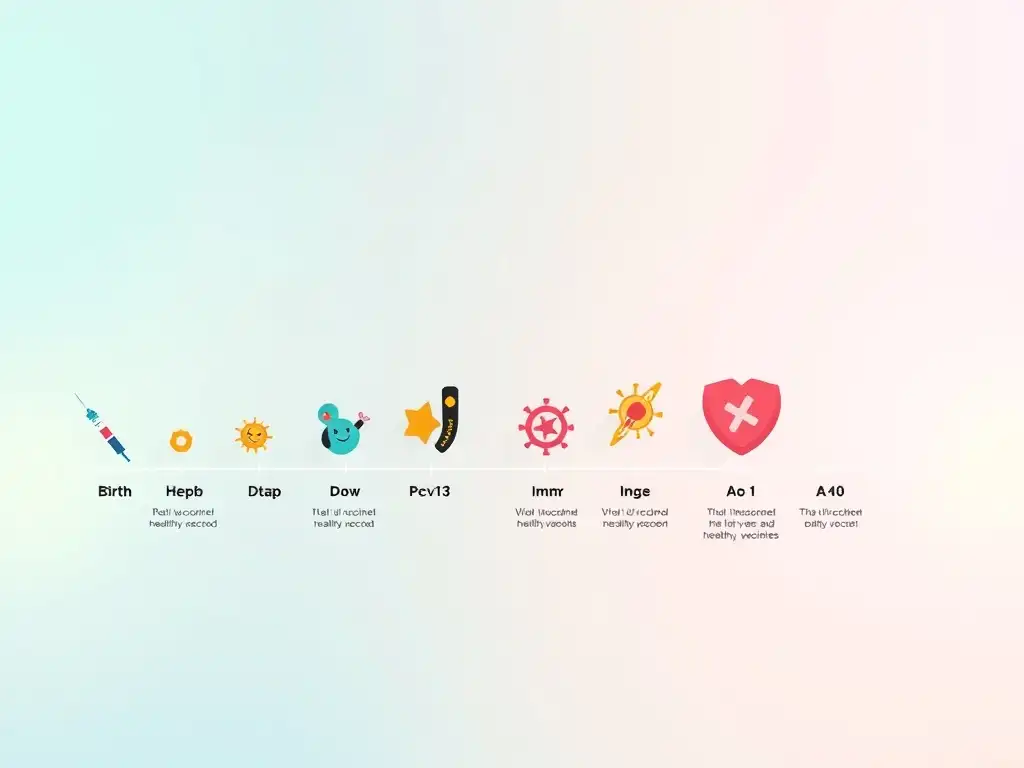
The recommended baby vaccine schedule is regularly reviewed and updated based on the latest scientific research and epidemiological data. Staying informed about these changes is crucial for ensuring your baby receives optimal protection against preventable diseases. This section details recent modifications to the schedule, emphasizing the importance of adhering to the current recommendations for the best possible health outcomes for your child. Understanding these updates empowers parents to make informed decisions about their baby's well-being, contributing to a healthier future for the next generation. We'll explore new vaccine recommendations, revised timing, and address common concerns surrounding vaccination.
New Vaccine Recommendations and Additions
Recent years have witnessed the addition of new vaccines or modifications to existing ones within the baby vaccination schedule. For example, some schedules now include vaccines targeting rotavirus, which causes severe diarrhea and dehydration, particularly in infants. The inclusion of this vaccine reflects advancements in vaccine technology and a better understanding of the disease's impact on young children.
Another notable addition in some regions is the increased emphasis on vaccines against pneumococcal disease, which can lead to pneumonia, meningitis, and other severe illnesses. These additions are designed to broaden the spectrum of protection offered to infants, significantly reducing their risk of contracting these potentially life-threatening infections.
The specific vaccines included and their timing may vary slightly depending on geographic location and healthcare guidelines; therefore, it's imperative to consult your pediatrician for the most up-to-date recommendations tailored to your region. This personalized approach ensures your baby receives the appropriate vaccines at the optimal time, maximizing their effectiveness.
The inclusion of these new vaccines highlights the ongoing evolution of pediatric immunizations, reflecting a continuous effort to improve the health and well-being of infants. This commitment to scientific advancement underscores the crucial role vaccination plays in preventing serious childhood illnesses.
Revised Timing and Administration for Certain Vaccines
The administration schedule for certain vaccines has also been refined in some regions. This might involve altering the recommended age for the first dose, adjusting the interval between doses, or changing the number of doses required for complete immunization. For instance, some vaccines previously given at multiple intervals might now be administered in fewer visits, streamlining the vaccination process and improving convenience for parents.
These adjustments are often made based on ongoing research evaluating the efficacy and safety of different vaccination strategies. The goal is to optimize the immune response while minimizing the number of clinic visits needed, making the experience less stressful for both parents and babies.
However, it's crucial to remember that these changes are based on rigorous scientific evaluation and aim to enhance the overall effectiveness of the vaccination program. Furthermore, these modifications aim to improve the efficiency of the vaccination process, making it more convenient for families.
| Vaccine | Previous Schedule Example | Updated Schedule Example | Rationale |
|---|---|---|---|
| Hepatitis B | 0, 1, 6 months | 0, 1, 6 months (may vary slightly) | Ongoing evaluation of optimal dosing intervals. |
| DTaP | 2, 4, 6, 15-18 months | 2, 4, 6 months (booster may vary slightly) | Streamlining the schedule for improved parental convenience. |
| [Specific Vaccine Pending] | [Previous Schedule Pending] | [Updated Schedule Pending] | [Rationale Pending] |
Addressing Vaccine Hesitancy and Misconceptions
Despite the overwhelming scientific consensus supporting the safety and efficacy of vaccines, vaccine hesitancy persists. Addressing these concerns and dispelling common misconceptions is crucial for ensuring high vaccination rates and protecting public health. Many hesitant parents are worried about potential side effects, often based on inaccurate or misinterpreted information.
It's vital to emphasize that while side effects can occur (typically mild and temporary), the risks associated with vaccine-preventable diseases far outweigh the potential risks of vaccination. Open communication between healthcare professionals and parents is key to building trust and addressing concerns. Providing evidence-based information, answering questions thoroughly, and acknowledging the validity of parents' concerns can significantly reduce vaccine hesitancy.
Furthermore, the role of reliable sources of information, like the CDC and WHO, should be emphasized in guiding parents towards evidence-based decision-making for their children’s health. The benefits of vaccination extend beyond individual protection, contributing to herd immunity, safeguarding vulnerable individuals who may not be able to receive vaccines.
Common Vaccine Hesitancy Concerns and Rebuttals
Concern: Vaccines cause autism.
Rebuttal: Extensive research has consistently shown no link between vaccines and autism. This misconception has been debunked by numerous large-scale studies.
Concern: Vaccines overload the immune system.
Rebuttal: A baby's immune system is remarkably resilient and capable of handling multiple vaccines simultaneously. The number of antigens in vaccines is far lower than what a child encounters daily through natural exposure to germs.
Concern: Vaccines contain harmful preservatives or toxins.
Rebuttal: The amounts of any preservatives or additives in vaccines are minuscule and pose no risk to a child's health. These substances are carefully regulated and rigorously tested.
Addressing vaccine hesitancy requires a multifaceted approach involving education, communication, and collaboration between healthcare providers and parents to ensure the best possible outcomes for children. The goal is to empower parents with accurate information, allowing them to make informed decisions based on scientific evidence.
Addressing Common Parental Concerns Regarding Baby Vaccines

Parents often have questions and concerns about vaccinating their babies. Understanding these anxieties and providing accurate information is crucial for building trust and ensuring timely vaccination. This section addresses some of the most frequently raised concerns surrounding baby vaccines, focusing on safety, efficacy, and potential side effects. The goal is to empower parents with knowledge to make informed decisions about their child's health. This information should supplement, not replace, advice from your pediatrician or other healthcare professional.
Vaccine Side Effects and Management
Most vaccines have minor side effects, which are usually temporary and manageable. These can include pain, redness, or swelling at the injection site, mild fever, fussiness, and fatigue. These reactions are generally a sign that the body is building immunity. The severity of side effects varies depending on the vaccine and the individual child.
| Vaccine Side Effect | Commonality | Management |
|---|---|---|
| Pain, redness, or swelling at the injection site | Very common | Apply a cool, damp cloth to the area. Gentle massage may help. Over-the-counter pain relievers (like acetaminophen, always following dosage instructions for your child's age and weight) may be used to manage discomfort. |
| Mild fever | Common | Offer plenty of fluids. Dress your baby in light clothing. Acetaminophen (again, following dosage instructions carefully) can help reduce fever. |
| Fussiness or irritability | Common | Offer extra comfort and cuddles. Ensure your baby is well-fed and rested. |
| Fatigue | Common | Allow your baby extra rest and sleep. |
It's important to note that severe side effects are rare. However, parents should contact their pediatrician immediately if they observe any concerning symptoms, such as a high fever (over 102°F or 39°C), persistent crying, difficulty breathing, or seizures. Early intervention is key in managing any potential complications. Keeping a detailed record of your baby's vaccination dates and any observed side effects can be helpful for future reference and communication with your healthcare provider. This proactive approach helps ensure the best possible outcome for your child's health.
Allergic Reactions and Precautions
While rare, allergic reactions to vaccines are possible. These reactions can range from mild (such as hives or rash) to severe (anaphylaxis, a life-threatening condition). Healthcare providers are trained to recognize and manage allergic reactions, and vaccination sites are typically equipped to handle emergencies. Before administering any vaccine, your pediatrician will likely ask about your child's medical history, including any known allergies. This information is critical in determining the appropriate course of action and ensuring your baby's safety.
Accurate reporting of any allergic reactions, however mild, is crucial for monitoring vaccine safety and improving future vaccine development. This information helps scientists understand the frequency and types of allergic reactions, leading to better preventative measures and improved treatment strategies. Open communication with your pediatrician is paramount in ensuring the safest possible vaccination experience for your child. Don't hesitate to voice any concerns or questions you may have.
Vaccine Interactions with Other Medications
Some medications can interfere with the effectiveness of vaccines, or increase the risk of side effects. It's crucial to inform your pediatrician about all medications your baby is taking, including over-the-counter drugs, herbal remedies, and supplements. This information allows your doctor to assess potential interactions and make informed decisions about the timing and type of vaccinations. Some medications may temporarily contraindicate certain vaccines, while others may simply require careful monitoring for potential side effects.
Transparency and open communication with your healthcare provider are vital. This collaborative approach ensures that your baby receives the necessary vaccinations safely and effectively, minimizing the risk of any complications. Remember, your pediatrician is your best resource for information about your baby's health and vaccinations. They can provide personalized advice based on your child's individual needs and medical history, ensuring optimal health and well-being. The benefits of vaccination far outweigh the risks, and a well-informed parent is better equipped to make decisions that protect their child's health.
The Role of Research in Shaping Vaccination Schedules

The development and refinement of baby vaccination schedules are inextricably linked to ongoing research and clinical trials. Understanding the efficacy, safety, and long-term effects of vaccines is crucial for creating immunization strategies that maximize protection while minimizing potential risks. This continuous evaluation process ensures that schedules remain current and aligned with the latest scientific understanding. A robust research foundation is essential for public health authorities to make informed decisions about which vaccines to include, the optimal age for administration, and the appropriate dosage for different age groups and health conditions.
The process involves rigorous testing, data analysis, and continuous monitoring of vaccine performance in real-world settings. This commitment to evidence-based decision-making is what underpins the confidence in the safety and effectiveness of recommended baby vaccination schedules. The goal isn't simply to vaccinate, but to vaccinate effectively and safely, and this requires a constant cycle of research, review, and refinement.
Ongoing Research and Clinical Trials
Numerous research initiatives continually assess the efficacy and safety of existing vaccines and explore the potential of new ones. For example, ongoing clinical trials might investigate the optimal spacing between vaccine doses, exploring whether adjustments could improve immune response or reduce side effects. Other studies might focus on the effectiveness of vaccines against emerging strains of viruses or bacteria.
Researchers are also exploring innovative vaccine delivery methods, such as nasal sprays or microneedle patches, aiming to improve convenience and reduce needle-related anxiety for both parents and infants. Data from these trials inform decisions about updating the recommended vaccination schedule, ensuring it reflects the most up-to-date scientific evidence available. The rigorous methodology employed in these trials, including randomized controlled trials and large-scale observational studies, ensures the reliability of the findings and their impact on public health policy.
This continuous monitoring of vaccine performance is a key element in the ongoing evolution of vaccination schedules. Analyzing data from diverse populations also helps identify any potential disparities in vaccine responses and tailor strategies to maximize protection for all infants.
Data-Driven Adjustments to Vaccination Strategies
The baby vaccine schedule isn't static; it's dynamically adjusted based on the accumulation of new data. Analysis of post-market surveillance data, for instance, allows researchers to identify rare but serious adverse events, enabling prompt action to mitigate risks. Similarly, epidemiological studies tracking vaccine effectiveness in the real world can reveal any decline in protection over time, necessitating adjustments to the schedule or the formulation of vaccines.
For example, if a study shows a particular vaccine's efficacy waning sooner than anticipated, this information could lead to the recommendation of a booster shot at an earlier age or the development of a more effective vaccine formulation. This adaptive approach, driven by real-world data analysis, is critical for maintaining high vaccination rates and optimal protection levels against vaccine-preventable diseases.
This iterative process of research, analysis, and adjustment is crucial for ensuring that vaccination strategies remain effective and safe. Transparency in sharing this data with the public builds trust and fosters informed decision-making by parents.
Future Directions in Vaccine Development
Future research in vaccine development focuses on several key areas. One prominent area is the development of combination vaccines, aiming to reduce the number of injections needed, thus improving convenience and potentially reducing the risk of adverse events. Another crucial area is the creation of vaccines against currently unvaccinated diseases. Furthermore, researchers are working on vaccines that provide longer-lasting immunity, potentially reducing the need for frequent booster shots.
Advances in vaccine technology, such as mRNA vaccines, also hold immense promise for developing more effective and safer vaccines. These ongoing efforts to improve vaccine technology and expand vaccine coverage will continue to shape and refine baby vaccination schedules in the years to come. The ultimate goal is to provide optimal protection against infectious diseases for all infants, ensuring their health and well-being. This ongoing research ensures that "baby vaccine schedule updates" remain at the forefront of public health initiatives.
Resources and Further Information on Baby Vaccinations
This section provides you with valuable resources to delve deeper into the world of baby vaccinations and stay updated on the latest research. Understanding the recommended vaccination schedule is crucial for your baby's health, but accessing accurate and reliable information is equally important. Navigating the vast amount of information available online can be overwhelming, so we've compiled key resources to help you on your journey. Remember, always consult your pediatrician for personalized advice tailored to your baby's specific needs and health history.
Reliable Sources for Vaccine Information
Finding trustworthy information about baby vaccines is paramount. Misinformation can be harmful, so it's vital to rely on credible sources. Here are some excellent places to start your research:
- Your Pediatrician: This is your primary source for personalized vaccine advice. They can address your concerns, explain the benefits and risks, and create a vaccination schedule specific to your baby's needs. Remember, your pediatrician is your partner in your baby's health journey.
- The Centers for Disease Control and Prevention (CDC): The CDC offers comprehensive and regularly updated information on recommended vaccination schedules, vaccine safety, and disease prevention. Their website is a goldmine of factual data, presented in an accessible manner. They provide detailed information on each vaccine, including potential side effects and efficacy rates. They also address common myths and misconceptions surrounding vaccines.
- The World Health Organization (WHO): The WHO provides global perspectives on vaccination strategies and research. Their website offers valuable insights into global vaccination programs and the latest scientific advancements in vaccine development. They are a great resource for understanding the broader context of vaccine research and global health initiatives.
- Reputable Medical Journals: Publications like the New England Journal of Medicine, The Lancet, and JAMA frequently publish peer-reviewed research on vaccine efficacy and safety. While these might be more technical, they offer the most rigorously vetted information available. However, understanding the research presented may require a certain level of medical expertise.
Consulting Your Pediatrician for Personalized Advice
While the resources above provide valuable general information, it's crucial to remember that each baby is unique. Your pediatrician possesses the expertise to assess your baby's individual health status, family history, and potential risk factors. This personalized assessment is essential to determine the most appropriate vaccination schedule and address any specific concerns you may have.
Regular check-ups with your pediatrician are not merely about administering vaccines; they are opportunities to:
- Discuss your concerns: Don't hesitate to ask questions about vaccines. Your pediatrician is there to answer them thoroughly and alleviate any anxieties you may have. Open communication is key to ensuring your baby receives the best possible care.
- Monitor your baby's health: Your pediatrician will track your baby's development and identify any potential health issues that might affect the vaccination schedule. Early detection and intervention are crucial for optimal health outcomes.
- Stay updated on the latest research: Your pediatrician will be aware of any new recommendations or updates regarding vaccine schedules and will adjust your baby's plan accordingly. This ensures your baby receives the most current and effective protection.
- Receive tailored advice: Your pediatrician will consider your baby's overall health, any pre-existing conditions, and your family's medical history when tailoring a vaccination plan. This is crucial for maximizing the benefits and minimizing any potential risks.
Remember, a proactive approach to vaccination, combined with regular consultations with your pediatrician, will ensure your baby receives the best possible protection against preventable diseases. Staying informed and engaging in open communication with your healthcare provider is crucial for your baby's well-being. 👶
Frequently Asked Questions
What is the recommended baby vaccination schedule?
The recommended baby vaccination schedule varies slightly by country. However, it generally includes vaccinations against diseases like polio, measles, mumps, rubella, and diphtheria, starting in the first few months of life. Consult your pediatrician for the most up-to-date schedule specific to your location.
Are there any recent updates to the baby vaccine schedule?
Yes, vaccine schedules are periodically reviewed and updated based on new research and disease prevalence. Check with your doctor or the relevant health authority in your country for the most current information. They can provide the latest recommendations.
What should I do if my baby misses a vaccine?
Don't panic! Contact your pediatrician as soon as possible. They can advise on catching up on missed vaccinations and create a revised schedule to ensure your baby is protected.
Are there any side effects associated with baby vaccines?
While rare, some babies may experience mild side effects like fever, soreness at the injection site, or fussiness. These are usually temporary. Serious side effects are extremely uncommon, and the benefits of vaccination far outweigh the risks.
Where can I find reliable information on baby vaccine schedules?
Reliable sources include your baby's pediatrician, the Centers for Disease Control and Prevention (CDC) (in the US), or your country's equivalent public health agency. Always consult trusted medical professionals for personalized advice.
Final Reflection: A Future Fortified by Vaccines
The relentless pursuit of a healthier future for our children hinges on the continuous evolution of vaccine research and the unwavering commitment to vaccination schedules. The information presented in this article underscores the dynamic nature of vaccine science, constantly adapting to new threats and refining its approach to protect the most vulnerable among us. This is not simply about preventing illness; it's about building a stronger, more resilient society for generations to come.
The impact of vaccination extends far beyond the individual child; it creates a ripple effect of protection across entire communities. By achieving herd immunity, we safeguard those who cannot be vaccinated, ensuring a safer environment for everyone. This collective responsibility resonates deeply with me, reminding me of the profound interconnectedness of our health and well-being. The only way to fight a pandemic is with a global effort.
- Dr. Anthony Fauci. This quote highlights the crucial role of global collaboration in vaccine development and distribution, a critical aspect often overlooked in the individual focus on vaccination schedules.
Consider the information presented here – the latest updates, the ongoing research, the tireless efforts of scientists and healthcare professionals. Now, take a moment to reflect on your own role in this ongoing story. Will you actively participate in protecting your child and your community by staying informed and ensuring timely vaccinations? The future health of our children, and indeed our collective future, depends on our informed choices and our shared commitment to a healthier tomorrow.
Unlock Your Baby's Healthiest Future: Take Action Today!
Thank you for learning about the latest advancements in baby vaccination research! We hope this information helps you make informed decisions about your child's health. Now, let's put this knowledge into practice:
- Schedule your baby's next vaccination appointment. Protecting your child from preventable diseases is crucial.
- Share this important information with other expectant parents and new parents in your network – it could significantly improve their child's health.
- Join our online parenting community, BabyCareHub, to connect with other parents and discuss vaccinations. It's a supportive environment for sharing experiences and asking questions.
What steps will you take to ensure your baby receives optimal protection?