
Baby Eye Infections: Recognizing Symptoms and Seeking Treatment

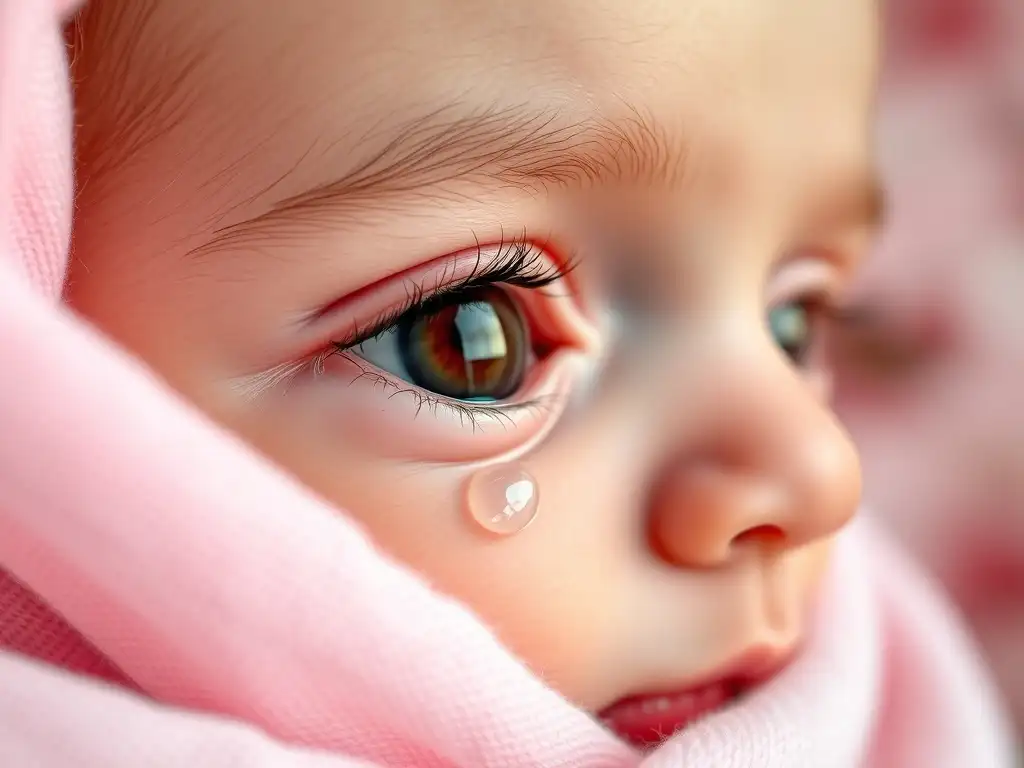
Welcome to BabyCareHub, your ultimate guide to navigating the incredible journey of parenthood! Are you a first-time parent facing the unexpected challenge of a newborn baby eye infection? We understand the worry, and that's why we've created this comprehensive resource. Discover expert advice on recognizing symptoms and effective newborn baby eye infection treatment options – learn how to protect your little one and ensure their healthy development. Dive in and explore the wealth of information waiting for you here!
- Understanding Newborn Baby Eye Infection Symptoms
- Common Causes of Baby Eye Infections
- Newborn Baby Eye Infection Treatment Options
- Preventing Baby Eye Infections
- Caring for Your Baby During Eye Infection Treatment
- Aftercare and Follow-up for Baby Eye Infections
- Frequently Asked Questions
- Final Reflection: The Unspoken Struggle of Newborn Eye Infections
- Empower Yourself: Take Charge of Your Baby's Eye Health
Understanding Newborn Baby Eye Infection Symptoms
New parenthood is a joyous journey filled with wonder and discovery, but it also comes with its share of anxieties, especially concerning your little one's health. Eye infections in newborns and babies are a common concern, often causing worry and uncertainty for parents. This comprehensive guide aims to equip first-time parents with the knowledge to recognize the symptoms of various baby eye infections and understand when professional medical attention is crucial.
We'll explore common eye infections, highlighting key symptoms to watch for, providing you with the confidence to navigate this challenge and ensure your baby receives the best possible care. Early detection and appropriate treatment are paramount in preventing complications and promoting your baby's eye health. This article will focus on providing you with the information needed to effectively address newborn baby eye infection treatment, empowering you to make informed decisions for your child's well-being.
Remember, this information is for educational purposes and should not replace professional medical advice. Always consult your pediatrician or a qualified healthcare professional for diagnosis and treatment.
Recognizing Conjunctivitis (Pink Eye) in Infants
Conjunctivitis, commonly known as pink eye, is one of the most frequent eye infections affecting infants. It's characterized by inflammation of the conjunctiva, the membrane lining the inside of the eyelid and covering the white part of the eye. Several factors can cause pink eye in babies, including bacterial or viral infections, allergies, or irritants.
Recognizing pink eye in your baby requires careful observation. Symptoms can vary in severity but often include:
- Redness: The whites of the eyes appear noticeably red and inflamed.
- Discharge: A yellowish-green or whitish discharge may be present, often crusting the eyelids shut, especially upon waking.
- Itching: Babies may show signs of discomfort by rubbing their eyes frequently.
- Swelling: The eyelids might appear swollen and puffy.
- Light Sensitivity: Your baby might be more sensitive to bright light, squinting or crying more than usual.
It's important to note that not all cases of pink eye require immediate medical intervention. However, if the symptoms are severe, or if the infection doesn't improve with home remedies (like gentle cleaning with a warm, damp cloth), it's crucial to seek professional advice. Early treatment can prevent the spread of infection and potential complications.
Identifying Other Common Eye Infections in Babies
While conjunctivitis is prevalent, other eye infections can affect newborns and babies. These include:
- Dacryocystitis: This infection affects the tear duct, causing swelling and pus near the inner corner of the eye. It often presents with a yellowish discharge and a noticeably swollen tear sac.
- Blepharitis: Inflammation of the eyelids, often characterized by redness, crusting, and scaling along the eyelid margins.
- Orbital cellulitis: A serious infection of the tissue surrounding the eye, requiring immediate medical attention. Symptoms include pain, swelling, redness, and fever. This is a much rarer condition than conjunctivitis or dacryocystitis.
Accurate diagnosis is critical for effective treatment. These infections may require specific antibiotic or antiviral medications, depending on the underlying cause. Therefore, always consult your pediatrician for a proper evaluation and treatment plan. Delaying treatment can potentially lead to more severe complications.
When to Seek Immediate Medical Attention for Baby Eye Problems
Some eye problems necessitate immediate medical attention. Don't hesitate to contact your pediatrician or seek emergency care if you observe any of the following:
- Severe swelling of the eye or eyelid.
- Significant pain or discomfort in the eye.
- Pus or a thick, yellow-green discharge.
- High fever accompanying eye symptoms.
- Decreased vision or changes in eye alignment.
- Redness that spreads rapidly.
- Symptoms persisting despite home care.
Early intervention is crucial for managing severe eye infections and preventing potential vision impairment. Remember, it's always better to err on the side of caution when it comes to your baby's health. Prompt medical attention can make a significant difference in the outcome. Your pediatrician can provide an accurate diagnosis and recommend the appropriate newborn baby eye infection treatment. 👶
Distinguishing Between Mild Irritation and Serious Infection
Newborn babies often experience some degree of eye irritation in the first few weeks of life. This is often due to the remnants of amniotic fluid or the pressure exerted during birth. However, it's crucial to differentiate between this normal, temporary irritation and a true infection. Mild irritation typically presents as slightly puffy eyelids or a small amount of clear or slightly whitish discharge that clears up within a day or two without intervention. The baby's overall demeanor is usually unaffected; they remain alert, feed well, and show no signs of discomfort beyond perhaps some temporary fussiness.
A serious infection, on the other hand, presents with more concerning symptoms. The discharge will be significantly more profuse, often yellow, green, or even bloody. The eyelids may be significantly swollen, red, and stuck together, making it difficult to open the baby's eyes. The baby might exhibit signs of discomfort, such as increased fussiness, rubbing their eyes excessively (if they have the motor skills), or refusing to feed.
Furthermore, a serious infection can sometimes be accompanied by fever, lethargy, or a general unwell appearance. The key difference lies in the severity and persistence of the symptoms. While mild irritation resolves quickly, a serious infection requires prompt medical attention. If you are unsure whether your baby's eye condition is mild irritation or a serious infection, it's always best to err on the side of caution and seek professional medical advice.
Early diagnosis and treatment are vital to preventing complications and ensuring the baby's eye health. Remember, a healthcare professional can accurately assess the situation and provide the appropriate guidance and treatment for your little one's eye condition. Don't hesitate to contact your pediatrician or other healthcare provider if you have any concerns. Early intervention is key in managing newborn baby eye infection treatment effectively.
Common Causes of Baby Eye Infections
Newborn baby eye infection treatment often hinges on correctly identifying the underlying cause. Several factors can contribute to eye infections in infants, each requiring a slightly different approach to care and management. Understanding these causes is crucial for parents and caregivers seeking effective newborn baby eye infection treatment. Let's explore the most prevalent culprits.
Bacterial Infections and Their Impact on Newborns
Bacterial infections are a significant cause of conjunctivitis (pink eye) in newborns. These infections often stem from bacteria like Staphylococcus aureus, Streptococcus pneumoniae, and Haemophilus influenzae. These bacteria can be transmitted during birth, or later through contact with contaminated hands or surfaces. The impact on newborns can be considerable.
Bacterial conjunctivitis typically presents with a thick, yellowish-green or purulent discharge from the affected eye(s). The eyelids may be swollen and stuck together upon waking. The baby might also exhibit increased irritability and fussiness due to the discomfort. Untreated bacterial infections can lead to more serious complications, including corneal ulcers and scarring, potentially impacting vision. Early diagnosis and appropriate newborn baby eye infection treatment, usually involving antibiotic eye drops or ointment, are vital to prevent these complications. The severity of the infection and the baby's overall health will guide the specific treatment plan prescribed by a pediatrician.
The following table illustrates some key differences between bacterial and viral conjunctivitis:
| Feature | Bacterial Conjunctivitis | Viral Conjunctivitis |
|---|---|---|
| Discharge | Thick, yellowish-green or purulent | Watery, clear, or slightly whitish |
| Eyelid Swelling | Often significant | May be present, but usually less severe |
| Crusting | Frequently present upon waking | Less common |
| Fever | Sometimes present | Less common |
| Treatment | Antibiotic eye drops or ointment | Often resolves on its own; supportive care |
Early intervention with appropriate newborn baby eye infection treatment is key to minimizing the risk of long-term complications. Always consult a pediatrician for diagnosis and treatment recommendations.
Viral infections, often caused by adenoviruses, are another common cause of conjunctivitis in babies. These infections are highly contagious and can spread easily through close contact. Symptoms of viral conjunctivitis in infants often include a watery, clear, or slightly whitish discharge. Eyelid swelling may be present, but it's usually less severe than in bacterial infections. The baby might also experience redness and irritation in the affected eye(s). Unlike bacterial infections, crusting is less common. Fever may or may not be present.
Unlike bacterial conjunctivitis, viral conjunctivitis often resolves on its own within a week or two with supportive care. This involves keeping the eyes clean with a warm, damp cloth and administering artificial tears to alleviate dryness and discomfort. However, if symptoms worsen or persist, it’s crucial to seek medical attention to rule out other causes and ensure appropriate newborn baby eye infection treatment. Remember, even though many viral infections resolve without specific treatment, early diagnosis is vital to prevent potential complications and rule out other possibilities.
Allergic Reactions Causing Eye Irritation in Babies
Allergic reactions can also cause eye irritation and symptoms resembling conjunctivitis in babies. Common allergens include pollen, dust mites, pet dander, and certain foods. Symptoms of allergic conjunctivitis often include itching, redness, and watery eyes. The discharge is usually clear and watery, unlike the thicker discharge seen in bacterial infections. Babies may also exhibit other allergic symptoms, such as sneezing, runny nose, and skin rash.
Treatment for allergic conjunctivitis focuses on identifying and avoiding the allergen. Over-the-counter antihistamine eye drops may provide relief from itching and irritation. However, it's essential to consult a pediatrician before using any medication on a baby, especially if other symptoms are present. A proper diagnosis will help determine the best course of action for your baby's newborn baby eye infection treatment, ensuring that the underlying cause is addressed. Accurate identification of the allergen is critical for long-term management and prevention of future allergic reactions.
Environmental Factors Contributing to Eye Infections
Exposure to certain environmental factors significantly increases a newborn's risk of developing an eye infection. These factors often irritate the delicate tissues surrounding the eyes, creating an opening for bacteria or viruses to thrive. One of the most common culprits is allergens. Dust mites, pollen, pet dander, and even certain cleaning products can trigger allergic reactions, leading to inflammation and increased susceptibility to infection.
Babies, particularly newborns with underdeveloped immune systems, are especially vulnerable. The symptoms might manifest as itchy, watery eyes, redness, and even swelling. Prompt cleaning of the baby's environment, using hypoallergenic cleaning products, and regular air filtration can help minimize exposure to these allergens.
Another critical environmental factor is poor hygiene. While diligent handwashing is essential for everyone, it's paramount when caring for a newborn. Failure to properly wash hands before handling the baby, particularly after contact with potentially contaminated surfaces, dramatically increases the risk of transferring harmful bacteria to the baby's eyes. This is especially crucial when dealing with diaper changes or cleaning nasal secretions, as these areas can harbor harmful microorganisms. Thorough and frequent handwashing with soap and water, for at least 20 seconds, is crucial in preventing the spread of infection.
Furthermore, exposure to contaminated water can also contribute to eye infections. This could range from swimming in unclean water to accidental splashing of contaminated water near the baby's face. The use of clean water for bathing and cleaning the baby's face, and avoiding exposure to potentially contaminated sources, is highly recommended. Any signs of irritation or infection after exposure to water should be promptly addressed by a pediatrician.
Finally, the presence of other sick individuals in the household can increase the risk of a newborn contracting an eye infection. Viruses and bacteria can easily spread through close contact, making it essential to minimize exposure to individuals exhibiting symptoms of respiratory or eye infections. If someone in the household is unwell, taking precautions like wearing a mask, practicing good hygiene, and keeping a safe distance from the baby can help protect the newborn.
This proactive approach is especially vital during flu season or outbreaks of contagious illnesses. Remember, a newborn's immune system is still developing, making them particularly susceptible to infections.
Newborn Baby Eye Infection Treatment Options
Newborn babies are particularly vulnerable to eye infections, often stemming from exposure to bacteria during birth or from viruses. Prompt and appropriate treatment is crucial to prevent complications and ensure your baby's eye health. The treatment approach depends on the severity of the infection and the underlying cause, which your pediatrician will determine. Remember, always consult your pediatrician before starting any treatment for your baby's eye infection. Self-treating can be risky and may delay proper care. This section outlines common treatment options for newborn baby eye infections, focusing on the keyword "newborn baby eye infection treatment".
Home Remedies for Mild Eye Infections in Babies
For very mild cases of newborn baby eye infections characterized by minimal redness and discharge, some home remedies might offer temporary relief in conjunction with medical advice. These are supportive measures and should not replace professional medical care. Remember, a pediatrician's diagnosis is paramount.
- Warm Compresses: Gently cleanse your baby's eyelids with a warm, damp cloth several times a day. This helps remove crusts and soothe inflammation. Use a clean cloth for each eye to avoid cross-contamination. Ensure the water is lukewarm—never hot—to prevent burns. This is a common recommendation often found in "newborn baby eye infection treatment" guides.
- Breast Milk: Some studies suggest that breast milk possesses antibacterial properties. A tiny drop of breast milk applied to the affected eye after consulting your pediatrician may help fight infection. However, this is not a substitute for proper medical treatment and should only be used under professional guidance. The efficacy varies, and more research is needed.
- Proper Hygiene: Maintaining impeccable hygiene is crucial. Wash your hands thoroughly before and after touching your baby's eyes. Avoid sharing towels or washcloths. Clean any discharge carefully and dispose of used materials immediately. This simple step is often overlooked in discussions on "newborn baby eye infection treatment."
It's vital to emphasize that home remedies are only suitable for extremely mild cases and should be used only after consulting your pediatrician. Any worsening of symptoms, such as increased swelling, pus, or fever, requires immediate medical attention. Delaying professional treatment can lead to serious complications.
Over-the-Counter Treatments for Baby Eye Infections
Over-the-counter (OTC) medications are generally not recommended for treating baby eye infections. The active ingredients in many OTC eye drops and ointments may not be appropriate for newborns and could potentially harm your baby's delicate eyes. Furthermore, using the wrong medication can mask the symptoms and delay proper diagnosis. Always prioritize a pediatrician's assessment before considering any OTC options. Relying solely on information found online regarding "newborn baby eye infection treatment" can be dangerous.
While some sources might suggest gentle saline solutions for cleaning, it's crucial to remember that even this should be done under a doctor's guidance. Self-medication can be risky and may lead to complications. The pediatrician will be able to determine the best course of action based on a proper examination.
Prescription Medications for Severe Baby Eye Infections
Severe newborn baby eye infections often require prescription medications, such as antibiotic eye drops or ointments. These medications target the specific bacteria or virus causing the infection. Your pediatrician will prescribe the appropriate medication based on your baby's condition and the results of any tests conducted. This is a crucial aspect of effective "newborn baby eye infection treatment".
The medication will usually be administered several times a day for a specific duration, as directed by the pediatrician. It's imperative to follow the prescribed dosage and duration precisely. Do not stop the medication prematurely, even if the symptoms seem to have improved. Stopping early can lead to the infection recurring or becoming resistant to the medication. Careful observation of your baby's response to treatment is vital. Any adverse reactions or lack of improvement should be reported immediately to the pediatrician. This highlights the importance of adhering to medical advice for effective "newborn baby eye infection treatment".
Remember: This information is for educational purposes only and does not substitute professional medical advice. Always consult your pediatrician for diagnosis and treatment of your baby's eye infection. Early intervention is key to preventing complications and ensuring your baby's eye health.
When Antibiotics Are Necessary for Baby Eye Infections
Antibiotic treatment for newborn baby eye infections is crucial when a bacterial infection is suspected. This isn't a decision parents should make on their own; a proper diagnosis from a pediatrician or ophthalmologist is essential. Many eye infections in newborns are initially treated with watchful waiting and supportive care, as some clear up on their own. However, certain signs strongly suggest the need for antibiotic intervention.
These signs include:
- Persistent purulent (pus-like) discharge: A thick, yellow-green, or even bloody discharge that doesn't improve despite cleaning is a major red flag. This indicates a bacterial infection actively producing pus. Simple tearing or a slightly watery discharge is often not a cause for immediate antibiotic use.
- Severe eyelid swelling: Significant swelling of the eyelids, making it difficult to open the eye, points towards a more serious infection requiring aggressive treatment. Mild swelling might resolve without antibiotics, but severe swelling warrants immediate medical attention.
- Conjunctivitis that spreads to the cornea: The cornea is the clear front part of the eye, and infection here (corneal ulcer) can lead to serious vision problems. If the infection spreads beyond the conjunctiva (the white part of the eye) to involve the cornea, prompt antibiotic treatment is vital. A pediatrician or ophthalmologist will perform a thorough eye exam to assess corneal involvement.
- High fever accompanying the eye infection: A fever alongside eye symptoms suggests a systemic infection, meaning the infection has spread beyond the eye. This necessitates immediate medical attention and often necessitates systemic antibiotics (administered orally or intravenously), not just topical drops.
- No improvement after 24-48 hours of home care: If you've been diligently cleaning your baby's eyes with warm water and sterile wipes, and there's no visible improvement within 24-48 hours, it's crucial to seek medical advice. This delay in improvement signifies that the infection might require antibiotic treatment.
The type of antibiotic and the method of administration (eye drops, ointment, or even oral medication in severe cases) will be determined by the doctor based on the specific bacteria identified or suspected. It's important to follow the prescribed course of antibiotics completely, even if the infection seems to clear up early. Stopping treatment prematurely can lead to recurrence or the development of antibiotic-resistant bacteria. Never self-medicate your baby's eye infection; always consult a healthcare professional for an accurate diagnosis and appropriate treatment. Early intervention with antibiotics, when necessary, can prevent serious complications and ensure your baby's eye health.
Preventing Baby Eye Infections
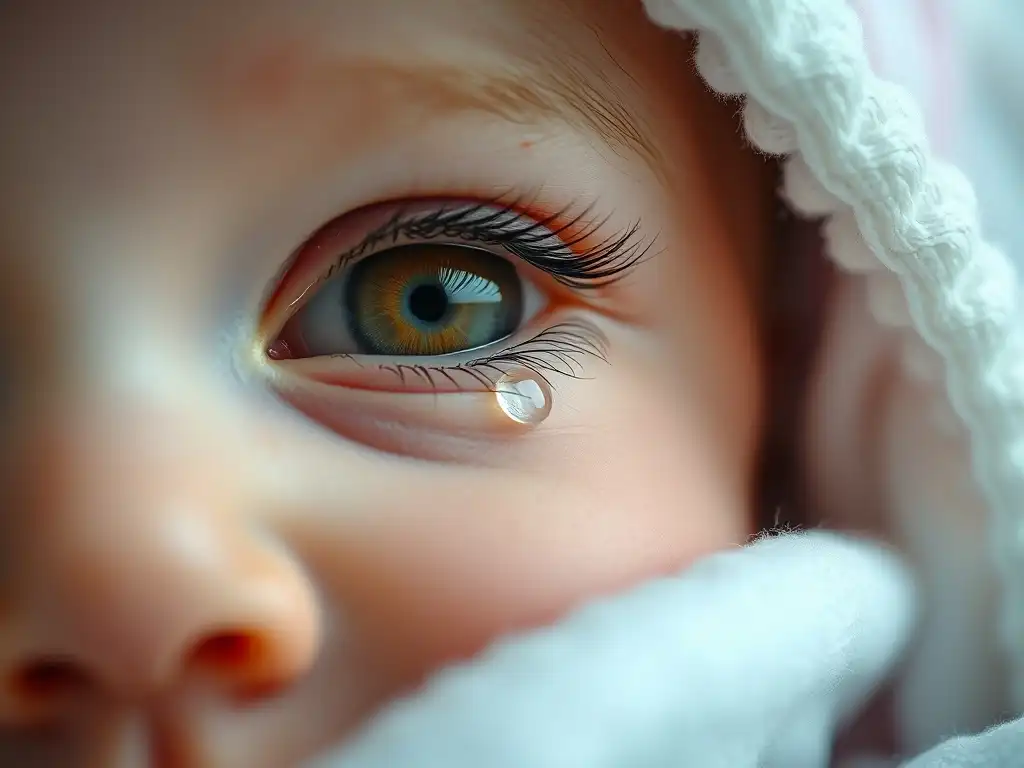
Preventing newborn baby eye infections is crucial for your baby's health and well-being. Early intervention is key, so understanding preventative measures is just as important as recognizing symptoms. This section details practical steps you can take to minimize the risk of your little one developing an eye infection. Remember, a proactive approach is the best defense against this common ailment.
Maintaining Proper Hygiene to Prevent Infections
Maintaining good hygiene is paramount in preventing newborn baby eye infections. This involves several key practices:
- Handwashing: Wash your hands thoroughly and frequently, especially before and after handling your baby, changing diapers, or touching your baby's face. Use soap and water for at least 20 seconds, ensuring you clean between your fingers and under your nails. This simple act significantly reduces the transmission of bacteria and viruses. 🧼
- Cleanliness of Surfaces: Regularly clean and disinfect surfaces your baby comes into contact with, such as changing tables, toys, and bedding. Use a mild disinfectant appropriate for baby items. Avoid harsh chemicals that could irritate your baby's delicate skin.
- Avoid Touching Your Baby's Eyes: Resist the urge to constantly touch or rub your baby's eyes. This can introduce bacteria and irritate the delicate eye area, increasing the risk of infection.
- Breastfeeding: Breastfeeding provides antibodies that can help protect your baby from various infections, including eye infections. The benefits of breastfeeding extend beyond nutrition to include enhanced immunity.
Protecting Your Baby's Eyes from Irritants
Protecting your baby's eyes from irritants is another vital aspect of prevention. Certain substances can easily irritate a baby's sensitive eyes, leading to inflammation and increasing susceptibility to infection.
- Avoid Smoke Exposure: Keep your baby away from environments with cigarette smoke or other irritants. Secondhand smoke is particularly harmful to babies' respiratory and ocular systems.
- Proper Eye Cleaning: If necessary, gently clean your baby's eyes with a clean, damp washcloth. Always wipe from the inner corner of the eye outwards to prevent spreading any potential infection. Use a fresh cloth for each eye.
- Shampoo and Soap: When bathing your baby, ensure that shampoo and soap do not get into their eyes. If it does, rinse thoroughly with clean water.
- Allergens: Be mindful of potential allergens in your baby's environment, such as dust mites, pet dander, or pollen. These can trigger allergic conjunctivitis, increasing the risk of secondary infections. Regular cleaning and air purification can help minimize exposure.
Importance of Regular Eye Checkups for Infants
Regular eye checkups are essential for early detection and prevention of various eye problems, including infections. Even if your baby seems healthy, routine examinations can identify potential issues before they become serious.
- Schedule Checkups: Schedule regular checkups with your pediatrician or a pediatric ophthalmologist. Early detection of any abnormality allows for prompt intervention and minimizes the risk of complications.
- Early Intervention: Early detection is crucial for effective treatment. Many eye infections respond well to early intervention, preventing long-term consequences.
- Monitoring Eye Health: Regular checkups allow healthcare professionals to monitor your baby's overall eye health and address any concerns proactively. This provides peace of mind and ensures the best possible care for your baby's vision.
- Developmental Milestones: Eye examinations also help assess your baby's visual development and identify any potential delays in achieving developmental milestones. This is particularly important in the first few months of life.
Remember, consistent hygiene practices, protection from irritants, and regular checkups are key components of a comprehensive strategy for preventing newborn baby eye infections. These proactive measures significantly reduce the risk and contribute to your baby's overall health and well-being. 👶
Caring for Your Baby During Eye Infection Treatment
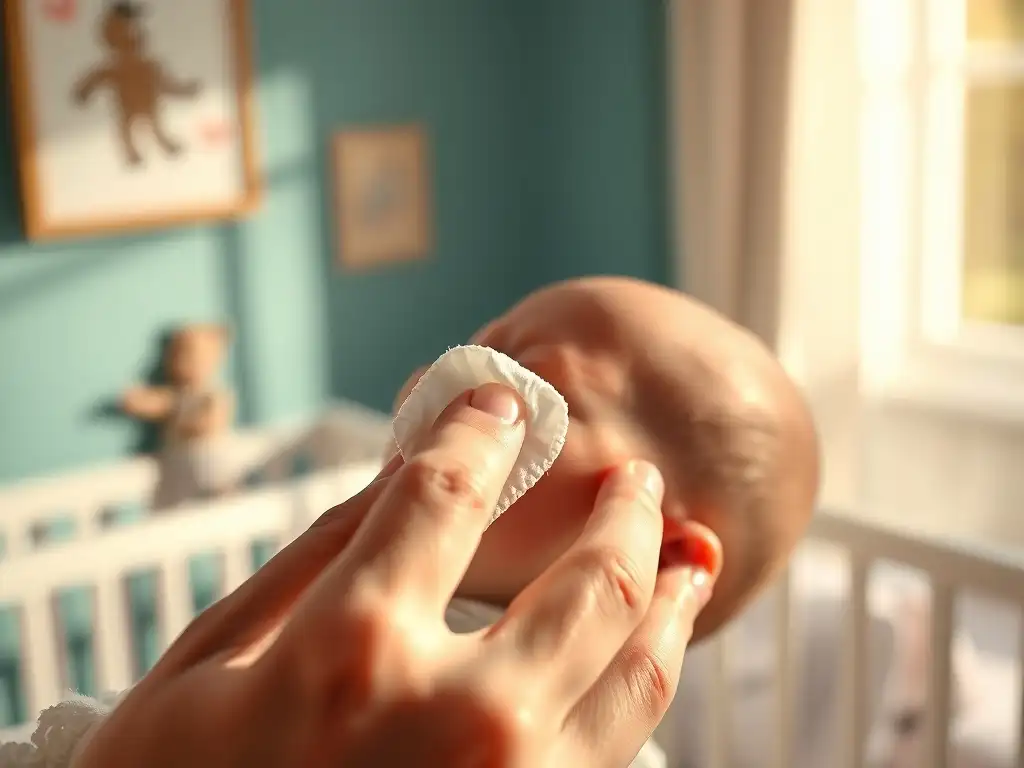
This section focuses on the crucial aspects of providing holistic care for your baby while they undergo treatment for an eye infection. Remember, consistent monitoring and gentle care are key to a speedy recovery. Effective newborn baby eye infection treatment requires not just medication but also a nurturing environment.
Comforting Your Baby While They Recover
A baby suffering from a painful eye infection will likely be irritable and uncomfortable. Providing comfort is paramount to their wellbeing and recovery. Here are some strategies:
- Frequent Skin-to-Skin Contact: The warmth and closeness of skin-to-skin contact can be incredibly soothing. Holding your baby frequently, especially during feeding, can provide a sense of security and reduce distress. This is particularly beneficial for newborns experiencing eye infection symptoms.
- Gentle Cleaning: Even with an infection, gentle cleansing of the affected eye is crucial. Use a clean, soft washcloth dampened with warm, boiled water to wipe away any crusty discharge. Always wipe from the inner corner of the eye outwards to prevent spreading the infection. Avoid harsh rubbing.
- Dark, Quiet Environment: Bright lights and loud noises can exacerbate discomfort. Creating a calm, dimly lit environment can help your baby rest and recover more effectively. White noise machines can also help mask disruptive sounds and promote restful sleep.
- Frequent Feeding: Ensure your baby is feeding regularly. Dehydration can worsen the condition, so maintaining proper hydration is essential. Breastfeeding offers additional immune-boosting benefits.
- Monitoring Temperature: Fever often accompanies eye infections. Monitor your baby’s temperature regularly and consult your pediatrician if it rises above the normal range. A fever in a baby with an eye infection requires prompt medical attention.
Managing Discomfort and Irritation
Managing your baby's discomfort is key to their overall wellbeing during eye infection treatment. Here's how you can alleviate their symptoms:
- Cool Compresses: Applying cool, clean compresses to the affected eye can help reduce swelling and inflammation. Ensure the compress is clean and not too cold. A few minutes several times a day may provide significant relief.
- Eye Drops Administration: Administering eye drops or ointment can be challenging. Try gently restraining your baby while administering the medication. Using a clean finger to gently pull down the lower eyelid can make application easier. Always follow your pediatrician's instructions carefully.
- Over-the-Counter Pain Relief (Consult Doctor First): In some cases, your pediatrician may recommend over-the-counter pain relievers, such as acetaminophen, for infants over two months old. However, always consult your doctor before giving your baby any medication. Never self-medicate your baby.
- Addressing Crusting: Gently remove crusty discharge from around the eye with a clean, damp cloth. This helps prevent further irritation and allows for better medication absorption. Remember to wipe from the inner to the outer corner.
Monitoring Your Baby's Progress
Close monitoring is crucial throughout the treatment period. Here’s what to look out for:
| Symptom | Description | Action |
|---|---|---|
| Increased Swelling | Noticeable increase in swelling around the eye. | Contact your pediatrician immediately. |
| Persistent Fever | Fever that persists despite medication or lasts longer than expected. | Seek immediate medical attention. |
| Worsening Discharge | Discharge becomes thicker, more copious, or changes color significantly. | Contact your pediatrician immediately. |
| Lack of Improvement | No noticeable improvement in symptoms after a few days of treatment. | Consult your pediatrician to review the treatment plan and consider alternatives. |
| New Symptoms | Appearance of any new symptoms, such as lethargy, poor feeding, or rash. | Seek immediate medical attention. |
Regularly check your baby's eyes for any changes in discharge, swelling, or redness. Document any observations and share them with your pediatrician during follow-up appointments. Early detection of any complications is crucial for effective newborn baby eye infection treatment and your baby's overall health. Remember, proactive monitoring and prompt action are key to ensuring a successful recovery. 👶
Aftercare and Follow-up for Baby Eye Infections
After your baby has received treatment for an eye infection, diligent aftercare is crucial for ensuring complete recovery and preventing recurrence. This involves carefully administering prescribed medications as directed by your pediatrician or ophthalmologist. Remember, even if the symptoms seem to have disappeared, completing the full course of antibiotics or antiviral medication is essential. Stopping treatment prematurely could lead to the infection returning, potentially becoming more resistant to treatment.
When to Return for a Check-up
Regular follow-up appointments are vital, especially for newborns experiencing their first eye infection. Your healthcare provider will schedule a check-up to monitor your baby's progress and ensure the infection has cleared completely. It's crucial to attend this appointment, even if your baby seems to be improving rapidly. Here's a list of situations requiring an immediate return visit:
- Symptoms worsen or reappear: If you notice a recurrence of discharge, swelling, redness, or any other symptoms after initial improvement, contact your doctor immediately. This could indicate a resistant infection or a secondary complication.
- Baby's condition deteriorates: Any signs of significant discomfort, fever, lethargy, or difficulty feeding should prompt an immediate visit. These could suggest a more serious underlying condition.
- Medication side effects: While rare, some medications can cause side effects. Report any unusual reactions, such as rashes, vomiting, or diarrhea, to your healthcare provider.
- No improvement after treatment: If the infection shows no signs of improvement after several days of treatment, it's important to seek a second opinion or alternative treatment options. The underlying cause might need further investigation.
The timing of your follow-up appointment will depend on the severity of the initial infection and the type of treatment prescribed. Your pediatrician will provide specific instructions tailored to your baby's situation. Careful monitoring and prompt attention to any changes in your baby's condition are key to successful treatment and preventing long-term complications. Remember, early intervention is key in managing newborn baby eye infection treatment.
Preventing Future Infections
Preventing future eye infections requires a multi-pronged approach focusing on hygiene and overall health. Good hand hygiene is paramount. Always wash your hands thoroughly with soap and water before and after handling your baby, especially before touching their eyes. Avoid rubbing your baby's eyes, as this can spread infection.
- Cleanliness is key: Regularly clean your baby's face and eyelids gently with a clean, damp cloth. Avoid harsh soaps or cleansers, opting for mild, hypoallergenic options instead.
- Avoid sharing towels and washcloths: Use separate towels and washcloths for your baby to prevent the spread of bacteria or viruses.
- Breastfeeding benefits: Breastfeeding provides passive immunity, boosting your baby's overall immune system and reducing the risk of various infections, including eye infections.
- Prompt treatment of other infections: If your baby develops other infections, such as a cold or respiratory infection, seek prompt medical attention to prevent complications.
Early detection and prompt treatment are critical in managing newborn baby eye infection treatment and preventing future occurrences. By following these preventative measures, you can significantly reduce your baby's risk of developing another eye infection.
Understanding Long-Term Eye Health in Babies
While most baby eye infections resolve without long-term consequences, early detection and proper treatment are essential to safeguard your baby's vision. Untreated or severely neglected infections can potentially lead to complications such as scarring, vision impairment, or even blindness in rare cases. Therefore, it's crucial to remain vigilant and seek immediate medical attention if you suspect any eye infection.
Regular eye exams are also recommended, especially if your baby has a history of eye infections. These routine check-ups help detect any potential issues early on and ensure your baby's long-term eye health. Your pediatrician or ophthalmologist can provide guidance on the appropriate frequency of these exams based on your baby's individual needs and medical history. Remember, proactive care is the best approach to ensuring your baby's eyes remain healthy and their vision remains unimpaired. This contributes significantly to the overall wellbeing of your child and helps in the effective newborn baby eye infection treatment.
Frequently Asked Questions
What are the common symptoms of a newborn baby eye infection?
Newborn eye infections often present with symptoms like eye discharge (pus or mucus), redness, swelling, and crusting around the eyelids. Your baby may also be irritable or rub their eyes frequently.
When should I seek medical attention for my baby's eye infection?
Seek immediate medical attention if you notice significant swelling, thick yellow or green discharge, or if your baby's eye is completely closed. These could indicate a serious infection requiring prompt treatment.
What are the common causes of newborn eye infections?
Newborn eye infections are frequently caused by bacteria or viruses acquired during delivery. Less common causes include allergies or blocked tear ducts. Prompt diagnosis is crucial for effective treatment.
How are newborn eye infections treated?
Treatment depends on the underlying cause. Antibiotic eye drops or ointment are commonly prescribed for bacterial infections. Viral infections often resolve on their own, but supportive care is important.
Can I prevent newborn eye infections?
Practicing good hygiene during and after delivery is crucial. This includes thorough handwashing, careful cleaning of the baby's eyes with a clean, damp cloth, and prompt attention to any signs of infection. Early intervention is key.
Final Reflection: The Unspoken Struggle of Newborn Eye Infections
The silent suffering of newborns with eye infections is a stark reality, impacting thousands of families each year and highlighting the critical need for early detection and effective treatment. These seemingly minor infections can have lasting consequences if left untreated, emphasizing the importance of parental vigilance and readily available medical resources. The timely intervention described in this article is not just about treating an infection; it's about protecting a child's precious sight and ensuring a healthy start to life.
The emotional toll on parents witnessing their newborn struggle with discomfort and potential vision impairment is immense. The fear and uncertainty surrounding such a delicate situation are often overlooked. It's a journey filled with worry, sleepless nights, and the constant hope for a quick recovery. The eyes are the windows to the soul,
and protecting those windows in our most vulnerable loved ones is paramount. This experience underscores the importance of accessible and comprehensive information for parents navigating the complexities of newborn healthcare.
Now, consider your own role in this crucial aspect of newborn care. Take a moment to reflect on the information presented and commit to sharing this knowledge with expectant parents and new families in your life. Empower yourself with the ability to recognize the signs, and encourage others to do the same. By acting proactively and seeking prompt medical attention, we can collectively contribute to a future where every newborn has the chance to see the world clearly and experience the joy of healthy vision.
Empower Yourself: Take Charge of Your Baby's Eye Health
Thank you for learning about baby eye infections. We hope this article has provided you with the knowledge to understand and address this common concern. Now, let's ensure your little one receives the best possible care.
- Schedule a checkup: If you suspect your baby has an eye infection, contact your pediatrician immediately. Early intervention is crucial for the best outcome.
- Share this information: Help other parents by sharing this article with friends and family. A little knowledge can make a big difference.
- Explore our resources: Find additional support and advice on our BabyCareHub website, a dedicated resource for parents seeking reliable information.
Ready to give your baby the healthiest and most comfortable future? Consider these additional steps to protect your baby's eye health: regular checkups, a clean environment, and prompt attention to any signs of infection.