
Baby Eczema: When to Seek Professional Medical Help


Welcome to BabyCareHub, your ultimate guide to navigating the incredible journey of parenthood! Are you a first-time parent facing the challenges of caring for your little one? We understand the anxieties and uncertainties that come with it. This comprehensive resource is designed to support you every step of the way.
Learning about your baby's health is crucial, and today, we're focusing on a common concern: baby eczema. When should you schedule that all-important doctor's visit? Discover the answers and more within our insightful guide on "Baby Eczema: When to Seek Professional Medical Help" – your journey to confident parenting starts here.
- Understanding Baby Eczema Symptoms and Severity
-
When Should You Take Your Baby with Eczema to the Doctor?
- Baby Eczema Doctor Visit: Necessity of Professional Assessment
- Persistent Itching and Scratching Despite Home Remedies
- Signs of Infection: Pus, Fever, and Worsening Symptoms
- Baby Eczema Doctor Visit: Failure of Over-the-Counter Treatments
- Severe Skin Irritation and Discomfort Affecting Sleep and Feeding
- Widespread Eczema Affecting Large Portions of the Body
- Secondary Skin Infections Associated with Eczema
- What to Expect During a Doctor's Visit for Baby Eczema
- Preventing Future Eczema Flare-Ups
- Frequently Asked Questions
- Final Reflection: Navigating the Itch: When to Seek Expert Help for Baby Eczema
- Unlock Your Baby's Comfort: Take the Next Step
Understanding Baby Eczema Symptoms and Severity
Baby eczema, also known as atopic dermatitis, is a common inflammatory skin condition affecting many infants. Characterized by dry, itchy, and inflamed skin, it can range in severity from mild irritation to severe, debilitating flare-ups. This article will help first-time parents understand when a baby eczema doctor visit is necessary by outlining the key symptoms and severity levels of this condition.
Knowing the signs and when to seek professional medical help is crucial for managing your baby's eczema effectively and ensuring their comfort and well-being. Early intervention can significantly impact the long-term management of the condition, preventing complications and improving your baby's quality of life. Understanding the progression of eczema symptoms will empower you to make informed decisions about your baby's care and when to consult a healthcare professional.
Identifying Mild Eczema in Infants: Recognizing Early Signs
Mild eczema in babies often presents as dry, slightly rough patches of skin, typically on the cheeks, scalp, and the creases of the elbows and knees. These areas may appear slightly red and may be accompanied by mild itching, often noticeable by your baby's fussiness or scratching. The skin might feel slightly scaly or flaky. While uncomfortable, mild eczema usually doesn't disrupt your baby's sleep or feeding significantly. You might observe your baby gently rubbing affected areas. However, even mild eczema requires careful monitoring and consistent skincare routines to prevent it from worsening.
It's important to note that even mild eczema can become more severe if left untreated. Regular moisturizing with hypoallergenic lotions and avoiding harsh soaps and detergents are crucial first steps. If you notice any worsening symptoms or if your baby's discomfort seems to increase, consult your pediatrician for guidance. Remember, early intervention is key! 👶
Moderate Eczema: Increased Severity and Potential Complications
Moderate eczema is characterized by a more widespread rash, with increased redness, swelling, and intense itching. Affected areas may weep or crust over, and the skin may appear thickened or leathery in some places. Your baby's sleep may be disturbed due to the discomfort, and their feeding habits might be affected by the itching and irritation. They may scratch more vigorously, potentially leading to secondary infections.
The scratching can also break the skin, increasing the risk of bacterial or viral infections. At this stage, a baby eczema doctor visit is highly recommended. Your pediatrician can assess the severity of the eczema and recommend appropriate treatment options, which might include topical corticosteroids or other medicated creams to reduce inflammation and itching.
They can also provide guidance on managing the itching and preventing secondary infections. Regular follow-up appointments may be necessary to monitor progress and adjust treatment as needed. This stage necessitates more proactive management to prevent further complications.
Severe Eczema: When to Worry and Seek Immediate Medical Attention
Severe eczema is characterized by widespread, intensely inflamed skin, often with significant weeping, crusting, and scaling. Your baby may experience severe itching, leading to significant distress, sleep disruption, and difficulty feeding. The skin may be cracked and bleeding in places, substantially increasing the risk of serious infections. In severe cases, your baby may also exhibit signs of systemic involvement, such as fever or irritability.
This is a serious condition requiring immediate medical attention. A baby eczema doctor visit should be scheduled immediately if you notice any signs of severe eczema. Your pediatrician may refer you to a dermatologist or allergist for specialized care. Treatment for severe eczema may involve stronger topical medications, oral medications, or even phototherapy.
Prompt and appropriate medical intervention is crucial to prevent long-term skin damage and reduce the risk of serious complications. Don't hesitate to seek medical help if your baby's eczema reaches this level; their comfort and health are paramount. 🚨
When Should You Take Your Baby with Eczema to the Doctor?
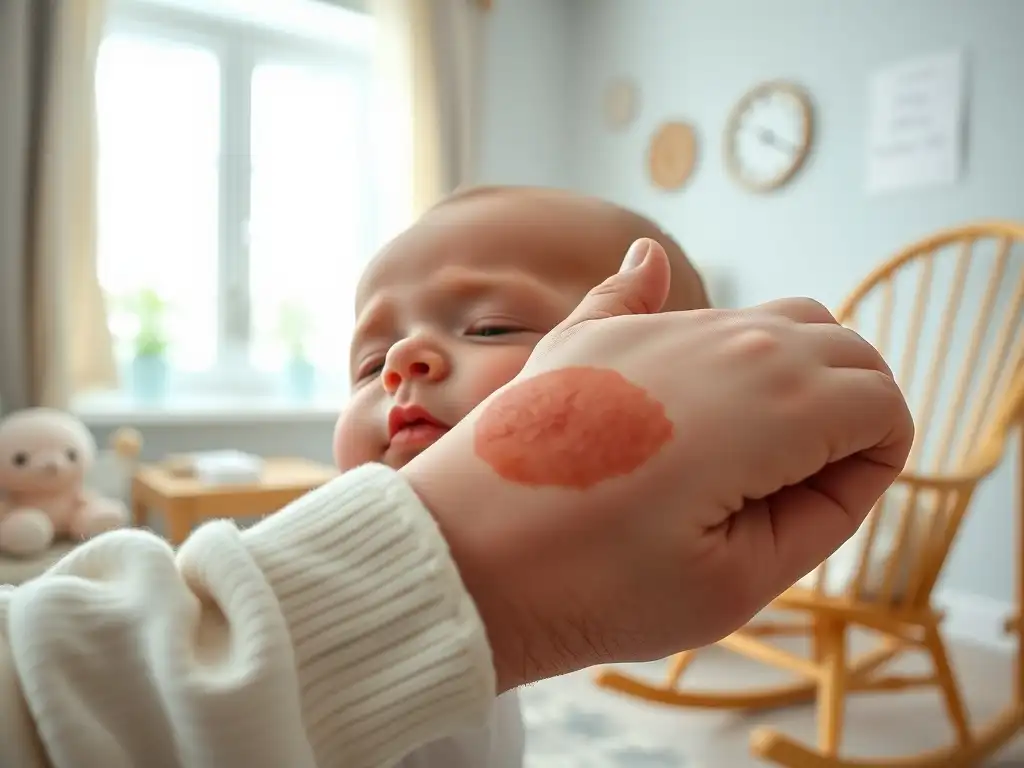
This section clarifies when a baby eczema doctor visit becomes necessary. While many mild cases of eczema can be managed at home with gentle skincare and moisturizing, certain situations demand professional medical intervention. Knowing when to seek help is crucial for preventing complications and ensuring your baby's comfort and well-being. This guide provides clear indicators that warrant a consultation with a pediatrician or dermatologist specializing in infant skin conditions. Early intervention is key in effectively managing baby eczema and minimizing its long-term impact.
Baby Eczema Doctor Visit: Necessity of Professional Assessment
A professional assessment is vital for several reasons. First, a doctor can accurately diagnose the condition, ruling out other skin problems that might mimic eczema, such as allergies, fungal infections, or other dermatological conditions. Accurate diagnosis ensures you receive the appropriate treatment. Second, a doctor can determine the severity of your baby's eczema. Mild eczema might respond well to home remedies, but moderate to severe cases often require prescription medications like topical corticosteroids or other specialized treatments. Third, the doctor can provide personalized guidance tailored to your baby's specific needs and skin type. This personalized approach ensures the most effective management strategy. Finally, regular check-ups allow the doctor to monitor the effectiveness of the treatment and adjust it as needed, preventing complications and ensuring optimal results. Ignoring these signs can lead to secondary infections, scarring, and prolonged discomfort for your baby. Remember, early intervention is key for successful eczema management.
Persistent Itching and Scratching Despite Home Remedies
Persistent itching and scratching, even after diligently applying home remedies and moisturizing creams, is a significant indicator that a baby eczema doctor visit is necessary. While gentle cleansers, emollients, and cool compresses can alleviate symptoms in many cases, unrelenting itching can disrupt your baby's sleep, lead to skin damage, and increase the risk of infection. If your baby's scratching is causing broken skin, bleeding, or crusting, it's a clear sign that professional help is needed. The doctor can assess the severity of the irritation and recommend more potent treatments to control the itching.
This might involve prescription-strength topical steroids or other medications to effectively manage the inflammation and reduce the urge to scratch. Don't underestimate the impact of persistent itching; it can significantly impact your baby's quality of life and overall well-being. Remember, a healthy baby is a happy baby! 😴
Signs of Infection: Pus, Fever, and Worsening Symptoms
The appearance of pus, fever, or a general worsening of eczema symptoms are serious signs requiring immediate medical attention. These indicate a possible secondary skin infection, a common complication of eczema. Infected eczema often presents with yellow or greenish pus, increased swelling, redness extending beyond the affected area, and a noticeable increase in pain and tenderness. A fever accompanies this in some cases. Ignoring these signs can lead to serious complications, requiring stronger antibiotics and potentially prolonged treatment.
Your doctor can diagnose the infection, prescribe appropriate antibiotics or antifungal medications, and provide guidance on managing the infection effectively. Early intervention is crucial to prevent the spread of infection and minimize potential long-term consequences. Don't hesitate to seek immediate medical help if you notice any of these warning signs. Your baby's health is paramount. 🤒
Baby Eczema Doctor Visit: Failure of Over-the-Counter Treatments
Many parents initially try over-the-counter (OTC) treatments for baby eczema, such as mild hydrocortisone creams or lotions containing colloidal oatmeal. These are often readily available at pharmacies and are generally considered safe for short-term use. However, if these OTC remedies fail to provide any improvement or if the eczema worsens despite consistent application for a reasonable period (typically one to two weeks, following product instructions carefully), it's crucial to seek professional medical advice.
This is especially important because untreated or poorly managed eczema can lead to secondary skin infections, which require prescription antibiotics. A pediatrician or dermatologist can accurately diagnose the severity of the eczema and recommend a more effective treatment plan, potentially including stronger topical corticosteroids or other specialized therapies. Remember, what works for one baby might not work for another, and a doctor can help tailor a treatment plan specific to your baby's needs.
Delaying a visit can prolong your baby's discomfort and potentially lead to complications. Don't hesitate to seek professional help if your attempts at home care prove insufficient.
Severe Skin Irritation and Discomfort Affecting Sleep and Feeding
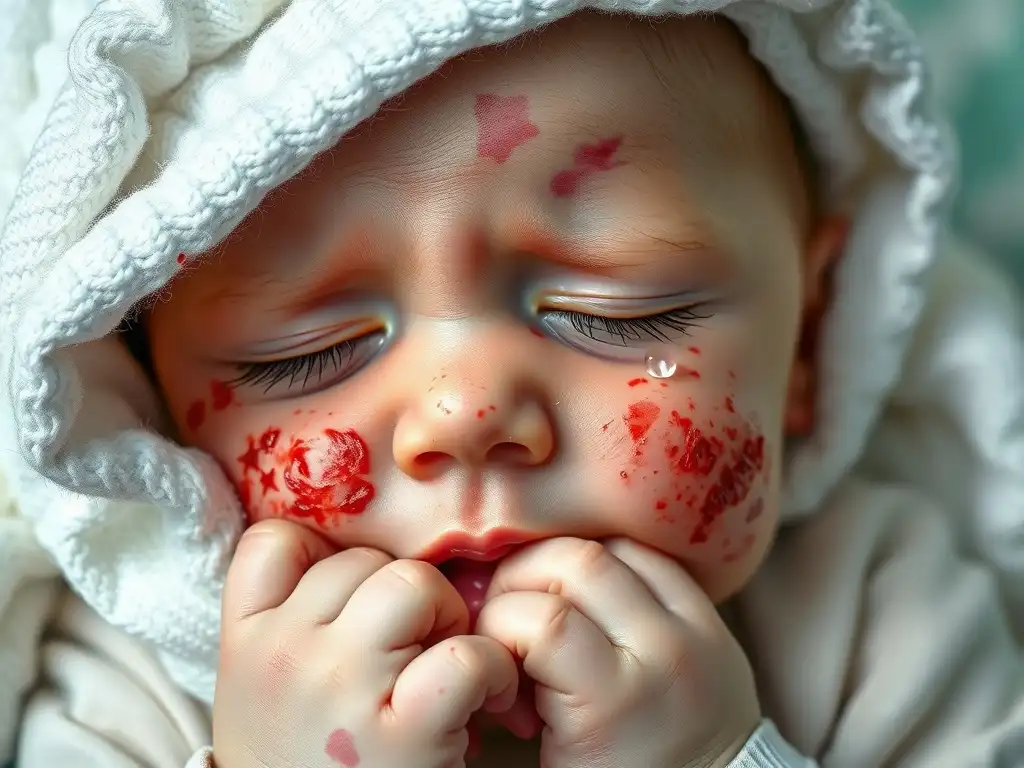
Baby eczema can cause intense itching and discomfort, leading to significant distress for your little one. If your baby's eczema is causing them considerable pain, leading to disrupted sleep patterns, irritability, and difficulties with feeding, it's time to seek medical attention. Constant scratching can break the skin, increasing the risk of infection. Furthermore, the discomfort can impact your baby's overall well-being, affecting their growth and development. A doctor can prescribe stronger medications to manage the symptoms and help your baby find relief.
For example, they might recommend a stronger topical steroid or even consider other treatments like wet wraps or phototherapy, depending on the severity of the condition. Remember, a well-rested and comfortably fed baby is a happy baby. Don't let severe eczema interfere with these essential aspects of your baby's health and development. Prioritize a doctor's visit to alleviate their suffering and improve their quality of life.
Widespread Eczema Affecting Large Portions of the Body
The extent of eczema coverage on your baby's body is a critical factor in determining when to seek medical help. While small patches of eczema might respond well to home care, widespread eczema affecting a significant portion of their body requires professional intervention. If the rash covers a large area, such as their entire face, limbs, or torso, it indicates a more severe case that needs specialized treatment.
This is because widespread eczema increases the risk of dehydration due to fluid loss through the affected skin. Furthermore, the larger surface area of inflammation means a higher chance of secondary infection. A doctor can assess the extent of the eczema, diagnose any underlying conditions that might be contributing, and provide a comprehensive treatment plan that addresses the severity and widespread nature of the condition.
They might recommend stronger topical medications, oral medications, or other specialized therapies to effectively manage the condition and prevent further complications. A doctor’s visit is particularly crucial in these cases to ensure your baby's overall health and well-being. Don't delay seeking professional help when facing widespread eczema; early intervention is key.
Secondary Skin Infections Associated with Eczema
Eczema, or atopic dermatitis, significantly compromises the skin barrier, making infants far more susceptible to secondary bacterial and viral infections. These infections can complicate eczema management and worsen symptoms dramatically. Common culprits include Staphylococcus aureus, a bacterium frequently found on the skin, and herpes simplex virus. The compromised skin barrier allows these pathogens easy entry, leading to a vicious cycle. The inflammation caused by eczema creates a perfect breeding ground for infection, while the infection itself further inflames the skin, exacerbating the eczema.
Identifying a secondary skin infection is crucial. Signs can include increased redness beyond the usual eczema patches, the development of pus-filled blisters or bumps (pustules), crusting or scaling that's thicker or more prominent than typical eczema, increased pain or tenderness in the affected areas, fever, and irritability in the baby. It's important to note that some infections may not present with obvious signs, making regular monitoring and professional assessment critical.
A pediatrician or dermatologist can accurately diagnose a secondary infection and prescribe appropriate treatment, often involving topical or oral antibiotics or antiviral medications. Delaying treatment can lead to more severe infections, requiring stronger medication and potentially longer recovery times. Early intervention is key to preventing complications and ensuring optimal healing.
Parents should not hesitate to seek medical attention if they suspect a secondary infection, even if the initial symptoms seem mild. The consequences of untreated infections can significantly impact the baby's comfort and overall health. Regular check-ups with a healthcare professional are vital in managing eczema and identifying potential complications promptly.
What to Expect During a Doctor's Visit for Baby Eczema

A doctor's visit for baby eczema, often prompted by a search for "baby eczema doctor visit," can feel daunting for first-time parents. However, understanding the process can alleviate anxiety. The appointment typically begins with a thorough history taking. Your pediatrician will want to know about the onset of the rash, its location, severity, and any associated symptoms like itching, weeping, or crusting.
They'll ask about your baby's overall health, any family history of eczema or allergies, and your current skincare routine. Be prepared to answer questions about potential triggers, such as detergents, soaps, fabrics, or food sensitivities. Remember to bring a detailed record of any home remedies you've already tried, including the products used and their effectiveness. This information is crucial for your doctor to accurately assess the situation and develop a personalized treatment plan.
Bringing photos of the rash, taken at different times, can also be very helpful. The doctor may also perform a physical examination, focusing on the affected areas to assess the severity and characteristics of the eczema. Finally, they will discuss treatment options and provide guidance on managing the condition at home. The entire process is designed to ensure your baby receives the best possible care, and open communication is key to a successful outcome.
Diagnosing Baby Eczema: Methods and Procedures
Diagnosing baby eczema is primarily done through a physical examination. Your pediatrician will carefully assess the appearance of the rash, looking for characteristic features such as dry, itchy patches, redness, inflammation, and sometimes weeping or crusting. There are no specific blood tests or scans routinely used to diagnose eczema. The doctor will rely on the visual inspection and your description of the symptoms to make a diagnosis.
However, if the doctor suspects a secondary infection or a more complex condition mimicking eczema, additional tests might be necessary. These could include skin cultures to identify any bacteria or fungi, or allergy testing to identify potential triggers. The diagnostic process is aimed at ruling out other skin conditions that may present similar symptoms.
It's important to remember that while the diagnosis is usually straightforward, a detailed history and careful examination are essential for accurate assessment and effective management of your baby's eczema. This process ensures your baby receives the correct treatment and minimizes any unnecessary discomfort. The objective is a swift and accurate diagnosis to begin alleviating the symptoms and improving your baby's quality of life.
Treatment Options for Baby Eczema: Prescription Creams and Medications
Treatment for baby eczema often involves topical corticosteroids, prescribed by your pediatrician. These creams and ointments reduce inflammation and itching. The strength of the corticosteroid will depend on the severity of the eczema. Milder cases may respond well to low-potency creams, while more severe cases might require stronger medications, used for shorter periods under strict medical supervision.
Your doctor may also prescribe other topical treatments such as calcineurin inhibitors (like pimecrolimus or tacrolimus), which are non-steroidal options suitable for long-term use in some cases. For severe eczema or if the eczema is infected, your pediatrician might recommend oral medications, such as antibiotics (for bacterial infections) or antihistamines (to help with itching). In rare instances, they might suggest phototherapy (light therapy) or other specialized treatments. The choice of treatment will always be tailored to your baby’s specific needs and the severity of their eczema.
Always follow your doctor's instructions carefully regarding application and dosage. Regular follow-up appointments are crucial to monitor the effectiveness of the treatment and make adjustments as needed. Remember to keep a detailed record of any reactions or changes in your baby's condition to share with your doctor. This collaborative approach is essential for effective eczema management.
Managing Eczema Triggers at Home: Advice from Your Pediatrician
Your pediatrician will likely offer extensive advice on managing eczema triggers at home. This is crucial for long-term eczema control. Common recommendations include using gentle, fragrance-free cleansers and moisturizers specifically designed for sensitive skin. Regular moisturizing is key to keeping your baby's skin hydrated and preventing flare-ups. Your doctor might suggest specific brands or types of products to use.
They will also likely advise on laundry practices, recommending hypoallergenic detergents and thoroughly rinsing clothes to remove any residue. The fabric of your baby's clothing can also be a trigger; soft, natural fabrics like cotton are often preferred over synthetic materials. Maintaining a cool and humid environment can also help. Your doctor may suggest using a humidifier, especially during dry seasons.
Furthermore, your pediatrician might advise on identifying and minimizing contact with potential allergens, such as pet dander, dust mites, or certain foods. This may involve regular cleaning, using dust mite covers for mattresses and pillows, and carefully monitoring your baby's diet if food allergies are suspected. Following your pediatrician's guidance on these home management strategies, in conjunction with prescribed treatments, is essential for effectively managing your baby's eczema and improving their quality of life. Remember, consistency is key to success in managing this condition.
Follow-Up Appointments and Long-Term Management Plan
Following the initial diagnosis and treatment plan for your baby's eczema, your pediatrician will likely schedule follow-up appointments. These appointments are crucial for monitoring the effectiveness of the treatment, assessing the severity of the eczema, and making any necessary adjustments to the plan.
The frequency of these appointments will depend on your baby's response to treatment; some babies may need weekly check-ups initially, while others might only require monthly visits once their condition stabilizes. During these follow-ups, your doctor will likely examine your baby's skin, ask about any changes in symptoms, and discuss any concerns you may have.
They may also adjust the dosage or type of medication, recommend changes to your baby's skincare routine, or suggest additional therapies, such as wet wraps or light therapy. Remember to always be completely honest and thorough when describing your baby's condition and any changes you observe, as this information is vital for effective management.
The long-term management of baby eczema often involves a combination of strategies aimed at minimizing flare-ups and improving your baby's quality of life. This might include regular moisturizing of the skin with hypoallergenic lotions and creams, careful attention to potential triggers (like certain detergents or fabrics), and consistent use of prescribed medications as directed by your doctor. The goal is to achieve and maintain periods of remission, minimizing the intensity and frequency of eczema flares. Your doctor will guide you in developing a personalized long-term plan, tailored to your baby's specific needs and sensitivities.
This plan will likely involve ongoing communication and adjustments as your baby grows and their condition evolves. This proactive approach is key to preventing severe complications and ensuring your baby's comfort. Don't hesitate to reach out to your pediatrician between scheduled appointments if you have any concerns or if your baby's eczema worsens unexpectedly.
Early intervention is crucial in managing baby eczema effectively. Remember, consistent care and proactive communication with your doctor are essential for long-term success in managing your baby's eczema. A collaborative approach between you and your healthcare provider ensures the best possible outcome for your little one.
Preventing Future Eczema Flare-Ups
Eczema, or atopic dermatitis, in babies can be incredibly challenging for both parents and the little one. While treatment focuses on managing current symptoms, proactive steps to prevent future flare-ups are crucial for long-term well-being. This involves a multifaceted approach encompassing environmental modifications, skincare routines, and close monitoring. A proactive approach can significantly reduce the frequency and severity of eczema episodes, improving your baby's comfort and quality of life. Remember, consistent effort is key to successful eczema management.
Identifying and Avoiding Eczema Triggers in Your Baby's Environment
Identifying and eliminating eczema triggers is paramount in preventing future flare-ups. Common culprits include allergens like dust mites, pet dander, pollen, and certain foods. Irritants such as harsh soaps, detergents, and fabrics can also exacerbate symptoms. Careful observation of your baby's reactions can help pinpoint these triggers.
For instance, a sudden worsening of eczema after introducing a new laundry detergent suggests a potential irritant. Similarly, a rash appearing after contact with a particular pet might indicate pet dander allergy. Keep a detailed diary noting potential triggers and your baby's responses. This will provide valuable information for your pediatrician and assist in developing a personalized management plan.
Consider these practical steps:
- Regular cleaning: Frequent vacuuming and washing of bedding, curtains, and soft furnishings can minimize dust mite exposure. Use hypoallergenic detergents and consider encasing mattresses and pillows in allergen-proof covers.
- Pet dander control: If you have pets, keep them out of your baby's room and regularly clean pet bedding. Consider professional cleaning services to thoroughly remove pet dander.
- Laundry practices: Always rinse clothes thoroughly after washing to remove detergent residue. Opt for fragrance-free, hypoallergenic detergents and softeners.
- Moisturized environment: Use a humidifier, especially during dry winter months, to maintain optimal humidity levels in your baby's room. Dry air can worsen eczema.
Maintaining Healthy Skin Habits for Your Baby
Maintaining healthy skin habits plays a vital role in preventing eczema flare-ups. This includes regular moisturizing, gentle cleansing, and avoiding harsh products. The goal is to keep your baby's skin hydrated and protected from irritants.
Here are some key strategies:
- Gentle cleansing: Use lukewarm water and mild, fragrance-free cleansers specifically designed for sensitive baby skin. Avoid harsh scrubbing.
- Regular moisturizing: Apply a fragrance-free, hypoallergenic moisturizer liberally after every bath and throughout the day. Choose emollients that create a protective barrier on the skin. This is arguably the most important step in preventing flare-ups.
- Bath time considerations: Keep bath times short (5-10 minutes) and use lukewarm water. Avoid overly hot water, which can strip the skin of its natural oils.
- Clothing choices: Dress your baby in soft, loose-fitting cotton clothing. Avoid wool or synthetic fabrics that can irritate sensitive skin.
Baby Eczema Doctor Visit: Regular Check-ups for Ongoing Support
Regular check-ups with your pediatrician are essential for ongoing support and management of your baby's eczema. These visits provide opportunities to monitor the condition's progress, discuss treatment strategies, and address any concerns. Your pediatrician can also identify potential complications and recommend appropriate interventions. Don't hesitate to schedule a Baby Eczema Doctor Visit if you notice any worsening of symptoms or have questions about your baby's care.
Remember, consistent monitoring and proactive measures are crucial for preventing future eczema flare-ups. While home management is important, professional guidance from your pediatrician is invaluable in developing a personalized plan and ensuring your baby's well-being. Early intervention and regular check-ups can significantly improve your baby's quality of life and reduce the long-term impact of eczema. Even seemingly minor changes in your baby's skin can be significant indicators; therefore, proactive monitoring and communication with your pediatrician are crucial. This proactive approach to eczema management reflects a commitment to your baby's health and happiness.
Frequently Asked Questions
When should I take my baby with eczema to see a doctor?
You should seek professional medical help if your baby's eczema is severe, causing significant discomfort, or not responding to home remedies. Consider a visit if there are signs of infection like pus or fever.
What kind of doctor should I see for baby eczema?
A pediatrician is usually the first point of contact for baby eczema. They can diagnose the condition and recommend treatment or refer you to a dermatologist for more specialized care if needed.
My baby's eczema seems worse. What should I do?
If your baby's eczema suddenly worsens, increases in severity, or you notice new symptoms, contact your pediatrician immediately. Don't hesitate to seek medical advice for escalating symptoms.
What questions should I ask the doctor about my baby's eczema?
Ask about treatment options, potential triggers, and long-term management strategies. Inquire about the effectiveness and potential side effects of any prescribed medications.
Are there any home remedies I can try before a doctor visit?
While home remedies like gentle cleansers and moisturizers can help, they shouldn't replace professional medical advice. Use them in conjunction with, not instead of, a doctor's recommendations, especially if symptoms are severe.
The persistent discomfort of baby eczema affects countless families, highlighting the crucial need for early intervention and informed decision-making. This seemingly simple skin condition can significantly impact a baby's quality of life, sleep patterns, and even their overall development. Understanding when professional medical help is necessary is not just about managing symptoms; it's about ensuring your little one's comfort and well-being.
The emotional toll of witnessing your baby struggle with itchy, inflamed skin is immense. It's a journey filled with uncertainty, sleepless nights, and the constant worry of potential complications. This experience underscores the importance of open communication with healthcare professionals and the power of seeking expert guidance. The best thing you can do is to be proactive and not hesitate to seek help when you need it. Your baby's comfort and health are paramount.
This simple truth, often overlooked in the face of uncertainty, is the cornerstone of effective eczema management.
Now, consider your own experience with baby eczema, or perhaps the experiences of loved ones. What were the key moments that led you to seek professional help? What insights did you gain from that experience? Remember, you are not alone in this journey.
Take the time to reflect on the information presented in this article and empower yourself to advocate for your baby's health. Don't hesitate to reach out to a pediatrician or dermatologist at the first sign of concern. Your proactive approach can make a world of difference in your baby's life, ensuring they can thrive, free from the relentless itch of eczema.
Unlock Your Baby's Comfort: Take the Next Step
Thank you for learning about baby eczema and when to seek professional help. We hope this information empowers you to confidently care for your baby's skin. Now, let's put this knowledge into action!
- Schedule a consultation with your pediatrician or dermatologist: Early intervention is key to ensuring your baby receives the correct diagnosis and treatment for eczema. Don't hesitate to seek professional help.
- Connect with other parents: Join our supportive online community, BabyCareHub, to share experiences and learn from others facing similar challenges. You'll find comfort and practical advice.
- Explore our eczema resources: Discover helpful articles, videos, and expert advice on managing eczema and soothing your baby's skin. We offer a wealth of information to support you.
Ready to give your baby the best possible care? What was the most valuable information you learned about seeking professional help for baby eczema?