
Baby Eczema: Recognizing and Managing Infections

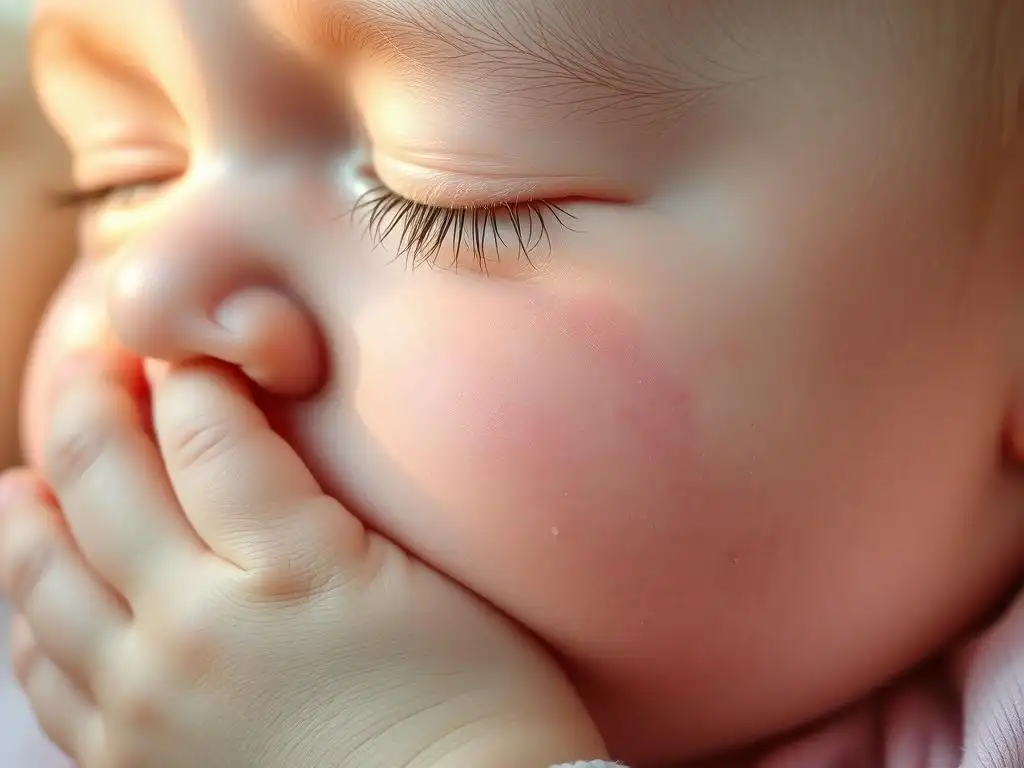
Welcome to BabyCareHub, your ultimate guide to navigating the incredible journey of parenthood. Are you facing the challenge of baby eczema infection? We understand the worry and frustration this can bring. Discover practical, step-by-step advice and expert insights on recognizing, managing, and treating this common skin condition. Prepare to feel empowered and confident in caring for your little one's delicate skin – let's dive in!
- Understanding Baby Eczema and Infection Risk
- Recognizing Signs of Infection in Eczema-Affected Skin
-
Managing Eczema Infections: Effective Treatment Strategies
- Baby Eczema Infection Treatment: Immediate Steps to Take
- Antibiotic Treatment for Bacterial Infections in Baby Eczema
- Antiviral Treatments for Viral Infections Associated with Eczema
- Antifungal Treatments for Fungal Infections in Baby Eczema
- Over-the-Counter Treatments for Minor Eczema Irritations
- Home Remedies and Soothing Practices for Baby Eczema (with cautions)
- Preventing Eczema Infections: Proactive Care
- When to Consult a Healthcare Professional for Baby Eczema Infection Treatment
- Frequently Asked Questions
- Final Reflection: The Enduring Struggle and Hope in Baby Eczema
- Unveil Your Baby's Glowing Skin: Actionable Steps for Eczema Care
Understanding Baby Eczema and Infection Risk
Baby eczema, also known as atopic dermatitis, is a common inflammatory skin condition affecting many infants. It's characterized by dry, itchy, and inflamed skin, often appearing as red patches, especially on the face, scalp, and creases of the elbows and knees. This article will delve into the crucial connection between baby eczema and the increased risk of skin infections, providing parents with vital information to recognize, manage, and treat these infections effectively. Understanding the nuances of eczema and its potential complications is key to ensuring your baby's skin health and overall well-being. We'll explore the typical signs and symptoms of eczema, the reasons why it makes babies more vulnerable to infections, and practical steps to minimize the risk and manage any resulting infections. This comprehensive guide aims to empower parents with the knowledge to navigate the challenges of baby eczema and provide the best possible care for their little ones.
What is Baby Eczema (Atopic Dermatitis)?
Baby eczema, or atopic dermatitis, is a chronic inflammatory skin condition. It's not contagious and often appears in infancy, sometimes improving or resolving by early childhood, while for others it can persist into adulthood. The exact cause isn't fully understood, but it's believed to be a combination of genetic predisposition and environmental factors. A compromised skin barrier function plays a significant role, leading to dryness, inflammation, and increased susceptibility to irritants and allergens.
Infants with eczema often experience intensely itchy skin, leading to scratching which can break the skin and increase the risk of infection. Managing baby eczema effectively involves understanding its underlying mechanisms and adopting appropriate skincare routines. Early intervention and consistent care are crucial for minimizing symptoms and preventing complications. Early identification of eczema is crucial for effective management.
Common Signs and Symptoms of Eczema in Infants
Recognizing eczema in babies can be crucial for early intervention. Common signs and symptoms include:
- Dry, scaly skin: This is often the first noticeable sign. The skin may appear rough and flaky.
- Red, inflamed patches: These patches typically appear on the face, scalp, and creases of the elbows and knees, but can occur anywhere on the body.
- Intense itching: Babies with eczema often scratch excessively, leading to skin irritation and potential secondary infections.
- Small, raised bumps: These bumps may weep or crust over.
- Thickened skin: In chronic cases, the skin may become thickened and leathery.
- Possible weeping or crusting: If the skin is scratched intensely, it can weep fluid or develop crusts.
It's important to note that the severity of eczema can vary greatly. Some babies might experience mild symptoms, while others have more severe and widespread involvement. If you suspect your baby has eczema, consulting a pediatrician or dermatologist is essential for proper diagnosis and management. Early diagnosis and treatment can significantly improve the baby’s comfort and reduce the risk of complications.
How Eczema Increases the Risk of Skin Infections
The compromised skin barrier in eczema makes babies more susceptible to skin infections. The dry, cracked skin provides an easy entry point for bacteria and viruses. The constant itching and scratching further exacerbate the problem, breaking the skin and creating open wounds. These wounds are ideal breeding grounds for infection. Common bacterial infections associated with eczema include Staphylococcus aureus, often leading to impetigo (characterized by honey-colored crusts) or cellulitis (a deeper skin infection).
Viral infections, such as herpes simplex virus, can also complicate eczema. Recognizing the signs of infection—increased redness, swelling, pain, pus, or fever—is crucial for prompt medical attention. Early treatment with appropriate antibiotics or antiviral medications is vital to prevent serious complications. Prevention strategies, such as keeping fingernails short and moisturizing the skin regularly, can significantly reduce the risk of infection. Careful hygiene practices and avoiding irritants also contribute to a healthier skin barrier.
Identifying Potential Infection Sources in Baby Eczema
Infections are a significant concern for babies with eczema, as the compromised skin barrier makes them more vulnerable. Identifying the source of a potential infection is crucial for effective treatment and preventing recurrence. Several factors can contribute to infections in babies with eczema. One primary source is bacteria, often Staphylococcus aureus, a common skin inhabitant.
In babies with eczema, the skin's protective barrier is weakened, allowing bacteria to easily penetrate and cause infection, leading to symptoms like weeping sores, crusting, and increased redness beyond the typical eczema rash. This is often accompanied by increased pain and irritability in the baby. The infection can manifest as impetigo, a highly contagious bacterial skin infection characterized by honey-colored crusts. Prompt diagnosis and treatment with appropriate antibiotics are crucial in these cases.
Another potential source of infection is viruses. While eczema itself doesn't directly cause viral infections, the compromised skin barrier can make babies more susceptible to them. Viral infections like herpes simplex virus (HSV) can manifest as painful blisters or sores on the affected skin. These infections often require antiviral medications for treatment. Recognizing the distinctive characteristics of viral infections, such as the presence of blisters, is vital for accurate diagnosis and appropriate management.
Finally, fungi, such as Candida albicans, can also cause infections in babies with eczema. These fungal infections often present as bright red, raised patches with a slightly scaly or moist appearance, particularly in skin folds. Fungal infections require antifungal treatments.
Careful observation of the characteristics of the rash, and potentially a skin scraping for laboratory analysis, aids in differentiating a fungal infection from other causes. The location of the infection can also be indicative; fungal infections frequently occur in areas with moisture and warmth, such as the diaper area or skin folds. Proper hygiene and keeping the affected area dry are essential preventative measures.
Early identification of the infection source is key to preventing complications and ensuring the baby's comfort and well-being. Remember, if you suspect your baby has a secondary infection related to their eczema, consult a pediatrician immediately for proper diagnosis and treatment. Early intervention is crucial in managing these infections effectively and minimizing their impact on your baby's health.
Recognizing Signs of Infection in Eczema-Affected Skin
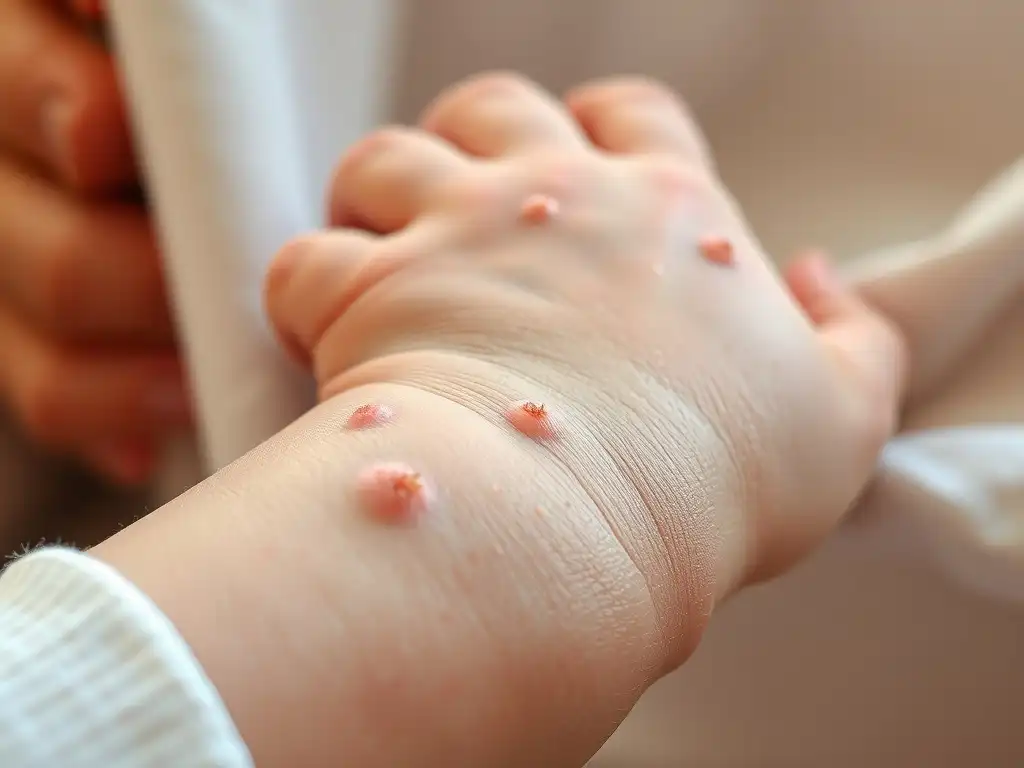
Eczema, or atopic dermatitis, already presents a challenge for babies and their parents. However, the compromised skin barrier associated with eczema makes babies significantly more susceptible to skin infections. Recognizing the signs of infection is crucial for timely intervention and preventing complications. Early detection and appropriate baby eczema infection treatment are paramount to minimizing discomfort and potential long-term effects. Identifying infection requires careful observation and a keen eye for subtle changes in the eczema rash.
While a flare-up might look inflamed, an infection presents distinct characteristics that go beyond typical eczema symptoms. These differences are critical in guiding treatment decisions, as the approach to treating an infected eczema lesion differs significantly from managing a simple flare-up. Remember, if you are unsure, always consult your pediatrician. They can provide accurate diagnosis and appropriate baby eczema infection treatment plans.
Bacterial Skin Infections in Eczema: Identifying Impetigo and Cellulitis
Bacterial infections are common complications of eczema. Two prevalent bacterial skin infections frequently associated with eczema are impetigo and cellulitis. Impetigo, often caused by Staphylococcus aureus or Streptococcus pyogenes, presents as honey-colored crusts or blisters, typically on the face, but can spread. These lesions are often itchy and may be accompanied by some swelling.
Cellulitis, a deeper skin infection, is characterized by more widespread redness, swelling, warmth, and pain. It can be more serious than impetigo and may require stronger antibiotics for effective baby eczema infection treatment. Differentiating between a simple eczema flare-up and these bacterial infections is crucial. A simple eczema flare-up might be itchy and red, but it generally lacks the honey-colored crusts of impetigo or the intense swelling and pain of cellulitis.
| Infection Type | Characteristics | Treatment |
|---|---|---|
| Impetigo | Honey-colored crusts, blisters, itchiness | Topical or oral antibiotics |
| Cellulitis | Widespread redness, swelling, warmth, pain, fever (possible) | Oral antibiotics, sometimes hospitalization |
Viral infections can also complicate eczema. Herpes simplex virus (HSV), commonly known as cold sores or oral herpes, can manifest as painful blisters or ulcers, especially around the mouth. This is often referred to as eczema herpeticum and can be very serious, particularly in infants. Other viral infections can occur, but are less frequent. The appearance of these viral infections can vary, but they often present as clusters of small blisters or vesicles that may be accompanied by fever and systemic symptoms.
Effective baby eczema infection treatment for HSV frequently involves antiviral medications. The severity of the infection dictates the course of treatment, which can range from topical antiviral creams to systemic antiviral medications. Early identification is vital in managing HSV infections effectively. Prompt medical attention is crucial, as these infections can be severe and require immediate intervention.
Fungal Infections in Eczema: Candidiasis (Yeast Infection)
Fungal infections, particularly candidiasis (a yeast infection caused by Candida albicans), are another common concern in eczema-affected skin. These infections frequently appear in skin folds, such as the groin, underarms, or neck, presenting as bright red, shiny patches with possible satellite lesions (smaller, similar lesions surrounding the main patch). The affected area may be itchy and may have a slightly raised border. While candidiasis is common in babies with eczema, it's important to differentiate it from other skin conditions.
For example, while both candidiasis and eczema can cause redness and itchiness, candidiasis often presents with a more defined, bright red border and a characteristic satellite lesion pattern. Appropriate baby eczema infection treatment for candidiasis generally involves antifungal creams or ointments. However, severe cases may necessitate oral antifungal medication. Maintaining skin hygiene and using appropriate moisturizers helps prevent these infections.
Recognizing the Signs: When to Seek Medical Attention
Recognizing when eczema has progressed to a secondary infection is crucial for effective baby eczema infection treatment. While eczema itself is not an infection, the compromised skin barrier makes babies highly susceptible to bacterial or viral infections. These infections can significantly worsen the discomfort and inflammation associated with eczema. Therefore, vigilant monitoring is essential.
Parents should be particularly alert to changes in the appearance of the eczema. A simple rash might become infected, presenting noticeable differences. For example, a typical eczema patch might be dry, scaly, and itchy, but an infected patch will often exhibit additional symptoms. These symptoms can include increased redness and swelling that extends beyond the usual eczema borders. The skin may become noticeably warmer to the touch than the surrounding areas. Pus-filled blisters or weeping sores are strong indicators of infection, as is a significant increase in pain and tenderness.
Beyond visual changes, systemic symptoms can also signal an infection. Fever, irritability, and lethargy are important warning signs that require immediate attention. A baby who is unusually fussy or difficult to soothe, especially when coupled with skin changes, could be experiencing the effects of a secondary infection.
These systemic symptoms are often a sign of a more serious infection requiring immediate medical intervention. Don't hesitate to contact your pediatrician if you observe any of these signs; prompt treatment is key to preventing complications. Early detection is essential for effective baby eczema infection treatment and prevents the infection from spreading or worsening.
Remember, each baby responds differently, and the severity of symptoms can vary. If you are unsure whether your baby's eczema has become infected, it's always best to err on the side of caution and seek professional medical advice. Your pediatrician will be able to accurately diagnose the situation and recommend the appropriate baby eczema infection treatment plan. Delaying treatment can lead to more severe complications, so prompt action is paramount. Your pediatrician can also provide guidance on preventing future infections and managing your baby's eczema effectively.
Managing Eczema Infections: Effective Treatment Strategies
Eczema, or atopic dermatitis, is a common inflammatory skin condition in babies, characterized by dry, itchy skin. While eczema itself isn't contagious, the compromised skin barrier makes babies more susceptible to secondary infections, significantly impacting their comfort and overall health. Effective management of these infections is crucial for preventing complications and improving the baby's quality of life. This section focuses on recognizing and treating common infections associated with baby eczema, offering practical strategies for parents navigating this challenge.
Successfully treating a baby eczema infection requires a multifaceted approach that addresses both the infection and the underlying eczema. Ignoring the underlying condition will only lead to recurring infections. This is why a holistic approach, including managing the eczema itself, is so vital in preventing future outbreaks and complications.
Baby Eczema Infection Treatment: Immediate Steps to Take
The first step in treating a baby eczema infection involves recognizing the signs. These can include increased redness, swelling, pus-filled blisters, crusting, or a worsening of existing eczema symptoms, potentially accompanied by fever or irritability. If you suspect an infection, it's crucial to seek professional medical advice immediately. Do not attempt self-medication. A pediatrician or dermatologist can properly diagnose the type of infection (bacterial, viral, or fungal) and prescribe the appropriate treatment.
While waiting for professional medical attention, you can take some steps to soothe your baby's discomfort. These include:
- Gentle cleansing: Wash the affected area with lukewarm water and a mild, fragrance-free cleanser. Avoid harsh soaps or scrubbing.
- Cool compresses: Applying cool, damp compresses to the affected area can help reduce inflammation and itching.
- Hydration: Ensure your baby is well-hydrated by offering frequent breast milk or formula feedings. Hydrated skin is more resilient.
- Loose clothing: Dress your baby in soft, loose-fitting clothing to minimize irritation. Avoid fabrics that are rough or scratchy.
- Nail care: Keep your baby's nails trimmed short to prevent scratching and further skin damage.
Antibiotic Treatment for Bacterial Infections in Baby Eczema
Bacterial infections, often indicated by pus-filled blisters or crusting, are common secondary infections in eczema. These are usually treated with topical antibiotics, such as mupirocin ointment, applied directly to the affected area as directed by a physician. In more severe cases, oral antibiotics may be necessary.
The choice of antibiotic and the duration of treatment will depend on the severity of the infection and your baby's overall health. It's crucial to complete the full course of antibiotics, even if the infection seems to clear up before the prescribed end date. Stopping early can lead to antibiotic resistance and recurrence of the infection.
It is important to note that the overuse of antibiotics can lead to antibiotic resistance. Therefore, it's essential to follow your doctor's instructions carefully and only use antibiotics when necessary. Always consult with your pediatrician or dermatologist before using any medication on your baby's skin. They will assess the specific needs of your child and determine the best course of action.
Viral infections, such as herpes simplex virus (HSV), can also complicate eczema. These infections may present as small, fluid-filled blisters or clusters of blisters that can be painful and itchy. Treatment for viral infections associated with baby eczema often focuses on managing symptoms and preventing complications. Antiviral medications, such as acyclovir, may be prescribed in severe cases or if the infection is widespread.
However, many viral infections will resolve on their own with supportive care. This care may include keeping the affected area clean and dry, applying cool compresses, and administering pain relievers as directed by your pediatrician. Just as with bacterial infections, a healthcare professional should diagnose and guide the treatment process. Do not attempt to self-diagnose or self-treat viral infections.
Remember, early intervention is key in managing eczema infections. Regular monitoring of your baby's skin, prompt medical attention when necessary, and consistent adherence to your doctor's treatment plan are crucial for successful management and prevention of future complications. A proactive approach towards eczema care can significantly improve your baby's overall well-being and quality of life. Always prioritize a doctor's assessment and recommendations for your baby's health.
Antifungal Treatments for Fungal Infections in Baby Eczema
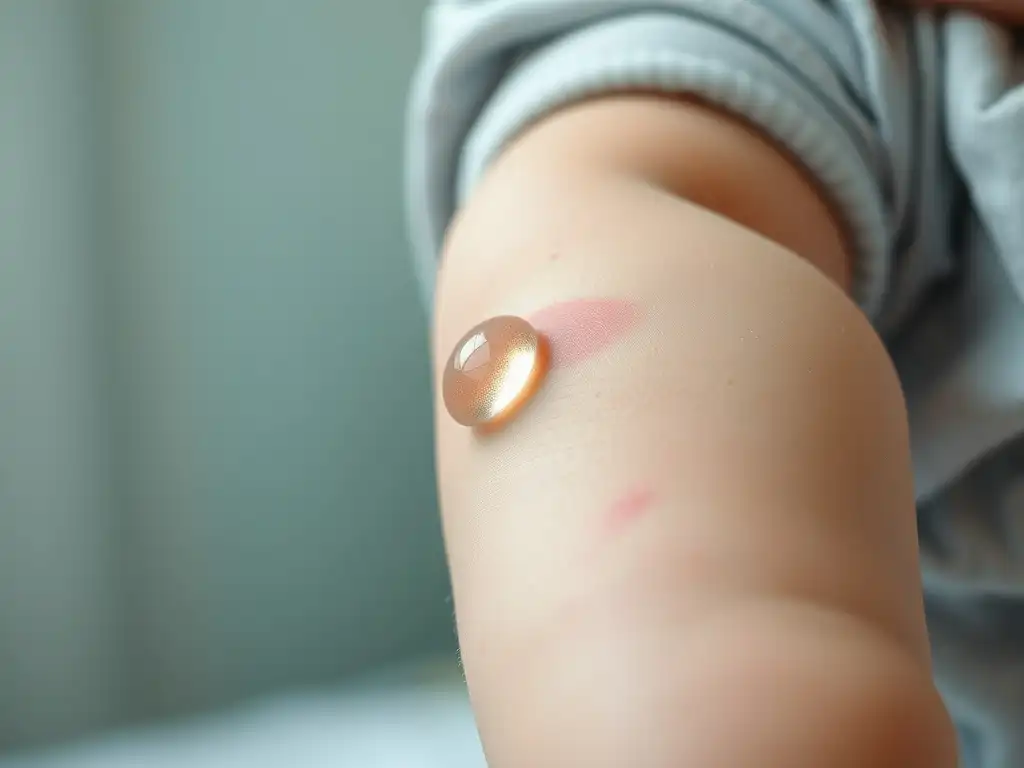
Fungal infections, often manifesting as yeast infections, can complicate baby eczema. These infections thrive in the moist environment created by eczema's characteristic inflammation. Identifying a fungal infection is crucial because it requires a different treatment approach than eczema itself. Symptoms often include bright red, sharply defined patches, often with tiny pustules or blisters, especially in skin folds like the groin or neck. The affected area might also be unusually shiny or have a slightly raised appearance. Unlike eczema's dry, itchy patches, fungal infections can be surprisingly moist.
Treatment typically involves antifungal creams or ointments. Your pediatrician will prescribe the appropriate medication, often a topical azole like clotrimazole or miconazole. These medications work by disrupting the fungal cell membrane, preventing the fungus from growing and spreading. It's vital to follow the doctor's instructions meticulously regarding application frequency and duration.
Prematurely stopping treatment could lead to recurrence or resistance. Remember, never self-treat a suspected fungal infection; always consult a healthcare professional for diagnosis and treatment. They can accurately identify the infection and prescribe the most effective antifungal medication for your baby's specific situation. Improper treatment can prolong suffering and potentially lead to complications.
Over-the-Counter Treatments for Minor Eczema Irritations
For minor eczema flare-ups that don't involve secondary infections, over-the-counter (OTC) treatments can offer relief. However, it’s important to understand their limitations. These treatments primarily address symptoms like itching and inflammation, not the underlying condition itself. They are best used under the guidance of a pediatrician, particularly for infants.
Common OTC options include hydrocortisone cream (low potency), which helps reduce inflammation and itching. Always follow the dosage instructions carefully, as overuse can thin the skin. Oatmeal baths can also soothe irritated skin. Look for colloidal oatmeal products specifically formulated for babies. These products are generally safe and can help calm the itch, but they won't cure the eczema.
Moisturizers are also crucial; look for fragrance-free, hypoallergenic options to minimize irritation. Regular moisturizing helps maintain the skin barrier, preventing further dryness and cracking. Remember, OTC treatments are for symptom relief, not a cure. If symptoms persist or worsen, seek professional medical advice. Early intervention can often prevent minor irritations from escalating into more serious problems.
Home Remedies and Soothing Practices for Baby Eczema (with cautions)
While several home remedies are touted for eczema relief, it's crucial to approach them with caution, especially with infants. Some remedies lack scientific backing, and others may even be harmful. Always consult your pediatrician before trying any home remedy on your baby.
One commonly suggested remedy is applying cool, damp compresses to soothe inflamed skin. The coolness can help reduce itching and inflammation. However, ensure the compress is not too cold to avoid chilling the baby. Similarly, lukewarm baths with colloidal oatmeal can be soothing. Avoid using harsh soaps or detergents, as these can further irritate the skin. Gentle, fragrance-free cleansers are preferable.
Keeping the baby's nails trimmed short can prevent scratching and secondary infections. However, remember that home remedies are supplementary, not primary treatments. They can provide comfort but do not replace the need for professional medical care if the eczema is severe or persistent. Always prioritize medical advice over anecdotal remedies, especially when dealing with a vulnerable infant. Misinformation can be detrimental to your baby's health. 👶
Preventing Eczema Infections: Proactive Care
Eczema, or atopic dermatitis, in babies often leaves the skin vulnerable to infections. Preventing these infections is crucial for your baby's comfort and overall health. This section focuses on proactive strategies to minimize the risk of bacterial or viral infections commonly associated with eczema flare-ups. Remember, consistent care is key to managing baby eczema and reducing the likelihood of infection. Early intervention and preventative measures are far better than dealing with a full-blown infection. This proactive approach is vital for effective baby eczema infection treatment.
Maintaining Skin Hydration to Prevent Infections
Dry, cracked skin is a breeding ground for bacteria. Keeping your baby's skin properly hydrated is the cornerstone of preventing eczema infections. This requires a multi-pronged approach:
- Regular Bathing: Bathe your baby in lukewarm water, avoiding excessively hot water which can further dry the skin. Limit bath time to 5-10 minutes.
- Gentle Cleansers: Use fragrance-free, hypoallergenic cleansers specifically formulated for sensitive baby skin. Avoid harsh soaps and detergents.
- Moisturizing Immediately After Bathing: While the skin is still slightly damp, apply a thick, fragrance-free moisturizer. This helps to lock in moisture and create a protective barrier. Look for moisturizers containing ingredients like ceramides or hyaluronic acid, which are excellent humectants.
- Frequent Moisturizing Throughout the Day: Don't just moisturize after bath time. Apply moisturizer several times a day, especially after diaper changes, to keep the skin consistently hydrated. This is especially important during dry weather or in environments with low humidity.
- Humidifier Use: In dry climates, consider using a cool-mist humidifier to add moisture to the air, reducing dryness and improving skin hydration.
Proper Hygiene Practices to Minimize Infection Risk
Maintaining good hygiene is paramount in preventing eczema infections. While it's important to avoid over-washing, careful attention to cleanliness can reduce the risk of bacterial or viral growth:
- Clean Hands: Always wash your hands thoroughly with soap and water before handling your baby, especially before applying creams or lotions. This prevents the transfer of bacteria or viruses to your baby's delicate skin.
- Clean Clothing and Bedding: Use hypoallergenic detergents and avoid fabric softeners, which can irritate sensitive skin. Wash clothes and bedding regularly in hot water to kill any bacteria or allergens.
- Nail Care: Keep your baby's nails trimmed short to prevent scratching, which can break the skin and increase the risk of infection.
- Avoid Sharing Towels and Clothing: To prevent the spread of infection, avoid sharing towels and clothing with other family members.
Proper hygiene is a crucial part of effective baby eczema infection treatment and prevention. Consistent application of these practices significantly reduces the risk of complications.
Identifying and Avoiding Eczema Triggers
Identifying and avoiding eczema triggers is a critical step in preventing flare-ups and subsequent infections. Triggers vary from baby to baby, but common culprits include:
- Allergens: Food allergens (like dairy, eggs, soy, or peanuts) can manifest as eczema flare-ups. Keeping a detailed food diary can help identify potential food triggers.
- Irritants: Harsh soaps, detergents, lotions, and fabrics can irritate sensitive skin. Switching to hypoallergenic alternatives can significantly reduce flare-ups.
- Environmental Factors: Dry air, extreme temperatures, and certain fabrics (like wool or synthetic materials) can exacerbate eczema symptoms.
- Stress: Although harder to control, stress can influence eczema severity. A calm and supportive environment is beneficial for your baby's overall well-being.
Understanding your baby's individual triggers and implementing appropriate avoidance strategies is a vital component of long-term baby eczema infection treatment and overall eczema management. This proactive approach can significantly reduce the frequency and severity of flare-ups, thereby minimizing the risk of secondary infections. Careful observation and record-keeping are essential to successful trigger identification.
The Role of Diet in Managing Eczema and Preventing Infections

A baby's diet plays a crucial role in managing eczema and preventing infections. While there's no single "cure-all" diet, certain dietary modifications can significantly reduce eczema severity and the risk of secondary infections. For breastfed babies, the mother's diet is key. Eliminating common allergens like dairy, eggs, soy, peanuts, wheat, and fish from the mother's diet – one at a time to identify the culprit – may reduce the severity of the baby's eczema symptoms. 1 It's important to consult with a pediatrician or registered dietitian before making significant dietary changes, as nutritional deficiencies can compromise the baby's immune system, increasing susceptibility to infection. They can help create a balanced elimination diet that ensures the baby receives all necessary nutrients.
Introducing solid foods should be approached cautiously. Start with single-ingredient purees, introducing one new food every few days to monitor for allergic reactions. Common allergenic foods should be introduced gradually and monitored closely for any worsening of eczema symptoms or signs of infection, such as increased redness, weeping, crusting, or fever. 2 If a reaction is suspected, immediately discontinue the food and consult a pediatrician. Maintaining a food diary can be invaluable in tracking potential triggers and their impact on the baby's skin. Remember, the goal is to identify and manage dietary triggers to minimize eczema flare-ups and the subsequent risk of infection.
Long-Term Eczema Management for Preventing Future Infections
Long-term eczema management focuses on preventing future infections and maintaining the baby’s skin health. This involves a multifaceted approach that goes beyond immediate symptom relief. Regular moisturizing is paramount. Applying a thick, fragrance-free moisturizer several times a day helps maintain the skin barrier, preventing dryness and cracking, which are entry points for infection. 3 Choose emollients that are hypoallergenic and suitable for sensitive skin. The consistency of application is vital; missing even a few days can lead to a relapse in symptoms.
Regular check-ups with a pediatrician or dermatologist are also crucial. They can monitor the eczema's progression, identify potential complications, and adjust treatment plans as needed. This proactive approach is key to preventing severe flare-ups and secondary infections. Furthermore, parents should be educated on recognizing the signs of infection, such as increased redness, swelling, pus, fever, or increased irritability.
Early detection and prompt treatment are essential to prevent the infection from spreading or becoming more severe. This education is often an important part of long-term management plans discussed with healthcare professionals. Finally, managing stress levels within the family can also contribute to better eczema management, as stress can exacerbate the condition. A calm and supportive environment can help minimize flare-ups and support the baby's overall well-being.
1 [Specific reference to a study on maternal diet and infant eczema pending] 2 [Specific reference to a study on introducing solids and eczema pending] 3 [Specific reference to a study on moisturizers and eczema prevention pending]
When to Consult a Healthcare Professional for Baby Eczema Infection Treatment
Baby eczema, or atopic dermatitis, is a common skin condition in infants, often characterized by dry, itchy patches. While typically not life-threatening, eczema can become infected, necessitating prompt medical attention. Understanding when to seek professional help is crucial for effective baby eczema infection treatment and preventing complications. Delaying treatment can lead to worsening symptoms, increased discomfort for your baby, and potential secondary infections.
Recognizing Serious Symptoms Requiring Immediate Medical Attention
Several signs indicate a potential eczema infection requiring immediate medical attention. These are not just minor flare-ups; they represent a serious escalation requiring urgent professional assessment and treatment. Don't hesitate to contact your pediatrician or other healthcare provider if you observe:
- Fever: A high temperature (above 100.4°F or 38°C) accompanied by eczema symptoms suggests a possible systemic infection.
- Increased Swelling and Redness: Significant swelling beyond the typical eczema patch, accompanied by intense redness that spreads rapidly, indicates potential infection.
- Pus or Yellowish Discharge: The appearance of pus or a yellowish discharge from the affected area is a clear sign of bacterial infection.
- Crusting or Scabbing: Thick, crusty scabs forming over the eczema patches often signal a secondary infection.
- Lymphadenopathy: Swollen lymph nodes near the affected area are a warning sign of a possible infection spreading.
- Lethargy or Irritability: Unusual lethargy, excessive crying, or significant changes in your baby's behavior beyond typical eczema-related fussiness may be indicative of a deeper problem.
Ignoring these severe symptoms can lead to more extensive infections, requiring stronger antibiotics or other interventions. Early intervention is key to minimizing discomfort and preventing long-term complications. Remember, it's always better to err on the side of caution when dealing with your baby's health. 👶
Choosing the Right Healthcare Provider for Your Baby's Needs
Selecting the appropriate healthcare professional for your baby's eczema is crucial for effective baby eczema infection treatment. Several options exist, each with strengths and limitations:
- Pediatrician: Your pediatrician is the primary care provider for your baby's overall health, making them an excellent first point of contact for eczema concerns. They can assess the severity of the condition, diagnose infections, and recommend appropriate treatments.
- Dermatologist: A dermatologist specializes in skin conditions. If your pediatrician suspects a complicated case or needs additional expertise, they may refer you to a dermatologist for specialized assessment and treatment of your baby's eczema.
- Family Doctor (General Practitioner): In some cases, your family doctor can provide initial assessment and treatment for mild infections. However, for more complex cases, they may recommend referral to a pediatrician or dermatologist.
The choice often depends on the severity of the eczema and the availability of specialists. For mild flare-ups, your pediatrician might suffice. However, for severe infections or persistent issues, consulting a dermatologist offers specialized expertise. Don't hesitate to seek a second opinion if you have concerns about your baby's treatment plan.
Questions to Ask Your Doctor About Baby Eczema and Infections
Effective communication with your healthcare provider is vital for successful baby eczema infection treatment. Preparing a list of questions beforehand ensures you receive all the necessary information and address any concerns:
- What are the specific signs of infection in my baby's eczema?
- What is the most appropriate treatment for my baby's eczema infection?
- What are the potential side effects of the prescribed medication?
- How long will the treatment take to be effective?
- What steps can I take at home to manage my baby's eczema and prevent future infections?
- Are there any specific moisturizers or emollients recommended for my baby's skin type?
- When should I expect to see improvement in my baby's condition?
- What are the long-term implications of recurring eczema infections?
- Are there any specific lifestyle changes I should consider to help manage my baby's eczema?
Remember to document your doctor's responses to ensure you can refer back to them later. Proactive communication empowers you to actively participate in your baby's healthcare and optimize their treatment plan. This collaborative approach is essential for managing baby eczema and preventing future infections.
Frequently Asked Questions
What is the difference between baby eczema and an eczema infection?
Baby eczema is a chronic skin condition causing dry, itchy skin. An eczema infection occurs when the broken skin barrier from eczema becomes infected, often by bacteria like Staphylococcus aureus. This leads to increased redness, pus, and crusting.
How can I tell if my baby's eczema is infected?
Look for signs beyond typical eczema, such as increased redness, swelling, warmth, pus or crusting, and a significant increase in pain or weeping. If you notice these symptoms, consult your pediatrician immediately.
What are common treatments for a baby eczema infection?
Treatment typically involves antibiotic ointments or creams prescribed by a doctor to combat the infection. Your doctor may also recommend adjusting your eczema management plan to better protect the skin.
Can I use home remedies to treat an infected eczema patch?
While home remedies can help manage eczema symptoms, they should not replace medical treatment for an infection. Always consult a doctor before applying any treatment to an infected area.
How can I prevent eczema infections in my baby?
Moisturizing regularly is crucial to maintain the skin barrier. Keep baby's nails trimmed short to minimize scratching, and ensure that any areas of eczema are kept clean and dry. Prompt treatment of any eczema flare-ups is also important.
Final Reflection: The Enduring Struggle and Hope in Baby Eczema
The relentless itch of baby eczema is more than just a skin condition; it's a daily battle fought by countless families. This struggle, often complicated by secondary infections, demands our unwavering attention and a commitment to understanding both the disease and its effective management. The information presented in this article underscores the critical need for early recognition and proactive treatment strategies to minimize suffering and long-term complications.
The emotional toll of witnessing your child endure the discomfort of eczema, often exacerbated by painful infections, is immeasurable. It's a journey marked by sleepless nights, constant worry, and the relentless search for relief. This experience profoundly shapes parental perspectives and highlights the urgent need for accessible, reliable information and compassionate support. The most common disease is not a disease, but a lack of peace.
– Unknown. This quote resonates deeply, as finding peace amidst the chaos of managing baby eczema is a constant pursuit for many parents.
You, the reader, now possess a deeper understanding of baby eczema and its potential for infection. This knowledge is power. Take the time to observe your child's skin carefully, learn to recognize the signs of infection, and don't hesitate to seek professional medical advice. Empower yourself with information, advocate for your child's well-being, and remember that you are not alone in this journey. Together, we can create a future where every child with eczema can experience relief, comfort, and a brighter, healthier tomorrow.
Unveil Your Baby's Glowing Skin: Actionable Steps for Eczema Care
Thank you for learning more about managing your baby's eczema! We hope this article has provided you with a better understanding of the condition and how to address potential complications. Now, let's put that knowledge into practice.
- Establish a consistent skincare routine: Use gentle, hypoallergenic products as discussed in the article. Daily consistency is crucial for managing eczema. Keeping a skincare journal can help you track your baby's progress and identify any triggers or changes in their condition.
- Connect with other parents: Share your experiences and learn from others in our supportive online community forum. The shared experiences and mutual support can be invaluable during this time.
- Schedule regular check-ups: Don't hesitate to contact your pediatrician if you have any concerns or notice any worsening symptoms. Early intervention is key to effective eczema management.
What simple step will you take today to improve your baby's skin health?