
Baby Dry Skin and Humidity: Maintaining the Right Levels

Welcome to BabyCareHub, your ultimate guide to navigating the exciting (and sometimes overwhelming!) world of parenthood. Are you concerned about your little one's delicate skin? We understand. Maintaining the right baby dry skin humidity levels is crucial for their comfort and health. Discover expert advice and practical solutions in our comprehensive guide on baby skin and humidity, and learn how to create a healthy environment for your precious newborn. Let's explore together!
- Understanding Baby Dry Skin and Humidity's Role
- Ideal Humidity Levels for Baby's Skin
- Managing Baby's Dry Skin with Proper Humidity Control
- Additional Tips for Preventing and Treating Baby Dry Skin
- When to Consult a Pediatrician About Baby's Dry Skin
-
Frequently Asked Questions
- What humidity levels are best for a baby with dry skin?
- How does humidity affect my baby's dry skin?
- My baby's skin is still dry despite using a humidifier. What else can I do?
- What are the signs of excessively dry skin in babies?
- Are there any dangers associated with using a humidifier for my baby?
- Final Reflection: The Delicate Balance of Baby Skin and Humidity
- Unlock Your Baby's Softest Skin Yet!
Understanding Baby Dry Skin and Humidity's Role
Newborn skin is incredibly delicate and susceptible to dryness, especially in environments with low humidity. Maintaining the right humidity levels in your home is crucial for preventing and managing baby dry skin, a common concern for first-time parents. This article will explore the intricate relationship between humidity and your baby's skin health, providing you with practical strategies to keep their skin soft, supple, and healthy. We'll delve into identifying symptoms, understanding how humidity impacts the skin barrier, and recognizing the link between dehydration and dry skin.
Successfully navigating these aspects will empower you to provide optimal care for your little one's precious skin, minimizing discomfort and promoting overall well-being. Remember, a proactive approach to managing your baby’s environment can significantly reduce the risk of developing dry skin and other related issues. This is an important aspect of overall baby health and safety, contributing to a happier and healthier baby.
Identifying Symptoms of Dry Skin in Babies
Recognizing the signs of dry skin in your baby is the first step towards effective treatment. Dry baby skin often manifests in several ways. You might notice:
- Rough, flaky skin: This is a classic symptom, particularly on the cheeks, scalp, and limbs. The skin may feel dry and rough to the touch.
- Cracked or chapped skin: In severe cases, the skin can crack, leading to discomfort and potential bleeding. This is especially concerning in areas like the elbows and knees.
- Itching: Babies with dry skin often exhibit excessive scratching or rubbing, indicating discomfort and irritation.
- Redness or inflammation: While not always present, redness and inflammation can accompany dry skin, particularly if it's severe or related to other skin conditions like eczema.
- Scaly patches: These can appear on the scalp (cradle cap) or other areas of the body.
It's important to note that the severity of dry skin can vary. While mild dryness might just require some simple moisturizing, more severe cases may require medical attention. If you observe any signs of infection (e.g., pus, increased redness, swelling), consult your pediatrician immediately. Early intervention is key to preventing complications. Remember to always consult your pediatrician if you have any concerns about your baby's skin. 👶
How Humidity Affects Baby's Skin Barrier Function
A baby's skin barrier is responsible for retaining moisture and protecting against external irritants. Low humidity can significantly compromise this barrier, leading to dryness. Think of it like this: low humidity acts like a sponge, drawing moisture out of the skin. This leaves the skin vulnerable to dryness, cracking, and irritation. Conversely, optimal humidity levels help maintain the skin's natural moisture, keeping it supple and healthy.
The ideal humidity range for a baby's room is generally considered to be between 40% and 60%. Maintaining this range can significantly improve the skin's ability to retain moisture and function effectively as a protective barrier. Maintaining proper humidity levels is a crucial aspect of preventative care for your baby's delicate skin. Regular monitoring and adjustments, particularly during dry seasons or when using heating systems, are vital.
The Relationship Between Dehydration and Dry Skin in Infants
Dehydration can exacerbate dry skin in babies. When a baby is dehydrated, their body doesn't have enough fluid to maintain proper hydration levels, including in the skin. This can lead to dry, flaky skin and potentially worsen existing dryness. Ensuring your baby is adequately hydrated is crucial, particularly if they are experiencing dry skin. Monitor your baby's fluid intake and look for signs of dehydration, such as decreased urination, dry mouth, and lethargy.
If you suspect dehydration, consult your pediatrician immediately. Remember that breastfeeding or formula feeding provides most of the hydration a baby needs, but additional water might be necessary in hot weather or during illness. Adequate hydration is an important aspect of maintaining healthy skin and overall well-being in infants. Pay attention to your baby's cues and consult your pediatrician if you have any concerns.
Ideal Humidity Levels for Baby's Skin
Maintaining the right humidity levels in your baby's environment is crucial for preventing dry skin and other skin conditions. While there's no single magic number, aiming for a comfortable and healthy range is key. Extreme dryness or excessive moisture can both negatively impact your baby's delicate skin. Dry air can exacerbate existing conditions like eczema and lead to cracked, itchy skin, while excessively humid air can create a breeding ground for bacteria and fungi, potentially causing skin infections.
Finding the sweet spot is essential for your little one's well-being. The ideal humidity level for a baby's room is a balance, prioritizing comfort and minimizing risks. Remember that individual needs may vary slightly depending on your baby's unique skin type and the overall climate. Always consult your pediatrician if you have concerns about your baby's skin.
Recommended Humidity Ranges for Baby's Room
The American Academy of Pediatrics doesn't offer a specific humidity range for nurseries, but general guidelines suggest aiming for a relative humidity (RH) between 30% and 50%. This range is generally considered comfortable for most people and helps prevent both dryness and excessive moisture.
Think of it this way:
| Humidity Level (%) | Description | Potential Impact on Baby's Skin |
|---|---|---|
| Below 30% | Very dry air | Increased risk of dry, cracked, itchy skin |
| 30% - 50% | Ideal range, comfortable and generally safe | Minimizes risk of dry skin and infections |
| Above 50% | Too humid, potentially promoting mold and mildew | Increased risk of skin irritation and infections |
Maintaining humidity within this range can help prevent issues like baby dry skin and promote overall skin health. Remember to regularly monitor the humidity in your baby's room to ensure it stays within this optimal range. Using a hygrometer, discussed in a later section, is a great way to accomplish this.
Using a Humidifier Safely and Effectively for Baby's Dry Skin
A humidifier can be a valuable tool in maintaining optimal humidity levels, especially during dry winter months or in arid climates. However, it's crucial to use it correctly to prevent potential problems. Using the wrong type of humidifier or neglecting proper maintenance can introduce harmful bacteria or mold into the air, potentially worsening your baby's skin condition. Therefore, prioritize safety and proper hygiene.
Here are some key considerations for safe humidifier use:
- Choose the right type: Cool-mist humidifiers are generally safer for babies than warm-mist humidifiers, reducing the risk of burns.
- Clean regularly: Follow the manufacturer's instructions meticulously. Bacteria and mold can grow rapidly in humidifiers, so cleaning is crucial – aim for daily cleaning or at least every other day.
- Proper placement: Avoid placing the humidifier too close to your baby's crib or bed. Maintain a safe distance to prevent accidental contact.
- Monitor humidity levels: Don't solely rely on the humidifier; use a hygrometer to monitor the humidity and avoid over-humidification.
Remember, a humidifier is a tool to support optimal humidity, not a replacement for proper ventilation and hygiene. Regular cleaning is paramount to prevent the growth of harmful microorganisms. Always prioritize safety and consult your pediatrician if you have concerns.
Monitoring Humidity Levels with a Hygrometer
A hygrometer is a simple but essential tool for accurately measuring the humidity levels in your baby's room. This small device provides real-time data, enabling you to adjust your humidifier use and ensure you are maintaining a comfortable and safe humidity level. Regular monitoring is crucial for preventing both dry skin and excessively humid conditions. Different types of hygrometers exist – digital, analog, and even some combined with thermometers – offering various levels of accuracy and features.
Investing in a reliable hygrometer is a worthwhile investment for any parent concerned about their baby's skin health. Regularly checking the humidity levels allows you to proactively address any imbalances and maintain the ideal environment for your baby's skin. Monitoring helps ensure the optimal balance for preventing baby dry skin and promoting overall healthy skin. The peace of mind knowing you're providing the best possible environment for your baby is invaluable. By combining careful monitoring with appropriate humidifier use, you can effectively manage humidity levels and contribute to your baby's comfort and well-being.
Managing Baby's Dry Skin with Proper Humidity Control
Maintaining optimal humidity levels in your home is crucial for preventing and managing your baby's dry skin. Dry air, especially during colder months, can exacerbate dry skin conditions like eczema, leading to discomfort and potential infection. Understanding how humidity affects your baby's delicate skin is the first step towards creating a healthier environment.
The ideal humidity range for a baby's room is generally between 40% and 60%. Levels below 40% are considered too dry, while levels above 60% can increase the risk of mold and mildew growth. Consistent monitoring is key—a hygrometer is a simple and inexpensive tool to accurately measure humidity levels in your baby's room.
Creating a Humidified Environment for Your Baby
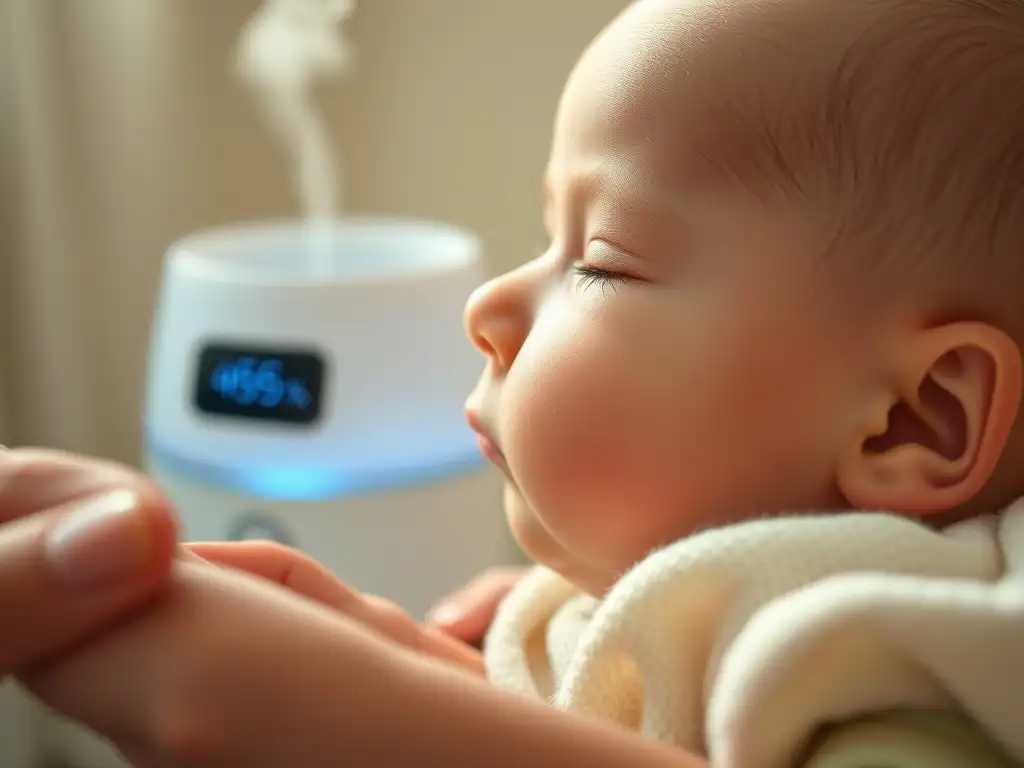
Several methods can help you achieve and maintain the ideal humidity range for your baby's room. A cool-mist humidifier is a popular choice. These humidifiers add moisture to the air without heating it, reducing the risk of burns. It's vital to clean your humidifier regularly, following the manufacturer's instructions meticulously, to prevent the growth of bacteria and mold which could aggravate your baby's skin condition. Failing to clean a humidifier can lead to the release of harmful contaminants into the air.
Another effective method involves placing bowls of water near heat sources, such as radiators or fireplaces (if applicable). The water will evaporate, increasing the humidity in the room. However, this method is less precise than using a humidifier and may not be sufficient to achieve the desired humidity levels, especially in larger rooms or during extremely dry periods. Remember, safety is paramount; ensure that the bowls are placed out of your baby's reach to prevent accidental spills and potential hazards. Regularly replenishing the water is also essential to maintain consistent humidification.
Preventing Dry Skin Flare-ups Through Humidity Management
Consistent humidity control is vital for preventing dry skin flare-ups. Fluctuations in humidity can significantly impact your baby's skin. Sudden drops in humidity, for example, can trigger dry skin episodes and worsen existing conditions like eczema. Maintaining a stable humidity level within the recommended range minimizes these fluctuations and provides a more consistent environment for your baby's skin.
Beyond humidity control, other factors contribute to healthy skin. Regular bathing with lukewarm water and gentle, fragrance-free cleansers is recommended. Avoid harsh soaps and overly hot water, which can strip the skin of its natural oils. After bathing, gently pat your baby's skin dry and apply a fragrance-free moisturizer to lock in moisture. Choosing the right moisturizer is crucial; look for hypoallergenic and pediatrician-approved options. Remember to consult your pediatrician if you have concerns about your baby's skin or if dry skin persists despite your efforts.
Adjusting Humidity Based on Season and Climate
Humidity levels naturally fluctuate throughout the year. During colder months, particularly in drier climates, indoor air tends to be much drier, requiring more aggressive humidity management. You may need to run your humidifier more frequently or for longer durations during winter. Conversely, during warmer, more humid months, you might need to reduce humidifier usage or even turn it off completely to avoid excessively high humidity levels.
Consider your geographic location and climate. Babies living in arid regions will require more aggressive humidity management than those living in humid climates. Pay close attention to your baby's skin condition and adjust your humidity control strategy accordingly. Observe your baby's skin for signs of dryness, such as flakiness, redness, or itching.
These are clear indicators that you may need to increase humidity or adjust your approach to skincare. Always prioritize your baby's comfort and well-being. Regular monitoring, combined with a proactive approach to humidity control and skincare, will contribute significantly to maintaining your baby's healthy skin. Remember to always consult your pediatrician for personalized advice and to address any specific concerns.
Additional Tips for Preventing and Treating Baby Dry Skin
This section delves into practical strategies beyond humidity control to effectively manage and prevent baby dry skin. Remember, a holistic approach is key to achieving healthy, hydrated skin for your little one. Maintaining the right baby dry skin humidity levels is crucial, but it's only one piece of the puzzle.
Gentle Cleansing and Moisturizing Routines for Dry Baby Skin
Establishing a consistent, gentle cleansing and moisturizing routine is paramount in combating baby dry skin. Harsh soaps and frequent bathing can strip the skin of its natural oils, exacerbating dryness and irritation. Instead, opt for lukewarm water baths, limiting them to 2-3 times a week. Use mild, fragrance-free cleansers specifically designed for babies' delicate skin. Look for products labeled as "hypoallergenic" or "pH-balanced" to minimize the risk of irritation.
After bathing, gently pat your baby's skin dry (avoid rubbing! ), leaving a slight dampness. Immediately apply a moisturizer to seal in the moisture. This is crucial, especially within the first few minutes after bathing, as this is when the skin is most receptive to hydration. The timing is key to maximizing the moisturizer's effectiveness in preventing baby dry skin. Consider using a humidifier to maintain optimal baby dry skin humidity levels during this process.
The frequency of moisturizing depends on your baby's skin condition. Babies with severely dry skin may require moisturizing several times a day, while those with mild dryness might only need it once or twice. Always monitor your baby's skin and adjust the routine accordingly. Observe for any signs of improvement or worsening of dryness to fine-tune your approach. Remember, consistent care is the best preventative measure against recurring issues.
Choosing the Right Moisturizer for Your Baby's Sensitive Skin
Selecting the appropriate moisturizer is vital for effective treatment of baby dry skin. Avoid products containing fragrances, dyes, or harsh chemicals, as these can irritate sensitive skin and worsen dryness. Look for moisturizers containing ingredients like ceramides, hyaluronic acid, and shea butter, which are known for their hydrating and skin-barrier-repairing properties. These ingredients work synergistically to help maintain optimal baby dry skin humidity levels.
Consider the consistency of the moisturizer. Thick, creamy lotions or ointments are generally more effective at sealing in moisture than thinner lotions. However, if your baby has a preference or if the thicker consistency feels too heavy, a thinner lotion may be a suitable alternative. Always test a small amount on a less sensitive area of your baby's skin before applying it liberally to ensure there is no adverse reaction. This precaution is vital for preventing allergic reactions or further skin irritation.
Here's a simple table summarizing suitable moisturizer ingredients:
| Ingredient | Benefit |
|---|---|
| Ceramides | Repair skin barrier, retain moisture |
| Hyaluronic Acid | Attracts and holds moisture |
| Shea Butter | Moisturizes, soothes, and protects |
| Oatmeal (colloidal) | Soothes irritation, reduces inflammation |
| Glycerin | Humectant, draws moisture from the air |
Remember to always check the product label for potential allergens and consult your pediatrician if you have any concerns about choosing the right moisturizer for your baby's specific needs, especially when maintaining optimal baby dry skin humidity levels.
Identifying and Addressing Underlying Skin Conditions
While maintaining optimal baby dry skin humidity levels and proper skincare routines are important, persistent or severe dry skin could indicate an underlying skin condition such as eczema or atopic dermatitis. These conditions require specialized treatment beyond basic moisturizing.
Eczema, for example, is characterized by itchy, inflamed patches of skin. If you suspect your baby has eczema, consult a pediatrician or dermatologist immediately. They can diagnose the condition and recommend appropriate treatment, which may include topical corticosteroids or other specialized creams. Early intervention is crucial for managing eczema and minimizing its long-term impact. Monitoring your baby's skin for persistent dryness, redness, and itching is essential.
Atopic dermatitis, another common condition, shares similarities with eczema. It's often associated with allergies and requires a comprehensive approach to management, often involving allergy testing and avoidance of known allergens. Managing environmental factors, such as controlling dust mites and maintaining appropriate baby dry skin humidity levels, can also play a significant role in mitigating symptoms. Remember, accurate diagnosis and appropriate medical advice are crucial for effective treatment. Don't hesitate to seek professional help if you notice persistent or worsening skin issues. Early intervention is key to preventing complications and ensuring your baby's comfort.
When to Consult a Pediatrician About Baby's Dry Skin
Maintaining the right humidity levels for your baby's environment is crucial for preventing dry skin, but knowing when professional help is needed is equally important. This section outlines scenarios where you should seek medical advice for your little one's dry skin, focusing on recognizing severe symptoms and understanding when persistent issues require a pediatrician's expertise. Ignoring persistent dry skin can lead to complications, so understanding the warning signs is key.
Recognizing Signs of Severe Dry Skin or Other Skin Issues
Severe baby dry skin goes beyond simple dryness. It's characterized by symptoms that significantly impact your baby's comfort and well-being. Look out for these warning signs:
- Cracking and bleeding skin: This indicates severe dehydration of the skin, making it vulnerable to infection. The cracks can be painful and bleed easily, requiring immediate attention.
- Extensive flaking or scaling: While some flaking is normal, excessive scaling that covers large areas of the body suggests a more serious problem. This could be a sign of eczema or other underlying skin conditions.
- Infected areas: Redness, swelling, pus, or increased warmth around dry patches signal a possible infection. Infected dry skin needs prompt medical treatment with antibiotics.
- Persistent itching and scratching: Intense itching that leads to constant scratching can cause further skin damage and increase the risk of infection. Babies can't communicate their discomfort effectively, so observe them closely for signs of distress.
- Failure to respond to home remedies: If you've tried gentle moisturizing routines and maintaining optimal humidity levels for several days, and the dry skin persists or worsens, consult a pediatrician. This suggests that the dryness might stem from an underlying medical condition.
Remember, a picture is worth a thousand words. If you're unsure, take clear photos of the affected areas to show your pediatrician. This helps them accurately assess the severity of the condition and determine the best course of action.
Seeking Professional Advice for Persistent Dry Skin Problems
Even if your baby's dry skin doesn't exhibit severe symptoms, persistent dryness warrants a check-up with your pediatrician. Persistent dryness, even if mild, can be a sign of underlying issues, such as:
- Eczema (atopic dermatitis): A chronic inflammatory skin condition characterized by itchy, dry, and inflamed skin. Early diagnosis and management are crucial to prevent complications.
- Food allergies: Dry skin can sometimes be a symptom of food allergies in babies. Your pediatrician can help identify potential allergens through testing and dietary adjustments.
- Other medical conditions: In rare cases, persistent dry skin might be a symptom of a more serious underlying medical condition.
Don't hesitate to seek professional advice if home remedies aren't effective after a reasonable timeframe (e.g., a week or two of consistent effort). Early intervention is key to preventing long-term problems and ensuring your baby's comfort. A pediatrician can provide a proper diagnosis and recommend appropriate treatment options tailored to your baby's needs. Early intervention can prevent the condition from worsening and potentially leading to other health complications.
Treatment Options for Severe Cases of Baby Dry Skin
Treatment for severe baby dry skin depends on the underlying cause and severity. Your pediatrician might recommend various approaches, including:
| Treatment Option | Description | Potential Side Effects |
|---|---|---|
| Moisturizers | Frequent application of hypoallergenic, fragrance-free emollients. | Mild skin irritation in rare cases. |
| Prescription creams | Corticosteroid creams or ointments to reduce inflammation and itching. | Skin thinning with prolonged use; follow doctor's instructions carefully. |
| Antibiotics | To treat secondary bacterial infections. | Possible allergic reactions. |
| Allergy testing | To identify and eliminate potential food allergens. | Minor discomfort during the test. |
| Phototherapy (UV light) | In severe cases of eczema, controlled exposure to ultraviolet light. | Risk of sunburn; requires careful monitoring. |
Remember, this information is for educational purposes only and doesn't replace professional medical advice. Always consult your pediatrician before starting any new treatment for your baby's dry skin. Early diagnosis and appropriate management are crucial for ensuring your baby's skin health and overall well-being. Addressing baby dry skin promptly and effectively contributes to a happier, healthier baby. 👶
Frequently Asked Questions
What humidity levels are best for a baby with dry skin?
Ideally, keep your home's humidity between 30% and 50%. Lower humidity can worsen dry skin, while excessively high humidity can promote mold and other issues. A humidifier can help achieve the optimal range.
How does humidity affect my baby's dry skin?
Low humidity dehydrates the skin, making it dry, itchy, and prone to cracking. Maintaining the right humidity levels helps retain moisture in the skin, preventing dryness and discomfort.
My baby's skin is still dry despite using a humidifier. What else can I do?
Ensure the humidifier is working correctly and adding sufficient moisture. Also, consider using a gentle, fragrance-free moisturizer after bathing and limiting bath time to prevent further dryness. Consult your pediatrician if the dryness persists.
What are the signs of excessively dry skin in babies?
Look for dry, flaky patches, redness, itching, or cracking of the skin. If your baby seems uncomfortable or is constantly scratching, consult your pediatrician.
Are there any dangers associated with using a humidifier for my baby?
While humidifiers are helpful, it's crucial to clean them regularly to prevent mold and bacteria growth. Over-humidification can also create a breeding ground for these issues. Follow the manufacturer's instructions carefully.
Final Reflection: The Delicate Balance of Baby Skin and Humidity
Maintaining optimal humidity levels for your baby's skin is not merely a matter of comfort; it's a crucial element in preventing dryness, irritation, and potential long-term skin health issues. The seemingly simple act of monitoring the air's moisture content can significantly impact your little one's well-being, offering a powerful tool in nurturing their delicate skin.
The impact of humidity on a baby's skin is a subtle yet pervasive force, shaping their comfort and potentially influencing their overall development. The constant struggle to find the right balance between dryness and excessive moisture highlights the importance of understanding this often-overlooked aspect of childcare. A child's smile is the most beautiful thing in the world,
and ensuring healthy skin contributes significantly to that radiant smile. This simple truth underscores the profound connection between environmental factors and a child's well-being.
Now, consider your own home environment. Are you actively monitoring the humidity levels? Take a moment to reflect on the air quality in your baby's room. This article has provided you with the knowledge; now, it's time to empower yourself to create a nurturing and healthy environment for your little one. Make small changes, monitor the results, and remember that a comfortable, appropriately humidified space is a crucial component of your baby's overall health and happiness. Your proactive approach will not only protect their delicate skin but also contribute to their overall well-being and development.
Unlock Your Baby's Softest Skin Yet!
Thank you for learning about maintaining the ideal humidity levels for your baby's delicate skin! We hope you feel confident in creating a healthier, happier environment for your little one. Ready to put your knowledge into practice?
- **Prioritize a comfortable humidity level:** Aim for 40-60% humidity in your baby's room. A quality humidifier or dehumidifier can help you achieve this and make a significant difference in your baby's comfort.
- **Explore different humidification methods:** You could use a cool-mist humidifier, place bowls of water near radiators (if you have them), or strategically position houseplants in the room to add moisture to the air.
- Share your experiences—both successes and challenges—with other parents in our community forum. Let's learn from each other!
What small step will you take today to improve your baby's skin comfort?