
Understanding Baby Food Stages: A Comprehensive Overview

Welcome to BabyCareHub, your ultimate guide to navigating the incredible journey of parenthood! Are you ready to unlock the secrets to happy, healthy baby development? We've got you covered, from the very first feed to those exciting developmental milestones. This comprehensive resource is designed to support you every step of the way. Begin your exploration with our essential Baby food stage chart, a crucial tool for understanding the perfect timing and nutritional needs of your little one's evolving palate. Dive in and discover the answers you've been searching for!
- Baby Food Stage Chart: A Timeline of Development
- Baby Food Stage Chart: Understanding Developmental Milestones
- Baby Food Stage Chart: Nutritional Considerations
- Baby Food Stage Chart: Practical Tips and Advice
- Baby Food Stage Chart: Resources and Further Reading
- Frequently Asked Questions
- Final Reflection: Nourishing the Future, One Stage at a Time
- Unlock Your Baby's Nutritional Journey
Baby Food Stage Chart: A Timeline of Development
Navigating the world of baby food can feel overwhelming for first-time parents. This comprehensive guide provides a clear and detailed roadmap to baby food stages, helping you understand the developmental milestones and nutritional needs of your little one. We'll explore the transition from purees to finger foods, addressing common concerns and offering practical advice to ensure a smooth and enjoyable feeding journey.
This detailed Baby food stage chart will equip you with the knowledge to confidently introduce solid foods to your baby, promoting healthy growth and development. We'll cover everything from selecting safe and nutritious options to managing the inevitable messiness that comes with this exciting stage. Understanding these stages is crucial for your baby's healthy development and overall well-being, paving the way for a positive relationship with food throughout their life.
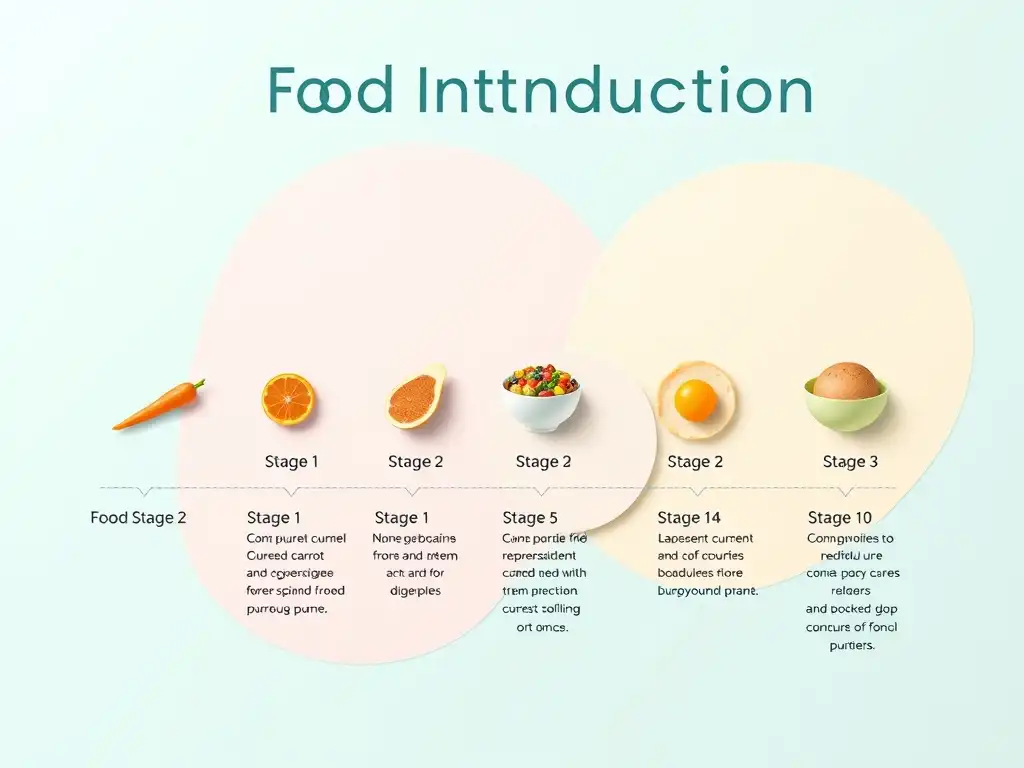
Stage 1: Introducing Single-Ingredient Purees (4-6 Months)
This initial stage focuses on introducing your baby to single-ingredient purees, allowing you to monitor for any potential allergies or sensitivities. It's a crucial period for establishing healthy eating habits and building a foundation for diverse tastes. Remember to always consult your pediatrician before starting solids.
Selecting the Right Purees for Your Baby
Choosing the right purees is paramount. Opt for organic, single-ingredient options whenever possible. Avoid added sugars, salts, and preservatives. Look for purees that are smooth and easily digestible, considering your baby's developing digestive system. Some excellent choices include sweet potatoes, avocado, carrots, and butternut squash. The texture should be incredibly smooth to begin, gradually becoming slightly thicker as your baby gets used to the consistency.
Safe Introduction of New Foods: Avoiding Allergens
Introducing new foods one at a time, waiting 2-3 days between each new food, allows you to monitor for allergic reactions. Common allergens include peanuts, tree nuts, milk, eggs, soy, wheat, fish, and shellfish. While introducing these foods later is generally recommended, always consult your pediatrician for personalized advice regarding potential allergens based on your family history. Observe your baby closely for any signs of allergic reactions, such as rash, vomiting, or difficulty breathing.
Common First Foods: Sweet Potatoes, Avocado, and Peas
Sweet potatoes are an excellent source of Vitamin A and fiber, providing a naturally sweet flavor that most babies enjoy. Avocado is rich in healthy fats and potassium, contributing to overall development. Peas are a good source of protein and vitamins. These foods are generally well-tolerated and offer a good starting point for your baby's culinary journey. 👶
Recognizing Signs of Food Allergies
Be vigilant in observing your baby for any signs of an allergic reaction. These can include hives, swelling, difficulty breathing, vomiting, or diarrhea. If you notice any of these symptoms after introducing a new food, discontinue its use immediately and consult your pediatrician. Early identification is crucial in managing potential allergies.
Making Your Own Purees at Home: A Simple Guide
Making your own baby food offers control over ingredients and freshness. Simply steam or boil vegetables and fruits until soft, then blend until smooth. Store in ice cube trays for easy portioning and freezing. This ensures you're providing your baby with the freshest, most nutritious food possible. Remember to always sterilize all equipment before use.
Stage 2: Combining Flavors and Textures (6-8 Months)
As your baby progresses, you can start combining different flavors and gradually increasing the texture of their food. This stage encourages exploration and expands your baby's palate.
Introducing Two-Ingredient Combinations
Once your baby has tolerated several single-ingredient purees, you can start introducing two-ingredient combinations. For instance, try sweet potato and apple, or carrot and pea. This helps broaden their taste experience and introduces them to a wider range of nutrients. Remember to still introduce one new combination at a time.
Gradually Increasing Texture: From Smooth to Chunky
Gradually increase the texture of the purees by leaving some small lumps or slightly mashing the food. This helps your baby develop their chewing skills and prepares them for the transition to finger foods. You can use a fork to slightly mash the purees, creating a slightly chunkier consistency.
Healthy Combinations to Try: Fruits and Vegetables
Explore various healthy combinations such as:
| Fruit | Vegetable | Nutritional Benefits |
|---|---|---|
| Banana | Sweet Potato | Potassium, Vitamin A, Fiber |
| Apple | Carrot | Fiber, Vitamin C, Beta-Carotene |
| Pear | Green Beans | Fiber, Vitamins C and K |
| Mango | Butternut Squash | Vitamins A and C, Fiber |
Managing Potential Messes During Feeding
Feeding a baby can be messy! Use a bib, and consider placing a mat or towel underneath your baby's high chair to protect the floor. Relax and embrace the mess – it's all part of the learning process. Remember, a happy and relaxed feeding experience is crucial for your baby's development. 🎉
Stage 3: Soft Foods and Finger Foods (8-12 Months)
At this stage, your baby's chewing and swallowing skills are developing rapidly. They're ready for a wider variety of textures, moving beyond smooth purees to softer, chunkier foods and even finger foods. This transition is crucial for their oral-motor development and independence. Introducing a range of textures helps them learn to manage different consistencies in their mouths, preparing them for more complex foods later on. Remember, this is a gradual process; always supervise your baby closely during mealtimes.
Observe their cues – if they seem frustrated or struggling, offer a different texture or consistency. Patience and positive reinforcement are key. Don't be discouraged if your little one initially rejects some foods; it's common for babies to need multiple exposures to new tastes and textures before accepting them. Remember to always offer a variety of nutrient-rich foods to ensure balanced nutrition.
Safe Finger Foods: Soft Cooked Vegetables and Fruits
Soft cooked vegetables like carrots, sweet potatoes, and green beans are excellent choices for finger foods. Ensure they're cooked until very tender and cut into small, manageable pieces to minimize choking risks. Similarly, soft fruits like ripe bananas, well-cooked pears, and avocado can be offered in small, easily-graspable pieces. Steaming is a great cooking method as it preserves nutrients and creates a softer texture. Avoid hard or crunchy foods that could pose a choking hazard. Remember to always supervise your baby while they are eating.
Introducing Meat Purees and Soft Pieces of Meat
Around 8-10 months, you can start introducing meat purees. Chicken, turkey, and beef are good starting points. Ensure the meat is well-cooked and finely pureed or finely shredded to a soft consistency. As your baby gets more comfortable, you can offer small, soft pieces of cooked meat, such as well-cooked chicken breast cut into tiny, manageable pieces. Meat provides crucial iron and protein for your baby's growth and development. Always check the temperature before serving to avoid burns.
Mastering Self-Feeding: Tips and Tricks
Self-feeding is a significant developmental milestone. It fosters independence and builds fine motor skills. Start by offering soft, easily-graspable foods. Use a high chair with a tray to contain the mess. Initially, your baby may mostly play with the food, but this is part of the learning process. Be patient and supportive; praise their efforts even if they don't eat much. Consider using a bib to minimize mess. Offer small amounts of food at a time to avoid overwhelming your baby. Remember, messy eating is a normal part of this stage.
Choking Hazards: Prevention and Response
Choking is a serious concern. Always supervise your baby while they're eating. Cut food into small, manageable pieces. Avoid foods that are hard, round, or sticky. Learn the Heimlich maneuver for infants. Keep a watchful eye on your child and remain calm. Knowing first aid is essential for parents. Keep emergency numbers readily accessible. Regularly check for loose teeth or ill-fitting dentures if applicable. The safety of your baby comes first.
Stage 4: Family Meals (12 Months and Beyond)
By 12 months, your baby's diet can largely mirror the family's, with some adjustments. This stage focuses on expanding their palate and incorporating a wider variety of flavors and textures. It's a time to celebrate the joy of sharing meals together as a family. Remember to continue monitoring portions and nutrient density, ensuring your child receives a balanced diet.
Transitioning to Family Meals: Tips for Success
Gradually introduce your baby to family meals. Start by offering small portions of appropriately textured foods from your meals. Cut foods into bite-sized pieces, avoiding anything too hard or difficult to chew. Ensure the food is well-cooked and avoids excessive salt, sugar, or spices. Allow your baby to explore different flavors and textures at their own pace. Positive reinforcement and encouragement will aid in their acceptance of new foods.
Adapting Family Recipes for Baby's Needs
Most family recipes can be adapted to suit a baby's dietary needs. Reduce or eliminate added salt, sugar, and excessive spices. Choose lean protein sources, and ensure vegetables are well-cooked and soft. Puree or mash foods if necessary to adjust the texture. Consider steaming or baking instead of frying to reduce fat content. Remember to always prioritize healthy ingredients and balanced nutrition.
Introducing New Flavors and Spices Gradually
Introduce new flavors and spices gradually, one at a time. This allows you to monitor your baby's response to each new ingredient and helps identify any potential allergies or sensitivities. Start with mild flavors and gradually introduce more complex ones. Observe your baby for any adverse reactions, such as rashes, vomiting, or diarrhea. If you notice any unusual symptoms, consult your pediatrician immediately.
Maintaining a Balanced Diet for Growing Toddlers
A balanced diet is crucial for a growing toddler. Ensure your child consumes a variety of foods from all food groups: fruits, vegetables, whole grains, lean proteins, and healthy fats. Offer a range of textures and flavors to encourage a healthy appetite and prevent picky eating habits. Continue to offer healthy snacks between meals. Consult a pediatrician or registered dietitian for personalized dietary guidance if needed. Remember that a healthy and balanced diet contributes significantly to your child’s overall health and development. 👶
Baby Food Stage Chart: Understanding Developmental Milestones
This section details the crucial developmental milestones that guide parents in determining the appropriate stage of baby food introduction. A well-timed introduction of solids is essential for a baby's healthy growth and development. Remember, this is a guideline, and every baby develops at their own pace. Always consult your pediatrician for personalized advice. This information helps you understand the typical progression, allowing you to create a personalized baby food stage chart for your little one.
Age-Appropriate Food Textures and Consistency
The texture and consistency of baby food should gradually increase in complexity as your baby's motor skills and chewing abilities develop. This progression is vital for their oral-motor development and overall feeding experience.
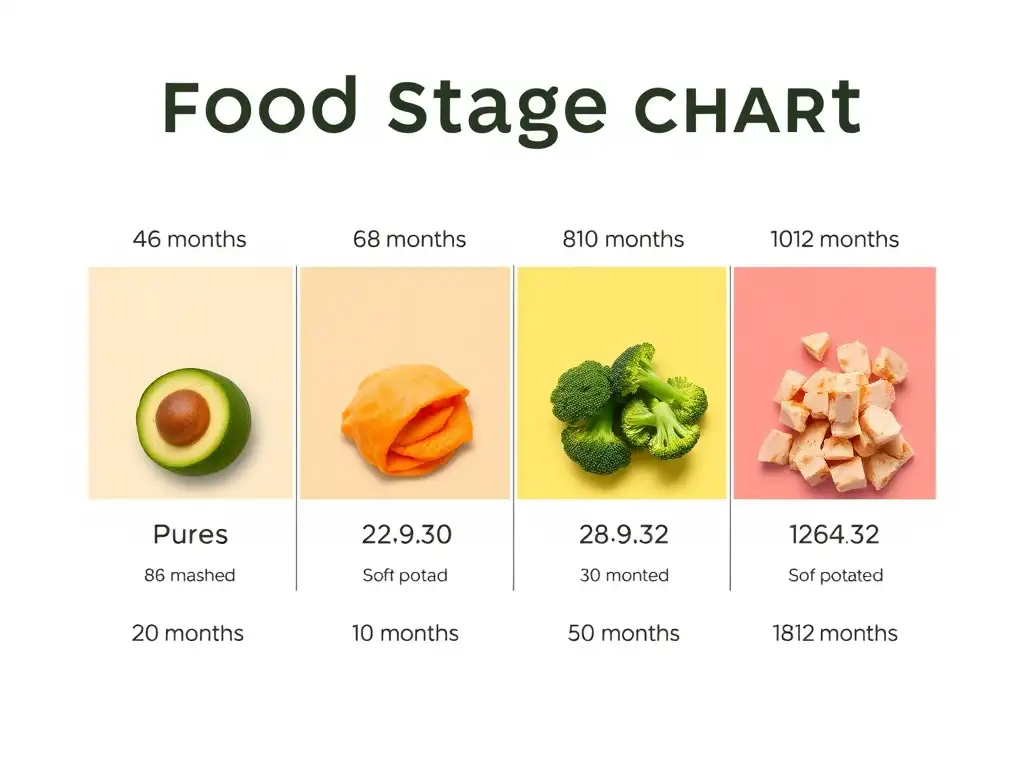
| Age Range (Months) | Texture/Consistency Description | Food Examples | Developmental Milestone |
|---|---|---|---|
| 4-6 | Purees: Smooth, completely blended, no lumps | Single-vegetable or fruit purees, blended oatmeal | Starting solids, exploring new tastes & textures |
| 6-8 | Semi-purees: Slightly thicker, some small lumps | Mashed avocado, well-cooked soft vegetables | Developing chewing skills, managing thicker foods |
| 8-10 | Soft mashed foods: Easily mashed with a fork | Cooked pasta, soft cooked chicken, well-cooked carrots | Refining chewing, swallowing more complex textures |
| 10-12 | Soft finger foods: Easily dissolvable, soft textures | Steamed broccoli florets, soft cooked pasta pieces, banana slices | Developing pincer grasp, self-feeding skills |
| 12+ | Chopped foods: Small, manageable pieces | Cubed chicken, diced vegetables, small pieces of fruit | Increasing independence in eating, greater variety |
Remember, introducing new foods one at a time allows you to monitor for any allergic reactions. Always supervise your baby while they are eating to prevent choking hazards. The transition between stages might be gradual, adapting to your baby's individual cues. Some babies may progress faster or slower than others.
Nutritional Needs at Each Stage
Nutritional needs evolve as your baby grows. The balance of nutrients should reflect this growth and development. While iron-rich foods are crucial in the early stages, a diverse range of nutrients becomes increasingly important as your baby progresses through the different baby food stages.
- Stage 1 (4-6 months): Focus on iron-rich foods like pureed iron-fortified cereals and single-vegetable purees. Breast milk or formula remain the primary source of nutrition.
- Stage 2 (6-8 months): Introduce a wider variety of fruits, vegetables, and proteins. Continue focusing on iron-rich foods. The consistency should gradually thicken.
- Stage 3 (8-10 months): Introduce more complex textures and flavors. You can start incorporating finely chopped or mashed meats and legumes.
- Stage 4 (10-12 months and beyond): Focus on offering a wide variety of foods with different textures and nutrients. Your baby should be eating a range of foods similar to the family's meals, appropriately adapted for their chewing abilities.
Remember to consult with your pediatrician or a registered dietitian for specific recommendations tailored to your baby's individual needs and growth. They can help you create a nutritionally balanced plan that supports your baby's development.
Common Concerns and Challenges During Weaning
Introducing solids is an exciting but sometimes challenging journey. Here are some common concerns and how to address them:
- Constipation: This is a common issue. Ensure your baby is getting enough fluids and fiber-rich foods, such as pureed prunes or pears. Consult your pediatrician if constipation persists.
- Allergies: Introduce new foods one at a time to easily identify potential allergic reactions. Watch for symptoms such as rash, vomiting, or diarrhea. Consult your pediatrician immediately if you suspect an allergic reaction.
- Refusal to eat: Babies can be picky eaters! Offer a variety of foods and don't force your baby to eat. Be patient and persistent. The process of weaning can take time.
- Choking: Always supervise your baby while eating and choose age-appropriate foods with appropriate textures. Cut food into small, manageable pieces to minimize choking hazards. Learn infant CPR.
Remember, the transition to solid foods is a gradual process. Be patient, flexible, and celebrate every milestone achieved. A baby food stage chart is a valuable tool, but remember to adapt it to your baby’s unique needs and preferences. Your pediatrician remains your most valuable resource throughout this journey. 👶
When to Consult a Pediatrician
Introducing solids is a significant milestone, and while generally a joyous occasion, it's crucial to be aware of potential issues requiring professional medical attention. A proactive approach to your baby's health is paramount. Regular check-ups with your pediatrician are essential, but certain signs warrant an immediate consultation. Don't hesitate to seek medical advice if your baby exhibits any concerning symptoms during or after the introduction of solids.
Early intervention is key to addressing potential problems effectively. For example, if your baby experiences persistent vomiting or diarrhea after eating solids, it's crucial to contact your pediatrician immediately. These symptoms could indicate an intolerance to a specific food, an infection, or another underlying health issue. Similarly, persistent constipation, characterized by infrequent and difficult bowel movements, requires professional assessment. Your pediatrician can help determine the cause and recommend appropriate solutions.
Furthermore, any signs of allergic reactions, such as hives, swelling, or difficulty breathing, necessitate immediate medical attention. These are serious reactions that require prompt treatment. Even seemingly minor reactions, like a rash or mild digestive upset, should be reported to your pediatrician to monitor for potential escalation. They can help you identify potential allergens and develop a safe feeding plan.
Beyond immediate reactions, keep a close eye on your baby's overall health and development. While weight gain is an important indicator of healthy growth, it's only one piece of the puzzle. If you notice a significant change in your baby's appetite, weight gain trajectory, or general well-being, scheduling a consultation is wise. Your pediatrician can assess your baby's progress and provide guidance on addressing any concerns. Remember, a healthy and thriving baby is the ultimate goal, and seeking professional advice when needed is a vital part of achieving that.
Trust your instincts—if something feels off, don't hesitate to contact your pediatrician. They are your invaluable resource in navigating this exciting, yet sometimes challenging, phase of your baby's development. A proactive approach ensures a smoother transition to solid foods and a healthier, happier baby. 👶
Baby Food Stage Chart: Nutritional Considerations
This section delves into the crucial nutritional aspects of each baby food stage, ensuring your little one receives the building blocks for healthy growth and development. A well-planned introduction to solids is key to setting the stage for a lifetime of healthy eating habits. Remember, this information complements, but does not replace, advice from your pediatrician. Always consult your doctor before introducing new foods to your baby’s diet. The optimal baby food stage chart is personalized to your child's developmental milestones and individual needs.
Essential Nutrients for Baby's Growth
The first year of life is a period of rapid growth, demanding a diverse range of nutrients. Breast milk or formula provides a complete nutritional profile initially, but as your baby progresses through the different baby food stages, you need to ensure they receive sufficient quantities of essential vitamins and minerals. These include:
- Iron: Crucial for blood production and cognitive development. Iron deficiency is a significant concern in infants, leading to anemia and developmental delays. Introducing iron-rich foods early is critical.
- Vitamin D: Essential for calcium absorption and bone development. Many babies receive supplemental Vitamin D drops, but dietary sources become increasingly important.
- Zinc: Plays a vital role in immune function, growth, and wound healing.
- Vitamin A: Supports vision, immune function, and cell growth.
- Protein: The building block for tissues and organs, essential for growth and development.
Understanding the nutritional needs at each baby food stage is paramount. For example, during the puree stage (around 6 months), focusing on iron-rich purees like those made from lentils or beef is crucial. As they progress to finger foods, offering a variety of nutrient-dense options becomes even more important.
Importance of Iron-Rich Foods
Iron deficiency anemia is a prevalent concern among infants. Early introduction of iron-rich foods is therefore of paramount importance. While breast milk and formula contain iron, the bioavailability (how well the body absorbs it) is lower than in certain solid foods. Introducing iron-rich foods during the appropriate baby food stage can significantly mitigate the risk of iron deficiency.
Here's a table illustrating some excellent iron-rich options for babies at different stages:
| Baby Food Stage | Iron-Rich Food Examples | Preparation Tips |
|---|---|---|
| Puree Stage | Iron-fortified cereals, lentils, beef | Blend thoroughly until smooth and creamy. |
| Mashed Stage | Sweet potatoes, spinach, chickpeas | Mash well, ensuring no large chunks remain. |
| Finger Food Stage | Tofu, beans, fortified pasta | Offer soft, easily manageable pieces. |
Remember to consult your pediatrician for guidance on the appropriate amounts and types of iron-rich foods for your baby. They can assess your baby’s individual needs and recommend a suitable dietary plan.
Avoiding Added Sugars and Salts
Added sugars and salts are detrimental to a baby's health. Their developing kidneys and palates are particularly sensitive. Excessive sugar intake can lead to obesity, dental problems, and other health issues. High salt intake can increase the risk of hypertension later in life. Therefore, it is crucial to avoid adding any extra sugar or salt to your baby's food during any baby food stage.
Always check food labels carefully, as some commercially prepared baby foods may contain hidden sugars or salts. Opt for unsweetened and unsalted options whenever possible. Remember, the natural sweetness and flavors of fruits and vegetables are more than enough to entice your baby's palate. Developing healthy eating habits from the start lays a strong foundation for a lifetime of healthy nutrition. Focusing on whole, unprocessed foods is key to navigating the baby food stage chart successfully and ensuring your child’s optimal health and well-being. 👶
Hydration: Ensuring Sufficient Water Intake
Water is crucial for overall health, and this is especially true for babies transitioning to solid foods. While breast milk or formula remains the primary source of hydration for infants under six months, introducing water alongside solids becomes increasingly important as they consume more food. Dehydration can lead to various health problems, including constipation, which is a common issue during the introduction of solid foods. The amount of water needed will vary depending on the baby's age, activity level, climate, and the type and amount of solid food consumed.
A good rule of thumb is to offer small amounts of water throughout the day, especially after meals and during periods of increased activity or hot weather. Observe your baby's cues: a dry mouth, fewer wet diapers than usual, or lethargy can all indicate dehydration. Always consult your pediatrician for personalized advice regarding your baby's water intake. They can help determine the appropriate amount of water based on your baby's individual needs and development stage.
Remember, it's better to err on the side of caution and consult a healthcare professional if you have any concerns about your baby's hydration. Monitoring your baby's urine output – pale yellow urine is a good indicator of proper hydration – is also a helpful way to assess their fluid balance. 👶💧
Furthermore, the type of water you offer is important. Always use clean, filtered water to avoid potential contaminants. Avoid giving babies sugary drinks or juice, as these can contribute to dental problems and displace the nutritional value of breast milk or formula. Focus on providing plain water as the primary source of hydration alongside solid foods.
The transition to solid foods is a significant developmental milestone, and ensuring adequate hydration is an important aspect of supporting your baby's overall health and well-being during this period. Pay attention to your baby's individual needs and don't hesitate to seek professional guidance if you are unsure about the amount of water your baby requires. Regular monitoring and consultation with your pediatrician will help you navigate this stage successfully and ensure your baby remains well-hydrated and healthy.
Baby Food Stage Chart: Practical Tips and Advice
This section provides practical tips and advice to complement a baby food stage chart, helping you navigate the exciting journey of introducing solids to your little one. Remember, every baby is unique, and while a chart offers a guideline, flexibility is key. Observe your baby's cues and adjust accordingly. This isn't just about nutrition; it's about building a positive relationship with food.
Creating a Positive Feeding Experience
Introducing solid foods should be a joyful experience, not a battleground. A relaxed and positive atmosphere is crucial for your baby's acceptance of new tastes and textures. Consider these strategies for fostering a positive feeding experience:
- Make it fun! Use colorful bowls and spoons. Let your baby explore the textures and smells of the food. Engage them with songs or silly faces. 🎉
- Be patient. It can take multiple exposures to a new food before your baby accepts it. Don't get discouraged if they initially reject something.
- Avoid pressure. Never force your baby to eat. Let them self-regulate their intake. Respect their cues – turning their head away, closing their mouth, or pushing the spoon away are all signs they've had enough.
- Lead by example. Babies are observant. Show them that you enjoy eating healthy foods yourself. Family meals can be a great way to normalize different foods.
- Positive reinforcement. Celebrate small victories! Even a tiny bite is a step in the right direction. Praise and encouragement can go a long way.
Remember, the goal isn't to make your baby a "clean plate club" member; it's to cultivate a healthy relationship with food that will last a lifetime.
Dealing with Picky Eaters
Picky eating is common, even among adults! However, there are strategies to help encourage your baby to try a variety of foods. Remember, persistence is key:
- Offer variety. Introduce a wide range of flavors and textures, even if your baby rejects some initially. Keep offering rejected foods at intervals – their preferences can change over time.
- Don't give up easily. It often takes multiple attempts (sometimes 10 or more!) before a baby accepts a new food.
- Involve your baby. Let them help with age-appropriate tasks like washing vegetables or stirring the food (under supervision, of course!). This can increase their interest in the meal.
- Be a role model. Children often mimic the eating habits of their parents and caregivers. Show them that you enjoy eating a variety of foods.
- Make it visually appealing. Cut foods into fun shapes or arrange them attractively on the plate.
If you have significant concerns about your baby's eating habits, consult your pediatrician or a registered dietitian. They can provide personalized advice and rule out any underlying medical issues.
Storing and Preparing Baby Food Safely
Food safety is paramount when preparing baby food. Follow these guidelines to minimize the risk of contamination:
| Stage | Storage Method | Duration |
|---|---|---|
| Freshly Prepared Purees | Refrigerate in airtight containers | 2-3 days |
| Frozen Purees | Freeze in ice cube trays or small containers | 2-3 months |
| Commercially Prepared Food | Follow instructions on the packaging | Varies |
Further Tips for Safe Food Handling
- Wash your hands thoroughly before preparing baby food.
- Use clean utensils and surfaces.
- Cook food thoroughly to kill harmful bacteria.
- Cool food to a safe temperature before serving.
- Discard any leftover food after 2 hours.
Remember to always supervise your baby while they are eating to prevent choking hazards. Introducing solids is a gradual process; be patient, be consistent, and most importantly, enjoy this special milestone with your little one. Following a baby food stage chart is helpful, but responsiveness to your baby's individual needs is key to success.
Understanding Baby's Cues for Hunger and Fullness
Recognizing your baby's hunger and fullness cues is crucial for successful baby-led weaning and preventing overfeeding or underfeeding. Babies communicate their needs in various ways, and learning to interpret these signals is a vital skill for every parent. Ignoring these cues can lead to feeding struggles and potential nutritional imbalances.
Initially, newborns primarily rely on rooting (turning their head towards a touch on their cheek) and sucking reflexes. As they grow, they develop more sophisticated ways to express their hunger. These may include increased fussiness, bringing their hands to their mouth, and making sucking motions. Some babies become more active and restless, while others may become unusually quiet and withdrawn. Observe your baby carefully and note their individual patterns. Consistency in recognizing these cues will help you anticipate their needs more effectively.
Conversely, understanding fullness cues is just as important as recognizing hunger signals. A full baby may turn away from the food, push the spoon away, close their mouth, or lose interest in eating. They might even start to fidget or become fussy, indicating they've had enough. Forcing a baby to eat when they are full can lead to negative associations with mealtimes and create feeding challenges later on. Respect your baby's cues; a healthy baby will self-regulate their intake. Remember, a baby's appetite fluctuates, and some days they will eat more than others. This is perfectly normal.
It's important to distinguish between true hunger and other causes of fussiness. A baby might cry because they are tired, uncomfortable, or need a diaper change. Therefore, before offering food, try addressing other potential needs first. This involves checking their diaper, ensuring they are comfortable, and offering cuddles or soothing techniques. Only after ruling out these other factors should you consider whether hunger is the underlying cause of their distress. This process helps you avoid unnecessary feeding and establishes a healthy approach to feeding your little one.
Remember, every baby is unique, and their cues might vary slightly. Pay close attention to your baby's individual signals and learn to interpret them accurately. This will build a strong foundation for healthy eating habits and a positive relationship with food throughout their life. Trust your instincts and don't hesitate to seek advice from your pediatrician if you have any concerns about your baby's feeding patterns. They can offer personalized guidance based on your baby's individual needs and development.
Baby Food Stage Chart: Resources and Further Reading
This section provides additional resources to help you navigate the exciting world of baby-led weaning and complementary feeding. Understanding the nuances of introducing solids can feel overwhelming, but with the right support, you can confidently guide your little one through each stage. A well-structured approach to introducing new foods is crucial for your baby's healthy growth and development. Remember, every baby is unique, and their readiness for solids will vary.
Recommended Books and Websites on Baby Nutrition
Navigating the world of baby nutrition can be challenging, but several excellent resources can provide expert guidance and support. These resources offer in-depth information on creating balanced meals, addressing common concerns, and understanding individual dietary needs. Remember to always consult with your pediatrician or a registered dietitian before making any significant changes to your baby's diet.
Here are some examples of reputable sources:
- Books: Many well-regarded books offer detailed guidance on baby-led weaning and introducing solid foods. Look for titles that emphasize age-appropriate foods, safe food preparation, and recognizing signs of allergies. Consider titles focusing on the specific developmental milestones related to baby food stage chart progression. Specific book titles and authors are pending [specific information pending].
- Websites: Several reputable websites offer evidence-based information on baby nutrition. Look for websites maintained by professional organizations like the American Academy of Pediatrics or those overseen by registered dietitians specializing in infant and child nutrition. These websites often provide detailed baby food stage chart information and helpful articles on various aspects of infant feeding. [Specific website URLs pending].
It's important to critically evaluate the information you find online. Prioritize websites and books backed by credible sources and medical professionals. Be wary of information that promotes restrictive diets or makes unsubstantiated claims.
Consulting a Registered Dietitian or Pediatrician
While numerous resources are available, personalized guidance is invaluable. A registered dietitian (RD) or a pediatrician can provide tailored advice based on your baby's individual needs and developmental stage. They can help you create a nutrition plan that aligns with your baby's growth trajectory and addresses any potential concerns.
Consulting a professional offers several advantages:
- Personalized Recommendations: An RD or pediatrician can assess your baby's growth, development, and any pre-existing conditions to offer personalized dietary recommendations. They can help you create a baby food stage chart that's perfectly suited to your child's unique needs.
- Allergy Management: Professionals can provide guidance on safely introducing potential allergens, minimizing the risk of allergic reactions. This is particularly crucial during the early stages of introducing solids.
- Addressing Dietary Concerns: They can address any specific dietary concerns you might have, such as managing reflux, constipation, or food sensitivities. They can help you troubleshoot challenges and find effective solutions.
- Nutritional Guidance: They provide comprehensive guidance on ensuring your baby receives adequate nutrition at each stage of development. This is essential for healthy growth and development.
Remember, proactive consultation with a healthcare professional is crucial for ensuring your baby's healthy development and avoiding potential complications. They can help you interpret the information you find in various resources and ensure your approach aligns with the best practices for your baby's age and health status. Don't hesitate to reach out for support – it's a testament to your commitment to your child's well-being.
Frequently Asked Questions
When should I start introducing solid foods to my baby?
Most experts recommend starting around 6 months old, when your baby can sit up unsupported, show interest in food, and have good head and neck control. Don't start before 4 months, and always consult your pediatrician.
What are the different stages of baby food?
Baby food stages typically progress from purees to mashed foods, then to soft, chopped foods, and finally to table foods around 12 months. This is a general guideline; your baby's pace may vary.
What are some good first foods for my baby?
Good first foods are single-ingredient purees, like sweet potato, avocado, or peas. Avoid honey and high-allergy foods like peanuts (unless advised by your doctor) until later stages.
How do I know if my baby is ready for the next stage of baby food?
Look for cues like your baby showing interest in your food, reaching for your spoon, or being able to chew and swallow soft foods. If they are rejecting foods or having trouble eating, they might not be ready to progress.
What if my baby refuses to eat certain foods?
Don't worry; it's normal for babies to be picky eaters. Offer a variety of foods and keep offering rejected foods at different times, as tastes can change. Consult your pediatrician if you have significant concerns.
Final Reflection: Nourishing the Future, One Stage at a Time
Understanding the journey of introducing solids to your baby is crucial, not just for their nutritional development, but for building a healthy and positive relationship with food. The seemingly simple act of feeding your little one becomes a foundational experience shaping their future eating habits and overall well-being. This understanding, as outlined in this comprehensive overview, is more relevant than ever in a world increasingly focused on childhood nutrition and healthy development.
The impact of early feeding practices extends far beyond the immediate needs of a growing child; it shapes their relationship with food for life. The anxieties and pressures surrounding this transition are very real, and navigating them with knowledge and confidence is key. The first few years of life are a critical period for establishing healthy eating habits,
a sentiment echoed by countless experts in child nutrition. This article aimed to provide that knowledge, empowering parents to approach this exciting milestone with informed choices and a sense of calm.
Now, consider your own journey. Reflect on the information presented and how it resonates with your own experiences, or those of loved ones. Will you approach introducing solids differently, armed with this new understanding? Embrace this opportunity to nurture not just your baby's physical growth, but also their emotional connection to food. Remember, every spoonful is a step towards a lifetime of healthy eating habits. Let's build a future where every child thrives, nourished in body and spirit.
Unlock Your Baby's Nutritional Journey
Thank you for exploring the world of baby food with us! We hope this overview has prepared you to confidently guide your baby through this exciting developmental stage. Now, let's put that knowledge into practice.
- Create a personalized feeding plan: Develop a weekly menu tailored to your baby's age and developmental milestones, gradually introducing new flavors and textures. Always prioritize safety and consult your pediatrician.
- Share your experiences: Connect with other parents in our BabyCareHub community. Sharing your successes and challenges can be incredibly supportive. Join the discussion in our forums!
- Explore creative recipes: Don't be afraid to experiment! Adapt some of your family's favorite dishes into baby-friendly versions. There are countless delicious and nutritious options available.
What exciting new flavors will you introduce to your little one this week?