
The Ultimate Guide to Bottle Feeding Your Newborn with Formula


Welcome to BabyCareHub, your one-stop resource for navigating the exciting yet challenging journey of parenthood. Are you a first-time parent facing the crucial decision of choosing the best formula for newborn bottle feeding? We understand the overwhelming choices and anxieties that come with this, which is why we've created this comprehensive guide to help you make informed decisions, ensuring your little one thrives. Discover expert advice and practical tips to confidently embark on this new chapter – your baby's healthy development starts here. Let's explore the world of formula feeding together!
- Choosing the Best Formula for Newborn Bottle Feeding
- Preparing Formula for Bottle Feeding: A Step-by-Step Guide
-
Bottle Feeding Techniques for Newborns
- Holding Your Baby Correctly During Bottle Feeding: Ensuring Comfort and Preventing Spills
- Paced Bottle Feeding: Promoting Healthy Feeding Habits and Preventing Overfeeding
- Recognizing Your Baby's Feeding Cues: Identifying Hunger and Fullness Signals
- Burping Your Baby During and After Bottle Feeding: Relieving Air Bubbles and Discomfort
- Common Challenges and Solutions in Newborn Bottle Feeding
- Maintaining Hygiene and Safety During Bottle Feeding
- Tracking Your Baby's Feeding Progress: Monitoring Intake and Growth
- Transitioning to Different Stages of Formula: From Newborn to Toddler
- Resources and Further Information on Infant Formula
- Frequently Asked Questions
- Final Reflection: Nurturing the Next Generation Through Informed Choices
- Unlock Your Confidence: Mastering Formula Feeding
Choosing the Best Formula for Newborn Bottle Feeding
Choosing the right formula for your newborn can feel overwhelming, especially for first-time parents. This ultimate guide navigates the complexities of formula feeding, offering a step-by-step approach to selecting the best option for your little one. We'll explore different formula types, consider your baby's individual needs and any dietary restrictions, and teach you how to decipher those often-confusing nutrition labels.
Finding the best formula is crucial for ensuring your baby receives optimal nutrition and thrives during their early months. This guide aims to empower you with the knowledge to make informed decisions and confidently embark on your formula feeding journey. Remember, consulting your pediatrician is always recommended before making any significant changes to your baby's diet.
Understanding Different Types of Infant Formula: Cow's Milk-Based, Soy-Based, and Specialized Formulas
Infant formulas are categorized into several types, each designed to meet specific nutritional needs. The most common are cow's milk-based, soy-based, and specialized formulas. Let's break down the differences:
- Cow's Milk-Based Formula: This is the most widely available and commonly used type of infant formula. It's designed to mimic the composition of human breast milk as closely as possible, providing a balance of proteins, carbohydrates, fats, vitamins, and minerals essential for your baby's growth and development. Many brands offer variations within this category, such as those with added iron or probiotics.
- Soy-Based Formula: This option is suitable for babies with cow's milk protein allergy or lactose intolerance. Soy-based formulas use soy protein as the primary protein source and are often lactose-free. However, it's important to note that soy-based formulas are not suitable for all babies with allergies, and some babies may still have a reaction to soy.
- Specialized Formulas: These formulas cater to babies with specific dietary needs or health conditions. Examples include formulas for babies with:
- Premature birth (providing higher calorie density)
- Reflux (thicker consistency)
- Colic (designed to reduce gas and discomfort)
- Food allergies (hydrolyzed formulas, which break down proteins into smaller, easier-to-digest pieces)
Choosing the right formula often involves carefully considering your baby's individual health status and any potential allergies or intolerances. Always consult your pediatrician for personalized guidance. They can help you assess your baby's needs and recommend the most appropriate formula.
Selecting the Right Formula Based on Your Baby's Needs and Dietary Restrictions
Selecting the best formula for your newborn goes beyond simply choosing a brand. It requires a careful consideration of your baby's unique needs and any potential dietary restrictions. Several factors play a crucial role in this decision:
- Allergies and Intolerances: A family history of allergies or a previous reaction to a specific food may necessitate selecting a hypoallergenic or specialized formula. For example, a baby with a cow's milk allergy would require a soy-based or hydrolyzed formula.
- Digestive Issues: Some babies experience digestive problems like colic, gas, or reflux. In such cases, formulas designed to ease these symptoms, often with added probiotics or a different protein source, may be beneficial. Always consult your pediatrician before making any changes related to digestive issues.
- Growth and Development: While all formulas provide essential nutrients, some babies may require formulas with higher calorie density to support optimal growth, particularly premature infants or those with low birth weight.
- Ethical and Environmental Concerns: Some parents prioritize organic, non-GMO, or sustainably sourced formulas. These options are increasingly available, allowing parents to align their choices with their values.
Remember, the best formula is the one that your baby tolerates well and supports healthy growth and development. Closely monitor your baby for any signs of discomfort or allergic reactions, and don't hesitate to seek advice from your pediatrician. They can provide valuable insights and support throughout your formula feeding journey. The process may involve some trial and error; patience and observation are key.
Reading Formula Labels: Deciphering Nutrition Facts and Ingredients
Understanding formula labels is crucial for making informed decisions. Here's a breakdown of what to look for:
| Component | Description | Importance |
|---|---|---|
| Nutrition Facts | Provides information on the amount of calories, protein, carbohydrates, fat, vitamins, and minerals per serving. | Essential for comparing different formulas and ensuring your baby receives adequate nutrients. |
| Ingredients List | Lists all ingredients in descending order of weight. | Helps identify potential allergens or undesirable additives. Look for familiar ingredients and avoid excessive additives. |
| Added Nutrients | Indicates any added vitamins, minerals, and other nutrients. | Crucial for ensuring your baby receives the necessary nutrients for healthy development. |
| Warnings & Cautions | Provides important information regarding usage, storage, and potential risks. | Essential for safe and proper use of the formula. |
Example Label Breakdown (Illustrative):
Let's say a label lists "Whey Protein Concentrate" as the first ingredient, followed by "Corn Syrup Solids" and "Vegetable Oils." This indicates that whey protein is the primary protein source, and the other ingredients contribute carbohydrates and fats. Always check for any potential allergens your baby might have.
By carefully examining the nutrition facts and ingredient list, you can compare different formulas and choose the one that best suits your baby's needs. Don't hesitate to contact your pediatrician or a registered dietitian for assistance interpreting the information. They can help you navigate the labels and make the best choice for your little one. 👶
Top Formula Brands and Reviews
Choosing the right formula for your newborn can feel overwhelming, given the sheer number of options available. This section will delve into some of the top formula brands, providing reviews based on common parent feedback and expert opinions. Remember, every baby is different, and what works for one might not work for another. Always consult your pediatrician before making any significant changes to your baby's diet.
Several factors influence the "best" formula for a particular baby. These include your baby's individual needs (allergies, sensitivities, etc. ), your budget, and the availability of the formula in your local area. Some parents prioritize organic options, while others focus on specific nutrient profiles. Let's explore some popular choices to help you navigate this crucial decision.
It's important to note that this is not an exhaustive list and new formulas are constantly being developed. Furthermore, the specific formulations within each brand can vary (e.g., sensitive, anti-reflux, etc.). Always check the label carefully.
We will examine several popular brands, focusing on their key features, common parent reviews, and potential drawbacks. We'll look at both readily available formulas and those with more specialized formulations. For instance, we'll consider brands catering to babies with lactose intolerance or those who need added iron supplementation.
Brand A: This brand is often praised for its digestibility and ease of preparation. Many parents report fewer instances of gas and fussiness with this formula. However, some parents find the price point to be relatively high compared to other brands. It's also important to note that this brand may not be suitable for babies with specific allergies.
Brand B: Known for its affordability and wide availability, Brand B is a common choice for many parents. While generally well-tolerated, some parents have reported issues with constipation in their infants when using this formula. This brand often contains a higher level of iron, which is beneficial for some babies, but could be a concern for others.
Brand C: This brand often markets itself as a closer-to-breast-milk alternative. They often highlight certain components, such as specific fatty acids, that are naturally found in breast milk. However, the price point can be quite high, and the claims about similarity to breast milk should be carefully evaluated.
Brand D (Organic): For parents seeking an organic option, Brand D is a popular choice. While organic formulas often come with a higher price tag, the focus on organic ingredients can be appealing to many. However, it's crucial to remember that "organic" does not automatically mean "better" for every baby. Individual sensitivities still need to be considered.
Remember to always consult your pediatrician before introducing a new formula to your baby's diet. They can help you assess your baby's individual needs and guide you toward the most suitable option. This information is for general guidance only and should not be considered medical advice. Always read and follow the instructions provided on the formula packaging.
Preparing Formula for Bottle Feeding: A Step-by-Step Guide
This section provides a detailed, step-by-step guide on preparing formula for bottle feeding your newborn. Following these instructions carefully will ensure your baby receives the proper nutrition and minimizes the risk of contamination. Remember, hygiene is paramount when it comes to preparing infant formula. Choosing the best formula for newborn bottle feeding involves not only selecting a suitable brand but also adhering to meticulous preparation techniques.
Sterilizing Bottles and Nipples: Essential Hygiene Practices for Safe Bottle Feeding
Maintaining impeccable hygiene is crucial when preparing formula for your newborn. Bacteria can easily contaminate bottles and nipples, leading to illness. Therefore, sterilizing these items before each use is non-negotiable. Several methods exist for sterilization:
- Boiling: This traditional method involves submerging clean bottles and nipples in boiling water for at least 5 minutes. Ensure they are completely submerged. This method is effective but can damage some plastic bottles over time.
- Steam Sterilizer: Steam sterilizers utilize steam to kill bacteria, offering a convenient and efficient method. Follow the manufacturer's instructions carefully. They are often quicker than boiling and gentler on bottles.
- Microwave Sterilizer: These sterilizers use microwave energy to generate steam, providing a rapid sterilization process. Again, always follow the manufacturer's instructions regarding time and water levels. Check for compatibility with your bottle type.
- Cold-Water Sterilization: While less effective than boiling or steam sterilization, some parents opt for cold-water sterilization using specialized tablets or liquids. This method is generally suitable for travel or when boiling isn't feasible. However, always follow the product instructions carefully for effective sterilization.
Failing to properly sterilize bottles and nipples can lead to various health problems for your baby, including diarrhea, vomiting, and infections. Therefore, choosing a reliable sterilization method and diligently following the instructions is paramount for your baby's health and well-being. This is a crucial aspect of selecting the best formula for newborn bottle feeding, as even the highest-quality formula is compromised if not prepared hygienically.
Measuring Formula Powder Accurately: Avoiding Over- or Under-Dilution
Accurate measurement of formula powder is critical. Over-dilution can lead to nutritional deficiencies, while under-dilution can cause dehydration and electrolyte imbalances. Both scenarios can be detrimental to your baby's health. Therefore, always use the scoop provided with the formula container and follow the instructions on the label precisely.
Here's how to ensure accuracy:
- Level the Scoop: Use a clean, flat surface to level off the scoop after filling it with formula powder. Avoid packing the powder down, as this will lead to an inaccurate measurement. A knife blade or straight edge can be helpful for leveling.
- Use the Correct Number of Scoops: The formula label specifies the number of scoops needed per ounce of water. Always follow these instructions carefully. Do not deviate from the recommended ratio unless advised by your pediatrician.
- Check the Formula Label: Different formulas may have different scoop sizes and powder-to-water ratios. Always refer to the specific instructions on the label of your chosen formula. This is particularly important when switching between different brands or types of formula.
- Use a Measuring Jug: A clearly marked measuring jug is beneficial to ensure accurate water measurement. Avoid using household cups or containers that may not provide precise measurements.
Inconsistent measurements can significantly affect your baby's nutrition and hydration. Precise measurement is an essential part of finding the best formula for newborn bottle feeding, ensuring your baby receives the optimal nutritional benefits.
Mixing Formula with Water: Using the Correct Water Temperature and Ratio
Using the correct water temperature and formula-to-water ratio is crucial for both the nutritional value and safety of the formula. Water that is too hot can destroy beneficial nutrients, while water that is too cold may not dissolve the powder completely, potentially leading to clumping and uneven distribution of nutrients.
Here's a detailed guide:
- Use Freshly Boiled Water: Always use freshly boiled water that has been cooled to lukewarm (around 70°F or 21°C). Let the boiled water cool for approximately 30 minutes before adding the formula powder.
- Follow the Instructions: The instructions on the formula packaging will specify the exact amount of water needed for the recommended number of scoops. Add the water to the bottle first, then add the measured formula powder.
- Avoid Shaking Vigorously: Gentle swirling is preferred to shaking vigorously. Vigorous shaking can introduce air bubbles into the bottle, making it difficult for your baby to feed and potentially causing gas.
- Check the Temperature: Before giving the bottle to your baby, always test the temperature of the formula on the inside of your wrist. It should feel lukewarm, not hot or cold.
- Discard Unused Formula: Any leftover formula should be discarded after two hours. Do not reuse or store leftover formula.
Using the correct water temperature and ratio ensures optimal nutrient absorption and reduces the risk of bacterial growth. This is a critical aspect of selecting the best formula for newborn bottle feeding, guaranteeing the safety and nutritional adequacy of your baby’s feedings. Remember, consistency and accuracy are key to providing your baby with the best possible start in life.
Storing Prepared Formula: Guidelines for Safe and Hygienic Storage
Storing prepared formula correctly is crucial for your baby's health and safety. Improper storage can lead to bacterial growth, potentially causing illness. Always prioritize hygiene and follow these guidelines meticulously.
Prepared formula should never be stored at room temperature for more than two hours. This is especially critical in warmer climates or during hotter months. Bacteria multiply rapidly at room temperature, posing a significant risk to your baby. Even if the formula appears perfectly fine, it's crucial to discard any that has been at room temperature for longer than this timeframe.
For longer storage, prepared formula should be refrigerated immediately after preparation. It can safely be stored in the refrigerator for up to 24 hours. Always use a clean, sterile bottle and ensure the bottle is properly sealed to prevent contamination. After 24 hours, discard any remaining formula, even if it still looks and smells fine. Do not refreeze thawed formula.
When refrigerating, place the bottle towards the back of the refrigerator where the temperature is most consistent. Avoid placing it in the door, where temperature fluctuations are more significant. Label the bottle clearly with the date and time of preparation to ensure you don't accidentally use expired formula.
Using a dedicated formula dispenser can streamline the process and minimize the risk of contamination. These dispensers often come with individual compartments for pre-measured formula, making preparation quicker and more hygienic. However, even when using a dispenser, always adhere to the 24-hour refrigeration guideline for prepared formula.
Remember, even the best formula will not protect your baby from bacterial contamination if not stored properly. Prioritizing safe storage practices is paramount to ensuring your baby's health and well-being. Always err on the side of caution and discard any formula that has been left at room temperature for more than two hours or refrigerated for more than 24 hours. This seemingly small detail can make a big difference in preventing potential health issues. The best formula for newborn bottle feeding is only as good as the care taken in its preparation and storage.
Bottle Feeding Techniques for Newborns

This section focuses on mastering the art of bottle feeding your newborn, ensuring a comfortable and healthy experience for both you and your little one. We'll delve into crucial techniques that promote proper digestion, prevent overfeeding, and foster a positive feeding relationship. Finding the best formula for newborn bottle feeding is only one piece of the puzzle; proper technique is equally vital.
Holding Your Baby Correctly During Bottle Feeding: Ensuring Comfort and Preventing Spills
Holding your baby correctly during bottle feeding is crucial for comfort and preventing spills. A comfortable position reduces fussiness and promotes a relaxed feeding experience. Incorrect positioning can lead to choking, ear infections, and reflux.
Several positions work well, but the key is to support your baby's head and neck while keeping the bottle at the right angle.
- Cradle Hold: This classic hold involves cradling your baby in the crook of your arm, supporting their head and neck with your hand. The bottle nipple should be partially filled with formula to prevent air ingestion. This position allows for close eye contact and bonding.
- Football Hold: Useful for newborns and mothers who have had a Cesarean section, the football hold supports your baby along your forearm, allowing for better control of the bottle and reducing strain on your arms. Your baby's head should rest comfortably in the crook of your elbow.
- Across-the-Lap Hold: Similar to the cradle hold, this position involves supporting your baby across your lap, allowing for a more upright feeding posture. This can be beneficial for babies with reflux.
Remember to:
- Keep the bottle nipple filled: This prevents your baby from swallowing air, which can lead to gas and discomfort.
- Adjust the bottle angle: The nipple should always be filled with formula; tilting the bottle too much can cause air bubbles.
- Support your baby's head: Never leave your baby unattended during feeding.
Incorrect positioning can lead to several issues, including:
| Issue | Cause | Solution |
|---|---|---|
| Air ingestion | Bottle tilted too much, nipple empty | Keep nipple full, adjust bottle angle. |
| Reflux | Baby lying flat | Use a more upright position. |
| Ear infections | Improper head support | Ensure proper head and neck support. |
| Choking | Bottle tilted too much, feeding too fast | Slow down feeding, adjust bottle angle. |
By paying attention to these details, you can create a more comfortable and efficient feeding experience for both you and your baby. Choosing the best formula for newborn bottle feeding is important, but so is the technique!
Paced Bottle Feeding: Promoting Healthy Feeding Habits and Preventing Overfeeding
Paced bottle feeding mimics breastfeeding, allowing your baby to control the flow of milk and prevent overfeeding. This technique involves pausing the feeding periodically, allowing your baby to rest and regulate their intake. This helps prevent overfeeding, which can lead to weight gain and digestive issues.
Unlike rapid bottle feeding, paced bottle feeding encourages your baby to actively participate in the feeding process, promoting better coordination and self-regulation. It also helps to strengthen their jaw muscles and develop healthy feeding habits.
Here's how to practice paced bottle feeding:
- Tilt the bottle slightly: This allows the nipple to remain filled with formula.
- Pause frequently: Allow your baby to pause and take breaks during the feeding. Observe their cues – they might slow down, turn away, or become less interested in feeding.
- Respond to cues: If your baby seems full or tired, stop the feeding. Don't force them to finish the bottle.
- Avoid propping the bottle: Always hold the bottle and monitor your baby's feeding.
The benefits of paced bottle feeding extend beyond just preventing overfeeding. It's also linked to:
- Reduced risk of ear infections.
- Improved digestion.
- Enhanced parent-child bonding.
- Better weight management.
Paced bottle feeding is a simple yet effective technique to improve your baby’s feeding experience and promote healthy growth and development. Remember, choosing the best formula for newborn bottle feeding complements this technique to ensure optimal nutrition.
Recognizing Your Baby's Feeding Cues: Identifying Hunger and Fullness Signals
Understanding your baby's hunger and fullness cues is essential for successful bottle feeding. Babies communicate their needs in various ways, and learning to interpret these signals helps you avoid both underfeeding and overfeeding. This is crucial for preventing digestive issues and promoting healthy growth.
Hunger cues may include:
- Rooting: Turning their head and opening their mouth as if searching for a nipple.
- Sucking motions: Making sucking motions with their lips and mouth.
- Fussiness: Becoming restless and fussy.
- Crying: Crying is often a late sign of hunger, indicating your baby is already quite hungry.
Fullness cues include:
- Turning away from the bottle: Losing interest in feeding and turning their head away.
- Slowing down sucking: Sucking less frequently or less vigorously.
- Falling asleep: Falling asleep during feeding.
- Pushing the bottle away: Actively pushing the bottle away with their hands.
It’s important to note that every baby is different, and their cues might vary slightly. Pay close attention to your baby's individual signals and learn to recognize their patterns. This allows you to anticipate their needs and provide timely and appropriate feedings. Remember that consistent and responsive feeding is key to establishing a healthy feeding routine and ensuring your baby thrives. Even with the best formula for newborn bottle feeding, understanding your baby’s cues is paramount.
Burping Your Baby During and After Bottle Feeding: Relieving Air Bubbles and Discomfort
Burping, or winding, your baby is a crucial part of bottle feeding, helping to release air swallowed during feeding. Swallowed air can cause discomfort, leading to fussiness, spitting up, and even gas and colic. Effective burping techniques can significantly improve your baby's comfort and reduce these issues. The amount of air your baby swallows varies, so some babies need burping more frequently than others. Pay close attention to your baby's cues; if they seem uncomfortable or restless during or after feeding, try burping them.
There are several effective burping positions. A common method is to hold your baby upright, supporting their head and chest with one hand while gently patting or rubbing their back with the other. Another technique involves holding your baby across your lap, supporting their chin and jaw with one hand, and gently rubbing their back with the other.
Some parents find success by laying their baby across their lap, face down, supporting their chin and jaw, and gently patting or rubbing their back. Experiment with different positions to find what works best for both you and your baby. Remember to support your baby's head and neck at all times.
Burping should be done during the feeding process, especially after they finish a certain amount of formula, typically around 2-3 ounces. You might notice a pause in their feeding, indicating they need a break to release trapped air. Don't hesitate to interrupt the feeding to burp your baby if they show signs of discomfort like arching their back or becoming restless. After the feeding is complete, burping is equally important to remove any remaining air.
Continue trying different burping techniques until you hear a burp or see your baby visibly relax. If your baby doesn't burp, it doesn't necessarily mean they haven't swallowed air. They may have already released it naturally.
Remember, every baby is different. Some babies burp easily, while others may require more effort. Persistence and patience are key. If your baby continues to be fussy and shows signs of significant discomfort despite your burping efforts, consult your pediatrician.
They can rule out other potential causes of discomfort and offer additional advice tailored to your baby's specific needs. Regular, consistent burping is a simple yet effective way to promote your baby's comfort and well-being during and after bottle feeding. It's a small step that can make a big difference in their overall happiness and digestive health. The best formula for newborn bottle feeding is complemented by proper feeding techniques, including consistent burping.
Common Challenges and Solutions in Newborn Bottle Feeding
Newborn bottle feeding, while seemingly straightforward, presents unique challenges. Successfully navigating these hurdles requires patience, understanding, and the right strategies. This section delves into some common difficulties encountered by parents and offers practical solutions to ensure a positive feeding experience for both baby and caregiver. Finding the best formula for newborn bottle feeding is only part of the equation; mastering the techniques is equally crucial.
Dealing with Colic and Gas: Strategies for Soothing a Fussy Baby
Colic and gas are frequent complaints among newborns, often manifesting as excessive crying, fussiness, and drawing up their legs. These symptoms can be distressing for both the baby and parents. While the exact causes of colic remain unclear, several factors are suspected, including air ingestion during feeding, an immature digestive system, and food sensitivities.
Several strategies can help alleviate colic and gas:
- Burping Frequently: Burping your baby frequently during and after feeding helps release trapped air. Try burping every ounce or two during bottle feeding.
- Proper Bottle Preparation: Ensure the formula is mixed correctly and avoid shaking the bottle vigorously, as this can introduce excessive air bubbles. Gently swirl the bottle to combine the powder and water.
- Feeding Position: Hold your baby upright during feeding to minimize air intake.
- Soothing Techniques: Gentle massage, warm baths, and white noise can soothe a fussy baby. Swaddling can also be beneficial for some infants.
- Dietary Considerations (if breastfed alongside): If supplementing breastfeeding, consider the mother's diet, as certain foods may contribute to gas in the baby. (Note: This section focuses on formula feeding; further information on dietary changes for breastfeeding mothers is available elsewhere on BabyCareHub).
- Consult a Pediatrician: If symptoms persist or worsen, consult your pediatrician to rule out any underlying medical conditions. They can offer personalized advice and potentially recommend medication if necessary.
Remember, consistency and patience are key. What works for one baby might not work for another; experimentation is often necessary to find the most effective approach.
Managing Spit-Up and Reflux: Tips for Preventing and Addressing These Issues
Spit-up and reflux are common in newborns, often caused by an immature digestive system. Spit-up involves the expulsion of small amounts of milk after feeding, while reflux involves the return of stomach contents into the esophagus. While usually harmless, excessive or forceful spitting up warrants attention.
Here are some tips for managing spit-up and reflux:
- Smaller, More Frequent Feedings: Offering smaller amounts of formula more frequently can reduce the volume of milk in the stomach, minimizing the chance of reflux.
- Proper Feeding Position: Hold your baby upright during and after feeding for at least 30 minutes.
- Avoid Overfeeding: Ensure you're not overfeeding your baby, as this can increase the likelihood of spitting up.
- Elevated Sleeping Position: Slightly elevating the head of your baby's crib (using a wedge or rolled-up blanket) can help reduce nighttime reflux. Important: Never use pillows or excessive padding.
- Thickening Agents (Consult Pediatrician): In some cases, a pediatrician may recommend adding a thickening agent to the formula to help slow down the emptying of the stomach. This should only be done under medical supervision.
- Burping Techniques: Efficient burping techniques are crucial in reducing gas buildup that can contribute to both spit-up and reflux.
Monitoring the frequency and amount of spit-up is essential. If your baby is excessively spitting up, losing weight, or exhibiting signs of discomfort, consult your pediatrician.
Addressing Poor Latch and Nipple Confusion: Troubleshooting Feeding Difficulties
Poor latch and nipple confusion are common issues that can impact successful bottle feeding. A poor latch can lead to inefficient feeding, resulting in frustration for both the baby and parent. Nipple confusion arises when a baby struggles to switch between a bottle and the breast, often preferring the easier flow of a bottle.
Here's how to address these challenges:
- Proper Bottle and Nipple Selection: Choose bottles with nipples designed to mimic the natural flow of breastfeeding. Avoid bottles with overly fast flow rates.
- Positioning the Baby: Hold your baby comfortably and support their head and neck. Ensure the nipple is filled with formula to prevent air ingestion.
- Pacifier Use: Limit pacifier use, especially in the early weeks, as it can sometimes contribute to nipple confusion.
- Breastfeeding Support (if applicable): If breastfeeding alongside bottle feeding, seek the advice of a lactation consultant to ensure proper latch during breastfeeding. This can help prevent nipple confusion.
- Observe Feeding Patterns: Pay close attention to your baby's feeding cues and adjust your feeding techniques accordingly. A slow and relaxed feeding approach is often best.
Addressing these issues proactively can significantly improve the bottle-feeding experience. If you experience persistent difficulties, consult a lactation consultant or your pediatrician for personalized guidance. Remember, every baby is unique, and finding the right technique may require some trial and error.
Introducing Different Bottle Nipples: Finding the Right Fit for Your Baby
Choosing the right bottle nipple is crucial for a comfortable and successful bottle-feeding experience. Newborns have tiny mouths and varying preferences, so experimentation is often necessary. The size and shape of the nipple directly impact your baby's ability to latch, the flow of milk, and their overall satisfaction during feeding. A poor fit can lead to frustration, excessive air intake (leading to gas and colic), and nipple confusion if you're also breastfeeding.
There's a wide variety of nipples available, each designed with different features to address various needs. Some key features to consider include:
- Flow rate: Nipples come in different flow rates, typically ranging from slow to fast. Newborns usually start with slow-flow nipples, gradually progressing to medium or fast-flow as they get older and their sucking strength improves. Choosing the correct flow rate is essential; a too-fast flow can overwhelm your baby, while a too-slow flow can lead to frustration and prolonged feeding times. Always check the manufacturer's recommendations for age appropriateness.
- Nipple shape: Nipples come in various shapes, including round, orthodontic (flatter), and shaped to mimic the breast. Orthodontic nipples are designed to encourage proper tongue movement and jaw development, mimicking the natural latch during breastfeeding. Some babies may prefer one shape over another, so you might need to experiment to find the best fit. Consider trying different brands and styles to see which your baby prefers.
- Material: Most nipples are made of silicone or latex. Silicone nipples are generally more durable, easier to clean, and less prone to tearing than latex nipples. However, some babies may prefer the softer feel of latex. Always check for any signs of damage or wear and replace nipples regularly, following the manufacturer's guidelines.
- Size: Nipple size is another important consideration. Preemie nipples are smaller than those designed for full-term infants. As your baby grows, you'll likely need to switch to nipples with larger holes to accommodate their increased sucking strength and milk intake.
Remember, finding the perfect nipple might require some trial and error. Keep a variety of flow rates and shapes on hand to determine which works best for your little one. Don't hesitate to consult your pediatrician or a lactation consultant if you're experiencing difficulties or have concerns about your baby's latch or feeding technique.
They can offer personalized advice and guidance to ensure your baby is thriving. The right nipple can significantly improve feeding time, reducing fussiness and promoting a more positive experience for both you and your baby. This is a crucial aspect of finding the best formula for newborn bottle feeding, as the delivery system directly impacts intake and satisfaction.
Maintaining Hygiene and Safety During Bottle Feeding

Maintaining a high level of hygiene is paramount when bottle-feeding your newborn. Even tiny amounts of bacteria can cause significant illness in a vulnerable infant. This section details crucial practices to ensure your baby's safety and well-being during every feeding. Choosing the best formula for newborn bottle feeding is only half the battle; proper handling is equally vital.
Cleaning and Sterilizing Bottles and Nipples: A Comprehensive Cleaning Guide
Cleaning and sterilizing your baby's bottles and nipples is a crucial step in preventing illness. While newborns have a developing immune system, it's not yet robust enough to handle many common bacteria. Failing to properly clean feeding equipment can lead to infections like diarrhea, vomiting, and even more serious conditions.
Here's a step-by-step guide to ensure thorough cleaning and sterilization:
- Wash Immediately After Use: Rinse bottles and nipples immediately after each feeding to prevent milk residue from drying and hardening. Dried-on milk is much harder to clean and can harbor bacteria.
- Thorough Washing: Use hot, soapy water and a bottle brush to scrub every part of the bottle and nipple. Pay close attention to the crevices and corners where milk residue can accumulate. Consider using a dedicated bottle brush with a long handle to reach the bottom of the bottle effectively. A dishwasher is also an acceptable method, provided it reaches high enough temperatures.
- Sterilization: Sterilization is vital, especially for newborns. While boiling is a reliable method, a steam sterilizer is faster and more convenient. Follow the manufacturer's instructions carefully. Even after washing, sterilization eliminates any lingering bacteria or viruses.
- Drying: Allow bottles and nipples to air dry completely on a clean, sterile surface. Avoid using towels, as these can introduce bacteria.
- Storage: Store cleaned and sterilized bottles and nipples in a clean, dry, and covered container until the next feeding.
Remember, consistent and thorough cleaning and sterilization are key to preventing illness and ensuring the best possible health for your baby. Neglecting this crucial step can significantly impact your baby's well-being. This is crucial when choosing the best formula for newborn bottle feeding, as even the highest quality formula can be compromised by poor hygiene.
Safe Formula Preparation and Storage Practices: Preventing Bacterial Contamination
Preparing and storing formula correctly is just as important as cleaning bottles. Improper handling can introduce bacteria, leading to serious health problems. Following these guidelines will help minimize the risk:
- Use Clean Hands: Always wash your hands thoroughly with soap and water before preparing formula.
- Use Fresh, Clean Water: Use only clean, safe drinking water to prepare the formula. Boiling the water for one minute before cooling is recommended, especially for newborns.
- Follow Instructions Carefully: Always adhere to the formula manufacturer's instructions regarding water-to-powder ratio. Using too much or too little water can affect nutrient absorption and increase the risk of bacterial growth.
- Proper Mixing: Mix the formula thoroughly to ensure that the powder dissolves completely. Lumps can harbor bacteria.
- Discard Leftovers: Never reuse leftover formula. Discard any unused formula after one feeding. Bacteria multiply rapidly at room temperature.
- Safe Storage: Store prepared formula in the refrigerator for no more than 24 hours. Never freeze prepared formula.
- Temperature Check: Always check the temperature of the formula before feeding your baby. Never microwave formula, as this can create hot spots that could burn your baby's mouth.
Adhering to these practices is crucial to choosing the best formula for newborn bottle feeding because even with the best formula selection, poor preparation and storage render it unsafe for consumption.
Recognizing Signs of Formula Allergy or Intolerance: When to Seek Medical Advice
Even with the best formula for newborn bottle feeding, some babies may experience allergies or intolerances. It's crucial to recognize the symptoms and seek medical advice promptly.
While the symptoms can vary, common signs of formula allergy or intolerance include:
- Vomiting and Diarrhea: Frequent vomiting or diarrhea can indicate an issue with the formula.
- Colic: Excessive crying and fussiness, often accompanied by gas and bloating, could be a sign of intolerance.
- Skin Rash: Eczema, hives, or other skin rashes can be indicative of an allergic reaction.
- Constipation or Blood in Stool: These are serious symptoms requiring immediate medical attention.
- Poor Weight Gain: Failure to thrive or poor weight gain despite adequate feeding can also be a cause for concern.
If your baby exhibits any of these symptoms, consult your pediatrician immediately. They can help diagnose the problem and recommend an alternative formula or treatment plan. Early intervention is key to managing formula allergies and intolerances effectively. Remember, selecting the best formula for newborn bottle feeding is an ongoing process, and adjustments may be necessary based on your baby's individual needs and responses.
Tracking Your Baby's Feeding Progress: Monitoring Intake and Growth
Tracking your baby's feeding progress is crucial for ensuring they're receiving adequate nutrition and thriving. This involves meticulously monitoring their intake and correlating it with their growth and development. Consistent monitoring allows you to identify potential issues early and address them proactively, contributing to your baby's overall well-being. Remember, every baby is unique, and their feeding patterns may differ from others. The key is to observe your own baby's cues and patterns.
Keeping a Feeding Diary: Recording Feeding Times, Amounts, and Baby's Response
A feeding diary is an invaluable tool for tracking your baby's feeding habits. This simple yet effective method allows you to maintain a detailed record of each feeding session. Here's what to include:
- Time of feeding: Note both the start and end times of each feeding.
- Amount of formula consumed: Record the number of ounces (or milliliters) your baby consumed during each feeding. This helps you identify patterns and potential discrepancies in intake.
- Type of formula: If you're using different formulas, be sure to note this. Switching formulas might affect your baby's digestion or behavior.
- Baby's response: Did your baby finish the bottle eagerly, or did they seem less interested? Note any signs of discomfort, such as fussiness, gas, or spitting up. These observations can be crucial in identifying potential issues.
- Wet and dirty diapers: Keep a record of the number of wet and soiled diapers your baby produces each day. This is a key indicator of hydration and digestion.
Consider using a dedicated app or a simple notebook to maintain your feeding diary. The consistency of recording is more important than the format. This data provides valuable information for you and your pediatrician, helping to assess your baby's nutritional intake and identify potential problems early. For example, a sudden decrease in feeding volume coupled with lethargy could indicate illness and warrant a call to your doctor.
Monitoring Baby's Weight and Development: Assessing Growth and Nutritional Adequacy
Regular weight checks are essential for monitoring your baby's growth and determining if they are receiving sufficient nutrition from their formula feedings. Your pediatrician will typically monitor your baby's weight at well-baby checkups. They will plot your baby's weight on a growth chart, comparing it to the average weight for babies of the same age and sex.
| Measurement | Typical Newborn Range |
|---|---|
| Weight (lbs) | 5.5 - 10 |
| Length (inches) | 18 - 22 |
| Head Circumference (inches) | 13 - 15 |
Remember that these are just average ranges. Your baby's growth trajectory is unique to them. However, significant deviations from the expected growth curve should be discussed with your pediatrician. Along with weight, observe other developmental milestones, such as head control, smiling, and babbling. Consistent growth in weight and achievement of developmental milestones indicate adequate nutrition and overall health. If you notice a significant slowdown or lack of progress, consult your pediatrician.
When to Consult Your Pediatrician: Seeking Professional Guidance on Feeding Concerns
While tracking your baby's feeding progress is empowering, it's crucial to know when to seek professional guidance. Consult your pediatrician immediately if you observe any of the following:
- Poor weight gain: Consistent failure to gain weight or a significant drop in weight.
- Excessive fussiness or crying during or after feedings: This could indicate digestive issues, allergies, or other problems.
- Persistent vomiting or diarrhea: These symptoms can quickly lead to dehydration.
- Signs of dehydration: Decreased wet diapers, sunken fontanelles (soft spots on the head), and lethargy.
- Changes in bowel movements: Significant changes in frequency, consistency, or color of stools.
- Difficulty latching (if attempting breastfeeding alongside formula): This could indicate a latch problem requiring professional assistance.
- Failure to thrive: This refers to a condition where a baby fails to grow adequately, despite adequate caloric intake and medical care.
Don't hesitate to reach out to your pediatrician with any concerns, no matter how small they may seem. Early intervention is key to addressing potential problems and ensuring your baby's optimal health and development. Your pediatrician is your best resource for personalized advice and guidance on choosing the best formula for newborn bottle feeding and addressing any feeding concerns. 👶
Transitioning to Different Stages of Formula: From Newborn to Toddler
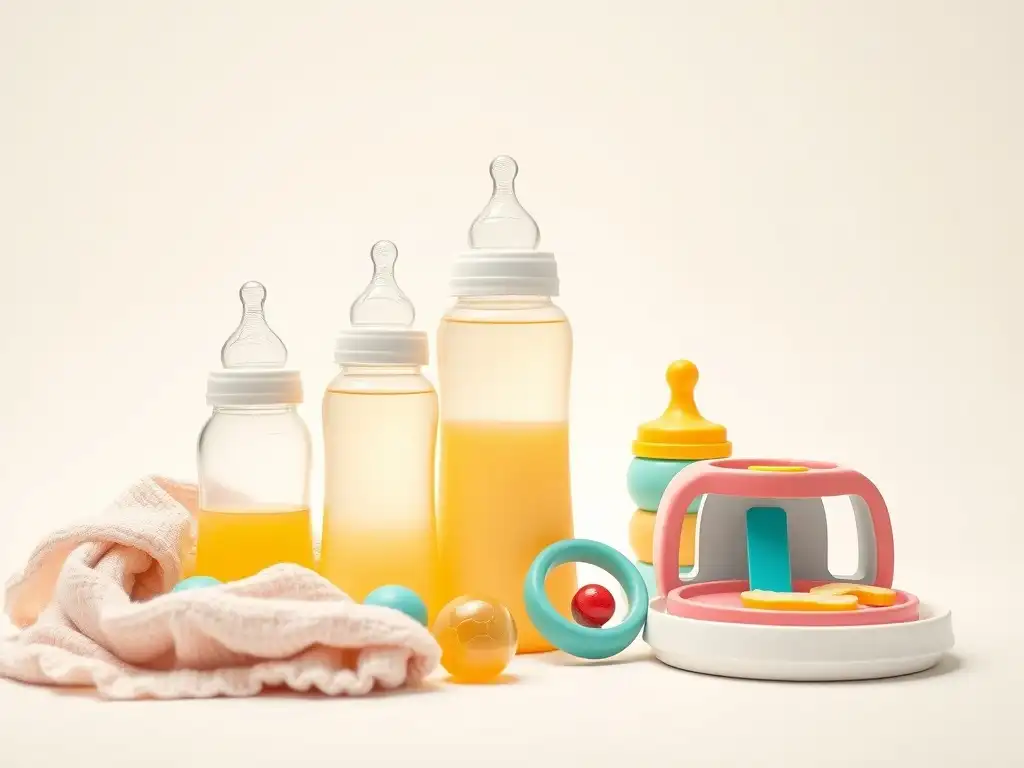
Choosing the best formula for newborn bottle feeding is just the first step. As your baby grows, their nutritional needs change, requiring a transition to different stages of formula. Understanding this process is crucial for ensuring your little one receives the optimal nutrients for healthy development. This section focuses on the gradual introduction of follow-up formulas and preparing your baby for the eventual transition to solid foods.
Remember, always consult your pediatrician before making any changes to your baby's feeding routine. They can provide personalized advice based on your baby's individual growth and development. Finding the best formula is a process of finding what works best for your baby.
Gradual Introduction of Follow-Up Formulas: Adapting to Your Baby's Changing Nutritional Needs
Newborn formulas are specifically designed to meet the nutritional requirements of infants from birth to around six months. However, as your baby grows and develops, their needs shift. Follow-up formulas, also known as stage 2 or toddler formulas, are formulated to provide the necessary nutrients for babies aged six months and older. These formulas typically contain higher levels of iron, protein, and other essential vitamins and minerals to support continued growth and development.
The transition shouldn't be abrupt. A gradual introduction is recommended to allow your baby's digestive system to adapt. You might start by mixing a small amount of follow-up formula with their regular newborn formula, gradually increasing the proportion of follow-up formula over a few days or a week. Observe your baby for any signs of digestive upset, such as gas, diarrhea, or constipation.
If you notice any adverse reactions, consult your pediatrician immediately. Choosing the right follow-up formula might involve considering factors like your baby's weight gain, overall health, and any potential allergies or sensitivities. Some formulas are specifically designed to address certain needs, such as those with sensitive stomachs or those who are prone to allergies.
Preparing Your Baby for Solid Foods: Complementary Feeding and Weaning from Formula
Around six months of age, most babies are ready to start introducing solid foods as a complement to their formula feedings. This process, known as complementary feeding, is a gradual transition where solid foods are introduced alongside formula to provide a wider range of nutrients and textures. This is not a replacement for formula, but rather a supplement.
The timing of this introduction varies from baby to baby; some show readiness earlier, while others may need a bit more time. Signs of readiness include being able to sit upright with support, showing interest in food, and having good head and neck control.
The introduction of solids should be slow and steady. Begin with single-ingredient purees, such as sweet potato, avocado, or carrots. Introduce one new food at a time, waiting a few days to observe for any allergic reactions before introducing another. Common allergens include dairy, eggs, peanuts, tree nuts, soy, wheat, fish, and shellfish.
Keep a close eye on your baby for any signs of allergies, such as hives, swelling, or difficulty breathing. If you notice any allergic reactions, stop feeding the food immediately and consult your pediatrician. As your baby grows, you can gradually increase the variety and complexity of the foods you offer, moving from purees to soft, mashed foods and eventually to finger foods. The transition to solid foods is a gradual process that takes time and patience.
Remember, formula will continue to play a crucial role in your baby's nutrition even after solid foods are introduced, likely until at least one year of age. The goal is to ensure your baby receives a balanced and nutritious diet to support optimal growth and development. This process, like choosing the best formula for newborn bottle feeding, is a personal journey with unique needs for each baby.
Resources and Further Information on Infant Formula
This section provides you with valuable resources to further your understanding of infant formula and bottle feeding. Finding reliable information is crucial for making informed decisions about your baby's nutrition. We've compiled a list of trustworthy sources to help you navigate the world of infant formula with confidence. Choosing the best formula for newborn bottle feeding requires careful consideration and research, and these resources will assist you in that process.
Recommended Websites and Organizations: Reliable Sources for Infant Feeding Information
Navigating the vast ocean of online information can be overwhelming. Therefore, we've curated a list of reputable websites and organizations dedicated to providing accurate and up-to-date information on infant feeding. These resources offer evidence-based advice, helping you make the best choices for your little one. Remember to always consult your pediatrician for personalized guidance.
- The American Academy of Pediatrics (AAP): The AAP provides comprehensive guidelines and recommendations on various aspects of child health, including infant nutrition. Their website offers detailed information on formula feeding, addressing common concerns and providing expert advice. They are a cornerstone for reliable information on the best formula options and safe feeding practices.
- The World Health Organization (WHO): The WHO offers global perspectives on infant and young child feeding, including information on formula composition, safety standards, and breastfeeding support. Their resources are invaluable for understanding international best practices and guidelines. They offer insights into global standards that can inform your choices regarding the best formula for your newborn.
- La Leche League International (LLLI): While primarily focused on breastfeeding, LLLI also provides balanced information on formula feeding for families who choose this option. They offer support and resources, emphasizing the importance of a nurturing and supportive environment for feeding your baby. They understand the complexities of infant nutrition and offer valuable perspective.
- Your Pediatrician's Office: This is the most important resource. Your pediatrician can provide personalized recommendations based on your baby's individual needs and health history, helping you choose the best formula for your newborn's specific situation. They can address any concerns you may have and provide tailored guidance.
Books and Articles on Infant Nutrition: Expanding Your Knowledge on Baby Formula
Beyond online resources, several excellent books and articles delve into the intricacies of infant nutrition and formula feeding. These resources offer in-depth analyses, providing a broader understanding of the science behind infant formula and its impact on your baby's growth and development. They can help you make informed decisions based on a deeper understanding of the subject.
Here are a few examples (note: Specific titles and authors may vary; always check for current recommendations from your pediatrician):
| Book Title | Author(s) | Key Focus |
|---|---|---|
| The Baby Book | William Sears, Martha Sears | Comprehensive guide to baby care, including feeding. |
| What to Expect the First Year | Heidi Murkoff, Sharon Mazel | Practical advice for new parents, covering nutrition. |
| Infant and Toddler Nutrition | [Author Name Pending] | Detailed information on infant nutrition and formula. |
| [Title Pending: Book on Formula Composition] | [Author Name Pending] | Deep dive into the science of formula components. |
Remember, consistent and reliable information is key to successfully bottle-feeding your newborn. Utilizing these resources will equip you with the knowledge and confidence to make informed decisions about your baby's nutritional well-being. Always remember to consult your pediatrician for personalized advice on choosing the best formula for newborn bottle feeding. 👶🍼
Frequently Asked Questions
What is the best formula for newborn bottle feeding?
There's no single "best" formula, as the ideal choice depends on your baby's individual needs and preferences. Consult your pediatrician to determine the most suitable option based on factors like allergies or digestive sensitivities. Look for formulas that meet infant nutritional requirements.
When should I start bottle feeding my newborn?
The timing depends on your individual circumstances. Some mothers begin supplementing with formula from birth, while others exclusively breastfeed for several weeks or months. It's crucial to follow your pediatrician's advice on the best approach for you and your baby.
How much formula should I give my newborn per feeding?
The amount varies depending on your baby's age and weight. Start with smaller amounts and gradually increase as your baby grows. Always follow the instructions on the formula packaging and consult your pediatrician for personalized guidance on feeding volume.
What are the signs my baby is hungry?
Newborns display various hunger cues, including rooting (turning their head and opening their mouth), sucking on their hands or fists, and fussiness or crying. Observe your baby's cues and feed them when they show signs of hunger.
What are some tips for preventing gas and colic during bottle feeding?
Burp your baby frequently during and after feedings to release trapped air. Choose a slow-flow nipple to reduce air intake. Consider consulting your pediatrician if your baby experiences excessive gas or colic, as they can recommend strategies for managing these issues.
Final Reflection: Nurturing the Next Generation Through Informed Choices
The journey of feeding a newborn is a deeply personal one, and choosing the right formula is a crucial step in ensuring your baby's healthy development. This guide aimed to demystify the process of bottle-feeding with formula, providing you with the information necessary to make informed decisions based on your baby's individual needs and your family's values. The right formula can significantly impact your baby's growth, well-being, and overall journey into the world.
The impact of formula feeding extends far beyond the immediate needs of the infant; it touches upon broader societal discussions surrounding nutrition, parental choices, and the evolving landscape of infant care. The sheer volume of options available can be overwhelming, and the constant influx of new research and recommendations can leave parents feeling lost. The most important thing is to find a feeding method that works for both you and your baby, fostering a bond built on love and care.
This sentiment underscores the importance of prioritizing a holistic approach, one that considers not only the nutritional aspects but also the emotional well-being of both parent and child.
Now, as you embark on this incredible journey, remember the power of informed decision-making. Take the time to reflect on what you've learned, and don't hesitate to consult with your pediatrician or other healthcare professionals for personalized guidance. Your baby's well-being is paramount, and by approaching this process with knowledge, confidence, and a deep love for your little one, you are setting the stage for a bright and healthy future. Embrace this experience, celebrate the small victories, and cherish every moment of this precious time.
Unlock Your Confidence: Mastering Formula Feeding
Thank you for learning more about formula feeding your baby! We hope this guide has given you the knowledge and confidence to approach this journey with ease. Now, let's put that knowledge into practice.
- Create a Personalized Feeding Schedule: Use what you've learned to develop a feeding plan that suits your baby's needs and your family's lifestyle. Remember, flexibility is crucial!
- Share Your Experiences: Connect with other parents in our BabyCareHub community forum and share your advice, successes, and challenges. Let's build a supportive network together.
- Explore Specialized Formulas: If your baby has specific dietary needs, consider researching specialized formulas. This guide provides a strong foundation for further exploration.
Ready to begin this exciting stage of parenthood, feeling supported and informed? What's one small step you can take today to improve your baby's feeding routine?