
The Ultimate Checklist for Starting Solids: Everything You Need

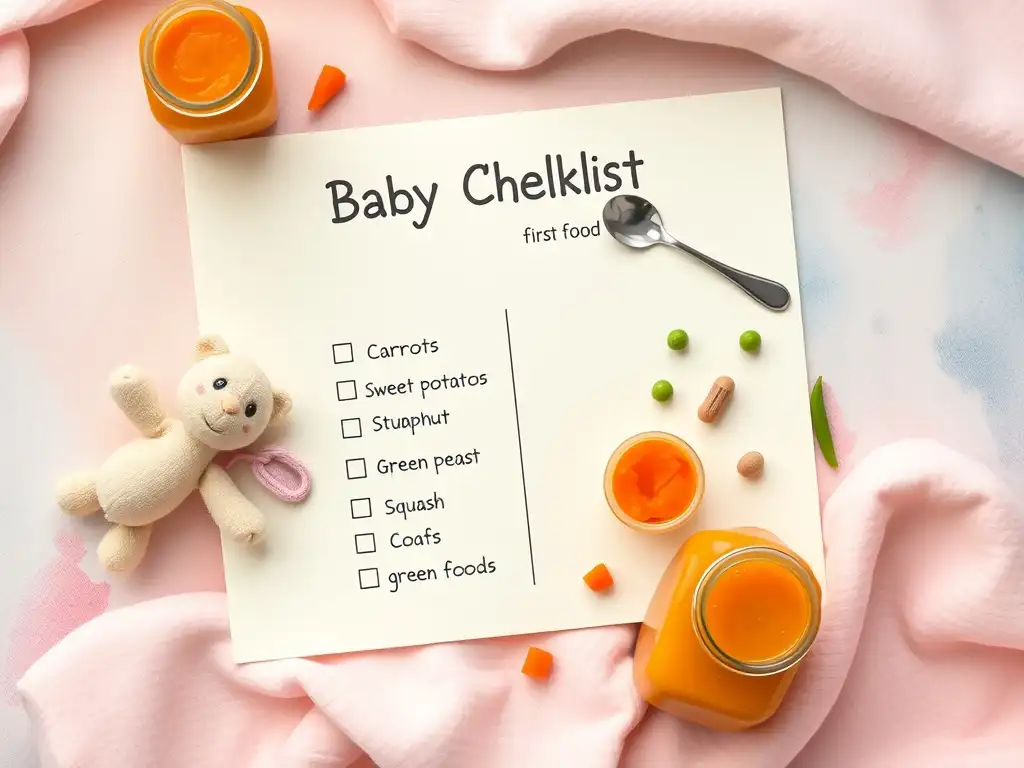
Welcome to BabyCareHub, your ultimate guide to navigating the incredible journey of parenthood! Are you a first-time parent feeling overwhelmed by the prospect of introducing solids? We understand. That's why we've created the definitive Baby food checklist for first-time parents, ensuring a smooth and healthy transition to this exciting new stage. Discover everything you need to know—from essential equipment to nutritious food ideas—and embark on this adventure with confidence. Let's get started!
- Baby Food Checklist: First-Time Parents' Essential Guide
- Baby Food Introduction: First Foods and Allergen Management
- The Baby Food Making Process: Homemade vs. Store-Bought
- Baby Led Weaning (BLW): An Alternative Approach
- Feeding Schedules and Portion Sizes for Babies
- Addressing Common Concerns and Challenges
- Monitoring Your Baby's Progress and Growth
- Frequently Asked Questions
- Final Reflection: Nourishing the Journey: Beyond the Checklist
- Unlock Your Baby's Culinary Journey: Start Solids Today!
Baby Food Checklist: First-Time Parents' Essential Guide
Starting your baby on solid foods is a significant milestone, filled with excitement and perhaps a little apprehension. This comprehensive checklist is designed to guide first-time parents through the process, ensuring a smooth and healthy transition from breast milk or formula to solid foods. We'll cover everything from recognizing the signs of readiness to assembling the essential equipment and creating a safe and enjoyable feeding experience.
This guide will equip you with the confidence and knowledge to navigate this exciting phase of your baby's development, addressing common concerns and offering practical advice to make the introduction of solid foods a positive experience for both you and your little one. Remember, patience and a flexible approach are key! This checklist focuses on providing a structured approach to starting solids, emphasizing safety and developmental appropriateness, all while considering the unique needs of your baby.
We'll address everything from selecting the right foods and utensils to managing potential allergies and maintaining a positive feeding environment. Let's dive in!
Preparing Your Baby for Solid Foods: Age and Readiness Signs
Introducing solid foods too early can be detrimental to your baby's digestive system and overall health. The recommended age to begin introducing solids is generally around 6 months, but this can vary depending on individual development. It's crucial to watch for several key developmental milestones before you begin. These signs indicate your baby's readiness both physically and developmentally:
- Age: Most babies are ready to start solids around 6 months of age. However, some may show readiness earlier or later.
- Head Control: Can your baby hold their head steady and upright without support? This is crucial for safe swallowing.
- Sitting Support: Can your baby sit upright with minimal support? This posture is essential for comfortable eating.
- Interest in Food: Does your baby show interest in your food, leaning forward or reaching out? This indicates a developing appetite and readiness for new tastes and textures.
- Loss of Tongue-Thrust Reflex: The tongue-thrust reflex, which pushes food out of the mouth, usually diminishes around 4-6 months. Observing this is a key indicator of readiness.
- Weight and Length: Your baby should have reached a healthy weight and length percentile for their age. Your pediatrician can provide guidance on this.
Remember, rushing the process can lead to frustration for both you and your baby. If your baby isn't showing these signs, there's no need to worry; wait until they are ready. Patience is key! Each baby develops at their own pace.
Assessing Your Baby's Developmental Milestones Before Starting Solids
Before diving into the practical aspects of introducing solids, it's vital to ensure your baby has reached the necessary developmental milestones. This isn't just about age; it's about their physical and cognitive readiness. Failing to do so could lead to potential choking hazards or digestive issues. Here's a breakdown of critical developmental areas to consider:
- Motor Skills: Can your baby reach for objects, grasp them, and bring them to their mouth? This indicates the development of the hand-eye coordination essential for self-feeding (eventually! ).
- Oral Motor Skills: Does your baby readily accept a spoon and attempt to move food around their mouth? This shows they’re developing the necessary skills to manage different textures.
- Swallowing Ability: Can your baby swallow food without choking or spitting it out excessively? This is a crucial safety consideration. Observe carefully for signs of difficulty.
- Gastrointestinal Readiness: Has your baby shown signs of readiness for solids through their digestive system? This often involves passing stools regularly and without difficulty.
It's important to consult your pediatrician or healthcare provider before starting your baby on solid foods. They can assess your baby's individual development and provide personalized guidance. This ensures a safe and successful transition to solid foods, minimizing any potential risks. Don't hesitate to ask questions; your pediatrician is your best resource during this exciting phase. 👶
Gathering Your Baby Food Essentials: Utensils and Equipment
Introducing your baby to solid foods is a significant milestone, and having the right tools makes the process smoother and more enjoyable. This section focuses on the essential utensils and equipment you'll need to embark on this exciting journey. Beyond the obvious, careful consideration of certain aspects will greatly enhance your baby's feeding experience and your own peace of mind.
First and foremost, a high chair is paramount. It provides a safe and secure place for your baby to sit during mealtimes, preventing spills and ensuring your little one remains upright and comfortable. Choosing a high chair that's easy to clean is crucial, as messy meals are inevitable! Look for features like removable trays and wipeable surfaces.
Consider adjustable height settings to accommodate your baby's growth and your own comfort. A five-point harness is also essential to secure your baby safely. Additionally, consider features such as a footrest for added stability and support. Investing in a high-quality, durable high chair is an investment in safety and convenience.
Choosing the Right High Chair for Your Little One
The market offers a wide variety of high chairs, each with its unique features and price point. Consider factors such as adjustability, ease of cleaning, safety features, and storage space. Some high chairs are compact and foldable, ideal for small spaces, while others offer additional features like reclining seats or built-in trays. Read reviews from other parents to get an unbiased perspective on the pros and cons of different models.
Prioritize safety features such as a stable base, secure straps, and a tray that is firmly attached. Remember to check for any recalls before purchasing. A good high chair will last you for several months, making it a worthwhile investment. Think about your lifestyle and living space to make the best choice for your family.
Spoons, Bowls, and Bibs: Selecting the Perfect Set
Beyond the high chair, you'll need a dedicated set of feeding utensils. Soft-tipped spoons are essential for your baby's delicate gums. Look for spoons made from silicone or soft plastic, avoiding anything with sharp edges or hard materials. Start with small, shallow bowls to prevent spills and make it easier for your baby to eat. Choose bowls made from materials that are easy to clean and dishwasher-safe.
Bibs are a must-have to protect your baby's clothes from inevitable spills. Consider purchasing several bibs, made from waterproof materials, so you always have a clean one on hand. Look for bibs with easy-to-clean surfaces and adjustable closures. Invest in bibs with a large catch-all pocket to minimize cleanup.
Essential Baby Food Storage Containers and Organization
Proper food storage is crucial when preparing homemade baby food. Invest in airtight containers to maintain freshness and prevent spoilage. Ice cube trays are excellent for freezing small portions of purees, allowing you to thaw only what you need. Consider using freezer-safe bags for larger quantities. Label each container with the date and contents to maintain organization and avoid food waste.
A dedicated shelf or drawer in your refrigerator can help you keep everything organized and easily accessible. Clear, stackable containers make it easy to see what you have on hand. Efficient storage will simplify meal preparation and reduce food waste, making your baby food journey smoother. Remember to always check the temperature of the food before serving it to your baby. Proper storage and organization will help you efficiently manage your baby's food journey.
Baby Food Introduction: First Foods and Allergen Management
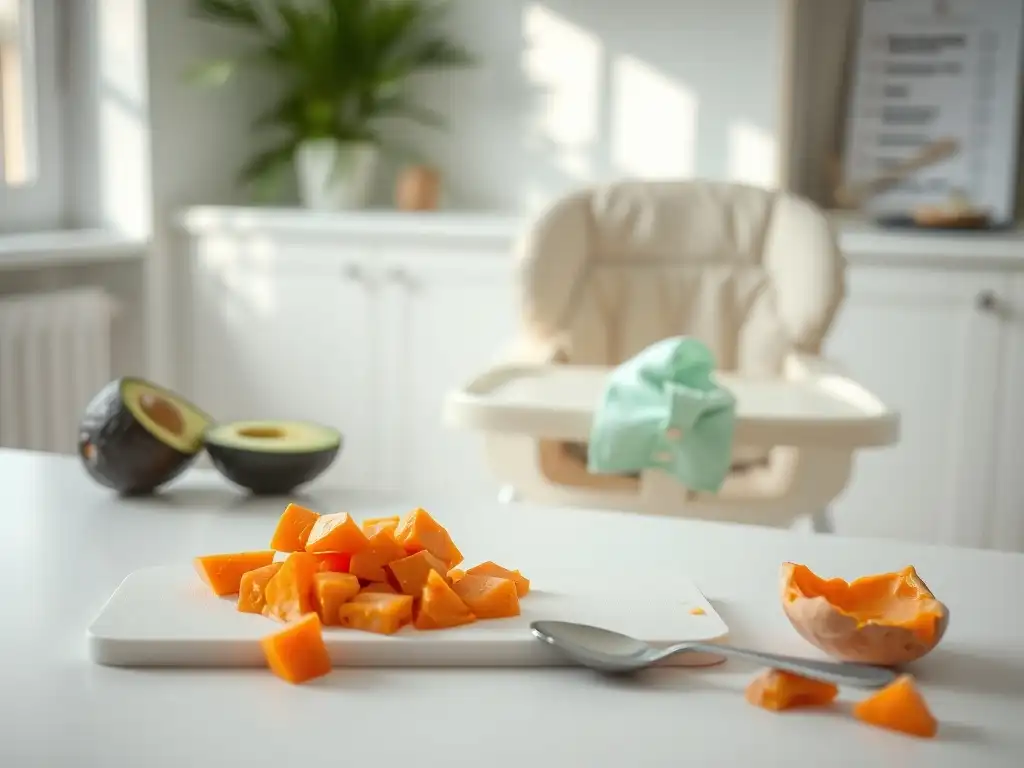
This section focuses on the crucial first steps in introducing solid foods to your baby, emphasizing safety and minimizing the risk of allergic reactions. Successfully navigating this phase requires careful planning and a proactive approach to allergen management. Remember, every baby is different, and you should always consult your pediatrician before starting solids.
This checklist helps you prepare for this exciting milestone in your baby's development. The timing of introduction is also key; most pediatricians recommend starting around 6 months of age, when your baby shows signs of readiness, such as good head control and the ability to sit upright with support.
Selecting Safe and Nutritious First Foods for Your Baby
Choosing the right first foods is paramount. Focus on single-ingredient purees to easily identify potential allergens. Avoid added sugars, salts, and honey (due to botulism risk). Here's a list of excellent options:
- Iron-rich options: Sweet potatoes, lentils, iron-fortified cereals (rice, oat, barley). Iron is crucial for your baby's development.
- Fruits: Avocado (creamy texture, packed with healthy fats), ripe bananas (easy to mash), pears (gentle on the digestive system).
- Vegetables: Butternut squash, carrots (cooked until soft).
- Protein sources: Well-cooked and pureed chicken or tofu (introduced later, after other foods).
Remember to thoroughly cook all vegetables and fruits to ensure they are soft enough for your baby to manage. Consider steaming or boiling to retain nutrients.
| Food | Nutritional Benefits | Potential Allergens | Notes |
|---|---|---|---|
| Sweet Potato | Vitamin A, fiber | Low | Cook until very soft |
| Avocado | Healthy fats, potassium | Low | Ripe avocados are easiest to mash |
| Iron-fortified Cereal | Iron, various vitamins and minerals | Varies (check label) | Introduce gradually, mixing with breast milk or formula |
| Chicken | Protein | Moderate | Ensure thoroughly cooked and pureed |
Introducing Single-Ingredient Purees: A Step-by-Step Approach
Start with a single-ingredient puree, offering a small amount (1-2 teaspoons) once or twice a day. Observe your baby for any adverse reactions for several days before introducing a new food. This allows you to pinpoint any potential allergies. Pay close attention to their bowel movements and skin for any changes.
- Prepare the food: Steam or boil until very soft, then blend until smooth.
- Introduce the food: Start with a small amount, using a clean spoon.
- Observe your baby: Watch for any signs of allergic reactions (rash, swelling, vomiting, diarrhea).
- Wait: Wait 2-3 days before introducing another new food.
- Increase quantity gradually: Slowly increase the amount of food as your baby gets used to it.
Remember to always supervise your baby while they are eating.
Managing Potential Allergic Reactions: What to Watch For
Allergic reactions can range from mild to severe. Knowing the signs is crucial. Common symptoms include:
- Skin rash: Hives, eczema, redness.
- Swelling: Around the mouth, eyes, or face.
- Vomiting or diarrhea: Excessive or unusual bowel movements.
- Difficulty breathing: Wheezing, coughing, shortness of breath.
If you notice any of these symptoms, immediately stop feeding your baby the suspected food and contact your pediatrician or allergist. Anaphylaxis, a severe allergic reaction, requires immediate medical attention.
Important Note: While introducing potential allergens early may reduce the risk of allergies in some cases, this is a complex issue, and parental decisions should always be informed by a pediatrician's recommendation. Always consult your doctor before introducing any potential allergen.
Gradual Introduction of New Foods: Avoiding Overwhelm
Avoid overwhelming your baby by introducing new foods one at a time, waiting 2-3 days between each new food. This allows you to monitor for any reactions and helps your baby's digestive system adjust. Once your baby tolerates a food well, you can gradually increase the portion size. You can also combine foods after your baby has successfully tried each ingredient individually. This methodical approach minimizes digestive upset and helps you identify any potential food sensitivities or allergies efficiently. Remember patience is key—it may take several attempts before your baby accepts a new food. 👶
The Baby Food Making Process: Homemade vs. Store-Bought
Starting your baby on solids is a significant milestone, and deciding between homemade and store-bought baby food is a crucial first step. Both options have their advantages and disadvantages, impacting your baby's nutrition, your time commitment, and your budget. Let's explore the key differences to help you make an informed decision for your little one. This checklist will help you navigate the process, whether you choose the homemade or store-bought route, ensuring your baby receives the best possible nutrition.
Making Homemade Baby Food: Recipes and Tips
Making your own baby food offers unparalleled control over ingredients, ensuring your baby receives fresh, wholesome nutrition free from additives and preservatives. This approach allows for customization based on your baby's individual needs and preferences, potentially reducing the risk of allergies or sensitivities by gradually introducing new foods. However, it requires a significant time investment in preparation, cooking, and storage.
Simple Puree Recipes for Beginners
Beginning with single-ingredient purees is recommended to easily identify any potential allergies. Here are a few simple recipes to get you started:
- Sweet Potato Puree: Steam or bake a sweet potato until soft. Blend until smooth, adding a little breast milk or formula for desired consistency.
- Avocado Puree: Simply mash a ripe avocado until creamy. Avocado is naturally rich in healthy fats.
- Carrot Puree: Steam or boil carrots until tender. Blend until smooth.
- Green Bean Puree: Steam green beans until tender. Blend until smooth, adding a touch of water or broth if needed.
Remember to introduce new foods one at a time, waiting 2-3 days to observe for any allergic reactions before introducing another. Always supervise your baby while they are eating.
Storing and Freezing Homemade Baby Food Safely
Proper storage is crucial to maintain the nutritional value and safety of homemade baby food. Use airtight containers and label them with the date of preparation. Purees can be refrigerated for up to 3 days. For longer storage, freeze in ice cube trays or small portions in freezer-safe bags. Thaw in the refrigerator overnight and discard any leftovers after 24 hours.
Tip: Use ice cube trays to freeze individual portions, making it easy to thaw and serve just the right amount. This minimizes waste and prevents spoilage.
Choosing Store-Bought Baby Food: Brands and Safety Guidelines
Store-bought baby food offers convenience and a wide variety of options, saving you valuable time and effort. However, it's essential to carefully examine labels and choose brands that prioritize quality ingredients and safety. Always check the expiration date and ensure the packaging is undamaged before serving.
Reading Baby Food Labels Critically: Understanding Ingredients
Pay close attention to the ingredient list. Look for foods with minimal processing and a short list of recognizable ingredients. Avoid products with added sugars, salt, or artificial flavors, colors, and preservatives. Understanding the ingredients is key to providing your baby with the healthiest options.
| Ingredient | Description | Desirable? |
|---|---|---|
| Organic Vegetables | Grown without pesticides or synthetic fertilizers | ✅ |
| Water | Used as a thinning agent | Neutral |
| Added Sugars | Avoid; unnecessary and potentially harmful | ❌ |
| Artificial Flavors | Avoid; unnecessary and potentially harmful | ❌ |
| Preservatives | Avoid; unnecessary and potentially harmful | ❌ |
Selecting Organic and Non-GMO Baby Food Options
Opting for organic and non-GMO baby food can reduce your baby's exposure to pesticides and genetically modified organisms. While potentially more expensive, many parents believe the added health benefits justify the cost. Look for certifications like USDA Organic and Non-GMO Project Verified on the label to ensure authenticity. Remember to consider your budget and your baby's individual needs when making this decision. Choosing the best option for your family might involve a combination of homemade and store-bought baby foods. The key is to prioritize nutrition and safety above all else. 👶
Baby Led Weaning (BLW): An Alternative Approach
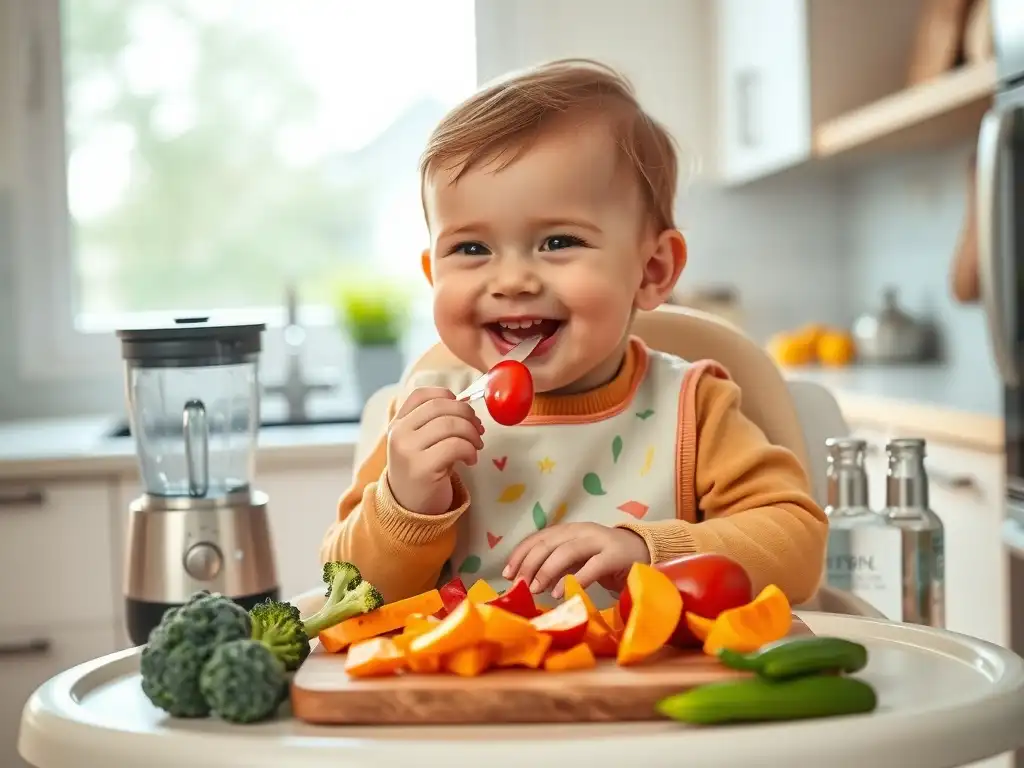
Baby-led weaning (BLW) offers a different approach to introducing solids compared to traditional purees. Instead of spoon-feeding pureed foods, BLW empowers babies to self-feed soft, appropriately sized pieces of food from the start. This method emphasizes the baby's natural ability to regulate their intake and develop their fine motor skills. It's important to note that BLW isn't about completely skipping purees; some babies may still enjoy a combination of both methods.
For many first-time parents, however, the idea of letting their baby explore food independently can feel daunting. This section will address some key concerns and provide you with the information you need to confidently embark on the BLW journey. Remember, always consult your pediatrician before introducing solids to your baby. This checklist is designed to supplement, not replace, professional medical advice.
Understanding the Principles of Baby-Led Weaning
The core principle of BLW is to give your baby control over their feeding experience. Instead of spoon-feeding, you offer your baby appropriately sized pieces of soft, cooked food that they can pick up and feed themselves. This allows them to explore different textures, flavors, and self-regulation of their food intake. This approach promotes healthy eating habits from the start.
The emphasis is on letting the baby lead the pace and decide how much they eat, fostering a positive relationship with food. It's a journey of exploration, discovery, and development, empowering your baby to become an active participant in their own feeding journey. Remember, messy faces are part of the process! Embrace the chaos and enjoy watching your baby learn and grow.
Safe Foods for Baby-Led Weaning: Age-Appropriate Options
Choosing safe foods is paramount when starting BLW. Avoid anything that poses a choking hazard, such as small, round foods like grapes or cherry tomatoes (unless cut into quarters lengthwise). Focus on soft, easily-mashable foods that your baby can easily gum and manage. Here's a list of age-appropriate options for your baby food checklist, categorized for easy reference:
| Food Category | Examples | Considerations |
|---|---|---|
| Fruits | Avocado slices, banana sticks, soft berries (cut lengthwise), well-cooked peaches or pears | Avoid whole grapes; cut into quarters lengthwise. Always supervise feeding. |
| Vegetables | Steamed broccoli florets, carrot sticks, soft cooked sweet potato sticks | Ensure vegetables are cooked until very soft. |
| Proteins | Cooked chicken strips (well-cooked and shredded), soft tofu cubes, lentils | Avoid hard, uncooked meats. |
| Other | Cooked pasta (well-cooked and cut into sticks), soft cooked beans | Ensure food is cooked thoroughly and soft enough for easy gumming. |
Remember to always supervise your baby during mealtimes and introduce one new food at a time, waiting a few days to monitor for any allergic reactions.
Preparing Foods for BLW: Safe Cutting and Serving Techniques
Preparing food for BLW requires attention to detail. The goal is to offer food that's easy for your baby to manage and minimize choking risks. Here are some essential techniques:
- Cutting: Cut food into long, stick-like pieces or large, gummable chunks. Avoid small, round pieces. Think “gummable sticks” rather than bite-sized pieces.
- Cooking: Steam or bake foods until very soft. Overcooked is better than undercooked in this case.
- Serving: Offer food in a way that's easy for your baby to grasp. A high chair with a tray is recommended.
Remember, patience and consistency are key. Your baby will learn at their own pace. Don’t be discouraged if they initially reject certain foods or make a mess. The goal is to create a positive and enjoyable experience around food. This "baby food checklist first time parents" approach will help you navigate the exciting journey of introducing solids to your little one. 🎉
Feeding Schedules and Portion Sizes for Babies
Starting solids is an exciting milestone, but it can also be overwhelming for first-time parents. Navigating feeding schedules and portion sizes is crucial for your baby's healthy growth and development. This section will provide a practical guide to help you confidently introduce solid foods into your baby's diet. Remember, every baby is unique, and these are guidelines, not strict rules. Always consult your pediatrician for personalized advice. This checklist will help you prepare for this new phase of your baby's life and address common concerns surrounding baby food for first-time parents.
Establishing a Healthy Feeding Routine for Your Baby
Establishing a consistent feeding routine is beneficial for both you and your baby. It helps regulate their digestive system and creates a predictable structure to their day. When starting solids, aim for a relaxed and enjoyable experience. Avoid pressuring your baby to eat more than they want.
Here's a sample schedule to consider, keeping in mind that flexibility is key:
- Morning: Breast milk or formula feeding followed by a small portion of pureed fruits or vegetables (around 1-2 tablespoons).
- Mid-day: Breast milk or formula feeding.
- Afternoon: Another small portion of solids (1-2 tablespoons), perhaps a different fruit or vegetable than the morning.
- Evening: Breast milk or formula feeding.
This is just an example; adjust the schedule to suit your baby's cues and your family's routine. You might find that your baby is more interested in solids at certain times of the day. Observe their responses and adjust accordingly. Remember to always prioritize a calm and positive environment during feeding time. This will help your baby associate mealtimes with positive experiences. The key is to be patient and responsive to your baby's individual needs. This will help them develop a healthy relationship with food.
Determining Appropriate Portion Sizes for Each Meal
Initially, start with extremely small portions – think 1-2 teaspoons, gradually increasing to 1-2 tablespoons as your baby gets used to the texture and shows an increased appetite. Don't be discouraged if your baby doesn't eat everything you offer; it's perfectly normal. Focus on offering a variety of nutritious foods rather than pushing them to finish a specific amount.
The following table provides a general guideline for portion sizes, but always remember to adjust based on your baby’s individual needs and developmental stage:
| Age (Months) | Approximate Portion Size per Meal |
|---|---|
| 6-7 | 1-2 teaspoons |
| 8-9 | 1-2 tablespoons |
| 10-12 | 2-4 tablespoons |
It's important to note that these are just estimates. Observe your baby's cues – if they seem satisfied after a smaller portion, don't force them to eat more. Similarly, if they seem hungry after a larger portion, you can offer more. The goal is to provide enough food to support their growth without overfeeding them. Overfeeding can lead to digestive issues and unhealthy eating habits. Always prioritize your baby's comfort and satisfaction.
Recognizing Your Baby's Hunger and Fullness Cues
Learning to interpret your baby's hunger and fullness cues is essential for preventing overfeeding or underfeeding. Babies communicate their needs in various ways, and it's crucial to pay attention to these signals.
Here are some common signs of hunger:
- Fussiness and irritability
- Increased sucking on hands or fingers
- Turning their head towards food
And here are some common signs of fullness:
- Turning their head away from food
- Pushing food away with their tongue
- Losing interest in eating
- Becoming sleepy or lethargic
It's crucial to respect your baby's cues. Don't force them to eat if they show signs of being full. Forcing them to eat can lead to negative associations with mealtimes and can create problems later on. Always prioritize a positive and enjoyable feeding experience. This will help build healthy eating habits for your little one. Remember, consistency and patience are key when it comes to introducing solid foods to your baby. Enjoy this special time with your child! 👶🍼
Addressing Common Concerns and Challenges
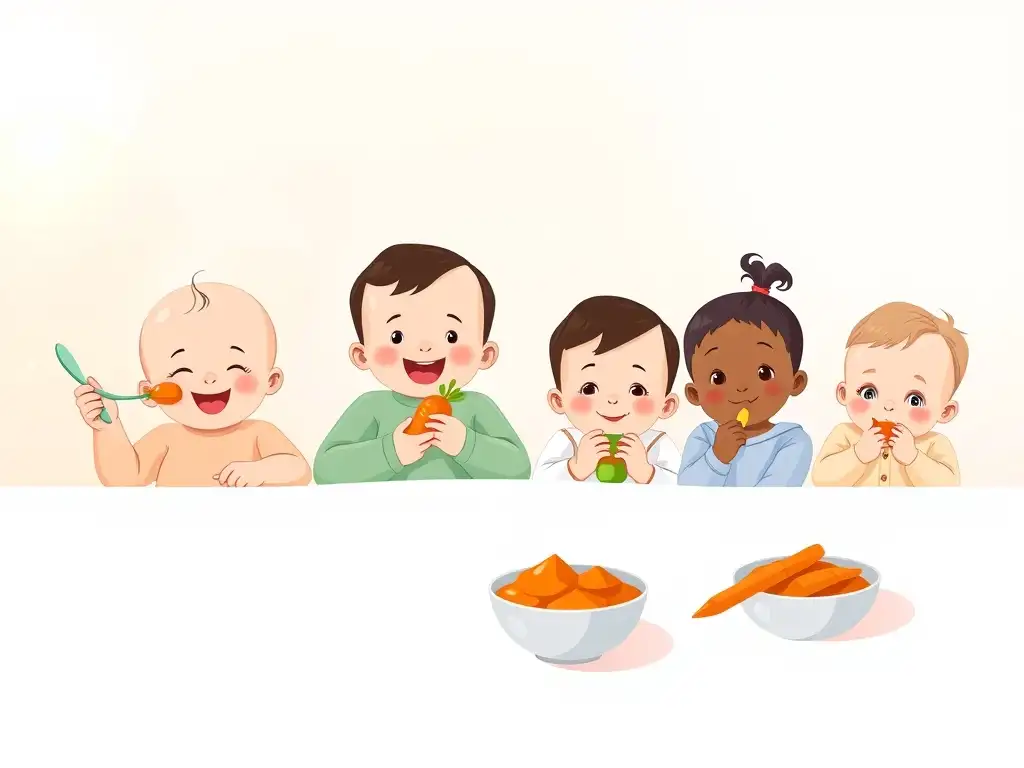
Starting your baby on solids is a significant milestone, and while exciting, it's also natural to experience some anxieties and challenges along the way. This section addresses some common concerns first-time parents face when introducing solid foods, providing practical tips and strategies to navigate these hurdles smoothly. Remember, every baby is unique, and what works for one might not work for another. Patience and flexibility are key. This checklist helps you prepare for the journey of introducing baby food and managing potential difficulties. Understanding these common challenges ahead of time will give you the confidence to handle them effectively.
Dealing with Fussy Eaters: Tips and Strategies
Many babies go through phases of food fussiness. It's not uncommon for them to reject certain foods, textures, or even the entire concept of solids at times! This doesn't necessarily indicate a problem; it's often a normal part of development. However, persistent fussiness can be concerning. Here are some strategies to encourage your little one to explore different tastes and textures:
- Offer a variety of foods: Don't give up on a food after just one attempt. It often takes multiple exposures for a baby to accept a new flavor or texture. Introduce new foods one at a time, waiting a few days to observe any allergic reactions before introducing another.
- Make it fun! Use colorful bowls and spoons, and involve your baby in the process. Let them help with age-appropriate tasks, such as washing fruits or vegetables.
- Positive reinforcement: Avoid pressure or forcing your baby to eat. Instead, focus on positive reinforcement. Praise and celebrate even small attempts at trying new foods.
- Lead by example: Babies learn by observing their parents. If you eat a variety of healthy foods, your baby is more likely to show interest in trying them too.
- Don't stress over portion sizes: Focus on offering a variety of nutritious foods rather than fixating on the amount your baby eats. They will self-regulate their intake over time.
- Consult your pediatrician: If your baby's fussiness is persistent or accompanied by other symptoms, consult your pediatrician to rule out any underlying medical conditions.
Managing Baby Food Refusal: Patience and Persistence
Baby food refusal can be frustrating for parents, but it's crucial to remain patient and persistent. Remember that your baby is learning and developing at their own pace. Avoid power struggles over mealtimes. Instead, try the following:
- Offer food at different times of the day: Some babies might be hungrier at certain times than others. Experiment with different mealtimes to find what works best for your baby.
- Change the presentation: Try different textures (purees, mashed, soft finger foods) and temperatures (warm or cool). The way you present the food can significantly impact your baby's willingness to try it.
- Incorporate familiar flavors: Introduce new foods gradually, starting with familiar flavors that your baby already enjoys in breast milk or formula.
- Be a role model: Show your baby that you enjoy eating healthy foods. They are more likely to try new things if they see you enjoying them.
- Avoid distractions: Create a calm and relaxed mealtime environment free from distractions such as TV or toys. Focus on interacting with your baby during mealtimes.
- Take breaks: If your baby is consistently refusing food, take a short break and try again later. Sometimes, a little time away can help renew their interest.
Addressing Constipation and Other Digestive Issues
Constipation is a common concern when starting solids. The introduction of new foods can sometimes affect a baby's digestive system. Here's how to address it and other digestive issues:
| Issue | Symptoms | Solutions |
|---|---|---|
| Constipation | Infrequent or hard stools, straining during bowel movements | Increase fluid intake (water, breast milk, formula), add high-fiber foods (prunes, pears), gentle massage of the tummy. Consult your pediatrician if persistent. |
| Diarrhea | Loose, watery stools, frequent bowel movements | Offer bland foods like rice cereal, bananas. Ensure adequate hydration. Consult your pediatrician if severe or persistent. |
| Gas and Bloating | Fussiness, discomfort, abdominal distension | Burping frequently, gentle tummy massage, avoiding gas-producing foods. |
| Allergic Reactions | Rash, hives, vomiting, diarrhea, difficulty breathing | Immediately discontinue the suspected food and contact your pediatrician. |
Remember to always consult your pediatrician if you have any concerns about your baby's digestive health or if symptoms persist. Early intervention is key to resolving any issues and ensuring your baby's well-being. This checklist provides a framework, but remember to adapt it to your baby’s individual needs and always seek professional advice when needed. 👶
Monitoring Your Baby's Progress and Growth
Introducing solid foods is a significant milestone in your baby's development, and careful monitoring is crucial. This isn't just about ensuring they're eating enough; it's about observing their overall response to this new dietary phase. Tracking their progress allows you to identify any potential issues early and adjust your approach accordingly. Remember, every baby develops at their own pace, so comparisons with other infants should be avoided. Focus on your baby's individual cues and milestones.
Tracking Your Baby's Food Intake and Development
Tracking your baby's food intake goes beyond simply noting how much they eat. Pay attention to what they eat, how they eat it, and their reactions afterwards. A simple food diary can be incredibly helpful. Consider noting the following:
- Date and Time: When did your baby eat? This helps establish a feeding pattern.
- Food Item(s): Specify the type of food, including brand and any added ingredients. For example, "1/4 cup organic sweet potato puree, 1 tbsp avocado."
- Quantity: Estimate the amount consumed. For purees, you might use tablespoons or ounces. For finger foods, count the number of pieces eaten.
- Texture: Note the consistency of the food (puree, mashed, soft chunks). This helps you track the progression of textures.
- Reactions: Did your baby seem to enjoy the food? Were there any signs of allergies (rash, vomiting, diarrhea)? Did they have any digestive discomfort? Document everything, no matter how insignificant it might seem.
You can also track developmental milestones related to eating. This could include:
- Sitting up: Can your baby sit unsupported while eating?
- Reaching and grasping: Can they reach for and grasp food items?
- Chewing and swallowing: Observe their chewing and swallowing abilities. Are they managing different textures effectively?
- Self-feeding: Are they showing interest in self-feeding?
Using a simple spreadsheet or a dedicated baby tracking app can simplify this process. Remember, consistency is key. Regularly updating your records will provide a valuable overview of your baby’s progress and help you identify any patterns or concerns. This detailed information is invaluable for pediatrician consultations.
When to Consult a Pediatrician Regarding Solid Foods
While tracking your baby's progress is essential, knowing when to seek professional advice is equally important. Consult your pediatrician immediately if you observe any of the following:
- Persistent vomiting or diarrhea: These could be signs of food intolerance or a more serious illness.
- Allergic reactions: Any signs of allergy, such as hives, swelling, or difficulty breathing, require immediate medical attention.
- Consistent refusal to eat: If your baby consistently rejects solid foods despite showing signs of hunger, it's worth discussing with your doctor. This could be due to various factors, including underlying medical conditions or developmental delays.
- Poor weight gain: If your baby isn't gaining weight adequately, despite consuming solids, a consultation is necessary.
- Constipation or difficulty passing stool: Persistent constipation could indicate a problem with digestion or the type of food being introduced.
- Signs of choking or difficulty swallowing: Choking can be life-threatening. Any concerns about your baby's ability to safely swallow solid foods should be addressed immediately.
Regular check-ups with your pediatrician are also crucial. They can assess your baby's overall growth and development and provide guidance on appropriate food choices and feeding schedules. Remember, open communication with your pediatrician is key to ensuring your baby's healthy transition to solid foods. Don't hesitate to ask questions and voice any concerns you may have. Early intervention is always best when it comes to your baby's health and well-being. 👶
Frequently Asked Questions
What should I include in my baby's first food checklist?
Your checklist should include essential items like highchair, bowls, spoons, bibs, age-appropriate purees or soft foods, and a food processor or blender (if making homemade food). Don't forget clean storage containers for leftovers!
When should I start introducing solid foods to my baby?
Most experts recommend starting around six months old, when your baby shows signs of readiness like good head control, being able to sit up unsupported, and showing interest in your food. Always consult your pediatrician.
What are some safe first foods for my baby?
Good options include single-ingredient purees of vegetables like sweet potatoes or carrots, fruits like bananas or avocados, and well-cooked, easily mashed foods like peas or green beans. Avoid honey and allergenic foods initially.
How much baby food should I give my baby at each meal?
Start with very small portions, about one to two teaspoons, and gradually increase the amount as your baby gets used to solids. Watch for signs of fullness and adjust accordingly. Listen to your baby's cues.
What if my baby refuses to eat their first solid foods?
Don't worry! It's common for babies to initially reject new foods. Keep offering a variety of healthy options in a relaxed and positive environment. It may take several tries before they accept a new food.
Final Reflection: Nourishing the Journey: Beyond the Checklist
The transition to solid foods is a monumental milestone for both baby and parent, and the anxieties surrounding this step are very real. This checklist, designed to alleviate some of that pressure, aims to empower first-time parents with the knowledge and tools to navigate this exciting phase with confidence. It's more than just a list of items; it's a roadmap to a healthy and happy introduction to the world of flavors.
The impact of this journey extends far beyond the practicalities of purees and spoons. It's a deeply personal experience, shaping the relationship between parent and child in profound ways. It's about creating positive associations with food, fostering healthy eating habits from the start, and celebrating the milestones along the way. The best things in life are not things.
This simple truth applies beautifully to the experience of introducing solids – the joy lies not just in the checklist being complete, but in the shared moments of discovery and connection.
Now, as you embark on this incredible adventure, remember that this checklist is a guide, not a rigid rulebook. Embrace the imperfections, the messy moments, and the sheer joy of watching your little one explore new tastes and textures. Trust your instincts, adapt as needed, and most importantly, savor every precious moment of this unique and fleeting phase of parenthood. This is your journey; make it your own.
Unlock Your Baby's Culinary Journey: Start Solids Today!
Thank you for exploring our guide to starting solids! We hope you feel confident and prepared for this exciting new phase with your little one. Ready to put your knowledge into action?
- Begin your baby's solid food adventure today! Choose a few age-appropriate foods and introduce them one at a time, carefully watching for any allergic reactions.
- Share your baby's first food experience with our community in the comments below – we'd love to see photos and hear your stories!
Ready to embrace the messy, delicious journey of introducing solids? What's the first pureed food you'll offer your little one?