
Sugar in Baby Food: Hidden Dangers and How to Spot Them

Welcome to BabyCareHub, your ultimate guide to navigating the exciting yet challenging journey of parenthood. We understand the overwhelming amount of information facing first-time parents, which is why we've created this comprehensive resource. Are you concerned about the potential dangers lurking in your baby's food? Discover the hidden dangers of sugar in baby food and learn how to make informed choices for your little one's health and well-being. Explore our Feeding & Nutrition section and embark on a journey towards confident, informed parenting.
- Understanding Added Sugar in Baby Food: The Shocking Truth
- Common Sources of Hidden Sugar in Commercial Baby Food
- Health Risks Associated with High Sugar Intake in Babies
- Choosing Healthy Baby Food: A Step-by-Step Guide
- Reducing Sugar Intake in Your Baby's Diet: Practical Tips
- Frequently Asked Questions
- Final Reflection: A Sweet Deception: Protecting Our Little Ones from Hidden Sugars
- Uncover Healthier Choices: Your Baby's Food Journey Starts Now
Understanding Added Sugar in Baby Food: The Shocking Truth
Many first-time parents navigate the world of baby food with excitement and a touch of trepidation. Choosing the right foods to nourish their little ones feels like a monumental task, and understandably so! While the focus is naturally on providing essential nutrients for healthy growth, a hidden danger often lurks within seemingly innocent jars and pouches: added sugar. This article delves into the alarming presence of added sugar in commercial baby food, exploring its detrimental effects on your baby's health and development, and providing you with the knowledge to make informed choices.
We'll equip you with the tools to decipher ingredient lists, spot hidden sugars, and select healthier options for your baby's nutritional journey. Protecting your baby from the potentially harmful effects of excess sugar is paramount, and this guide will empower you to do just that. Remember, a healthy start fuels a healthy future.
The Dangers of Excess Sugar for Infants: Development and Health
The impact of excessive sugar consumption on infants is far-reaching and significantly more detrimental than many realize. Unlike adults, babies' bodies are still developing, making them particularly vulnerable to the negative effects of added sugars. These effects are not merely aesthetic concerns; they pose serious threats to long-term health and well-being.
Excess sugar intake in infancy has been linked to several significant health problems, including:
- Increased risk of obesity and related conditions: Early exposure to high sugar diets significantly increases the likelihood of childhood obesity, paving the way for future health complications like type 2 diabetes, heart disease, and liver problems. The developing metabolism of an infant is particularly susceptible to this.
- Dental caries (tooth decay): The sugary content in many baby foods promotes the growth of bacteria in the mouth, leading to cavities and other dental issues. This can cause significant pain and discomfort, and potentially require costly and extensive dental procedures.
- Nutrient deficiencies: Foods high in added sugar often displace nutrient-rich options, resulting in nutritional imbalances. This can lead to deficiencies in essential vitamins and minerals crucial for healthy growth and development.
- Potential impact on gut microbiome: Emerging research suggests a link between high sugar intake and disruptions to the gut microbiome, which plays a critical role in overall health and immunity. This is an active area of research, but the implications are potentially significant.
- Behavioral problems: Some studies indicate a correlation between high sugar consumption and behavioral issues in children, although more research is needed to establish a definitive causal link.
Navigating baby food labels can feel like deciphering a secret code. Manufacturers often employ clever tactics to mask the presence of added sugar, making it challenging for parents to make informed decisions. However, with a little knowledge and attention to detail, you can effectively identify hidden sugars and choose healthier options for your baby.
Here's a breakdown of what to look for:
| Ingredient | Indication of Added Sugar | Alternative |
|---|---|---|
| Sucrose | Direct addition of table sugar. | Look for naturally sweet fruits and vegetables. |
| High-fructose corn syrup | A common, inexpensive sweetener. | Opt for products without added sugars. |
| Corn syrup | Another form of added sugar. | Prioritize whole foods. |
| Glucose | A simple sugar. | Choose unsweetened options. |
| Maltose | A disaccharide sugar. | Read labels carefully. |
| Dextrose | Another name for glucose. | Look for minimal ingredient lists. |
| Evaporated cane juice | Often marketed as a natural sweetener, but still sugar. | Check for added sugar content. |
Remember, the order of ingredients on the label reflects the quantity. Ingredients listed earlier are present in larger amounts. Always opt for baby foods with minimal ingredients and those that prioritize whole fruits and vegetables as their primary components. Prioritizing whole foods and limiting processed baby foods is a crucial step in protecting your baby from the hidden dangers of added sugar.
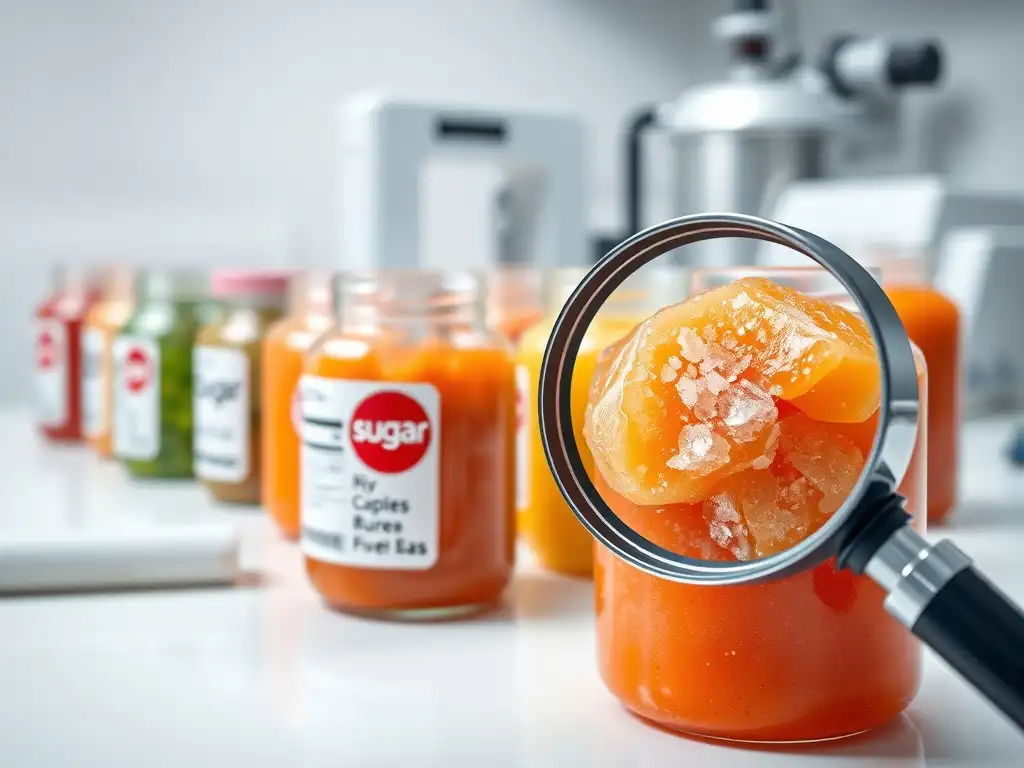
This section delves into the surprising places sugar can lurk in commercially produced baby food, providing you with the knowledge to make informed choices for your little one. Understanding these hidden sources is crucial for mitigating the potential negative impacts of excess sugar on your baby's health and development. Remember, even seemingly healthy options can contain significant amounts of added or naturally occurring sugars.
Fruit Purees and Juices: Natural Doesn't Always Mean Healthy
Many parents assume that fruit purees and juices are inherently healthy choices for their babies. While fruits offer essential vitamins and minerals, the concentration of sugar in pureed or juiced form can be surprisingly high. For example, a single small jar of apple puree might contain the equivalent sugar of several teaspoons of table sugar. This is because the fiber, which slows down sugar absorption in whole fruits, is largely removed during processing. Furthermore, some manufacturers add extra fruit juice concentrates to enhance sweetness and improve shelf life, further increasing the sugar content.
The problem is amplified by the fact that babies' developing digestive systems aren't yet equipped to handle large amounts of concentrated sugar. This can lead to digestive upset, increased risk of cavities, and even contribute to weight gain and other health problems. Always check the nutrition label carefully, paying close attention to the total sugar content. Look for options with minimal added sugars and consider offering whole fruits (mashed or finely chopped) whenever possible, as they provide both natural sweetness and essential fiber.
Added Sweeteners: Identifying Artificial and Natural Sweeteners
Beyond the naturally occurring sugars in fruits, many baby food manufacturers add sweeteners to enhance flavor and appeal. These can range from artificial sweeteners like sucralose or aspartame (although these are generally avoided in baby food due to safety concerns) to more natural sweeteners like cane sugar, corn syrup, or even honey (which should be avoided in babies under 1 year old due to botulism risk). These added sugars provide no nutritional value and contribute significantly to the overall sugar content.
It's crucial to carefully examine the ingredient list. Pay close attention to terms like "corn syrup," "high fructose corn syrup," "dextrose," "sucrose," "maltose," and "evaporated cane juice," all of which indicate added sugars. Opt for baby foods with minimal or no added sweeteners, prioritizing those with whole fruits and vegetables as primary ingredients. Remember, a shorter and simpler ingredient list often signifies a less processed and healthier product. Understanding these hidden sugars is a key step in ensuring your baby's healthy development.
Grains and Cereals: Unexpected Sugar Content
Surprisingly, even baby cereals and grain-based products can contain hidden sugars. While some cereals are fortified with vitamins and iron, many contain added sugars to improve taste and texture. This is particularly true for rice cereals and other options designed to be appealing to young babies. These added sugars can contribute to weight gain, dental problems, and other health issues.
It's vital to compare the sugar content across different brands and varieties. Look for options with minimal or no added sugars and prioritize whole-grain options whenever possible. Opt for plain, unsweetened cereals that you can sweeten naturally with breast milk or formula, or with small amounts of pureed fruit if your baby is older than 6 months. This allows you to control the amount of sugar your baby consumes and ensures a healthier start to their day. Checking nutrition labels diligently is key in navigating the sometimes deceptive world of baby food sugar content.
Health Risks Associated with High Sugar Intake in Babies
Excessive sugar consumption in infancy presents significant long-term health consequences for your little one. While a small amount of naturally occurring sugars in fruits is acceptable, added sugars in processed baby foods pose a serious threat. Understanding these risks is crucial for making informed choices about your baby's nutrition. This section will explore the detrimental effects of high sugar intake, specifically focusing on obesity, diabetes, dental health, and immune system development.
Increased Risk of Obesity and Type 2 Diabetes in Later Life
The link between early childhood sugar consumption and later-life obesity and type 2 diabetes is well-documented. Infants exposed to high levels of sugar develop a taste preference for sweet foods, leading to increased caloric intake and potential weight gain. This can set the stage for childhood obesity, significantly increasing the risk of developing type 2 diabetes and related metabolic disorders later in life.
Studies have shown a correlation between high sugar intake in infancy and a higher Body Mass Index (BMI) in childhood and adolescence. For example, a study published in [Journal Name Pending] found that infants consuming [Specific data pending] grams of added sugar per day had a [Specific percentage pending]% higher likelihood of being overweight by age 5. This underscores the importance of carefully monitoring your baby's sugar intake from the very beginning.
Remember, preventing obesity and diabetes begins long before your child reaches their teenage years. The foundation for a healthy metabolism is laid during infancy.
Dental Problems: Tooth Decay and Cavities in Infants
Sugar is the primary culprit behind early childhood caries (ECC), also known as baby bottle tooth decay. The sticky nature of sugary substances allows them to cling to teeth, providing a breeding ground for bacteria that produce acids. These acids erode tooth enamel, leading to cavities and potential infections.
Infants are particularly vulnerable because their teeth are still developing and their enamel is thinner and less resistant to acid attack. The prolonged exposure to sugary drinks, including sweetened formulas or juices, significantly increases the risk of ECC. The consequences can range from minor dental issues requiring fillings to severe infections requiring extensive treatment.
Early intervention is vital; regular dental checkups from the eruption of the first tooth are highly recommended, even before the first birthday. The damage from ECC can be irreversible and may impact permanent teeth development. Proactive measures such as limiting sugary drinks and practicing good oral hygiene are crucial to protect your baby's teeth.
Impact on Gut Health and Immune System Development
Beyond the immediate effects on weight and teeth, excessive sugar intake disrupts the delicate balance of the gut microbiome. This ecosystem of beneficial bacteria plays a pivotal role in digestion, nutrient absorption, and immune system development. A high-sugar diet can lead to an overgrowth of harmful bacteria, potentially disrupting the gut's natural microbial composition. This imbalance can compromise the immune system's effectiveness, increasing the risk of infections and other health issues.
The gut microbiome is crucial for establishing immunity, and its disruption during infancy can have long-term consequences. A healthy gut microbiome, nurtured by a balanced diet low in added sugars, is essential for a robust immune system and overall well-being. Research is ongoing to fully elucidate the complex interplay between sugar, gut microbiota, and immune development, but current evidence strongly suggests minimizing added sugar intake to support a healthy gut and immune system in your baby. 👶
Choosing Healthy Baby Food: A Step-by-Step Guide
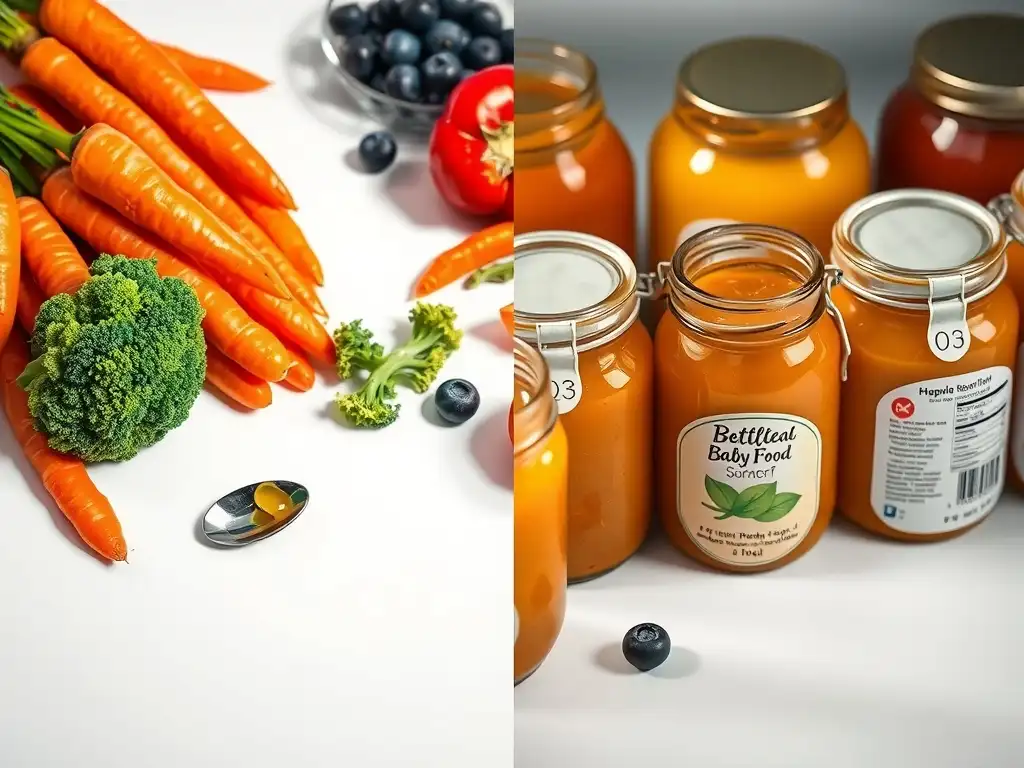
This section provides practical advice for navigating the often-confusing world of commercial baby food, specifically focusing on minimizing your baby's sugar intake. Understanding how to select healthier options is crucial for their long-term health and well-being. Remember, reducing added sugars in your baby's diet is a significant step towards preventing future health problems. We'll explore how to critically evaluate labels, compare brands, and even consider the rewarding option of making your own baby food at home.
Reading Food Labels Critically: Focusing on Sugar Content
Decoding baby food labels is essential to identifying hidden sugars. Manufacturers often use clever wording to mask the presence of added sugars. Look beyond the obvious terms like "sugar" and "sucrose." Be aware of sneaky culprits like:
- Corn syrup: A common and highly processed sweetener.
- High-fructose corn syrup: Another heavily processed sweetener, often linked to various health concerns.
- Evaporated cane juice: While sounding natural, it's essentially refined sugar.
- Dextrose: A simple sugar frequently used as a sweetener.
- Maltose: Another form of sugar, often found in processed foods.
- Fruit juice concentrates: While fruits contain natural sugars, concentrates are often highly processed and contain significantly more sugar than the whole fruit.
It's not just about the amount of sugar, but also its position on the ingredient list. Ingredients are listed in descending order by weight. The closer a sugar is to the top of the list, the more of it is present in the food. Ideally, you want to see sugars listed at the very end or not at all. For example, a label showing "applesauce, water, corn syrup" has a high sugar content, while "applesauce, water, cinnamon" is a much healthier alternative.
Remember, even seemingly healthy options like fruit purees can contain surprisingly high levels of natural sugars. Moderation is key. Always check the nutritional information panel for the "Total Sugars" value per serving and compare it across different brands and products. A lower total sugar count is preferable. Look for options with less than 4 grams of sugar per serving as a general guideline. Remember, every baby is different, and you should always consult your pediatrician for personalized advice.
Comparing Different Brands: Spotting Lower-Sugar Options
The market offers a wide range of baby food brands, each with varying sugar content. Direct comparison is crucial. To effectively compare, create a simple table using the nutritional information from several brands of the same type of baby food (e.g., peas, carrots). Consider including columns for:
| Brand Name | Total Sugars (grams/serving) | Other Sweeteners Listed | Ingredients List (Top 3) |
|---|---|---|---|
| Brand A | 2 | None | Peas, Water, Vitamin C |
| Brand B | 5 | Corn syrup | Peas, Water, Corn Syrup |
| Brand C | 1 | None | Peas, Water, Lemon Juice |
| Brand D | 4 | Evaporated Cane Juice | Peas, Water, Cane Juice |
This allows for a clear visual comparison of sugar content and the presence of added sweeteners. Remember to always check the full ingredients list for a complete picture of the product's composition. You might find that seemingly "healthy" brands contain higher levels of added sugars than you'd expect.
Making Your Own Baby Food: A Safe and Healthy Alternative
Making your own baby food offers unparalleled control over ingredients and sugar content. You can easily create purees using fresh, ripe fruits and vegetables. This eliminates added sugars and ensures you know exactly what your baby is consuming. The process is relatively simple:
- Steam or boil your chosen fruits and vegetables until tender.
- Blend the cooked ingredients until smooth, adjusting consistency as needed.
- Store the puree in airtight containers in the refrigerator for up to three days or freeze for longer storage.
This method allows you to introduce your baby to a wide variety of flavors and textures while avoiding unnecessary sugars and preservatives. It's also a cost-effective solution in the long run. Remember to always consult your pediatrician before introducing new foods to your baby's diet. Introducing new foods one at a time allows for monitoring for any allergic reactions. 🎉 Enjoy the rewarding experience of providing your baby with the healthiest and most delicious food possible!
Introducing Fruits and Vegetables Gradually: Avoiding Sugar Overload
Introducing your baby to solid foods is an exciting milestone, but it's crucial to do so cautiously, especially when it comes to sugar. Many commercially prepared baby foods contain added sugars, often hidden within seemingly healthy options. A gradual introduction of fruits and vegetables minimizes the risk of sugar overload and allows your baby's palate to develop a preference for natural sweetness.
Start with single-ingredient purees. This allows you to easily monitor your baby's reactions and identify any potential allergies. Begin with vegetables like sweet potatoes, carrots, or green beans, as they tend to be less sweet than fruits. Introduce fruits like avocados, bananas, or pears later, as these are naturally sweeter and can potentially lead to a preference for sweeter tastes if introduced too early.
Observe your baby's cues. Pay close attention to how your baby reacts to each new food. Look for signs of allergies, such as rashes, vomiting, or diarrhea. If you notice any adverse reactions, discontinue the food immediately and consult your pediatrician. Remember, introducing one new food every 2-3 days allows ample time to observe for any allergic reactions.
Avoid overly processed foods. Many commercially produced baby foods contain added sugars, starches, and preservatives. Opt for homemade purees whenever possible to ensure you have complete control over the ingredients. If using store-bought options, carefully read the ingredient list and choose those with minimal added ingredients. Look for words like "sugar," "corn syrup," "dextrose," and "fructose" – these are all indicators of added sugars. Even seemingly healthy fruits like applesauce often contain added sugars, so always check the label meticulously.
The timing of introduction is also key. The American Academy of Pediatrics recommends introducing solid foods around 6 months of age, but this can vary depending on your baby's individual development. Always consult your pediatrician before starting solids.
A gradual and thoughtful introduction to solid foods, focusing on nutrient-rich vegetables and minimally processed fruits, sets the stage for a healthy and balanced diet for your little one. This approach helps avoid the potential pitfalls of early exposure to excessive sugar, fostering a preference for natural flavors and promoting overall well-being. Remember, patience and careful observation are key to navigating this important stage of your baby's development.
Reducing Sugar Intake in Your Baby's Diet: Practical Tips
Reducing sugar in your baby's diet is crucial for their long-term health. While completely eliminating added sugars is ideal, a gradual reduction is often more manageable and less stressful for both parent and child. This section offers practical strategies to minimize your baby's sugar consumption, focusing on making informed choices about commercial baby food and incorporating healthier alternatives. Remember, consulting your pediatrician is always recommended before making significant dietary changes for your baby. The key is to prioritize whole, unprocessed foods and be mindful of hidden sugars.
Healthy Alternatives to Sweetened Baby Food
Many parents find that transitioning from sweetened baby food to healthier alternatives can be challenging. However, with a bit of planning and creativity, it's entirely achievable. Instead of relying on commercially prepared jars filled with added sugars, consider these options:
- Homemade Purees: Making your own purees gives you complete control over ingredients. Use fresh fruits and vegetables, avoiding added sugars or sweeteners. Simple recipes often involve steaming or boiling fruits and vegetables until soft, then blending them to a smooth consistency. Think sweet potatoes, butternut squash, apples, pears, and bananas – all naturally sweet options.
- Whole Fruits and Vegetables: As your baby gets older (always check with your pediatrician for age-appropriate foods), introduce soft, easily digestible pieces of fruits and vegetables. This allows them to experience the natural sweetness and textures of whole foods, reducing their reliance on processed, sugary options.
- Nutrient-Rich Alternatives: Explore options like avocado, which is naturally creamy and packed with healthy fats, or well-cooked lentils, which provide essential protein and fiber. These offer satisfying alternatives to sugary options without compromising nutritional value.
Remember, the goal is to wean your baby off added sugars and introduce them to a wide variety of flavors and textures from whole, unprocessed foods. This approach helps develop healthy eating habits from a young age. This is a key step in avoiding the hidden dangers of excessive sugar in baby food.
Gradually Reducing Sugar from the Diet: A Phased Approach
Abruptly cutting out sugar can be difficult, both for the baby and the parent. A phased approach is generally more successful. Here's a potential strategy:
- Identify Sugar Sources: Start by carefully examining all the baby food labels. Look for terms like sucrose, fructose, corn syrup, and honey. Even seemingly healthy products can contain surprising amounts of added sugar.
- Start with Small Changes: Begin by gradually reducing the amount of sweetened baby food you give your baby. You could start by diluting sweetened purees with unsweetened ones or by offering a smaller portion of the sweetened food alongside a larger portion of a healthier alternative.
- Introduce Unsweetened Options: Gradually introduce more unsweetened purees and whole foods into your baby's diet. This helps them adjust to less sweet flavors and reduces their reliance on added sugars.
- Monitor for Reactions: Pay close attention to your baby's response. Some babies may initially resist less sweet foods, but consistency and patience are key. If your baby seems overly fussy or refuses to eat, consult your pediatrician to rule out any underlying issues and to adjust the pace of the changes.
| Phase | Week | Strategy | Expected Outcome |
|---|---|---|---|
| 1 | 1-4 | Reduce sweetened purees by 25%, introduce unsweetened alternatives. | Baby begins to accept unsweetened options. |
| 2 | 5-8 | Reduce sweetened purees by 50%, increase unsweetened options significantly. | Baby shows less preference for sweetened purees. |
| 3 | 9-12 | Eliminate most sweetened purees, focus on homemade and whole foods. | Baby primarily consumes unsweetened, whole foods. |
This table provides a sample plan; adjust it to suit your baby's individual needs and preferences.
Monitoring Your Baby's Sugar Intake: Observing for Signs of Excess
Monitoring your baby's sugar intake goes beyond just checking labels. Observe your baby's behavior and health for signs of excess sugar consumption. While not all symptoms directly indicate excessive sugar, they warrant attention and may indicate the need for dietary adjustments.
- Increased Fussiness: Excessive sugar can lead to energy crashes and mood swings, potentially manifesting as increased fussiness or irritability.
- Sleep Disturbances: Sugar highs and lows can disrupt sleep patterns, leading to difficulty falling asleep or frequent nighttime wakings.
- Dental Problems: Excessive sugar intake can contribute to tooth decay. Monitor your baby's teeth for any signs of cavities or discoloration.
- Weight Gain: While weight gain isn't always directly linked to sugar, it can be a contributing factor, especially when combined with a lack of physical activity and a diet high in processed foods.
Remember, these are general observations. If you're concerned about your baby's sugar intake or notice any significant changes in their behavior or health, consult your pediatrician for personalized advice. They can provide guidance based on your baby's specific needs and development. Early intervention is key to mitigating the potential long-term health consequences associated with excessive sugar consumption. 👶
Frequently Asked Questions
Excessive sugar in baby food can lead to weight gain, tooth decay, and increased risk of chronic diseases later in life. It can also affect their developing taste preferences, leading to a preference for sweet foods.
How much sugar is too much in baby food?
The American Academy of Pediatrics recommends limiting added sugars to as close to zero as possible. Check the nutrition label carefully and be aware of hidden sugars listed under various names.
Look for ingredients like corn syrup, high-fructose corn syrup, sucrose, dextrose, and maltose. These are all forms of added sugar, often disguised in longer ingredient lists.
What are some healthier alternatives to sugary baby food?
Choose whole fruits and vegetables as the primary source of sweetness. You can also make your own homemade baby food to control the ingredients and avoid added sugars completely.
My baby loves sweet foods. How can I wean them off sugary baby food?
Gradually introduce less sweet options, mixing them with their favorites. Be patient and consistent; it may take time, but healthy eating habits are vital for their future well-being.
The pervasive presence of added sugar in baby food represents a significant and often overlooked threat to the healthy development of our youngest generation. This isn't just about a little extra sweetness; it's about the potential long-term consequences for their health, impacting everything from weight management to dental health and even cognitive development. We need to be more vigilant and demand better from the manufacturers who produce these products.
The insidious nature of added sugar in baby food is particularly troubling because it often goes undetected, masked within seemingly innocuous ingredients. Parents, trusting the brands they choose, may unknowingly contribute to their child's sugar intake, setting the stage for unhealthy eating habits that can persist into adulthood. We are what we repeatedly do. Excellence, then, is not an act, but a habit.
- Aristotle. This quote highlights the importance of establishing healthy habits from the very beginning, and that starts with scrutinizing the ingredients in our children's food.
You, as a parent or caregiver, now hold the power to make a difference. Take the time to carefully read labels, understand ingredient lists, and choose products that prioritize whole, unprocessed foods. Don't be afraid to advocate for change, demanding transparency and healthier options from manufacturers. By making informed choices today, you are investing in a healthier, brighter future for your child. Let's work together to create a world where our babies are nourished with wholesome food, free from the hidden dangers of excessive sugar.
Uncover Healthier Choices: Your Baby's Food Journey Starts Now
Thank you for learning about hidden sugars in baby food! We hope this article has empowered you to make informed decisions for your child. Now, let's put that knowledge into practice.
- Prioritize whole foods: Start by making simple, homemade purees from fresh fruits and vegetables. This is the most impactful change you can make for your baby's health!
- Read labels carefully: Compare the sugar content of different brands and choose options with minimal added sugars.
- Join our community: Share your experiences and tips with other parents in the BabyCareHub forum—let's build a supportive network dedicated to healthy baby nutrition!
What simple changes are you excited to make in your baby's diet today?