
Starting Solids: How to Introduce Spices and Herbs to Baby

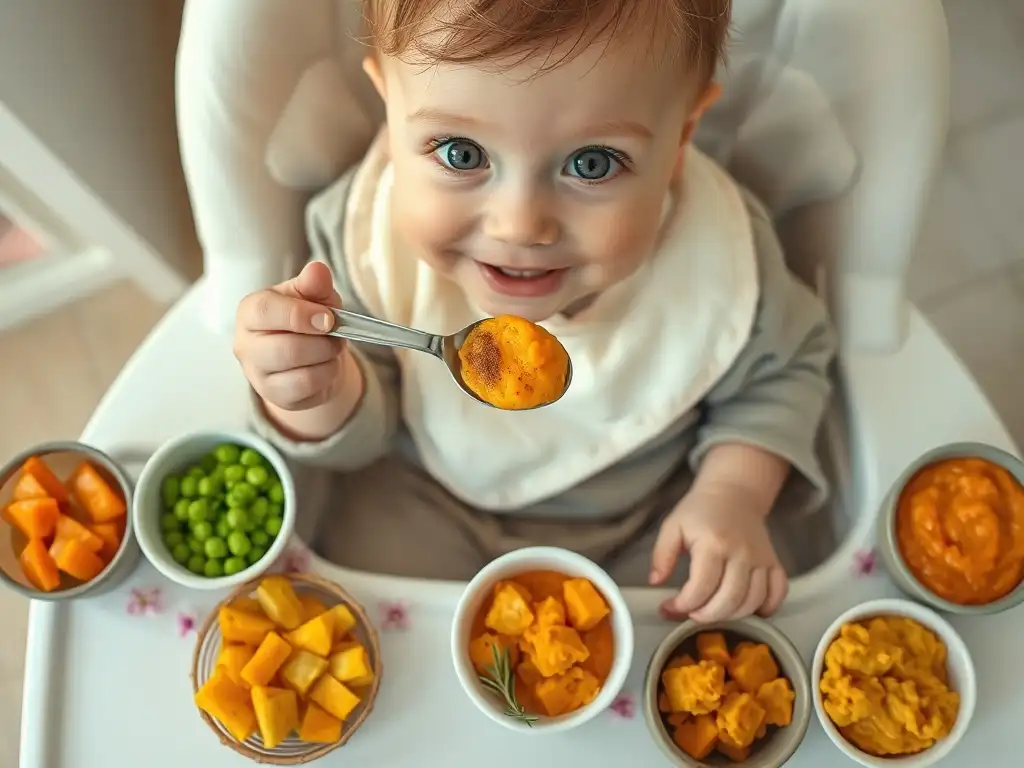
Welcome to BabyCareHub, your ultimate guide to navigating the incredible journey of parenthood! Are you ready to embark on the exciting adventure of introducing your little one to the world of flavors? Our comprehensive Baby food spices introduction guide offers a step-by-step approach to safely and effectively introducing spices and herbs into your baby's diet, ensuring a healthy and delicious start to their culinary journey. Discover the secrets to creating flavorful and nutritious meals that your baby will love, and unlock a world of taste exploration together. Let's dive in!
- Baby Food Spices Introduction Guide: A Step-by-Step Approach
- Baby Food Spice and Herb Storage and Preparation
- Addressing Common Concerns about Introducing Spices and Herbs to Baby Food
- Expanding Flavor Profiles as Your Baby Grows
- Transitioning to Family Meals with Spices and Herbs
- Frequently Asked Questions
- Final Reflection: A World of Flavor Awaits Your Little One
- Unleash Your Little One's Culinary Adventure!
Baby Food Spices Introduction Guide: A Step-by-Step Approach
Introducing your baby to solid foods is a significant milestone, filled with excitement and perhaps a touch of apprehension. This guide focuses on a crucial aspect of that journey: safely and effectively introducing spices and herbs to your baby's diet. While the primary focus initially remains on nutrient-rich purees and simple foods, incorporating carefully selected spices and herbs can add depth of flavor, enhance nutritional value, and even contribute to your baby's overall development. 1 We'll explore the optimal timing for introduction, the best choices for your little one's palate, and which spices and herbs to avoid completely. This comprehensive guide will equip you with the knowledge and confidence to navigate this exciting phase of your baby's culinary adventures, ultimately helping you create delicious and nutritious meals for your growing child. Remember, always consult your pediatrician before introducing any new foods, including spices and herbs, into your baby's diet.
When to Introduce Spices and Herbs to Baby Food
The timing of introducing spices and herbs to your baby's diet is crucial. The American Academy of Pediatrics (AAP) generally recommends starting solid foods around 6 months of age, 2 but this can vary depending on your baby's individual development and readiness. Once your baby is showing signs of readiness for solids—such as good head control, the ability to sit upright with support, and showing interest in food—you can begin introducing single-ingredient purees. Only after your baby has tolerated several single-ingredient purees without any allergic reactions should you consider introducing spices and herbs. Start with incredibly small amounts—a tiny pinch is sufficient—and observe your baby for any allergic reactions or digestive upset. Gradually increase the amount as tolerated. Remember, the goal is to enhance flavor subtly, not overwhelm your baby's developing palate. Introducing spices too early can potentially irritate their digestive system and may mask the taste of essential nutrients.
Choosing the Right Spices and Herbs for Baby's First Foods
Selecting the right spices and herbs is vital for both flavor enhancement and nutritional benefits. Prioritize organic, high-quality options whenever possible to minimize exposure to pesticides and other potentially harmful substances. Opt for whole spices and grind them yourself to ensure maximum freshness and flavor. Remember that the goal is to subtly complement the natural flavors of the food, not overpower them. A little goes a long way, particularly with babies.
Safe Spice and Herb Options for Infants
Several spices and herbs are generally considered safe for infants, once they are ready for solids and have tolerated a variety of plain purees. These include:
- Cinnamon: A small pinch adds warmth and a subtle sweetness to fruit purees or oatmeal.
- Nutmeg: Used sparingly, nutmeg can add a touch of complexity to vegetable purees.
- Ginger: Known for its anti-inflammatory properties, a tiny amount of ginger can be added to vegetable purees or even applesauce. Always use fresh ginger, and grate it finely.
- Basil: This offers a delicate, slightly peppery flavor that pairs well with tomatoes and other vegetables.
- Dill: Adds a fresh, slightly sweet flavor to vegetable and potato purees.
Spices and Herbs to Avoid in Baby Food
While many spices and herbs are safe, some should be avoided during infancy due to potential risks:
- Salt: Infants' kidneys are still developing, and excessive salt intake can be harmful. Avoid adding salt to your baby's food altogether.
- Pepper: Although black pepper is often used in adult food, it is generally not recommended for babies due to its potential to irritate their digestive system.
- Garlic and Onion: These contain compounds that can interfere with thyroid function in infants. Avoid these until your child is at least one year old.
- Honey: Never give honey to a baby under one year old due to the risk of botulism.
- Highly Allergenic Spices: Spices like mustard powder or curry powder should be introduced with extreme caution, and only after your baby has tried other less-allergenic spices.
1 [Specific research reference pending] 2 [Specific AAP guideline reference pending]
How to Introduce Spices and Herbs Safely: A Step-by-Step Guide
Introducing spices and herbs to your baby's diet can be a fun and exciting way to expand their culinary horizons and encourage healthy eating habits. However, it's crucial to do so safely and gradually. This step-by-step guide will help you navigate this process confidently. Remember, always consult your pediatrician before introducing new foods, including spices and herbs, to your baby's diet, especially if there is a family history of allergies.
Starting with Small Amounts: The Importance of Gradual Introduction
The key to safely introducing spices and herbs is gradual introduction. Begin with tiny amounts—a pinch or less—and observe your baby's reaction carefully. This allows you to identify any potential sensitivities or allergies before introducing larger quantities. Start with one new spice or herb at a time, waiting at least 2-3 days before introducing another. This helps isolate any adverse reactions to a specific ingredient. Think of it like a scientific experiment; one variable at a time! For instance, if you are introducing cinnamon, don't add it alongside ginger or nutmeg simultaneously.
Observing for Allergic Reactions and Intolerances
After introducing a new spice or herb, monitor your baby closely for any signs of allergic reactions or intolerances. Common symptoms include rash, hives, swelling, vomiting, diarrhea, or difficulty breathing. Even seemingly mild symptoms warrant immediate consultation with your pediatrician. Keep a detailed food diary, noting down the specific spice or herb introduced, the amount, and your baby's response. This will be invaluable if any adverse reactions occur. Early detection and intervention are critical in managing allergies. Remember, even common spices can trigger reactions in sensitive individuals.
Combining Spices and Herbs with Different Foods
Once your baby tolerates a particular spice or herb well, you can start combining it with different foods. For example, cinnamon pairs well with sweet potatoes, while ginger complements carrots beautifully. Experimentation is key, but always remember the principle of gradual introduction.
Don't introduce multiple new spices and herbs simultaneously with multiple new foods. Focus on one new element at a time to ensure you can easily pinpoint any potential issues. A good strategy is to start with single-ingredient purees and gradually build complexity over time, introducing a new spice or herb only when the previous one is well tolerated.
Creating Flavorful and Nutritious Baby Food Recipes with Spices and Herbs
Introducing spices and herbs opens a world of culinary possibilities for your baby's food. Remember to always prioritize safety and choose organic, high-quality spices and herbs whenever possible, minimizing the risk of pesticide exposure. Here are a few simple recipes to get you started:
Simple Sweet Potato and Cinnamon Puree
This recipe is a classic combination that most babies enjoy. The sweetness of the sweet potato is balanced beautifully by the warm notes of cinnamon. Simply steam or bake a sweet potato until soft, then puree it. Add a tiny pinch of cinnamon (literally, a fraction of a teaspoon), and mix well. Always taste-test before serving to your baby to ensure it's not too spicy or strong.
Carrot and Ginger Puree
Carrots provide essential vitamins and antioxidants, while ginger adds a subtle zing and is known for its potential digestive benefits. Steam or boil carrots until tender, then puree them. Add a tiny sliver of grated fresh ginger—again, start with a minuscule amount. Taste-test before serving to your baby. This recipe is a great way to introduce a slightly more complex flavor profile to your baby's diet.
Butternut Squash with a Hint of Nutmeg
Butternut squash is naturally sweet and creamy, making it an ideal base for introducing nutmeg. Roast or steam butternut squash until soft, then puree it. Add a tiny pinch of freshly grated nutmeg. Again, start with a very small amount and taste-test before serving. The subtle warmth of nutmeg complements the sweetness of the squash wonderfully. This recipe presents a comforting and flavorful option.
Baby Food Spice and Herb Storage and Preparation
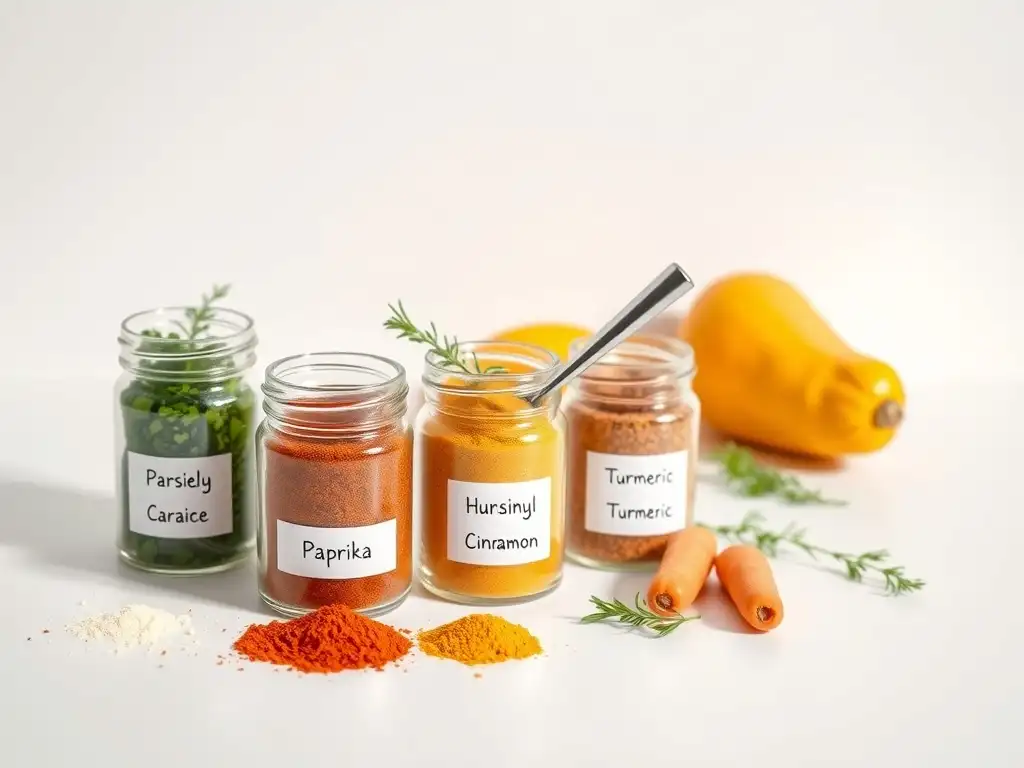
This section focuses on the safe storage and preparation of spices and herbs for your baby's food, crucial aspects of a successful and healthy introduction to flavorful meals. Remember, always prioritize safety and hygiene when handling ingredients intended for your little one.
Storing Spices and Herbs for Baby Food Safely
Proper storage is key to maintaining the freshness and potency of your spices and herbs, while simultaneously preventing spoilage and the growth of harmful bacteria. Here’s how to store them optimally:
- Airtight Containers: The most important rule is to store all spices and herbs in airtight containers. This prevents moisture from entering and degrading the quality of your ingredients. Glass jars are ideal, but good quality plastic containers with tight-fitting lids also work well. Avoid using containers that are prone to leaking or letting air in.
- Cool, Dark, and Dry Place: Keep your spice and herb containers away from heat, light, and moisture. A cool, dark pantry cupboard is the perfect location. Avoid storing them near the stove or in direct sunlight, as these factors can significantly reduce their shelf life and flavor.
- Labeling and Dating: Label each container clearly with the name of the spice or herb and the date you opened it. This helps you track their freshness and ensures that you use older spices before newer ones. This is particularly important with ground spices, which tend to lose their potency more quickly than whole spices.
- Freezing for Extended Shelf Life: For longer-term storage, consider freezing whole spices and herbs in airtight freezer bags. This method can significantly extend their shelf life, preserving their flavor and aroma for months. Remember to label and date the bags as well.
- Quantity Control: Buy spices and herbs in smaller quantities to avoid them losing their potency before you can use them all. Buying in bulk might seem economical, but it can lead to waste if the spices sit unused for a long time.
Pro-Tip: For optimal flavor, use freshly ground spices whenever possible. Whole spices retain their flavor and aroma much longer than pre-ground spices. Invest in a small spice grinder for easy grinding at home.
Preparing Spices and Herbs for Baby Food: Tips and Tricks
Introducing spices and herbs to your baby's diet requires careful preparation to ensure safety and palatability. Here are some helpful tips and tricks:
- Start with Small Amounts: Begin by adding a tiny pinch of spice or a small amount of finely chopped herb to your baby's food. Observe your baby's reaction carefully. Some babies might be more sensitive to certain spices than others.
- Gentle Grinding or Chopping: Always grind or chop spices and herbs finely before adding them to your baby's food. This ensures that they're evenly distributed and easy for your baby to digest. Avoid using large pieces that could pose a choking hazard.
- Infusion Method: For a milder flavor, consider infusing the spices and herbs into the cooking liquid (broth or water) instead of directly adding them to the finished puree. This method allows the flavor to permeate the food gently without being overpowering.
- Taste Testing: Before serving, always taste-test the food yourself to ensure the flavor is appropriate for your baby. You want to introduce subtle flavors gradually, avoiding anything too strong or spicy.
- Common Baby-Friendly Spices and Herbs: Some excellent starting points include cinnamon (a tiny pinch), a small amount of finely chopped dill, parsley, or basil. Avoid strong spices like chili powder, cayenne pepper, or garlic until your baby is older.
| Spice/Herb | Suggested Use | Notes |
|---|---|---|
| Cinnamon | Pinch in applesauce or oatmeal | Use sparingly; can be slightly sweet. |
| Dill | Finely chopped, in vegetable purees | Mild, slightly sweet flavor. |
| Parsley | Finely chopped, in vegetable purees | Fresh, grassy flavor. |
| Basil | Finely chopped, in vegetable purees or pasta | Mild, slightly sweet, slightly peppery flavor |
Remember, introducing new flavors is a gradual process. Always monitor your baby for any allergic reactions or digestive upset. If you have any concerns, consult your pediatrician or a registered dietitian. This guide is for informational purposes only and does not replace professional medical advice. 👶
Addressing Common Concerns about Introducing Spices and Herbs to Baby Food
This section directly addresses the anxieties many parents feel when contemplating introducing spices and herbs into their baby's diet. The transition to solid foods is already a significant milestone, and adding flavor complexity can feel daunting. However, with careful planning and a gradual approach, introducing spices and herbs can be a positive and enriching experience for both parent and child.
This guide provides practical advice and reassurance to help navigate this stage confidently. Remember, the primary goal is to introduce flavors in a safe and enjoyable way, fostering a positive relationship with food from the start. We'll explore strategies for overcoming common challenges and ensuring a smooth transition to a more diverse and flavorful diet.
My Baby Doesn't Seem to Like Spices and Herbs
Many babies initially reject new flavors, including spices and herbs. This is perfectly normal! Taste preferences develop over time, and repeated exposure is key. Don't be discouraged if your little one initially wrinkles their nose at a subtly spiced sweet potato or a gently herbed carrot puree. Persistence is paramount.
Here are some tips to encourage acceptance:
- Start with tiny amounts: Introduce spices and herbs gradually, beginning with a minuscule quantity. A pinch of cinnamon or a few finely chopped basil leaves is sufficient at first. Increase the amount slowly, observing your baby's reaction.
- Pair with familiar flavors: Combine spices and herbs with foods your baby already enjoys. For example, add a dash of nutmeg to their favorite applesauce or a sprinkle of dill to their usual mashed peas. This makes the new flavor less overwhelming.
- Vary the presentation: Try different cooking methods. Roasted vegetables often have a more concentrated flavor than steamed ones. Experiment with different textures, such as purees, finely chopped ingredients, or soft pieces of food.
- Be patient and persistent: It might take several attempts before your baby accepts a new flavor. Don't give up! Keep offering the spiced or herbed food alongside familiar options. Consistency is crucial. Offering a new spice or herb multiple times over several days or weeks is more effective than introducing many new ones at once.
- Don't force it: Never force your baby to eat something they don't want. A positive and relaxed feeding environment is essential.
Dealing with Allergic Reactions or Intolerances to Spices and Herbs
While rare, allergic reactions or intolerances to spices and herbs are possible. It's crucial to introduce new ingredients one at a time, waiting 2-3 days before introducing another. This allows you to monitor for any adverse reactions.
Signs of an allergic reaction can include:
- Hives or rash: Red, itchy bumps on the skin.
- Swelling: Swelling of the lips, tongue, or face.
- Difficulty breathing: Wheezing, coughing, or shortness of breath.
- Vomiting or diarrhea: Excessive vomiting or diarrhea.
If you notice any of these symptoms, discontinue the use of the suspect spice or herb immediately and consult your pediatrician or allergist. Keep a detailed food diary to help identify potential triggers. Remember, early identification and management are crucial in mitigating potential allergic reactions. Early intervention can minimize the severity of reactions and help establish appropriate management strategies. Always prioritize your baby's safety and well-being. A proactive approach, combined with careful observation and timely medical attention, ensures a safe and positive journey into the world of flavors.
Expanding Flavor Profiles as Your Baby Grows
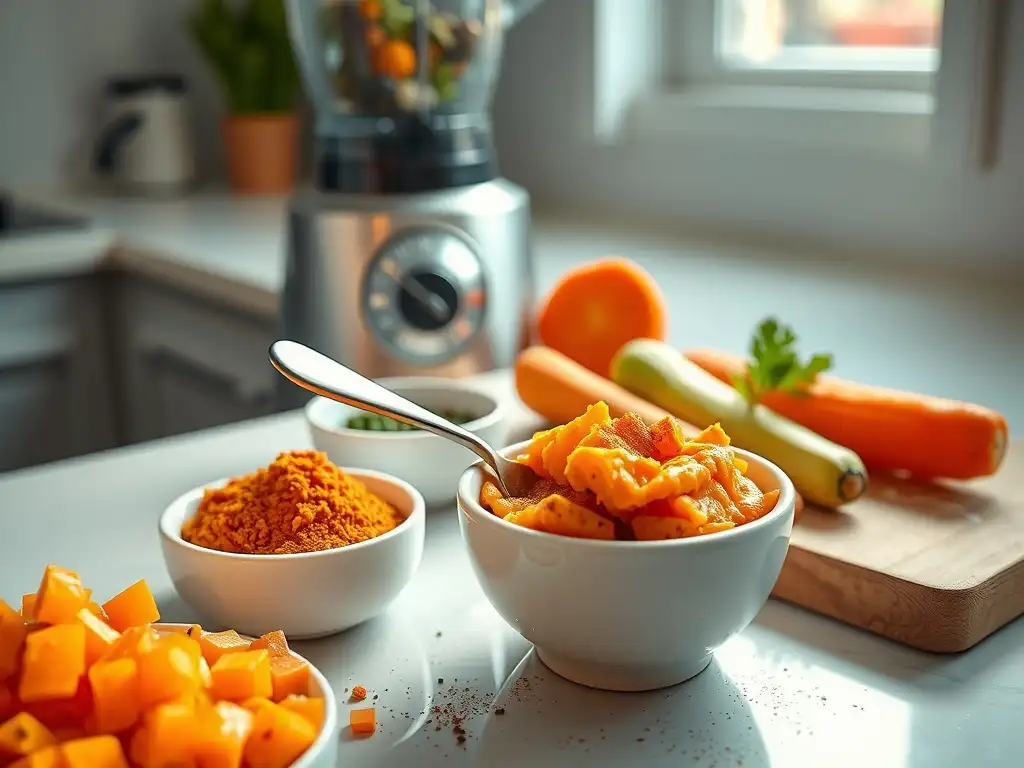
This section focuses on gradually introducing a wider range of spices and herbs into your baby's diet as their palate develops. Remember, the key is gradual introduction and careful observation for any allergic reactions. Starting with single spices and herbs allows you to identify potential sensitivities before combining multiple flavors.
Introducing More Complex Spice and Herb Combinations
Once your baby has tolerated several single spices and herbs without issue (at least a few days after each introduction), you can begin to combine them in simple blends. This is where you can start to create more complex and nuanced flavor profiles. However, always remember to introduce only one new combination at a time.
Here's a suggested approach:
- Start simple: Begin with pairings like cinnamon and ginger (a warm and comforting blend), or a touch of dill and parsley (a brighter, fresher combination).
- Observe carefully: After introducing a new combination, monitor your baby for any signs of allergic reaction, such as rash, vomiting, or diarrhea. If any of these occur, discontinue use immediately and consult your pediatrician.
- Increase complexity gradually: As your baby's tolerance increases, you can gradually introduce more complex blends. For example, you could try a combination of turmeric, cumin, and coriander for a subtly warm and earthy flavor profile. Always remember to start with very small amounts.
- Consider cultural influences: Explore different cuisines and their spice blends! Many cultures have incredibly gentle and flavorful spice combinations perfect for babies. Remember to research and adapt recipes appropriately, prioritizing mild flavors and avoiding anything overly spicy or pungent.
| Spice Combination | Suggested Age (months) | Notes |
|---|---|---|
| Cinnamon & Ginger | 7-9 | A warm and comforting blend, excellent in sweet potato purees. |
| Dill & Parsley | 7-9 | Adds a fresh, bright flavor to green beans or peas. |
| Turmeric, Cumin, Coriander | 9-12 | Provides a subtly warm and earthy flavor, good in lentil or chickpea purees. |
Remember, even mild spices can have a powerful effect on a baby's developing palate, so always start with tiny quantities and increase gradually based on your baby's tolerance. Diversity is key—experimenting with different flavor combinations will help your baby develop a broad range of taste preferences. Enjoy the process of culinary exploration with your little one!
Transitioning to Family Meals with Spices and Herbs
As your baby approaches their first birthday, you can begin to transition them towards eating family meals that include spices and herbs. This is a fantastic milestone, making mealtimes more inclusive and enjoyable for the whole family. However, this transition requires careful planning and consideration.
Transitioning to Family Meals with Spices and Herbs
The key here is adaptation. Don't expect your baby to eat the same spicy dishes as adults. Instead, focus on creating baby-friendly versions of family meals. This involves careful selection of ingredients and cooking methods.
- Mild flavors first: Choose recipes with mild spices and herbs. Avoid anything overly spicy, pungent, or with strong flavors that might be overwhelming for a young child.
- Puree or finely chop: Puree or finely chop any vegetables or proteins to ensure they are easy for your baby to manage.
- Control spice levels: Start with a minimal amount of spices and herbs and gradually increase the quantity as your baby develops their taste preferences. You can always add more for the rest of the family later.
- Watch for reactions: Always monitor your baby for any allergic reactions after introducing a new spice or herb in a family meal.
- Positive reinforcement: Make mealtimes fun and positive. Offer a variety of flavors and textures, and don't force your baby to eat anything they don't want.
This gradual introduction to spices and herbs in family meals is a crucial step in developing healthy eating habits in your baby. It also allows you to share mealtimes together, creating positive family memories. Remember, patience and observation are key to a successful transition. Enjoy this exciting phase of your baby's culinary journey! 👶
Frequently Asked Questions
When should I start introducing spices to my baby's food?
You can start introducing mild spices like cinnamon or ginger around 6 months of age, once your baby has started solids and is showing signs of readiness for new flavors. Always start with tiny amounts and observe for any allergic reactions.
Which spices are safe for babies?
Mild spices like cinnamon, nutmeg (in small amounts), ginger, and turmeric are generally considered safe. Avoid stronger spices like chili powder, cumin, garlic, and onion until your baby is older and their palate has developed more.
How much spice should I add to my baby's food?
Begin with extremely small amounts, less than a pinch. Gradually increase the quantity as your baby gets used to the flavors, always prioritizing taste and safety. It's better to start subtly and build up gradually.
What are the benefits of introducing spices to my baby's food?
Spices can add flavor and nutritional value to your baby's diet. They can also expose your little one to a wider range of tastes and potentially introduce beneficial antioxidants.
What should I do if my baby has an allergic reaction to a spice?
If your baby shows signs of an allergic reaction such as rash, swelling, or difficulty breathing, discontinue the spice immediately and consult your pediatrician right away. Allergic reactions can be serious, so prompt medical attention is crucial.
Final Reflection: A World of Flavor Awaits Your Little One
Introducing spices and herbs to your baby's diet isn't just about adding flavor; it's about nurturing a lifelong love of diverse and healthy eating. This seemingly small act can have a profound impact on their palate development, future food preferences, and overall nutritional well-being. The benefits extend far beyond simply making their purees more palatable.
The journey of introducing spices and herbs to my own child was a fascinating exploration of textures, aromas, and the sheer joy of watching their little face light up at a new taste. Good food is good mood food.
This simple adage rings truer than ever when considering the impact of early flavor experiences on a child's overall development and happiness. The subtle nuances of cinnamon, the gentle warmth of ginger, the bright zest of lemon – these are not merely ingredients; they are building blocks for a lifetime of culinary adventures.
Now, it's your turn. Consider the power you hold in shaping your child's relationship with food. Don't be afraid to experiment, to introduce new flavors gradually and thoughtfully, and to celebrate the joy of discovery together. Remember, every spoonful is a step towards a healthier, happier, and more flavorful future for your little one. Embrace the adventure, and watch as their culinary horizons expand!
Unleash Your Little One's Culinary Adventure!
Thank you for joining us on this flavorful journey of introducing spices and herbs to your baby's diet! We hope you gained valuable insights and feel more confident in expanding their palate. Now, let's put that knowledge into action.
- Start experimenting today! Choose a new spice or herb and subtly incorporate it into your baby's next meal. Observe their reaction and adjust the amount accordingly. This is where the fun begins!
- Share your culinary creations (and any funny faces!) with other parents on our BabyCareHub forum. Connect, share tips, and build a supportive community of fellow food explorers!
- Consider keeping a food diary to track your baby's preferences and reactions over time. This can be a fun and informative record of their developing tastes.
What exciting new flavor will you introduce to your little one's world next?