
Reflux and the Importance of a Balanced Diet for Mom


Welcome to BabyCareHub, your ultimate guide to navigating the incredible journey of parenthood! Are you a first-time parent eager to learn everything about your little one's well-being? Then you've come to the right place. We're dedicated to providing clear, concise, and comprehensive advice on all aspects of baby care, from feeding and sleep schedules to health and development. Discover how crucial a balanced postpartum diet is in preventing reflux, and unlock the secrets to a happier, healthier baby – starting with you. Let's dive into the essential details together!
- Understanding Postpartum Reflux and its Impact on Baby
- The Postpartum Diet: Key Nutrients for Reflux Prevention
- Creating a Balanced Postpartum Meal Plan for Reflux Prevention
- Beyond Diet: Additional Strategies for Reflux Management
- When to Seek Professional Medical Advice for Reflux
- Long-Term Strategies for Maintaining Digestive Health
-
Frequently Asked Questions
- What is the connection between a mother's diet and baby reflux?
- Which foods should I avoid during postpartum to prevent reflux in my baby?
- How long should I maintain a reflux-friendly diet?
- Are there any specific nutrients I should focus on during postpartum to support both my health and my baby's digestion?
- When should I consult a doctor about my baby's reflux?
- Final Reflection: Nourishing Motherhood: The Enduring Power of Diet in Postpartum Reflux
- Unlock Your Digestive Comfort: Take Charge of Reflux Today!
Understanding Postpartum Reflux and its Impact on Baby
Postpartum recovery is a crucial period for both mother and baby, and often comes with unexpected challenges. One such challenge that can significantly impact a newborn's well-being is maternal reflux, and its potential influence on the baby's digestive system. This article explores the intricate connection between a mother's diet after childbirth and the risk of infant reflux, emphasizing the importance of a balanced postpartum diet for preventing or mitigating this common issue.
We'll delve into the common symptoms of postpartum acid reflux, examine how a mother's nutritional choices directly influence her baby's digestive health, and ultimately offer practical guidance on creating a supportive dietary plan that promotes both maternal well-being and infant digestive comfort. Understanding the role of nutrition in preventing infant reflux is paramount for new parents seeking to provide their babies with the healthiest start possible.
This is especially important because a mother's dietary choices during postpartum can significantly impact the baby's health and development, specifically concerning digestive issues such as reflux. The information presented here aims to empower new mothers with knowledge to make informed decisions about their diet and contribute to a healthier, happier baby.
Common Symptoms of Postpartum Acid Reflux
Postpartum acid reflux, also known as gastroesophageal reflux disease (GERD), can manifest in various ways. While some women experience mild discomfort, others face more significant challenges impacting their daily lives and potentially their baby's feeding experience. Common symptoms include:
- Heartburn: A burning sensation in the chest, often rising up towards the throat.
- Regurgitation: The spitting up of stomach acid into the mouth.
- Sour taste in the mouth: A persistent unpleasant acidic taste.
- Difficulty swallowing: A feeling of food getting stuck in the esophagus.
- Chest pain: Sharp or persistent pain in the chest area.
- Chronic cough: A persistent cough unrelated to illness.
It's crucial to remember that these symptoms can vary in intensity and frequency. Some women experience only mild discomfort, while others may have severe symptoms that interfere with breastfeeding or bonding with their newborn. Early identification and management are key to ensuring both maternal comfort and infant well-being. Ignoring these symptoms can lead to more serious complications down the line, highlighting the importance of seeking professional medical advice if symptoms persist or worsen. Remember, you are not alone, and seeking help is a sign of strength, not weakness.
How Maternal Diet Affects Infant Reflux
The link between maternal diet and infant reflux isn't always immediately apparent, but research indicates a strong correlation. What a mother consumes can directly impact the composition of her breast milk and indirectly influence her baby's digestive system. Certain foods known to trigger reflux in adults, such as spicy foods, citrus fruits, caffeine, and chocolate, can also potentially contribute to infant reflux. These substances can pass into breast milk, potentially irritating the baby's sensitive digestive tract.
Furthermore, the mother's gut microbiome plays a crucial role. A balanced diet rich in prebiotics and probiotics can promote a healthy gut microbiome, potentially reducing the likelihood of reflux in both the mother and the baby. Conversely, a diet lacking in essential nutrients and fiber can disrupt the gut microbiome, potentially leading to increased inflammation and a higher risk of reflux. This intricate relationship underscores the importance of a mindful and nutritionally balanced postpartum diet. This means focusing on whole, unprocessed foods and limiting or avoiding trigger foods.
The Link Between Mom's Nutrition and Baby's Digestive Health
A mother's nutrition during the postpartum period is not merely about her own well-being; it's intrinsically linked to her baby's health, particularly their digestive system. Breast milk is the primary source of nutrition for newborns, and its composition directly reflects the mother's diet. A diet rich in nutrients, especially those supporting digestive health, can contribute to a healthier gut microbiome in the baby, reducing the risk of reflux and other digestive issues.
A well-balanced diet should include:
| Nutrient | Benefits | Food Sources |
|---|---|---|
| Fiber | Promotes healthy digestion and gut motility. | Fruits, vegetables, whole grains |
| Probiotics | Supports a healthy gut microbiome. | Yogurt, kefir, fermented foods |
| Prebiotics | Feeds beneficial bacteria in the gut. | Onions, garlic, bananas, asparagus |
| Omega-3 Fatty Acids | Reduce inflammation and support overall health. | Fatty fish, flaxseeds, chia seeds |
| Vitamin D | Crucial for bone health and immune function. | Fatty fish, egg yolks, fortified foods |
Maintaining a balanced diet during postpartum is vital not only for preventing reflux but also for promoting the overall health and well-being of both mother and baby. Remember to consult with a healthcare professional or registered dietitian for personalized dietary advice tailored to your individual needs. 👶 A healthy mom equals a healthy baby!
The Postpartum Diet: Key Nutrients for Reflux Prevention
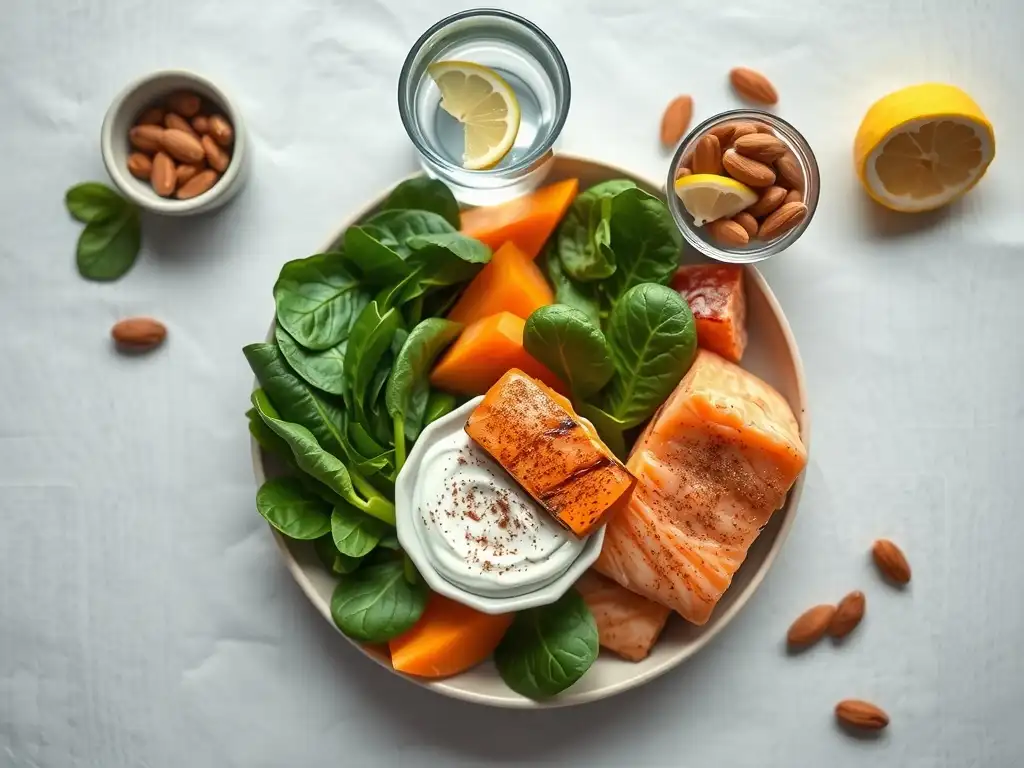
The postpartum period presents unique challenges for new mothers, and digestive issues like reflux can significantly impact both maternal well-being and the baby's feeding experience. A well-planned postpartum diet plays a crucial role in preventing or mitigating reflux symptoms in both mom and, indirectly, baby. Focusing on key nutrients can significantly improve digestive health and reduce the likelihood of reflux episodes.
This section will explore the vital role nutrition plays in postpartum reflux prevention. Understanding the connection between maternal diet and infant reflux is paramount for ensuring a healthy start for both. Optimizing your nutrition in the postpartum period is an investment in your long-term health and your baby's well-being.
Importance of Hydration for Reflux Relief
Adequate hydration is often overlooked but is critical for preventing and managing reflux. Water helps to dilute stomach acid, making it less likely to irritate the esophagus. Dehydration, on the other hand, can concentrate stomach acid, leading to more frequent and severe reflux episodes. Aim for at least eight glasses of water per day, and consider adding hydrating electrolytes if you're experiencing excessive sweating or breastfeeding.
Staying well-hydrated is a simple yet powerful step in postpartum reflux prevention. Remember, even mild dehydration can negatively impact your digestive system, increasing the risk of reflux. Many new mothers find that sipping water throughout the day, rather than consuming large quantities at once, is more manageable.
Fiber-Rich Foods: A Natural Remedy for Reflux
Fiber is essential for healthy digestion. It adds bulk to the stool, promoting regular bowel movements and preventing constipation, a common trigger for reflux. Constipation can increase intra-abdominal pressure, pushing stomach acid upwards and exacerbating reflux symptoms. Incorporate fiber-rich foods such as fruits, vegetables, and whole grains into your postpartum diet. Examples include:
- Fruits: Apples, bananas, berries (in moderation due to acidity for some), pears.
- Vegetables: Broccoli, spinach, carrots, sweet potatoes.
- Whole Grains: Oats, brown rice, quinoa.
Remember to increase your fiber intake gradually to avoid gas and bloating, common side effects of sudden dietary changes. A gradual approach allows your digestive system to adjust. Aim for a balanced intake of soluble and insoluble fiber for optimal digestive health. Pay attention to how your body responds to different types of fiber and adjust accordingly.
The Role of Probiotics in Postpartum Digestive Health
Probiotics, beneficial bacteria found in fermented foods and supplements, can significantly improve gut health and contribute to reflux prevention. They help restore the balance of gut flora, which plays a crucial role in digestion and immune function. A healthy gut microbiome is less susceptible to digestive issues, including reflux. Consider incorporating probiotic-rich foods like yogurt (plain, unsweetened), kefir, and sauerkraut into your diet.
Always check with your healthcare provider before starting any probiotic supplements, especially during breastfeeding. The benefits of probiotics extend beyond reflux prevention; they support overall health and immunity, particularly important during the postpartum period. Remember that the effectiveness of probiotics can vary depending on the strain and individual response. A balanced diet rich in prebiotics (foods that feed probiotics) further enhances the positive effects of probiotics on gut health.
Minimizing Trigger Foods: Common Culprits and Alternatives
Many foods can exacerbate reflux symptoms in babies, even indirectly through their mother's milk. Understanding which foods are common culprits and finding suitable alternatives is crucial for postpartum diet planning aimed at reflux prevention. Common trigger foods often include dairy products, soy, wheat, and highly processed foods. These foods contain compounds that can be difficult for some babies to digest, leading to increased gas, discomfort, and potentially, reflux.
For instance, dairy, a staple in many postpartum diets, is a frequent offender. Lactose intolerance in babies is relatively common, and even if not explicitly intolerant, some infants may experience digestive distress from dairy consumption by their mothers. Consider substituting dairy with non-dairy milk alternatives like almond milk (unsweetened), oat milk, or rice milk. Remember to choose unsweetened varieties to minimize added sugars.
Similarly, soy products can cause digestive upset in some babies. Soy-based formulas and soy-containing foods can trigger similar reactions as dairy. If soy is suspected to be a trigger, eliminating soy products from the diet for a period of time (with medical supervision) can help determine if it's contributing to the reflux. Alternatives include lentils, chickpeas, or other legumes as sources of protein.
Highly processed foods, often laden with additives, preservatives, and unhealthy fats, can also negatively impact a baby's digestive system. These foods lack the essential nutrients needed for healthy development and can contribute to inflammation, which may worsen reflux symptoms. Opt for whole, unprocessed foods like fruits, vegetables, lean proteins, and whole grains instead. This shift towards a cleaner diet will benefit both mother and baby.
Finally, wheat can be problematic for some babies, potentially causing gas and discomfort. Explore gluten-free alternatives like quinoa, brown rice, or oats (if tolerated). Careful food journaling can help pinpoint specific trigger foods unique to your baby. Remember to consult with your pediatrician or a registered dietitian before making significant dietary changes.
Managing Spicy Foods and Acidic Beverages During Postpartum
Spicy foods and acidic beverages are often enjoyed during pregnancy but should be approached cautiously during the postpartum period, especially if your baby is experiencing reflux. These foods can directly affect the pH of breast milk, potentially making it more irritating to a sensitive baby's digestive system. The capsaicin in spicy foods, for example, can cause irritation in the esophagus, which can be passed on through breast milk.
The acidity of certain beverages, such as citrus juices (orange, grapefruit, lemon), tomato juice, and coffee, can also contribute to reflux symptoms. The acidity can change the composition of breast milk, making it potentially more acidic and thus more irritating to the baby's delicate system. While a complete elimination isn't always necessary, significantly reducing or temporarily eliminating these items from your diet can help determine if they are contributing factors to your baby's reflux.
Instead of spicy chili peppers, consider using milder spices like cumin, coriander, or turmeric to add flavor to your meals. Similarly, swap acidic juices for water, herbal teas (caffeine-free), or diluted fruit juices. Moderation is key; if you do consume acidic or spicy foods, do so in small quantities and observe your baby's reaction carefully. Remember, every baby is different, and what triggers reflux in one baby might not affect another.
Careful observation and a gradual reintroduction of potentially problematic foods (under medical supervision) can help you identify your baby's specific triggers. Maintaining open communication with your pediatrician is crucial throughout this process. They can provide personalized guidance and address any concerns you might have regarding your postpartum diet and your baby’s reflux.
Creating a Balanced Postpartum Meal Plan for Reflux Prevention
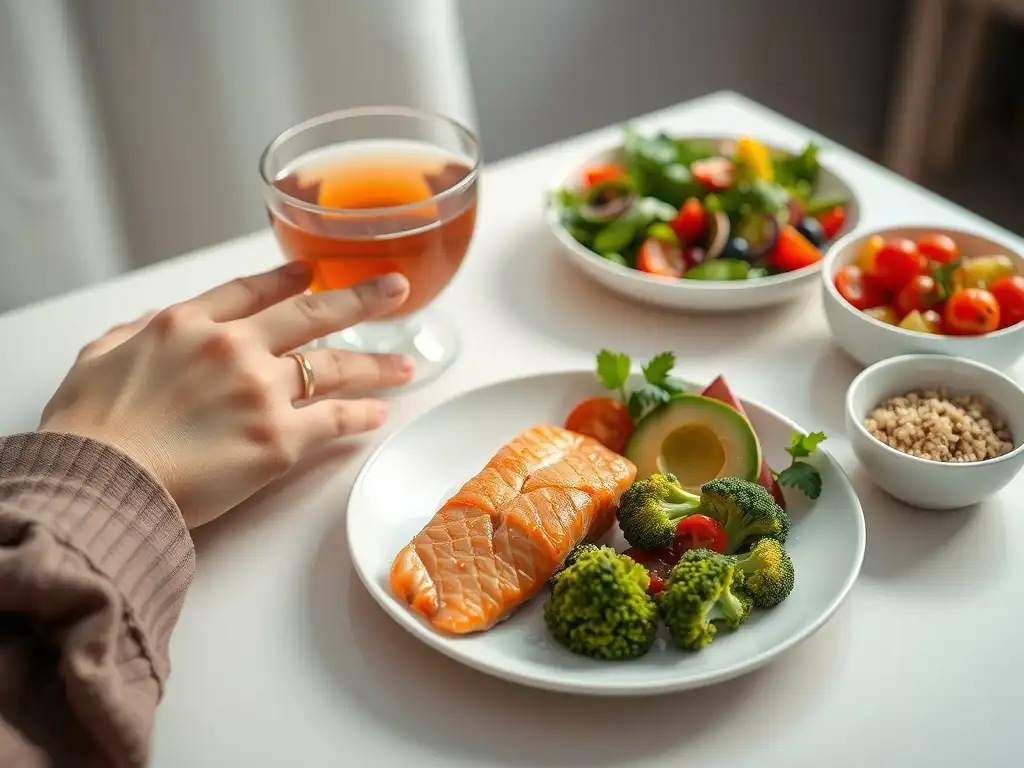
This section focuses on crafting a postpartum diet specifically designed to minimize the risk of your baby developing reflux. Remember, a mother's diet plays a significant role in a baby's digestive health, particularly in the crucial first few months. While not all babies experience reflux, a well-balanced diet can help mitigate the risk and manage symptoms if they do arise. This isn't about eliminating food groups entirely, but rather making informed choices to support both your recovery and your baby's well-being. We'll explore strategies for incorporating nutrient-rich foods while minimizing potential reflux triggers.
Sample Meal Plans: Balancing Nutrition and Reflux Management
Creating a postpartum diet for reflux prevention isn't about strict restrictions, but rather mindful choices. Here are a couple of sample meal plans showcasing how to balance nutrition with reflux considerations. Remember, these are samples, and individual needs may vary. Consult with your doctor or a registered dietitian for personalized guidance.
Sample Meal Plan 1 (Focus: Gentle Digestion)
| Meal | Description | Reflux Considerations |
|---|---|---|
| Breakfast | Oatmeal with berries and a sprinkle of nuts, a cup of herbal tea (chamomile) | Oatmeal is easily digestible; avoid citrus fruits initially. |
| Lunch | Lentil soup with whole-grain bread, a side salad with olive oil and vinegar. | Lentil soup is rich in fiber and easily digestible. |
| Dinner | Baked salmon with steamed broccoli and quinoa. | Salmon is rich in Omega-3s; avoid fried or greasy foods. |
| Snacks | Plain yogurt (full-fat), a handful of almonds, cucumber slices. | Choose easily digestible snacks. |
Sample Meal Plan 2 (Focus: Nutrient Density)
| Meal | Description | Reflux Considerations |
|---|---|---|
| Breakfast | Scrambled eggs with spinach and whole-wheat toast. | Eggs are a good source of protein; avoid excessive spices. |
| Lunch | Chicken salad sandwich on whole-wheat bread (light mayonnaise), side of apple slices. | Chicken is lean protein; choose whole grains and light dressings. |
| Dinner | Chicken stir-fry with brown rice and plenty of vegetables (avoid onions and garlic initially). | Lean protein and varied vegetables; avoid strong-smelling foods. |
| Snacks | A small banana, a rice cake with avocado. | Easily digestible fruits and healthy fats. |
Remember to introduce new foods gradually and monitor your baby's reactions. Keep a food diary to identify any potential triggers. This careful approach is key to successful postpartum diet reflux prevention.
Snacking Strategies for Reflux Control
Snacking plays a crucial role in maintaining stable blood sugar levels and preventing overeating at mealtimes. This is especially important for postpartum diet reflux prevention. However, the type of snack is crucial. Avoid highly acidic or fatty snacks which can exacerbate reflux symptoms in your baby.
- Good choices: Plain yogurt (full-fat), a small handful of almonds or other nuts (monitor for allergies), a piece of fruit (banana, apple slices – avoid citrus initially), whole-grain crackers, steamed vegetables.
- Foods to limit or avoid: Spicy foods, fried foods, chocolate, caffeine, citrus fruits (oranges, lemons, grapefruits), tomatoes, onions, garlic (these are common reflux triggers).
- Timing: Smaller, more frequent snacks throughout the day are often better tolerated than a few large meals. This helps maintain stable blood sugar and prevents overeating, contributing to a healthier postpartum diet for reflux prevention.
Hydration Plan for Reflux Relief
Adequate hydration is essential for both you and your baby. Staying well-hydrated can help regulate digestion and reduce constipation, which can indirectly impact reflux.
- Recommended fluids: Water is the best choice. Herbal teas (like chamomile or ginger – always check with your doctor first) can be soothing. Breast milk or formula (if applicable) are essential for your baby.
- Fluids to limit or avoid: Caffeinated beverages (coffee, tea, soda), sugary drinks, and alcohol. These can dehydrate you and irritate your digestive system.
- Monitoring: Pay attention to your own hydration levels and your baby's hydration cues. Dehydration can worsen digestive issues. A proper hydration plan is an important component of a successful postpartum diet reflux prevention strategy. 💧
Remember, a balanced postpartum diet plays a crucial role in reducing the risk and managing symptoms of infant reflux. Consulting with healthcare professionals can provide personalized guidance tailored to your specific needs. This approach to postpartum diet reflux prevention is vital in ensuring both your and your baby's well-being.
Beyond Diet: Additional Strategies for Reflux Management
While a balanced postpartum diet plays a crucial role in preventing and managing infant reflux, it's not the only factor. Several lifestyle adjustments can significantly impact your baby's digestive health and reduce reflux symptoms. Remember, consistency is key; implementing these strategies alongside a healthy diet yields the best results for postpartum diet reflux prevention.
Lifestyle Adjustments to Support Digestive Health
Implementing simple lifestyle changes can make a world of difference in managing your baby's reflux. These adjustments focus on optimizing your baby's digestion and minimizing discomfort.
Several studies have shown a strong correlation between feeding position and reflux occurrence. For example, research indicates that keeping your baby upright for at least 30 minutes after feeding can significantly reduce the likelihood of spitting up. This allows gravity to assist in digestion, preventing stomach acid from refluxing back into the esophagus. Furthermore, burping your baby frequently during and after feeding helps release trapped air, easing pressure on the stomach.
Beyond feeding, consider your baby's sleeping position. Placing your baby on their back to sleep is recommended to prevent SIDS, but slightly elevating the head of their crib (using a wedge or rolled-up towels – always consult your pediatrician before doing this) may offer some relief from reflux symptoms. However, avoid using overly thick wedges or pillows, as these can pose a safety risk.
The timing and frequency of feeding also play a role. Smaller, more frequent feedings are often better tolerated than larger, less frequent ones. This prevents overfilling the stomach, reducing the risk of reflux. Additionally, ensuring your baby is properly latched during breastfeeding or using the correct bottle nipple size and feeding technique can improve digestion and decrease the chances of air ingestion, which contributes to reflux.
Remember, every baby is different. What works for one may not work for another. Keep a detailed feeding and symptom diary to track your baby's progress and identify patterns that may be contributing to their reflux. This information is invaluable when discussing your baby's care with your pediatrician.
When to Seek Professional Medical Advice for Reflux

While many cases of infant reflux resolve on their own as the baby grows, some situations necessitate professional medical attention. Knowing when to seek help is crucial for your baby's well-being. Early intervention can prevent complications and ensure your little one receives the appropriate care. This is especially important in the context of postpartum diet reflux prevention, as it ensures that any underlying issues are addressed promptly.
When to Seek Professional Medical Advice for Reflux
It's important to contact your pediatrician if your baby exhibits any of the following symptoms, especially if they are severe or persistent:
- Excessive vomiting or forceful spitting up: This could indicate a more serious underlying condition.
- Failure to thrive: If your baby is not gaining weight appropriately, it may be a sign of a problem with digestion or nutrient absorption.
- Blood in vomit or stool: This is a serious warning sign that requires immediate medical attention.
- Arching of the back or difficulty breathing during or after feeding: These could indicate significant discomfort and potential respiratory issues.
- Chronic irritability and inconsolable crying: Persistent reflux can cause significant discomfort, leading to fussiness and crying.
- Apnea (pauses in breathing): This is a serious condition and requires immediate medical attention.
- Signs of dehydration: Excessive vomiting can lead to dehydration, which requires prompt medical intervention.
Additional Considerations:
Remember to always discuss any concerns about your baby's health with your pediatrician. They can provide personalized advice based on your baby's individual needs and medical history. Do not hesitate to seek medical advice if you are unsure about anything.
Don't hesitate to reach out to your healthcare provider if you have any concerns regarding your baby's reflux, even if the symptoms seem minor. Early intervention is key to managing infant reflux effectively and ensuring your baby's healthy development. A proactive approach, coupled with a healthy postpartum diet, provides the best chance for successful postpartum diet reflux prevention and overall well-being for both you and your baby. 👶
Long-Term Strategies for Maintaining Digestive Health
This section focuses on establishing long-term dietary habits to minimize the risk of reflux in your baby, even after the initial postpartum period. Remember, a mother's diet significantly impacts her baby's digestive system, particularly during breastfeeding. A balanced approach, focusing on nutrient-rich foods and mindful eating, is key to preventing future digestive issues. We'll explore sustainable strategies to support both your health and your baby's well-being.
Sustaining a Healthy Diet After Postpartum
The transition from pregnancy to postpartum is a significant change. Maintaining a healthy diet during this period can feel challenging, but it's crucial for both your recovery and your baby's health. Many new mothers experience fatigue and find it difficult to prioritize nutrition. However, focusing on nutrient-dense foods is essential for preventing reflux and promoting overall health. Prioritize foods rich in fiber, such as fruits, vegetables, and whole grains. These promote healthy digestion and can help regulate bowel movements, reducing potential discomfort for both you and your baby.
Consider incorporating probiotics into your diet. Probiotics are beneficial bacteria that support gut health. They can be found in fermented foods like yogurt and kefir, or taken as supplements. Always consult your doctor before starting any new supplements, especially postpartum. Remember to stay hydrated by drinking plenty of water throughout the day. Dehydration can worsen digestive issues.
Here's a sample meal plan highlighting postpartum diet reflux prevention:
| Meal | Food Items | Notes |
|---|---|---|
| Breakfast | Oatmeal with berries and nuts, a glass of water | High in fiber and antioxidants. |
| Lunch | Salad with grilled chicken or fish, whole-wheat bread | Lean protein and fiber-rich vegetables. |
| Dinner | Baked salmon with roasted vegetables, quinoa | Rich in omega-3 fatty acids and fiber. |
| Snacks | Yogurt with fruit, almonds, a small portion of dark chocolate | Probiotics, healthy fats, and antioxidants. (Avoid excessive chocolate) |
It's also vital to pay attention to potential trigger foods. While individual reactions vary, common culprits often include spicy foods, caffeine, and highly processed foods. Keeping a food diary can help you identify any personal triggers. This mindful approach to eating can make a significant difference in preventing reflux in your baby. Remember, gradual changes are more sustainable than drastic overhauls.
Ongoing Support and Resources for Moms
Navigating the complexities of postpartum nutrition and infant reflux can feel overwhelming. Remember that you're not alone. Seeking support from various resources is crucial for maintaining a healthy diet and managing your baby's digestive health.
- Lactation Consultant: A lactation consultant can provide personalized guidance on breastfeeding and dietary adjustments to support both your milk supply and your baby's digestive comfort.
- Registered Dietitian: A registered dietitian can create a customized meal plan tailored to your specific needs and dietary restrictions, focusing on postpartum diet reflux prevention strategies.
- Support Groups: Connecting with other mothers facing similar challenges can provide emotional support and practical advice. Online forums and in-person support groups offer a valuable sense of community.
- Pediatrician: Regular check-ups with your pediatrician are essential for monitoring your baby's development and addressing any concerns about reflux or other digestive issues. They can provide valuable medical advice.
Remember that consistency is key. Maintaining a healthy diet long-term is a journey, not a race. By incorporating these strategies and seeking support when needed, you can significantly contribute to your baby's digestive health and well-being, effectively preventing postpartum diet reflux issues. 🎉 Focus on small, achievable changes, and celebrate your progress along the way!
Frequently Asked Questions
What is the connection between a mother's diet and baby reflux?
A mother's diet can significantly impact a baby's digestive system through breast milk or formula. Certain foods, like dairy, soy, and spicy foods, can be passed on and trigger reflux in infants. Careful dietary choices can help mitigate this.
Which foods should I avoid during postpartum to prevent reflux in my baby?
Common culprits include dairy, soy, caffeine, chocolate, and spicy foods. Eliminating these from your diet, especially during the initial weeks postpartum, may significantly reduce your baby's reflux symptoms. Always consult with your pediatrician.
How long should I maintain a reflux-friendly diet?
The duration varies depending on your baby's sensitivity. You might need to follow a restrictive diet for several weeks, gradually reintroducing foods to see if they trigger symptoms. Close monitoring of your baby's reactions is crucial.
Are there any specific nutrients I should focus on during postpartum to support both my health and my baby's digestion?
Prioritize foods rich in fiber for healthy digestion, and ensure you're getting enough vitamin D and calcium for your bone health. A balanced diet is vital for both you and your baby.
When should I consult a doctor about my baby's reflux?
If your baby's reflux is severe, causing significant distress, weight loss, or other health concerns, seek immediate medical attention. Your pediatrician can assess the situation and recommend appropriate interventions.
Final Reflection: Nourishing Motherhood: The Enduring Power of Diet in Postpartum Reflux
The struggle with postpartum reflux is far more common than many realize, impacting a significant portion of new mothers and significantly affecting their well-being. This isn't simply a matter of discomfort; it's a barrier to fully enjoying the precious moments of early motherhood, hindering the crucial bonding process and impacting overall physical and mental recovery. Understanding the powerful link between diet and reflux alleviation is key to reclaiming this vital period.
The impact of diet on postpartum health extends far beyond simply managing reflux; it shapes the foundation of a mother's recovery and her child's early development. A balanced diet provides the necessary nutrients for healing, energy, and breast milk production. Ignoring this connection is a disservice to both mother and child. The food you eat becomes you,
a simple yet profound truth that resonates deeply when considering the delicate balance required during postpartum recovery. This isn't just about avoiding trigger foods; it's about actively nourishing the body and mind to thrive in this transformative phase.
Now, consider your own journey. What steps can you take today to prioritize your dietary health? Perhaps it's starting with a small change, like incorporating more fiber-rich foods or eliminating known reflux triggers. Maybe it's seeking professional guidance from a nutritionist or doctor specializing in postpartum care. Remember, your well-being is paramount, and taking proactive steps towards a balanced diet is an act of self-love that ripples outwards, benefiting not only you but your entire family. Embrace this opportunity to nourish yourself and embark on a journey of holistic healing.
Unlock Your Digestive Comfort: Take Charge of Reflux Today!
Thank you for learning more about managing reflux. We hope this information empowers you to feel better. Now, let's take action!
- Prioritize your gut health with our free meal planning guide. This guide helps you create delicious, reflux-friendly meals that nourish you and your baby. It's the first step to feeling amazing.
- Share your experiences and challenges with our supportive community in the comments below. Let's build a network of moms who understand and encourage each other.
- Consider tracking your daily food intake and noting any correlation with reflux symptoms. This can help you identify potential triggers and refine your diet.
What small change will you make today to improve your digestive health and well-being?