
Pumping and Traveling with Breast Milk: A Comprehensive Guide

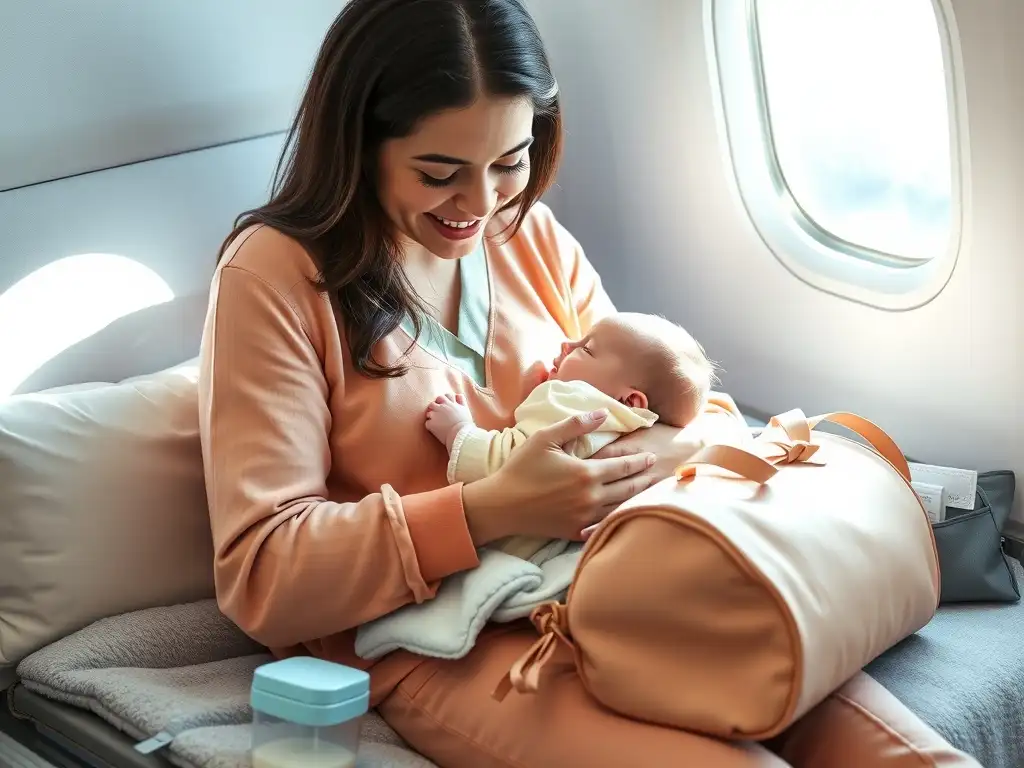
Welcome to BabyCareHub, your ultimate companion for navigating the incredible journey of parenthood! Are you a breastfeeding mom planning a trip? Then you've come to the right place.
We understand the unique challenges of maintaining a breastfeeding routine while traveling, and our comprehensive guide on travel tips for breastfeeding moms will equip you with everything you need for a smooth and stress-free adventure with your little one. Discover expert advice and practical solutions to ensure your baby's nutritional needs are met, no matter where your journey takes you. Let's explore the world together, one perfectly paced feeding at a time!
- Preparing for Breast Milk Travel: Essential Steps for Breastfeeding Moms
- Safe Breast Milk Storage During Travel: Temperature and Time Guidelines
- Breastfeeding and Pumping on the Go: Tips and Techniques for Traveling Mothers
- Air Travel with Breast Milk: TSA Guidelines and Regulations for Breastfeeding Moms
- Travel Tips for Breastfeeding Moms: Dealing with Unexpected Challenges
- Traveling with a Baby: Tips for Breastfeeding Mothers
- Maintaining Your Health While Traveling: Self-Care for Breastfeeding Moms
- Frequently Asked Questions
- Final Reflection: The Enduring Power of Mother's Milk on the Go
- Unlock Your Breastfeeding Journey: Next Steps to Success
Preparing for Breast Milk Travel: Essential Steps for Breastfeeding Moms
Traveling with a baby can be challenging, and for breastfeeding moms, the added responsibility of managing breast milk supply adds another layer of complexity. This comprehensive guide offers practical travel tips for breastfeeding moms, covering everything from preparing your breast pumping supplies to safely transporting your precious liquid gold. We understand the concerns of maintaining a consistent feeding schedule while on the go, and we're here to equip you with the knowledge and strategies to make your journey as smooth as possible.
Whether you're embarking on a short weekend trip or a longer family vacation, this guide will provide the essential steps and considerations for successfully managing breast milk pumping and storage during your travels. We'll cover crucial aspects like choosing the right pump, packing efficiently, and prioritizing your baby's nutritional needs while away from home.
Let's dive into the practical strategies that will empower you to confidently breastfeed your little one, no matter where your adventures take you. This guide will help you navigate the unique challenges of managing breast milk while traveling, ensuring a comfortable and worry-free experience for both you and your baby.
Gathering Your Breast Pumping Supplies: Checklist for On-the-Go Pumping
Preparing for travel requires meticulous planning, especially when it comes to breastfeeding. To ensure a smooth pumping experience on the go, you'll need to pack strategically. Here's a comprehensive checklist to help you gather all the essentials:
- Breast pump: Choose a portable option if possible (more on this in the next section).
- Pump parts: Bottles, tubing, flanges, valves, membranes – ensure you have spares!
- Storage bags or bottles: Pre-sterilized, leak-proof bags are ideal for easy storage and transport. Consider the quantity based on the duration of your trip.
- Cooler bag with ice packs: Maintain the cold chain to preserve the quality and safety of your breast milk. Plan for extra ice packs, especially for longer journeys.
- Cleaning supplies: Alcohol wipes or a small, travel-sized bottle of sterilizing solution for cleaning pump parts.
- Nursing pads: Prevent leaks and maintain comfort.
- Bottle brush: For thorough cleaning of bottles and pump parts.
- Breast milk storage labels: To clearly label the date and time of pumping.
- Nursing cover (optional): Provides privacy if you plan to pump in public.
Remember to pack more than you think you’ll need! It's always better to be over-prepared than to run short of essential supplies while traveling. 🍼
Choosing the Right Breast Pump for Travel: Portable vs. Standard Options
The type of breast pump you choose significantly impacts your travel experience. While standard hospital-grade pumps offer powerful suction, their size and weight make them unsuitable for travel. Consider these factors when choosing:
- Portability: Look for compact, lightweight pumps designed for travel. Many battery-operated models are available.
- Power source: Check if your pump requires electricity or operates on batteries. If battery-powered, ensure you have enough batteries or a portable charger.
- Suction strength: Even portable pumps offer varying suction levels. Choose one that’s comfortable and effective for you.
- Ease of cleaning: Opt for pumps with easy-to-disassemble and clean parts.
- Noise level: Consider a quieter pump, especially if you anticipate pumping in shared spaces.
Weigh the pros and cons of different pump types carefully. A smaller, less powerful pump might be more convenient for travel but may not be as efficient for some mothers. Prioritize your comfort and pumping effectiveness.
Packing Smart: Organizing Your Breast Milk Storage and Transport
Efficient packing is crucial for maintaining the safety and quality of your breast milk during travel. Here are some key strategies:
- Layered cooling: Use ice packs strategically within your cooler bag, ensuring all milk is in direct contact with a cooling source.
- Milk storage order: Label and date each milk bag or bottle, and store the oldest milk at the top for first use. This follows a "First In, First Out" (FIFO) system.
- Airline regulations: Familiarize yourself with airline regulations regarding carrying breast milk on board. Often, you can take breast milk in excess of standard liquid limits.
- Emergency plan: Have a backup plan in case your cooler fails or you experience unexpected delays. This might include finding a cooler at your destination or using ice from a hotel.
- Transportation method: For road trips, a reliable car cooler is essential. For flights, choose a cooler bag that complies with airline carry-on regulations.
By following these guidelines, you can confidently travel with your breast milk, ensuring your baby receives the nutrition they need, wherever your journey may lead. Remember, preparation is key to a successful and stress-free trip for both you and your little one! ✈️
Safe Breast Milk Storage During Travel: Temperature and Time Guidelines
Traveling with breast milk requires meticulous attention to maintaining its safety and quality. The key is understanding and adhering to strict temperature and time guidelines to prevent bacterial growth and spoilage. These guidelines are crucial for ensuring your baby's health and well-being while on the go. Remember, the goal is to keep your expressed breast milk as cold as possible for as long as possible. This section provides essential information for breastfeeding moms traveling with their precious liquid gold.
Maintaining Cold Chain Integrity: Ice Packs, Coolers, and Insulated Bags
Maintaining a consistent cold chain is paramount. This means preventing temperature fluctuations that could compromise the safety of your breast milk. Your best allies are high-quality insulated bags, reusable ice packs, and a well-planned approach. Let's examine the specifics:
- Insulated Bags: Invest in a high-quality insulated bag designed specifically for transporting breast milk. Look for bags with thick insulation and a tight seal to maintain a consistently low temperature. Avoid flimsy bags that won't effectively protect your milk from external heat.
- Ice Packs: Use multiple reusable ice packs, ensuring they are fully frozen before you leave. The number of ice packs you need will depend on the length of your trip and the ambient temperature. Consider using gel packs over traditional ice packs, as they tend to maintain a more consistent temperature.
- Coolers: For longer trips or warmer climates, a small, well-insulated cooler can provide an extra layer of protection. This is particularly important if you're traveling by car for extended periods. Place your breast milk bottles in the cooler, surrounded by ice packs.
- Placement within the Bag: Strategically position the breast milk bottles within the cooler or insulated bag. Keep them away from the edges and any areas that might be exposed to higher temperatures. Place ice packs directly around the bottles for optimal cooling.
- Monitoring: Regularly check the temperature of your breast milk, especially during longer journeys. A reliable thermometer designed for food safety is highly recommended. If the temperature rises above 40°F (4°C), discard the milk. Safety is always the priority. Remember to replace used ice packs with fresh frozen ones at every opportunity.
Safe Travel with Frozen Breast Milk: Considerations and Best Practices
Traveling with frozen breast milk adds another layer of complexity to the process. While frozen breast milk offers longer storage capabilities, it requires careful handling to prevent thawing during transit. Here’s what you need to know:
- Dry Ice: For longer trips, especially air travel, using dry ice might be necessary. However, dry ice requires special handling and may be subject to airline regulations. Always check with your airline before using dry ice and follow their guidelines meticulously. Never pack dry ice directly against the breast milk containers; use a buffer like a towel or additional insulation.
- Thawing: Frozen breast milk should be thawed slowly and safely. The best method is to transfer the frozen milk to the refrigerator overnight. Once thawed, it should be used within 24 hours. Never refreeze thawed breast milk.
- Airline Regulations: Familiarize yourself with your airline's regulations regarding the transportation of breast milk, especially frozen breast milk. Regulations can vary depending on the airline and the destination. It's always best to contact the airline directly for the most up-to-date information and any specific requirements for carrying frozen breast milk.
- Emergency Kit: Prepare a small emergency kit with extra ice packs and a backup cooler, in case of unexpected delays or unforeseen circumstances. Being prepared can make a significant difference in preserving the safety of your breast milk.
Remember, prioritizing safety is crucial when traveling with breast milk. Following these guidelines meticulously will help ensure your baby receives safe, nutritious breast milk even while you are on the go. Always err on the side of caution and discard any milk that has been exposed to unsafe temperatures. Happy travels!
Breastfeeding and Pumping on the Go: Tips and Techniques for Traveling Mothers

Traveling with a baby can be challenging, especially for breastfeeding mothers who need to maintain a pumping schedule. Successfully navigating breastfeeding and pumping while traveling requires planning, preparation, and adaptability. This section offers practical strategies and tips to help breastfeeding moms maintain their routine and ensure their baby continues to receive the benefits of breast milk even while on the move. Remember, prioritizing your comfort and your baby's needs is key to a smooth journey. These travel tips for breastfeeding moms aim to alleviate stress and empower you to confidently continue your breastfeeding journey wherever your adventures take you.
Finding Private Pumping Locations: Airports, Hotels, and Public Restrooms
Finding a clean, private space to pump breast milk while traveling can be a significant hurdle. However, with a little foresight and planning, suitable locations can be found in most places.
Many airports now offer designated nursing rooms or family restrooms, often equipped with comfortable seating and electrical outlets. Check the airport's website beforehand to locate these facilities. Alternatively, some airlines offer dedicated spaces on board their flights, but availability varies considerably. Confirm this before your flight to avoid disappointment.
Hotels often provide private spaces like the bathroom or a quiet corner of the room. If your hotel lacks a suitable space, request assistance from staff; they're often happy to help locate a suitable area.
Public restrooms, while less ideal, can sometimes be utilized in a pinch. Prioritize restrooms that are clean and well-maintained, and ensure you have adequate supplies to maintain hygiene. Consider bringing a portable privacy screen for added discretion.
Remember to always prioritize hygiene. Thoroughly clean your hands before and after pumping, and ensure all equipment is sterilized according to manufacturer guidelines. Having a readily available supply of hand sanitizer is also advisable. Planning ahead and knowing your options can make the process significantly smoother.
Maintaining a Pumping Schedule While Traveling: Adapting to Changing Routines
Maintaining a consistent pumping schedule while traveling can be challenging due to flight delays, unexpected changes in plans, and shifting time zones. However, adhering to your pumping routine as closely as possible is crucial for maintaining your milk supply.
- Time Zone Changes: If traveling across time zones, try to gradually adjust your pumping schedule in the days leading up to your trip. This can help minimize disruptions to your body's natural rhythm.
- Flexibility is Key: Be prepared to adjust your pumping times slightly to accommodate unforeseen circumstances. It’s better to pump a little less frequently but still maintain a regular schedule than to skip pumping altogether.
- Utilize Travel Apps: Several apps are designed to help breastfeeding moms track pumping sessions and manage their routines, even while traveling.
- Set Reminders: Set reminders on your phone to help you stay on schedule. Consider using visual cues like placing your pump bag in a prominent location to remind you.
- Pack Extra Supplies: Always pack extra pump parts, bottles, and cooler bags. This will provide backup in case of spills, malfunctions, or unexpected delays.
Expressing and Storing Breast Milk on the Go: Practical Strategies
Safe and effective storage of breast milk while traveling is crucial to ensure your baby’s continued access to breast milk. This requires careful attention to temperature control and hygiene.
| Storage Method | Temperature | Duration | Notes |
|---|---|---|---|
| Room Temperature | ≤ 77°F (25°C) | ≤ 4 hours | Only suitable for short durations; use caution in warm climates. |
| Insulated Cooler Bag | 40°F (4°C) or below | ≤ 24 hours | Essential for longer trips; use ice packs to maintain temperature. |
| Refrigerator | 35°F (2°C) or below | ≤ 5 days | Ideal for storage during longer stays at a destination. |
| Freezer (Portable Cooler) | 0°F (-18°C) or below | ≤ 3 months | Best for extended travel or storing large quantities of breast milk. |
Remember to always label your milk with the date and time it was expressed. Follow these guidelines to ensure the safety and quality of your breast milk for your little one. Prioritizing safety and using the appropriate storage methods will guarantee the nutritious benefits of breast milk are preserved even during your travels. Enjoy your trip! 🎉
Air Travel with Breast Milk: TSA Guidelines and Regulations for Breastfeeding Moms
Traveling while breastfeeding presents unique challenges, especially concerning breast milk transportation. Understanding Transportation Security Administration (TSA) guidelines is crucial for a smooth journey. This section focuses specifically on navigating airport security with breast milk, offering practical advice for breastfeeding moms. Remember, regulations can change, so always check the latest TSA guidelines before your trip.
The TSA generally allows breastfeeding mothers to bring breast milk through airport security checkpoints. However, there are procedures to follow for a hassle-free experience. First, declare your breast milk to the TSA officer. This is important because they may need to visually inspect the containers. It's recommended to keep your breast milk in a clear, sealable bag to expedite the process.
While the TSA doesn't require breast milk to be frozen, keeping it chilled is advisable, especially for longer flights. Consider using a cooler bag with ice packs to maintain a safe temperature. The TSA allows ice packs, but they should be partially frozen to avoid excessive leakage. Ensure the ice packs are clearly labeled as such.
Remember that the quantity of breast milk you carry isn't typically restricted, but it's wise to carry only what you need for the journey. Excessive amounts might lead to unnecessary delays. Additionally, TSA officers may need to screen your cooler bag, so be prepared for that possibility. This usually involves a simple X-ray scan.
Here’s a checklist to help you prepare:
- [x] Pack breast milk in clear, sealable bags.
- [x] Use a cooler bag with partially frozen ice packs.
- [x] Clearly label ice packs.
- [x] Inform the TSA officer about your breast milk.
- [x] Be prepared for potential screening of the cooler bag.
This proactive approach will help ensure a smooth and stress-free airport experience. Planning ahead minimizes potential delays and allows you to focus on the more important aspects of your trip, like caring for your baby.
Breast Milk Transportation Regulations: International Travel Considerations
International travel with breast milk adds another layer of complexity. Regulations vary significantly between countries. Before your journey, research the specific requirements of your destination country and any countries you might transit through. Some countries may require specific documentation or certifications for transporting breast milk across their borders.
For instance, some countries may require a doctor's note confirming the breast milk is for your baby's consumption. Others might have specific guidelines regarding the amount of breast milk allowed. Always check the official websites of the relevant embassies or consulates for the most up-to-date information.
Example Scenario: Traveling from the US to the UK with Breast Milk
While the TSA in the US has relatively relaxed rules, the UK might have specific import regulations. It's essential to check the UK government website for detailed information on bringing breast milk into the country. This proactive approach ensures compliance and a smooth journey.
It's crucial to contact your airline directly to inquire about their specific policies regarding breast milk transportation. Airlines sometimes have additional restrictions or recommendations beyond what the TSA or individual countries stipulate. This proactive step can save you potential complications and ensure a comfortable travel experience. Remember, thorough preparation is key to navigating the complexities of international travel with breast milk. Don't hesitate to contact airline customer service and relevant government agencies for clarification. Safe travels!
Travel Tips for Breastfeeding Moms: Dealing with Unexpected Challenges
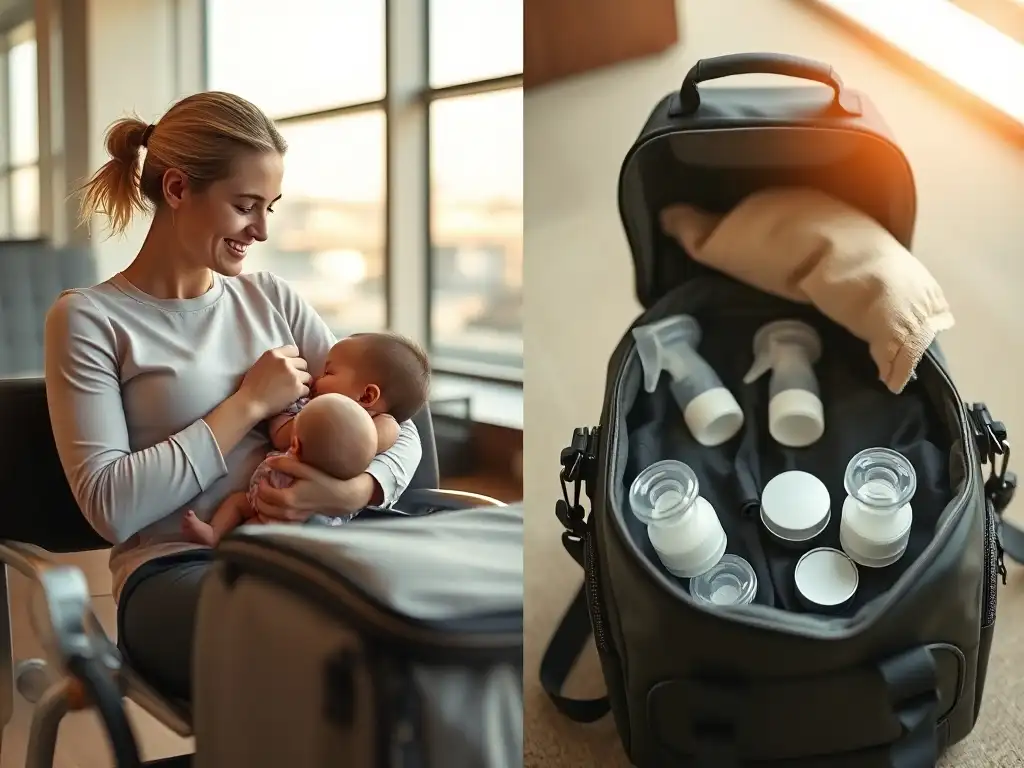
Traveling with a baby, especially while breastfeeding, presents unique challenges. Even the most meticulously planned trip can encounter unforeseen hurdles. This section focuses on proactive strategies and solutions for common travel dilemmas encountered by breastfeeding mothers, ensuring a smoother journey for both you and your little one. Mastering these techniques will transform your travel experiences from stressful to manageable, allowing you to focus on enjoying precious moments with your baby. These travel tips for breastfeeding moms emphasize preparedness and adaptability.
Addressing Common Travel Issues: Leaky Bags, Pump Malfunctions, and Delays
Unexpected issues during travel can quickly escalate into stressful situations, especially when dealing with breast milk. Leaky bags, pump malfunctions, and flight delays are just a few examples of the potential disruptions breastfeeding moms might face. Let's explore practical solutions for each.
First, leaky bags are a common concern. To minimize this risk, consider using high-quality, double-bagged storage bags specifically designed for breast milk. Furthermore, investing in a cooler bag with reusable ice packs ensures consistent temperature control, reducing the chance of leaks caused by temperature fluctuations. Always pack extra bags as a precaution.
Next, pump malfunctions can be devastating. Before your trip, thoroughly inspect your pump and ensure all parts are clean and in good working order. Pack extra batteries or a car adapter, and consider bringing a manual pump as a backup. A simple troubleshooting guide or contact information for customer service can save you valuable time and stress in case of a malfunction.
Finally, flight delays and other unexpected travel disruptions can impact breast milk storage. If a delay occurs, prioritize keeping your breast milk cool. Seek out airport staff or airline representatives for assistance in locating a refrigerator or cooler to temporarily store your milk. Remember to clearly label your bags with your contact information.
Here's a helpful checklist to mitigate these issues:
| Item | Quantity | Notes |
|---|---|---|
| Breast milk storage bags | 10+ | Double-bag each milk storage bag for extra protection against leaks |
| Cooler bag | 1 | With reusable ice packs |
| Manual breast pump | 1 | Backup in case of electrical pump malfunction |
| Extra batteries/adapter | As needed | For electric breast pump |
| Breast milk storage labels | Several | Clearly label all bags with your name and contact information |
Maintaining Baby's Feeding Schedule During Travel: Strategies for Success
Maintaining a consistent feeding schedule during travel is crucial for your baby's well-being. Disruptions to routine can lead to fussiness and discomfort. Planning ahead and adopting flexible strategies can significantly minimize these disruptions.
First, plan your feeding times around your travel itinerary. If possible, schedule feedings to coincide with periods of minimal activity, such as during layovers or car rides. This allows your baby to feed without excessive distractions.
Second, create a comfortable feeding environment. Whether you're breastfeeding or bottle-feeding, find a quiet, private spot where your baby feels secure. Pack a nursing cover or blanket for privacy if needed. A familiar comfort item, like a favorite blanket or toy, can also help soothe your baby during feeding.
Third, be adaptable. Babies often adjust their feeding patterns during travel, so be prepared for variations in their appetite. Don't force feed your baby; instead, offer breast milk or formula frequently in smaller amounts. Observe your baby's cues and respond accordingly.
Remember, flexibility is key. Embrace the unexpected and prioritize your baby's needs. With careful planning and a proactive approach, you can significantly reduce stress and enjoy a more positive travel experience. These travel tips for breastfeeding moms are designed to empower you to navigate the unique challenges of breastfeeding while traveling with confidence. ✈️👶
Traveling with a Baby: Tips for Breastfeeding Mothers

Traveling with a baby can be daunting, especially for breastfeeding mothers. Successfully navigating airports, car rides, and unfamiliar environments requires meticulous planning and preparation. This section focuses on practical strategies for breastfeeding moms to make travel smoother and less stressful. We'll cover essential packing lists, managing milk supply on the go, and addressing potential travel-related challenges. Remember, prioritizing your comfort and your baby's well-being is key to a successful trip.
Planning for Baby's Needs: Diapers, Wipes, and Other Essentials
Packing for a baby, especially a breastfeeding baby, requires a strategic approach. Overpacking is a common pitfall, leading to unnecessary weight and stress. Instead, focus on essentials and consider travel-sized versions whenever possible. Here's a suggested checklist:
- Diapers: Pack enough diapers for the entire trip, plus a few extra for unexpected messes. Consider using diaper bags that are designed for travel, with multiple compartments for organization.
- Wipes: Baby wipes are essential for cleaning up spills and messes. Choose travel-sized packs or reusable wipes to minimize waste.
- Formula (if supplementing): If you're supplementing with formula, pack enough for the entire trip. Consider using ready-to-feed formula to avoid needing water and bottles.
- Clothing: Pack a variety of outfits for your baby, including onesies, sleepers, and outerwear. Consider layers to easily adapt to changing temperatures.
- Nursing Supplies: This includes breast pads, nursing covers (optional), and a portable breast pump if you plan to express milk.
- Other Essentials: Don't forget pacifiers (if used), burp cloths, baby lotion, and any other medications or special needs items your baby may require.
Consider using packing cubes to compress clothing and keep everything organized. Lightweight, reusable bags are ideal for dirty clothes and wet items. Remember that many airlines allow you to bring a diaper bag in addition to your carry-on luggage.
Managing Jet Lag and its Effects on Breastfeeding and Baby
Jet lag can significantly impact both you and your baby's sleep schedules and routines. The disruption to your body's natural rhythms can affect milk supply and make breastfeeding more challenging. Here are some strategies to mitigate the effects of jet lag:
- Adjusting to the New Time Zone: Start adjusting your sleep schedule a few days before your trip. Gradually shift your bedtime and wake-up times to align with the new time zone. This gradual adjustment can help minimize the effects of jet lag.
- Hydration: Staying well-hydrated is crucial during travel, especially for breastfeeding mothers. Dehydration can reduce milk supply. Drink plenty of water throughout the journey.
- Maintaining a Regular Feeding Schedule: Try to maintain your baby's regular feeding schedule as much as possible, even if it means adjusting your own sleep schedule. Consistency can help regulate your baby's sleep patterns and reduce stress.
- Skin-to-skin Contact: Skin-to-skin contact can be incredibly soothing for both you and your baby, helping to regulate body temperature and promote bonding. It can also help reduce stress and anxiety associated with travel.
- Breastfeeding on Demand: Breastfeed your baby on demand to help regulate their feeding and sleep patterns. Responding to your baby's cues can minimize discomfort and encourage a sense of normalcy.
Remember that every baby is different, and the severity of jet lag can vary. Be patient and flexible, and don't hesitate to seek support from your healthcare provider if you have concerns. Prioritizing rest and minimizing stress is crucial for managing jet lag and maintaining a positive breastfeeding experience while traveling. ✈️👶🍼
Maintaining Your Health While Traveling: Self-Care for Breastfeeding Moms
Traveling while breastfeeding can be challenging, requiring careful planning and a commitment to self-care. Neglecting your own well-being directly impacts your milk supply and your ability to effectively care for your baby. Prioritizing your health is not selfish; it's essential for both you and your little one. This section focuses on practical strategies to maintain your physical and mental health during your travels. Remember, a healthy mama equals a happy baby!
Staying Hydrated and Nourished: Essential Tips for Breastfeeding Mothers on the Go
Breastfeeding significantly increases your fluid requirements. Dehydration can lead to decreased milk production and leave you feeling fatigued and unwell. Staying properly hydrated and nourished is paramount, especially during travel when access to familiar foods and drinks might be limited.
Here's a checklist to ensure you're adequately fueled throughout your journey:
- Pack plenty of water: Carry a reusable water bottle and refill it frequently. Consider electrolyte drinks for extra hydration, especially in hot climates.
- Healthy snacks are your friend: Pack non-perishable, nutrient-rich snacks like nuts, seeds, granola bars, dried fruit (in moderation), and whole-grain crackers. These provide sustained energy and essential nutrients.
- Plan your meals strategically: Research restaurants and cafes along your route that offer healthy options. Don't hesitate to pack some familiar, breast-feeding friendly meals or snacks, especially for those long journeys.
- Listen to your body: Pay attention to your hunger and thirst cues. Don't wait until you're ravenous to eat or severely dehydrated to drink.
- Consider supplements: Consult your doctor about supplementing with essential vitamins and minerals, particularly if you're concerned about maintaining adequate nutrient intake while traveling. This is especially important for longer trips.
Remember, maintaining proper hydration and nutrition is a cornerstone of successful breastfeeding, especially when navigating the challenges of travel. Prioritize these aspects of self-care for optimal health and milk production.
Prioritizing Rest and Relaxation: Managing Stress During Travel
Travel, even when planned meticulously, can be stressful. Stress hormones can impact your milk supply and your overall well-being. Prioritizing rest and relaxation is crucial for breastfeeding mothers on the go.
Here are some practical strategies to manage stress and promote relaxation during your travels:
- Plan for breaks: Don't overschedule your itinerary. Build in downtime for rest and relaxation. This might involve finding a quiet spot to nurse your baby, taking a short walk, or simply taking a few deep breaths.
- Pack relaxation aids: Consider bringing items that promote relaxation, such as a comfortable neck pillow, eye mask, earplugs, or a calming essential oil blend.
- Practice mindfulness: Engage in mindfulness techniques like deep breathing or meditation to manage stress and promote relaxation. Even a few minutes of mindfulness can make a significant difference.
- Seek support: Don't hesitate to reach out to your support network for emotional support. A phone call with a loved one can significantly reduce stress.
- Prioritize sleep: Aim for consistent sleep schedules, even if it means adjusting your routine to accommodate the time zone changes. Adequate sleep is essential for both you and your baby.
Managing stress is an integral part of self-care for breastfeeding mothers. By incorporating these relaxation techniques into your travel plans, you can better manage the stress associated with travel and maintain optimal milk supply. Remember, a relaxed and well-rested mother is better equipped to care for her baby. 😴
Frequently Asked Questions
How long can breast milk be stored at room temperature?
Breast milk can be safely stored at room temperature (70°F or below) for up to four hours. After that, it should be refrigerated or discarded.
What's the best way to transport breast milk while traveling?
Use a cooler bag with ice packs to keep breast milk cold during travel. Ensure the ice packs are frozen solid before use and replace them as needed to maintain a temperature below 40°F (4°C).
Can I bring breast milk on an airplane?
Yes, you can generally bring breast milk on airplanes. Inform the security personnel that you are traveling with breast milk and they will make appropriate arrangements. Declare the milk at security.
How do I pump breast milk while traveling?
A portable, battery-operated breast pump is ideal for travel. Find a private and comfortable space, like an airport family room or a hotel bathroom, to pump.
What are some tips for maintaining a breastfeeding routine while traveling?
Try to stick to your baby's usual feeding schedule as much as possible. Pack extra nursing supplies, like burp cloths and breast pads. Prioritize comfort and relaxation for both you and your baby.
Final Reflection: The Enduring Power of Mother's Milk on the Go
The ability to nourish your child with breast milk while traveling is not simply a convenience; it's a testament to the enduring strength and adaptability of the mother-child bond. This guide has explored the practicalities of pumping and storing breast milk while navigating airports, unfamiliar accommodations, and the unpredictable nature of travel. But beyond the logistics, it highlights a fundamental truth: a mother's dedication to her child transcends geographical boundaries.
The journey of breastfeeding, especially while traveling, is a deeply personal one, filled with moments of triumph and challenge. It's a constant negotiation between the demands of modern life and the innate biological imperative to nurture. This experience has shaped countless generations, fostering a powerful connection between mother and child that extends far beyond the physical act of feeding. Motherhood is the greatest adventure, and the most challenging. But it is also the most rewarding.
This quote resonates deeply with the spirit of this guide, acknowledging the complexities and ultimate rewards of breastfeeding on the road.
Now, consider your own journey. What are the unique challenges and joys you anticipate as you navigate the world with your little one? Remember the strategies and tips outlined in this guide, but more importantly, remember the unwavering power of your love and dedication. Embrace the adventure, trust your instincts, and cherish every moment of this incredible journey. You are capable, resourceful, and empowered to provide the best possible care for your child, wherever your travels may lead.
Unlock Your Breastfeeding Journey: Next Steps to Success
Thank you for exploring our guide on pumping and traveling with breast milk! We hope you feel empowered and confident to continue your breastfeeding journey. Ready to put your new knowledge into practice? Here's how:
- Prioritize your pumping schedule: Develop a realistic pumping plan that accommodates your travel schedule and your baby's feeding needs. Remember to pack all your essential supplies!
- Share your experiences: Connect with other mothers in our BabyCareHub community forum and share your tips and tricks for successful breastfeeding while traveling. Let's build a supportive network together!
- Explore innovative breast milk storage solutions; you might discover helpful new products.
What's your biggest challenge when it comes to pumping and traveling, and how do you plan to overcome it? Share your thoughts in the comments below!