
Picky Eating and the Power of Example: Modeling Healthy Eating Habits


Welcome to BabyCareHub, your ultimate guide to navigating the incredible journey of parenthood! Are you facing the frustrating challenge of a picky eater? We understand. Our comprehensive resource is designed to support you every step of the way, from newborn care to toddlerhood. Discover practical solutions and expert advice in our latest article, "Picky Eating and the Power of Example: Modeling Healthy Eating Habits," and unlock the secrets to fostering healthy eating habits in your little one. Let's explore the path to happy, healthy mealtimes together!
- Understanding Your Toddler's Picky Eating: Why It Happens
- The Power of Modeling Healthy Eating Habits: Leading by Example
- Strategies for Introducing New Foods and Expanding Palates
- Addressing Specific Picky Eating Challenges: Baby Picky Eating Solutions
- Creating a Positive and Supportive Mealtime Environment
- When to Seek Professional Help for Picky Eating
- Long-Term Strategies for Preventing Picky Eating
- Frequently Asked Questions
- Final Reflection: Cultivating a Lifetime of Healthy Eating
- Unleash Your Little One's Inner Foodie: Start Today!
Understanding Your Toddler's Picky Eating: Why It Happens
Navigating the world of toddlerhood can be a rollercoaster, and few experiences are as challenging as dealing with a picky eater. This isn't just about fussy mealtimes; it's about ensuring your child receives the necessary nutrients for healthy growth and development. This article dives into the complexities of picky eating in toddlers, exploring the developmental reasons behind this common behavior and providing practical strategies to foster healthy eating habits.
We'll unpack the science behind food preferences, identify potential underlying issues, and, most importantly, explore how you can influence your child's choices through the power of example – modeling healthy eating habits. We'll address common concerns around "Baby picky eating solutions" and offer evidence-based approaches to help you navigate this phase with confidence and ease. Remember, patience and consistency are key in this journey.
The Developmental Stages of Food Preferences in Toddlers
Toddlers are exploring their independence in every aspect of their lives, and food is no exception. Their developing palates and burgeoning sense of self contribute significantly to their food preferences. Between the ages of 1 and 3, children go through several stages in their acceptance of new foods. Initially, they may exhibit neophobia – a fear of new things, including foods – which is perfectly normal.
This fear is often coupled with a preference for familiar tastes and textures. As they grow, their sensory experiences influence their choices. Some toddlers might be sensitive to certain textures (e.g., mushy, lumpy), while others might be more responsive to colors or smells.
This developmental process isn't linear; there will be days of enthusiastic eating followed by days of rejecting everything. Understanding these phases helps parents approach picky eating with empathy and patience, avoiding power struggles over food. Remember, offering a variety of healthy options consistently is more effective than forcing a child to eat specific foods. This approach builds trust and encourages exploration of different flavors and textures over time. Consistent exposure is key!
Common Causes of Picky Eating in Young Children
Picky eating in toddlers rarely stems from a single cause. It's usually a complex interplay of several factors. These can include:
- Developmental factors: As discussed above, the toddler stage is characterized by exploration and independence, which often manifests as food preferences and refusals.
- Sensory sensitivities: Some toddlers are more sensitive to tastes, textures, smells, or even the temperature of food. A slight change in the way a familiar food is prepared can lead to rejection.
- Limited exposure: If a child is only exposed to a limited range of foods, they may be less likely to accept new ones.
- Parental influence: A parent's own eating habits and attitudes towards food can significantly impact a child's choices. If a parent expresses strong dislikes for certain foods, the child might mirror this behavior.
- Medical conditions: In some cases, underlying medical conditions, such as gastrointestinal issues or allergies, can contribute to picky eating. However, these are less common than the developmental and environmental factors.
- Power struggles: Mealtimes shouldn't become battlegrounds. Forcing a child to eat can lead to negative associations with food and create further resistance.
Understanding these potential causes allows parents to address the issue more effectively and tailor their strategies to their child's individual needs. For example, if sensory sensitivities are a factor, introducing new foods gradually and in small amounts can help.
Identifying the Difference Between Picky Eating and a True Food Allergy
It's crucial to distinguish between picky eating and a true food allergy. While picky eating involves selective food choices, a food allergy triggers a potentially life-threatening immune response. Symptoms of a food allergy can range from mild reactions like hives or itching to severe reactions like anaphylaxis, requiring immediate medical attention.
A food intolerance, on the other hand, causes digestive discomfort but doesn't involve an immune response. Symptoms of food intolerance are generally less severe and include gas, bloating, or diarrhea.
If you suspect your child has a food allergy or intolerance, consult a pediatrician or allergist immediately. They can conduct appropriate tests to determine the cause of your child's symptoms and recommend appropriate management strategies. Don't attempt to self-diagnose or treat food allergies; early intervention is crucial. Early identification helps you avoid potential risks and develop a safe and healthy eating plan for your child. Remember, a proper diagnosis is essential for effective management.
The Power of Modeling Healthy Eating Habits: Leading by Example

Picky eating in toddlers is a common parental concern, often leading to stress and frustration. However, a powerful, often overlooked, solution lies in the concept of modeling: demonstrating healthy eating habits yourself. Children learn significantly through observation and imitation, making your own eating behaviors a potent influence on your toddler's food preferences. This section explores practical strategies to leverage this natural learning process to cultivate healthy eating habits in your little one. Addressing "baby picky eating solutions" often involves a shift in focus from direct instruction to indirect influence.
Modeling Healthy Food Choices: What to Show, Not Just Tell
Instead of simply telling your toddler to eat their broccoli, show them how much you enjoy it. Make a point of eating a variety of fruits, vegetables, and whole grains yourself. If your toddler sees you enthusiastically munching on a colorful salad or savoring a piece of fruit, they're more likely to be curious and willing to try it themselves. Don't force the issue; simply make healthy choices a normal and appealing part of your daily routine.
Consider this: A study published in [Journal name pending] found that children whose parents regularly consumed fruits and vegetables were significantly more likely to incorporate these foods into their own diets. This highlights the profound impact of parental modeling on children's food preferences. Avoid using negative language about certain foods. For example, instead of saying "I hate spinach," try a neutral approach like, "Spinach isn't my favorite, but I know it's good for me." This subtle change can significantly impact your child's perception of the food.
Remember that consistency is key. If you're trying to encourage your toddler to eat more vegetables, make sure you're also regularly consuming vegetables yourself. A one-time demonstration won't have the same impact as consistent modeling over time. Positive reinforcement, such as praising yourself for making healthy food choices, can also subtly encourage your child to emulate your behavior.
Involving Your Toddler in Meal Preparation and Grocery Shopping
Active participation in food-related activities can significantly increase a child's interest in trying new foods. Involving your toddler in meal preparation and grocery shopping offers a unique opportunity to foster a positive relationship with food. Let them help wash vegetables, stir ingredients, or set the table. This hands-on experience creates a sense of ownership and pride, making them more likely to try the foods they’ve helped prepare.
This approach addresses "baby picky eating solutions" by making food preparation a fun and engaging activity rather than a chore. For instance, let your toddler choose fruits and vegetables at the grocery store. This gives them a sense of control and encourages them to try new things. You can even make it a game, challenging them to find the brightest red pepper or the greenest broccoli. Remember to keep it fun and lighthearted; the goal is to foster a positive association with food.
Consider creating a simple recipe together, tailored to your toddler's preferences and focusing on healthy ingredients. This collaborative approach can significantly improve their willingness to try new dishes. Even simple tasks like spreading avocado on toast or adding berries to yogurt can make them feel involved and invested in the process. The more involved they are, the more likely they are to sample the finished product.
Family meals are more than just nourishment; they're opportunities for connection and shared experiences. Regular family meals provide a structured environment where toddlers can observe and learn from their parents and siblings. During these meals, you can model positive eating behaviors, such as trying new foods, eating slowly, and engaging in polite table manners.
The shared experience of eating together strengthens family bonds and creates a positive association with mealtimes. It also provides a natural opportunity to introduce new foods and encourage your toddler to try them. Remember to avoid pressure or coercion; instead, focus on creating a relaxed and enjoyable atmosphere where everyone feels comfortable. Remember, the goal isn't to force your child to eat everything on their plate, but to foster a positive relationship with food and encourage exploration of different flavors and textures.
A study by [Source pending] suggests that families who regularly eat together have children who consume a wider variety of foods. This underscores the significance of family meals as a powerful tool in addressing "baby picky eating solutions." Make family meals a priority, even if it means scheduling them around busy schedules. The benefits for your family's well-being and your toddler's healthy eating habits are well worth the effort. Creating a positive and enjoyable mealtime experience is crucial for nurturing healthy eating habits in your toddler and addresses the challenge of picky eating head-on.
Strategies for Introducing New Foods and Expanding Palates
This section focuses on practical strategies for introducing new foods to your toddler, addressing the common challenge of picky eating and offering solutions to expand their culinary horizons. Remember, patience and consistency are key when tackling picky eating. We're aiming for progress, not perfection! This approach is crucial for long-term success in establishing healthy eating habits that will benefit your child throughout their life.
Gradual Introduction of New Foods: Small Steps, Big Results
Introducing new foods gradually is a cornerstone of overcoming picky eating. Avoid overwhelming your toddler with a plethora of unfamiliar tastes all at once. Instead, introduce one new food at a time, ideally during a meal when your child is already receptive to eating. Start with small portions – a single bite or a teaspoon is sufficient. Repeated exposure is paramount; offer the new food alongside familiar favorites for several days or even weeks before moving on to another novel item. Don't be discouraged if your child initially rejects the new food; persistence is vital.
Here's a sample schedule you can adapt:
| Day | Food Introduced | Notes |
|---|---|---|
| Monday | Steamed Broccoli | Offer a small floret alongside pasta |
| Tuesday | Steamed Broccoli | Repeat, try offering a different dipping sauce (e.g., hummus) |
| Wednesday | Steamed Broccoli | Repeat |
| Thursday | Sweet Potato Fries | Baked, not fried, for a healthier option |
| Friday | Sweet Potato Fries | Repeat |
| Saturday | Sweet Potato Fries | Repeat, try with a different seasoning |
| Sunday | Introduce a new food (e.g., cooked carrots) |
This systematic approach minimizes stress for both you and your toddler, making the process of expanding their palate more enjoyable and less daunting. Remember to track your progress – noting what your child accepts and rejects helps you tailor your approach effectively. 🎉
Positive Reinforcement and Avoiding Power Struggles
Positive reinforcement is significantly more effective than punishment or power struggles when dealing with picky eating. Instead of forcing your child to eat, focus on creating a positive and enjoyable mealtime experience. Praise and encouragement go a long way. Simple phrases like, "Great job trying the broccoli!" or "You're such a brave eater!" can significantly boost their confidence and willingness to explore new tastes. Avoid turning mealtimes into battles; a relaxed and supportive atmosphere fosters a healthier relationship with food.
Consider these helpful tips:
- Offer choices: Giving your child a limited selection of healthy options empowers them and reduces feelings of being controlled.
- Make it fun: Use cookie cutters to create fun shapes from vegetables, or serve food in colorful, engaging ways.
- Involve them in the process: Let your child help with age-appropriate tasks like washing vegetables or setting the table. This fosters a sense of ownership and increases their interest in the food.
- Be patient: It can take multiple exposures (sometimes 10 or more!) before a child accepts a new food. Don't give up!
Remember, modeling healthy eating habits (as discussed in other sections of this article) plays a crucial role in this process. Your child learns by observing you.
Celebrating Small Victories: Encouraging Healthy Eating Habits
Celebrating even the smallest victories is crucial to maintaining motivation and building positive associations with healthy eating. Did your toddler try a single bite of a new vegetable? Celebrate! Did they finish their plate of familiar food? Celebrate! These small wins reinforce positive behavior and encourage continued progress.
Here are some ways to celebrate:
- Verbal praise: Offer specific praise, such as, "I noticed you ate all your peas today! That's fantastic!"
- Non-food rewards: Offer stickers, a special story time, or extra playtime as rewards for trying new foods or eating well. Avoid using food as a reward.
- Family mealtimes: Make mealtimes a positive and enjoyable family experience. This creates a supportive environment and encourages healthy eating habits.
- Positive Role Modeling: Show your child that you enjoy a variety of healthy foods. This demonstrates that healthy eating is normal and enjoyable.
By consistently implementing these strategies and celebrating successes, you can significantly improve your toddler's acceptance of new foods and cultivate healthy eating habits that will last a lifetime. Remember, consistency and patience are key! ❤️
Addressing Specific Picky Eating Challenges: Baby Picky Eating Solutions

This section delves into practical strategies for navigating common picky eating scenarios in toddlers, offering concrete solutions to help parents foster healthy eating habits. Remember, consistency and patience are key when addressing picky eating. These aren't quick fixes, but rather a journey towards establishing positive food relationships. The goal is to empower parents with effective baby picky eating solutions.
Dealing with Food Refusal and Selective Eating
Food refusal and selective eating are prevalent challenges. A toddler might refuse entire food groups or only accept a limited range of familiar foods. This behavior isn't necessarily a sign of defiance, but rather a reflection of their developing sensory preferences and control over their environment. Addressing this requires a multi-pronged approach:
- Offer a variety of foods repeatedly: Don't give up after one or two attempts. It often takes multiple exposures (sometimes 10 or more!) before a child accepts a new food. Present the food alongside familiar favorites.
- Create a positive and relaxed mealtime environment: Avoid pressure and power struggles. Make mealtimes enjoyable and engaging, rather than a battleground. Turn off distractions like TV.
- Involve your toddler in food preparation: Let them help wash vegetables, stir ingredients, or set the table. This increases their interest and familiarity with different foods.
- Avoid using food as a reward or punishment: This can create unhealthy associations with food.
- Be a role model: Children learn by observing. If you enjoy eating a variety of healthy foods, they are more likely to follow suit. This is crucial in tackling baby picky eating.
Consider this example: A toddler consistently refuses broccoli. Instead of forcing it, offer small, bite-sized pieces alongside their favorite pasta. Introduce it repeatedly over several weeks, sometimes steamed, sometimes roasted, subtly changing the preparation method. Eventually, their curiosity and repeated exposure might lead to acceptance.
Overcoming Texture Aversions: A Gradual Approach
Many toddlers exhibit texture aversions, rejecting foods with certain consistencies (e.g., slimy, crunchy, lumpy). This is perfectly normal, stemming from their developing sensory systems. Overcoming texture aversions requires a gradual, patient approach:
- Introduce new textures slowly: Start with smoother textures and gradually introduce more varied ones. For example, progress from pureed carrots to finely chopped carrots to slightly chunky carrots.
- Offer a variety of textures within the same food group: For example, offer both mashed and roasted sweet potatoes.
- Use playful language: Describe the textures in fun ways ("These peas are like little bouncy balls!") to make the experience less intimidating.
- Don't force the issue: If your toddler rejects a certain texture, don't pressure them. Offer it again later, perhaps prepared differently.
- Focus on positive reinforcement: Praise and celebrate their efforts, even if they only try a small bite. Positive reinforcement significantly aids in overcoming baby picky eating challenges.
For instance, if a toddler dislikes the texture of cooked spinach, try offering it pureed in a smoothie or finely chopped and mixed into a pasta sauce. Over time, you can gradually increase the size of the spinach pieces.
Managing Mealtime Stress and Anxiety
Mealtime stress and anxiety can significantly impact a toddler's eating habits. If a child associates mealtimes with negative experiences (e.g., pressure, power struggles), they may develop anxiety around food. Here's how to create a more positive mealtime environment:
- Maintain a calm and relaxed atmosphere: Avoid rushed mealtimes or stressful situations.
- Let your toddler choose from a selection of healthy options: Giving them some control over what they eat can reduce anxiety and increase their willingness to try new things.
- Avoid distractions: Turn off the TV and put away toys during mealtimes.
- Use positive language and encouragement: Focus on the positive aspects of eating, such as the taste or the fun of trying new things.
- Seek professional help if needed: If mealtime stress is severe or persistent, consider consulting a pediatrician, registered dietitian, or child psychologist. They can provide additional support and baby picky eating solutions.
Creating a positive and predictable mealtime routine is crucial. A consistent schedule, combined with a calm and supportive atmosphere, can significantly reduce anxiety and promote healthy eating habits. Remember, patience and understanding are key when addressing baby picky eating behaviors.
Creating a Positive and Supportive Mealtime Environment
This section focuses on establishing a foundation of positive mealtime experiences to combat picky eating in toddlers. Remember, modeling healthy eating habits is key, but the environment in which those habits are presented significantly impacts their acceptance. A stressful or chaotic mealtime can exacerbate picky eating, while a calm and supportive environment can encourage exploration and acceptance of new foods.
We'll explore strategies to cultivate such an environment, focusing on setting clear expectations, creating a relaxed atmosphere, and minimizing distractions. This holistic approach addresses the core issue of "baby picky eating solutions" by focusing on the context of mealtimes, not just the food itself.
Setting Clear Expectations and Routine for Meals
Consistency is crucial when addressing picky eating. Establishing a predictable routine around mealtimes provides structure and security for your toddler. This doesn't mean rigid adherence to a schedule, but rather a consistent framework. For example, aim for meals at roughly the same times each day. This helps regulate their appetite and reduces the likelihood of them becoming overly hungry and therefore more resistant to trying new foods.
Furthermore, set clear expectations regarding mealtime behavior. This includes sitting at the table, using utensils appropriately (to the best of their ability), and participating in conversation. While flexibility is important, especially with toddlers, consistent expectations create a sense of order and predictability, making mealtimes less stressful for both you and your child. Positive reinforcement, such as praise for good behavior, is far more effective than punishment.
Consider using a visual schedule or timer to help your toddler understand the mealtime routine. This can be especially helpful for children who struggle with transitions. The visual cues provide a sense of control and predictability, reducing anxiety and potential power struggles around food. Visual aids can be a powerful tool in your arsenal of "baby picky eating solutions".
Creating a Calm and Relaxed Atmosphere at the Table
The atmosphere at the table significantly influences your toddler's willingness to try new foods. A tense or stressful environment can lead to increased anxiety and resistance. Therefore, creating a calm and relaxed atmosphere is paramount. This involves minimizing arguments, avoiding power struggles, and focusing on positive interactions.
Think about the overall ambiance. Is the lighting too bright? Is the temperature comfortable? Small adjustments to the environment can make a big difference. Playing calming music softly in the background can also help create a more relaxed atmosphere. Remember, modeling calm behavior is just as important as setting a calm environment. Your toddler will pick up on your cues, so maintain a relaxed demeanor even if they are being picky. This contributes significantly to effective "baby picky eating solutions".
Avoiding Distractions During Mealtimes
Distractions during mealtimes are a common culprit in picky eating. When your toddler is engrossed in a screen or toy, they are less likely to pay attention to their food and more likely to be less receptive to trying new things. Therefore, minimizing distractions is essential for successful mealtimes.
Turn off the TV, put away toys, and create a distraction-free zone around the table. Engage in conversation with your toddler about their day, or simply enjoy each other's company. Focus on the social aspect of mealtimes, making it a positive and enjoyable experience. This helps to foster a positive association with food and reduces the likelihood of picky eating. This approach, focusing on minimizing distractions, is another effective component of your "baby picky eating solutions" strategy. By creating a mindful and focused mealtime, you are laying the groundwork for healthy eating habits in the future.
When to Seek Professional Help for Picky Eating
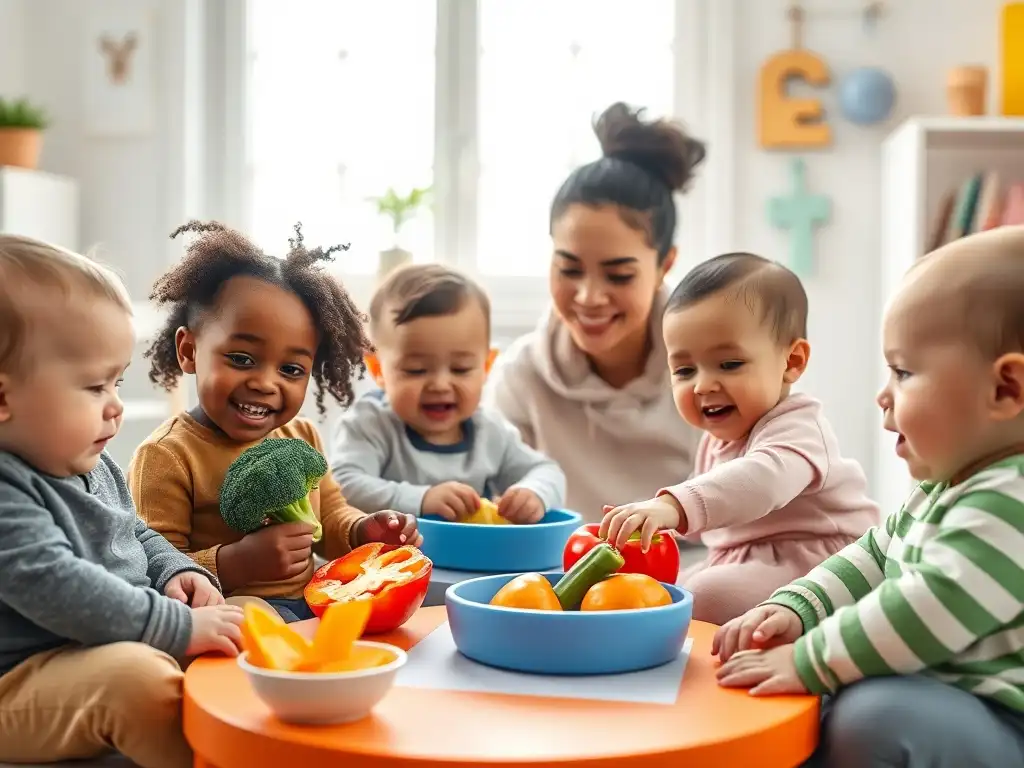
Picky eating is a common phase many toddlers go through, often causing stress for parents. While most cases resolve themselves with patience and consistent strategies, knowing when to seek professional help is crucial for ensuring your child's nutritional well-being. This section outlines key indicators suggesting the need for professional intervention, helping you determine when to consult a pediatrician or registered dietitian. Understanding the nuances of picky eating and its potential implications is essential for navigating this developmental stage effectively. Remember, early intervention can make a significant difference.
Signs That Indicate a Need for Professional Guidance
Several warning signs can indicate that your toddler's picky eating warrants professional attention. These signs go beyond the typical fussiness associated with exploring new textures and tastes. They suggest underlying issues that may impact your child's growth and development. It's important to distinguish between normal picky eating behaviors and those requiring expert intervention.
- Significant weight loss or failure to thrive: This is a serious concern. If your toddler is consistently losing weight or not gaining weight appropriately for their age, it's crucial to seek immediate medical attention. This could indicate a more serious underlying medical condition affecting their appetite or nutrient absorption.
- Severe nutritional deficiencies: A registered dietitian can assess your child's diet and identify potential deficiencies. Signs might include fatigue, pale skin, brittle hair, or other symptoms related to specific vitamin or mineral shortages. Ignoring these could lead to long-term health problems.
- Extreme food refusal: While some food refusal is normal, extreme refusal, where your child eats very few foods from limited food groups, is a cause for concern. This can lead to inadequate nutrient intake and affect their overall health.
- Underlying medical conditions: Certain medical conditions can influence appetite and eating habits. Gastrointestinal issues, allergies, or sensory processing disorders can all contribute to picky eating. A pediatrician can help identify and manage any underlying medical conditions.
- Behavioral issues related to eating: If mealtimes are consistently stressful and involve significant power struggles, it may indicate a need for professional guidance. A therapist specializing in child behavior can help address these issues and create a more positive eating environment.
- Lack of response to home-based strategies: After consistently implementing strategies to encourage healthy eating habits, such as offering a variety of foods, modeling positive eating behaviors, and creating a calm and pleasant mealtime environment, if there is no improvement, professional help could be beneficial.
Consulting a Pediatrician or Registered Dietitian
When you suspect your toddler's picky eating requires professional intervention, consulting a pediatrician or registered dietitian is recommended. These healthcare professionals can provide personalized advice and support.
A pediatrician can conduct a thorough physical examination to rule out any underlying medical conditions that might contribute to your child's picky eating. They can also monitor your child's growth and development, ensuring they are meeting developmental milestones.
A registered dietitian can assess your child's dietary intake, identify any nutritional deficiencies, and create a personalized meal plan that addresses your child's specific needs and preferences. They can also provide practical strategies for introducing new foods and managing mealtimes effectively. They can offer solutions tailored to your family's needs, addressing the challenges of "baby picky eating solutions". Remember, seeking professional help isn't a sign of failure, but rather a proactive step towards ensuring your child's healthy growth and development.
Early intervention often leads to better outcomes and can prevent more significant problems down the line. Don't hesitate to reach out for support when needed. The goal is to foster a healthy and positive relationship with food for your little one.
Long-Term Strategies for Preventing Picky Eating
This section focuses on proactive strategies to mitigate picky eating in toddlers, building upon the foundational principles of positive food experiences established earlier in infancy. We'll explore long-term approaches that go beyond immediate solutions, aiming for a sustainable and healthy relationship with food. Effective strategies for addressing "baby picky eating solutions" often require a shift in parental mindset and a commitment to consistent, positive reinforcement.
Cultivating a Positive Relationship with Food
A positive association with food is paramount. Avoid using food as a reward or punishment; this can create unhealthy power struggles and distort the child's perception of food. Instead, focus on creating a relaxed and enjoyable mealtime atmosphere. Family meals should be a time for connection and conversation, not a battleground.
Consider the following:
- Mealtimes as Social Events: Make mealtimes a pleasant family affair. Engage in positive conversation, share stories, and create a comfortable and inviting environment. This helps normalize food experiences and reduces stress.
- Modeling Healthy Eating: Children learn by observing their parents. If parents consistently demonstrate healthy eating habits, it's more likely the child will follow suit. This includes enjoying a variety of fruits, vegetables, and whole grains.
- Avoiding Food Labels: Refrain from labeling foods as "good" or "bad." This can lead to unnecessary anxiety around food choices and create a sense of restriction. Instead, focus on the nutritional value and the enjoyable aspects of different foods.
- Patience and Persistence: It takes time and repetition for children to accept new foods. Don't give up after one or two attempts. Keep offering a variety of healthy options, even if your child initially rejects them.
Encouraging Exploration and Curiosity About Different Foods
Introducing a variety of flavors and textures early on is crucial for preventing picky eating. The more exposure a child has to different foods, the more likely they are to develop a broader palate.
Here are some effective techniques:
- Involve Children in Food Preparation: Letting children participate in preparing meals, from washing vegetables to stirring ingredients, can increase their interest in trying new foods. This sense of ownership and involvement fosters a positive relationship with food.
- "One-Bite Rule": A gentle approach is to encourage your toddler to try at least one bite of a new food. Don't force them to eat more, but celebrate their willingness to try something new. Positive reinforcement is key.
- Creative Presentation: The way food is presented can significantly impact a child's willingness to try it. Cut vegetables into fun shapes, arrange food attractively on the plate, or use colorful dips to make it more appealing.
- Repeated Exposure: It's normal for children to need multiple exposures to a new food before they accept it. Continue offering the food in different ways and at different times. Don't give up easily!
Maintaining a Balanced and Nutritious Diet for the Whole Family
Addressing "baby picky eating solutions" requires a holistic approach. A family's eating habits significantly influence a child's dietary choices. Therefore, it's vital to maintain a balanced and nutritious diet for the entire family.
Key considerations include:
- Family Mealtimes: Regular family meals are an excellent opportunity to model healthy eating and encourage children to try new foods. This provides a consistent and supportive environment for food exploration.
- Variety is Key: Offer a wide variety of healthy foods, including fruits, vegetables, whole grains, lean proteins, and dairy products. This ensures your child receives a balanced intake of essential nutrients.
- Limit Processed Foods and Sugary Drinks: Minimize the consumption of processed foods, sugary drinks, and unhealthy snacks. These can displace more nutritious options and contribute to picky eating habits.
- Focus on Nutrients, Not Calories: Prioritize nutrient-dense foods, even if your child isn't eating large portions. Small amounts of healthy foods still offer valuable nutrients. Don't stress over the quantity, focus on the quality.
Remember, consistency and patience are key to successfully navigating picky eating. By implementing these long-term strategies, you can cultivate a positive and healthy relationship with food for your child, laying the groundwork for a lifetime of healthy eating habits. 🎉
Frequently Asked Questions
What is picky eating in babies and toddlers?
Picky eating refers to a child's limited acceptance of a variety of foods. It's a common phase, often stemming from normal developmental stages and a natural exploration of tastes and textures. Don't panic; it's usually temporary!
How can I encourage my baby to try new foods?
Repeated exposure is key! Offer new foods alongside familiar favorites multiple times, even if your baby initially rejects them. Positive role modeling, showing your child enjoying healthy foods, also makes a big difference.
My baby refuses most vegetables. What should I do?
Try incorporating vegetables into familiar dishes subtly. Pureed vegetables in sauces or finely grated veggies in familiar meals can be a good starting point. Don't force it; keep offering a variety.
Is it okay to give my baby sugary treats to encourage eating?
No, avoid using sugary foods or drinks as rewards. This can lead to unhealthy eating habits and preferences. Focus on healthy, nutritious options and make mealtimes positive experiences.
When should I be concerned about my baby's picky eating?
If your baby's picky eating is significantly impacting their growth or nutritional intake, consult your pediatrician. They can assess your baby's development and offer personalized advice or recommendations.
Final Reflection: Cultivating a Lifetime of Healthy Eating
The struggle with picky eating isn't just a childhood phase; it's a crucial window into shaping lifelong dietary habits. Addressing picky eating effectively requires a shift from forceful feeding to mindful modeling, creating a positive and supportive environment around food. This approach not only tackles immediate challenges but lays the groundwork for a healthier future.
The impact of parental eating habits on a child's food preferences is profound and far-reaching. We've seen how modeling healthy choices, even amidst the inevitable toddler tantrums, can significantly influence a child's willingness to try new foods and develop a balanced diet. This isn't just about avoiding future health problems; it's about fostering a positive relationship with food, one that promotes self-esteem and body positivity. We are what we repeatedly do. Excellence, then, is not an act, but a habit.
- Aristotle. This quote perfectly encapsulates the power of consistent modeling in shaping lasting healthy habits.
You, as a parent or caregiver, hold the key to unlocking a world of nutritious possibilities for your child. Consider your own eating habits; are they reflecting the values you wish to instill? Take this opportunity to not only guide your child's journey with food but also to embark on your own journey towards a healthier, more mindful relationship with eating. Embrace the power of example, and together, you and your child can cultivate a lifetime of healthy eating habits.
Unleash Your Little One's Inner Foodie: Start Today!
Thank you for learning about the importance of your example in shaping your child's eating habits! You've gained valuable insights into fostering a positive relationship with food. Now, let's put that knowledge into action.
- Lead by Example: This is key! Make a conscious effort this week to enjoy a variety of healthy foods yourself. Your child will naturally follow your lead.
- Create a "Taste Test" Jar: Fill a jar with pictures of new foods you'll try together. Let your child pick the next one to try! This makes healthy eating an exciting adventure.
- Share Your Experiences: Connect with other parents in our community and share your experiences—both successes and challenges. Let's build a supportive network together!
What small change will you make today to model healthy eating for your child?