
Introducing Spices and Herbs in Baby Food: Adding Flavor and Benefits

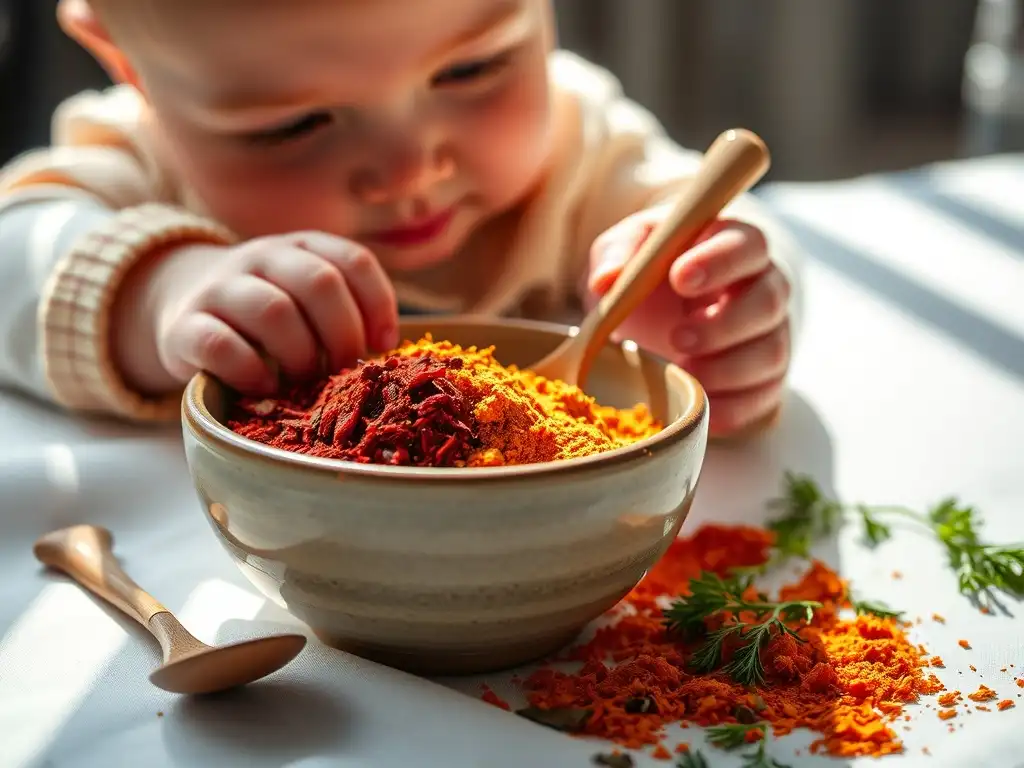
Welcome to BabyCareHub, your ultimate guide to navigating the incredible journey of parenthood! Are you ready to explore the exciting world of introducing flavors to your little one's diet? We understand the questions and concerns that come with feeding your baby, and that's why we've created this comprehensive resource.
Discover the secrets to a safe and flavorful introduction of spices and herbs in baby food, unlocking a world of nutritional benefits and culinary adventures for your growing child. Learn more about the perfect timing and safe options in our insightful article on " Baby food spices safe introduction" – and embark on this delicious journey with confidence!
- Understanding Safe Spice Introduction for Babies: A Step-by-Step Guide
- Health Benefits of Spices and Herbs in Baby Food
- Flavorful Baby Food Recipes with Spices and Herbs
- Addressing Concerns: Common Questions About Spices in Baby Food
- Spices and Herbs to Avoid in Baby Food: A Safety Guide
- Making Informed Choices: Selecting High-Quality Spices and Herbs
- Frequently Asked Questions
- Final Reflection: A World of Flavor, A World of Health for Little Ones
- Unlock Your Baby's Culinary Journey!
Understanding Safe Spice Introduction for Babies: A Step-by-Step Guide
Introducing spices and herbs into your baby's diet can be a fantastic way to enhance the flavor of their food and potentially offer various health benefits. However, it's crucial to approach this with caution and knowledge, ensuring the safe introduction of spices and herbs to your little one's palate. This comprehensive guide will walk you through the process, providing a step-by-step approach to safely and effectively introduce spices and herbs into your baby's meals, covering everything from the ideal timing to selecting appropriate options and creating delicious and nutritious combinations.
This guide addresses the critical keyword, "baby food spices safe introduction," offering parents clear, evidence-based advice to navigate this important milestone in their baby's dietary journey. Remember, always consult your pediatrician before introducing any new foods, including spices and herbs, to your baby's diet.
When to Introduce Spices and Herbs to Baby Food
The timing of introducing spices and herbs is just as important as the choice of spices themselves. The American Academy of Pediatrics generally recommends waiting until your baby is at least six months old before introducing solid foods. Even then, it's best to wait until your baby has already accepted a variety of plain purees before adding any spices.
This allows you to identify any potential allergies or sensitivities without the added variable of a new flavor. Once your baby is comfortable with single-ingredient purees like sweet potato or carrot, you can start experimenting with subtly flavored additions. Begin with very small amounts – a tiny pinch is enough to start – and observe your baby for any adverse reactions.
Remember, the goal is to enhance the flavor, not overwhelm your baby's sensitive palate. It's better to err on the side of caution and introduce spices gradually. This phased approach minimizes the risk of allergic reactions and ensures a positive experience for your baby.
Choosing the Right Spices and Herbs for Your Baby
Not all spices and herbs are created equal when it comes to baby food. Some are better suited for young palates and offer additional nutritional benefits. Here are some excellent choices:
- Cinnamon: A small pinch adds warmth and sweetness. It's also believed to have anti-inflammatory properties.
- Ginger: Can help soothe upset stomachs (always consult your pediatrician before using ginger for digestive issues). Use sparingly.
- Nutmeg: Adds a subtle, warm flavor. Use in tiny amounts.
- Basil: A mild, slightly sweet herb that pairs well with many vegetables.
- Parsley: Adds a fresh, slightly peppery taste and is a good source of Vitamin K.
- Dill: A delicate herb that complements many dishes, particularly those containing potatoes or carrots.
It's crucial to avoid spices that are known to be highly allergenic or that might contain compounds that could be harmful to babies. These include:
- Garlic: Can cause digestive upset in some babies.
- Onions: Similar to garlic, onions can be irritating to a baby's digestive system.
- Cayenne pepper or chili powder: These should be avoided completely due to their spiciness.
- Large amounts of salt or pepper: Excessive sodium and pepper are not good for young children.
Remember to always purchase high-quality, organic spices and herbs whenever possible to minimize exposure to potential pesticides or other contaminants.
Safe Spice and Herb Combinations for Baby Food
Once you've selected a few safe spices and herbs, you can start experimenting with simple combinations. Remember to start with a small amount and observe your baby's reaction.
Here are a few safe and delicious combinations to try:
| Spice/Herb Combination | Suggested Food Pairing | Notes |
|---|---|---|
| Cinnamon & Nutmeg | Sweet potato or apple puree | Adds warmth and sweetness. Use sparingly. |
| Basil & Parsley | Carrot or green bean puree | Adds freshness and a slightly peppery taste. |
| Ginger (tiny amount) | Butternut squash puree | Can aid digestion (consult your pediatrician). Use extremely sparingly. |
| Dill | Potato or zucchini puree | Adds a delicate flavor. |
Always prioritize simplicity. Start with single spice/herb additions before combining multiple flavors. Observe your baby closely for any signs of allergic reactions or digestive upset. If you notice any negative reactions, discontinue use and consult your pediatrician. Enjoy experimenting with flavors, and remember that introducing spices is a journey, not a race! 🎉
How to Gradually Introduce Spices and Herbs: A Practical Approach
Introducing spices and herbs into your baby's diet should be a gradual process, prioritizing safety and minimizing the risk of allergic reactions. Start with tiny amounts, far less than you'd use in adult cooking. A pinch is often more than enough for a baby's portion. Begin with single spices or herbs, waiting at least 2-3 days before introducing a new one to observe for any adverse reactions.
This allows you to pinpoint any potential allergies or sensitivities. Common reactions might include rashes, digestive upset, or unusual fussiness. If you notice anything concerning, stop using that spice or herb and consult your pediatrician.
The best approach is to incorporate spices and herbs into foods your baby already enjoys. For example, if your baby loves sweet potato puree, add a tiny pinch of cinnamon. If they like carrots, a minuscule amount of ginger might add a pleasant twist. Always start with the mildest flavors first. Cinnamon, nutmeg (in very small quantities), and a touch of ginger are generally well-tolerated. Avoid strong or pungent spices like chili powder, cayenne pepper, or garlic until your baby is much older. These can irritate their sensitive digestive systems.
Remember, the goal is to enhance flavor, not overwhelm your baby's palate. The taste should be subtle, barely noticeable. As your baby gets older and their taste buds develop, you can gradually increase the amount of spice or introduce new flavors. Always prioritize your baby's comfort and well-being. If they seem to dislike a particular spice, don't force it.
There are plenty of other options to explore. This process is about introducing variety and enriching their culinary experience, not about achieving a specific flavor profile. Patience and observation are key to a successful and safe spice introduction. Documenting what you give your baby and their response can also be beneficial for tracking potential allergies or preferences. This detailed record can prove invaluable when consulting your pediatrician.
Health Benefits of Spices and Herbs in Baby Food
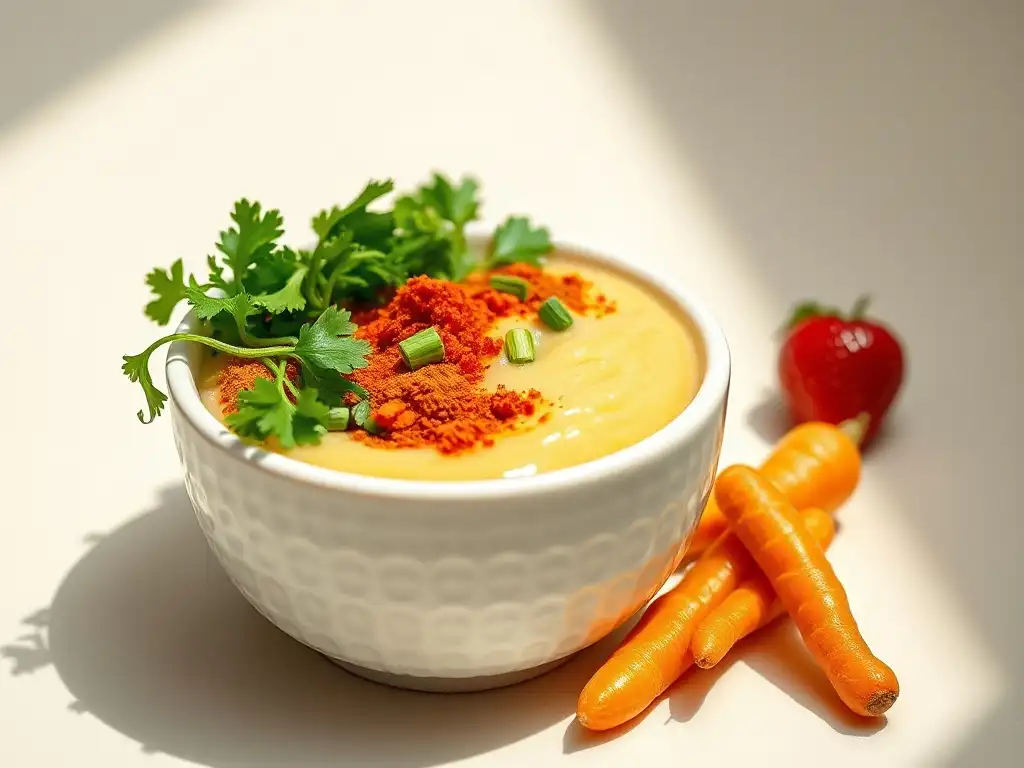
Introducing spices and herbs into your baby's food isn't just about enhancing flavor; it offers a wealth of nutritional and developmental benefits. A safe introduction of carefully selected spices and herbs can contribute significantly to your baby's overall well-being, supporting healthy growth and development. This section explores the various health advantages associated with incorporating these flavorful additions into your baby's diet, emphasizing the importance of a gradual and cautious approach to avoid potential allergies or sensitivities. Remember always to consult your pediatrician before introducing any new foods, including spices and herbs, to your baby's diet.
Nutritional Advantages of Specific Spices and Herbs
Many spices and herbs are packed with vitamins, minerals, and antioxidants. For example, cinnamon is a good source of manganese, an essential mineral for bone health and metabolism. Ginger, known for its anti-inflammatory properties, contains gingerol, a bioactive compound with potential health benefits. Turmeric, another powerhouse spice, boasts curcumin, a potent antioxidant linked to various health advantages. The following table highlights the nutritional benefits of some commonly used spices and herbs in baby food:
| Spice/Herb | Key Nutrients | Potential Benefits | Considerations |
|---|---|---|---|
| Cinnamon | Manganese, fiber | Improved metabolism, bone health | Use sparingly due to potential blood sugar impact |
| Ginger | Gingerol, antioxidants | Anti-inflammatory, aids digestion | Introduce in small amounts, monitor for sensitivity |
| Turmeric | Curcumin, antioxidants | Anti-inflammatory, potential immune support | Use in small quantities, monitor for any reactions |
| Parsley | Vitamin K, Vitamin C, iron | Supports bone health, immune function, blood health | Generally well-tolerated, but introduce gradually |
| Cumin | Iron, manganese | Supports healthy blood and metabolism | Use sparingly, monitor for any digestive upset |
It's crucial to remember that the amounts of these nutrients in baby food are relatively small, but contribute to the overall nutritional intake. The primary benefit lies in the gradual introduction of diverse flavors and potential health-boosting compounds.
Boosting Immunity with Flavorful Additions
Certain spices and herbs possess immune-boosting properties. The antioxidants found in spices like turmeric and ginger help combat free radicals, protecting cells from damage and strengthening the immune system. These antioxidants are particularly important during a baby's early development when their immune systems are still maturing. Including these spices in your baby's diet, in moderation, can contribute to a stronger immune response and help protect against infections.
Remember, a diverse diet rich in fruits, vegetables, and whole grains is crucial for optimal immune function. Spices and herbs should be considered complementary additions, not replacements, for a balanced diet. Introducing a variety of spices and herbs can help diversify the nutrients your baby receives.
A balanced diet, supplemented with carefully chosen spices and herbs, can significantly support your baby's immune system development.
Supporting Healthy Digestion with Spices
Some spices, such as ginger and fennel, are traditionally known for their digestive benefits. Ginger can help soothe upset stomachs and reduce nausea. Fennel can ease gas and colic, common issues in infants. However, it is important to introduce these spices very gradually and in small amounts.
Always monitor your baby for any adverse reactions, such as allergic responses or digestive discomfort. If you notice any issues, discontinue use and consult your pediatrician. The benefits of these spices are largely anecdotal, and more research is needed to definitively establish their efficacy in infants.
However, their traditional use and generally safe nature make them a potentially helpful addition to your baby's diet, when introduced carefully and cautiously. Remember that a healthy digestive system is crucial for nutrient absorption and overall well-being. A balanced diet, combined with gentle digestive support from carefully selected spices, can play a significant role in promoting healthy digestion in your baby.
Flavorful Baby Food Recipes with Spices and Herbs
This section explores the exciting world of introducing spices and herbs into your baby's diet, focusing on safe and flavorful options. Remember, always consult your pediatrician before introducing new foods, especially spices and herbs, to your baby's diet. The timing and types of spices introduced should always be tailored to your individual child's needs and development. This guide offers suggestions, not strict rules.
Simple and Safe Spice Recipes for 6-Month-Olds
At six months, your baby's palate is developing rapidly, and introducing subtle flavors can be beneficial. Start with incredibly mild spices in tiny amounts. Think of enhancing, not overpowering, the natural flavors of the food.
Here are some simple recipes incorporating safe spices for 6-month-olds:
- Sweet Potato and Cinnamon Puree: A classic combination! Steam one medium sweet potato until soft, then blend until smooth. Add a pinch – literally, a tiny pinch – of cinnamon. Taste-test to ensure it's not too strong. The cinnamon adds a subtle warmth that complements the sweetness of the sweet potato. This recipe provides Vitamin A and fiber.
- Avocado and Nutmeg Puree (with caution): Avocados are naturally creamy and rich. Add a miniscule amount of freshly grated nutmeg. Nutmeg should be used extremely sparingly and only after consulting your pediatrician due to potential allergenic reactions. The nutmeg adds a slightly sweet and warming note. This combination provides healthy fats and potassium.
- Carrot and Ginger Puree (with caution): Grate a small amount of fresh ginger and simmer it gently with diced carrots until soft. Blend until smooth. Ginger, like nutmeg, should be introduced with extreme caution and in minuscule quantities. Use only a tiny sliver of ginger. Its slightly pungent flavor can be a good way to stimulate the palate, but use with extreme caution. This recipe offers Vitamin A and antioxidants.
Important Note: Always introduce one new spice at a time, waiting a few days to observe for any allergic reactions before introducing another. Look for signs like rash, vomiting, or diarrhea. If any of these occur, discontinue the spice immediately and consult your pediatrician.
Delicious Spice and Herb Combinations for Older Babies
As your baby grows older (around 8-10 months), you can gradually increase the variety and amount of spices and herbs. Remember to always start with small amounts and observe your baby's reaction.
Here are some delicious combinations to try:
| Spice/Herb Combination | Suggested Food Pairing | Benefits | Caution |
|---|---|---|---|
| A tiny pinch of cumin & coriander | Lentil or chickpea puree | Improves digestion, adds earthy flavor | Use extremely sparingly at first |
| A dash of turmeric | Butternut squash puree | Anti-inflammatory, adds subtle color | May stain clothes, start with tiny amount |
| A sprinkle of finely chopped parsley | Potato and green bean puree | Adds freshness, source of Vitamin K | Ensure parsley is finely chopped |
| A tiny pinch of dill | Pea and carrot puree | Mild flavor, aids digestion | Introduce very gradually |
Remember, the key is to enhance the natural flavors of the food, not mask them. Avoid using strong spices like chili powder, cayenne pepper, or garlic at this stage.
Tips for Adapting Recipes to Your Baby's Preferences
Every baby is unique, and their taste preferences will vary. Here are some tips to help you adapt recipes to your baby's liking:
- Start small: Always introduce new spices in tiny amounts.
- Observe your baby's reaction: Pay close attention to any signs of allergies or dislikes.
- Don't be afraid to experiment: Try different combinations of spices and herbs.
- Adjust the consistency: Purees should be smooth for younger babies, while slightly chunkier textures can be introduced as they get older.
- Make it fun: Incorporate spices and herbs into fun shapes using cookie cutters (once your baby is old enough for larger pieces of food).
- Be patient: It may take several attempts for your baby to accept new flavors. Don't get discouraged if they initially refuse a new spice.
Introducing spices and herbs into your baby's diet is a journey of discovery. Enjoy exploring new flavors together, and always prioritize safety and your baby's individual needs. Remember, a diverse and flavorful diet contributes to healthy growth and development. Enjoy the process of creating delicious and nutritious meals for your little one! 🎉
Addressing Concerns: Common Questions About Spices in Baby Food
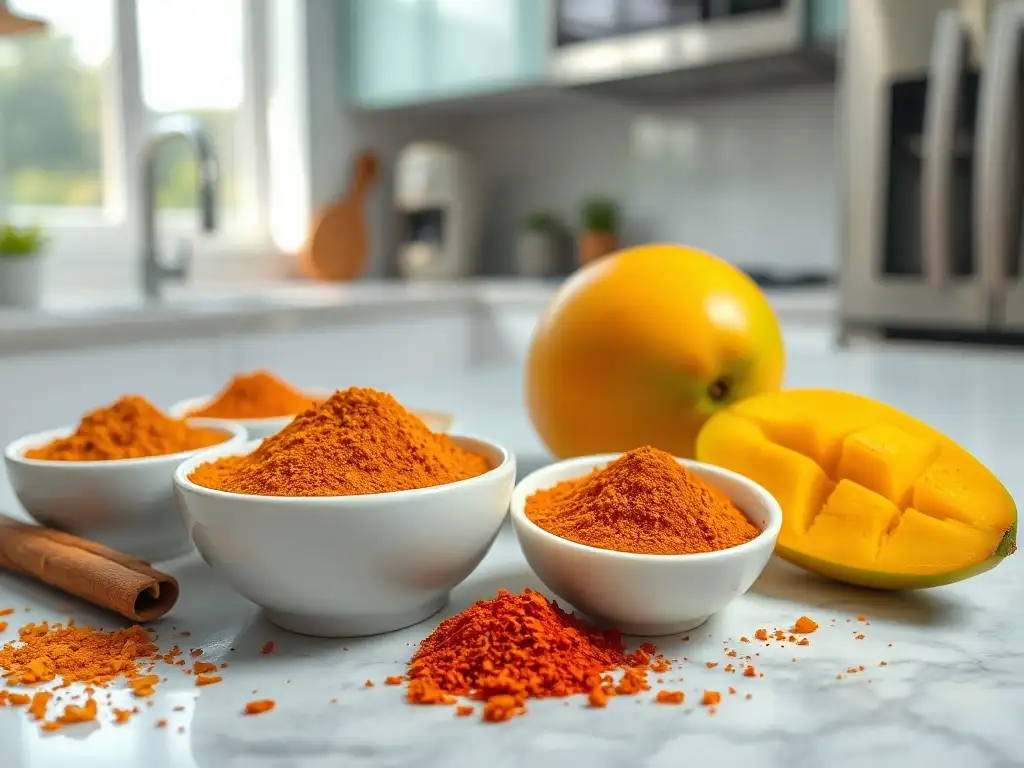
Introducing spices into your baby's diet can be a source of excitement, but also understandably, anxiety for first-time parents. Many wonder about the safety and potential benefits, especially when considering allergies and sensitivities. Let's address some common concerns surrounding the safe introduction of spices in baby food. This section focuses on providing practical advice and information relevant to the keyword "baby food spices safe introduction."
Are Spices Safe for Babies with Allergies?
The introduction of spices for babies with allergies requires extra caution and careful planning. While spices themselves rarely trigger allergic reactions, they can be indirectly involved. For example, a spice blend might contain a hidden allergen like nuts or dairy if not carefully sourced and labeled. Always check the ingredient list meticulously, looking for potential allergens like milk, soy, eggs, peanuts, tree nuts, wheat, fish, and shellfish.
It's crucial to start with single spices in minimal quantities to assess your baby's tolerance. Begin with spices known for low allergenicity, such as cinnamon or turmeric, in extremely small amounts. Observe your baby closely for any signs of allergic reaction after introducing a new spice, including:
- Skin rashes or hives
- Swelling of the lips, tongue, or face
- Difficulty breathing
- Vomiting or diarrhea
If your baby has a known allergy, it's essential to consult with your pediatrician or a registered dietitian before introducing any new spices. They can advise on suitable options and appropriate introduction methods, minimizing the risk of an allergic reaction. Remember, prevention is key when managing allergies in babies.
Dealing with Potential Reactions to Spices
Even with careful planning, an adverse reaction to a spice is possible. Understanding how to manage potential reactions is vital for the safe introduction of spices in baby food. Reactions can range from mild discomfort to severe allergic responses.
Mild reactions might include:
- Gas or bloating
- Slight skin irritation around the mouth
- Loose stools
In such cases, temporarily discontinue the spice and reintroduce it in smaller quantities after a few days. If symptoms persist or worsen, consult your pediatrician immediately.
Severe reactions, as mentioned before, require immediate medical attention. Symptoms like difficulty breathing, swelling, or widespread rash necessitate an emergency response. Have a plan in place, knowing the nearest medical facility and how to reach them quickly. Always keep a record of any spices introduced to your baby and the date of introduction, to help in identifying potential triggers.
The Role of Spices in Preventing Food Waste
Interestingly, the careful introduction of spices can play a role in reducing food waste. Babies, like adults, can be picky eaters, and rejecting pureed vegetables or fruits is common. Introducing subtle flavors with spices can make bland purees more appealing, encouraging your baby to eat more of their food.
For instance, a small pinch of cinnamon can enhance the sweetness of apple puree, or a dash of ginger can add a subtle warmth to carrot puree. This can make mealtimes more enjoyable and help prevent food waste, which is especially important considering the cost and effort involved in preparing baby food. Remember to use spices sparingly, focusing on enhancing natural flavors rather than overpowering them. The goal is to make healthy food more palatable, not to mask its true taste. This approach helps promote healthy eating habits from an early age.
Spices and Herbs to Avoid in Baby Food: A Safety Guide
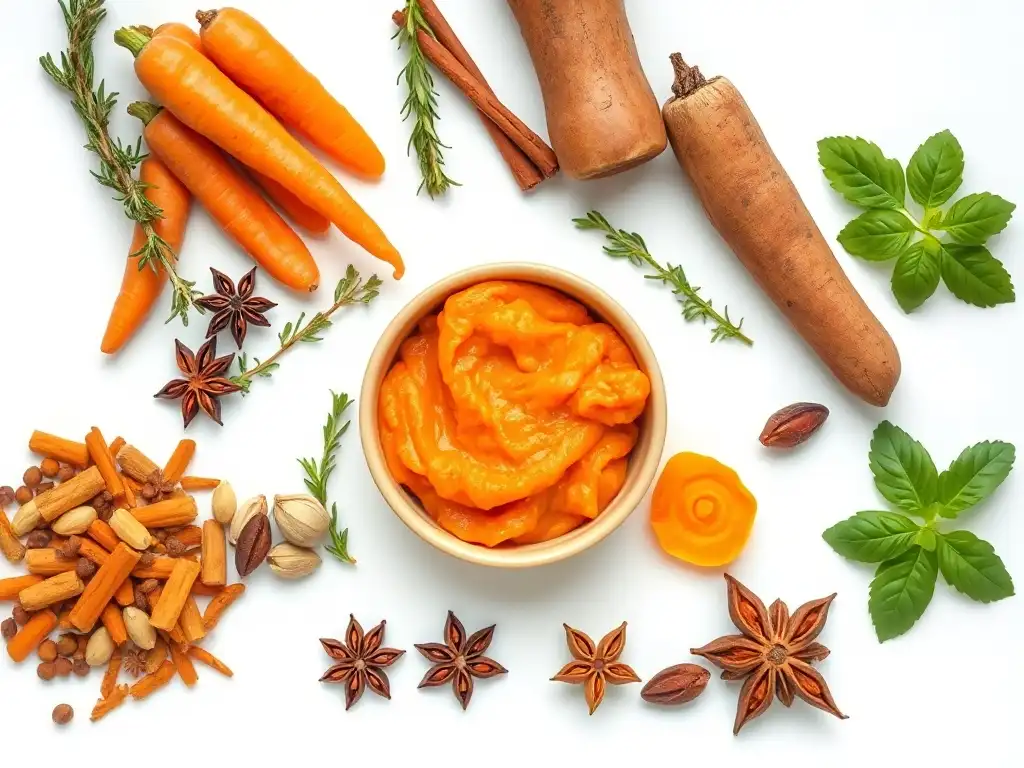
Introducing spices and herbs into your baby's diet can be a delightful way to enhance flavor and potentially offer nutritional benefits. However, some spices and herbs pose potential risks for infants due to their strong flavors, potential allergic reactions, or interactions with medications. This section focuses on those you should completely avoid until your baby is older, typically after 12 months. Remember, always consult your pediatrician before introducing any new foods, including spices and herbs, into your baby's diet. This is crucial for the safe introduction of baby food spices.
Spices and Herbs to Avoid Until After 12 Months
Certain spices and herbs are known to be particularly problematic for babies. Their potent flavors can be overwhelming to a developing palate, and some contain compounds that might irritate a baby's sensitive digestive system. These include:
- Garlic and Onion Powder: These commonly used spices contain compounds that can interfere with thyroid function in infants and cause digestive upset. While small amounts might not pose significant harm to older children and adults, it's best to avoid them entirely in baby food.
- Chili Powder and Other Capsaicin-Containing Spices: These are obvious no-nos. Capsaicin, the compound that gives chili peppers their heat, can irritate a baby's delicate mouth and digestive tract.
- Large Amounts of Cinnamon: While cinnamon offers some potential health benefits in moderation for adults, excessive amounts can be harmful to babies. It's best to avoid it completely in baby food.
- Nutmeg: Contains compounds that can be toxic if ingested in large quantities. Avoid entirely in baby food.
- Maca: While marketed as a superfood, maca powder has not been sufficiently tested for safety in infants. It is best to avoid it until your child is much older.
Understanding Potential Risks and Interactions
The safety of introducing spices and herbs into baby food is paramount. Several factors must be considered to ensure a safe introduction of baby food spices:
- Allergic Reactions: Some spices and herbs, like those containing salicylates (e.g., cinnamon), can trigger allergic reactions in susceptible infants. Always introduce new spices one at a time, in small quantities, and monitor your baby closely for any signs of an allergic reaction (rash, hives, swelling, difficulty breathing).
- Digestive Upset: Strong flavors and compounds in certain spices and herbs can irritate a baby's sensitive digestive system, leading to gas, bloating, diarrhea, or constipation. Start with very small amounts and observe your baby's reaction carefully.
- Drug Interactions: Some herbs and spices can interact with certain medications. If your baby is taking any medication, consult your pediatrician before introducing new spices or herbs into their diet.
- Developmental Considerations: A baby's digestive system and taste buds are still developing. Introducing strong flavors too early can be overwhelming and potentially lead to food aversion later on. A gradual and cautious approach is vital for the safe introduction of baby food spices.
Remember, when in doubt, always consult your pediatrician. They can provide personalized guidance based on your baby's individual health and developmental needs. Prioritizing safety is key when exploring the world of flavors with your little one. A gradual and cautious approach, along with careful monitoring, will ensure that adding spices to your baby's diet is a positive and safe experience.
Making Informed Choices: Selecting High-Quality Spices and Herbs
Choosing the right spices and herbs for your baby's food is crucial for both flavor and nutritional benefits. While introducing spices early can be beneficial, prioritizing quality and safety is paramount. This section focuses on how to select high-quality spices and herbs, ensuring you're providing your little one with the best possible ingredients. Remember, even seemingly innocuous spices can pose risks if not handled correctly. A safe introduction of spices and herbs into your baby's diet is a gradual process that prioritizes their well-being.
Organic Spices and Herbs for Baby Food
Opting for organic spices and herbs minimizes exposure to pesticides and other potentially harmful chemicals. Organic certification ensures that the plants were grown without synthetic pesticides, herbicides, or fertilizers. This is especially important for babies, whose bodies are still developing and more susceptible to the effects of these chemicals. Look for certifications like USDA Organic to verify the product's authenticity.
While organic options might cost slightly more, the peace of mind knowing you're providing your baby with cleaner ingredients is invaluable. The reduced pesticide residue contributes to a healthier overall diet, supporting your baby's growth and development. Remember to always check the label for any potential allergens.
The benefits of choosing organic extend beyond pesticide avoidance. Organic farming practices often promote biodiversity and soil health, leading to potentially more nutrient-dense spices and herbs. While the difference might not always be dramatic, the cumulative effect of choosing organic across your baby's diet can be significant. Consider the long-term health implications of prioritizing organic ingredients from the start. It's a small change that can make a big difference in your baby's overall well-being. This proactive approach contributes to a “baby food spices safe introduction” strategy.
Storing Spices and Herbs for Optimal Freshness
Proper storage is key to maintaining the flavor, aroma, and nutritional value of spices and herbs. Improper storage can lead to a loss of potency and even the potential for spoilage, which is especially important to avoid when preparing food for babies. Here's a guide to ensuring your spices and herbs remain fresh and flavorful for longer:
- Airtight Containers: Store spices and herbs in airtight containers to prevent moisture and air from degrading their quality. Glass containers are ideal, but high-quality plastic containers with tight-fitting lids also work well. Avoid using containers that allow air or moisture to penetrate.
- Cool, Dark Place: Keep your containers in a cool, dark, and dry place away from direct sunlight and heat. Heat and light can degrade the active compounds in spices and herbs, diminishing their flavor and potency. A pantry cupboard is usually a good choice.
- Whole Spices vs. Ground Spices: Whole spices generally retain their flavor and aroma longer than ground spices. Grind whole spices just before using them to maximize their freshness and flavor. If you must use ground spices, buy them in smaller quantities to ensure freshness.
- Freezing: For longer-term storage, you can freeze some herbs and spices in airtight containers or freezer bags. This helps maintain their quality for an extended period.
- Labeling and Dating: Label your containers with the name of the spice or herb and the date you purchased or ground them. This helps you rotate your stock and use the oldest spices first, minimizing waste and ensuring freshness.
Following these simple storage guidelines helps ensure that the spices and herbs you use in your baby's food are of the highest quality and retain their full flavor and nutritional benefits. This contributes to a safer and more enjoyable introduction of spices into your baby's diet, promoting healthy eating habits from the start. A well-organized spice cupboard is a crucial part of a "baby food spices safe introduction" approach.
Frequently Asked Questions
What spices are safe to introduce to my baby's food?
Generally, mild spices like cinnamon, nutmeg (in small amounts), and ginger are considered safe to introduce after 6 months, once your baby has started solids. Always introduce one spice at a time to monitor for any allergic reactions.
When should I start introducing spices to my baby's food?
You can begin introducing spices to your baby's food around 6 months of age, after they've started solids and shown they can tolerate different textures and flavors. Start with very small amounts and gradually increase.
How much spice should I add to my baby's food?
Begin with extremely small amounts, barely a pinch, to gauge your baby's reaction and tolerance. Remember, the goal is to enhance flavor, not overwhelm your baby's palate.
Are there any spices I should avoid giving my baby?
Avoid strong or pungent spices like chili powder, cayenne pepper, garlic, and onion until your baby is much older (at least 1 year) due to their potential to irritate their digestive system.
What are the benefits of introducing spices to my baby's food?
Spices can add flavor and nutritional value to your baby's diet. Some spices also have potential health benefits, such as anti-inflammatory properties (e.g., ginger). Always prioritize safety and introduce spices gradually.
Final Reflection: A World of Flavor, A World of Health for Little Ones
Introducing spices and herbs into baby food isn't just about enhancing flavor; it's about enriching the nutritional landscape of a child's developing palate and overall well-being. The careful and informed introduction of these natural flavor boosters offers a gateway to a wider range of tastes and potential health benefits, setting the stage for a lifetime of healthy eating habits.
The impact of early exposure to diverse flavors is profound, shaping not only a child's preference for nutritious foods but also their acceptance of new culinary experiences throughout their life. Good food is good mood food.
This simple truth extends beyond adults; introducing a variety of flavors early on can foster a positive relationship with food, reducing the likelihood of picky eating later on. This journey of culinary exploration, guided by knowledge and safety, is a gift we can give our children, one flavorful bite at a time.
Consider the possibilities: the vibrant colors, the aromatic scents, the subtle yet powerful tastes that spices and herbs bring to your baby's meals. You are not just feeding your child; you are nurturing their senses, expanding their culinary horizons, and contributing to their overall health. Take the time to research, to experiment, and to savor this special moment of introducing your little one to the wonderful world of flavor. Embrace the journey, and watch your child blossom with each delicious, healthy bite.
Unlock Your Baby's Culinary Journey!
Thank you for exploring the exciting world of spices and herbs in baby food! You've learned how to safely and deliciously add flavor and nutritional benefits to your little one's meals. Now, let's put this knowledge into practice!
- Experiment with a new spice this week: Start by adding a small amount—a pinch of cinnamon to applesauce or a dash of ginger to carrots, for example. Observe your baby's reaction and enjoy discovering new flavors together.
- Share your culinary creations and tips: Connect with other parents in our BabyCareHub community and share your successful spice and herb combinations. Let's build a valuable resource for all parents!
- Document your baby's flavor journey: Keep a food diary noting which spices your baby enjoys and which they are less enthusiastic about. This will help you tailor their meals and create exciting new recipes.
What exciting flavor adventure will you and your little one embark on next?