
Introducing Solids: How to Read Food Labels for Baby

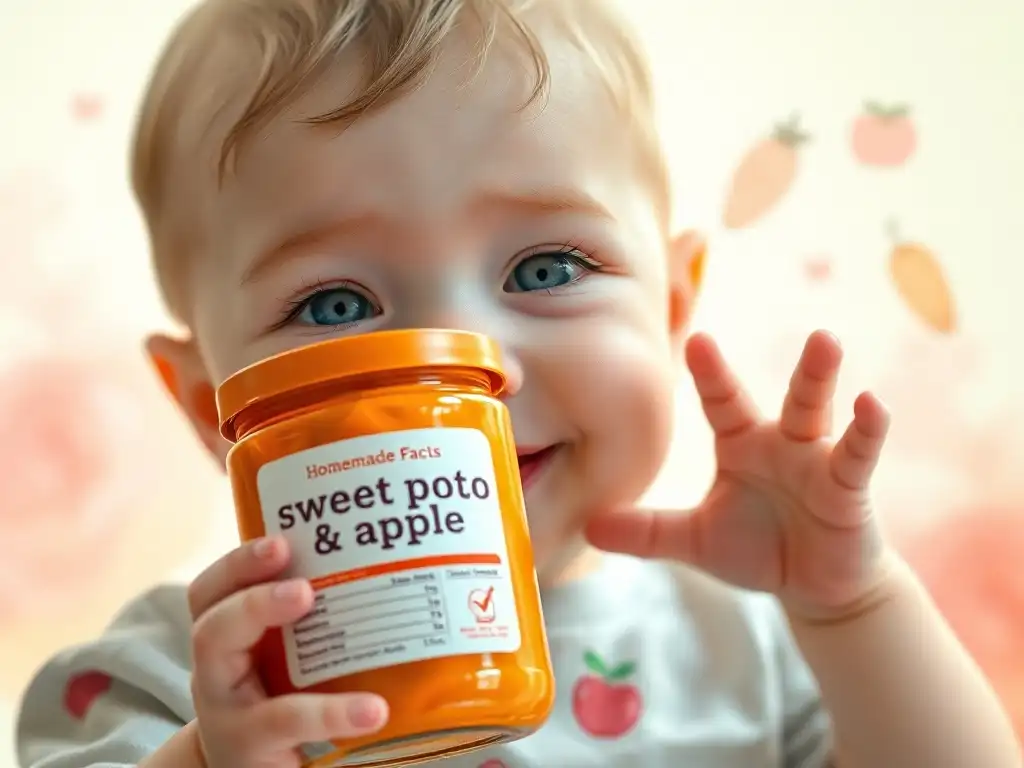
Welcome to BabyCareHub, your ultimate guide to navigating the incredible journey of parenthood! Are you ready to confidently introduce solids to your little one? Then you've come to the right place. Our Baby food label reading guide will equip you with the knowledge you need to make informed decisions about your baby's nutrition, ensuring they get the best possible start. Discover the secrets to deciphering those often-confusing labels and unlock the key to healthy eating for your baby – explore more now!
- Understanding Baby Food Labels: A Comprehensive Guide
- Choosing the Right Baby Food: Types and Considerations
- Practical Tips for Reading Baby Food Labels
- Baby Food Label Reading: Beyond the Basics
- Building a Healthy Diet for Your Baby: Combining Food Labels with Other Factors
- Frequently Asked Questions
- Final Reflection: Nourishing Futures: The Power of Informed Choices
- Unlock Your Baby's Culinary Adventure!
Understanding Baby Food Labels: A Comprehensive Guide
Introducing your little one to solid foods is a significant milestone, filled with excitement and perhaps a touch of anxiety. Navigating the world of baby food can feel overwhelming, especially when faced with a supermarket aisle brimming with jars and pouches. This guide provides a step-by-step approach to reading baby food labels, empowering you to make informed choices that support your baby's healthy growth and development.
We'll break down the key components of a baby food label, helping you understand ingredient lists, identify potential allergens, and interpret nutritional information. By the end, you'll be confident in selecting the best and safest options for your baby's palate and well-being. This guide serves as your essential "Baby food label reading guide," equipping you with the knowledge to confidently navigate the world of baby food.
Deciphering Ingredient Lists: Prioritizing Whole Foods
The ingredient list is arguably the most crucial part of any baby food label. It's presented in descending order by weight, meaning the ingredient listed first is the most abundant. Ideally, you should see simple, recognizable ingredients. Look for labels featuring whole foods like fruits, vegetables, and grains. Avoid products with long lists of unfamiliar ingredients, additives, or excessive sugars. For example, a jar of "sweet potato" should primarily list sweet potato, perhaps with a small amount of water or lemon juice for preservation.
Anything beyond that warrants closer scrutiny. Remember, the simpler the ingredient list, the better. Prioritizing whole foods ensures your baby receives the maximum nutritional benefits without unnecessary additives. Think of it this way: the closer the ingredients are to what you'd find in your own kitchen, the better! 👶🥕🍎
Identifying Allergens: Common Allergens in Baby Food and How to Spot Them
Allergens are a serious consideration when introducing solids. Common allergens for babies include milk, eggs, peanuts, soy, wheat, tree nuts, fish, and shellfish. These must be clearly labeled on the packaging, thanks to food safety regulations. Carefully review the ingredient list for any of these potential allergens. If your baby has a family history of allergies, consult your pediatrician before introducing potential allergens.
Start by introducing one new food at a time, waiting a few days to observe for any allergic reactions like rash, vomiting, or difficulty breathing. Keep a detailed food diary to track what your baby eats and any subsequent reactions. Remember, early identification of potential allergies is crucial for managing them effectively. Always err on the side of caution; if you're unsure about an ingredient, it's best to avoid it. ⚠️
The nutritional information panel provides valuable insights into the vitamins, minerals, and calories contained in a serving of baby food. Pay close attention to the serving size, as this dictates the nutritional values listed. Compare the nutritional content of different brands and varieties to make informed choices. For example, you might compare the iron content of different iron-fortified cereals or the vitamin C content of various fruit purees.
While the exact values will vary depending on the specific product, understanding these values helps you ensure your baby is receiving a balanced diet. Don't hesitate to use this information to compare similar products and choose the one that best meets your baby’s nutritional needs. Remember, a balanced and varied diet is key to healthy growth and development. 📊
Recognizing Added Sugars and Salts: Avoiding Unnecessary Additives in Baby Food
Navigating the world of baby food can feel overwhelming, especially when faced with a seemingly endless array of jars and pouches. One crucial aspect of choosing healthy baby food is understanding the ingredient list and recognizing hidden sugars and salts. These additives offer no nutritional benefit and can be detrimental to your baby's developing palate and overall health. Remember, babies don't need added sugar or salt; their bodies are perfectly capable of obtaining these nutrients from natural sources.
Many processed baby foods contain added sugars, often disguised under various names like corn syrup, sucrose, dextrose, or fruit juice concentrates. These added sugars contribute to unnecessary calories and can increase the risk of tooth decay, even at a young age. Look for products with minimal added sugars, ideally none at all. Prioritize whole fruits and vegetables as natural sources of sweetness. A good rule of thumb is to check the ingredient list; if sugars appear high on the list or multiple types of sugars are present, it's best to opt for a different option.
Similarly, added salt is another concern. While some sodium is essential for bodily functions, babies require only small amounts, easily obtained through breast milk or formula. Excessive sodium intake can strain their developing kidneys and contribute to health problems later in life. Many processed baby foods contain added sodium, often to enhance flavor.
Choose baby foods that are labeled "low sodium" or "no salt added." Remember, your baby's taste buds are still developing, and they won't miss the extra salt. You can always add a dash of natural flavors like herbs or spices to enhance the taste of homemade purees. Prioritize whole, unprocessed ingredients to ensure your baby receives the optimal nutrients without excessive sodium.
Understanding the ingredient list is key to spotting added sugars and salts. Pay close attention to the order of ingredients; those listed first are present in the highest amounts. Familiarize yourself with different names for added sugars and salts to avoid being misled by clever marketing. Remember, a simple ingredient list with whole foods listed first is a sign of a healthier product.
Checking the nutrition facts panel can also provide insight into the sugar and sodium content, helping you make informed decisions for your baby's healthy diet. By carefully scrutinizing labels, you can confidently select nutritious and wholesome baby food options that support your little one's healthy growth and development. This empowers you to make informed choices, contributing to a healthier and happier baby. 👶
Choosing the Right Baby Food: Types and Considerations
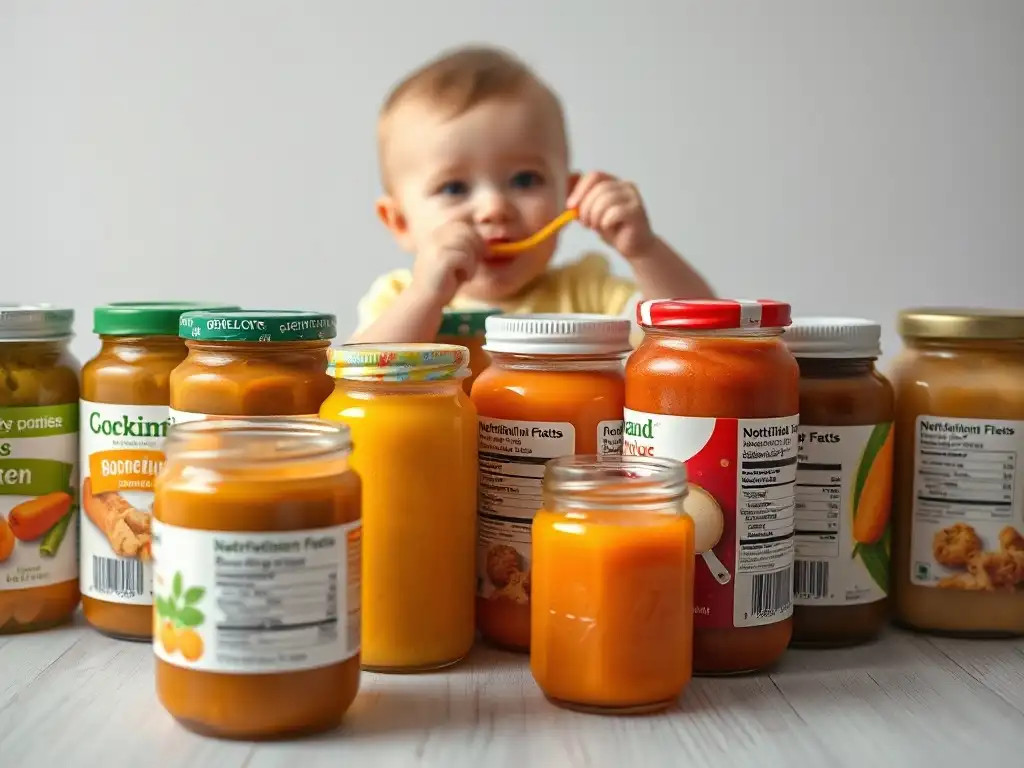
This section delves into the crucial aspects of selecting appropriate baby food, focusing on understanding different types and making informed decisions to support your baby's healthy development. Navigating the baby food aisle can be overwhelming for first-time parents, but with a clear understanding of the various options, you can confidently choose the best nutrition for your little one.
This guide will help you become a savvy baby food label reader and empower you to make the best choices for your baby's nutritional needs. Remember, this is a Baby food label reading guide to help you understand what you're feeding your child.
Organic vs. Conventional Baby Food: Weighing the Differences
The choice between organic and conventional baby food is a common dilemma for parents. Organic baby food is produced without the use of synthetic pesticides, herbicides, or fertilizers. This means lower exposure to potentially harmful chemicals for your baby. However, organic options are often more expensive.
Conventional baby food, on the other hand, may contain residues of these chemicals, though within legally permitted limits. The cost is typically lower. The decision ultimately depends on your personal priorities and budget.
Consider these points:
- Cost: Organic baby food is generally more expensive than conventional options. Budget constraints often play a significant role in parental choices.
- Pesticide Exposure: Organic farming practices minimize pesticide exposure, a key concern for many parents. Research shows lower pesticide residue levels in organic products.
- Nutritional Value: While some studies suggest potential nutritional differences, the overall consensus is that both organic and conventional baby foods can provide adequate nutrition if properly balanced within a varied diet.
- Environmental Impact: Organic farming practices are generally considered more environmentally friendly.
| Feature | Organic Baby Food | Conventional Baby Food |
|---|---|---|
| Pesticides | Free from synthetic pesticides | May contain pesticide residues within legal limits |
| Fertilizers | Free from synthetic fertilizers | May contain synthetic fertilizers |
| Cost | Generally more expensive | Generally less expensive |
| Environmental Impact | Generally lower environmental impact | Generally higher environmental impact |
Many parents opt for a combination approach, choosing organic for certain high-risk foods (those more likely to contain high levels of pesticide residue) and conventional for others. Ultimately, the best choice is the one that aligns with your family's values and financial situation.
Single-Ingredient vs. Multi-Ingredient Baby Food: Making Informed Choices
Single-ingredient baby foods offer simplicity and allow for easier identification of potential allergens. They typically list only one fruit, vegetable, or protein source. This makes it straightforward to monitor your baby's reactions to specific foods and easily identify any potential allergens. Starting with single-ingredient purees allows for a gradual introduction of different foods.
Multi-ingredient baby foods offer convenience, combining different fruits, vegetables, or proteins in a single jar. However, this can make it more challenging to pinpoint potential allergens. The ingredient list can be longer and more complex, requiring careful scrutiny of the Baby food label reading guide principles. It's important to understand exactly what's in the jar before introducing it to your baby's diet. Always check for added sugars, salts, and other unnecessary ingredients.
Consider these factors when choosing between single and multi-ingredient options:
- Allergen Identification: Single-ingredient foods simplify the process of identifying food allergies.
- Control over Ingredients: Single-ingredient options give you greater control over what your baby consumes.
- Convenience: Multi-ingredient foods are more convenient, but may contain less desirable additions.
- Taste Variety: Multi-ingredient foods can offer a broader range of tastes for your baby.
Stage-Appropriate Foods: Selecting Foods Suitable for Your Baby's Development
Selecting stage-appropriate foods is critical for your baby's digestive system and overall development. Baby food stages are typically categorized by texture and nutrient content. Stage 1 foods are usually pureed and smooth, suitable for babies just starting solids (around 6 months old). As your baby develops, you can progress to Stage 2 foods, which have a slightly chunkier consistency. Stage 3 foods are even chunkier, preparing your baby for more textured foods like mashed vegetables and soft fruits.
Understanding the stages helps you ensure your baby is ready for the texture and complexity of the food. Forcing your baby to eat foods they aren't developmentally ready for can lead to choking hazards or digestive issues. Always follow the recommended age guidelines printed on the packaging. Never introduce new foods too quickly; allow sufficient time to observe for any allergic reactions before introducing additional items.
Remember, this Baby food label reading guide is a useful tool, but always consult with your pediatrician for personalized advice on introducing solids to your baby's diet. They can provide tailored recommendations based on your baby's individual needs and development.
Homemade vs. Store-Bought: Advantages and Disadvantages
Choosing between homemade and store-bought baby food is a significant decision for new parents. Both options present advantages and disadvantages that need careful consideration. The best choice often depends on your lifestyle, budget, and baby's individual needs.
Homemade Baby Food:
Making your own baby food offers unparalleled control over ingredients. You know exactly what's going into your little one's food, avoiding added sugars, salts, and preservatives often found in commercially produced options. This is particularly beneficial for babies with allergies or sensitivities, allowing you to carefully introduce new foods one at a time and monitor their reactions closely. Furthermore, homemade baby food can be significantly cheaper in the long run, especially if you're already buying fresh produce for your family's meals.
The process can also be a rewarding experience, allowing you to bond with your baby through creating healthy and nutritious meals. However, making your own baby food requires time and effort. You need to plan, shop for fresh ingredients, prepare the food, and then carefully store and freeze portions to ensure food safety.
This can be challenging for busy parents, and inconsistent batch sizes can lead to food waste. Additionally, ensuring the food is properly cooked and cooled to prevent bacterial growth requires careful attention to hygiene and safe food handling practices. Finally, you need to ensure a diverse range of nutrients are included in your baby's diet, which can require significant research and planning.
Store-Bought Baby Food:
Store-bought baby food offers convenience and readily available nutrition. It’s easy to find a wide variety of options, including single-ingredient purees, fruit and vegetable combinations, and even more complex meals. This simplifies meal preparation, especially for busy parents. Many brands also offer fortified options, ensuring your baby receives essential vitamins and minerals.
The packaging is typically designed for easy storage and portioning, minimizing food waste. Furthermore, store-bought options often undergo rigorous safety and quality checks, reducing the risk of contamination. However, store-bought baby food can be more expensive than homemade options.
It also often contains added ingredients like sugar or salt, although many brands are now focusing on cleaner labels with minimal added ingredients. You have less control over the ingredients and their sourcing, which can be a concern for parents who prioritize organic or locally sourced produce. Finally, the processing involved in making store-bought baby food can reduce the nutrient content compared to freshly made purees.
Ultimately, the best choice depends on your individual circumstances. Weighing the pros and cons carefully will help you make an informed decision that best suits your baby's needs and your family's lifestyle. Many parents opt for a combination of both homemade and store-bought options, leveraging the benefits of each approach.
Practical Tips for Reading Baby Food Labels
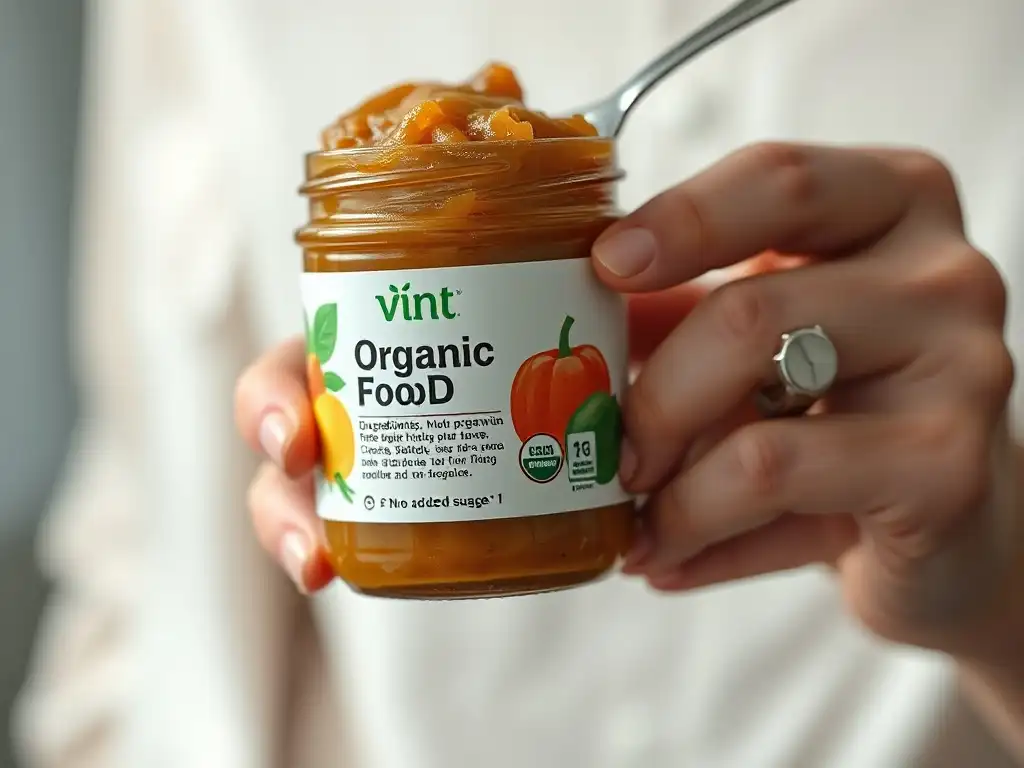
This section provides a practical guide to deciphering baby food labels, empowering you to make informed choices for your little one. Navigating the world of baby food can be overwhelming, but understanding what to look for on those labels is key to ensuring your baby receives the best possible nutrition. This guide will equip you with the skills to become a savvy baby food label reader. Remember, choosing healthy and safe foods is paramount for your baby's growth and development.
Checking Expiration Dates and Storage Instructions: Ensuring Food Safety
Expiration dates and storage instructions are crucial for maintaining the safety and quality of your baby's food. Ignoring these can lead to spoilage and potential health risks. Always check the "Best By" or "Use By" date before serving any food. Foods past their expiration date should be discarded, even if they appear to be in good condition.
Different baby foods have varying storage requirements. Some may need refrigeration after opening, while others can be stored at room temperature. Pay close attention to the instructions printed on the label, often found on the back or side of the packaging. This information is critical to prevent bacterial growth and ensure your baby is consuming safe, nutritious food.
Here's a simple checklist to follow:
- [ ] Check the expiration date before opening the jar or pouch.
- [ ] Carefully read and follow the storage instructions after opening.
- [ ] Refrigerate opened jars or pouches as instructed.
- [ ] Discard any food that smells off, shows signs of mold, or is past its expiration date. Don't take chances with your baby's health!
Recognizing Certifications and Quality Marks: Identifying Trustworthy Brands
Choosing trustworthy baby food brands can be challenging. Luckily, many organizations offer certifications and quality marks that can help you identify reputable brands committed to producing safe and nutritious products. These certifications often indicate that the products meet specific standards for ingredient quality, processing methods, and safety. Look for certifications such as USDA Organic, which guarantees the product is made with organically grown ingredients, free from synthetic pesticides and fertilizers. Other certifications might focus on specific aspects like non-GMO ingredients or sustainable sourcing.
Understanding these certifications empowers you to make more informed decisions. For example, a label indicating "No Added Sugar" assures you that the product doesn't contain any extra sugars beyond those naturally present in the ingredients. Similarly, a "Gluten-Free" label helps parents of children with gluten sensitivities make safe choices. Always look for clear and concise labeling that provides transparency about the product's contents and production methods. This transparency is a hallmark of trustworthy brands.
Comparing Similar Products: Finding the Best Value and Nutrition
Once you understand the basics of label reading, you can start comparing similar baby food products to find the best value and nutrition for your baby. Don't just focus on the price; compare the ingredient lists and nutritional information carefully. Pay attention to serving sizes and the amount of nutrients per serving. For example, two brands might both offer sweet potato puree, but one might have a higher concentration of Vitamin A per serving.
Here's a helpful table for comparing two hypothetical sweet potato purees:
| Feature | Brand A | Brand B |
|---|---|---|
| Price | $1.99 | $2.29 |
| Serving Size | 4 oz | 4 oz |
| Vitamin A (mcg) | 150 | 200 |
| Added Sugar | None | None |
| Organic Certification | Yes | No |
As you can see, Brand B, although slightly more expensive, offers a higher amount of Vitamin A and is not certified organic. This comparison allows for a more informed purchasing decision based on your priorities and budget. Remember to always prioritize your baby's nutritional needs when making comparisons. Using this approach, you can easily find the best option for your baby's healthy development.
Baby Food Label Reading: Beyond the Basics
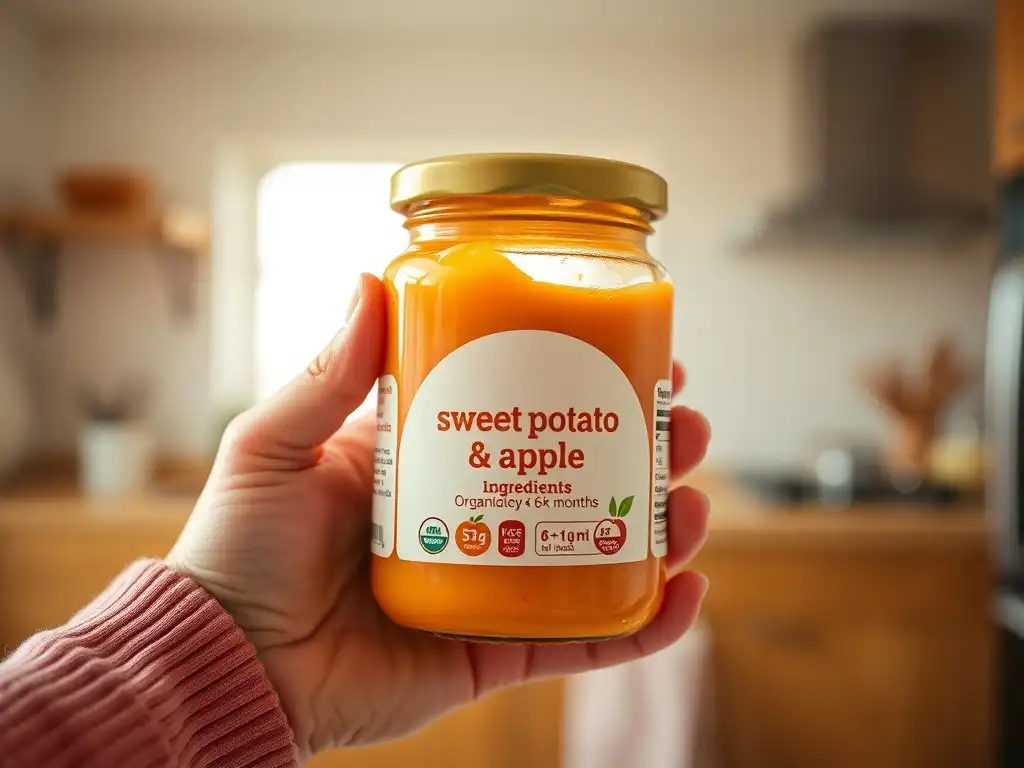
This section delves deeper into deciphering baby food labels, moving beyond the basics of ingredient lists and serving sizes. We'll explore how to understand processing methods, interpret packaging claims, and cater to specific dietary needs, empowering you to make informed choices for your little one. Becoming proficient in reading baby food labels is a crucial step in providing nutritious and safe meals for your baby, aligning with your role as a responsible and informed caregiver. This "baby food label reading guide" will provide you with the knowledge you need.
Understanding Processing Methods: Identifying Different Processing Techniques
Understanding how baby food is processed is key to choosing products that retain maximum nutritional value. Different methods impact the final product's nutrient content, texture, and shelf life. Let's explore some common processing techniques:
- Steam Processing: This gentle method uses steam to cook the ingredients, preserving more vitamins and minerals than other methods. Look for labels mentioning "steam cooked" or "steam processed" to ensure you are getting a nutrient-rich product. Steam processing often results in a smoother texture, ideal for younger babies.
- Homogenization: This process breaks down food particles into smaller sizes, creating a smoother consistency. While beneficial for babies with sensitive digestive systems, excessive homogenization can reduce the fiber content of the food.
- Sterilization: This crucial step eliminates harmful bacteria, ensuring the product's safety. Look for labels indicating the product has been sterilized. This is a critical safety measure protecting your baby from foodborne illnesses.
- Freeze-drying: This method removes water from the food, preserving its nutrients and extending its shelf life. Freeze-dried baby foods are often lighter and easier to transport, making them a convenient option for parents on the go. However, they typically require rehydration before serving.
The table below summarizes the common processing methods and their impact:
| Processing Method | Nutrient Retention | Texture | Shelf Life |
|---|---|---|---|
| Steam Processing | High | Smooth | Moderate |
| Homogenization | Moderate | Smooth | Moderate |
| Sterilization | High | Varies | Long |
| Freeze-drying | High | Varies (requires rehydration) | Long |
It's important to note that some manufacturers may use a combination of these methods. Always carefully review the label to understand the complete processing procedure. Choosing foods processed with methods prioritizing nutrient retention is crucial for your baby's healthy development.
Interpreting Packaging Claims: Decoding Common Label Statements
Baby food packaging often features various claims, such as "organic," "all-natural," "no added sugar," and "gluten-free." Understanding these claims is crucial for selecting products that align with your family's values and your baby's dietary needs. Let's break down some common claims:
- Organic: This indicates the ingredients were grown without synthetic pesticides, herbicides, or fertilizers. Organic certification is usually verified by a reputable third-party organization.
- All-natural: This term is less regulated and can be misleading. It doesn't necessarily mean the product is free from additives or preservatives. Always check the full ingredient list.
- No added sugar: This is a crucial aspect, as added sugars are unnecessary and can be detrimental to your baby's health. Look for products with naturally occurring sugars only.
- Gluten-free: This is essential for babies with celiac disease or gluten intolerance. Ensure the label clearly states "gluten-free" and check the ingredient list to confirm the absence of gluten-containing grains.
Remember to always carefully examine the full ingredient list, regardless of any claims made on the packaging. Claims are helpful, but the detailed ingredient list provides the most accurate information. Prioritizing transparency and understanding the specific ingredients is key to making responsible choices.
Addressing Specific Dietary Needs: Catering to Allergies and Intolerances
Many babies suffer from food allergies or intolerances. Reading food labels carefully is crucial for avoiding potential allergens and managing these conditions. Common allergens include milk, eggs, peanuts, soy, wheat, tree nuts, fish, and shellfish.
- Allergen Labeling: Manufacturers are required to clearly list all major allergens on their labels. Pay close attention to this information. If your baby has a known allergy, meticulously check the label for any trace amounts of the allergen.
- Cross-Contamination: Be aware of the possibility of cross-contamination during manufacturing. Some facilities process multiple products containing allergens, increasing the risk of trace amounts in products labeled "allergen-free." Look for brands that emphasize rigorous allergen-control measures.
- Introducing Allergens: When introducing potential allergens, start with small quantities and monitor your baby closely for any allergic reactions. Consult your pediatrician for guidance on introducing allergenic foods.
Remember, this guide is designed to help you navigate the complex world of baby food labels. Always prioritize the health and well-being of your baby. If you have any concerns or questions, consult your pediatrician or a registered dietitian for personalized advice. They can provide tailored guidance based on your baby's specific needs and health status.
Building a Healthy Diet for Your Baby: Combining Food Labels with Other Factors
Understanding baby food labels is crucial, but it's only one piece of the puzzle when it comes to building a healthy diet for your little one. A successful approach involves a holistic understanding of your baby's needs, combined with careful label scrutiny. Simply choosing foods with seemingly "healthy" labels isn't sufficient; you must also consider the overall nutritional balance and your baby's individual responses. For example, a jar labeled "organic" might still be high in sodium or contain added sugars, both of which should be minimized in a baby's diet.
Therefore, a balanced approach is essential. Don't just focus on single nutrients; instead, strive for a diverse range of foods that provide a broad spectrum of vitamins and minerals. Remember, this is a journey, not a race. Your baby's nutritional needs will evolve as they grow.
Introducing Variety: A Balanced Approach to Solid Food Introduction
Introducing a variety of foods is key to ensuring your baby receives a wide range of nutrients. Start with single-ingredient purees to easily identify potential allergies. Gradually introduce new foods one at a time, waiting 2-3 days between each new introduction to monitor for any adverse reactions. This allows you to pinpoint any potential allergens or sensitivities.
A good strategy involves rotating through different fruits, vegetables, and proteins, ensuring a balanced intake. For example, you might start with sweet potato, then move to butternut squash, followed by green beans. Then introduce a protein source like chicken or lentils. Remember to check the ingredients list carefully; some commercially produced baby foods contain multiple ingredients, making it harder to track reactions.
The goal is to create a diverse and interesting menu that keeps your baby engaged with mealtimes. A balanced approach to introducing solids will lay a solid foundation for healthy eating habits later in life. Consider a weekly meal plan to ensure you’re offering a variety of food groups.
| Day | Breakfast | Lunch | Dinner |
|---|---|---|---|
| Monday | Apple puree | Sweet potato puree | Chicken puree |
| Tuesday | Banana puree | Green bean puree | Lentils puree |
| Wednesday | Pear puree | Butternut squash puree | Avocado puree |
| Thursday | Peach puree | Carrot puree | Tofu puree |
| Friday | Mixed fruit puree (apple, banana) | Mixed vegetable puree (peas, carrots) | Mixed protein puree (chicken, lentils) |
Monitoring Your Baby's Reactions: Identifying Potential Allergies or Sensitivities
Careful observation is paramount during the introduction of solids. Note any changes in your baby's skin (rashes, hives), digestive system (diarrhea, constipation, vomiting), or respiratory system (wheezing, coughing) after introducing a new food. Keep a detailed food diary, noting the date, the food introduced, and any reactions observed. This diary will be invaluable if you suspect an allergy or sensitivity. Common allergens include cow's milk, eggs, peanuts, tree nuts, soy, wheat, fish, and shellfish.
If you notice any concerning symptoms, consult your pediatrician immediately. Early identification of allergies and sensitivities is crucial for managing them effectively. Remember, even mild reactions warrant a discussion with your healthcare provider. Your baby’s health and well-being are paramount. Early intervention can prevent serious complications.
Consulting with Pediatricians: Seeking Expert Advice on Baby Nutrition
Your pediatrician is a valuable resource for guidance on your baby's nutrition. They can offer personalized recommendations based on your baby's age, growth, and development. Don't hesitate to ask questions about appropriate food choices, portion sizes, and strategies for dealing with picky eating. Regular check-ups provide opportunities to discuss your baby's progress and address any concerns you may have.
They can help you navigate the complexities of baby food nutrition, ensuring your baby receives the nutrients they need for optimal growth and development. Regular communication with your pediatrician is crucial for ensuring your baby's nutritional well-being. They can provide invaluable insights and support throughout this important stage of your baby's life. Remember, seeking professional guidance is a sign of responsible parenting.
Frequently Asked Questions
What should I look for first when reading a baby food label?
Always check the ingredient list first. It's listed in descending order by weight, so the ingredient listed first is the most prevalent. Look for simple, recognizable ingredients with minimal additives.
Are there specific ingredients I should avoid in baby food?
Yes, avoid products containing added sugar, salt, artificial colors, flavors, or preservatives. Focus on single-ingredient purees or those with a short list of recognizable fruits and vegetables.
What does "organic" mean on a baby food label?
"Organic" means the food was produced without synthetic pesticides, herbicides, or fertilizers. It also often indicates stricter standards for processing and handling. It's a choice based on your personal preferences.
How can I tell if a baby food is appropriate for my baby's age?
Check the age recommendation on the packaging. Start with single-ingredient purees and gradually introduce new foods, following your pediatrician's guidance. Pay attention to your baby's cues for readiness.
Where can I find more information on safe baby food practices?
Consult your pediatrician or visit reliable sources like the American Academy of Pediatrics website or the BabyCareHub website for comprehensive guides and recommendations on safe food introduction and label reading.
Final Reflection: Nourishing Futures: The Power of Informed Choices
Understanding baby food labels is not just about deciphering ingredients; it's about empowering parents to make informed decisions that directly impact their child's health and development. The choices we make in those early months lay the foundation for a lifetime of healthy eating habits. This knowledge, once considered niche, is now crucial in navigating the increasingly complex world of commercially produced baby food.
The journey of learning to read food labels for my own child profoundly shifted my perspective on nutrition and its impact on a growing body. It's a journey many parents embark on, often feeling overwhelmed by the sheer volume of information and conflicting advice. We are what we eat, and what we feed our children shapes their future.
This simple truth underscores the importance of this seemingly small act of label reading. It's not just about avoiding allergens or added sugars; it's about actively participating in shaping a child's relationship with food, fostering a healthy and balanced approach from the very beginning.
Now, consider your own role in this journey. Take a moment to reflect on the information presented in this guide. Are you ready to approach baby food shopping with a newfound confidence? Armed with this knowledge, you can confidently navigate the supermarket aisles, making choices that prioritize your baby's well-being. Remember, every label you read is a step towards building a healthier, happier future for your little one. Let's empower ourselves and future generations through mindful nutrition.
Unlock Your Baby's Culinary Adventure!
Thank you for learning about navigating the world of baby food labels! We hope you feel more confident and empowered to choose healthy and nutritious options for your little one. Now, let's put that knowledge into practice:
- Become a label detective! Examine a jar of your baby's current food and check for hidden sugars or unnecessary additives. You might be surprised by what you find!
- Share your findings! Connect with other parents in our BabyCareHub community to share tips and insights. Let's build a valuable resource together!
- Explore our website's recipe section for delicious and nutritious homemade baby food ideas.
What's one simple change you will make to your baby's diet based on what you've learned?