
Introducing Lumpy Purees: Helping Baby Adapt

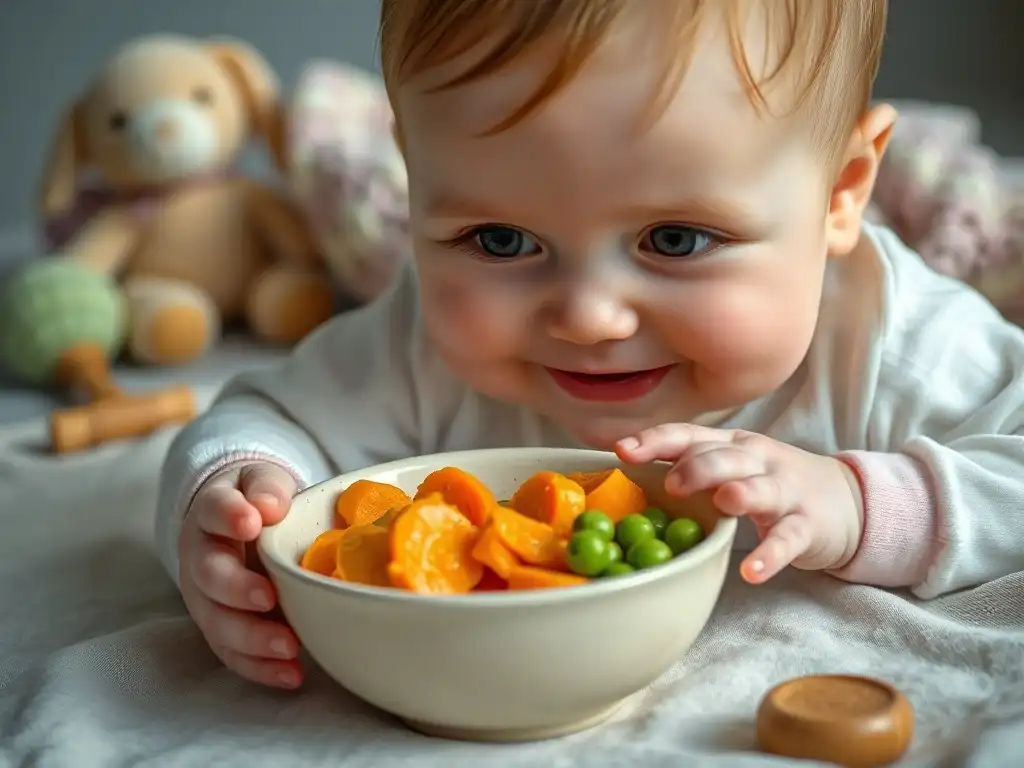
Welcome to BabyCareHub, your ultimate guide to navigating the incredible journey of parenthood! Are you ready to embark on the exciting, yet sometimes challenging, adventure of introducing solids to your little one? We understand the apprehension that comes with this milestone, which is why we've created a detailed resource on Baby Purees for a Smooth Transition. Discover how to make the shift to lumpy purees a positive and successful experience for both you and your baby. Learn expert tips and tricks to ensure a happy and healthy feeding journey – let's explore together!
- Understanding the Importance of Textural Progression in Baby Food
- Choosing the Right Lumpy Purees for Your Baby
- Preparing Lumpy Purees at Home: Simple Recipes and Tips
- Feeding Your Baby Lumpy Purees: Practical Guidance
- Monitoring Your Baby's Progress with Lumpy Purees
- Moving Beyond Lumpy Purees: Transitioning to Finger Foods
- Frequently Asked Questions
- Final Reflection: The Enduring Power of Gentle Transitions
- Unlock Your Baby's Culinary Adventure!
Understanding the Importance of Textural Progression in Baby Food
Introducing your baby to solid foods is a significant milestone, marking a crucial step in their development. This journey isn't just about providing nutrition; it's about fostering healthy oral motor skills, preparing them for a wider variety of foods, and laying the foundation for a lifelong appreciation of diverse tastes and textures. The transition from smooth purees to lumpy ones is a key part of this process, a natural progression that builds essential skills and prepares your little one for more complex foods.
This article will guide you through the process of introducing lumpy purees, focusing on a smooth transition that ensures your baby's comfort and healthy development. We'll explore the benefits of this crucial stage and help you identify the signs indicating your baby's readiness.
Successfully navigating this phase will contribute to a positive and enjoyable eating experience for both you and your child, paving the way for a lifetime of healthy eating habits. Remember, patience and observation are key!
From Smooth to Lumpy: A Natural Developmental Stage
The journey from smooth purees to lumpy ones is a gradual process mirroring your baby's natural developmental trajectory. Initially, babies are accustomed to the smooth consistency of breast milk or formula. Introducing purees with a smooth texture provides a gentle introduction to solid foods.
However, as babies grow, their oral motor skills develop. This includes the strengthening of their jaw muscles, tongue movement, and the ability to chew and manage different textures. This development is crucial for healthy eating, speech development, and overall oral health.
Think of it like this: a smooth puree is like learning to walk on a flat surface; a lumpy puree is like navigating a slightly uneven path, strengthening those muscles and improving coordination. The gradual increase in texture helps babies learn to manage different consistencies, preparing them for the challenge of more complex foods like chopped vegetables and soft meats later on. This gradual introduction minimizes the risk of choking and promotes a positive association with mealtimes.
Benefits of Introducing Lumpy Purees for Healthy Development
Introducing lumpy purees offers a multitude of benefits for your baby's overall development. These benefits extend beyond just nutrition, impacting their physical, cognitive, and even social-emotional growth.
- Improved Oral Motor Skills: The increased texture challenges your baby's jaw muscles, tongue, and lips, leading to improved strength and coordination. This directly contributes to better chewing and swallowing abilities, essential for future food consumption. 👶💪
- Enhanced Sensory Development: The varying textures stimulate your baby's sensory receptors in the mouth, contributing to a more refined sense of taste and texture. This exploration is vital for developing a positive relationship with food and avoiding picky eating habits later on. 👅😋
- Improved Digestive Function: The slight increase in fiber and varied textures can aid in the development of a healthy digestive system. This can help prevent constipation and promote regular bowel movements. 肠胃健康
- Preparation for Finger Foods: The transition to lumpy purees is a crucial stepping stone towards self-feeding with finger foods. The increased texture and manipulation required help babies develop the skills needed to pick up and manage food independently. This fosters a sense of autonomy and independence during mealtimes. 🍴👏
- Reduced Choking Risk (with proper introduction): While there is a risk of choking, a gradual introduction of lumps, starting with very small pieces, actually reduces the long-term choking risk. This is because babies learn to manage different textures safely and effectively. Always supervise your baby during mealtimes. ⚠️
Signs Your Baby is Ready for Lumpy Purees
Knowing when to introduce lumpy purees is just as crucial as knowing how. Your baby will give you several cues indicating their readiness:
- Good Head and Neck Control: Your baby should be able to hold their head steady and sit upright with minimal support. This ensures they can safely manage food in their mouth.
- Loss of Tongue-Thrust Reflex: The tongue-thrust reflex, which causes babies to push food out of their mouth, usually diminishes around 4-6 months. If your baby no longer automatically pushes food out, they're likely ready for slightly thicker textures.
- Showing Interest in Chewing: Does your baby show interest in chewing on toys or their own hands and fingers? This is a strong indicator of developing chewing skills and readiness for lumpy food.
- Able to Sit Upright: Being able to sit upright without support is essential for safe and comfortable eating. This prevents choking and allows your baby to focus on the task of eating.
- Successful Swallowing of Smooth Purees: If your baby is successfully swallowing smooth purees without difficulty, they are likely ready for a gradual increase in texture.
Remember, every baby develops at their own pace. If you have any concerns, consult your pediatrician or a registered dietitian for personalized guidance. Enjoy this exciting milestone in your baby's journey!
Choosing the Right Lumpy Purees for Your Baby
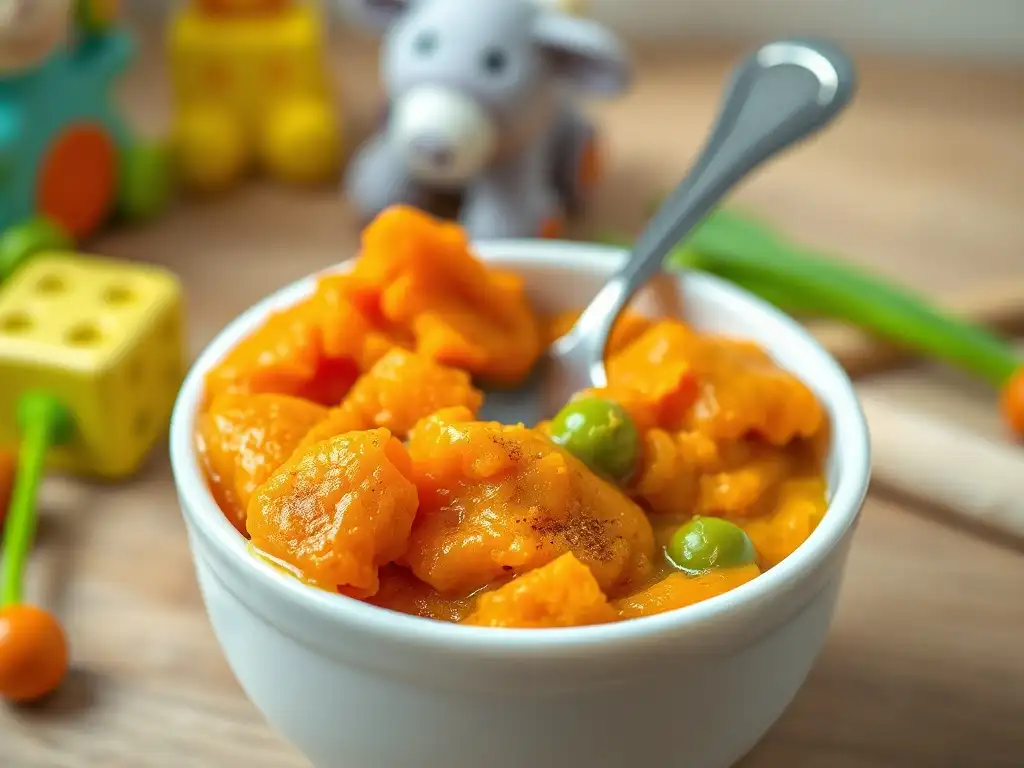
This section focuses on selecting appropriate lumpy purees for your baby, a crucial step in the baby purees smooth transition from smooth purees to more textured foods. The journey to solid foods is a gradual process, and understanding how to introduce lumps effectively minimizes potential difficulties and ensures a positive experience for both you and your little one. Remember, the goal is to help your baby develop the necessary chewing and swallowing skills while enjoying nutritious and delicious meals.
Selecting Age-Appropriate Purees: Considering Consistency and Ingredients
Choosing the right consistency is paramount for a successful baby purees smooth transition. Babies typically begin accepting lumps around 6 months old, though this varies. Start with very small, easily mashed pieces – think the consistency of well-cooked oatmeal or mashed bananas. Avoid anything too large or hard that could pose a choking hazard.
The transition to lumpy purees should also consider the ingredients. Initially, focus on single-ingredient purees to easily identify potential allergens. Once your baby tolerates several single-ingredient purees, you can slowly introduce combinations. Always opt for fresh, organic ingredients whenever possible, avoiding added sugars, salts, or preservatives.
Here's a table outlining suitable consistencies based on developmental stages:
| Age Range (Months) | Consistency Description | Example Foods |
|---|---|---|
| 6-7 | Very finely mashed, minimal lumps | Sweet potato, avocado, well-cooked carrots |
| 7-9 | Slightly larger lumps, easily mashed with a fork | Peas, green beans, banana |
| 9-12 | Small pieces, some requiring gentle chewing | Soft cooked pasta, small pieces of chicken, well-cooked broccoli florets |
Remember to always supervise your baby during mealtimes and be attentive to any signs of discomfort or choking.
Introducing Single-Ingredient Lumpy Purees: Minimizing Allergic Reactions
Introducing single-ingredient purees helps to identify potential allergies early on. Start with a small amount (1-2 teaspoons) of a new food and wait 2-3 days before introducing another. Common first choices include sweet potato, avocado, and banana due to their generally mild flavor and low allergenic potential. However, every baby is different, so carefully monitor for any signs of allergic reactions such as rash, swelling, vomiting, or difficulty breathing. If you observe any of these symptoms, discontinue the food immediately and consult your pediatrician.
Keep a detailed food diary to track what you introduce and any reactions. This is invaluable information for your pediatrician and will assist in the baby purees smooth transition. Remember, patience is key. Some babies adapt more quickly than others.
Gradually Increasing Lumpy Texture: A Step-by-Step Guide
The key to a successful baby purees smooth transition is gradual progression. Don't rush the process! Increase the lump size and texture slowly. You can use a fork or potato masher to control the consistency. Begin with very finely mashed purees and gradually increase the size of the lumps over several weeks. Observe your baby's reactions and adjust accordingly. If your baby struggles with a particular texture, go back to a smoother consistency for a few days before trying again.
Here’s a suggested progression:
- Stage 1 (6-7 months): Very smooth purees.
- Stage 2 (7-9 months): Finely mashed with tiny lumps.
- Stage 3 (9-12 months): Slightly larger lumps, requiring some chewing.
- Stage 4 (12+ months): Soft, easily manageable pieces of food.
Remember, each baby develops at their own pace. Celebrate the small victories and don't get discouraged if your baby takes longer to adapt. The ultimate goal is a happy, healthy baby who enjoys their meals! 🎉
Preparing Lumpy Purees at Home: Simple Recipes and Tips
This section focuses on the practical aspects of creating nutritious and appealing lumpy purees for your baby, facilitating a smooth transition from smooth purees to more textured foods. We'll explore simple recipes and offer helpful tips to achieve the perfect consistency. Mastering the art of homemade lumpy purees empowers you to control the ingredients and ensure your baby receives the best possible nutrition. Remember, a gradual introduction of lumps is key for your baby's development of chewing and swallowing skills. This aids in the baby purees smooth transition.
Homemade Lumpy Puree Recipes: Fruits, Vegetables, and Grains
Creating homemade lumpy purees is easier than you think! Here are a few simple recipes to get you started. Remember to always introduce new foods one at a time, monitoring for any allergic reactions.
Recipe 1: Sweet Potato and Apple Puree
- 1 medium sweet potato, peeled and cubed
- 1/2 medium apple, peeled, cored, and cubed
- Water (as needed)
Instructions:
- Steam or boil the sweet potato and apple until tender.
- Drain well.
- Blend in a food processor or blender until mostly smooth, leaving some small lumps. Adjust the consistency by adding a little water if needed.
- Serve warm or cold.
Recipe 2: Carrot and Pea Puree
- 1 cup carrots, chopped
- 1/2 cup frozen peas
- 1 tablespoon olive oil (optional)
Instructions:
- Steam or boil the carrots until tender.
- Add the peas during the last few minutes of cooking.
- Blend in a food processor or blender, leaving some small lumps. A little olive oil adds flavor and healthy fats.
- Serve warm or cold.
Recipe 3: Oatmeal and Banana Puree
- 1/4 cup rolled oats
- 1/2 cup water or breast milk
- 1 ripe banana, mashed
Instructions:
- Cook the oats in water or breast milk according to package directions.
- Mash the banana.
- Stir the mashed banana into the cooked oats. Leave some small lumps of oats for texture.
- Serve warm or cold.
This table summarizes the nutritional benefits of each ingredient:
| Ingredient | Nutritional Benefits |
|---|---|
| Sweet Potato | Vitamin A, fiber, potassium |
| Apple | Vitamin C, fiber |
| Carrot | Vitamin A, beta-carotene, fiber |
| Peas | Protein, fiber, vitamins K and C |
| Rolled Oats | Fiber, iron, B vitamins |
| Banana | Potassium, vitamin B6, fiber |
Remember to always consult your pediatrician before introducing new foods to your baby's diet. A smooth and successful baby purees smooth transition is achievable with careful planning and preparation.
Tips for Achieving the Right Lumpy Consistency
The key to a successful baby purees smooth transition is gradually increasing the texture of your baby's purees. Start with very small, barely perceptible lumps and progressively increase the size and number of lumps over time. Here are some tips:
- Use a food mill: A food mill is excellent for creating a puree with a variety of textures, from completely smooth to slightly chunky.
- Don't over-blend: Resist the urge to blend everything until perfectly smooth. A few small lumps are perfectly fine and encourage chewing.
- Adjust consistency with liquid: If the puree is too thick, add a little breast milk, formula, or water to thin it out.
- Observe your baby: Pay close attention to your baby's reactions. If they seem to be struggling, reduce the lump size.
- Practice makes perfect: Don't be discouraged if your first few attempts aren't perfect. With a little practice, you'll master the art of making delicious and appropriately textured lumpy purees.
Safe Food Handling Practices for Baby Food Preparation
Food safety is paramount when preparing food for your baby. Follow these guidelines to minimize the risk of contamination:
- Wash your hands thoroughly: Wash your hands with soap and water before and after handling food.
- Clean all surfaces and utensils: Sanitize all surfaces and utensils that will come into contact with the food.
- Use fresh, high-quality ingredients: Choose fresh, high-quality ingredients and avoid using anything that looks or smells spoiled.
- Cook food thoroughly: Make sure all food is cooked thoroughly to kill any harmful bacteria.
- Cool food properly: Allow food to cool completely before serving to prevent burns.
- Store leftovers properly: Store leftover purees in airtight containers in the refrigerator for up to 24 hours or freeze for longer storage. Always thaw food safely.
- Avoid honey: Do not give honey to babies under one year old.
Following these simple steps will help ensure your baby enjoys safe and nutritious lumpy purees as part of a healthy and successful baby purees smooth transition. Remember, patience and observation are key! Enjoy this exciting stage of your baby's development!
Feeding Your Baby Lumpy Purees: Practical Guidance
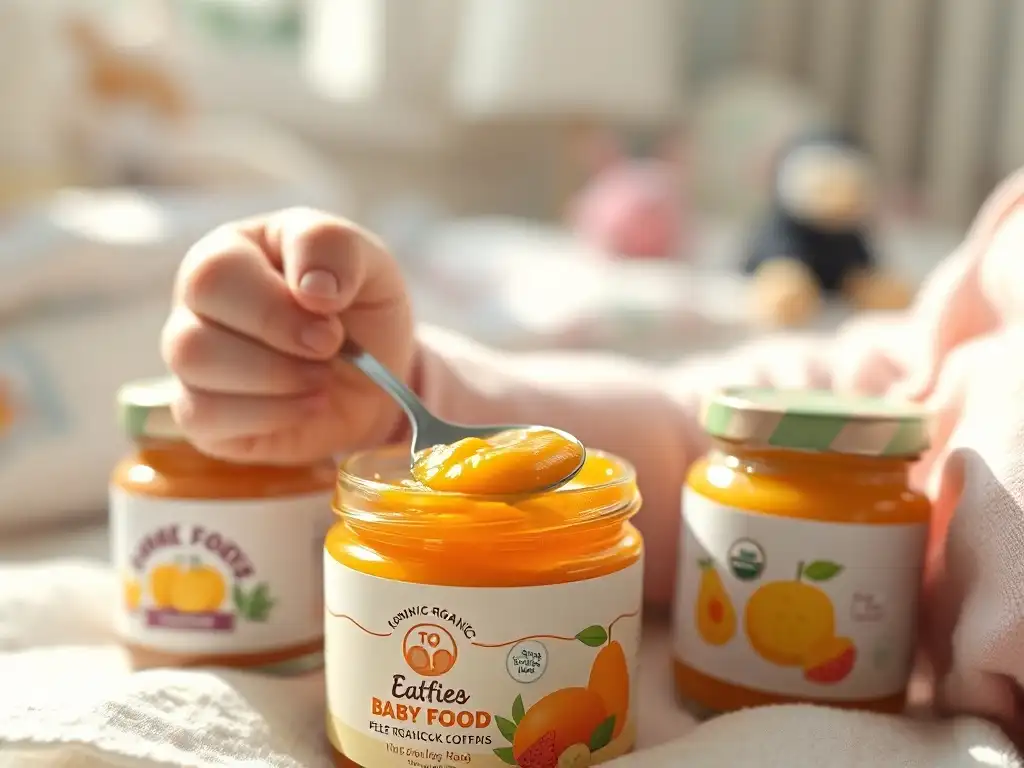
This section focuses on the practical aspects of introducing lumpy purees to your baby, a crucial step in their journey towards solid foods and a smoother transition to more textured meals. We'll explore strategies to make this phase enjoyable and safe for both you and your little one. Remember, patience and a positive attitude are key ingredients in this process!
Introducing Lumpy Purees: Strategies for a Smooth Transition
Introducing lumps into your baby's purees marks a significant milestone in their development. It's not just about the texture; it's about strengthening their oral muscles, improving their chewing skills, and preparing them for a wider variety of foods. The transition should be gradual and tailored to your baby's individual pace.
Start by adding very small, easily mashed lumps to their usual smooth purees. Think finely mashed avocado, sweet potato, or well-cooked carrots. Observe their reactions carefully. Are they managing the texture well? Do they seem frustrated or uncomfortable? If they seem overwhelmed, revert to smoother purees for a few days before trying again.
A good approach is the "one-at-a-time" method. Introduce one new lumpy food at a time, waiting a few days to see if any allergic reactions or digestive issues arise. This helps pinpoint any potential problems. Keep a food diary to track your baby's progress and any reactions.
Here's a sample schedule, but remember that every baby is unique:
| Week | Texture Description | Example Foods | Notes |
|---|---|---|---|
| 1 | Very fine lumps | Mashed avocado, sweet potato | Introduce one new food per week. Observe for allergies or reactions. |
| 2 | Slightly coarser lumps | Well-cooked carrots, peas | Increase the size of the lumps gradually. |
| 3 | Small chunks | Scrambled eggs (well-cooked), banana | Continue to monitor your baby's response. |
| 4 | Larger chunks | Soft cooked pasta, finely chopped chicken | Supervise closely during feeding. |
Remember, the goal is a baby purees smooth transition, not a race. Celebrate small victories and adjust your approach as needed. The process is as much about learning as it is about nutrition.
Managing Messes and Fussy Eating
Introducing lumpy purees often means increased messiness! This is perfectly normal. Babies are still learning to coordinate their mouth and swallowing muscles. Embrace the mess, and focus on providing a positive and encouraging feeding experience. Here are some tips:
- High chair protection: Invest in a bib with a large, easy-to-clean catch-all. A waterproof mat under the high chair will also help.
- Easy cleanup: Use easily wipeable surfaces, and have cleaning supplies readily available.
- Positive reinforcement: Avoid pressure or scolding. Offer praise and encouragement, even if they only eat a small amount.
- Variety is key: Offer a range of lumpy purees with different textures and flavors to keep your baby engaged and prevent boredom. Sometimes picky eating is simply a sign of a limited palate!
- Patience is a virtue: Don't force your baby to eat. If they refuse a particular food, try again another time. Some days, they'll eat more than others.
Remember, a baby purees smooth transition also involves managing your own expectations. It's a learning curve for both of you!
Dealing with Choking Hazards and Prevention Techniques
Safety is paramount when introducing lumpy purees. While choking is a legitimate concern, it's easily mitigated with awareness and proper preparation.
- Food size: Ensure that all lumps are small enough for your baby to manage. Avoid anything that could easily block their airway. Start with very small pieces and gradually increase the size as their skills improve.
- Food consistency: Cook foods until they are soft and easily mashed. Avoid hard or crunchy foods that could pose a choking hazard.
- Supervision: Always supervise your baby while they are eating. Never leave them unattended.
- Positioning: Keep your baby upright while feeding. Avoid feeding them while they are lying down or playing.
- Choking response: Learn infant CPR and choking first aid. Knowing what to do in an emergency can be life-saving.
By following these guidelines, you can significantly reduce the risk of choking and ensure a safe and positive experience for your baby. Remember, a baby purees smooth transition also means a safe transition. Prioritize safety above all else. If you have any concerns, consult your pediatrician.
Monitoring Your Baby's Progress with Lumpy Purees
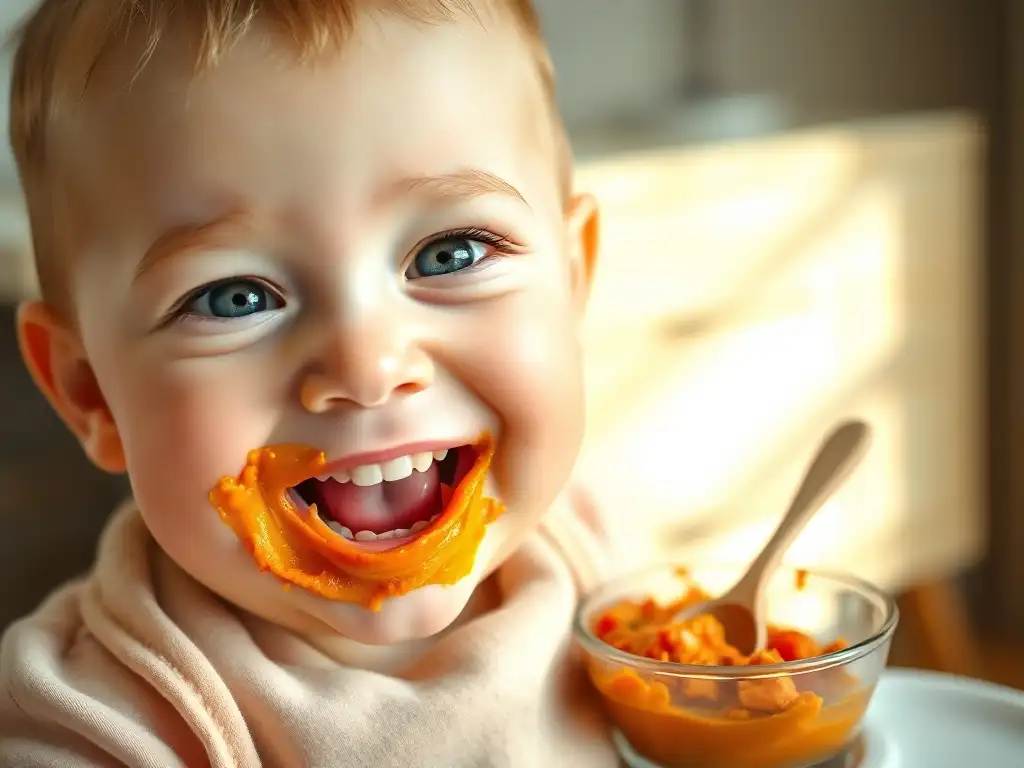
This section focuses on effectively tracking your baby's journey as they transition to lumpy purees, a crucial step in their development of chewing and swallowing skills. Careful observation is key to ensuring a smooth and positive experience. Remember, every baby develops at their own pace, so comparing your little one to others isn't helpful. Focus on their individual cues.
Recognizing Signs of Readiness for the Next Textural Stage
Before introducing lumps, it's vital to assess if your baby is ready. Several key indicators signal their preparedness for this textural shift in their diet. These aren't strict rules, but rather helpful guidelines.
- Stronger Tongue Thrust: Initially, babies reflexively push food out with their tongue. As they mature, this reflex weakens, allowing them to better manage different textures. Notice if your baby is less likely to push food out of their mouth.
- Improved Head and Neck Control: Good head and neck control is essential for self-feeding and managing the lumpy consistency of purees. Can your baby hold their head steady while sitting?
- Chewing Movements: While still developing, you might start to notice tentative chewing motions. Even small attempts indicate increasing oral motor skills.
- Interest in Larger Pieces of Food: Does your baby seem curious about your food, reaching for pieces or showing increased interest in textures beyond smooth purees? This can be a strong indicator of readiness.
- Gagging vs. Choking: It's important to distinguish between gagging (a normal reflex that helps prevent choking) and choking (a serious event requiring immediate intervention). Gagging is usually a mild, brief reaction, while choking involves difficulty breathing. If you are ever unsure, contact your pediatrician.
Many parents find it helpful to keep a food diary. Note the date, the type of puree (smooth vs. lumpy), your baby's reaction (positive, negative, gagging, etc. ), and any observable developmental milestones related to feeding. This creates a valuable record for your pediatrician and helps you monitor progress effectively. This detailed record can significantly assist in identifying any potential issues and contribute to a smoother baby purees smooth transition.
Addressing Common Challenges and Concerns
The introduction of lumpy purees might present some hurdles. Understanding these common challenges and how to address them can greatly ease the transition.
- Gagging: As mentioned earlier, some gagging is normal. However, excessive or prolonged gagging warrants careful observation. Try offering smaller portions or a less lumpy consistency.
- Refusal: If your baby refuses lumpy purees, don't force it. Try again later or offer a slightly smoother consistency. Persistence is key, but respect your baby's signals.
- Messiness: Expect mess! This is a normal part of the learning process. Use a bib and don't worry about the occasional spill. Focus on the developmental benefits.
- Slow Progression: Remember, every baby develops at their own pace. Don't compare your baby to others. If progress is slow, consult your pediatrician, but don't panic. Patience is crucial for a successful baby purees smooth transition.
| Challenge | Solution |
|---|---|
| Excessive Gagging | Reduce lump size; offer smaller portions; try again later |
| Refusal | Offer smoother consistency; try a different flavor |
| Messiness | Use a bib; relax and embrace the learning process |
| Slow Progression | Consult your pediatrician; remain patient |
When to Consult a Pediatrician about Baby Food Progression
While most babies transition smoothly, certain situations warrant professional advice. Consult your pediatrician if:
- Your baby consistently chokes on lumpy purees. Choking is a serious issue requiring immediate attention.
- Your baby shows signs of discomfort or pain while eating.
- Your baby exhibits persistent refusal of any solid foods, even after multiple attempts with different textures and flavors.
- You have any concerns about your baby's overall growth or development.
Regular check-ups with your pediatrician are essential for monitoring your baby's health and development. Don't hesitate to voice your concerns; they are there to support you and your baby throughout this important stage. Open communication with your healthcare provider is crucial for a successful and safe baby purees smooth transition. Remember, a proactive approach ensures a healthy and happy journey for your little one.
Moving Beyond Lumpy Purees: Transitioning to Finger Foods
This section focuses on the crucial step of transitioning your baby from purees to finger foods, a significant milestone in their development and a key part of the baby purees smooth transition. We'll explore the signs indicating readiness, safe food choices, and how to best prepare your little one for this exciting new stage of self-feeding. Remember, patience and a positive approach are key to a successful transition.
Signs Your Baby is Ready for Finger Foods
Recognizing when your baby is ready for finger foods is crucial for a smooth and safe experience. Several key indicators signal their preparedness. These aren't hard and fast rules, but rather guidelines to help you assess your individual baby's development.
Several key developmental milestones suggest readiness:
- Strong Head and Neck Control: Your baby should be able to hold their head steady and upright without support. This ensures they can manage food without choking.
- Sitting Up Unaided: The ability to sit upright independently allows for better control during self-feeding and reduces the risk of choking.
- Showing Interest in Your Food: Does your baby reach for your food or show intense curiosity about what you're eating? This is a strong indicator of their interest in exploring different textures.
- Grasping and Pincer Movements: Can your baby pick up small objects using their thumb and forefinger? This fine motor skill is essential for handling finger foods.
- Chewing and Gumming: Even if they aren't yet proficient at chewing, gumming motions demonstrate a growing ability to manage different textures in their mouth. This is a crucial step in the baby purees smooth transition.
Many parents find that babies around 6-9 months old are showing these signs. However, every baby develops at their own pace, so focusing on these developmental milestones is more important than adhering strictly to a timeline.
Safe Finger Food Options for Babies
Choosing safe and appropriate finger foods is paramount. Prioritize foods that are soft, easily dissolvable, and pose minimal choking hazards.
Here's a list of excellent options:
| Food | Benefits | Considerations |
|---|---|---|
| Soft Cooked Carrots | Rich in Vitamin A, easily mashed | Cut into small, manageable sticks |
| Steamed Broccoli | Excellent source of fiber and vitamins | Cut into small florets |
| Avocado | Healthy fats, creamy texture | Serve in small, easily-graspable pieces |
| Banana slices | Soft, naturally sweet, easy to hold | Ensure they are ripe and soft enough |
| Cooked Sweet Potato | Rich in Vitamin C, easily mashed or cut into sticks | Cut into small, manageable pieces |
| Cooked Green Beans | Good source of fiber and vitamins | Serve in small, easily-graspable pieces |
Remember to always supervise your baby closely while they are eating and avoid foods that are hard, round, or sticky (like whole grapes or nuts), which present a significant choking risk.
Preparing Your Baby for Self-Feeding
Introducing self-feeding requires a gradual and supportive approach. It’s not just about giving your baby food; it's about fostering their independence and developing essential skills.
Here’s how you can help:
- Start Small: Begin with a few small pieces of soft, easy-to-manage food.
- Create a Safe Space: Choose a high chair or a safe, clean space where your baby can sit comfortably and safely.
- Supervise Closely: Never leave your baby unattended while they are eating.
- Be Patient: Expect some mess! Self-feeding is a learning process, and there will be spills and dropped food.
- Positive Reinforcement: Praise and encourage your baby's efforts, even if they aren't perfect. This positive reinforcement contributes to a successful baby purees smooth transition.
- Introduce Variety Gradually: As your baby progresses, gradually introduce a wider range of safe finger foods to broaden their tastes and textures.
Remember, the transition to finger foods is a journey, not a race. Celebrate each milestone and enjoy this exciting stage of your baby's development! This transition is a crucial step in your baby's development, marking a significant stage in their journey towards independence and exploration of different food textures in a safe and positive manner. 👶
Frequently Asked Questions
What are lumpy purees and why are they important?
Lumpy purees are a crucial step in your baby's development. They introduce texture and help your baby develop chewing and swallowing skills, preparing them for solid foods. This is a vital part of a smooth transition to more complex foods.
When should I introduce lumpy purees to my baby?
Generally, you can start introducing lumpy purees around 6 to 8 months of age, after your baby has mastered smooth purees. Always follow your pediatrician's recommendations. Watch for signs of readiness, such as your baby showing interest in your food.
How do I make lumpy purees?
Simply blend your chosen fruits or vegetables less thoroughly than you would for smooth purees. You can also mash cooked foods with a fork. Gradually increase the lumpiness over time, observing your baby's response. Start with small, easily digestible lumps.
What if my baby refuses lumpy purees?
Don't worry! Some babies take time to adjust to new textures. Try offering different types of lumpy purees and be patient. Continue offering smooth purees alongside the lumpy ones. It's a process. Consistency is key.
What are some good first lumpy puree options?
Good options include well-cooked carrots, sweet potatoes, or avocado. These are naturally soft and easy to mash, making them ideal for introducing lumps. Avoid foods that are hard to mash or could be choking hazards. Always supervise your baby during feeding.
Final Reflection: The Enduring Power of Gentle Transitions
The journey from breast milk or formula to solid foods is a pivotal moment in a baby's life, and the right approach can significantly impact their future relationship with food. A smooth transition isn't just about avoiding messy meals; it's about fostering a positive and healthy eating experience that sets the stage for a lifetime of nutritious choices. This is more relevant than ever in a world increasingly focused on mindful eating and childhood nutrition.
The introduction of lumpy purees, as explored in this article, represents more than just a change in texture; it's a reflection of our evolving understanding of infant development and the importance of sensory exploration in the early years. The child's world is a world of sensation, and the child's mind is a mind of sensation.
This quote highlights the crucial role of sensory experiences in shaping a child's development and their relationship with food. The gradual introduction of different textures and flavors, as advocated for using lumpy purees, allows babies to develop their palate and build confidence in trying new things, setting the foundation for a diverse and enjoyable eating journey.
Consider the impact of this approach on your own child, or on the children you know. Will you embrace the gentle transition offered by lumpy purees? Take the time to observe your baby's cues, celebrate their small victories, and remember that every messy spoon is a step towards a healthier, happier future. Embrace the process, and enjoy the journey of nurturing your little one's growth, one delicious, lumpy spoonful at a time.
Unlock Your Baby's Culinary Adventure!
Thank you for learning about the benefits of introducing lumps to your baby's purees! We hope you've gained valuable insights into helping your little one explore new textures and flavors. Now it's time to put that knowledge into practice.
- Start with small amounts, then gradually increase: Begin by adding small lumps to your baby's favorite purees. Gradually increase the size and texture as your baby becomes more comfortable. Always supervise your baby while they are eating.
- Share your experiences: Tell us about your baby's first experience with lumpy purees! We'd love to hear about any successes or funny moments in the comments below. Share your tips and tricks with other parents who are navigating this exciting stage of their baby's development.
- Explore delicious and nutritious recipes: Visit BabyCareHub.org for more exciting and nutritious lumpy puree recipes designed to broaden your baby's palate and introduce a wider range of healthy ingredients.
What delicious new food will you and your baby explore next?