
Homemade Baby Food Recipes: The Best Organic Ingredients for Baby

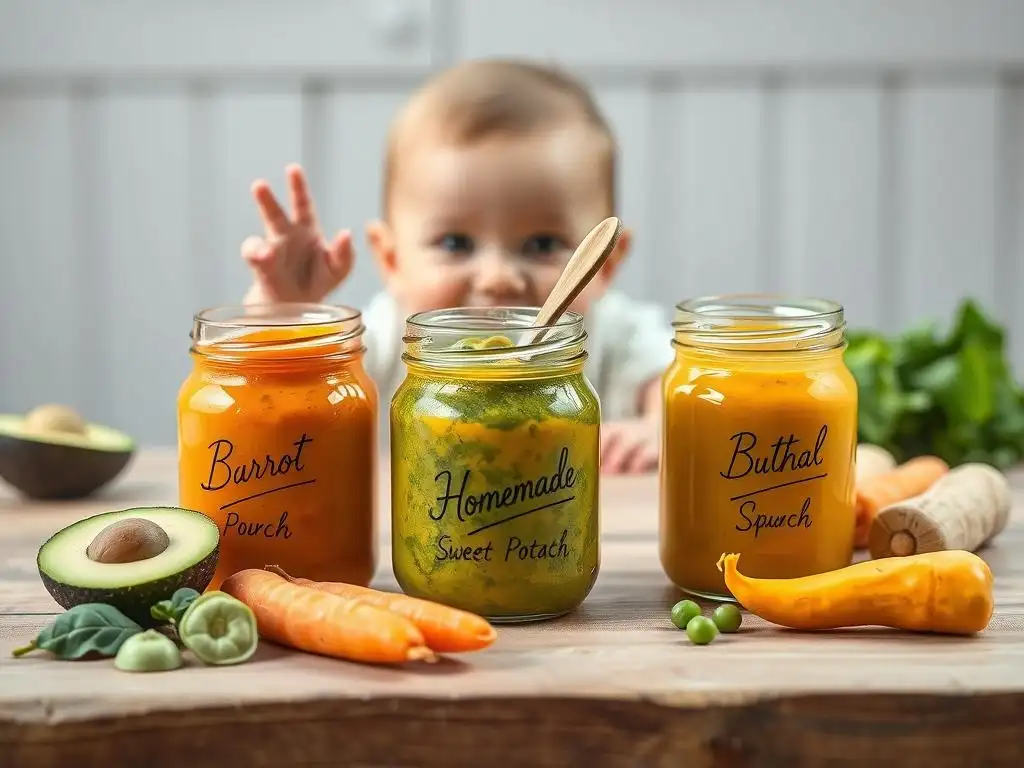
Welcome to BabyCareHub, your ultimate guide to navigating the exciting yet challenging world of parenthood! Are you ready to embark on a journey of discovery, learning how to nurture your little one with love and the best possible care? We've got you covered. Dive into our Feeding & Nutrition section and uncover the secrets to creating delicious and nutritious organic baby food recipes homemade, ensuring your baby thrives from the very first bite. Discover the simple steps to preparing healthy, wholesome meals that will nourish your baby's growth and development. Let's get started!
- Introducing Organic Homemade Baby Food: Benefits and Considerations
- Essential Equipment for Making Homemade Organic Baby Food
- Simple Organic Baby Food Recipes (4-6 Months)
- Organic Baby Food Recipes (7-9 Months)
- Organic Baby Food Recipes (10-12 Months)
- Tips for Safe and Healthy Homemade Organic Baby Food
- Recipe Variations and Adaptations for Dietary Needs
- Resources for Finding Organic Ingredients
- Frequently Asked Questions
- Final Reflection: Nurturing Tiny Tummies with Organic Love
- Unlock Your Baby's Nutritional Potential!
Introducing Organic Homemade Baby Food: Benefits and Considerations
Starting your baby on solids is a significant milestone, filled with excitement and perhaps a touch of anxiety. Choosing the right foods is paramount for your little one's healthy development, and many parents are turning to homemade organic baby food as a way to control ingredients and ensure the highest quality nutrition.
This comprehensive guide explores the benefits of preparing organic homemade baby food, helping you navigate the selection of appropriate ingredients, and providing strategies for introducing potentially allergenic foods safely. We’ll delve into delicious and nutritious recipes, empowering you to create wholesome meals tailored to your baby's needs and preferences.
Making your own baby food allows you to avoid unnecessary additives, preservatives, and potentially harmful substances, ensuring a pure and healthy start to your baby's culinary journey. This guide will equip you with the knowledge and confidence to embark on this rewarding experience, offering peace of mind as you nurture your baby's growth.
Why Choose Organic for Baby's First Foods?
Choosing organic ingredients for your baby's first foods offers several compelling advantages. Organic farming practices prioritize natural methods, minimizing exposure to synthetic pesticides, herbicides, and genetically modified organisms (GMOs). This is particularly crucial for babies, whose immune systems are still developing. Studies suggest that exposure to pesticides in early life may be linked to various health issues. 1 Furthermore, organic produce is often grown in nutrient-rich soil, potentially leading to higher concentrations of essential vitamins and minerals. While the cost might be slightly higher, the long-term benefits for your baby's health and well-being are substantial. Many parents find the satisfaction of knowing exactly what goes into their baby's food invaluable, fostering a sense of control and confidence in their parenting journey. The reduction in exposure to potentially harmful chemicals offers peace of mind, allowing you to focus on the joy of introducing your baby to new flavors and textures.
Benefits of Organic Baby Food at a Glance
- Reduced exposure to pesticides and herbicides
- Lower risk of exposure to GMOs
- Potentially higher nutrient content
- Improved gut health
- Enhanced taste and flavor
Selecting the Right Organic Ingredients for Baby Food
Selecting the right organic ingredients is key to creating nutritious and safe homemade baby food. Prioritize fruits and vegetables that are naturally low in allergens, such as sweet potatoes, carrots, avocado, and green beans. Always choose certified organic produce to ensure adherence to strict guidelines regarding pesticide use. Look for produce that is firm, free of blemishes, and displays vibrant color.
When selecting meats for your baby's food, opt for organic and grass-fed options whenever possible. These meats are often lower in fat and higher in omega-3 fatty acids. Remember to thoroughly cook all meats to ensure safety.
For grains, organic brown rice, quinoa, and oats are excellent choices, offering a good source of fiber and nutrients. Always wash all fruits and vegetables thoroughly before preparing them to remove any residual dirt or debris. Proper storage is also crucial; store prepared baby food in airtight containers in the refrigerator for up to three days or freeze for longer storage.
Potential Allergens and Introduction Strategies
Introducing potential allergens, such as dairy, eggs, peanuts, soy, wheat, tree nuts, fish, and shellfish, requires careful planning and observation. While there's no single "right" way, a common approach is to introduce one new allergen at a time, waiting 2-3 days before introducing another. This allows you to monitor your baby for any allergic reactions, such as rashes, hives, vomiting, or difficulty breathing. Start with small quantities, gradually increasing the amount as tolerated. Keep a detailed food diary, noting the specific foods introduced and any reactions observed. Consult with your pediatrician or a registered dietitian for personalized guidance, especially if there's a family history of allergies. They can provide valuable insights and address any concerns you may have regarding introducing potential allergens into your baby's diet. Remember, early introduction of potential allergens may reduce the risk of developing allergies later in life. 2
1 [Specific study reference pending]
2 [Specific study reference pending]
Essential Equipment for Making Homemade Organic Baby Food
Making your own organic baby food is a rewarding experience, allowing you to control the ingredients and ensure your little one receives the best nutrition. However, having the right equipment is crucial for creating smooth purees, gently cooking vegetables, and safely storing your homemade creations. This section details the essential tools you'll need to embark on your homemade organic baby food journey, optimizing your "organic baby food recipes homemade" efforts.
Blenders and Food Processors for Smooth Purees
A high-quality blender or food processor is indispensable for achieving perfectly smooth purees, essential for babies starting their solid food journey. Babies' digestive systems are still developing, so avoiding chunky textures is key. Look for a blender or food processor with a powerful motor capable of handling even the toughest vegetables and fruits.
Consider these features when selecting your equipment:
- Multiple speed settings: This allows for greater control over the texture of your purees, from finely ground to slightly chunky.
- Large capacity: A larger capacity container saves time when preparing larger batches of baby food.
- Easy-to-clean design: A dishwasher-safe container and easily detachable parts are essential for quick and convenient cleanup.
For example, a high-speed blender can effortlessly create velvety smooth purees from carrots, sweet potatoes, and even tougher ingredients like broccoli. A food processor, on the other hand, is excellent for chopping and grinding ingredients before blending, enabling you to prepare a wider variety of textures. Remember, consistency is key when introducing new foods to your baby – aiming for a smooth, easily digestible puree is vital during the early stages of weaning.
Steamers and Pots for Gentle Cooking
Gentle cooking methods are vital to preserving the nutrients and vibrant colors in your organic ingredients. Steaming is the preferred method as it retains more vitamins and minerals than boiling. A good steamer basket that fits over a pot, or a dedicated electric steamer, will be invaluable.
Here's why steaming is superior:
- Nutrient retention: Steaming minimizes nutrient loss, ensuring your baby receives maximum nutritional benefit from each serving.
- Preservation of color and flavor: Steaming helps maintain the natural color and flavor of the vegetables and fruits.
- Ease of use: Steaming is a simple and straightforward cooking method, even for first-time parents.
Using a steamer allows you to cook vegetables like peas, green beans, and broccoli to perfection, retaining their bright green color and delicate flavor. Alternatively, a saucepan with a tight-fitting lid can also be used for gentle cooking, although the steaming method is generally preferred for preserving nutrients. Remember to always check the doneness of your ingredients to ensure a soft texture suitable for your baby.
Storage Containers for Safe and Convenient Freezing
Once you've prepared your delicious and nutritious organic baby food, proper storage is essential to maintain its quality and safety. Freezing is an ideal method for preserving homemade baby food, allowing you to prepare batches in advance. Invest in high-quality, freezer-safe containers designed for food storage.
Key considerations for choosing storage containers:
- Airtight seals: Airtight containers prevent freezer burn and maintain the freshness of the food.
- BPA-free materials: Ensure the containers are made from BPA-free materials for your baby's safety.
- Easy-to-label design: Clear labeling is crucial for tracking the contents and dates of your frozen purees.
- Portion sizes: Consider using containers with portion sizes suitable for your baby's meals.
Using ice cube trays is a great option for freezing smaller portions of baby food, making it easy to thaw and serve individual servings. Larger freezer-safe containers are ideal for storing larger batches. Always clearly label each container with the date and contents, ensuring efficient organization and preventing food waste. Proper storage is crucial for maximizing the shelf-life and preserving the nutritional value of your homemade organic baby food, enhancing your "organic baby food recipes homemade" experience.
Simple Organic Baby Food Recipes (4-6 Months)
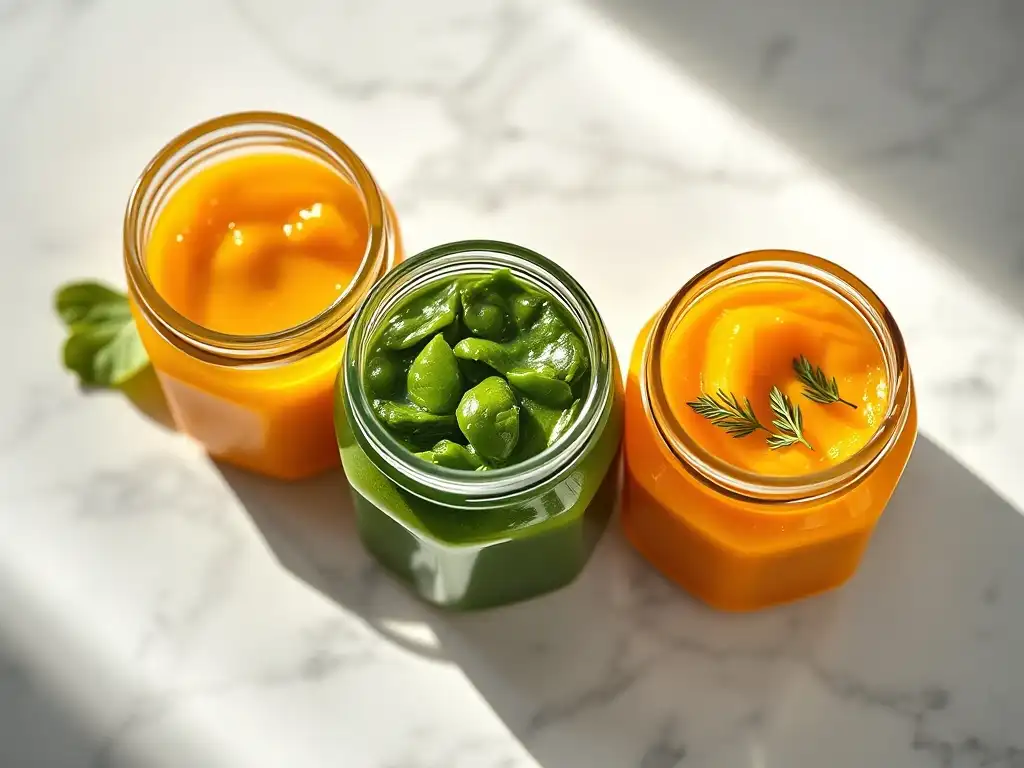
This section provides simple, organic baby food recipes ideal for infants aged 4 to 6 months. Remember to always consult your pediatrician before introducing solids to your baby's diet. These recipes focus on single-ingredient purees to allow you to easily identify any potential allergies. We emphasize using organic produce to minimize exposure to pesticides and other harmful chemicals. The key to success is selecting ripe, high-quality ingredients. Let's dive into some delicious and nutritious options for your little one!
First Purees: Sweet Potato, Avocado, and Carrot
Introducing your baby to solids is a momentous occasion! Sweet potato, avocado, and carrot are excellent choices for first purees due to their naturally sweet flavor, creamy texture, and rich nutrient profile. These vegetables are easily digestible and provide essential vitamins and minerals for your growing baby.
Sweet potato is an excellent source of Vitamin A, crucial for healthy vision and immune function. Avocado offers healthy fats, important for brain development. Carrots, besides being another great source of Vitamin A, also contribute fiber, aiding in digestion.
Sweet Potato Puree:
- Wash and peel one medium organic sweet potato.
- Cut into small cubes and steam until very soft (approximately 15-20 minutes).
- Blend until completely smooth, adding a small amount of breast milk or formula for desired consistency if needed.
Avocado Puree:
- Choose a ripe, organic avocado.
- Scoop out the flesh and blend until smooth. You may add a tiny bit of breast milk or formula for a thinner consistency.
Carrot Puree:
- Wash and peel one medium organic carrot.
- Steam or boil until tender (approximately 15-20 minutes).
- Blend until smooth, adding a small amount of breast milk or formula if needed.
Remember to introduce these purees one at a time, waiting 2-3 days between each new food to monitor for any allergic reactions. Start with a small amount (1-2 teaspoons) and gradually increase the portion size as your baby tolerates it. Always supervise your baby during feeding.
Fruit Purees: Apple, Banana, and Pear
Fruits offer a delightful sweetness and a range of vitamins and antioxidants beneficial for your baby's development. Apples, bananas, and pears are soft, easily mashed, and readily available, making them perfect for initial fruit purees. Organic options are always preferable to reduce exposure to pesticides.
Apples are rich in Vitamin C, a powerful antioxidant that boosts the immune system. Bananas provide potassium, essential for healthy muscle function. Pears are a good source of fiber, promoting healthy digestion.
Apple Puree:
- Peel, core, and chop one organic apple.
- Steam or simmer until soft (approximately 10-15 minutes).
- Blend until smooth, adding a small amount of breast milk or formula for consistency if needed.
Banana Puree:
- Choose a ripe, organic banana.
- Mash with a fork until smooth. No cooking is necessary!
Pear Puree:
- Peel, core, and chop one organic pear.
- Steam or simmer until soft (approximately 10-15 minutes).
- Blend until smooth, adding a small amount of breast milk or formula for consistency as needed.
Always ensure the fruit is thoroughly ripe to guarantee a smooth and easily digestible puree. Introduce these fruit purees one at a time, observing for any allergic reactions.
Vegetable Purees: Green Beans, Peas, and Butternut Squash
Green beans, peas, and butternut squash offer a diverse array of nutrients and flavors, broadening your baby's culinary horizons. These vegetables are packed with vitamins, minerals, and fiber, contributing to your baby's overall health and well-being. Opting for organic varieties minimizes potential exposure to harmful chemicals.
Green beans are a good source of Vitamin K, essential for blood clotting. Peas provide Vitamin A and fiber. Butternut squash is rich in Vitamin A and beta-carotene, a powerful antioxidant.
Green Bean Puree:
- Steam or boil organic green beans until tender (approximately 10-15 minutes).
- Blend until smooth, adding a small amount of breast milk or formula for desired consistency.
Pea Puree:
- Steam or boil organic peas until tender (approximately 10-15 minutes).
- Blend until smooth, adding a small amount of breast milk or formula as needed.
Butternut Squash Puree:
- Peel, seed, and cube one medium organic butternut squash.
- Roast or steam until very soft (approximately 20-30 minutes).
- Blend until smooth, adding a small amount of breast milk or formula if needed for consistency.
Remember to introduce these vegetable purees one at a time, monitoring for any allergic reactions. Adjust the consistency as needed to suit your baby's preferences and developmental stage. Always prioritize safety and supervise your baby during feeding. Enjoy this exciting journey of introducing your baby to the wonderful world of healthy, organic foods!
Organic Baby Food Recipes (7-9 Months)
This section focuses on expanding your baby's culinary horizons with delicious and nutritious organic homemade baby food recipes suitable for the 7-9 month age range. At this stage, babies are developing their chewing skills and are ready for more textured foods. We'll explore recipes focusing on introducing lumps, incorporating savory flavors, and transitioning to finger foods.
Remember to always supervise your baby during mealtimes and introduce new foods one at a time to monitor for any allergic reactions. Prioritizing organic ingredients minimizes exposure to pesticides and ensures the highest quality nutrition for your little one. This is crucial for supporting optimal growth and development, contributing to a healthy start in life.
Introducing Lumpy Textures: Oatmeal with Berries
This recipe is perfect for introducing slightly thicker textures to your baby's diet. The creamy oatmeal provides a gentle base, while the berries add sweetness and essential vitamins.
Ingredients:
- 1/4 cup organic rolled oats
- 1 cup organic whole milk (or breast milk/formula)
- 1/4 cup organic mixed berries (blueberries, raspberries, strawberries – thoroughly washed and mashed)
Instructions:
- Combine oats and milk in a small saucepan.
- Bring to a simmer over medium heat, stirring frequently to prevent sticking.
- Reduce heat and cook for 5-7 minutes, or until the oats are tender and the mixture has thickened. The consistency should be slightly thicker than a typical baby cereal.
- Remove from heat and let cool slightly.
- Stir in the mashed berries.
- Serve warm or chilled.
Nutritional Benefits: Oats are a great source of fiber, promoting healthy digestion. Berries are packed with antioxidants and vitamins. This recipe provides a good balance of carbohydrates and nutrients, crucial for energy and growth. Always ensure the berries are thoroughly washed and mashed to prevent choking hazards.
Savory Combinations: Chicken and Vegetable Puree
Introducing savory flavors is a key part of expanding your baby's palate at this stage. This recipe combines lean chicken with easily digestible vegetables for a nutritious and flavorful meal.
Ingredients:
- 2 ounces organic boneless, skinless chicken breast
- 1/2 cup organic carrots, peeled and chopped
- 1/4 cup organic zucchini, chopped
- 1/4 cup organic sweet potato, peeled and chopped
- 1/4 cup organic chicken broth (low sodium)
Instructions:
- Boil the chicken breast until cooked through. Shred the chicken once cooked.
- Steam or boil the carrots, zucchini, and sweet potato until tender.
- Blend all ingredients together in a food processor or blender until smooth or to your desired consistency (remember to adjust the consistency to suit your baby's chewing abilities).
- Serve warm or chilled.
Nutritional Benefits: Chicken provides lean protein essential for muscle development. Carrots, zucchini, and sweet potatoes offer a variety of vitamins and minerals, including Vitamin A and Vitamin C. This recipe ensures a balanced intake of protein, carbohydrates, and essential nutrients.
Finger Foods: Soft Cooked Vegetables and Fruits
As your baby develops their pincer grasp and chewing skills, introducing soft cooked finger foods is a crucial step towards self-feeding.
Ingredients:
- Organic broccoli florets
- Organic green beans, trimmed
- Organic sweet potato cubes
- Organic avocado slices
- Organic banana slices (ripe)
- Organic pear slices (ripe)
Instructions:
- Steam or boil the vegetables until very soft but still hold their shape. Ensure they are easily mashed with a fork.
- Cut the fruits into small, manageable pieces. Avoid overly hard pieces that could be choking hazards.
- Supervise your baby closely during mealtimes.
Nutritional Benefits: A variety of soft-cooked vegetables and fruits offer a rich source of vitamins, minerals, and fiber. This recipe promotes self-feeding skills, hand-eye coordination, and independence. Remember to choose fruits and vegetables that are ripe and soft enough for easy chewing and swallowing. Avoid any hard or stringy vegetables at this stage. The soft texture ensures easy manageability for your little one.
Remember to always introduce new foods one at a time and monitor for any allergic reactions. Consult your pediatrician for personalized dietary advice. Enjoy creating these delicious and healthy organic baby food recipes for your little one!
Organic Baby Food Recipes (10-12 Months)
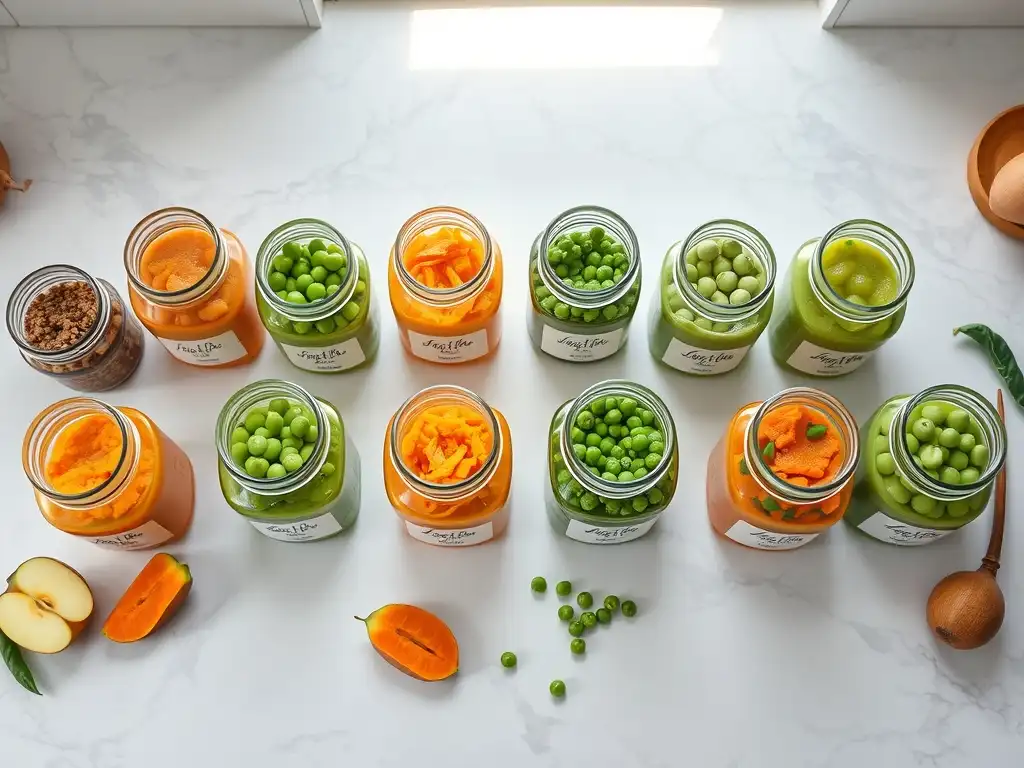
This section focuses on expanding your baby's palate with delicious and nutritious organic homemade baby food recipes suitable for the 10-12 month age range. At this stage, babies are developing their chewing skills and can handle more complex textures and a wider variety of ingredients. Remember to always introduce new foods one at a time and monitor for any allergic reactions. Prioritize organic ingredients whenever possible to minimize exposure to pesticides and other harmful chemicals. These recipes emphasize the use of readily available organic produce and pantry staples.
More Complex Textures: Pasta with Tomato Sauce
This recipe introduces a more complex texture with soft pasta and a smooth tomato sauce. It's a great way to incorporate iron-rich ingredients into your baby's diet.
- Ingredients:
- 1/2 cup organic whole wheat pasta (small shapes like ditalini or elbow macaroni)
- 1/4 cup organic tomato puree (unsweetened)
- 1 tablespoon organic olive oil
- 1/4 cup organic grated Parmesan cheese (optional, introduce after 1 year)
- Instructions:
- Cook the pasta according to package directions until al dente. Drain well.
- In a small saucepan, gently heat the tomato puree and olive oil. Simmer for 5 minutes.
- Add the cooked pasta to the sauce and mix well.
- Let cool slightly before serving. If adding Parmesan cheese, do so after the food has cooled.
- Nutritional Benefits: This recipe provides carbohydrates for energy, lycopene (an antioxidant) from the tomatoes, and healthy fats from olive oil. The whole wheat pasta offers additional fiber.
Protein Rich Meals: Lentils and Vegetables
Lentils are an excellent source of plant-based protein and fiber, crucial for a baby's growth and development. This recipe combines lentils with easily digestible vegetables for a complete and nutritious meal.
- Ingredients:
- 1/2 cup organic red lentils (rinsed)
- 1 cup organic vegetable broth (low sodium)
- 1/4 cup organic diced carrots
- 1/4 cup organic diced zucchini
- 1 tablespoon organic olive oil
- Instructions:
- Combine lentils, vegetable broth, carrots, and zucchini in a small saucepan.
- Bring to a boil, then reduce heat and simmer for 20-25 minutes, or until lentils are tender.
- Puree the mixture using an immersion blender or regular blender until smooth.
- Stir in olive oil before serving.
- Nutritional Benefits: This recipe is packed with protein, fiber, vitamins, and minerals. Red lentils cook quickly and easily digest, making them ideal for babies. The vegetables add essential vitamins and antioxidants.
Healthy Snacks: Fruit and Yogurt Parfaits
Fruit and yogurt parfaits are a fun and healthy snack option that introduces different textures and flavors. This recipe uses full-fat organic yogurt for optimal calcium and fat intake which is important for brain development. Remember to always check for potential allergies before introducing new foods. Always supervise your baby while eating.
- Ingredients:
- 1/4 cup organic full-fat plain yogurt (Greek or regular)
- 1/4 cup organic berries (mashed or finely chopped – blueberries, raspberries, strawberries)
- 1 tablespoon organic rolled oats (finely ground)
- Instructions:
- Layer the yogurt, berries, and oats in a small bowl or silicone muffin cup.
- Serve immediately.
- Nutritional Benefits: This snack provides calcium, protein, probiotics (from yogurt), vitamins, and fiber. The combination of textures makes it engaging for babies. Always ensure the berries are thoroughly mashed or chopped to prevent choking hazards. You can adjust the sweetness by adding a tiny amount of organic maple syrup if needed, but it is generally not necessary. Remember to introduce new fruits one at a time and monitor for any reactions. 👶
Remember to always consult with your pediatrician before introducing new foods into your baby's diet, especially if you have concerns about allergies or other health issues. Enjoy creating these delicious and nutritious organic baby food recipes for your little one!
Tips for Safe and Healthy Homemade Organic Baby Food
Making your own organic baby food offers numerous benefits, from controlling ingredients to ensuring freshness and potentially saving money. However, safety and hygiene are paramount. This section provides crucial tips to ensure your little one enjoys healthy and safe homemade organic meals. Remember, always prioritize your baby's well-being.
Food Safety Guidelines for Baby Food Preparation
Maintaining stringent hygiene practices is crucial when preparing homemade baby food. Contamination can lead to serious illness. Here's a breakdown of essential food safety guidelines:
- Wash your hands thoroughly: Before starting, wash your hands with soap and water for at least 20 seconds. This simple step significantly reduces the risk of bacterial transfer. Think of it as the most important step in your entire process!
- Sanitize your equipment: Sterilize all utensils, cutting boards, and bowls used in preparation. You can boil them for 5-10 minutes or use a steam sterilizer. This eliminates any lurking bacteria or microorganisms.
- Choose fresh, high-quality organic ingredients: Opt for certified organic produce whenever possible to minimize exposure to pesticides and other harmful chemicals. Look for vibrant colors and firm textures.
- Thorough cleaning of produce: Wash all fruits and vegetables meticulously under running water, scrubbing away any dirt or debris. Consider using a vegetable brush for tougher produce like carrots and potatoes.
- Cook food thoroughly: Ensure all food is cooked to a safe internal temperature to eliminate any harmful bacteria. Use a food thermometer to verify the temperature.
- Cool food quickly and safely: Avoid leaving cooked food at room temperature for extended periods. Cool it rapidly by placing it in a shallow container in the refrigerator.
- Avoid cross-contamination: Use separate cutting boards and utensils for raw and cooked foods. This prevents the transfer of bacteria from raw ingredients to cooked baby food.
Storing and Freezing Homemade Organic Baby Food
Proper storage is crucial for maintaining the nutritional value and safety of your homemade organic baby food. Here’s how to store and freeze your creations effectively:
- Refrigerator storage: Store prepared baby food in airtight containers in the refrigerator for up to 3 days. Label each container with the date of preparation.
- Freezing: For longer storage, freeze baby food in ice cube trays or small freezer-safe containers. Once frozen, transfer the cubes to a freezer bag for easier organization and to prevent freezer burn. Frozen baby food generally lasts for 3-6 months.
- Thawing: Thaw frozen baby food in the refrigerator overnight. Never thaw at room temperature to avoid bacterial growth. Once thawed, use within 24 hours. Do not refreeze thawed baby food.
- Portioning: Make small portions to avoid waste. Consider the amount your baby typically consumes in one sitting. Smaller portions also reduce the risk of spoilage.
- Labeling: Always clearly label each container with the contents and the date of preparation or freezing. This helps you keep track of what's in your freezer and ensures you use the oldest food first. This is especially important when dealing with multiple recipes.
Introducing New Foods and Monitoring for Allergies
Introducing new foods to your baby requires careful planning and observation. Start with single-ingredient purees to easily identify any potential allergic reactions.
- One-at-a-time rule: Introduce only one new food at a time, waiting 2-3 days before introducing another. This allows you to monitor for any allergic reactions and pinpoint the culprit if one occurs.
- Start with single-ingredient purees: Begin with simple purees like sweet potato, avocado, or banana. Avoid mixing multiple ingredients initially.
- Observe for allergic reactions: Watch for symptoms such as rash, hives, swelling, vomiting, diarrhea, or difficulty breathing. If any of these occur, consult your pediatrician immediately.
- Keep a food diary: Maintain a detailed record of the foods you introduce and your baby's reactions. This helps you track progress and identify potential allergens. This is invaluable information for your pediatrician.
- Consult your pediatrician: Consult your pediatrician before introducing common allergens like eggs, dairy, nuts, and soy. They can provide personalized advice based on your baby's health history and family history of allergies. They can also advise on the ideal timing for introducing these foods. Remember, early introduction can sometimes reduce the risk of developing allergies in some cases 👶.
- Gradual increase in texture: As your baby grows, gradually increase the texture of the food, moving from purees to mashed foods and eventually to soft, chopped pieces. This helps them develop their chewing and swallowing skills.
Remember, creating homemade organic baby food is a rewarding experience, but safety and hygiene should always be your top priorities. Enjoy the process of nourishing your little one with wholesome, organic ingredients!
Recipe Variations and Adaptations for Dietary Needs
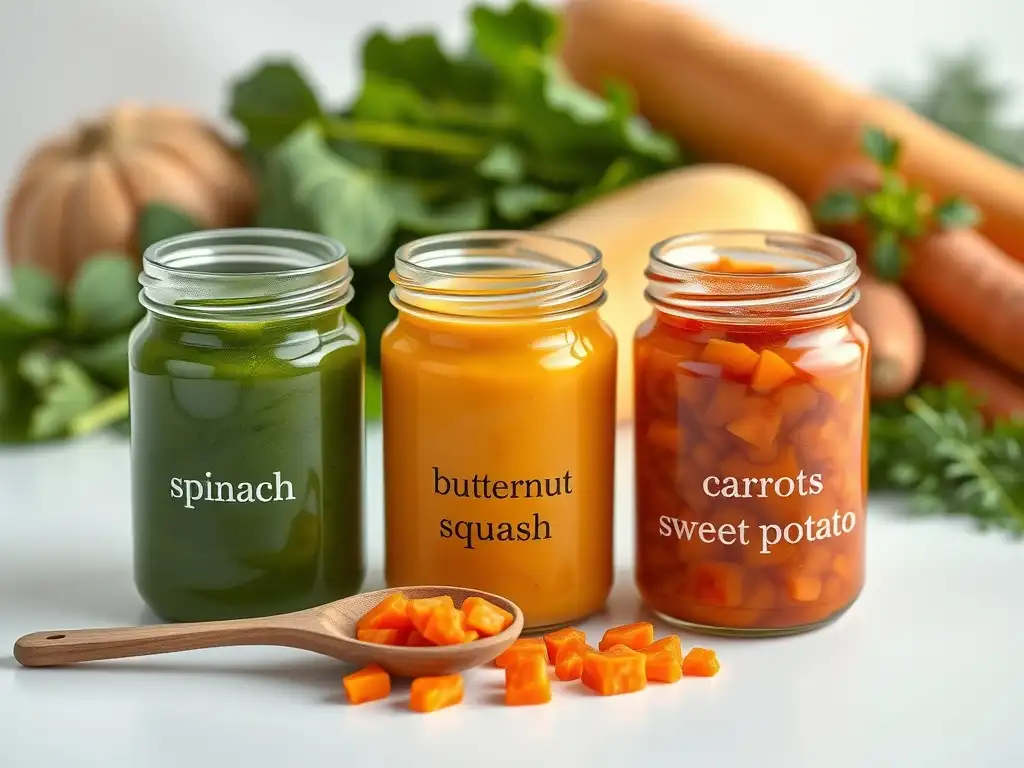
This section explores how to modify basic organic baby food recipes to accommodate various dietary needs and preferences, ensuring your little one receives nutritious and delicious meals tailored to their specific requirements. Remember, always consult your pediatrician before making significant dietary changes, especially for babies with allergies or health concerns. Finding the right balance of nutrition and taste is key to fostering healthy eating habits from the start.
Adapting Recipes for Common Allergies
Many babies experience common allergies, such as those to dairy, eggs, soy, wheat, peanuts, tree nuts, fish, and shellfish. Adapting recipes requires careful ingredient substitution and vigilant attention to cross-contamination.
- Dairy Allergy: Replace dairy products (like milk or yogurt) with alternatives such as full-fat coconut milk (ensure it's not from a can lined with BPA), unsweetened almond milk (check for added sugars), or plant-based yogurt made from soy (if not allergic), coconut, or oats. Always check labels meticulously for hidden dairy ingredients.
- Egg Allergy: Eggs often act as a binder in recipes. For baked goods, you can use applesauce, mashed banana, or flaxseed meal as substitutes. In purees, simply omit the egg entirely, focusing on other nutrient-rich ingredients.
- Soy Allergy: Soy is a common allergen, and it’s crucial to eliminate soy sauce, soy milk, and soy-based products from recipes. Look for alternatives like tamari (gluten-free soy sauce) if soy is not an issue, or explore other alternatives mentioned above.
- Other Allergies: Similar substitution strategies apply to other allergies. For example, wheat can be replaced with gluten-free alternatives like rice flour or oat flour (if tolerated). Always use separate cutting boards and utensils to prevent cross-contamination.
Remember to introduce new foods one at a time and monitor your baby for any allergic reactions. Keep a detailed food diary to track ingredients and any responses. Early identification of allergies is crucial for managing them effectively. 👩⚕️
Vegetarian and Vegan Organic Baby Food Options
Creating nutritious vegetarian and vegan organic baby food is entirely possible, providing your baby with a diverse range of vitamins and minerals. The key is to ensure adequate protein and iron intake.
Here's a basic framework:
- Protein Sources: Lentils, chickpeas, beans (black beans, kidney beans, pinto beans), tofu (ensure it's firm and organic), quinoa, and hemp seeds are excellent sources of plant-based protein. Remember to cook these thoroughly before pureeing.
- Iron-Rich Foods: Spinach, sweet potatoes, and fortified cereals are important for iron intake. Combining iron-rich foods with vitamin C-rich foods (like oranges or bell peppers) enhances iron absorption.
- Healthy Fats: Avocados, flaxseeds, and chia seeds provide healthy fats essential for brain development.
| Ingredient Category | Examples | Important Note |
|---|---|---|
| Protein Sources | Lentils, chickpeas, beans, tofu, quinoa | Ensure thorough cooking to aid digestion. |
| Iron-Rich Foods | Spinach, sweet potatoes, fortified cereals | Combine with Vitamin C for better absorption. |
| Healthy Fats | Avocados, flaxseeds, chia seeds | Introduce gradually to assess tolerance. |
Always consult a pediatrician or registered dietitian specializing in infant nutrition to create a well-balanced vegetarian or vegan diet for your baby, ensuring they meet all their nutritional requirements.
Recipes for Babies with Reflux or Sensitive Digestion
Babies with reflux or sensitive digestion require a modified approach to homemade baby food. The goal is to create easily digestible purees that are less likely to trigger reflux symptoms.
- Thickening Agents: Adding a small amount of cooked rice cereal or oatmeal to purees can help thicken the consistency, making it less likely to flow back up the esophagus.
- Avoid Gas-Inducing Foods: Foods known to cause gas, such as broccoli, cabbage, and beans, should be introduced cautiously and in small quantities. Observe your baby's reaction to each new food.
- Gentle Cooking Methods: Steaming or lightly boiling vegetables preserves nutrients and makes them easier to digest. Avoid frying or using excessive spices.
- Smaller, More Frequent Feedings: Offering smaller portions more frequently can be helpful in managing reflux.
Remember, every baby is different. What works for one might not work for another. Observe your baby's reactions closely and adjust the recipes accordingly. Consistent monitoring and a close relationship with your pediatrician are vital for managing reflux and ensuring your baby's nutritional needs are met.
Resources for Finding Organic Ingredients
Finding high-quality organic ingredients for your homemade baby food is crucial for ensuring your little one receives the best possible nutrition. This section will explore several avenues for sourcing the freshest and most wholesome organic produce and other ingredients. Remember, always prioritize organic options to minimize exposure to pesticides and other harmful chemicals. Prioritizing "Organic baby food recipes homemade" means prioritizing the source of your ingredients.
Local Farmers Markets and Organic Grocery Stores
Local farmers markets offer a fantastic opportunity to connect directly with farmers, learn about their growing practices, and select the freshest, most seasonal organic produce. The vibrant atmosphere often provides a chance to ask questions and build relationships with the people who cultivate your baby's food. Look for farmers who emphasize sustainable and organic farming methods, often indicated by certifications or clear labeling.
Many markets offer a wider variety of produce than larger grocery stores, including heirloom varieties and unusual fruits and vegetables that might not be widely available elsewhere. This diversity allows for greater creativity in your "organic baby food recipes homemade." However, remember to thoroughly wash all produce before preparing it for your baby, even organic options.
Beyond farmers markets, many communities boast dedicated organic grocery stores carrying a wide range of certified organic products. These stores often provide detailed information about the sourcing and production of their goods, allowing you to make informed choices aligned with your values and your baby's nutritional needs. These stores frequently stock a greater variety of organic baby food ingredients than conventional supermarkets.
Consider the following when choosing between a local farmers market and an organic grocery store:
| Feature | Local Farmers Market | Organic Grocery Store |
|---|---|---|
| Freshness | Typically higher, directly from the farmer | Varies depending on stock rotation and delivery schedule |
| Variety | Often higher, especially seasonal items | Generally more consistent, broader selection |
| Price | Can be higher or lower depending on the item and season | Generally more consistent pricing |
| Convenience | May require more travel and planning | Often more convenient, readily accessible |
| Community | Stronger sense of community and direct interaction | Less direct interaction with producers |
Online Retailers of Organic Baby Food Ingredients
For parents with limited access to local farmers markets or organic grocery stores, online retailers offer a convenient alternative for sourcing organic ingredients. Many reputable online stores specialize in organic produce, grains, and other baby food essentials, delivering directly to your door. This option is particularly beneficial for parents with busy schedules or those living in areas with limited access to organic options.
However, it is crucial to carefully research online retailers before making a purchase. Look for businesses with strong reputations, positive customer reviews, and clear certifications confirming the organic nature of their products. Pay close attention to shipping practices to ensure the integrity and freshness of the delivered items. Always check the expiration dates upon arrival and store the ingredients properly to maintain their quality. Remember that while convenient, online shopping for "organic baby food recipes homemade" ingredients can sometimes be more expensive.
Tips for Choosing High-Quality Organic Products
Selecting high-quality organic products involves more than just looking for the "organic" label. Pay close attention to the following:
- Certification: Look for reputable organic certifications like USDA Organic (in the US) or equivalent certifications in your country. These certifications guarantee adherence to specific organic farming standards.
- Source and Production: If possible, research the farms or producers behind the products. Knowing their farming practices can help you make informed decisions about the quality and sustainability of the ingredients.
- Packaging: Opt for minimal packaging whenever possible to reduce waste and environmental impact. Choose packaging materials that are recyclable or compostable.
- Variety: Introduce a diverse range of organic fruits and vegetables into your baby's diet to ensure a wide spectrum of nutrients.
- Freshness: Choose the freshest products available and store them properly to maximize their nutritional value. Use ingredients as quickly as possible after purchasing.
By carefully considering these factors and utilizing the resources outlined above, you can confidently create nutritious and delicious homemade organic baby food, ensuring your child thrives on the best possible nutrition. Remember, choosing "organic baby food recipes homemade" is a commitment to your baby's health and wellbeing.
Frequently Asked Questions
What are the benefits of making my own organic baby food?
Making your own baby food allows you to control the ingredients, ensuring they are organic and free from additives and preservatives. You also know exactly what's going into your baby's food, tailoring it to their needs and preferences.
Where can I find organic ingredients for homemade baby food?
Farmers' markets, health food stores, and some supermarkets carry a wide selection of organic fruits and vegetables suitable for babies. Look for produce labeled as certified organic.
What are some easy organic baby food recipes for beginners?
Simple purees are a great starting point. Try steamed and blended sweet potatoes, avocado, or green beans. As your baby grows, you can introduce more complex combinations.
How do I store homemade organic baby food safely?
Store homemade baby food in airtight containers in the refrigerator for up to 3 days or freeze it in ice cube trays for longer storage (up to 3 months). Always thaw safely in the refrigerator.
At what age can I start giving my baby homemade organic food?
The recommended age to introduce solids is around 6 months, but always consult your pediatrician. Start with single-ingredient purees and gradually introduce new foods, watching for any allergic reactions.
Final Reflection: Nurturing Tiny Tummies with Organic Love
The journey to nourishing your baby with wholesome, organic food is a deeply personal one, and the benefits extend far beyond simple nutrition. Making your own baby food allows you to control ingredients, ensuring your little one receives the purest, most nutrient-rich start to life. This is more crucial than ever in a world increasingly concerned with food processing and potential contaminants.
The impact of choosing organic, homemade baby food resonates far beyond the immediate health benefits. It's a conscious decision to prioritize quality, to invest time and love in your child's well-being, and to connect with the simple act of providing sustenance. This act of creation fosters a deeper bond between parent and child, a connection that transcends the simple act of feeding. Give a child a good start, and you give them a good future.
This quote speaks volumes about the long-term implications of nurturing our children with the best possible care, starting with their food.
Now, consider your own approach to feeding your baby. Will you continue to explore the world of organic, homemade recipes, empowering yourself to create nourishing meals tailored to your child's unique needs? Embrace the journey, celebrate the small victories, and remember that every spoonful of homemade goodness is an act of love, building a foundation for a healthy and happy future. The time invested is an investment in your child's well-being, a gift that keeps on giving.
Unlock Your Baby's Nutritional Potential!
Thank you for exploring the world of homemade baby food with us! We hope you've discovered the joy and ease of creating nutritious, organic meals for your little one. Now, let's put that knowledge into practice.
- Start with a recipe you enjoyed from this article. Gather the ingredients and create a delicious, healthy meal your baby will love. This is the first step towards a brighter, healthier future for your child.
- Share your homemade baby food journey! Inspire other parents by posting a picture of your baby enjoying their meal on social media – use #BabyCareHubHomemade.
- Explore our other resources at BabyCareHub.org for more amazing recipes and baby nutrition tips!
Ready to embark on this exciting culinary adventure with your little one? What recipe will you try first?