
Homemade Baby Food Recipes: 10 Puree Ideas for Expanding Your Baby’s Palate

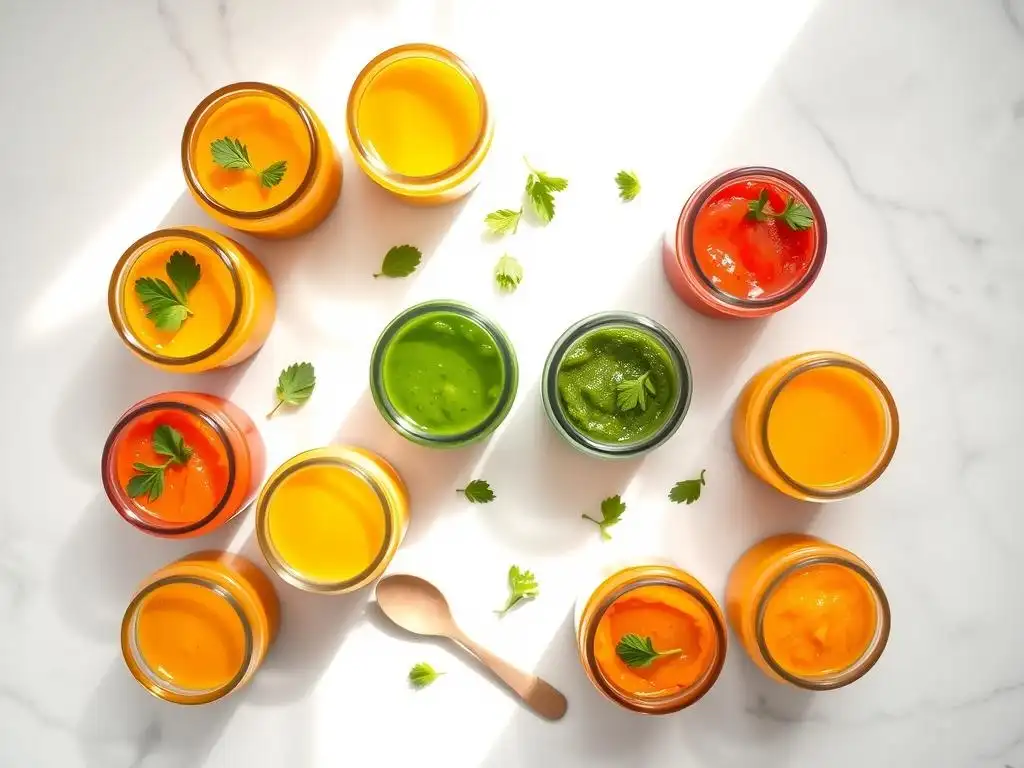
Welcome to BabyCareHub, your ultimate guide to navigating the incredible journey of parenthood! Are you ready to embark on a delicious adventure with your little one? We're thrilled to help you discover the joys of preparing nutritious and flavorful meals with our collection of homemade baby food puree recipes. Dive into our Feeding & Nutrition section and unlock the secrets to creating ten exciting purees that will expand your baby's palate and set them on the path to a lifetime of healthy eating. Let's get started!
- Introduction: The Benefits of Homemade Baby Food Purees
-
10 Simple and Delicious Homemade Baby Food Puree Recipes
- Sweet Potato Puree: A Classic First Food
- Carrot and Apple Puree: A Vibrant and Nutritious Blend
- Avocado Puree: Creamy and Nutrient-Rich
- Pea and Spinach Puree: A Green Powerhouse
- Butternut Squash Puree: Sweet and Creamy Delight
- Banana and Oatmeal Puree: A Filling and Fruity Option
- Green Bean and Chicken Puree: A Protein-Packed Choice
- Broccoli and Cheese Puree: A Mildly Cheesy Treat
- Apple and Cinnamon Puree: A Warm and Comforting Flavor
- Simple Pear Puree: A Gentle Introduction to New Flavors
- Tips for Making and Storing Homemade Baby Food Purees
- Frequently Asked Questions
- Final Reflection: Nurturing Tiny Tastes, Shaping Healthy Futures
- Unlock Your Baby's Culinary Adventure!
Introduction: The Benefits of Homemade Baby Food Purees
Embarking on the journey of parenthood is filled with exciting milestones, and introducing your baby to solid foods is undoubtedly one of the most significant. While store-bought baby food offers convenience, crafting homemade baby food purees provides unparalleled control over ingredients, ensuring your little one receives the highest quality nutrition in a way that's tailored to their individual needs and preferences.
This comprehensive guide presents ten delicious and nutritious homemade baby food puree recipes, designed to gently expand your baby's palate and foster a lifelong love of healthy eating. We'll explore the numerous advantages of homemade purees, providing you with the knowledge and confidence to create wholesome and flavorful meals for your precious baby, all while navigating the exciting process of introducing new tastes safely and effectively.
This guide will help you confidently navigate the world of homemade baby food, offering a step-by-step approach to ensure a positive and healthy experience for both you and your baby. Learning to make your own baby food purees is an investment in your baby's health and well-being, allowing you to control the ingredients and ensure the highest quality nutrition.
Why Choose Homemade Over Store-Bought?
The decision between homemade and store-bought baby food is a personal one, but understanding the key differences is crucial. Store-bought purees often contain added sugars, preservatives, and thickeners, which can be detrimental to a baby's developing digestive system. Furthermore, the processing involved can diminish the nutritional value of the ingredients.
Homemade purees, on the other hand, allow you to use fresh, high-quality ingredients, avoiding unnecessary additives. You can precisely control the texture, ensuring it's perfectly suited to your baby's developmental stage. This control extends to portion sizes, allowing you to cater to your baby's individual needs and avoid food waste.
Making your own baby food also offers a fantastic opportunity to bond with your baby, creating a special and nurturing experience around mealtimes. Moreover, the cost savings over time can be substantial, making homemade baby food a practical and beneficial choice for many families. Finally, knowing exactly what goes into your baby's food provides immense peace of mind.
Nutritional Advantages of Homemade Baby Food
Homemade baby food boasts significant nutritional advantages. Using fresh, organic produce whenever possible ensures your baby receives a higher concentration of vitamins, minerals, and antioxidants. These nutrients are crucial for their growth, development, and overall health. The absence of added sugars, salts, and preservatives minimizes the risk of allergies and digestive problems.
Furthermore, you can easily adjust the consistency of the puree to suit your baby's developmental stage, starting with smoother textures and gradually introducing chunkier versions as they progress. By incorporating a variety of fruits and vegetables, you can ensure your baby receives a balanced intake of essential nutrients. This approach allows you to tailor the nutritional content to your baby's specific needs, promoting optimal growth and overall well-being. Consider the impact of avoiding potential preservatives and additives – a significant contribution to a healthy gut microbiome.
Introducing New Flavors Safely: A Step-by-Step Guide
Introducing new foods to your baby requires a cautious and systematic approach. The general recommendation is to introduce one new food at a time, waiting 2-3 days to observe for any allergic reactions. Common signs of an allergic reaction include rash, vomiting, diarrhea, or difficulty breathing. Start with single-ingredient purees to easily identify potential allergens.
Begin with small portions, gradually increasing the amount as your baby tolerates the food. Pay close attention to your baby's cues; if they show signs of dislike or discomfort, don't force them to eat. Always ensure the food is appropriately cooked and cooled to a safe temperature before serving. Remember, patience and observation are key to a successful and safe introduction of new flavors.
Maintaining a food diary can be incredibly helpful in tracking your baby's progress and identifying any potential issues. This methodical approach ensures a positive and healthy experience as your baby explores the exciting world of tastes and textures. 👶
10 Simple and Delicious Homemade Baby Food Puree Recipes
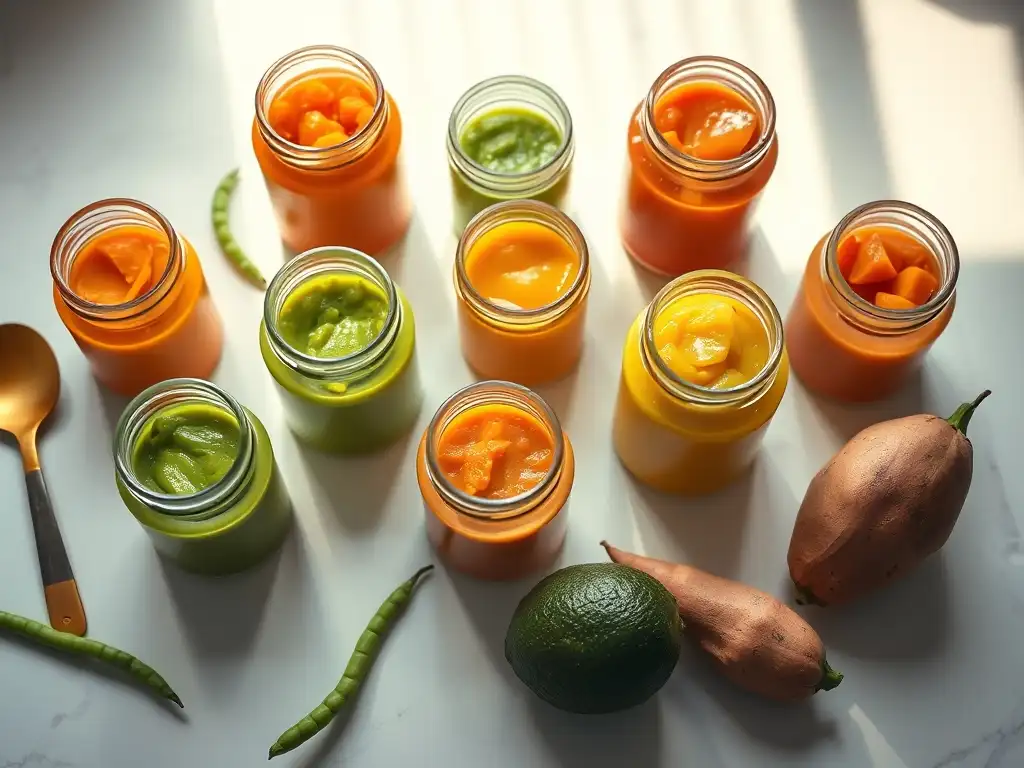
This section provides ten simple and delicious homemade baby food puree recipes perfect for expanding your little one's palate. We'll cover everything from ingredient selection to preparation tips, ensuring you create nutritious and appealing meals for your baby. Remember to always consult your pediatrician before introducing new foods to your baby's diet.
These recipes are designed for babies starting solids, typically around 6 months old, but always follow your doctor's recommendations. Finding the right consistency is key – more on that later! We'll focus on purees, but many of these can be easily adapted as your baby progresses to more textured foods.
Sweet Potato Puree: A Classic First Food
Sweet potato puree is a popular first food choice due to its naturally sweet flavor and creamy texture. It's also packed with nutrients beneficial for your baby's development.
Ingredients and Preparation for Sweet Potato Puree
- Ingredients: 1 medium sweet potato, peeled and cubed; 2-4 tablespoons of breast milk, formula, or water (adjust for desired consistency).
- Preparation:
- Steam or boil the sweet potato cubes until very tender (approximately 15-20 minutes).
- Once cooked, allow the sweet potato to cool slightly.
- Blend the sweet potato with a little liquid until you achieve a smooth puree. Start with a small amount of liquid and add more as needed to reach your desired consistency. A hand blender works particularly well for this.
- Taste and adjust seasoning if necessary (though generally not needed for babies).
- Store in airtight containers in the refrigerator for up to 3 days or freeze in ice cube trays for longer storage.
Nutritional Benefits of Sweet Potato for Babies
Sweet potatoes are an excellent source of Vitamin A (in the form of beta-carotene), Vitamin C, and fiber. Vitamin A is crucial for eye health and immune function, while Vitamin C supports growth and development. The fiber aids digestion. Sweet potatoes are also a good source of potassium and manganese. Introducing sweet potatoes early can help establish healthy eating habits and expose your baby to a variety of flavors and textures. Remember to introduce single-ingredient purees first to monitor for any allergies.
Carrot and Apple Puree: A Vibrant and Nutritious Blend
This vibrant puree combines the sweetness of apple with the subtle sweetness of carrots, creating a delicious and nutritious blend for your baby. The color alone makes it appealing!
Ingredients and Preparation for Carrot and Apple Puree
- Ingredients: 1 medium carrot, peeled and chopped; ½ medium apple (peeled, cored, and chopped); 2-4 tablespoons of breast milk, formula, or water.
- Preparation:
- Steam or boil the carrot and apple until tender (approximately 15-20 minutes).
- Allow to cool slightly.
- Blend the carrot and apple with a little liquid until you achieve a smooth puree. Again, start with less liquid and add more as needed.
- Taste and adjust consistency.
- Store in airtight containers in the refrigerator for up to 3 days or freeze in ice cube trays.
Tips for Achieving the Perfect Consistency
The ideal consistency for baby food purees is smooth and easily swallowed. Too thick, and it may be difficult for your baby to manage; too thin, and it may be messy and less nutritious. Here are a few tips to help you achieve the perfect consistency:
- Start with less liquid: Always begin by adding a small amount of liquid and gradually increase until you reach the desired consistency.
- Use a high-quality blender: A good blender or food processor will create a smoother puree. A hand blender is often easiest for smaller batches.
- Strain if necessary: If you prefer an extra-smooth puree, you can strain it through a fine-mesh sieve after blending.
- Adjust as needed: The consistency might need slight adjustments based on the type of fruits or vegetables you’re using. Some are naturally drier than others.
This is just a starting point! Experiment with different fruits and vegetables to discover your baby's favorite flavors and textures. Remember to introduce new foods one at a time to monitor for any allergic reactions. Enjoy this exciting journey of introducing your baby to the world of delicious and nutritious homemade baby food! 🥕🍎🍠
Avocado Puree: Creamy and Nutrient-Rich
Avocado puree is a fantastic first food for babies due to its creamy texture and rich nutritional profile. Avocados are packed with healthy fats, fiber, and potassium, all essential for your little one's growth and development. The mild flavor makes it palatable for most babies, and its naturally soft consistency requires minimal preparation. This puree is incredibly versatile; you can easily adjust the consistency by adding breast milk or formula to achieve the perfect texture for your baby's developmental stage.
Remember to always supervise your baby while they are eating to prevent choking hazards. Always start with small portions, observing for any allergic reactions before increasing the amount. This recipe is a great starting point for introducing your baby to the wonderful world of solid foods. Many parents find that the avocado's creamy texture helps babies transition more easily from liquid-only diets.
Ingredients and Preparation for Avocado Puree
This recipe is incredibly simple, requiring only one main ingredient!
- 1 ripe avocado: Choose a perfectly ripe avocado, soft to the touch but not mushy or bruised. A ripe avocado will have a deep green color and will yield easily to gentle pressure.
Instructions:
- Cut the avocado in half, remove the pit, and scoop out the flesh into a bowl.
- Use a fork to mash the avocado until it reaches your desired consistency. For a smoother puree, you can use an immersion blender or a regular blender.
- If the puree is too thick, add a tablespoon or two of breast milk or formula to thin it out.
- Serve immediately or store in an airtight container in the refrigerator for up to 24 hours.
Introducing Avocado: Allergy Considerations
While avocado allergies are relatively rare, it's crucial to introduce this food cautiously, especially if there's a family history of allergies. Always introduce new foods one at a time, waiting 2-3 days before introducing another new food. This allows you to monitor for any allergic reactions, such as rash, swelling, vomiting, or difficulty breathing. Start with a very small amount (1-2 teaspoons) and observe your baby carefully for any signs of an allergic reaction.
If you notice any adverse reactions, stop feeding your baby avocado immediately and consult your pediatrician. Remember, early introduction of potential allergens can actually reduce the risk of developing allergies later in life. Always consult your pediatrician or a registered dietitian for personalized advice regarding introducing new foods to your baby.
Pea and Spinach Puree: A Green Powerhouse
This vibrant green puree is a nutritional powerhouse, brimming with vitamins, minerals, and antioxidants. Peas are an excellent source of fiber and vitamins A and K, while spinach is rich in iron and vitamin C. The combination of these two ingredients creates a delicious and healthy puree that is perfect for introducing your baby to a wider range of flavors and textures.
The subtle sweetness of the peas balances the slightly earthy flavor of the spinach, making it appealing even to picky eaters. This recipe is easily customizable; you can adjust the ratio of peas to spinach based on your baby's preferences.
Ingredients and Preparation for Pea and Spinach Puree
This recipe provides a balanced blend of nutrients, crucial for your baby's healthy growth.
- 1 cup frozen peas (organic preferred)
- 1/2 cup fresh spinach, washed thoroughly
- 2-3 tablespoons breast milk or formula (to adjust consistency)
Instructions:
- Steam or boil the peas and spinach until tender (approximately 5-7 minutes).
- Allow the mixture to cool slightly before blending.
- Combine the cooked peas and spinach in a blender or food processor.
- Blend until smooth. Add breast milk or formula as needed to reach the desired consistency.
- Serve immediately or store in an airtight container in the refrigerator for up to 24 hours.
Iron-Rich Foods for Baby's Development
Iron is a vital nutrient for your baby's development, playing a crucial role in carrying oxygen throughout the body and supporting brain function. Iron deficiency can lead to developmental delays and fatigue. While this pea and spinach puree is a good source of iron, incorporating a variety of iron-rich foods into your baby's diet is important. Other excellent sources of iron for babies include:
- Iron-fortified cereals: Look for cereals specifically formulated for babies, often containing added iron.
- Red meat (pureed): Introduce small amounts of well-cooked and pureed red meat, such as beef or lamb, after consulting with your pediatrician.
- Lentils (pureed): Lentils are a great vegetarian source of iron and can be easily pureed into a smooth consistency.
- Sweet potatoes: While not as high in iron as some other options, sweet potatoes offer a good amount alongside other essential nutrients.
Remember to consult your pediatrician or a registered dietitian to create a balanced and nutritious meal plan that meets your baby's individual needs and developmental stage. Introducing a diverse range of iron-rich foods will help ensure your baby receives adequate iron for optimal growth and development. Always pay close attention to your baby's cues and adjust the amount and type of food accordingly.
Butternut Squash Puree: Sweet and Creamy Delight
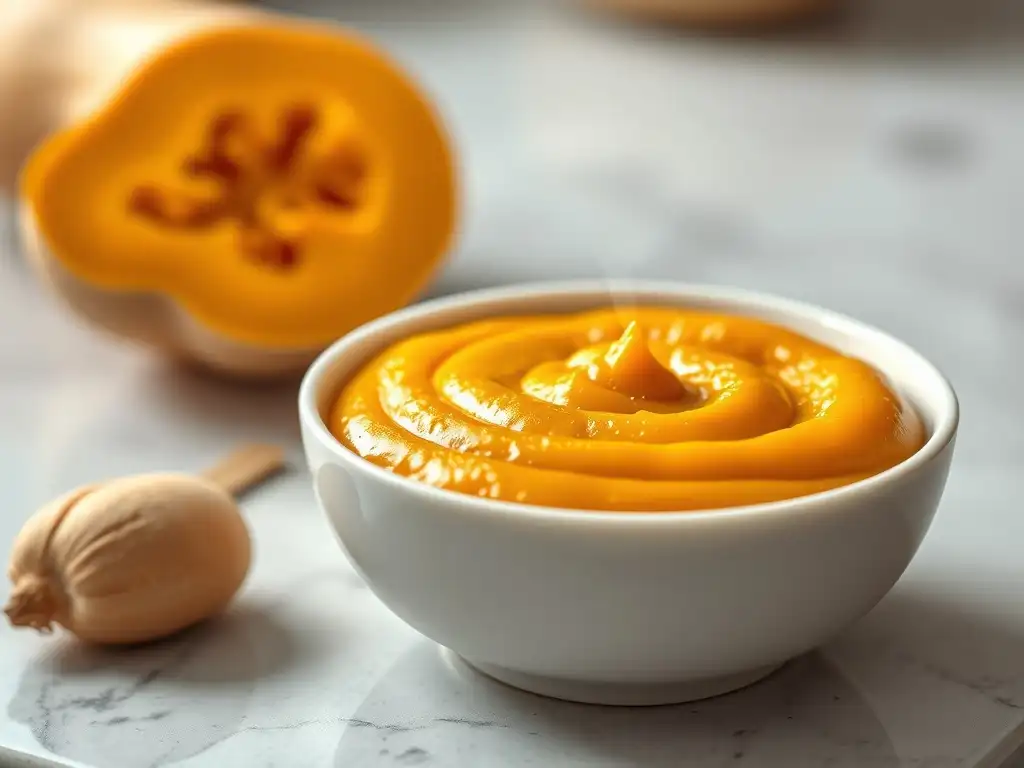
Butternut squash is a fantastic first food for babies due to its naturally sweet flavor and creamy texture. It's packed with vitamins A and C, and its gentle sweetness makes it palatable even for the pickiest eaters. This puree is incredibly versatile; you can easily adjust the consistency by adding more or less liquid, making it suitable for babies starting solids or those with more advanced chewing skills.
Furthermore, butternut squash is relatively easy to prepare, requiring minimal cooking time and effort. The vibrant orange color is also visually appealing to babies, encouraging them to explore new tastes and textures. Remember to always introduce new foods one at a time and monitor your baby for any allergic reactions.
Ingredients and Preparation for Butternut Squash Puree
To make this delightful puree, you'll need:
- 1 medium butternut squash (approximately 1 pound)
- Water or breast milk/formula (to adjust consistency)
Preparation:
- Preheat your oven to 400°F (200°C).
- Wash and peel the butternut squash. Cut it in half lengthwise and remove the seeds.
- Place the squash halves cut-side down on a baking sheet lined with parchment paper.
- Bake for 45-60 minutes, or until the squash is tender when pierced with a fork.
- Once cool enough to handle, scoop the flesh of the squash into a blender or food processor.
- Add a small amount of water or breast milk/formula, blending until smooth and creamy. Adjust the consistency as needed.
- Serve immediately or store in airtight containers in the refrigerator for up to 3 days or freeze for longer storage.
Seasonality and Storage Tips
Butternut squash is typically in season during the fall and winter months. Buying it during its peak season ensures optimal flavor and nutrient content. When storing leftover puree, always use airtight containers to prevent oxidation and maintain freshness. For longer storage, freeze the puree in ice cube trays for easy portioning and thawing. Remember to always label and date your containers. Proper storage helps retain the nutritional value and delicious taste of your homemade butternut squash puree. Freezing individual portions also makes mealtime preparation incredibly convenient for busy parents. Always thaw frozen puree in the refrigerator overnight before serving.
Banana and Oatmeal Puree: A Filling and Fruity Option
This simple puree combines the sweetness of bananas with the wholesome goodness of oatmeal, providing a nutritious and satisfying meal for your little one. Bananas are a great source of potassium and fiber, while oatmeal offers iron and other essential nutrients. This combination is perfect for breakfast or a mid-morning snack, offering sustained energy throughout the day. The creamy texture is gentle on baby's gums, making it ideal for babies just starting solids. Remember to always consult your pediatrician before introducing new foods, especially grains.
Ingredients and Preparation for Banana and Oatmeal Puree
For this recipe, you will need:
- 1 ripe banana, mashed
- 1/4 cup rolled oats (not instant)
- 1/2 cup water or breast milk/formula
Preparation:
- Bring the water or breast milk/formula to a boil in a small saucepan.
- Add the rolled oats and reduce heat to low.
- Simmer for 5-7 minutes, or until the oats are cooked through and the mixture has thickened slightly.
- Remove from heat and let cool slightly.
- Add the mashed banana and blend until smooth. You may need to add a little extra liquid to achieve the desired consistency.
- Serve warm or cold.
Introducing Grains to Your Baby's Diet
Introducing grains, like oatmeal, into your baby's diet is a significant milestone. Always start with small quantities and monitor your baby for any allergic reactions or digestive issues. Begin with a very thin consistency and gradually increase the thickness as your baby gets used to the texture. It's important to choose rolled oats rather than instant oats, as instant oats often contain added sugars and other ingredients that are not suitable for babies.
This puree provides a good source of iron, an essential nutrient for your baby's growth and development. Observe your baby's response to the new food, paying attention to bowel movements and any signs of discomfort. Remember, introducing new foods should be a gradual and patient process.
Green Bean and Chicken Puree: A Protein-Packed Choice
This puree offers a fantastic combination of vitamins, minerals, and protein, making it an excellent choice for your growing baby. Green beans are a rich source of Vitamin K, crucial for blood clotting and bone health, while chicken provides essential protein for muscle development and growth. This recipe is ideal for babies starting to explore more complex flavors and textures. The gentle cooking method ensures all nutrients are preserved, resulting in a wholesome and delicious meal.
Remember to always introduce new foods one at a time, monitoring for any allergic reactions. This recipe is perfect for babies around 8 months old, or as advised by your pediatrician. Always ensure the chicken is fully cooked to avoid any risk of bacterial contamination. The puree's smooth consistency is easily digestible, making it a great option for little ones just starting on solids.
Ingredients and Preparation for Green Bean and Chicken Puree
- Ingredients: 1 cup fresh green beans, trimmed; 1/4 cup cooked chicken breast, shredded; 1/4 cup water or breast milk.
- Preparation: Steam or boil the green beans until tender (about 10-15 minutes). Once cooked, drain well. Combine the cooked green beans, shredded chicken, and water or breast milk in a blender or food processor. Blend until smooth and creamy. Adjust the consistency by adding more liquid if needed. Taste test and adjust seasoning as needed, but remember to keep it simple for baby's delicate palate. Store any leftovers in airtight containers in the refrigerator for up to 2 days. Always ensure the puree is cooled thoroughly before serving.
Introducing Meat Purees: Safe Handling Practices
Introducing meat into your baby's diet is a significant step. Safe handling practices are paramount to prevent foodborne illnesses. Always choose high-quality, fresh chicken breast, ensuring it's thoroughly cooked to an internal temperature of 165°F (74°C). Wash your hands thoroughly with soap and water before and after handling raw meat. Use separate cutting boards and utensils for raw meat to avoid cross-contamination.
Refrigerate leftovers promptly and consume within 2 days. Never reheat a puree more than once. If you notice any unusual odor or color change, discard the puree immediately. Following these simple steps will ensure your baby enjoys the benefits of meat purees safely.
Broccoli and Cheese Puree: A Mildly Cheesy Treat
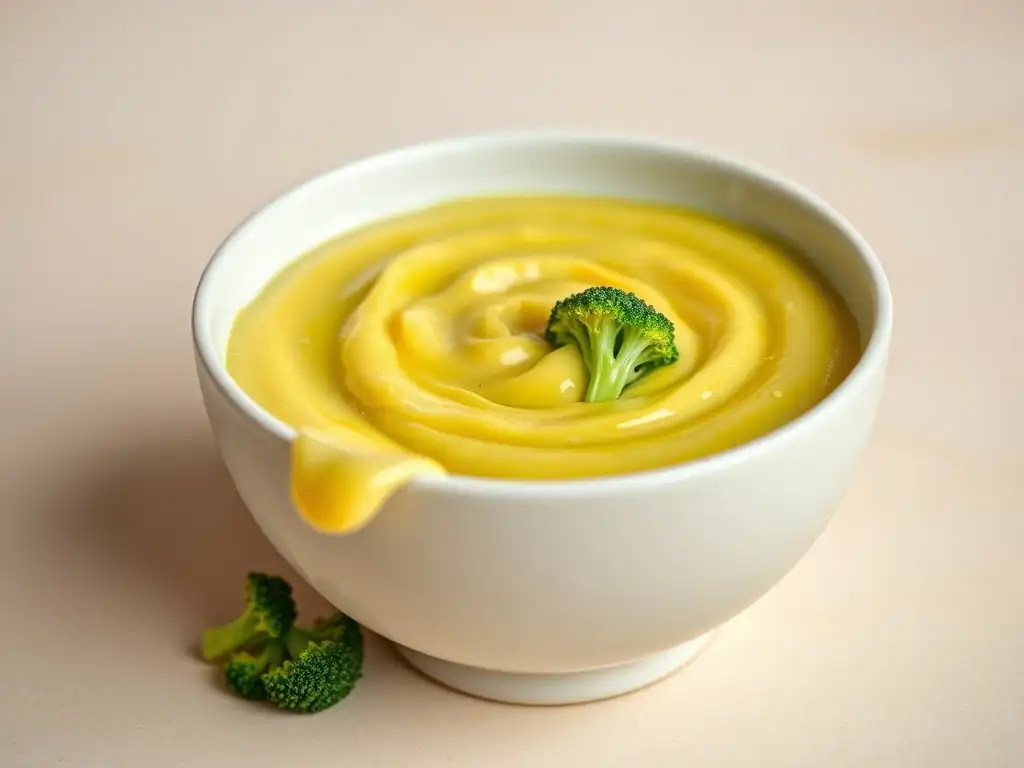
This creamy and comforting puree is a delightful way to introduce your baby to the goodness of broccoli and cheese. Broccoli is packed with vitamins C and K, while cheese provides calcium, essential for strong bones and teeth. The mild cheddar provides a subtly cheesy flavor that most babies enjoy. This recipe is suitable for babies around 9 months old, but always consult with your pediatrician before introducing new foods. Remember to start with small portions and monitor for any allergic reactions. The smooth texture of this puree makes it easy to digest, perfect for little tummies.
Ingredients and Preparation for Broccoli and Cheese Puree
- Ingredients: 1 cup broccoli florets; 1/4 cup mild cheddar cheese, grated; 1/4 cup water or breast milk.
- Preparation: Steam or boil the broccoli florets until tender (about 8-10 minutes). Once cooked, drain well. Combine the cooked broccoli and grated cheese in a blender or food processor. Add water or breast milk to achieve the desired consistency. Blend until smooth and creamy. Again, always taste-test and ensure the consistency is suitable for your baby. Refrigerate any leftovers in an airtight container for up to 2 days. Ensure the puree is completely cooled before serving.
Choosing the Right Cheese for Baby Food
When selecting cheese for your baby's puree, opt for mild varieties like cheddar, or choose a pasteurized cheese specifically designed for babies. Avoid processed cheeses, which often contain high levels of sodium and additives. Ensure the cheese is made from pasteurized milk to minimize the risk of bacterial contamination. Always check the nutrition label to be aware of the sodium content and other ingredients.
Introduce cheese gradually, starting with small amounts, and watch for any allergic reactions. Remember, simplicity is key when introducing new foods to your baby's diet. A little bit of cheese goes a long way in adding flavor and nutritional value to your homemade baby food purees.
Apple and Cinnamon Puree: A Warm and Comforting Flavor
This puree offers a delightful blend of sweetness and spice, perfect for introducing your little one to new flavors. Apples are a fantastic source of fiber and Vitamin C, contributing to your baby's healthy development. The addition of cinnamon adds a touch of warmth and complexity, making it a comforting option, especially during colder months.
Remember to always introduce new foods one at a time and monitor your baby for any allergic reactions. This recipe is suitable for babies starting around six months old, once they've mastered the art of sitting up and showing interest in solid foods. The gentle sweetness of the apple makes it an appealing introduction to the world of purees, paving the way for more complex flavors in the future.
The soft texture of the cooked apple ensures easy digestion for your baby's developing digestive system. We'll explore the specific preparation shortly, highlighting the importance of safety and hygiene in preparing homemade baby food.
Ingredients and Preparation for Apple and Cinnamon Puree
This recipe is incredibly simple and requires minimal ingredients. You will need:
- 1 medium-sized apple (organic is preferable), peeled, cored, and chopped
- 1/4 teaspoon cinnamon (start with a smaller amount if introducing cinnamon for the first time)
- 2-3 tablespoons of breast milk or formula (to adjust consistency)
Instructions:
- Steam or simmer the chopped apple until tender (approximately 10-15 minutes). You can easily steam the apple in a steamer basket over boiling water or gently simmer it in a small saucepan with a little water.
- Once tender, allow the apple to cool slightly.
- Blend the cooked apple with the cinnamon using an immersion blender or a regular blender until smooth. Add breast milk or formula as needed to achieve the desired consistency – it should be smooth and easily pourable.
- Taste-test the puree to ensure it's not too sweet or spicy. Remember, babies' taste buds are still developing!
- Store any leftover puree in an airtight container in the refrigerator for up to 2 days.
Spice Introduction: Starting Slowly
Introducing spices like cinnamon to your baby's diet requires a cautious approach. Cinnamon, while generally safe, can be a potential allergen for some babies. Always start with a very small amount (less than 1/8 teaspoon in this recipe) the first time you introduce it and observe your baby closely for any allergic reactions such as rash, vomiting, or diarrhea. Wait at least 2-3 days before introducing it again in a larger quantity if no reaction is observed.
Remember, every baby reacts differently, so it's crucial to monitor your baby's response to new foods. If you're unsure or have any concerns about introducing spices, consult your pediatrician. The gradual introduction of spices helps your baby's palate to adjust slowly and appreciate the nuances of flavors over time. This measured approach is key to ensuring a positive and safe culinary experience for your little one.
Simple Pear Puree: A Gentle Introduction to New Flavors
Pears are another excellent choice for your baby's first purees. Their naturally sweet flavor and soft texture make them easily digestible and appealing to even the fussiest eaters. This puree is a fantastic way to introduce your baby to new tastes and textures, providing essential nutrients for their growth and development. Pears are rich in fiber and vitamins, aiding digestion and boosting immunity.
This recipe is simple, requiring minimal preparation time, making it perfect for busy parents. The gentle sweetness of the pear makes it an ideal starting point before moving on to more complex flavor combinations. Preparing homemade pear puree allows you to control the ingredients and ensure your baby is receiving wholesome, nutritious food.
Ingredients and Preparation for Pear Puree
This recipe is remarkably straightforward, requiring only a few readily available ingredients:
- 1 ripe pear, peeled, cored, and chopped
- 2-3 tablespoons of breast milk or formula (to adjust consistency)
Instructions:
- Steam or simmer the chopped pear until tender (approximately 10-15 minutes). Similar to the apple puree, you can steam the pear in a steamer basket or simmer it gently in a small saucepan with a little water.
- Allow the cooked pear to cool slightly.
- Blend the cooked pear using an immersion blender or a regular blender until it reaches a smooth, creamy consistency. Add breast milk or formula to achieve the desired texture.
- Taste-test the puree to ensure it's to your liking. Remember, babies' taste buds are sensitive, so keep the flavor mild.
- Store any leftovers in an airtight container in the refrigerator for up to 2 days.
Pear's Nutritional Value for Babies
Pears are a nutritional powerhouse for babies, offering a range of vitamins and minerals crucial for their development. They are a good source of Vitamin C, an essential antioxidant that supports immune function and helps the body absorb iron. Pears also contain Vitamin K, important for blood clotting, and potassium, which is vital for maintaining healthy blood pressure.
The fiber content in pears aids digestion, preventing constipation and promoting healthy bowel movements. Furthermore, pears are a good source of dietary fiber, which is beneficial for the development of a healthy gut microbiome. Introducing pears as a first food can help establish healthy eating habits and provide the building blocks for your baby's continued growth.
The natural sweetness of pears makes them a palatable introduction to solid foods, encouraging your baby to explore new tastes and textures. Always remember to consult your pediatrician before introducing any new foods into your baby's diet, especially if there's a family history of allergies.
Tips for Making and Storing Homemade Baby Food Purees
Making your own baby food purees offers numerous benefits, from controlling ingredients to saving money. However, success hinges on a few key strategies. This section outlines practical tips to ensure you create nutritious and delicious purees your little one will love. Remember, consistency is key when introducing new foods to your baby's diet; start with smooth purees and gradually increase texture as they develop.
Essential Equipment for Baby Food Preparation
Having the right tools simplifies the puree-making process significantly. A high-quality blender or food processor is paramount for achieving that smooth, easily digestible consistency. Look for models with powerful motors capable of handling various textures, from soft fruits to tougher vegetables. A steamer basket is also invaluable; steaming preserves nutrients better than boiling. Finally, consider investing in ice cube trays or small freezer containers for portioning and freezing your homemade purees. These allow for easy thawing and serving of single portions, minimizing waste. Don't forget sturdy spoons for feeding your little one!
Safe Food Handling Practices for Babies
Food safety is paramount when preparing baby food. Always wash your hands thoroughly before handling any ingredients. Use separate cutting boards for raw meat and produce to avoid cross-contamination. Choose fresh, high-quality ingredients, and discard anything that shows signs of spoilage.
Thoroughly wash all fruits and vegetables under running water before processing. Remember, babies have developing immune systems, so meticulous hygiene is essential to prevent foodborne illnesses. Always supervise your baby while they are eating and never leave them unattended. Early introduction to a diverse range of flavors and textures can lead to a healthier relationship with food in the long run.
Freezing and Thawing Homemade Baby Food Purees
Freezing your homemade purees is a fantastic way to preserve their nutritional value and save time. Portion your purees into ice cube trays or small freezer-safe containers, leaving a little space at the top for expansion. Label each container with the date and contents. Once frozen solid, transfer the cubes to a freezer bag for longer-term storage. For thawing, transfer the desired portion to the refrigerator overnight.
Never refreeze thawed purees. Properly frozen purees can last for up to three months. Remember to always check the temperature of the puree before serving to ensure it's safe for your baby. This process is crucial in maintaining the nutritional integrity of your meticulously prepared homemade baby food puree recipes. Following these guidelines ensures that you provide your baby with safe and nutritious food.
Storing Homemade Baby Food: Best Practices
Storing homemade baby food properly is crucial for maintaining its nutritional value and safety. Improper storage can lead to spoilage, bacterial growth, and a loss of essential vitamins and minerals. Following these best practices will ensure your little one enjoys healthy and safe purees.
First and foremost, hygiene is paramount. Always use clean, sterilized containers for storing your purees. Glass jars are an excellent choice, as they are reusable, easy to clean, and don't leach chemicals into the food. Plastic containers are also acceptable, provided they are BPA-free and designed for food storage. Thoroughly wash and sterilize all containers before use, either by boiling them in water for 10 minutes or running them through a dishwasher on a high-heat cycle.
Next, consider the storage method. For immediate consumption (within 24 hours), storing the purees in the refrigerator is sufficient. Ensure the containers are properly sealed to prevent air exposure, which can lead to oxidation and spoilage. For longer storage, freezing is the best option. Portion the purees into ice cube trays or small, freezer-safe containers for easy thawing and portion control. Label each container with the date of preparation to ensure you use the oldest purees first. Frozen purees can typically be stored for 2-3 months, maintaining their nutritional integrity.
When thawing frozen purees, always opt for a gradual process. Transfer the puree from the freezer to the refrigerator overnight. This slow thawing method helps preserve the texture and nutritional content. Never thaw purees at room temperature, as this can promote bacterial growth. Once thawed, the puree should be consumed within 24 hours. Never refreeze thawed purees.
Finally, pay attention to visual cues. Before serving, always inspect the puree for any signs of spoilage. This includes changes in color, texture, smell, or the presence of mold. If you notice any of these signs, discard the puree immediately. It's always better to err on the side of caution when it comes to your baby's food safety. Remember, a little vigilance goes a long way in ensuring your homemade baby food remains safe, nutritious, and delicious. Following these simple steps will help you confidently provide your baby with healthy and wholesome meals.
Frequently Asked Questions
What are the benefits of making homemade baby food?
Making your own baby food allows you to control the ingredients, ensuring no added sugars, salts, or preservatives. It's also a cost-effective way to provide nutritious meals.
How can I ensure my homemade baby food is safe?
Always wash your hands and all equipment thoroughly. Cook ingredients thoroughly to eliminate harmful bacteria. Introduce new foods one at a time to monitor for allergies.
What are some easy first foods to make as purees?
Simple purees include sweet potatoes, avocado, and peas. These are generally well-tolerated by babies and offer a good nutritional base.
At what age should I start introducing homemade purees?
Most experts recommend starting around 6 months of age, once your baby can sit up unsupported and shows interest in food. Always consult your pediatrician.
How do I store homemade baby food?
Store purees in airtight containers in the refrigerator for up to 3 days or freeze in ice cube trays for longer storage (up to 3 months). Always thaw thoroughly before serving.
Final Reflection: Nurturing Tiny Tastes, Shaping Healthy Futures
The journey of introducing solids to your baby is a significant milestone, a delicious adventure filled with first tastes and the joy of watching your little one explore new flavors. This exploration is far more than just feeding; it's about building a foundation for a lifelong love of healthy eating and a diverse palate. The recipes shared in this article are more than just purees; they are stepping stones towards a healthier, happier future for your child.
The impact of early dietary experiences on long-term health is undeniable. The preferences and habits we establish in infancy often carry through into adulthood. Good food is good mood food.
This simple truth highlights the profound connection between what we eat and how we feel, a connection that begins long before we can articulate our preferences. Creating positive associations with healthy, homemade foods from the start is an invaluable gift you can give your child, fostering a relationship with food that is both nourishing and enjoyable.
Now, consider your own journey. What flavors did you discover as a baby? How did those early experiences shape your relationship with food today? Take a moment to reflect on this, and then, armed with the knowledge and recipes provided, embark on this exciting culinary adventure with your little one. Embrace the mess, celebrate the discoveries, and savor the moments of shared joy as you nurture your baby's palate and build a foundation for a lifetime of healthy eating.
Unlock Your Baby's Culinary Adventure!
Thank you for exploring these delicious and nutritious homemade baby food recipes! We hope you've found inspiration to expand your little one's palate and create happy mealtimes. Now, let's put those recipes into action!
- Start with familiar flavors: Choose a recipe featuring ingredients your baby already enjoys and try it today! Observe their reaction and adjust as needed. This is a crucial first step.
- Share your culinary creations: Post a picture of your baby enjoying their new homemade puree on social media using #BabyCareHubPurees – we'd love to see it!
- Experiment with textures and combinations: Don't be afraid to get creative! Gradually introduce new flavors and textures, always monitoring for any potential allergic reactions.
Ready to embark on this exciting food journey with your little one? What delicious new flavor will you introduce today?