
Formula Feeding and Teething: Managing Discomfort


Welcome to BabyCareHub, your ultimate guide to navigating the incredible journey of parenthood! Are you a first-time parent facing the double whammy of formula feeding and teething pain? We understand the challenges, and we're here to help. Discover practical, step-by-step advice on managing your little one's discomfort and ensuring a smoother transition through this crucial phase. Learn how to effectively soothe your baby and navigate this common hurdle with confidence. Dive in and explore our expert insights on formula feeding teething pain relief – your path to a happier, healthier baby starts here!
- Understanding Teething Discomfort in Formula-Fed Babies
- Formula Feeding Strategies During Teething
- Soothing Techniques for Teething Pain Relief
- Over-the-Counter Remedies for Teething Pain
- Preventing Teething Complications
- Formula Feeding Teething Pain Relief: When to Seek Professional Help
-
Frequently Asked Questions
- How does formula feeding relate to teething pain?
- What can I do to soothe my formula-fed baby's teething pain?
- My baby is fussy during formula feedings while teething. What should I try?
- Are there any special formulas for teething babies?
- When should I consult a pediatrician about my baby's teething pain?
- Final Reflection: Nurturing Through the Nights: Finding Comfort During Teething
- Unlock Your Baby's Comfort: Easing Teething Troubles
Understanding Teething Discomfort in Formula-Fed Babies
Teething is a significant milestone in a baby's development, marked by the eruption of their first teeth. While this process is natural, it often brings discomfort and distress, especially for formula-fed infants. This article provides a comprehensive guide to understanding and managing teething pain in babies who are formula-fed, focusing on recognizing symptoms, differentiating teething pain from other ailments, and exploring the potential link between formula feeding and teething irritation.
We'll explore effective pain relief strategies tailored specifically for formula-fed babies, ensuring parents are well-equipped to navigate this challenging period with confidence and ease. Understanding the nuances of teething in formula-fed babies is crucial for providing optimal comfort and care. This guide will help you identify the signs, distinguish teething pain from other potential problems, and discover effective solutions to soothe your little one.
Recognizing Teething Symptoms in Formula-Fed Infants
Identifying teething symptoms in your formula-fed baby is the first step towards providing effective relief. While every baby experiences teething differently, some common signs include:
- Increased fussiness and irritability: Babies may become more clingy, irritable, and difficult to soothe during teething periods. This is often more pronounced in the evenings.
- Drooling: Excessive drooling is a very common symptom, sometimes leading to a rash around the mouth.
- Gum swelling and redness: The gums may appear swollen, red, and tender to the touch.
- Chewing and biting: Babies often try to relieve the pressure by chewing on toys, fingers, or anything they can get their hands on.
- Difficulty sleeping: The discomfort can disrupt sleep patterns, resulting in frequent waking and restlessness.
- Changes in feeding habits: Some babies may feed less frequently or show signs of discomfort during feeding, although this isn't always directly related to teething. However, it's important to monitor feeding patterns for any significant changes.
- Low-grade fever: A slightly elevated temperature (typically below 100.4°F or 38°C) might accompany teething, but a higher fever warrants medical attention.
It's important to remember that not all babies exhibit all these symptoms, and the intensity of symptoms varies greatly. Keep a close eye on your baby's behavior and consult your pediatrician if you have any concerns. Careful observation and a detailed record of symptoms can help you and your doctor better understand your baby's experience.
Distinguishing Teething Pain from Other Issues
It's crucial to differentiate teething pain from other potential health issues that might present similar symptoms. While fussiness, drooling, and a slightly elevated temperature can accompany teething, they are also symptoms of various illnesses.
| Symptom | Teething | Other Potential Issues |
|---|---|---|
| Fussiness | Typically mild to moderate, improves with comfort measures | Can be severe and persistent with illness |
| Drooling | Usually excessive but manageable | Can be accompanied by other illness symptoms |
| Gum swelling | Localized to the gum area where teeth are erupting | May be more widespread with infection |
| Fever | Usually low-grade and short-lived | High fever often indicates infection |
| Diarrhea/Vomiting | Uncommon with teething | Common symptoms of various illnesses |
| Ear pulling | Less common | Often associated with ear infection |
If your baby exhibits symptoms beyond typical teething discomfort, such as a high fever, persistent diarrhea or vomiting, lethargy, or ear pulling, consult your pediatrician immediately. Early diagnosis and treatment are essential to ensure your baby's well-being. Don't hesitate to seek professional medical advice if you are unsure about the cause of your baby's discomfort.
The Link Between Formula Feeding and Teething Irritation
While the direct link between formula feeding and increased teething discomfort isn't fully established, some theories suggest potential connections. For example, the composition of formula might influence the baby's gut microbiome, which could indirectly affect the immune response and overall discomfort during teething. Further research is needed to fully understand this relationship. However, maintaining a healthy gut microbiome through proper nutrition and avoiding unnecessary antibiotics can contribute to overall well-being and potentially reduce discomfort during teething.
Additionally, the consistency and temperature of the formula can affect gum sensitivity, so ensuring the formula is at a comfortable temperature is important. Providing a cool, moist cloth to chew on can also help soothe irritated gums. Always consult your pediatrician for personalized advice regarding your baby's nutrition and teething management.
Formula Feeding Strategies During Teething

Teething can significantly impact a baby's feeding habits, leading to changes in appetite, feeding duration, and even increased fussiness during and after feedings. Understanding these changes and adapting your formula feeding approach can make a world of difference in managing your baby's discomfort and ensuring they continue to receive adequate nutrition. This section focuses specifically on optimizing formula feeding for babies experiencing the pain and discomfort of teething. We'll examine practical strategies to alleviate symptoms and maintain a positive feeding experience.
Adjusting Feeding Schedules for Teething Babies
A teething baby might exhibit changes in their feeding patterns. They may refuse bottles more frequently, feed for shorter periods, or seem generally less interested in nursing. This is often due to the pain and discomfort in their gums. Instead of rigidly adhering to a strict schedule, consider offering more frequent, smaller feeds. This can help prevent your baby from becoming overly hungry and frustrated, which can exacerbate their discomfort. Observe your baby's cues; if they seem tired or less interested in feeding, don't force it. Offering a pacifier or a chilled, clean teething toy may provide temporary relief.
For example, a baby who usually takes four 6oz bottles might, during a teething phase, prefer six 4oz bottles spread throughout the day. This flexibility helps manage their discomfort and ensure they're still receiving enough nutrients. Remember to consult with your pediatrician if you notice significant changes in your baby's feeding patterns or weight gain. They can help determine if your baby is getting enough nutrition and address any concerns. Consistent monitoring and responsiveness are key to successfully navigating this phase.
Choosing the Right Temperature for Formula During Teething
The temperature of the formula can impact a teething baby's comfort level. Some babies find that cooler formula soothes their sore gums, while others might prefer it at room temperature. Experiment to find what your baby prefers. Avoid extremely hot or cold temperatures, as these can be uncomfortable and potentially harmful. A slightly cooler than usual temperature might provide a welcome relief from the pain.
It's crucial to remember to always check the formula temperature before feeding. Using a thermometer is recommended to ensure it is neither too hot nor too cold. Too hot formula can scald your baby's mouth, while too cold formula can cause discomfort and potentially lead to increased fussiness. Finding the optimal temperature requires careful observation and adjustment based on your baby's individual responses. This small adjustment can make a big difference in their overall feeding experience.
Teething can often lead to increased spit-up and fussiness during and after formula feedings. This is partly due to the discomfort in their gums, which can make it difficult for them to properly latch onto the bottle and swallow. The increased discomfort can also contribute to overall irritability. To manage spit-up, consider holding your baby upright for at least 20-30 minutes after feeding. Burping your baby frequently during the feeding can also help reduce spit-up.
Furthermore, try offering smaller, more frequent feeds. This can reduce the volume of formula in their stomach at any given time, minimizing the chances of spit-up. If fussiness persists despite these strategies, you can try offering your baby a cool, clean teething toy or a chilled, wet washcloth to chew on. Remember, teething is a temporary phase, and these strategies aim to make it more comfortable for your baby. If the spit-up is excessive or accompanied by other symptoms like fever or diarrhea, consult your pediatrician immediately. They can help determine the cause and recommend appropriate treatment.
Soothing Techniques for Teething Pain Relief
Teething is a challenging phase for both babies and parents. While breastfeeding mothers might find some natural pain relief methods readily available, formula-fed babies require a slightly different approach to manage teething discomfort. The key is to focus on providing comfort and distraction, addressing the pain effectively and safely. Remember, always consult your pediatrician if your baby exhibits excessive fussiness, fever, or other concerning symptoms alongside teething. This section focuses on safe and effective soothing techniques specifically tailored for formula-fed babies experiencing teething pain.
Safe Teething Toys for Formula-Fed Babies
Choosing the right teething toy is crucial. Look for toys made of safe, durable materials such as silicone, rubber, or food-grade plastic. Avoid toys with small parts that could pose a choking hazard. The texture is also important; some babies prefer smooth surfaces, while others find textured toys more satisfying. Here's a breakdown of ideal teething toys:
- Silicone Teethers: These are often preferred for their softness and easy cleaning. Many are designed with different textures and shapes to stimulate the gums.
- Rubber Teethers: These offer a good balance of firmness and flexibility. Look for options that are BPA-free.
- Chilled Teethers: The coolness of a chilled teether (always ensure it's not frozen solid!) can provide significant relief. Simply chill the teether in the refrigerator for a short time before giving it to your baby.
- Mesh Teethers: These allow you to fill them with frozen fruits (like banana or mango puree) for added cooling and flavor. Always supervise your baby closely when using mesh teethers.
Remember to regularly clean and sterilize all teething toys to maintain hygiene. A clean teether is crucial, especially for formula-fed babies, as they may be more susceptible to infections. 👶
Gentle Massage Techniques for Gum Relief
Gentle gum massage can provide soothing relief for your baby's sore gums. Use a clean finger, wrapped in a soft cloth if you prefer, to gently rub your baby's gums. Circular motions are generally effective. The pressure should be light and comforting; avoid pressing too hard. The act of massage itself can be calming, providing a distraction from the discomfort. You can also try using a cool, damp washcloth to gently wipe your baby's gums. This can offer a dual benefit of soothing and cleaning.
The timing of massage is also important. Many parents find that massaging gums right before or after a feeding can be particularly soothing. The timing can be adjusted to your baby's individual comfort level and routine. Observe your baby's reactions and adjust your approach accordingly. If your baby seems distressed or resists the massage, stop immediately.
The Role of Pacifiers During Teething
Pacifiers can be a helpful tool during teething, particularly for formula-fed babies who may find additional comfort in sucking. The sucking action can provide a distraction and alleviate some of the discomfort. However, it's important to use pacifiers judiciously and to follow safe sleep guidelines. Always ensure the pacifier is clean and properly sterilised. Excessive pacifier use can lead to potential dental issues later on. Consider limiting pacifier use to teething episodes, rather than using it as a constant source of comfort. Remember, a clean and appropriately sized pacifier is key for your baby's oral health and safety. 🍼
Over-the-Counter Remedies for Teething Pain
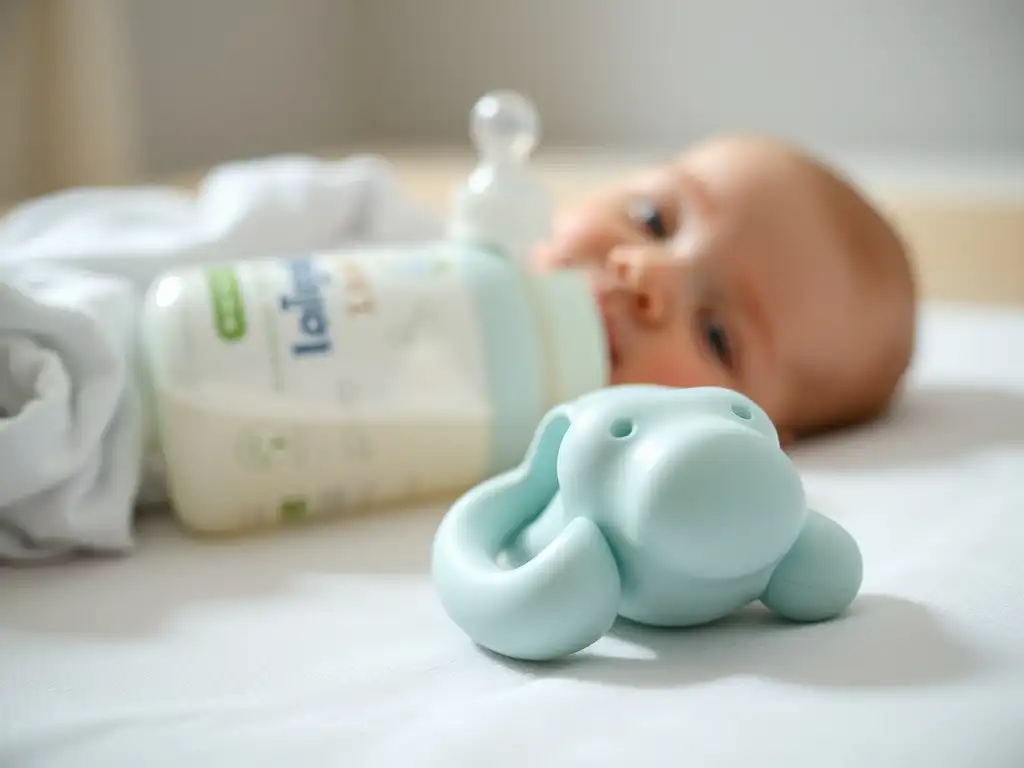
Teething discomfort in formula-fed babies can be managed effectively with various over-the-counter (OTC) remedies. These options offer temporary pain relief and can help soothe your little one during this challenging phase. However, it's crucial to use these products judiciously and follow the manufacturer's instructions carefully. Always consult your pediatrician before introducing any new product into your baby's routine, especially if you have concerns about allergies or pre-existing conditions. Remember that while these remedies can provide relief, they are not a cure for teething and the discomfort is usually temporary.
Safe and Effective Teething Gels
Teething gels containing benzocaine or other numbing agents are commonly used to alleviate gum pain. These gels work by temporarily numbing the gums, providing immediate relief from the pressure and discomfort associated with emerging teeth. However, it's crucial to use these gels sparingly. Overuse can lead to adverse effects. Always apply a small amount directly to the affected gums, ensuring your baby doesn't ingest the gel.
Read the label carefully for dosage instructions and age recommendations. Some brands offer different formulations specifically for babies, so choose accordingly. Remember to monitor your baby for any allergic reactions after application. Some babies may show signs of mild irritation, while others may experience no adverse effects. Always prioritize safety and consult your pediatrician if you have any doubts or concerns.
Homeopathic Remedies for Teething Discomfort
Homeopathic remedies are another option for managing teething pain, although their effectiveness is a subject of ongoing debate within the scientific community. Some parents find relief using homeopathic teething tablets or gels, often containing ingredients like Chamomilla or Belladonna. These remedies aim to stimulate the body's natural healing processes. However, it's important to note that the scientific evidence supporting the effectiveness of homeopathic remedies for teething pain is limited.
Always choose reputable brands and ensure the products are specifically designed for infants. As with any remedy, monitor your baby for any adverse reactions. If you choose to use homeopathic remedies, it’s essential to consult your pediatrician, especially if you are unsure about the safety or efficacy of these products for your baby's specific situation. Keep a detailed record of your baby's reaction to any homeopathic remedy.
When to Consult a Pediatrician Regarding Teething Pain
While teething is a normal developmental process, some signs may indicate a need for professional medical attention. Consult your pediatrician immediately if your baby exhibits:
- High fever: A fever exceeding 100.4°F (38°C) warrants immediate medical attention, as it could indicate an infection, not just teething discomfort.
- Diarrhea or vomiting: These symptoms could be indicative of a separate illness unrelated to teething.
- Persistent irritability or inconsolable crying: While some fussiness is normal, excessive crying could signal an underlying problem.
- Rash or other allergic reactions: Monitor your baby closely for any allergic reactions to teething remedies or other potential allergens.
- Difficulty breathing or swallowing: These symptoms require immediate medical attention.
It's always better to err on the side of caution. Regular check-ups with your pediatrician are crucial during your baby's development, and they can provide personalized advice and address any concerns you may have about formula feeding and teething pain relief. Don't hesitate to contact your pediatrician if you're unsure about the best course of action for your baby. Early intervention can help prevent complications and ensure your baby's well-being. Remember, your pediatrician is your best resource for managing your baby's health and addressing any teething-related concerns.
Preventing Teething Complications
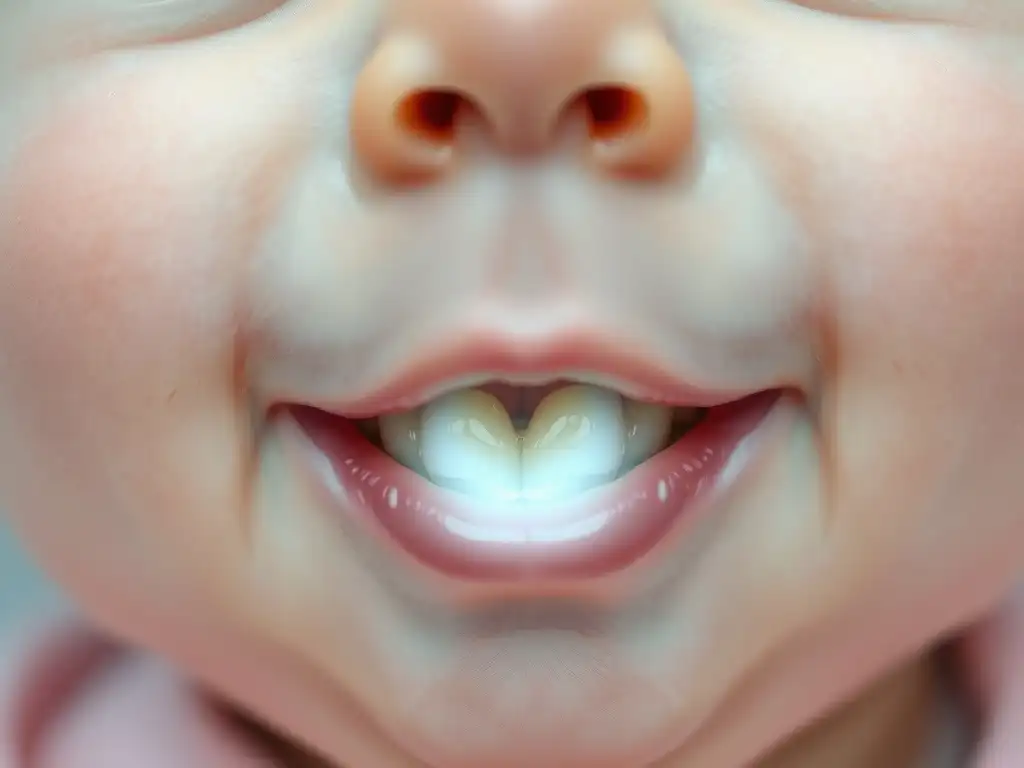
Teething, while a natural developmental milestone, can be a source of significant discomfort for babies, potentially impacting their feeding habits, especially for those formula-fed. Understanding how to mitigate these challenges is crucial for both baby and parent well-being. Effective strategies focus on managing pain and discomfort, ensuring proper nutrition and hydration, and addressing behavioral changes associated with teething. This section provides detailed guidance on preventing complications during this period.
Maintaining Good Oral Hygiene
Maintaining good oral hygiene is paramount, even before teeth emerge. Gentle cleaning of the gums with a clean, damp gauze pad or a soft baby toothbrush can help remove plaque and bacteria, reducing the risk of gum inflammation and infection, which can exacerbate teething discomfort. Start this routine early, ideally from birth. As teeth erupt, transition to a soft-bristled toothbrush designed specifically for babies and use a small amount of fluoride-free toothpaste (always follow the dentist's recommendations). Remember, the goal is gentle cleaning, not aggressive scrubbing.
The timing of the first dental visit is crucial. The American Academy of Pediatric Dentistry recommends a first dental visit within six months of the first tooth eruption or by the child's first birthday, whichever comes first. Early check-ups allow for early detection and prevention of dental problems. This early intervention can significantly reduce the likelihood of future dental issues and help manage teething discomfort effectively. Regular dental check-ups will also help establish good oral hygiene habits early in life.
Nutrition and Hydration During Teething
Teething can affect a baby's appetite and feeding habits. Some babies may feed less due to gum discomfort, potentially leading to dehydration and nutritional deficiencies. Maintaining adequate hydration is vital during this time. Offer frequent small amounts of formula throughout the day, ensuring the baby is still getting sufficient nutrients. If your baby seems less interested in feeding, try offering different temperatures of formula (slightly warmer or cooler). You can also consider using a soft-tipped silicone feeder or a chilled teething toy to soothe sore gums while providing hydration.
Nutritional needs remain constant during teething. Continue offering formula according to your baby's age and weight recommendations. If you notice a significant decrease in feeding, consult your pediatrician to rule out any underlying issues. Remember that the formula provides essential nutrients for growth and development, which are crucial even amidst the discomfort of teething. A balanced nutritional intake helps bolster the baby's immune system, making them better equipped to handle the discomfort. Monitoring diaper output is a valuable indicator of adequate hydration.
Addressing Irritability and Sleep Disruption
Teething often leads to increased irritability, fussiness, and disrupted sleep patterns. Babies may be more clingy, demanding more attention, and crying more frequently. While pain relief options exist, remember to always consult your pediatrician before administering any medication, especially for infants. The pediatrician can provide personalized recommendations based on your baby's age, health, and specific needs.
Several non-medicinal strategies can effectively soothe a teething baby. These include providing chilled teething toys, gently massaging the gums with a clean finger, or offering a cool, damp washcloth. Creating a calm and comfortable environment can also significantly improve sleep quality. Establishing a consistent bedtime routine and ensuring a dark, quiet room can help promote restful sleep.
Remember that consistent and predictable routines are incredibly beneficial for babies, particularly during periods of discomfort and stress like teething. Patience and understanding are essential during this time, as the irritability and sleep disruption are temporary phases. Focusing on comfort measures and maintaining a calm environment will help both baby and parent navigate this challenging period.
Formula Feeding Teething Pain Relief: When to Seek Professional Help
Teething is a normal part of baby development, but it can be incredibly uncomfortable for your little one, especially when combined with the routine of formula feeding. While many teething symptoms can be managed at home, knowing when to seek professional help is crucial for ensuring your baby's well-being. This section outlines scenarios requiring immediate medical attention and provides guidance on contacting your pediatrician or dentist for teething-related concerns, particularly when formula feeding is involved.
Remember, early intervention can make a significant difference in managing discomfort and preventing complications. This guide focuses on formula feeding teething pain relief, offering practical advice for parents.
Recognizing Signs of Severe Teething Discomfort
While mild fussiness, drooling, and gum rubbing are common teething symptoms, certain signs indicate your baby needs professional care. These signs are especially concerning when combined with formula feeding difficulties. Pay close attention to the following:
- High Fever: A temperature above 100.4°F (38°C) warrants immediate attention. A high fever, especially in conjunction with teething, could signal a more serious infection. 1
- Persistent Diarrhea or Vomiting: These symptoms, especially if accompanied by dehydration, require immediate medical attention. Dehydration can be particularly dangerous for infants, and it's vital to monitor fluid intake, especially during periods of discomfort from teething.
- Difficulty Breathing or Wheezing: Respiratory problems should never be ignored. If your baby is struggling to breathe, seek immediate medical assistance.
- Irritability and Fussiness Beyond Normal Teething: While some fussiness is expected, excessive crying, inconsolability, and inability to settle, especially during or after formula feeding, could indicate underlying issues.
- Refusal to Feed: While teething can make feeding uncomfortable, complete refusal to feed, particularly with formula, is a serious concern and indicates a potential underlying problem needing prompt attention. This is especially important to monitor with formula feeding, as maintaining adequate nutrition is vital for growth.
- Rash or Swelling: Any unusual rash or swelling around the mouth or gums may indicate an allergic reaction or infection. This warrants prompt consultation with a medical professional.
- Bleeding Gums: While some slight bleeding might occur, excessive bleeding from the gums could indicate a more significant problem.
1 Note: Fever guidelines can vary slightly; consult your pediatrician for specific advice.
Contacting Your Pediatrician or Dentist
If you notice any of the above symptoms, or if your baby's discomfort persists despite home remedies, it's essential to contact your pediatrician or dentist. They can assess your baby's condition, rule out any underlying medical issues, and recommend appropriate pain relief strategies tailored to your baby's age and health. When contacting your pediatrician, clearly describe the symptoms, including the duration, intensity, and any impact on formula feeding.
This information will help them provide the best possible advice and care. Early intervention is key to minimizing discomfort and ensuring your baby's well-being, especially when considering the impact on their nutrition via formula feeding.
In certain emergency situations, immediate medical attention is crucial. These situations include:
- Difficulty breathing: If your baby is struggling to breathe, call emergency services immediately. This is a life-threatening situation and requires prompt professional intervention.
- Seizures: Seizures are a medical emergency and necessitate immediate hospitalization. This is particularly critical to monitor in relation to fever and any potential underlying conditions.
- Loss of consciousness: Any loss of consciousness should be treated as a medical emergency. Call emergency services immediately.
- Severe dehydration: Signs of severe dehydration, such as sunken eyes, lack of tears, and dry mouth, require immediate medical attention. This is especially important to monitor when formula feeding is affected by teething pain.
Remember, it's always better to err on the side of caution. If you are ever unsure about your baby's condition, do not hesitate to contact your pediatrician or seek immediate medical attention. Your baby's health and well-being are paramount, especially when navigating the complexities of formula feeding and teething simultaneously. This proactive approach to formula feeding teething pain relief will contribute significantly to a smoother experience for both you and your child.
Frequently Asked Questions
How does formula feeding relate to teething pain?
Formula feeding itself doesn't directly cause teething pain. However, the increased drooling associated with teething can sometimes lead to more frequent feedings as babies seek comfort and hydration.
What can I do to soothe my formula-fed baby's teething pain?
Offer cold, hard teething toys to help numb the gums. You can also gently massage the gums with a clean finger. Over-the-counter pain relievers (like acetaminophen or ibuprofen – always check with your pediatrician first) can also provide relief.
My baby is fussy during formula feedings while teething. What should I try?
Try offering the formula at a slightly cooler temperature. A different bottle nipple might also help. Consider trying feeding your baby in a more upright position.
Are there any special formulas for teething babies?
No, there aren't special formulas designed specifically for teething. Focus on providing comfort and pain relief through the methods mentioned above.
When should I consult a pediatrician about my baby's teething pain?
Consult your pediatrician if your baby's pain seems severe, if they have a high fever, or if home remedies aren't providing sufficient relief. They can also rule out other potential causes of discomfort.
Final Reflection: Nurturing Through the Nights: Finding Comfort During Teething
The challenges of formula feeding and teething are far more common than many parents realize, impacting countless families and demanding a compassionate and informed approach. This isn't just about managing discomfort; it's about building a stronger bond during a vulnerable time in your baby's development.
The emotional toll of sleepless nights and a fussy baby is often underestimated. It's a journey that profoundly shapes the parent-child relationship, demanding patience, resilience, and a willingness to adapt. The most important thing a father can do for his children is to love their mother.
This sentiment, while traditionally focused on the mother-child bond, extends to the entire family unit, highlighting the importance of mutual support and understanding during challenging periods like teething. The strategies discussed in this article – from adjusting feeding techniques to exploring safe pain relief options – are not merely solutions, but tools to strengthen this vital connection.
You, as a parent, hold the power to navigate this phase with grace and effectiveness. Remember the information shared here, not as a rigid set of rules, but as a guide to empower you to make informed decisions for your little one. Take time to reflect on your own experiences, trust your instincts, and remember that this too shall pass. Embrace the opportunity to nurture your baby through this period, fostering a bond that will last a lifetime. Your love and dedication are the most potent remedies of all.
Unlock Your Baby's Comfort: Easing Teething Troubles
Thank you for learning more about managing teething discomfort in your baby! We hope you found the information helpful. Now, let's put this knowledge into action:
- Gentle gum massage: Gently rubbing your baby's gums with a clean finger or a chilled teething toy can provide significant relief.
- Soothing techniques: Offer a chilled teething ring or a cool, damp washcloth for your baby to chew on. A warm bath can also help relax your little one.
- Connect with other parents: Share your experiences and tips for managing teething discomfort with other parents in our BabyCareHub community forum. Let's support each other!
What soothing technique will you try tonight to ease your baby's teething pain?