
Feeding Your Baby the World Over: A Guide to Cultural Practices


Welcome to BabyCareHub, your ultimate guide to navigating the incredible journey of parenthood! Are you ready to unlock the secrets to raising a happy, healthy baby? We delve into the fascinating world of baby feeding cultural practices, exploring diverse approaches to nourishing your little one from around the globe. Discover how traditions influence feeding choices and learn what resonates with your family's values. Prepare to be amazed by the variety of techniques and insights awaiting you – let's explore the global landscape of infant nutrition together!
- Understanding Global Baby Feeding Cultural Practices
- North American Baby Feeding Traditions
- European Baby Feeding Customs
- Asian Baby Feeding Practices
- African Baby Feeding Traditions
- Latin American Baby Feeding Practices
- Global Perspectives on Baby Feeding: Key Considerations
-
Frequently Asked Questions
- What cultural practices significantly impact baby feeding choices?
- How do cultural beliefs affect the types of food given to babies?
- Are there cultural practices that could pose risks to infant health?
- How can I respectfully learn about different baby feeding cultures?
- Where can I find more information about safe and culturally sensitive baby feeding?
- Final Reflection: A World of Flavors, A World of Bonds
- Unlock Your Baby's Global Palate: A Culinary Adventure Awaits!
Understanding Global Baby Feeding Cultural Practices
Feeding your baby is one of the most fundamental aspects of childcare, a deeply personal journey shaped by individual choices, family traditions, and societal norms. However, what constitutes "proper" feeding practices is far from universal.
This article delves into the fascinating world of baby feeding cultural practices, exploring the diverse approaches to infant nutrition found across the globe. We'll examine the spectrum of breastfeeding techniques, weaning schedules, and the introduction of complementary foods, highlighting the rich tapestry of traditions that influence how parents nourish their newborns.
Understanding these variations is not merely an academic exercise; it fosters appreciation for the diverse ways families prioritize the health and well-being of their infants, enriching our understanding of global childcare practices and promoting a more inclusive approach to parenting advice. This exploration of Baby feeding cultural practices will provide valuable insights for first-time parents, enabling them to appreciate the breadth of approaches available and make informed decisions based on their own values and circumstances.
The Diversity of Infant Feeding Methods Across Cultures
Infant feeding methods exhibit remarkable diversity across cultures. While breastfeeding remains the globally recommended practice for optimal infant health, its implementation varies significantly. Some cultures emphasize extended breastfeeding, often continuing well into toddlerhood, while others have shorter durations. The frequency of feeding also differs, ranging from on-demand feeding, where babies are nursed whenever they show signs of hunger, to scheduled feeding, where feedings are spaced out at regular intervals. Furthermore, the introduction of complementary foods, such as solids, varies greatly depending on cultural norms and beliefs.
For example, in some cultures, the introduction of solid foods begins very early, even within the first few months of life, while others delay the introduction of solids until the baby is six months old or older. The types of foods introduced also vary considerably, reflecting local dietary habits and readily available resources. Some cultures favor a gradual introduction of single-ingredient purees, while others introduce a wider variety of textures and flavors from the start.
This diversity underscores the importance of considering cultural context when providing advice on infant feeding. Understanding these differences helps healthcare professionals and parents alike to provide culturally sensitive and appropriate guidance.
Breastfeeding Practices Around the Globe: Variations and Norms
Breastfeeding, while universally recognized as beneficial, is practiced differently across cultures. The duration of breastfeeding varies widely; some cultures promote exclusive breastfeeding for the first six months, while others incorporate complementary foods much earlier. Post-partum practices also differ significantly. Certain cultures emphasize rest and recovery for the mother, providing ample support during the initial weeks of breastfeeding. Others may encourage early resumption of daily activities, potentially influencing the frequency and duration of breastfeeding sessions.
The social support surrounding breastfeeding is another critical factor. In some cultures, breastfeeding is a highly public and accepted practice, with extended family members providing assistance and encouragement. In contrast, other cultures may favor more private breastfeeding, influenced by societal norms and modesty considerations. Furthermore, the use of lactation aids and supplements also varies considerably, reflecting differing cultural beliefs and access to resources. Understanding these variations in breastfeeding practices is crucial for providing culturally sensitive support and promoting successful breastfeeding outcomes globally. The social and environmental factors surrounding breastfeeding heavily influence the mother's experience and the baby's nutritional intake.
Complementary Foods: Cultural Influences on Weaning Schedules and Timing
The introduction of complementary foods, or weaning, is another area where cultural practices significantly influence infant nutrition. Weaning schedules vary dramatically, ranging from early introduction of solids at just a few months of age to delaying until six months or even later. The types of foods introduced also differ greatly, reflecting the local diet and available resources. Some cultures favor soft purees, while others introduce a wider variety of textures and flavors from the start, including finger foods and family meals.
The methods of food preparation also vary. Some cultures prioritize homemade, fresh foods, while others may utilize commercially prepared baby foods. The frequency and timing of complementary food introduction also differ based on cultural norms and beliefs. Some cultures follow a strict schedule, while others adopt a more flexible approach based on the baby's cues.
These variations highlight the importance of cultural sensitivity in providing guidance on weaning. Healthcare professionals should be aware of the prevalent practices within their communities to offer tailored advice that respects and supports diverse family traditions. The understanding and acceptance of these diverse approaches are key to providing effective support for parents worldwide.
Cultural Beliefs and Practices Surrounding Baby Feeding
Cultural beliefs significantly influence infant feeding practices worldwide. These beliefs aren't merely about sustenance; they're deeply intertwined with traditions, social norms, and spiritual values, shaping parental choices and impacting a baby's nutritional intake and overall well-being. For example, in some cultures, breastfeeding is seen as a sacred bond between mother and child, a practice deeply rooted in tradition and often extended for significantly longer periods than in other parts of the world.
The timing of introducing solid foods also varies drastically. Some cultures opt for early introduction, often with puréed versions of family meals, believing this aids in digestive development and familiarizes the baby with diverse flavors. Conversely, other cultures favor a later introduction of solids, adhering to specific timelines and prioritizing exclusive breastfeeding for several months.
The role of family and community in feeding decisions also differs. In many societies, extended family members play a crucial role in guiding parents on appropriate feeding practices, sharing their knowledge and experience across generations.
Grandmothers, aunts, and other female relatives often take a leading role in breastfeeding support and the introduction of solid foods, contributing to a strong sense of communal support. This contrasts with the more independent approach seen in other cultures where parents predominantly rely on healthcare professionals and readily available information to guide their decisions.
Furthermore, certain cultural practices might involve the use of traditional remedies or supplements alongside breast milk or formula, often passed down through generations and rooted in beliefs about boosting immunity or promoting healthy growth. It's crucial for parents to be aware of these practices and consult with healthcare professionals to ensure they are safe and do not interfere with the baby's nutritional needs.
The beliefs surrounding the types of food offered also vary significantly. Some cultures emphasize the introduction of specific foods believed to possess particular health benefits, such as certain herbs or spices thought to aid digestion or boost immunity. Others prioritize a gradual introduction of a variety of foods, allowing the baby to explore different tastes and textures. These choices often reflect the readily available food resources and traditional culinary practices within a specific culture.
Understanding these diverse beliefs and practices is fundamental to providing culturally sensitive care and support for parents around the globe. It is also vital to remember that these practices are deeply personal and often tied to a family's history and heritage, making respectful and informed guidance crucial for healthcare professionals and support networks. Ignoring these cultural nuances could lead to misunderstandings and potentially hinder a parent’s ability to provide optimal care for their child.
North American Baby Feeding Traditions

This section explores the prevalent baby feeding practices within the United States and Canada, highlighting key cultural nuances that influence infant nutrition. Understanding these traditions offers valuable insight into the diverse approaches to nourishing newborns and infants across North America. We will examine common feeding practices, available support systems for breastfeeding mothers, and the typical introduction of solid foods. This information is crucial for parents seeking to navigate the complexities of infant feeding within a North American context, contributing to a deeper understanding of "baby feeding cultural practices."
Common Feeding Practices in the United States and Canada
North American infant feeding practices are largely influenced by medical guidelines and readily available resources. While breastfeeding is widely promoted as the ideal method for the first six months, formula feeding remains a common and accepted alternative. Many factors contribute to a parent's choice, including personal preference, medical advice, and logistical considerations. Access to lactation consultants and support groups is generally good in urban areas, but can be limited in rural communities.
The prevalence of breastfeeding varies across demographic groups. Studies indicate higher breastfeeding rates among mothers with higher levels of education and income, highlighting socioeconomic disparities in access to support and resources. Furthermore, societal pressures and workplace policies can significantly impact a mother's ability to continue breastfeeding beyond the initial weeks or months. The availability of affordable, high-quality formula is another key factor influencing feeding choices.
A significant aspect of North American feeding practices is the emphasis on on-demand feeding, where babies are fed whenever they show signs of hunger, rather than adhering to strict schedules. This approach aligns with the belief that responsive feeding promotes healthy growth and development. However, this approach can lead to challenges for parents, especially those juggling work and childcare responsibilities.
Breastfeeding Support and Resources in North America
North America boasts a relatively robust network of breastfeeding support systems, although accessibility varies considerably based on geographical location and socioeconomic factors. Major hospitals and birthing centers typically employ lactation consultants who provide guidance and assistance to new mothers. Furthermore, numerous community-based organizations, such as La Leche League International and other local support groups, offer peer-to-peer support and educational resources. These groups often host meetings and workshops covering various aspects of breastfeeding, from latch techniques to overcoming common challenges.
Online resources also play a significant role in providing information and support. Numerous websites and apps offer evidence-based information on breastfeeding, answering frequently asked questions and providing troubleshooting tips. However, it's crucial to note that the quality and reliability of online information vary considerably, emphasizing the importance of consulting credible sources and healthcare professionals.
The availability of paid maternity leave also directly impacts a mother's ability to breastfeed. While policies vary across states and provinces, longer periods of paid leave generally correlate with higher breastfeeding rates. The lack of comprehensive and affordable childcare can also pose significant challenges for breastfeeding mothers returning to work.
Introduction of Solid Foods: North American Approaches
The introduction of solid foods in North America typically begins around six months of age, coinciding with developmental milestones such as the ability to sit upright and show interest in food. The recommended approach is to introduce single-ingredient foods one at a time, allowing parents to monitor for any allergic reactions. Pureed fruits and vegetables are often the first foods introduced, followed by cereals and other easily digestible options.
While there's a growing interest in baby-led weaning (BLW), where babies self-feed soft, age-appropriate foods, traditional pureed foods remain the most common approach. BLW emphasizes the baby's self-regulation of food intake and promotes the development of fine motor skills. However, it requires careful food preparation and supervision to ensure food safety and prevent choking hazards. The choice between purees and BLW often depends on parental preference, cultural background, and the baby's individual developmental progress.
Concerns regarding allergies and food sensitivities are prominent in North American infant feeding practices. Many parents opt to delay the introduction of common allergens, such as peanuts and eggs, based on advice from healthcare providers. However, recent research suggests that early introduction of allergens may actually reduce the risk of developing allergies in some children.
This evolving understanding highlights the importance of staying informed about current research and consulting with healthcare professionals for personalized guidance. The diverse approaches to introducing solid foods reflect the ongoing evolution of infant nutrition guidelines and parental choices within the North American cultural context, further shaping the landscape of "baby feeding cultural practices."
Addressing Common Concerns Regarding Baby Feeding in North America
North American baby feeding practices, while largely influenced by medical guidelines, also grapple with unique cultural anxieties and concerns. One prevalent worry centers around sufficient milk production in breastfeeding mothers. Many new mothers experience anxieties about whether their baby is getting enough milk, often leading to supplementation with formula even when breastfeeding is progressing well.
This anxiety is frequently fueled by societal pressures and a lack of consistent support networks, leaving mothers feeling isolated and questioning their abilities. Education on infant feeding cues, such as rooting, sucking, and content sleeping after feeding, is crucial in alleviating these concerns. Furthermore, access to lactation consultants and peer support groups can provide invaluable reassurance and practical guidance.
Another significant concern revolves around the introduction of solid foods. While pediatricians generally recommend starting around six months, cultural influences and differing opinions among family members can create confusion and pressure on parents. Some families may push for earlier introduction of solids, believing it will lead to better sleep or weight gain, while others may delay due to concerns about allergies or digestive issues.
Clear, evidence-based information emphasizing the importance of developmental readiness for solids and the potential risks of early introduction is essential to navigate these conflicting viewpoints and empower parents to make informed decisions. Moreover, addressing fears surrounding potential allergies through educational materials and open communication with healthcare providers can significantly reduce parental anxiety.
Finally, the ever-present debate surrounding breastfeeding versus formula feeding continues to be a source of stress for many North American parents. While breastfeeding is often promoted as the ideal choice, societal pressures can create feelings of guilt and inadequacy among mothers who choose or are unable to breastfeed. This is exacerbated by the pervasive marketing of formula, which can make it seem like a more convenient or superior option.
A balanced approach that acknowledges the benefits of both breastfeeding and formula feeding, emphasizing the importance of a healthy and happy baby regardless of feeding method, is crucial in reducing the stigma and judgment associated with feeding choices. Promoting positive messaging and support for all parenting styles is paramount to fostering a more inclusive and less judgmental environment. The focus should always remain on the baby's well-being and the parent's mental and emotional health.
European Baby Feeding Customs
This section delves into the diverse tapestry of baby feeding practices across Europe, highlighting both historical traditions and contemporary adaptations. We'll examine breastfeeding rates, cultural attitudes towards infant feeding, and common weaning practices, illustrating the fascinating variations within the continent. Understanding these nuances is crucial for appreciating the global landscape of baby feeding and its impact on infant health and development. The keyword "baby feeding cultural practices" is central to this exploration.
Traditional European Feeding Methods and Modern Adaptations
Traditional European feeding methods varied considerably depending on region and socioeconomic status. In many rural areas, breastfeeding was the norm, often extended for several years. Grandmothers and other female relatives played a pivotal role in guiding new mothers, sharing knowledge passed down through generations. This included techniques for positioning the baby, recognizing feeding cues, and addressing common breastfeeding challenges. However, formula feeding also existed, particularly in urban settings and among wealthier families, often using cow's milk or adapted mixtures.
The 20th century witnessed a significant shift, influenced by advancements in infant formula production and evolving medical advice. While breastfeeding promotion campaigns have gained traction in recent decades, formula feeding remains prevalent in various European countries. Modern adaptations often involve a blend of traditional practices and scientific recommendations, reflecting a dynamic interplay between cultural heritage and contemporary knowledge. For instance, while extended breastfeeding may be less common than in the past, the emphasis on on-demand feeding and responsive parenting aligns with some traditional approaches prioritizing the baby's cues.
Breastfeeding Rates and Cultural Attitudes in Europe
Breastfeeding rates across Europe show considerable variation. Northern European countries like Sweden and Norway consistently report high breastfeeding initiation rates, often attributed to strong public health initiatives and supportive social policies. These policies include paid maternity leave, access to lactation consultants, and workplace breastfeeding facilities. These countries also demonstrate a positive cultural attitude towards breastfeeding, with normalization efforts contributing to higher rates.
Conversely, some Southern European countries have lower breastfeeding rates, potentially influenced by factors such as earlier return to work, less readily available support systems, and differing cultural norms. Additionally, historical influences and societal expectations can play a significant role. For example, formula feeding might be perceived as more convenient in certain regions, impacting parental choices.
It's crucial to note that these are broad generalizations; regional differences within countries also exist. Further research is needed to fully understand the complex interplay of factors influencing breastfeeding rates across Europe. Data on specific breastfeeding duration and exclusivity would provide a more comprehensive picture.
Weaning Practices and Popular Complementary Foods in Europe
Weaning practices in Europe reflect a diverse range of cultural preferences and dietary traditions. The timing of introducing complementary foods varies, influenced by local customs and medical recommendations. While the World Health Organization (WHO) recommends exclusive breastfeeding for the first six months, many European countries see the introduction of solids begin around 4-6 months of age.
Popular complementary foods differ across regions. In many countries, pureed fruits and vegetables form the basis of early weaning, often followed by mashed or finely chopped foods. Traditional dishes, adapted for babies, are common. For example, you might find variations of vegetable soups, porridges made with grains like rice or oats, and finely pureed meats in different European countries. Cultural preferences also influence the types of foods introduced.
For instance, some regions might prioritize dairy products like yogurt or cheese earlier in the weaning process than others. The transition to family foods generally happens gradually, with age-appropriate adaptations ensuring safety and nutritional adequacy. Understanding these variations is crucial for providing culturally sensitive guidance to parents. [Specific data on regional weaning practices pending].
Cultural Differences in Baby Food Preparation and Selection
European cultures exhibit a fascinating diversity in their approaches to baby food preparation and selection, reflecting historical practices, regional availability of ingredients, and evolving nutritional understanding. While commercially produced baby food is readily available across the continent, many parents prioritize homemade options, often incorporating traditional recipes passed down through generations.
For example, in Italy, homemade brodo vegetale (vegetable broth) forms the base of many first foods. This broth, often simmered for hours with a variety of vegetables like carrots, zucchini, and potatoes, is considered gentle on a baby's digestive system and provides essential nutrients. The emphasis is on simple, fresh ingredients, mirroring the broader Italian culinary tradition. Introducing pureed fruits like apples, pears, and peaches follows closely, often mixed with a dollop of yogurt for added probiotics.
Conversely, in Scandinavia, the introduction of solid foods often leans towards a more "baby-led weaning" approach. Parents might offer soft, cooked pieces of vegetables like broccoli or carrots, allowing the baby to self-feed and explore different textures. This method emphasizes the baby's self-regulation of food intake and fosters a healthy relationship with food from an early age. Porridge, made from oats or other grains, is also a staple first food in many Scandinavian countries, providing a good source of fiber and carbohydrates.
The selection of ingredients also varies significantly across Europe. In some Eastern European countries, traditional recipes might incorporate ingredients like barley or buckwheat, reflecting the historical availability of these grains. In contrast, Mediterranean countries often prioritize fruits and vegetables rich in olive oil, reflecting the region's healthy diet principles. This highlights how geographical location and traditional food production heavily influence the type of food introduced to infants.
The transition from purees to more textured foods also differs; some cultures favor a gradual progression, while others embrace a more rapid introduction of varied textures and flavors. The timing of introducing solids also varies slightly, with some countries slightly earlier or later than others, although the general recommendation of 4-6 months generally applies across the continent. Understanding these subtle nuances is crucial for appreciating the diversity of European baby feeding practices.
Asian Baby Feeding Practices

This section delves into the diverse and fascinating world of baby feeding practices across Asia, exploring how tradition intertwines with modern influences to shape infant nutrition. We'll examine breastfeeding customs, popular complementary foods, and weaning methods, highlighting the rich tapestry of cultural approaches to infant feeding across this vast continent. Understanding these variations is crucial for appreciating the global landscape of baby feeding cultural practices.
Traditional Asian Infant Feeding Practices and Modern Influences
Traditional Asian infant feeding practices often emphasized breastfeeding for an extended period, sometimes lasting well into toddlerhood. This practice was deeply rooted in cultural beliefs about the nutritional and immunological benefits of breast milk, fostering a strong mother-child bond. Grandmothers and other experienced family members played a significant role, providing guidance and support to new mothers. For example, in many parts of India, traditional Ayurvedic practices emphasized the use of herbal remedies to support breastfeeding and the mother's overall health. However, the rise of globalization and urbanization has brought significant changes. Formula feeding is becoming increasingly prevalent, particularly in urban areas, driven by factors such as changing work patterns, marketing influences, and a perceived lack of adequate breastfeeding support. The impact of this shift on infant health and well-being requires further investigation. The nutritional content of traditional complementary foods, often rich in locally sourced ingredients, also needs careful consideration in the context of modern dietary guidelines.
Breastfeeding Customs and Support in Asian Countries
Breastfeeding rates and customs vary considerably across Asian countries. Some regions maintain high rates of exclusive breastfeeding, often facilitated by strong social support networks and cultural norms that prioritize breastfeeding. In contrast, other areas experience lower rates, influenced by factors such as socioeconomic status, access to healthcare, and marketing of formula milk. For instance, countries like Vietnam and parts of South Korea have demonstrably high rates of breastfeeding, often due to strong family support systems and community-based initiatives promoting breastfeeding.
Conversely, rapid urbanization in some parts of China has led to a decline in breastfeeding rates, with a corresponding increase in formula feeding. Access to reliable information and culturally sensitive breastfeeding support is a critical factor in promoting successful breastfeeding across Asia. Further research is needed to understand the specific cultural barriers to breastfeeding in various Asian communities, and to develop effective interventions to improve breastfeeding rates and duration.
Popular Complementary Foods and Weaning Methods in Asia
The introduction of complementary foods marks a significant milestone in infant development and nutrition. Across Asia, a wide variety of foods are introduced, reflecting the local culinary traditions and readily available ingredients. Rice porridge, often fortified with vegetables and lentils, is a common staple in many Asian countries. In some regions, purees made from fruits and vegetables are introduced early, while other cultures favor finely chopped or mashed foods. The timing of weaning also varies, with some cultures opting for early weaning, while others continue breastfeeding for a longer duration. For example, in Japan, the introduction of okayu (rice porridge) is a traditional practice, often starting around six months of age. Meanwhile, in parts of Southeast Asia, a wider variety of foods, including fish and meats, may be introduced earlier. Understanding the nutritional composition and safety of these traditional complementary foods is crucial for ensuring adequate infant nutrition. More research is needed to optimize these traditional practices in the context of modern nutritional guidelines, balancing cultural appropriateness with evidence-based recommendations for optimal infant growth and development. This careful consideration of both cultural sensitivities and scientific evidence is key to successfully navigating baby feeding cultural practices across Asia.
Cultural Beliefs and Practices Affecting Baby Feeding in Asia
Asian cultures exhibit a vast diversity in baby feeding practices, deeply intertwined with deeply rooted beliefs and traditions passed down through generations. These practices aren't merely about sustenance; they are integral to a holistic approach to child-rearing, reflecting cultural values and philosophies concerning health, well-being, and family harmony. Understanding these nuances is crucial for healthcare professionals and parents alike, fostering respectful and effective communication and ensuring the best possible care for the baby.
One common thread across many Asian cultures is the emphasis on "hot" and "cold" foods. This traditional system of medicine, often incorporating elements of Traditional Chinese Medicine (TCM) and Ayurveda, categorizes foods based on their perceived thermal properties. The belief is that maintaining a balance between these properties is essential for the baby's health.
For instance, after childbirth, mothers in some regions might be encouraged to consume primarily "warming" foods to restore their energy and promote healing. This philosophy also influences the foods introduced to the baby, with the timing and types of foods carefully considered to maintain this delicate balance. The specific foods considered "hot" or "cold" vary considerably across different Asian countries and even within regions of the same country.
Another significant factor is the role of family and community. In many Asian societies, childcare is a collective responsibility, shared amongst family members and neighbors. Grandmothers and other experienced women often play a pivotal role in guiding new parents on feeding practices, passing down traditional knowledge and recipes. This collective approach can be beneficial, offering valuable support and a sense of community, but it can also lead to conflicting advice if traditional practices clash with modern medical recommendations. Navigating this dynamic requires careful consideration and open communication between parents and their support network.
Furthermore, breastfeeding practices vary significantly across Asia. While breastfeeding is widely encouraged and considered the ideal method in many cultures, the duration and exclusivity of breastfeeding can differ. Some cultures emphasize extended breastfeeding, often continuing well into toddlerhood, while others may opt for a combination of breastfeeding and formula feeding. These choices are often influenced by cultural norms, family traditions, and individual circumstances. For example, in some regions, the use of herbal teas and supplements to enhance milk production is common, reflecting a belief in the power of natural remedies.
Finally, the introduction of complementary foods is another area where cultural beliefs play a significant role. The timing and types of foods introduced to the baby are often guided by traditional practices and beliefs about appropriate developmental milestones. Some cultures may introduce solid foods earlier than others, while others emphasize a gradual transition to complementary foods, often starting with easily digestible options like rice porridge or pureed vegetables. These practices are often interwoven with beliefs about the baby's digestive system and overall development. Understanding these cultural nuances is crucial to avoid misunderstandings and ensure the baby receives proper nutrition.
African Baby Feeding Traditions
This section explores the diverse tapestry of baby feeding cultural practices across the African continent, highlighting both traditional methods and the evolving influences of modern practices. Understanding these nuances is crucial for healthcare providers and parents alike, fostering culturally sensitive care and promoting optimal infant health. The keyword "baby feeding cultural practices" is central to our exploration of this rich and varied subject.
Traditional African Feeding Methods and Contemporary Shifts
Traditional African feeding practices often emphasized breastfeeding as the primary source of nutrition for infants, extending well beyond the first six months. Many cultures incorporated the use of herbal remedies and traditional foods to support breastfeeding mothers and supplement the baby's diet. For instance, in some parts of West Africa, mothers might consume specific foods believed to increase milk production or enhance the baby's health. These practices, passed down through generations, are deeply ingrained in cultural identity.
However, globalization and urbanization have introduced significant shifts. The increased availability of formula milk and processed foods presents both opportunities and challenges. While formula offers convenience, it can also disrupt traditional breastfeeding patterns and potentially lead to nutritional deficiencies if not used appropriately. Furthermore, the shift towards urban lifestyles often means a decrease in access to traditional foods and support networks that once sustained breastfeeding mothers.
This necessitates a nuanced approach to healthcare, acknowledging the value of traditional knowledge while addressing the realities of modern living. Understanding these shifts is crucial for effectively promoting optimal infant nutrition. The term "baby feeding cultural practices" encompasses both the traditional and contemporary aspects of infant feeding in Africa.
The impact on the prevalence of breastfeeding is significant. Data indicates [specific data on breastfeeding rates in various African regions pending], showcasing the regional variations and the influence of modernization. Further research is required to fully understand the long-term effects of these changes on infant health outcomes.
Breastfeeding Norms and Practices Across African Cultures
Breastfeeding norms vary significantly across different African cultures. While extended breastfeeding is common in many areas, the duration and exclusivity of breastfeeding practices differ. Some cultures may practice on-demand breastfeeding, responding to the infant's cues, while others may follow more structured feeding schedules. The role of extended family members in supporting breastfeeding mothers is significant in many African communities. Grandmothers, aunts, and other female relatives often play crucial roles in providing guidance, practical assistance, and emotional support. This network of support is invaluable, contributing significantly to the success of breastfeeding.
Additionally, the concept of "baby feeding cultural practices" includes beliefs and customs surrounding breastfeeding. Some communities have specific rituals or ceremonies associated with breastfeeding, marking milestones or seeking blessings for the mother and child. For example, [specific example of a breastfeeding ritual in a particular African culture pending]. These practices are not merely traditions but also integral parts of the cultural landscape, shaping attitudes and behaviors related to infant feeding. Understanding these cultural nuances is essential for healthcare providers to deliver culturally sensitive care.
Complementary Foods and Weaning Practices in Africa
The introduction of complementary foods marks another critical phase in infant feeding, heavily influenced by cultural practices. The timing of weaning varies greatly across African cultures, influenced by factors such as maternal nutritional status, access to diverse foods, and traditional beliefs. Traditional complementary foods are often rich in nutrients and adapted to the local environment and dietary staples. For instance, many communities utilize locally grown grains, legumes, and vegetables, offering a diverse range of essential nutrients. These foods are often prepared in ways that are both culturally significant and nutritionally beneficial.
However, the increasing prevalence of processed foods and the influence of Western diets pose challenges. The shift towards commercially produced baby foods may lead to a decline in the consumption of traditional nutrient-rich foods. This potential nutritional shift necessitates careful consideration and appropriate guidance to ensure that complementary feeding continues to support optimal infant growth and development.
The concept of "baby feeding cultural practices" is closely intertwined with the specific foods introduced during weaning and the methods of preparation. A detailed understanding of these practices is crucial to support healthy infant development while respecting cultural diversity. Further research is needed to [specify research needs regarding the impact of dietary shifts on infant health in Africa].
Cultural Beliefs and Practices Surrounding Baby Food and Nutrition in Africa
African cultures exhibit a rich tapestry of beliefs and practices surrounding infant feeding, often deeply intertwined with tradition and spirituality. These practices vary significantly across the continent's diverse regions and ethnic groups, reflecting the unique environments and available resources. For instance, in many West African communities, breastfeeding is considered not just a nutritional necessity but a sacred bond between mother and child, fostering a strong emotional connection.
The timing of weaning and the introduction of solid foods are often guided by traditional beliefs and practices passed down through generations. Mothers might consult elder women or traditional healers for advice on appropriate foods and feeding schedules. These consultations often incorporate traditional remedies and beliefs about the protective powers of certain foods in promoting the baby's health and well-being.
The types of foods introduced during weaning also vary widely. In some regions, porridge made from grains like millet, sorghum, or maize forms the cornerstone of complementary feeding. These porridges are often enriched with nutrient-rich ingredients like mashed vegetables, legumes, and groundnuts, reflecting the local agricultural landscape and dietary staples.
Other communities might prioritize foods believed to enhance specific qualities in the child, such as strength, intelligence, or beauty. For example, certain herbs and spices might be added to the baby's food to promote healthy growth or ward off illness according to traditional medicine. It's crucial to understand that these practices are not merely superstitious; they stem from centuries of accumulated knowledge about local food sources and their impact on child health within specific environments.
However, it's important to acknowledge the evolving landscape of infant feeding practices in Africa. Modernization, urbanization, and exposure to global influences are gradually impacting traditional practices. While many families continue to adhere to traditional beliefs, others are increasingly adopting modern approaches to infant feeding, often incorporating recommendations from healthcare professionals and international organizations.
This blend of traditional and modern practices presents both opportunities and challenges. While maintaining culturally relevant practices can be beneficial for fostering a sense of continuity and cultural identity, it's vital to ensure that these practices do not compromise the child's nutritional needs or health. A balanced approach that integrates traditional wisdom with evidence-based guidelines is crucial for promoting optimal child health and well-being across Africa.
This necessitates a careful understanding of the interplay between cultural beliefs and modern nutritional science. Further research is needed to fully understand the long-term effects of these diverse practices on child development and health outcomes. [Specific data on long-term health outcomes pending].
Latin American Baby Feeding Practices
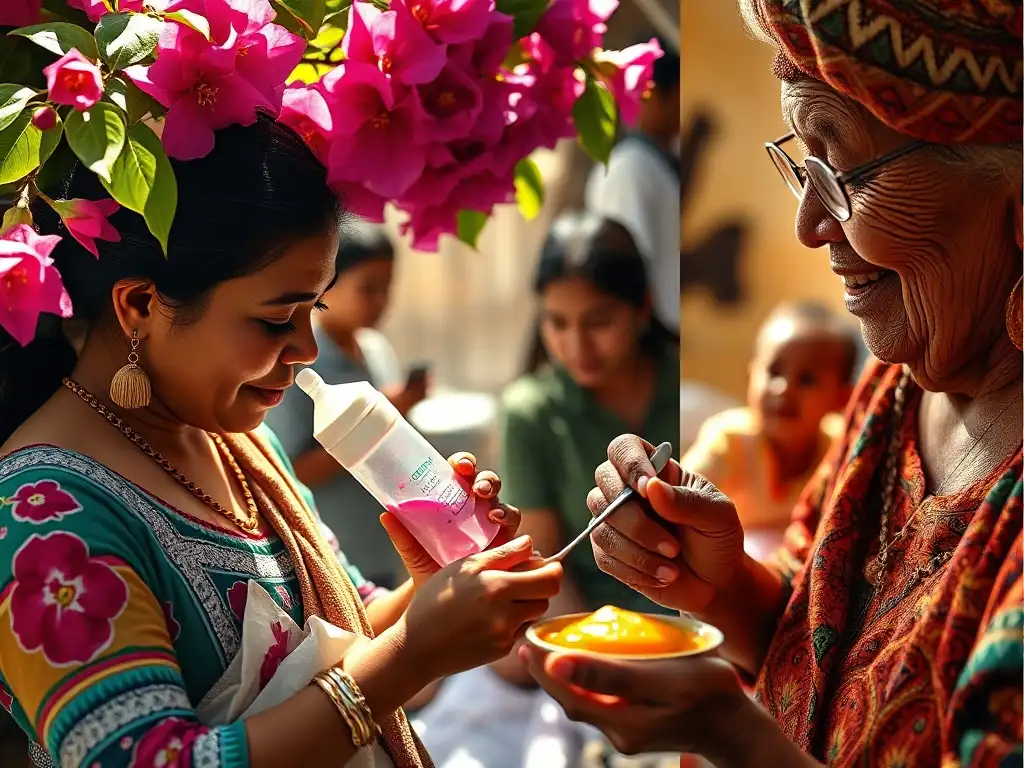
Latin America, a region encompassing a vast array of cultures and traditions, presents a diverse landscape of infant feeding practices. While modern influences from global health organizations and Westernized lifestyles are increasingly prevalent, many traditional methods persist, intertwining with contemporary approaches to create a unique and multifaceted system of infant nutrition. Understanding these nuances is crucial for healthcare professionals and parents alike, fostering a more culturally sensitive and effective approach to infant care. This section delves into the key aspects of baby feeding cultural practices within Latin America, focusing on traditional methods, breastfeeding rates, and weaning transitions.
Traditional Latin American Feeding Methods and Modern Influences
Traditional Latin American baby feeding often emphasizes close physical contact between mother and child. Breastfeeding is widely accepted and frequently extended beyond the recommended duration in many communities. However, the methods employed vary significantly across countries and even within regions. For example, in some rural communities, the practice of co-sleeping is common, facilitating on-demand breastfeeding and strengthening the mother-child bond. This close proximity also contributes to the regulation of infant temperature and promotes a feeling of security.
In contrast, urban areas often see a greater adoption of scheduled feeding routines, influenced by Westernized childcare practices. This shift reflects changing lifestyles and societal pressures, sometimes leading to a decrease in exclusive breastfeeding duration. Moreover, the introduction of formula feeding is becoming increasingly common, particularly in urban centers, due to factors such as perceived convenience and societal pressures surrounding working mothers.
The availability and affordability of formula also play a considerable role. While breastfeeding remains a cultural ideal in many parts of Latin America, economic disparities can influence the practicality and feasibility of exclusive breastfeeding, particularly in lower socioeconomic groups. This highlights the need for comprehensive support systems that promote breastfeeding while acknowledging the socioeconomic realities faced by many families.
Furthermore, the use of traditional remedies and herbal concoctions to support breastfeeding and infant digestion is still prevalent in many communities. These practices, often passed down through generations, are sometimes integrated alongside modern medical advice, showcasing a blend of traditional and contemporary approaches to infant care. Further research is needed to fully understand the efficacy and safety of these traditional remedies.
Breastfeeding Rates and Cultural Attitudes in Latin America
Breastfeeding rates in Latin America show considerable variation. While many countries boast relatively high rates of initiation, sustained exclusive breastfeeding for the recommended six months remains a challenge. Several factors contribute to this disparity. These include inadequate access to maternal support services, insufficient education regarding breastfeeding techniques, and societal pressures that promote formula feeding as a more modern and convenient option.
Cultural attitudes towards breastfeeding are generally positive, with breastfeeding seen as a natural and essential aspect of motherhood. However, these attitudes can be influenced by factors such as education levels, socioeconomic status, and exposure to modern media. In some communities, the practice of breastfeeding in public might be perceived differently than in others, highlighting the importance of promoting a supportive environment that normalizes breastfeeding and reduces stigma.
Data on precise breastfeeding rates across various Latin American countries is constantly evolving, and further research is needed to provide a comprehensive picture. [Specific breastfeeding rate data pending for various Latin American countries]. However, existing studies indicate a clear correlation between socioeconomic factors and breastfeeding duration, with women from lower socioeconomic backgrounds often experiencing shorter breastfeeding periods due to various constraints.
Weaning Practices and Popular Complementary Foods in Latin America
Weaning practices in Latin America are similarly diverse, reflecting the region's varied culinary traditions and cultural norms. The timing of weaning varies greatly, ranging from six months to well over a year, depending on factors such as maternal preference, cultural norms, and infant readiness. Traditional weaning practices often involve the gradual introduction of soft, easily digestible foods, such as pureed fruits and vegetables, mashed beans, and rice porridges.
Popular complementary foods include a wide variety of locally sourced ingredients. These often include starchy staples like rice, corn, and potatoes, along with legumes, fruits, and vegetables. Meat and poultry are also commonly incorporated once the infant is developmentally ready. The preparation methods vary across different cultures, with some preferring simple purees while others opt for more textured foods, reflecting the diverse culinary traditions of the region.
The nutritional content of these complementary foods is crucial, ensuring adequate provision of essential nutrients as the infant transitions from breast milk or formula. However, the nutritional quality and safety of these foods can vary depending on factors such as food security, access to clean water, and hygiene practices. Therefore, public health initiatives focusing on nutrition education and food safety are essential in supporting healthy weaning practices across Latin America. The introduction of allergenic foods also follows different timelines and cultural practices across the region, emphasizing the need for culturally sensitive guidelines on infant nutrition.
Cultural Beliefs and Practices Affecting Baby Feeding in Latin America
Latin American cultures are incredibly diverse, encompassing a vast array of traditions and beliefs that significantly influence infant feeding practices. These practices are often deeply rooted in generational knowledge passed down through families and communities, sometimes intertwining with indigenous traditions and blending with influences from European colonization and more recent global trends. Understanding these nuances is crucial for healthcare providers and parents alike to ensure culturally sensitive and appropriate support.
One common belief across many Latin American countries is the importance of la lactancia materna, or breastfeeding. While formula feeding is increasingly prevalent, particularly in urban areas, breastfeeding is often seen as the ideal, providing not only nourishment but also emotional bonding and protection against illness. This belief is frequently reinforced by family members and community elders, who may actively encourage and support breastfeeding mothers.
However, the duration of breastfeeding can vary considerably depending on factors such as socioeconomic status, access to resources, and individual family preferences. Some families may breastfeed exclusively for several months, while others may introduce complementary foods earlier.
Another significant factor influencing feeding practices is the emphasis on family and community support. Grandmothers, aunts, and other female relatives often play a vital role in caring for newborns and providing guidance on feeding. Their experience and knowledge are highly valued, and their advice is often followed closely by new parents. This strong family support system can be incredibly beneficial, offering practical help and emotional reassurance, but it can also lead to conflicting advice or the perpetuation of outdated practices. For example, some traditional beliefs might suggest remedies or foods for colic that aren't necessarily evidence-based.
Furthermore, access to resources plays a significant role. In rural areas or low-income communities, access to formula, clean water, and healthcare services may be limited, leading to a greater reliance on breastfeeding and traditional methods of food preparation. Conversely, in urban settings with greater access to resources, formula feeding may be more common, particularly among working mothers or those with limited breastfeeding support.
This disparity highlights the complex interplay between cultural beliefs, socioeconomic factors, and readily available resources in shaping feeding choices. Understanding these disparities is key to developing effective and equitable interventions to promote optimal infant nutrition across all segments of Latin American societies. The influence of these cultural factors necessitates a holistic approach to infant feeding support, one that respects and incorporates traditional knowledge while also promoting evidence-based practices for optimal infant health and development.
Global Perspectives on Baby Feeding: Key Considerations
This section delves into the diverse approaches to infant feeding practiced across the globe, highlighting the crucial role of cultural context in shaping these practices. Understanding these variations is paramount for healthcare providers and caregivers alike, ensuring that advice is culturally sensitive and effectively supports the well-being of infants and their families.
We will explore how cultural norms influence feeding choices, from the type of milk offered to the methods of feeding, and the importance of respecting these differences in providing guidance. The goal is to promote a nuanced understanding of "baby feeding cultural practices" and their impact on infant health and development.
The Importance of Cultural Sensitivity in Infant Feeding Advice
Providing infant feeding advice requires a high degree of cultural sensitivity. What might be considered best practice in one culture could be entirely inappropriate or even offensive in another. For instance, recommending formula feeding to a family in a community that strongly values breastfeeding could be met with resistance and even distrust. Similarly, ignoring traditional weaning practices could lead to nutritional deficiencies or other health problems.
Effective communication is key. Healthcare professionals must actively listen to parents' concerns and understand their cultural beliefs before offering any recommendations. This involves asking open-ended questions, actively listening to their responses, and validating their experiences. It's not about imposing Westernized ideals; it's about working with families to find solutions that align with their values and traditions while ensuring the baby's nutritional needs are met. This approach fosters trust and ensures that families feel empowered to make informed decisions about their baby's care. Ignoring cultural nuances can lead to poor adherence to advice and potentially negative health outcomes.
Adapting Feeding Recommendations to Cultural Contexts
Adapting feeding recommendations requires a deep understanding of the specific cultural context. This goes beyond simply acknowledging that different cultures exist; it necessitates a detailed understanding of the cultural values, beliefs, and practices related to infant feeding. Consider these examples:
- Breastfeeding duration: In some cultures, breastfeeding continues for several years, while in others, it may be shorter. Advising a mother to wean her child early when it's culturally acceptable to breastfeed longer could be detrimental to the mother-child bond and the child's health.
- Complementary foods: The timing and type of complementary foods introduced vary widely. Some cultures introduce solids much earlier than others, and the types of foods introduced often reflect traditional dietary patterns. Prescribing a feeding schedule that ignores these established practices could lead to parental anxiety and potential nutritional imbalances.
- Feeding methods: The methods of feeding also vary, from direct breastfeeding to bottle-feeding to spoon-feeding. Understanding and respecting these variations is crucial in providing appropriate guidance.
A successful approach involves collaborative decision-making, respecting parental autonomy, and tailoring recommendations to the specific cultural context. This might involve working with community health workers who understand local customs and can effectively communicate with families. Furthermore, providing resources and education in the family's native language is crucial for effective communication and understanding.
Addressing Cultural Misconceptions about Baby Feeding
Many cultural misconceptions surrounding baby feeding can hinder optimal infant health. These misconceptions often stem from a lack of accurate information or from deeply ingrained traditional beliefs that may not align with current scientific understanding. It is crucial to address these misconceptions with sensitivity and respect, providing evidence-based information while acknowledging the validity of cultural practices.
For example, some cultures believe that certain foods or drinks should be avoided during breastfeeding, leading to potential nutritional deficiencies for both mother and baby. Similarly, there might be beliefs surrounding the timing of introducing complementary foods, leading to delayed introduction of crucial nutrients. Addressing these misconceptions requires a careful balance between providing accurate information and respecting cultural beliefs. This might involve presenting evidence-based information in a culturally sensitive way, perhaps by highlighting how certain practices can be modified to better support infant health without compromising cultural values.
Furthermore, providing culturally appropriate educational materials and involving community leaders can be effective strategies. The key is to foster a dialogue, not a confrontation, to ensure that families feel supported and empowered in their decisions. This approach helps ensure that families receive the best possible care while respecting their cultural heritage and beliefs.
Promoting Healthy Infant Feeding Practices Globally
Promoting optimal infant and young child feeding (IYCF) practices globally is a complex undertaking, demanding a multifaceted approach. The World Health Organization (WHO) and UNICEF have spearheaded numerous initiatives, emphasizing the importance of exclusive breastfeeding for the first six months of life, followed by the introduction of appropriate complementary foods while continuing breastfeeding for up to two years or beyond.
These recommendations are rooted in extensive research demonstrating the profound benefits of breastfeeding for both the infant's health and development and the mother's well-being. However, translating these evidence-based recommendations into real-world practices requires overcoming significant cultural, socioeconomic, and infrastructural barriers.
One major challenge lies in addressing the pervasive marketing of breast milk substitutes. Aggressive advertising campaigns often target vulnerable populations, undermining the confidence of mothers in their ability to breastfeed successfully. Regulations aimed at restricting the marketing of these products are crucial, but enforcement remains a significant hurdle in many parts of the world.
Furthermore, societal norms and cultural beliefs can significantly influence feeding choices. In some communities, formula feeding might be perceived as a sign of modernity or affluence, overshadowing the considerable benefits of breastfeeding. Educational campaigns need to be culturally sensitive and tailored to address these specific perceptions.
Moreover, access to healthcare services plays a critical role. Many mothers lack access to skilled healthcare professionals who can provide breastfeeding support and guidance, particularly in rural or underserved areas. The establishment of well-equipped maternal and child health centers, coupled with training programs for healthcare workers, is essential to ensure that mothers receive the necessary support. Furthermore, providing adequate maternal leave policies is crucial, allowing mothers sufficient time to establish breastfeeding and bond with their newborns.
These policies not only support the mother's well-being but also contribute to better breastfeeding outcomes. The integration of these initiatives into national health strategies is vital for long-term success. This includes allocating sufficient resources, implementing effective monitoring and evaluation mechanisms, and fostering collaborative partnerships between governments, NGOs, and communities.
Ultimately, promoting healthy IYCF practices is not just about disseminating information; it's about empowering mothers and creating supportive environments that enable them to make informed choices for their children's health and well-being. The success of these efforts hinges on a commitment to equity, ensuring that all mothers, irrespective of their socioeconomic status or geographic location, have access to the necessary resources and support to nurture their children optimally. This involves addressing underlying issues of poverty, inequality, and lack of access to clean water and sanitation, all of which significantly impact infant health and nutrition.
Frequently Asked Questions
What cultural practices significantly impact baby feeding choices?
Many cultures have unique traditions. For example, breastfeeding duration varies widely, with some cultures promoting extended breastfeeding while others encourage early weaning. Introduction of solid foods also differs greatly based on cultural norms and beliefs.
How do cultural beliefs affect the types of food given to babies?
Cultural preferences heavily influence the types of foods introduced. Some cultures prioritize breast milk exclusively, while others incorporate rice cereal, purees, or family foods early on. Traditional recipes and ingredients also play a significant role.
Are there cultural practices that could pose risks to infant health?
While most cultural practices are beneficial, some could pose risks. For example, delaying the introduction of essential nutrients or giving foods that are inappropriate for a baby's digestive system could have negative consequences. Always consult a pediatrician.
How can I respectfully learn about different baby feeding cultures?
Researching reputable sources on global childcare practices is a great starting point. Talking to parents from diverse backgrounds (with their permission) and being open to learning about their traditions can offer valuable insights. Remember to approach this with sensitivity and respect.
Where can I find more information about safe and culturally sensitive baby feeding?
Consult your pediatrician for guidance tailored to your baby’s needs and your family's cultural background. Additionally, reliable sources like the World Health Organization (WHO) and other reputable organizations offer evidence-based information on infant nutrition.
Final Reflection: A World of Flavors, A World of Bonds
The way we feed our babies is not just about nutrition; it's a powerful reflection of culture, family, and the enduring bond between parent and child. This exploration of diverse baby feeding practices across the globe reveals a tapestry woven with tradition, innovation, and unwavering love. Understanding these variations is crucial in a world increasingly interconnected, fostering empathy and challenging preconceived notions about "correct" feeding methods.
The impact of cultural feeding practices extends far beyond the immediate act of nourishment. It shapes a child's relationship with food, their sense of identity, and their connection to their heritage. Food is symbolic of love when words are inadequate.
This quote perfectly encapsulates the emotional depth embedded in these practices, highlighting how feeding a baby transcends mere sustenance and becomes a powerful expression of care and belonging. The subtle nuances, from the ingredients used to the rituals surrounding mealtimes, all contribute to a child's developing understanding of the world and their place within it.
Consider the lessons learned within these pages. How can you apply this newfound appreciation for diverse feeding practices to your own life, whether you are a parent, caregiver, or simply a curious individual? Embrace the richness of global traditions, challenge your own biases, and remember that the love and care expressed through feeding are universal languages spoken across cultures. Let this journey into the world of baby feeding inspire you to celebrate the diversity of human experience and the enduring power of connection.
Unlock Your Baby's Global Palate: A Culinary Adventure Awaits!
Thank you for joining us on this delicious journey exploring global baby feeding practices! We hope you gained valuable insights into the diverse and fascinating world of introducing solids to your little one. Now, let's put your newfound knowledge into action!
- Embark on a culinary exploration: Try a new recipe inspired by one of the cultures discussed in this article. Start with small portions, focusing on introducing one new ingredient or flavor combination at a time. Pay attention to your baby's reactions and preferences, and don't hesitate to adjust accordingly.
- Share your experiences: Tell us (and other parents!) about your baby's response to a new food or cultural approach. What surprised or delighted you the most?
- Expand your research: Explore baby food resources specific to the cultures that have piqued your interest. There's a world of delicious discoveries waiting to be made!
Ready to expand your little one's culinary horizons and discover new flavors together? Which exciting cultural dish are you most eager to try with your baby?