
Decoding Baby Food Stages: Purees, Mashes, and Beyond

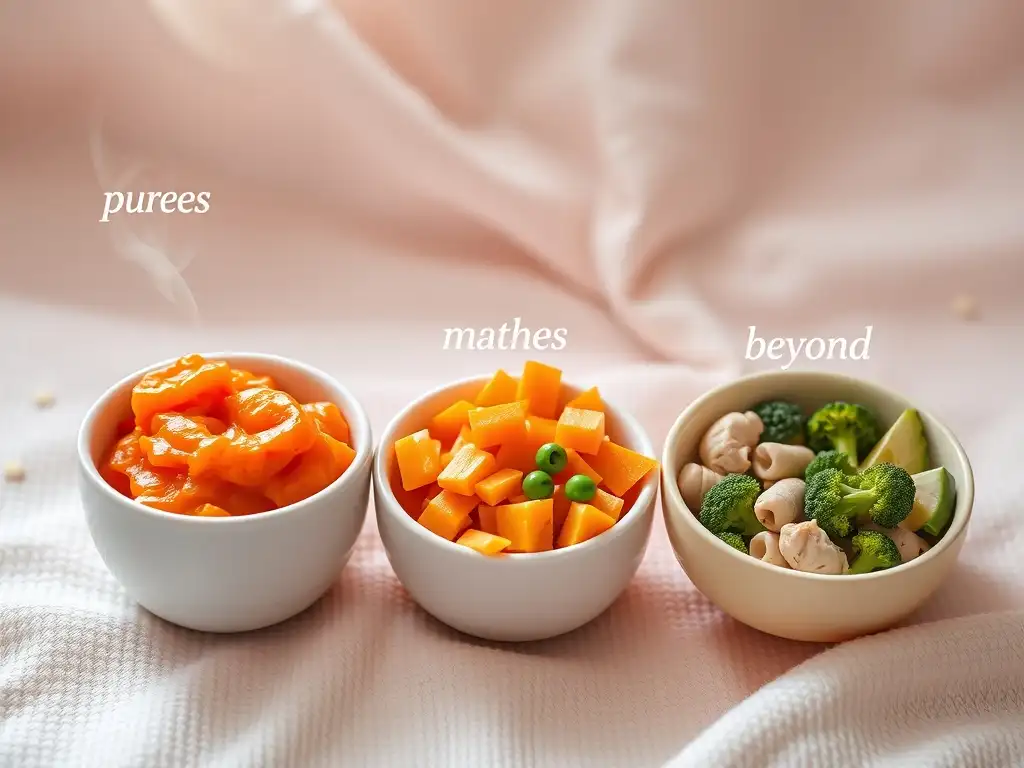
Welcome to BabyCareHub, your ultimate guide to navigating the exciting yet often overwhelming world of parenthood. Are you ready to confidently embark on your baby's feeding journey? Then discover the secrets to successful weaning with our detailed Baby Food Stage Chart. This comprehensive resource will demystify the transition from milk to solids, guiding you through purees, mashes, and beyond, ensuring your little one thrives at every stage. Dive in and unlock the knowledge you need to nourish your baby's growth!
- Understanding the Baby Food Stage Chart: A Comprehensive Guide
- Baby Food Stage Chart: Ages and Food Types
- Beyond the Stages: Finger Foods and Family Meals
- Addressing Common Concerns: Allergies, Sensitivities, and Picky Eaters
- Frequently Asked Questions
- Final Reflection: Nourishing the Future, One Stage at a Time
- Unlock Your Little One's Culinary Journey!
Understanding the Baby Food Stage Chart: A Comprehensive Guide
Navigating the world of baby food can feel overwhelming for first-time parents. This comprehensive guide will help you understand the different stages of introducing solid foods to your baby, providing a clear roadmap to ensure your little one receives the proper nutrition for healthy growth and development. We'll explore the key milestones, from the initial introduction of purees to the exciting transition to finger foods, helping you confidently create a balanced and enjoyable eating experience for your baby.
This guide aims to serve as your ultimate "baby food stage chart," providing a detailed and practical approach to this crucial aspect of infant care. Understanding these stages will not only simplify the process but also help you identify potential issues and ensure your baby thrives. We'll cover everything from selecting appropriate purees and preparing homemade options to minimizing allergic reactions and gradually introducing a wider variety of textures and flavors.
Let's embark on this journey together! 🎉
Introducing Solid Foods: When to Start and What to Expect
Introducing solid foods is a significant milestone in your baby's development. While guidelines suggest starting around 6 months of age, it's crucial to consider your baby's individual cues. Look for signs of readiness, such as the ability to sit upright with minimal support, showing interest in your food, and exhibiting good head and neck control.
Before starting solids, consult your pediatrician to ensure your baby is developmentally ready and to discuss any potential allergies or health concerns. The initial introduction of solids should be gradual, starting with small amounts of single-ingredient purees to monitor for any allergic reactions. Expect some messiness—it's all part of the learning process!
Remember, the goal is to introduce new tastes and textures, not necessarily to replace breast milk or formula as the primary source of nutrition in the early stages. Patience and a positive approach are key to making this experience enjoyable for both you and your baby.
Stage 1: Purees – The Foundation of Baby Food
Stage 1 focuses on introducing single-ingredient purees, which provide a smooth, easily digestible base for your baby's developing digestive system. These purees serve as a foundation for expanding their palate and introducing a variety of nutrients. This stage is crucial for identifying potential allergies, as introducing one ingredient at a time allows you to easily pinpoint any adverse reactions.
It's essential to start with very small portions and observe your baby for any signs of discomfort, such as rashes, vomiting, or diarrhea. The transition to solids should be gradual, allowing your baby time to adjust to new tastes and textures. Consistency is key—introducing new foods one at a time and waiting a few days before introducing a new one will help you identify any potential allergies or intolerances.
Selecting the Right Purees for Your Baby
Choosing the right purees for your baby involves considering several factors. Opt for organic, high-quality ingredients whenever possible, avoiding added sugars, salts, and preservatives. Start with simple, single-ingredient purees like sweet potato, avocado, or butternut squash. Gradually introduce new flavors and textures, observing your baby's reactions closely. Avoid honey until after their first birthday due to the risk of botulism.
Pay attention to the consistency—it should be smooth and easily spoonable. Pre-made purees are convenient, but homemade purees allow you greater control over ingredients and freshness. Remember to always check the nutritional information and ingredient list before purchasing pre-made options. A diverse range of purees ensures your baby receives a wide array of essential vitamins and minerals.
Preparing Homemade Baby Food Purees: Simple Recipes and Tips
Preparing homemade baby food purees is surprisingly simple and offers numerous benefits, including control over ingredients and freshness. Start with simple recipes, such as steaming or boiling vegetables until tender, then blending them until smooth. Fruits can be pureed similarly, ensuring they are ripe and free from blemishes. You can add a touch of breast milk or formula to adjust the consistency if needed. Store homemade purees in ice cube trays or small containers, freezing them for future use.
Remember to label and date each container for easy tracking. Always ensure the puree is cooled to a safe temperature before feeding it to your baby. Experiment with different flavor combinations as your baby progresses, always introducing one new ingredient at a time. Simple recipes using readily available ingredients are ideal for starting your baby's food journey.
Introducing Single-Ingredient Purees: Minimizing Allergic Reactions
Introducing single-ingredient purees is the best way to minimize the risk of allergic reactions. Start with hypoallergenic options like sweet potato or avocado, introducing one new ingredient every 2-3 days. This allows you to carefully monitor your baby's reaction to each food. Keep a food diary to note any unusual symptoms, such as rashes, vomiting, or diarrhea.
If you notice any allergic reactions, immediately stop feeding that particular food and consult your pediatrician. Remember that early introduction of potential allergens, such as peanuts (after consulting your pediatrician), can actually help reduce the risk of developing allergies later in life. Always prioritize safety and carefully observe your baby's response to each new food. This careful approach helps create a safe and healthy introduction to solid foods.
Stage 2: Mashes – Adding Texture and Variety
Once your baby has mastered the art of purees, it's time to introduce mashes! This stage focuses on gradually increasing the texture of your baby's food, preparing them for more complex meals and building crucial oral motor skills. The transition to mashes should be smooth and gradual, carefully observing your baby's cues for readiness. Remember, every baby develops at their own pace, so don't rush the process.
Patience and observation are key. The goal here isn't just about nutrition; it's about developing the muscles needed for chewing and swallowing, laying the groundwork for future eating habits. Introducing a variety of flavors and textures at this stage also helps to broaden your baby's palate and prevents picky eating later on. This stage typically begins around 7-9 months, but always consult your pediatrician for personalized guidance.
Transitioning from Purees to Mashes: A Smooth Transition
The transition from purees to mashes should be seamless. Start by slightly reducing the liquid content in your purees, making them thicker. You can also add a small amount of finely mashed cooked vegetables or fruits to your existing purees. Observe your baby's reaction. If they seem to struggle, go back to the purees for a day or two before trying again.
A good indicator of readiness is your baby's ability to manage the puree without excessive gagging or spitting. Another helpful technique is to start with foods that are naturally easy to mash, such as well-cooked sweet potatoes or avocado. These foods offer a naturally smooth, slightly chunky texture that is a perfect bridge between purees and mashes. Remember, consistency is key. Gradually increase the chunkiness over several days or weeks.
Mashing Techniques for Different Foods
Different foods require different mashing techniques. For example, softer fruits like bananas or avocados can be easily mashed with a fork. Cooked vegetables like carrots or peas may need a little more effort, potentially using a potato masher or a food processor. Remember to always cook vegetables until they are very tender before mashing. Overly firm pieces can pose a choking hazard.
For meats, you can cook them until very tender and then finely shred or mash them with a fork. Always ensure the food is thoroughly cooked to prevent bacterial contamination. Experiment with different techniques to find what works best for you and your baby's preferred consistency. Some parents find that blending the food to a slightly coarser texture is preferred over using a fork.
Combining Flavors and Textures in Stage 2
Stage 2 offers a fantastic opportunity to introduce a wider variety of flavors and textures. Try mixing different fruits and vegetables to create unique combinations. For example, you can mash sweet potatoes with applesauce for a naturally sweet and slightly tangy combination. Or, try mixing mashed peas with finely shredded chicken for a protein-rich and nutritious meal.
Remember to introduce new foods one at a time, waiting at least 2-3 days before introducing another new food to monitor for any allergic reactions. Keep a food diary to track your baby's intake and any potential reactions. This stage is all about experimentation and finding combinations that your baby enjoys.
Stage 3: Soft Foods – Building Chewing Skills
Stage 3 marks a significant leap in your baby's eating journey, focusing on soft, easily chewable foods that encourage the development of chewing skills. This stage typically begins around 9-12 months, but always consult your pediatrician for personalized advice. The focus is on transitioning from mashed foods to foods with slightly more texture and larger pieces that require more chewing. This stage is crucial for the development of jaw muscles and coordination between the tongue, lips, and jaw. Introducing a variety of textures and consistencies helps to stimulate the development of these crucial skills.
Introducing Soft, Easily Chewable Foods
Soft cooked vegetables like broccoli florets, well-cooked pasta, or soft pieces of fruit like ripe bananas or peaches are ideal choices for stage 3. Ensure that the food is soft enough to be easily mashed with the gums, but also provides some resistance to encourage chewing. Steamed or roasted vegetables are great options because they retain their nutrients and soften easily without becoming mushy. Remember to cut foods into small, manageable pieces to minimize choking hazards. Avoid hard or crunchy foods, like raw carrots or chips, until later stages. Always supervise your baby while they are eating.
Managing Choking Hazards: Safe Food Choices for Stage 3
Safety is paramount during this stage. Choose foods that are soft and easily dissolvable in the mouth. Avoid foods that are round or slippery, like grapes or cherry tomatoes, as these can easily block the airway. Cut all foods into small, manageable pieces, ideally no larger than ½ inch. Supervise your baby closely during mealtimes, and never leave them unattended while eating. Learn the Heimlich maneuver for infants, just in case of an emergency, and always have a plan in place. Remember, even soft foods can pose a choking risk if not prepared properly.
Encouraging Self-Feeding: Strategies for Success
Stage 3 is a great time to encourage self-feeding. Offer your baby soft, easily graspable foods, like cooked pasta or small pieces of soft fruit. Use utensils specifically designed for babies, like soft-tipped spoons or forks. Allow your baby to explore their food with their hands and mouth. It's messy, but it's also a crucial part of their development.
Be patient and supportive, and celebrate their successes. Remember that self-feeding is a skill that takes time and practice. Don't be discouraged by the mess; focus on the positive development it encourages. 🎉 The more opportunities they have to explore their food, the more confident they will become.
Baby Food Stage Chart: Ages and Food Types
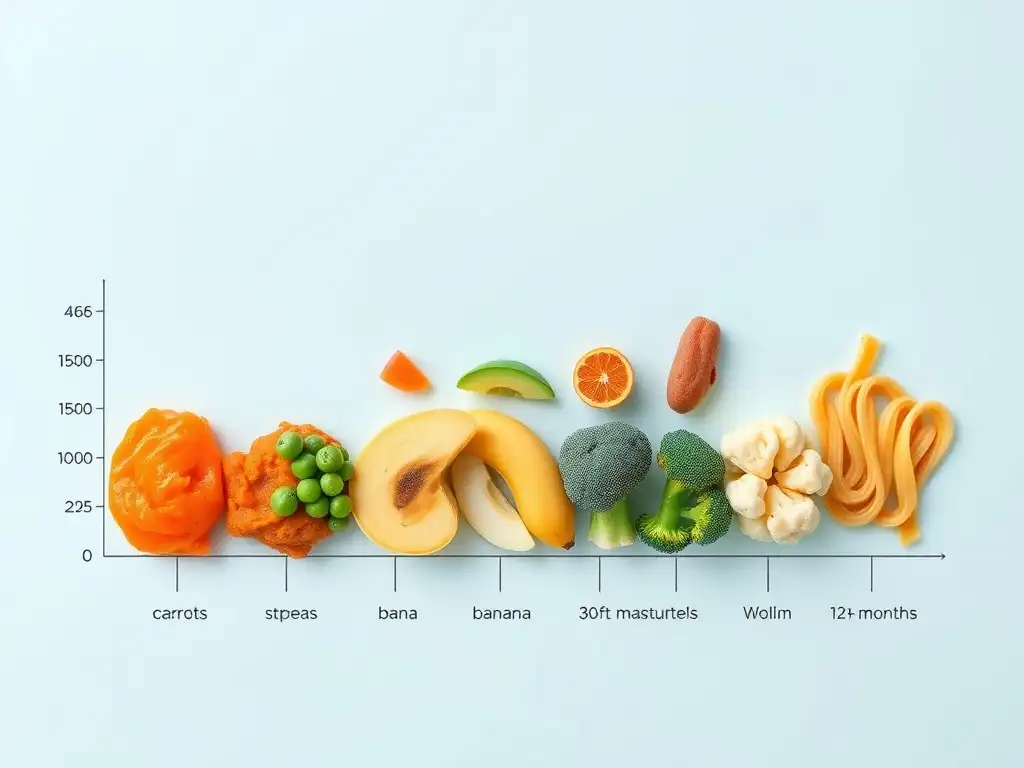
This section provides a detailed baby food stage chart, outlining the typical ages and corresponding food types suitable for your little one. Remember, this is a guideline; individual babies develop at different paces. Always consult your pediatrician before introducing new foods. A personalized approach is key to ensuring your baby's healthy growth and development. This chart focuses on the progression from purees to more textured foods, offering a roadmap for navigating this exciting journey.
Age-Appropriate Food Selection: A Practical Guide
Introducing solid foods is a significant milestone. The transition should be gradual and tailored to your baby's readiness. Signs of readiness include good head control, the ability to sit upright with support, and showing interest in food.
Here's a practical guide to age-appropriate food selection, focusing on texture and nutritional value:
Stage 1 (4-6 Months): Single-Ingredient Purees
- Focus: Single-ingredient purees to assess for allergies.
- Examples: Sweet potato, avocado, butternut squash, carrots, peas.
- Texture: Very smooth and thin, almost liquid-like.
- Important Note: Introduce one new food at a time, waiting 2-3 days to observe for any allergic reactions. Keep a food diary to track what you introduce and your baby's reaction.
Stage 2 (6-8 Months): Introducing More Textures
- Focus: Gradually increasing texture and introducing multiple ingredients.
- Examples: Mashed bananas, finely pureed fruits (applesauce, pears), well-cooked and pureed vegetables (green beans, broccoli).
- Texture: Slightly thicker purees; still smooth but with some small lumps.
- Tip: You can thin purees with breast milk or formula if necessary.
Stage 3 (8-10 Months): Mashes and Soft Foods
- Focus: Moving towards softer, chunkier foods.
- Examples: Mashed avocado, well-cooked pasta, soft cooked vegetables (cut into small, manageable pieces), finely shredded chicken or fish.
- Texture: Noticeably chunkier; your baby should be able to manage small, soft pieces.
- Important: Always supervise your baby while eating to prevent choking.
Stage 4 (10-12 Months+): Finger Foods and Family Meals
- Focus: Offering a wider variety of foods, including finger foods and family meals (appropriately prepared).
- Examples: Soft cooked vegetables (broccoli florets, carrot sticks), small pieces of well-cooked meat, soft fruits (berries, melon), whole-grain toast fingers, well-cooked pasta.
- Texture: A wider variety of textures, from soft to slightly firmer.
- Caution: Always cut food into small, manageable pieces to minimize choking hazards.
This structured approach helps your baby develop the necessary chewing and swallowing skills. Remember, every baby is unique!
Building a Balanced Diet: Nutritional Considerations for Each Stage
Providing a balanced diet is crucial for your baby's growth and development. Each stage requires a focus on specific nutrients:
| Stage | Key Nutrients | Food Examples |
|---|---|---|
| Stage 1 | Iron, Vitamin A, Vitamin C | Sweet potato, avocado, carrots, peas |
| Stage 2 | Iron, Vitamin A, Vitamin C, Fiber | Bananas, applesauce, green beans, broccoli |
| Stage 3 | Iron, Zinc, Protein, Calcium | Chicken, fish, pasta, soft cooked vegetables |
| Stage 4 | Vitamins, Minerals, Protein, Healthy Fats | Variety of fruits, vegetables, whole grains, lean protein |
Iron is particularly important in the early stages, supporting healthy blood development. Vitamin A and C contribute to immune function and overall growth. As your baby progresses, protein becomes increasingly important for muscle development. Introducing a variety of fruits and vegetables ensures a broad spectrum of essential vitamins and minerals.
Remember to consult your pediatrician or a registered dietitian for personalized dietary advice. They can help you create a meal plan that perfectly suits your baby's unique needs and developmental stage.
Common Baby Food Stage Milestones and Developmental Considerations
This section highlights typical developmental milestones related to baby food stages. These milestones are not rigid; variations are normal.
- 4-6 Months: Initial introduction of purees. Babies may initially refuse solid food, but persistence is key. Focus on small amounts and positive reinforcement. Gagging is normal, but vomiting or choking requires immediate attention.
- 6-8 Months: Babies develop better tongue control and begin to manage slightly thicker purees. They might start to self-feed with their hands, though messy eating is expected. Introduce foods with different textures gradually.
- 8-10 Months: Pincer grasp develops, allowing babies to pick up small pieces of food. Mashed and soft foods become more common. Choking remains a concern, so careful supervision is crucial.
- 10-12 Months+: Babies can manage a wider range of textures and self-feeding becomes more refined. Introduce family meals, adapting the textures and sizes of food to minimize choking hazards. Food allergies should be carefully monitored throughout this period.
Understanding these developmental milestones helps you tailor your baby's feeding experience, encouraging healthy eating habits and positive food associations. Remember, patience and flexibility are vital during this phase. Every baby progresses at their own pace, and celebrating their achievements is crucial for a positive and nurturing feeding journey. 🎉
Beyond the Stages: Finger Foods and Family Meals
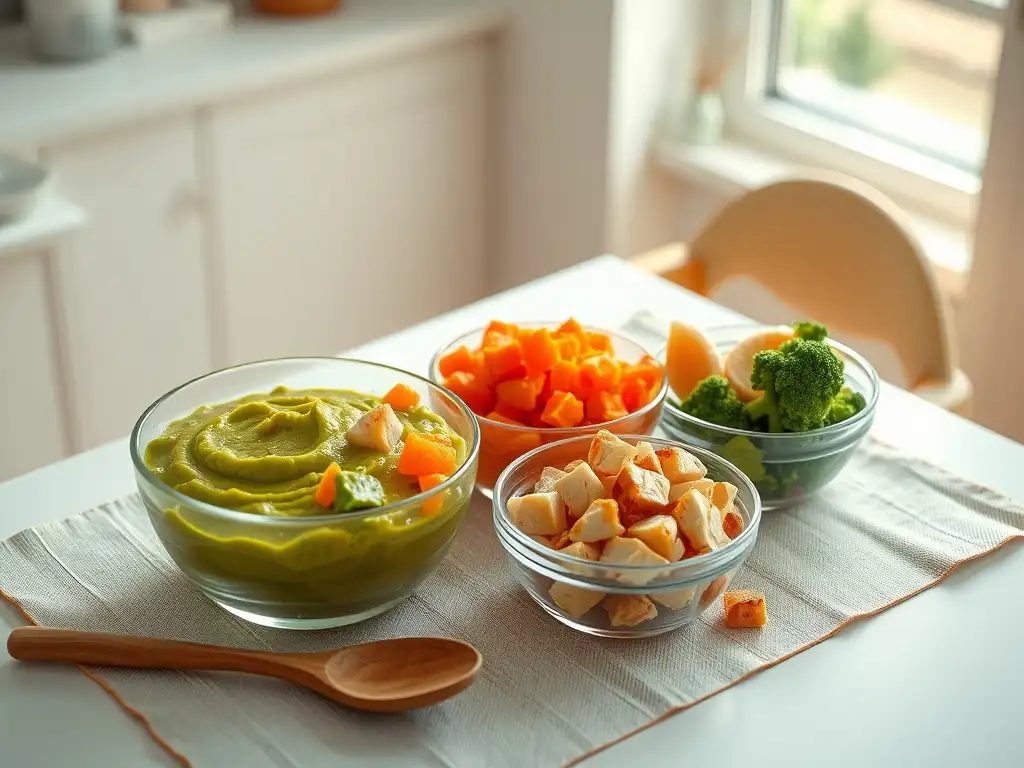
This section moves beyond the structured purees and mashes of earlier baby food stages, focusing on the exciting transition to finger foods and the eventual inclusion of your little one in family mealtimes. This is a crucial step in your baby's development, fostering independence, fine motor skills, and a healthy relationship with food. Successfully navigating this phase requires careful planning and a keen understanding of potential choking hazards.
A well-structured approach to introducing finger foods is key to a smooth transition and a positive eating experience for both you and your baby. This section will serve as your guide to this important milestone in your baby's journey.
Introducing Finger Foods: Promoting Independence and Skill Development
Introducing finger foods marks a significant developmental leap for your baby. It's not just about nutrition; it's about promoting self-feeding, enhancing hand-eye coordination, and building crucial fine motor skills. The timing of introduction is crucial; most babies are ready between 6 and 9 months old, showing signs of being able to sit upright unsupported and exhibiting an interest in grabbing and manipulating objects.
Remember, this is a learning process. Expect some mess! Initially, your baby may be more interested in exploring the texture and feel of the food than actually eating it. This is perfectly normal. Be patient and encouraging. Offer a variety of soft, easily-graspable foods to provide diverse sensory experiences.
Consider these milestones as indicators of readiness:
- Sitting unsupported: Your baby should be able to sit steadily without support to safely manage finger foods.
- Reaching and grasping: They should demonstrate the ability to reach for and grasp objects with a pincer grasp (using thumb and forefinger).
- Showing interest: Observe if your baby shows interest in the food you are eating. This is a strong indicator of readiness.
- Chewing and gumming: They should be able to gum and chew on soft foods.
The transition should be gradual. Start with one or two new finger foods per week, observing for any allergic reactions. Keep a food diary to track introduction and any responses. This careful approach will help you identify potential allergens early on.
Safe Finger Foods for Babies: Avoiding Choking Hazards
Safety is paramount when introducing finger foods. Choking is a serious concern, so choosing appropriate foods is crucial. Opt for soft, easily dissolvable options that are cut into small, manageable pieces. Avoid anything round or hard that could easily become lodged in the airway.
Here's a handy guide to safe finger foods:
| Food Type | Safe Options | Unsafe Options |
|---|---|---|
| Fruits | Soft cooked fruits (e.g., banana slices, well-cooked pear, avocado) | Grapes (whole), cherry tomatoes (whole) |
| Vegetables | Steamed carrot sticks, cooked green beans | Raw carrots, celery sticks |
| Proteins | Soft cooked chicken, well-cooked pasta | Hard-boiled eggs (whole), raw meats |
| Other | Puffs (check ingredients for allergens), well-cooked sweet potato | Nuts, popcorn, hard candies |
Remember to always supervise your baby while they are eating finger foods. Never leave them unattended. Learn the Heimlich maneuver for infants in case of a choking emergency. Early intervention is key. Regularly check for signs of choking, such as coughing, gagging, or turning blue. This vigilance will help ensure a safe and enjoyable experience.
As your baby grows and develops, incorporating them into family mealtimes becomes a natural progression. This not only enhances their social development but also exposes them to a wider variety of flavors and textures. However, adapting family recipes for your baby requires careful consideration.
Focus on creating age-appropriate versions of your family meals. Soft, easily mashed or pureed versions of the main course are ideal. For example, if you're having roasted chicken, offer your baby well-cooked, shredded chicken. If you're having steamed vegetables, offer soft, well-cooked pieces. Avoid adding salt, sugar, or excessive spices. Remember, your baby's palate is still developing, and you want to encourage a preference for natural flavors.
Remember to always remove bones and hard pieces from food before serving it to your baby. This is crucial for preventing choking hazards. Observe your baby's cues. If they are not interested in a particular food, don't force them. Offer a variety of nutritious options, and let them guide their own food choices. This approach helps cultivate a healthy and positive relationship with food from a young age. 👶
Addressing Common Concerns: Allergies, Sensitivities, and Picky Eaters
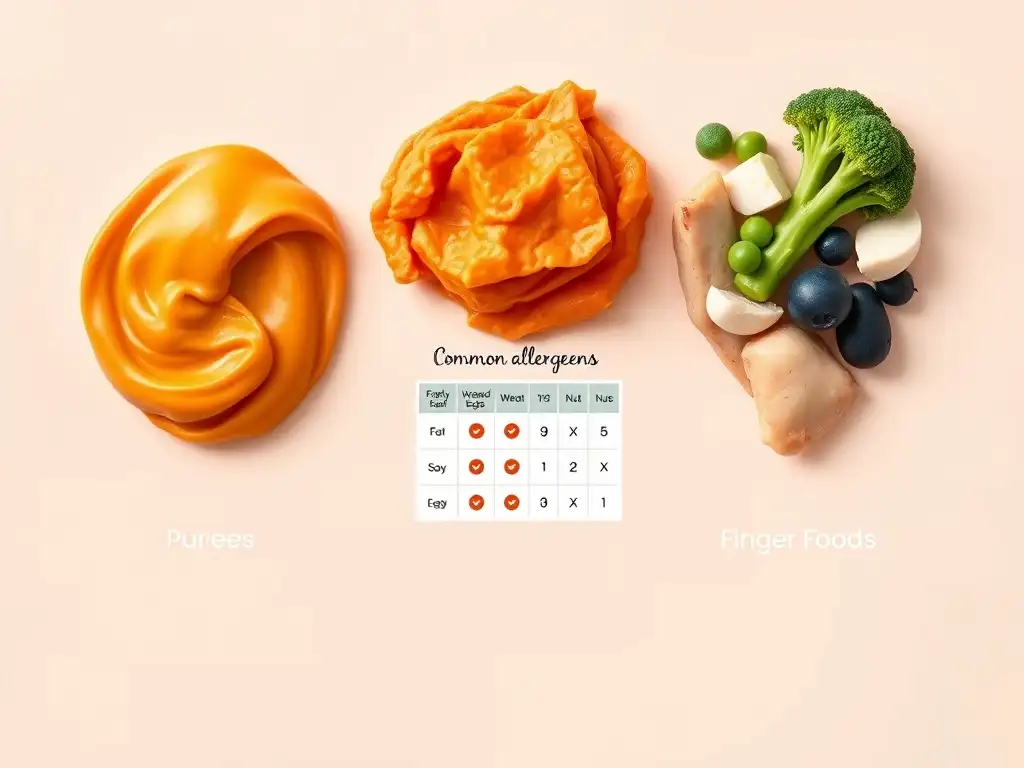
Introducing solid foods is an exciting milestone, but it also brings potential concerns. Understanding how to navigate food allergies, sensitivities, and picky eating is crucial for ensuring your baby's healthy development and overall well-being. This section will provide practical strategies to address these common challenges. Remember, always consult your pediatrician before introducing new foods or if you have any concerns about your baby's health.
Identifying and Managing Food Allergies: Signs and Symptoms
Food allergies are a serious concern, and early identification is key. While some allergic reactions are immediate and severe (anaphylaxis), others can be more subtle and develop over time. Common signs and symptoms of a food allergy can include:
- Skin reactions: Hives, eczema, rash, itching
- Gastrointestinal issues: Vomiting, diarrhea, abdominal pain, bloating
- Respiratory symptoms: Wheezing, coughing, difficulty breathing
- Other symptoms: Swelling of the lips, tongue, or throat; dizziness; faintness
It's important to note that a food allergy is a different condition than a food intolerance. While both can cause discomfort, food allergies trigger a significant immune system response, potentially leading to life-threatening reactions. Food intolerances, on the other hand, cause digestive upset but don't involve the immune system.
Introducing Allergens: The American Academy of Pediatrics (AAP) recommends introducing common allergens like peanuts, eggs, dairy, soy, and wheat between 4 and 6 months of age, alongside other foods. This early introduction can potentially reduce the risk of developing allergies. However, always introduce one new allergen at a time, waiting 2-3 days to observe for any reactions before introducing another. Keep a detailed food diary to track your baby's intake and any potential reactions. This information is invaluable for identifying potential triggers and discussing with your pediatrician.
Picky eating is common, especially during the transition to solid foods. Babies are naturally curious explorers, and their tastes can change frequently. While it's normal for babies to reject certain foods, there are strategies to encourage a healthy and varied diet:
- Offer a variety of foods: Repeatedly offering a variety of healthy foods, even if your baby initially refuses them, can increase acceptance over time.
- Make it fun: Use playful language, fun shapes (using cookie cutters), or colorful presentation to make mealtimes more enjoyable.
- Be patient and persistent: Don't force your baby to eat, but continue offering healthy options. It can take multiple exposures to a new food before a baby accepts it.
- Avoid power struggles: Mealtimes should be positive experiences. Avoid making it a battle of wills.
- Lead by example: Children often learn eating habits from their parents. Show them that you enjoy eating a variety of healthy foods.
Remember, a baby's nutritional needs can vary. If you have significant concerns about your baby's eating habits, consult your pediatrician or a registered dietitian. They can help you assess your baby's nutritional intake and develop strategies to address any concerns.
Addressing Food Sensitivities: A Cautious Approach
Food sensitivities are different from allergies. They don't involve the immune system but can still cause digestive discomfort like gas, bloating, or diarrhea. Common culprits include dairy, soy, wheat, and eggs. If you suspect your baby has a food sensitivity, consider eliminating the suspected food for a period (under medical supervision) and then reintroducing it gradually to observe for any reactions. Keep meticulous records of your baby's diet and any symptoms experienced.
The process of identifying food sensitivities requires careful observation and, ideally, the guidance of a healthcare professional. Eliminating foods without proper medical guidance can lead to nutritional deficiencies. Therefore, working closely with your pediatrician or a registered dietitian is crucial to ensure your baby receives all the necessary nutrients.
A detailed food diary, meticulously noting both food intake and any subsequent reactions, is an invaluable tool in this process. This allows for a clearer picture of potential triggers and facilitates more informed decisions regarding your baby's diet. Remember, the goal is to support your baby's healthy growth and development while managing any potential sensitivities effectively.
Frequently Asked Questions
When should I start introducing solids to my baby?
Most experts recommend starting around 6 months of age, when your baby shows signs of readiness like good head control and interest in food. Don't start before 4 months, and always consult your pediatrician.
What are the different stages of baby food?
The stages typically progress from smooth purees to lumpy purees, then mashed foods, and finally soft table foods cut into small, manageable pieces. This gradual progression helps your baby develop chewing and swallowing skills.
What are some good first foods for my baby?
Good options include single-ingredient purees like sweet potato, avocado, or carrots. Avoid honey and high-allergen foods like peanuts (unless advised by your doctor) initially. Introduce new foods one at a time to monitor for allergies.
How do I know if my baby is ready to move to the next stage of baby food?
Look for cues like your baby showing interest in chewing and being able to manage different textures. If they are pushing food out with their tongue consistently, you might need to stay at the current stage a little longer.
Where can I find a visual guide to baby food stages?
BabyCareHub offers a comprehensive baby food stage chart to help you navigate this process. Our website provides a step-by-step guide with visuals to make introducing solids easier and safer.
Final Reflection: Nourishing the Future, One Stage at a Time
The journey of introducing solid foods to your baby is a significant milestone, a delicate dance between nutrition, development, and the sheer joy of watching your little one explore new tastes. This process, often fraught with anxieties and uncertainties, can be significantly simplified with a clear understanding of the different stages involved. A well-structured approach, as outlined in this guide, empowers parents to confidently navigate this exciting phase.
The impact of properly understanding baby food stages extends far beyond the immediate act of feeding. It shapes a child's relationship with food, influencing their palate, their nutritional intake, and potentially their long-term health. This understanding fosters a mindful approach to nutrition, encouraging parents to prioritize fresh, wholesome ingredients and to appreciate the importance of varied textures and flavors. We are what we repeatedly do. Excellence, then, is not an act, but a habit.
– Aristotle. This quote perfectly encapsulates the importance of establishing healthy eating habits early in life.
Now, consider your own journey. What resonated most with you in this exploration of baby food stages? Perhaps it was the reassurance of a structured approach, or the discovery of new and exciting recipes. Whatever your takeaway, I encourage you to embrace this knowledge, not just as a guide for feeding your baby, but as a tool for building a strong foundation for their future well-being. Remember, every spoonful is a step towards a healthier, happier, and more vibrant life for your little one.
Unlock Your Little One's Culinary Journey!
Thank you for exploring the exciting world of baby food with us! We hope you feel confident about starting your baby on solids. Ready to put your new knowledge into practice?
- Create a personalized meal plan for your baby: Use what you've learned to create a schedule tailored to your baby's development and preferences. Introduce new foods gradually and watch for any allergic reactions.
- Share your baby's food adventures: We'd love to hear about your successes and challenges! Share your experiences in the comments below – let's build a supportive community.
- Experiment with creative, age-appropriate recipes: Don't be afraid to try new things!
What delicious flavors will you introduce to your baby today?