
Cultural Beliefs About Food and Wellbeing in Babies

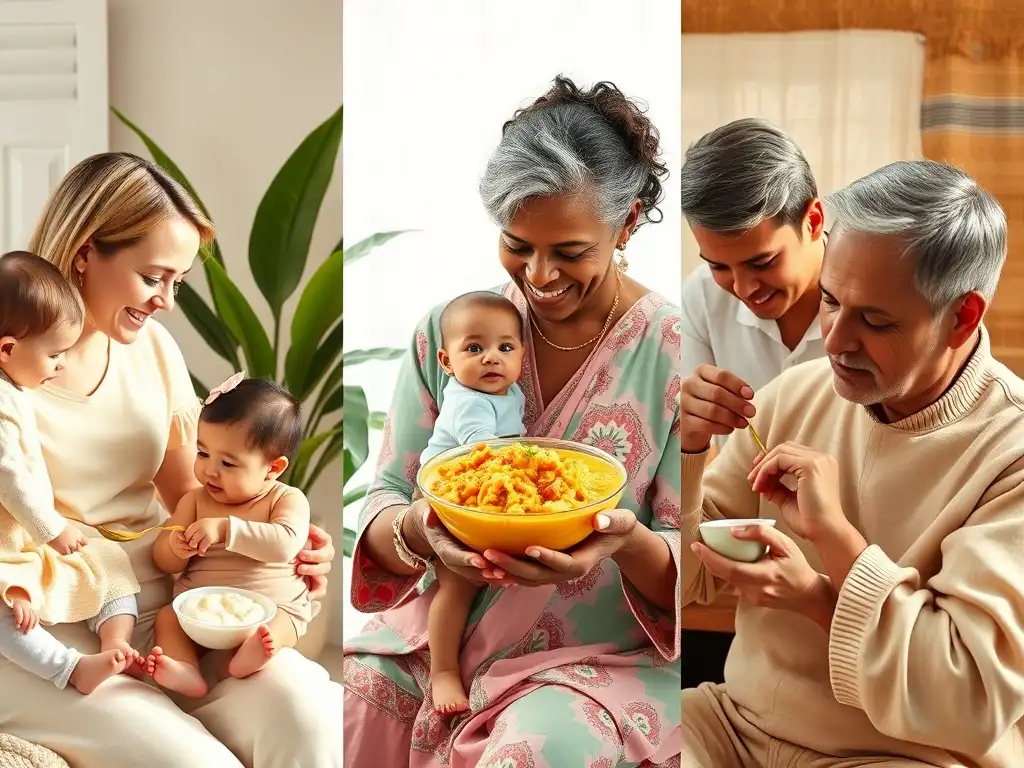
Welcome to BabyCareHub, your ultimate guide to navigating the incredible journey of parenthood! Are you ready to unlock the secrets to happy, healthy babyhood? We're diving deep into the fascinating world of baby food cultural beliefs, exploring how traditions around the globe shape our little ones' early eating experiences. Discover surprising insights and practical advice within our Feeding & Nutrition section – your exploration starts now!
- Introduction: Understanding Cultural Influences on Infant Feeding Practices
- Cultural Beliefs and the Timing of Introducing Solids to Babies
- Cultural Beliefs Surrounding Breastfeeding Duration
- Weaning Practices and Cultural Norms: Variations in the United States, Japan, and Mexico
- Common Cultural Beliefs About Specific Foods and Their Impact on Baby's Wellbeing
- Navigating Cultural Beliefs and Modern Pediatric Advice
- Case Studies: Cultural Perspectives on Infant Nutrition
- Conclusion: Cultural Sensitivity and Holistic Infant Wellbeing
-
Frequently Asked Questions
- What are some common cultural beliefs surrounding baby food introduction?
- How do cultural beliefs influence the types of baby food offered?
- Can cultural beliefs about food affect a baby's health?
- How can parents navigate conflicting advice on baby food based on cultural beliefs and modern science?
- Are there resources available to help parents understand cultural perspectives on baby food?
- Final Reflection: Nourishing Body and Soul: A Legacy of Cultural Food Beliefs
- Unlock Your Baby's Nutritional Potential!
Introduction: Understanding Cultural Influences on Infant Feeding Practices
Navigating the world of infant feeding can feel overwhelming for first-time parents. Beyond the scientific recommendations on nutrition and developmental milestones, a crucial factor often overlooked is the significant influence of cultural beliefs and practices. This article delves into the fascinating intersection of culture and infant feeding, exploring how diverse traditions shape dietary choices and impact a baby's overall wellbeing.
We will examine how cultural norms surrounding baby food introduction vary globally, highlighting the importance of understanding these differences to provide culturally sensitive and effective care. Understanding these diverse approaches is not just about respecting cultural traditions; it's about recognizing the profound impact these practices can have on a child's long-term health and development, fostering a holistic approach to infant nutrition. This exploration of "Baby food cultural beliefs" will provide valuable insights for parents and healthcare professionals alike, promoting informed decision-making and culturally competent care.
The Importance of Cultural Context in Baby Food Choices
Cultural beliefs significantly shape parental decisions regarding infant feeding. What constitutes "appropriate" food, the timing of introducing solids, and even the methods of food preparation are all deeply rooted in cultural norms passed down through generations. For example, in some cultures, breastfeeding is exclusively practiced for a significantly longer period than in others. Similarly, the introduction of solid foods might begin much earlier or later, depending on the prevailing beliefs within a specific community.
These variations are not simply arbitrary; they often reflect deeply held beliefs about infant development, maternal health, and the role of food in fostering a healthy body and mind. Understanding these underlying beliefs is crucial for healthcare providers, enabling them to offer informed advice that respects cultural values while ensuring the baby's nutritional needs are met. Ignoring these cultural nuances can lead to misunderstandings, resistance to recommended practices, and potentially negative health outcomes.
Variations in Baby Food Introduction Across Cultures
The timing and types of foods introduced to infants vary dramatically across different cultures. In some cultures, the introduction of solid foods begins very early, often within the first few months of life, with the gradual incorporation of family foods. This approach often reflects a belief in sharing family meals and fostering a sense of community around food.
Conversely, other cultures adhere to more gradual and structured introduction of solids, following specific guidelines and using single-ingredient purees before moving to more complex combinations. The types of foods introduced also vary significantly, with some cultures prioritizing starchy foods like rice or cereals, while others favor fruits, vegetables, or even meats. These variations are influenced by factors such as food availability, traditional recipes, and beliefs about the nutritional properties of specific foods.
For instance, some cultures believe specific foods offer particular health benefits, such as boosting immunity or promoting cognitive development. Understanding these diverse approaches is essential for providing tailored advice and support.
| Culture | Typical Age of Solid Introduction | Common First Foods | Notable Practices |
|---|---|---|---|
| Some Asian Cultures | 4-6 months | Rice porridge, pureed vegetables | Emphasis on traditional complementary feeding methods |
| Some Western Cultures | 4-6 months | Pureed fruits, vegetables, cereals | Focus on single-ingredient purees, gradual introduction |
| Some African Cultures | 4-6 months | Mashed plantains, pap | Family-style feeding, early introduction of diverse foods |
| Data needs further specification |
Early Influences on Dietary Habits and Long-Term Health
The early dietary experiences a child has can have a lasting impact on their eating habits and long-term health. Exposure to a diverse range of flavors and textures in infancy can influence food preferences and acceptance later in life, potentially reducing the risk of picky eating and nutritional deficiencies. Conversely, restrictive feeding practices or early exposure to highly processed foods can lead to unhealthy eating patterns and increased susceptibility to chronic diseases.
Therefore, understanding the cultural context surrounding early feeding habits is vital for promoting healthy eating behaviors throughout a child's life. Cultural practices, while often well-intentioned, can sometimes inadvertently influence the development of unhealthy dietary habits if not carefully considered in the context of modern nutritional guidelines. A collaborative approach that respects cultural traditions while incorporating evidence-based nutritional guidance is crucial for optimal child health.
Cultural Beliefs and the Timing of Introducing Solids to Babies
Cultural beliefs significantly impact when parents introduce solid foods to their babies. These beliefs often differ dramatically from modern pediatric recommendations, leading to potential nutritional deficiencies or digestive issues if not carefully considered. The World Health Organization (WHO) recommends exclusive breastfeeding for the first six months of life, followed by the introduction of complementary foods while continuing breastfeeding for up to two years or beyond. However, many cultures have their own established timelines and practices.
Traditional Practices vs. Modern Pediatric Recommendations
Traditional practices regarding the introduction of solids vary widely across cultures. Some cultures introduce solids as early as four months, driven by beliefs about the baby's readiness or the need to supplement breast milk. Others wait until six months or even later, aligning more closely with current medical advice.
For instance, in some parts of Asia, rice porridge is often introduced very early, sometimes even before four months, while in certain parts of Africa, the introduction of solid foods might be delayed until the baby shows clear signs of readiness, such as being able to sit up unsupported. These differences highlight the tension between established cultural norms and evidence-based pediatric guidelines. A key challenge for healthcare providers is navigating these differing viewpoints to provide culturally sensitive yet medically sound advice.
Understanding the reasoning behind these differing practices is crucial for effective communication and informed decision-making by parents. Data on the prevalence of early solid food introduction across various cultures is needed to further understand the potential long-term health implications.
Cultural Beliefs Surrounding Breastfeeding Duration
Cultural norms significantly influence the duration of breastfeeding. While the WHO recommends breastfeeding for at least two years, societal pressures, workplace constraints, and personal beliefs often lead to earlier weaning. In some cultures, breastfeeding is considered a natural and prolonged process, with children nursing well into toddlerhood.
These cultures often have strong social support networks that encourage and facilitate extended breastfeeding. Conversely, other cultures may encourage earlier weaning due to concerns about societal expectations, the mother's return to work, or beliefs about the impact of breastfeeding on the mother's body or future fertility. This variation underscores the complex interplay between cultural norms, personal choices, and the physical and emotional well-being of both mother and child.
Further research is needed to fully explore the impact of these varying cultural beliefs on long-term child health outcomes and maternal well-being. This includes investigating the correlation between breastfeeding duration, cultural norms, and infant development milestones.
Cultural Beliefs Surrounding Breastfeeding Duration: Specific Examples
The duration of breastfeeding can vary drastically. For example, in some communities in sub-Saharan Africa, breastfeeding is often extended for several years, sometimes until the child is three or four years old. This prolonged breastfeeding is deeply ingrained in their culture and traditions and is considered crucial for the child's health and well-being.
In contrast, in many Western societies, the average breastfeeding duration is significantly shorter, often influenced by factors such as work schedules and social pressure. Understanding these differences is critical for developing culturally sensitive health initiatives that promote optimal breastfeeding practices. The impact on maternal health and child development needs to be further studied, especially considering the disparities between different cultural groups.
Weaning Practices and Cultural Norms: Variations in the United States, Japan, and Mexico
Weaning practices differ significantly across various cultures. Let's examine three distinct examples: the United States, Japan, and Mexico.
Weaning Practices and Cultural Norms: Variations in the United States, Japan, and Mexico
- United States: In the US, weaning practices are diverse, reflecting the multicultural nature of the country. However, there's a general trend towards earlier weaning compared to some other cultures. Factors like the mother's return to work and societal pressures often contribute to shorter breastfeeding durations. Introduction of solid foods frequently starts around six months, guided by pediatrician recommendations and influenced by individual family choices. The availability of a wide range of baby food products also plays a role in this process.
- Japan: Traditional Japanese weaning practices often involve a gradual introduction of solids, starting with rice porridge (okayu) around six months. Family meals play a central role, with babies participating in the family dining experience from a young age. The emphasis is on introducing a variety of traditional Japanese foods, promoting a healthy and balanced diet. This process is often guided by older generations within the family, preserving cultural traditions.
- Mexico: In Mexico, breastfeeding is often prolonged, and weaning is typically a gradual process. Traditional foods, such as tortillas, beans, and various fruits and vegetables, are introduced alongside breast milk. Family and community support play a significant role in this process, with mothers often receiving guidance from older women in their families and communities. This collective approach fosters a strong sense of cultural continuity.
The table below summarizes the key differences:
| Country | Typical Weaning Age | Primary Foods Introduced | Cultural Influences |
|---|---|---|---|
| United States | 6 months (variable) | Variety of baby foods | Individual choices, pediatrician recommendations |
| Japan | Around 6 months | Rice porridge (okayu) | Family meals, traditional foods |
| Mexico | Gradual, often later | Tortillas, beans, fruits | Family & community support, traditional foods |
This comparison highlights how cultural beliefs and practices shape the way families approach weaning, emphasizing the importance of culturally sensitive healthcare guidance. Understanding these variations is crucial for effective communication and support for parents from diverse backgrounds. Further research comparing the long-term health outcomes associated with these differing weaning practices would be valuable.
Common Cultural Beliefs About Specific Foods and Their Impact on Baby's Wellbeing
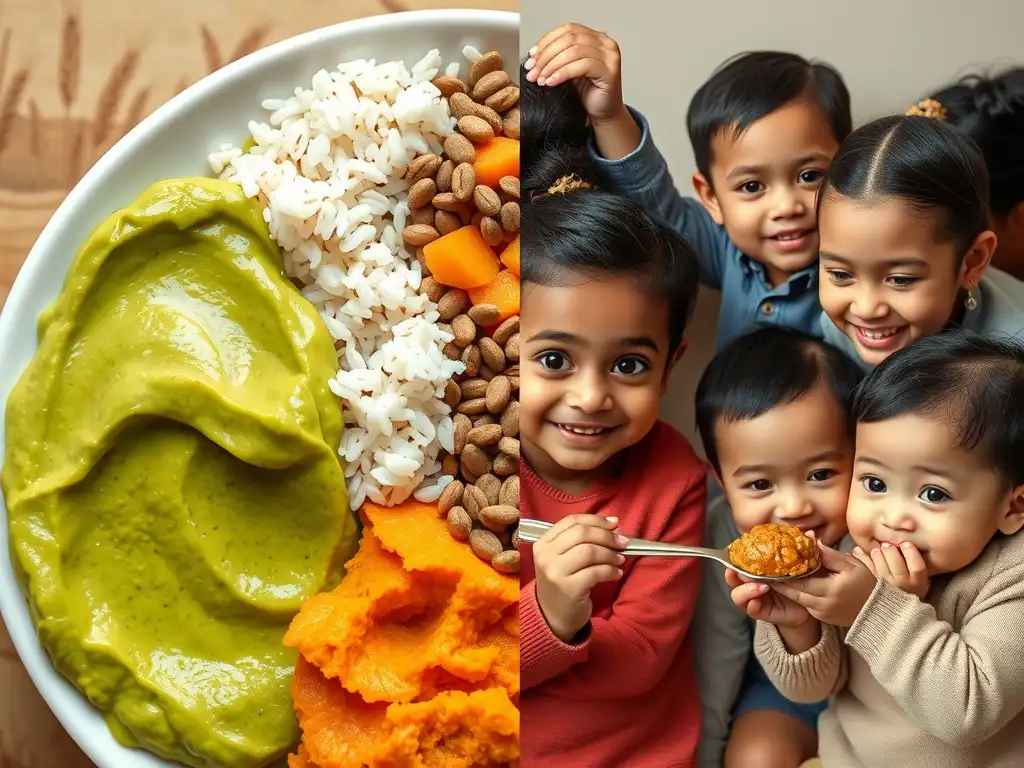
This section explores prevalent cultural beliefs surrounding specific foods and their perceived effects on infant wellbeing. Understanding these diverse perspectives is crucial for healthcare providers and parents alike to navigate feeding choices effectively and safely. Many cultural practices surrounding baby food are deeply rooted in tradition and passed down through generations, often lacking rigorous scientific backing. However, these beliefs significantly influence parental decisions and should be approached with sensitivity and a focus on informed discussion.
The impact of these beliefs can range from minor dietary preferences to potentially harmful practices, highlighting the need for culturally sensitive health education. The goal is not to dismiss these traditions, but to foster a collaborative approach where cultural practices are integrated with evidence-based recommendations for optimal infant health. This involves open communication and respectful dialogue, recognizing the importance of cultural context in shaping parental choices.
Cultural Perceptions of Allergens and Food Sensitivities
Cultural beliefs often influence the timing of introducing potential allergens into a baby's diet. Some cultures traditionally delay the introduction of common allergens like peanuts, dairy, or eggs, believing this reduces the risk of developing allergies. However, current scientific evidence largely supports the early introduction of potential allergens, often between 4-6 months of age, to potentially reduce the risk of developing allergies. 1 This discrepancy highlights the critical need for healthcare providers to engage in nuanced conversations with parents, addressing both cultural practices and the latest scientific findings. For example, in some East Asian cultures, the introduction of soy products is common and early, whereas in Western cultures, soy might be introduced later. This difference in timing isn't necessarily indicative of a higher or lower allergy risk, but rather reflects distinct cultural norms. Understanding these variations is key to providing tailored advice and support to families. Further research is needed to fully understand the interplay between cultural practices and the development of food allergies in infants.
Traditional Remedies and Foods for Common Baby Ailments
Many cultures utilize traditional foods and remedies to address common infant ailments like colic, constipation, or diarrhea. These remedies often involve herbal teas, specific broths, or particular foods believed to possess healing properties. For instance, some cultures might recommend chamomile tea to soothe colic, while others might use ginger or fennel to alleviate digestive discomfort.
While some of these remedies may have mild benefits or act as placebos, it's crucial to carefully assess their safety and potential interactions with other medications or underlying health conditions. It's essential for healthcare providers to carefully evaluate the safety and efficacy of these traditional remedies, ensuring they do not pose risks to the infant's health. The use of unverified remedies can sometimes delay appropriate medical intervention, potentially leading to negative consequences.
Open communication and a collaborative approach are essential to ensure safe and effective care for infants, balancing cultural practices with evidence-based medical advice. Further research is necessary to systematically evaluate the efficacy and safety of these traditional remedies for common baby ailments.
The Role of Family Recipes and Traditional Baby Food Preparation
Family recipes and traditional methods of preparing baby food play a significant role in many cultures. These methods often involve homemade purees, broths, and porridges passed down through generations. This practice can foster a sense of connection and cultural identity, but it also necessitates careful consideration of food safety and nutritional adequacy. For example, some traditional recipes may lack sufficient iron or other essential nutrients crucial for infant development.
Furthermore, homemade baby food preparation requires strict adherence to hygiene standards to prevent contamination and illness. It’s vital for parents to understand the importance of safe food handling practices, including proper cooking temperatures and storage techniques, when preparing baby food at home. Healthcare providers can play a crucial role in educating parents about safe food preparation techniques while respecting and valuing their cultural practices.
Providing resources and guidance on how to adapt traditional recipes to meet nutritional needs while maintaining food safety is paramount. The use of culturally appropriate educational materials can be particularly effective in promoting healthy eating habits while respecting cultural traditions. The balance between tradition and modern safety is a crucial aspect of "baby food cultural beliefs."
Navigating the world of infant nutrition can be challenging, especially when considering the influence of cultural beliefs on food choices and wellbeing practices. Many cultures have deeply rooted traditions surrounding infant feeding, often passed down through generations. These practices, while often well-intentioned, may sometimes conflict with modern pediatric advice based on scientific evidence.
Understanding this dynamic is crucial for new parents striving to provide the best possible care for their babies. The key lies in finding a balance between respecting cultural heritage and ensuring the baby's nutritional needs are met. This involves critical evaluation of traditional practices and a willingness to adapt when necessary.
For example, while some cultures advocate for delaying the introduction of solid foods, current recommendations often suggest starting around six months of age, offering a variety of nutrient-rich options. Similarly, beliefs regarding specific foods or ingredients believed to enhance a baby's development or immunity may need to be assessed against scientific findings. The goal isn't to dismiss cultural practices outright, but rather to integrate them thoughtfully with evidence-based guidelines, prioritizing the baby's health and well-being.
Balancing Tradition and Evidence-Based Practices
The challenge lies in harmoniously blending traditional practices with scientifically-backed recommendations. This requires open-mindedness and a willingness to engage in informed decision-making. For instance, the timing of weaning – the transition from breast milk or formula to solid foods – varies significantly across cultures. Some cultures introduce solids much earlier than recommended by pediatricians, while others wait longer.
Understanding the rationale behind these cultural practices is vital. It's not simply about rejecting tradition; it's about critically evaluating its potential benefits and risks in light of current medical knowledge. A helpful approach is to discuss these practices with a healthcare professional familiar with the relevant cultural context.
They can provide expert guidance on how to adapt traditional methods to ensure the baby receives adequate nutrition and avoids potential health risks. For example, a cultural practice of using herbal remedies might need to be carefully assessed for potential interactions with medications or allergies. This collaborative approach ensures that cultural traditions are respected while ensuring the baby's health is prioritized.
This process requires careful consideration and communication. It’s not about replacing cultural practices but about adapting them to ensure they align with the baby’s nutritional needs and overall health. For example, consider the practice of introducing certain foods believed to improve digestion or immunity. While some of these beliefs may have merit, it's crucial to verify their validity through scientific research and consult with a pediatrician. A balanced approach ensures both tradition and evidence-based practices contribute to the baby's well-being.
Communicating with Healthcare Providers About Cultural Preferences
Open and honest communication with healthcare providers is essential. Parents should feel comfortable discussing their cultural beliefs and practices regarding infant feeding with their pediatrician or other healthcare professionals. This requires proactive communication, clearly articulating the specific cultural practices being followed and any concerns about potential conflicts with modern pediatric recommendations.
This dialogue should be a two-way street; healthcare providers should be receptive to cultural perspectives and work collaboratively with parents to find solutions that respect both tradition and evidence-based care. The provider can help assess the risks and benefits of traditional practices in the context of the baby's individual health needs. For example, if a particular cultural practice involves using honey before the age of one, a healthcare provider can explain the risks of botulism and offer safe alternatives.
This mutual understanding fosters a supportive and collaborative relationship, ensuring the best possible care for the baby. Remember, effective communication is key to successfully navigating the intersection of cultural beliefs and modern pediatric advice concerning baby food.
Respecting Cultural Practices While Prioritizing Baby's Health
Prioritizing the baby's health and well-being should always be the paramount concern. While respecting cultural practices is important, it’s crucial to ensure that these practices don't compromise the baby's nutritional needs or overall health. This requires a nuanced approach, carefully evaluating the potential risks and benefits of each practice. For instance, certain cultural practices might involve delaying the introduction of solid foods or restricting the variety of foods offered.
While these practices might be rooted in tradition, they could lead to nutritional deficiencies if not carefully monitored and adjusted. This is where the collaboration with healthcare providers becomes particularly critical. They can help identify potential risks and suggest modifications to ensure the baby receives adequate nutrition. The goal is to find a balance that honors cultural heritage while safeguarding the baby's health.
This may involve adapting traditional practices to align with current recommendations or finding creative ways to integrate both cultural beliefs and modern pediatric advice. The ultimate objective is to ensure that the baby thrives, benefiting from both the wisdom of tradition and the insights of modern science. This necessitates open communication, a willingness to compromise, and a shared commitment to the baby’s well-being.
Case Studies: Cultural Perspectives on Infant Nutrition
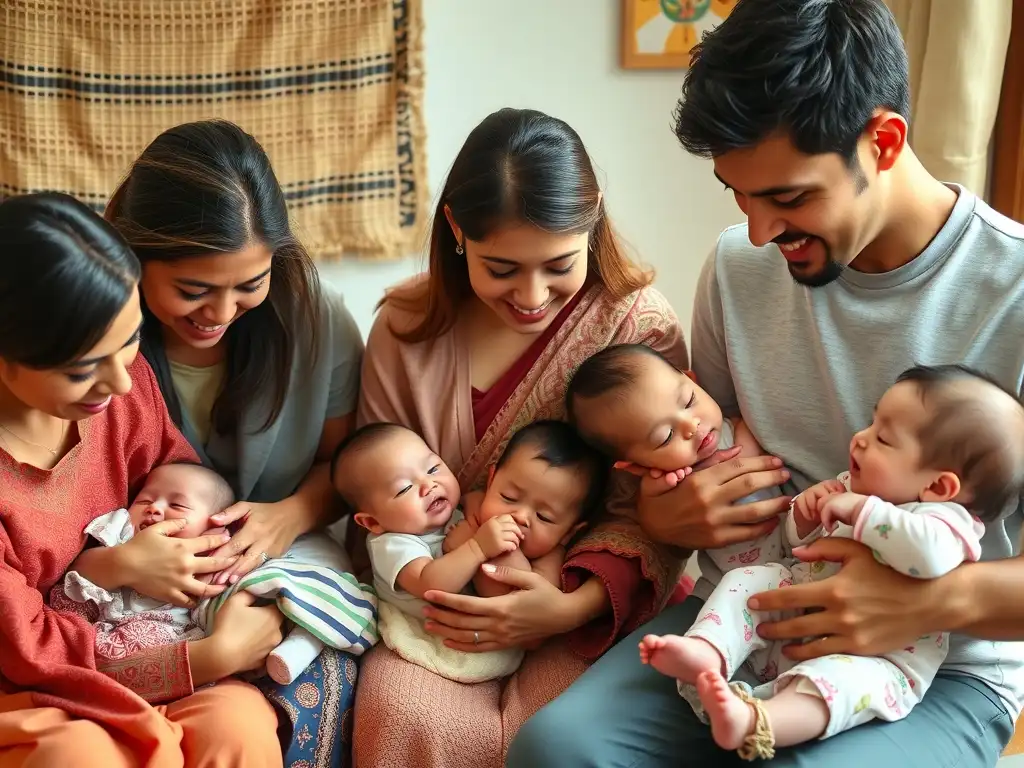
This section delves into specific cultural practices surrounding infant feeding, examining their impact on infant health and wellbeing. Understanding these diverse approaches is crucial for healthcare providers and parents alike, promoting culturally sensitive care and informed decision-making regarding baby food choices. The term "baby food cultural beliefs" encompasses a wide range of practices, often deeply rooted in tradition and passed down through generations.
Case Study 1: Cultural Practices in the Maasai Tribe and Impact on Infant Health
The Maasai, a pastoralist community in East Africa, traditionally practice exclusive breastfeeding for the first six months of a baby's life. This aligns with WHO recommendations for optimal infant nutrition and immunity development. Mothers' diets, rich in animal products like milk and blood, contribute to nutrient-rich breast milk.
However, challenges arise when drought or disease affects livestock, impacting the mothers' nutritional status and consequently, breast milk quality. This can lead to malnutrition and increased susceptibility to illness in infants. Further research is needed to quantify the precise impact of these fluctuations on infant health outcomes.
Studies focusing on the micronutrient content of Maasai breast milk during periods of drought versus abundance would provide valuable data. The long-term effects of exclusive breastfeeding within this context, considering both benefits and potential drawbacks related to environmental factors, warrant further investigation. Understanding the interplay between traditional practices and environmental challenges is vital for developing effective interventions to support maternal and child health within the Maasai community.
India presents a diverse landscape of cultural beliefs surrounding infant feeding. While breastfeeding is widely practiced, complementary feeding practices vary significantly across regions and socioeconomic groups. Traditional beliefs about certain foods being appropriate or inappropriate for infants at various ages can pose challenges. For instance, some families might introduce rice gruel or other solid foods very early, sometimes even before the infant is developmentally ready, while others might delay the introduction of solid foods due to beliefs about the digestive system's maturity.
This can lead to both nutritional deficiencies and digestive issues. The introduction of commercially produced baby food, while offering convenience, also presents challenges. Concerns regarding affordability and accessibility, particularly in rural areas, remain a significant barrier.
Moreover, marketing practices of commercial baby food companies need careful scrutiny to ensure they don't conflict with traditional practices or promote unhealthy feeding habits. Furthermore, the prevalence of malnutrition in certain parts of India highlights the need for culturally sensitive interventions that promote optimal complementary feeding practices alongside breastfeeding. Data on the correlation between specific cultural food beliefs and infant malnutrition rates across different regions of India would be beneficial for targeted interventions.
Case Study 3: Balancing Tradition and Modern Science in the Inuit Culture
Inuit communities in the Arctic regions have traditionally relied on breast milk as the primary source of nutrition for infants, supplemented by traditional foods once complementary feeding begins. These foods often include seal meat, fish, and berries, which are rich in essential fatty acids and vitamins crucial for growth and development in harsh climates. However, the increasing availability of processed foods and changes in lifestyle have introduced challenges.
The shift towards processed foods can lead to nutritional imbalances and an increased risk of obesity and related health problems in infants. Balancing the nutritional benefits of traditional Inuit foods with the need to address the challenges brought about by modernization requires a nuanced approach. Educating parents about the nutritional value of traditional foods while emphasizing the risks associated with excessive consumption of processed foods is crucial.
Further research is needed to understand the long-term health outcomes of adopting modern dietary habits within the Inuit context and how best to support the continuation of healthy traditional practices. Data comparing the nutritional profiles of traditional Inuit infant diets with modern diets, and their subsequent impact on infant health parameters, would be insightful. This would enable the development of culturally appropriate guidelines for healthy infant feeding in these unique environments.
Conclusion: Cultural Sensitivity and Holistic Infant Wellbeing
This exploration of cultural beliefs surrounding baby food reveals a fascinating tapestry of practices, traditions, and philosophies influencing infant nutrition globally. Understanding these diverse approaches is paramount for ensuring the holistic wellbeing of babies worldwide. The impact of cultural norms on food choices extends beyond mere dietary preferences; it profoundly shapes parental decisions, family dynamics, and ultimately, a child's long-term health and development. Ignoring these deeply ingrained beliefs can lead to misunderstandings, resistance to healthcare advice, and potentially, suboptimal nutritional outcomes for infants. A nuanced and respectful approach is crucial.
The Importance of Cultural Understanding in Pediatric Care
Pediatric care professionals must prioritize cultural competency in their interactions with families. This means actively listening to parents' concerns, acknowledging the validity of their cultural practices, and finding ways to integrate evidence-based nutritional guidance with culturally sensitive approaches. For example, a healthcare provider might learn that a family's traditional weaning practices, while differing from Western recommendations, still provide adequate nutrition and support healthy development.
Instead of dismissing these practices outright, the provider can work collaboratively with the family to find a balance that respects their traditions while addressing any potential nutritional gaps. This collaborative approach fosters trust and ensures that families feel empowered to make informed decisions about their babies' health.
Data shows that culturally sensitive care improves patient satisfaction and adherence to recommended guidelines, ultimately leading to better health outcomes. Furthermore, understanding the socio-economic factors influencing food choices is equally vital, as access to diverse and nutritious foods is not uniform across all populations.
Promoting Healthy Eating Habits While Respecting Cultural Diversity
Promoting healthy eating habits doesn't necessitate abandoning cultural traditions. Instead, it requires a thoughtful and creative approach. Healthcare providers and educators can leverage the strengths of existing cultural practices to promote healthier choices. For instance, if a culture traditionally uses certain spices known for their antioxidant properties, these can be incorporated into balanced meal plans. Similarly, if family meals are a central part of a culture, promoting healthy family meals can be a powerful way to encourage healthy eating habits from a young age. Educational materials should be culturally appropriate and translated into relevant languages. Using visuals and storytelling can help communicate complex nutritional information in a way that is easily understood and relatable across diverse cultural backgrounds. The key is to focus on finding common ground and building bridges rather than imposing a singular, Western-centric model of infant nutrition. Successful strategies often involve adapting recommendations, not replacing them entirely.
Parents navigating the complexities of infant nutrition within a multicultural context often require support and guidance. Access to reliable and culturally appropriate information is crucial. [Specific information pending: List of relevant organizations, websites, and community resources providing culturally sensitive guidance on infant feeding]. These resources should offer translated materials, culturally appropriate recipes, and connect parents with healthcare professionals who understand and respect their cultural backgrounds. Furthermore, peer support groups can play a vital role in fostering a sense of community and sharing experiences among parents from diverse cultural backgrounds. These groups can provide a safe space for parents to discuss challenges, share recipes, and learn from each other's experiences. The creation and dissemination of such resources is essential for empowering parents to make informed decisions about their babies' nutrition while honoring their cultural heritage. Ultimately, supporting parents in this way contributes to a healthier and happier future for babies globally.
Frequently Asked Questions
What are some common cultural beliefs surrounding baby food introduction?
Many cultures have traditional beliefs about when and how to introduce solid foods. Some prioritize breastfeeding exclusively for a longer period, while others introduce solids earlier, often with specific foods considered culturally appropriate. These practices can vary widely.
How do cultural beliefs influence the types of baby food offered?
Cultural beliefs significantly impact the types of foods introduced. For example, some cultures favor pureed fruits and vegetables, while others might start with rice cereal or family meals. The timing and texture of the foods also vary based on cultural norms.
Can cultural beliefs about food affect a baby's health?
While many cultural practices are beneficial, some can impact a baby's health. Introducing foods too early or too late, or excluding essential nutrients, could lead to nutritional deficiencies. It's crucial to balance tradition with evidence-based guidelines.
Parents should seek guidance from their pediatrician or other healthcare professionals. They can help parents understand the potential risks and benefits of different approaches, ensuring that the baby receives adequate nutrition while respecting cultural traditions.
Are there resources available to help parents understand cultural perspectives on baby food?
Yes, many resources exist! Look for information from reputable organizations focusing on child health and nutrition. Talking to family members and community elders can also provide valuable insight into cultural practices and their significance.
Final Reflection: Nourishing Body and Soul: A Legacy of Cultural Food Beliefs
The way we nourish our babies is not merely a matter of sustenance; it's a deeply ingrained cultural practice that shapes their health, development, and future relationship with food. These deeply held beliefs, passed down through generations, continue to exert a powerful influence on how we approach infant feeding today, impacting everything from the types of food offered to the rituals surrounding mealtimes.
The exploration of diverse cultural beliefs surrounding baby food has revealed a rich tapestry of traditions, each reflecting unique values and priorities. These practices are not simply historical curiosities; they are living traditions that continue to shape the health and wellbeing of countless infants worldwide. Food is symbolic of love when words are inadequate.
- Alan D. Wolfelt. This quote beautifully encapsulates the emotional weight and cultural significance attached to feeding our youngest members of society. Understanding these diverse approaches is crucial for fostering inclusivity and respecting the choices of parents from all backgrounds.
Consider the impact of these cultural beliefs on your own approach to feeding your baby (or your future children). Are you consciously or unconsciously influenced by your own heritage? Do you see opportunities to learn from other traditions and integrate elements that resonate with your values?
Take a moment to reflect on the power of food, not just as nourishment, but as a powerful vehicle for cultural transmission and the building of strong family bonds. Embrace the opportunity to create a nourishing and meaningful feeding experience for your little one, one that honors both tradition and modern understanding of healthy eating.
Unlock Your Baby's Nutritional Potential!
Thank you for exploring the fascinating world of cultural beliefs and baby nutrition! We hope you've gained valuable insights into the diverse approaches to infant feeding. Now, let's put this knowledge into practice:
- Keep a mindful mealtime journal: Record your baby's responses to different foods and note any family traditions or cultural practices you'd like to explore or integrate. This journal will be your personal guide to creating a balanced and culturally-sensitive diet.
- Share your family's unique food traditions with our community in the comments below! Let's celebrate the diverse ways we nourish our babies.
- Try a new recipe inspired by a culture different from your own – it's a delicious way to expand your culinary horizons and your baby's palate!
What interesting cultural food practice are you curious about and might consider incorporating into your baby's diet?