
Choosing the Right Vitamin D Supplement for Your Infant: A Comprehensive Review


Welcome to BabyCareHub, your ultimate guide to navigating the exciting yet often overwhelming world of parenthood! Are you ready to confidently tackle the essentials of newborn care? We understand the challenges of those first few months, which is why we've created this comprehensive resource. Discover the secrets to happy, healthy babies, starting with our in-depth review on finding the best infant vitamin D supplement – a crucial step in your little one's development. Dive in and unlock the knowledge you need to thrive in this incredible journey!
- Understanding Vitamin D's Importance for Infants
-
Selecting the Best Infant Vitamin D Supplement
- Types of Vitamin D Supplements for Babies: Liquid vs. Chewable Tablets
- Key Factors to Consider When Choosing a Vitamin D Supplement for Infants
- Choosing the Right Dosage: Understanding IU (International Units)
- Vitamin D Supplement Formulation: Oil-Based vs. Water-Based
- Reading Supplement Labels: Deciphering Ingredients and Information
- Top Infant Vitamin D Supplements Reviewed
- Administering Vitamin D Supplements Safely to Your Infant
- Consulting Your Pediatrician: When to Seek Professional Advice
- Frequently Asked Questions about Infant Vitamin D Supplements (FAQ)
- Frequently Asked Questions
- Final Reflection: Nurturing Healthy Futures Through Informed Choices
- Unlock Your Infant's Sunshine Vitamin: Take the Next Step
Understanding Vitamin D's Importance for Infants
Vitamin D plays a crucial role in the healthy growth and development of infants, far beyond its well-known contribution to bone health. This comprehensive guide will delve into the critical aspects of choosing the right vitamin D supplement for your little one, helping you navigate the complexities of infant nutrition and ensuring your baby receives the optimal amount of this essential nutrient.
We'll explore the reasons why vitamin D is so vital, the potential risks of deficiency, and how to select the best infant vitamin D supplement to meet your baby's specific needs. Choosing the right supplement can feel overwhelming, but understanding the nuances of dosage, formulation, and potential side effects will empower you to make an informed decision that prioritizes your baby's well-being.
This article aims to equip first-time parents with the knowledge necessary to confidently select the best infant vitamin D supplement, contributing to a healthier and happier baby. We will cover everything from recommended daily allowances to understanding the various forms of vitamin D available on the market.
Why Vitamin D is Crucial for Infant Development
Vitamin D is essential for calcium absorption, which is paramount for strong bones and teeth development in infants. However, its benefits extend far beyond skeletal health. Studies show a strong correlation between adequate vitamin D levels and a reduced risk of various health issues during infancy and beyond. Sufficient vitamin D contributes to a robust immune system, protecting your baby from infections. Furthermore, research suggests a potential link between vitamin D and improved cognitive development, potentially influencing brain function and overall neurological well-being.
Adequate vitamin D levels are also associated with a decreased risk of developing certain chronic diseases later in life. The early months and years are a critical window for establishing optimal health, making vitamin D supplementation a significant factor in your baby's overall development and long-term health trajectory. Think of it as an investment in their future well-being. 👶
Vitamin D Deficiency in Infants: Risks and Symptoms
Vitamin D deficiency in infants can lead to serious health consequences. The most well-known is rickets , a condition characterized by soft and weakened bones, leading to bone deformities and growth retardation. However, deficiency can also manifest in less obvious ways. Infants with low vitamin D levels may experience increased susceptibility to infections, such as respiratory illnesses. Some studies even suggest a link between vitamin D deficiency and increased risk of autoimmune diseases later in life. Recognizing the symptoms is crucial for early intervention. While obvious signs like bone deformities are readily apparent, subtle symptoms such as irritability, muscle weakness, or delayed developmental milestones might be overlooked. Early detection and correction of vitamin D deficiency are essential to mitigate these risks and ensure healthy development. It's always best to consult your pediatrician if you have any concerns about your baby's vitamin D levels.
Recommended Daily Allowance of Vitamin D for Infants
The recommended daily allowance (RDA) of vitamin D for infants varies slightly depending on the age and individual needs, but generally falls within a specific range. The American Academy of Pediatrics (AAP) recommends that all exclusively breastfed infants receive 400 IU (International Units) of vitamin D per day, starting shortly after birth. Infants who are partially or fully formula-fed may receive adequate amounts through their formula, but supplementation might still be necessary depending on the type of formula and the infant's individual needs.
It is crucial to consult your pediatrician to determine the optimal dosage for your baby, considering factors like their age, weight, skin pigmentation, and overall health. Always follow your doctor's recommendations carefully when administering vitamin D supplements.
Remember, over-supplementation can also be harmful, emphasizing the importance of precise dosing and regular monitoring. A personalized approach ensures that your baby receives the precise amount of vitamin D they need for optimal health and development.
Selecting the Best Infant Vitamin D Supplement
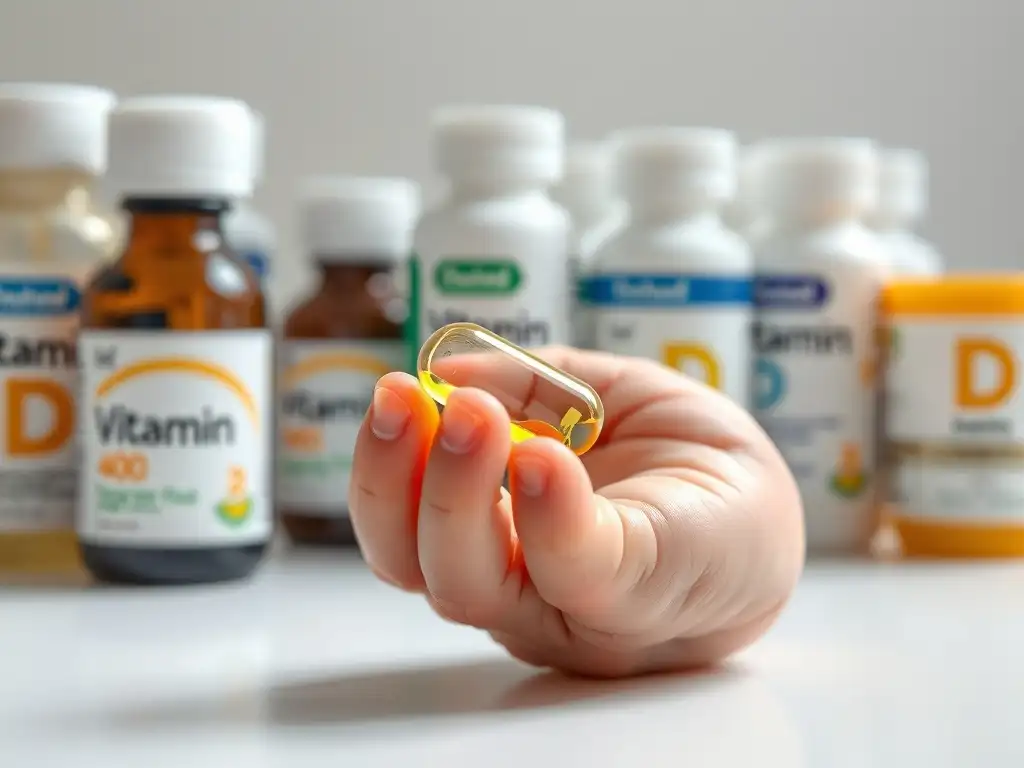
Finding the best infant vitamin D supplement can feel overwhelming for new parents. This section will guide you through the process, focusing on crucial factors to ensure your baby receives the optimal amount of this essential nutrient for healthy bone development and overall well-being. Remember, always consult your pediatrician before starting any supplement regimen for your baby. They can assess your baby's individual needs and advise on the most appropriate course of action. This information is for educational purposes and should not be considered medical advice.
Types of Vitamin D Supplements for Babies: Liquid vs. Chewable Tablets
The market offers two primary forms of vitamin D supplements for infants: liquid drops and chewable tablets. Each presents unique advantages and disadvantages.
Liquid drops are generally preferred for newborns and very young infants due to their ease of administration. They can be easily mixed with breast milk, formula, or even pureed food. The precise dosage is easier to control with liquid drops, using a calibrated dropper. However, some babies might dislike the taste, and storage can be a concern, as some liquid formulations require refrigeration.
Chewable tablets, on the other hand, become a viable option as your baby grows and develops the ability to chew. They offer convenience and can be a more palatable option for some babies. However, ensuring your baby chews the tablet completely is crucial to prevent choking hazards and guarantee they receive the full dose. Furthermore, the risk of accidental ingestion by older siblings or pets is higher with chewable tablets.
| Supplement Type | Advantages | Disadvantages | Suitable for |
|---|---|---|---|
| Liquid Drops | Easy administration, precise dosage control | Potential taste issues, refrigeration may be needed | Newborns and young infants |
| Chewable Tablets | Convenient, potentially better taste acceptance | Choking hazard, accidental ingestion risk | Older infants who can safely chew |
Choosing between these two types depends significantly on your baby's age and developmental stage. Always prioritize safety and ease of administration when making your decision. Consider your baby's individual preferences and consult your pediatrician for personalized recommendations.
Key Factors to Consider When Choosing a Vitamin D Supplement for Infants
Beyond the format, several key factors influence the selection of the best infant vitamin D supplement. These factors ensure both efficacy and safety:
- Vitamin D3 (Cholecalciferol) vs. Vitamin D2 (Ergocalciferol): Vitamin D3 is generally considered more effective and better absorbed by the body than D2. Look for supplements containing Vitamin D3.
- Ingredients: Opt for supplements with minimal added ingredients. Avoid artificial colors, flavors, and preservatives, especially if your baby has known allergies or sensitivities. Look for supplements that are free from common allergens such as soy, dairy, and gluten.
- Purity and Quality: Choose supplements from reputable brands that adhere to strict quality control measures. Look for certifications that guarantee purity and potency.
- Storage: Pay attention to the storage instructions on the packaging. Some supplements require refrigeration to maintain their potency.
- Cost: While cost shouldn't be the sole deciding factor, compare prices from different brands to find a balance between quality and affordability.
Remember that the "best" supplement is subjective and depends on your baby's specific needs and your preferences. Prioritize safety and efficacy when making your selection. A thorough review of the label, including the ingredient list and manufacturer information, is essential before purchasing.
Choosing the Right Dosage: Understanding IU (International Units)
The recommended daily allowance (RDA) of vitamin D for infants varies depending on age and other factors. The dosage is typically expressed in International Units (IU). It's crucial to follow your pediatrician's recommendations regarding the appropriate dosage for your baby. Self-medicating can be dangerous, so always consult a healthcare professional.
The typical dosage range is often between 400 IU and 1000 IU per day. However, this is a general guideline, and individual needs may vary. Your pediatrician will consider factors such as your baby's age, weight, diet, and sun exposure when determining the optimal dosage. Never exceed the recommended dosage without consulting your doctor. Overdosing on vitamin D can lead to serious health complications.
Understanding IU is critical to ensuring your baby receives the correct amount of vitamin D. Always check the label of the supplement to ensure it contains the recommended daily dose in IU. Accurate measurement is crucial, especially with liquid drops. Always use the provided dropper or measuring device to avoid accidental overdosing. Careful monitoring and regular check-ups with your pediatrician are essential to ensure the effectiveness and safety of your baby's vitamin D supplementation. 👶
Vitamin D Supplement Formulation: Oil-Based vs. Water-Based
Choosing between oil-based and water-based vitamin D supplements for your infant can seem daunting. Both forms offer the same crucial nutrient, but their absorption and administration methods differ. Oil-based vitamin D supplements, often dissolved in a carrier oil like coconut or olive oil, are generally better absorbed by the body. 1 This is because fat-soluble vitamins, like vitamin D, are more readily absorbed when consumed with fats. Many parents find oil-based drops easier to administer, as they can be easily added to breast milk or formula. However, some infants may experience digestive upset with oil-based supplements, especially if given in larger doses. Additionally, oil-based supplements might have a slightly longer shelf life compared to water-based options.
Water-based vitamin D supplements, on the other hand, are dissolved in water, making them potentially easier to incorporate into foods or drinks. This can be particularly useful for babies who refuse bottles or have difficulty with drops. However, the absorption rate might be slightly lower compared to oil-based supplements. It's crucial to check the expiry date frequently as water-based solutions can have a shorter shelf life.
Furthermore, the taste might be slightly different and some babies might be more resistant to water-based supplements. The decision ultimately depends on your baby's preferences, your feeding practices, and any potential digestive sensitivities. Consulting your pediatrician is always recommended to determine the best formulation for your individual child.
Reading Supplement Labels: Deciphering Ingredients and Information
Understanding the information on vitamin D supplement labels is vital for making an informed decision. Pay close attention to the following key details:
- Dosage: The label should clearly state the amount of vitamin D (in IU or micrograms) per drop or milliliter. This information is crucial for administering the correct dose based on your pediatrician's recommendation. Ensure the dosage aligns with your baby's age and weight. Incorrect dosage can lead to both deficiencies and toxicities.
- Ingredients: Beyond vitamin D, check for any added ingredients. Some supplements might contain carrier oils (like coconut or olive oil), emulsifiers, or preservatives. If your baby has allergies or sensitivities, carefully examine the ingredient list to ensure it is safe. Look for supplements with minimal added ingredients.
- Expiry Date: Always check the expiry date and ensure the supplement is within its shelf life. Expired supplements may lose their potency or contain harmful substances. Store the supplement as directed on the label to maintain its efficacy.
- Manufacturing Information: Look for information about the manufacturer, including their contact details and any certifications (e.g., GMP certification, which guarantees good manufacturing practices). Reputable companies prioritize quality control and safety.
- Serving Size: The label should clearly indicate the serving size (e.g., one drop, one milliliter). This information is critical for correct administration.
A well-informed choice of vitamin D supplement contributes significantly to your baby's health and development. By carefully studying the label and consulting your pediatrician, you can make the best choice for your little one. Remember, a supplement is only as good as its quality and accurate administration.
Top Infant Vitamin D Supplements Reviewed

Choosing the right vitamin D supplement for your baby can feel overwhelming. This section reviews three popular options, helping you make an informed decision for your little one's health. Remember to always consult your pediatrician before starting any new supplement regimen for your baby. Finding the best infant vitamin D supplement depends on individual needs and preferences.
Ddrops Baby Vitamin D3 Review: Features, Pros, and Cons
Ddrops Baby Vitamin D3 is a widely recommended and readily available option for infants. It's known for its ease of use and precise dosage.
Ddrops are presented as individual drops, making accurate measurement simple. Each drop contains 400 IU of vitamin D3, the recommended daily allowance for most infants. The formula is alcohol-free, making it a suitable choice for many parents concerned about potential sensitivities. The pleasant taste is also frequently cited as a positive aspect, aiding in administration.
Pros:
- Accurate Dosage: Easy to administer single drops ensure precise dosing.
- Alcohol-Free: Suitable for babies with sensitivities to alcohol.
- Pleasant Taste: Many parents find the taste palatable for their infants.
- Widely Available: Easily found in pharmacies and online retailers.
Cons:
- Price: Can be more expensive compared to some other brands.
- Storage: Requires refrigeration after opening, which may be inconvenient for some parents.
- Potential for Spillage: The dropper can be tricky to manage, leading to occasional spillage.
The high concentration of vitamin D3 in each drop makes it efficient; however, careful handling is crucial to avoid wastage. Some parents report challenges with the dropper, resulting in accidental spillage. The need for refrigeration after opening is another factor to consider. Overall, Ddrops Baby Vitamin D3 remains a popular choice due to its accurate dosage and generally palatable taste, but the price and storage requirements should be weighed against other options.
BioGaia Vitamin D3 Drops Review: Features, Pros, and Cons
BioGaia Vitamin D3 Drops stand out by combining vitamin D3 with probiotics. This combination is intended to support both immune function and calcium absorption, vital for healthy bone development. The addition of probiotics is a key differentiator in the market of best infant vitamin D supplements.
The drops are easy to administer and are generally well-tolerated by infants. The inclusion of probiotics may appeal to parents seeking a more holistic approach to their baby's health. However, the effects of the probiotic strain included need further research to fully determine its benefits in this specific context.
Pros:
- Probiotic Blend: Combines vitamin D3 with probiotics for potential immune and digestive support.
- Easy Administration: The drops are generally easy to administer to infants.
- Natural Ingredients: Often features natural ingredients in its formulation.
Cons:
- Limited Research on Probiotic Benefits: More research is needed to confirm the specific benefits of the included probiotic strain in infants.
- Price: May be more expensive than vitamin D3-only supplements.
- Availability: May not be as widely available as other brands.
BioGaia’s combination of Vitamin D3 and probiotics offers a unique selling point, but its higher price point and limited research on the combined effect should be considered. It’s important to remember that while the probiotics may offer additional benefits, the primary function remains vitamin D supplementation.
Carlson Labs Vitamin D3 Liquid Review: Features, Pros, and Cons
Carlson Labs Vitamin D3 Liquid offers a different approach, presenting the vitamin in a liquid form without added flavors or preservatives. This makes it a good choice for parents prioritizing a pure and simple supplement.
This unflavored liquid is easily mixed into breast milk or formula, providing a convenient way to administer the daily dose. The absence of added ingredients might be appealing to parents seeking minimal additives in their baby's diet. However, the lack of flavor might make administration more challenging for some infants.
Pros:
- Pure and Simple: Contains only vitamin D3 and a carrier oil, free from artificial flavors and preservatives.
- Easy to Mix: Can be easily mixed into breast milk or formula.
- Cost-Effective: Often more affordable than other options.
Cons:
- Unflavored: The lack of flavoring may make it less palatable for some babies.
- Dosage: Requires careful measurement to ensure accurate dosing. May not be as precise as single-drop options.
- Possible Fishy Aftertaste: Some users report a mild fishy aftertaste due to the oil base.
Carlson Labs offers a budget-friendly option with a focus on purity. However, the lack of flavor and the need for precise measurement might require more parental effort during administration. The potential for a fishy aftertaste is another factor to consider. Ultimately, the best infant vitamin D supplement is a personal choice depending on your baby’s needs and your preferences as a parent.
Administering Vitamin D Supplements Safely to Your Infant
Administering vitamin D supplements correctly is crucial for ensuring your baby receives the optimal dosage and avoids potential risks. This section focuses on the safe and effective administration of vitamin D drops, a common form of supplementation for infants. Remember to always consult your pediatrician before starting any vitamin D supplementation regimen for your baby. They can help determine the appropriate dosage based on your baby's individual needs and health status.
How to Properly Administer Vitamin D Drops
Proper administration of vitamin D drops requires precision and hygiene. Here's a step-by-step guide:
- Wash your hands thoroughly: Before handling the vitamin D drops, wash your hands with soap and water to prevent contamination. This is crucial to maintain hygiene and prevent the introduction of bacteria or other harmful substances.
- Shake the bottle gently: Gently shake the bottle to ensure the vitamin D solution is evenly mixed. Vigorous shaking can alter the concentration.
- Use a clean dropper: Use the dropper provided with the vitamin D supplement. Avoid using other droppers to ensure accurate dosage.
- Position your baby: Hold your baby securely in a comfortable position, either in your lap or lying down. This will help prevent accidental spills or choking.
- Administer the drops: Carefully place the correct number of drops (as prescribed by your pediatrician) onto the inside of your baby's cheek. Avoid squirting the drops directly into the back of their throat. This method minimizes the risk of choking or spitting up the supplement.
- Ensure your baby swallows: Gently rub your baby's cheek to encourage swallowing.
- Clean the dropper: After administering the drops, clean the dropper thoroughly with a clean tissue or wipe and store it properly.
Storage and Handling of Vitamin D Supplements
The correct storage and handling of vitamin D supplements are vital to maintain their potency and safety. Improper storage can lead to degradation of the vitamin D, rendering the supplement ineffective.
- Store in a cool, dark place: Keep the vitamin D drops away from direct sunlight and heat. Extreme temperatures can affect the stability of the vitamin D. A cool, dark cupboard is ideal.
- Keep out of reach of children: Always store the vitamin D supplement out of reach of children and pets to prevent accidental ingestion.
- Check the expiration date: Regularly check the expiration date on the bottle and discard any expired supplements. Using expired supplements may not provide the necessary dosage and could even be harmful.
- Avoid contamination: Always ensure the dropper is clean and dry before and after each use. Contamination can reduce the effectiveness of the supplement. Proper hygiene is paramount.
Monitoring Your Infant's Vitamin D Levels
While supplementation is essential, it's crucial to monitor your infant's vitamin D levels to ensure they are receiving the right amount and that the supplementation is effective. Regular blood tests can be conducted to measure vitamin D levels. Your pediatrician will advise on the frequency of these tests, which typically depends on your baby's age, health, and individual needs. Regular monitoring enables you to adjust the dosage as needed and ensures your baby's vitamin D status remains optimal.
This proactive approach is key to preventing deficiencies and promoting healthy growth and development. Early detection of any issues allows for timely intervention, maximizing the benefits of vitamin D supplementation for your little one. Remember, consistent monitoring is a crucial part of responsible vitamin D supplementation for infants. 👶
Consulting Your Pediatrician: When to Seek Professional Advice

Choosing the right vitamin D supplement for your infant is a crucial decision, and while this guide provides valuable information, it's vital to remember that personalized advice from a healthcare professional is paramount. This section details when and why consulting your pediatrician is essential for ensuring your baby receives the optimal amount of vitamin D. Remember, this information is for educational purposes and should not replace professional medical advice.
When to Discuss Vitamin D Supplementation with Your Doctor
Several scenarios necessitate a conversation with your pediatrician about vitamin D supplementation for your baby. These include, but are not limited to:
- Premature birth: Babies born prematurely often have lower vitamin D levels and may require higher doses or more frequent supplementation. Your doctor can assess your baby's specific needs and recommend the appropriate course of action. This is especially crucial as premature infants often have increased risk for rickets.
- Breastfeeding exclusively: While breast milk provides some vitamin D, the amount can vary. Exclusive breastfeeding babies may need supplementation to reach the recommended daily intake, and your doctor can help determine the appropriate dosage based on your baby's individual needs and your geographical location (sun exposure varies significantly).
- Darker skin tones: Infants with darker skin tones require more sun exposure to produce adequate vitamin D. Your doctor can guide you on how to ensure your baby gets enough vitamin D, potentially through supplementation, considering their skin tone.
- Dietary restrictions or allergies: If your baby has specific dietary restrictions or allergies that might impact their vitamin D intake from food sources, consulting your doctor is vital. They can help you create a safe and effective supplementation plan.
- Underlying health conditions: Certain medical conditions can affect your baby's ability to absorb or utilize vitamin D. Your pediatrician can assess any underlying health conditions and adjust the supplementation plan accordingly. Conditions like cystic fibrosis or liver disease can impact vitamin D metabolism.
- Family history of vitamin D deficiency: A family history of vitamin D deficiency can increase your baby's risk. Discussing this with your doctor can help them assess your baby's risk and determine the need for supplementation and monitoring.
Addressing Concerns and Questions Regarding Vitamin D for Infants
Many parents have concerns and questions about vitamin D supplementation. Open communication with your pediatrician is key to addressing these concerns and ensuring you're making informed decisions. Some common questions include:
- What form of vitamin D is best for my baby? (e.g., D2 vs. D3; liquid vs. drops) Your doctor can guide you on the most appropriate form based on your baby's age, health, and any potential sensitivities.
- What is the correct dosage for my baby? This varies based on several factors, including age, weight, and health status. Your doctor will provide a personalized recommendation.
- How long should my baby take vitamin D supplements? The duration of supplementation depends on various factors and should be determined by your pediatrician.
- What are the potential side effects of vitamin D supplementation? While rare, excessive vitamin D can lead to hypercalcemia. Your doctor can monitor your baby for any signs of this condition.
- How can I ensure my baby is getting enough vitamin D from other sources? Your doctor can discuss appropriate sun exposure (always with proper protection) and dietary options, if applicable, to complement supplementation.
Remember, your pediatrician is your best resource for personalized guidance on vitamin D supplementation for your infant. Don't hesitate to ask questions and voice any concerns you may have. Proactive communication ensures your baby's optimal health and well-being. Early intervention and monitoring are crucial for preventing vitamin D deficiency and its associated complications.
Frequently Asked Questions about Infant Vitamin D Supplements (FAQ)
This section addresses common concerns parents have regarding vitamin D supplementation for their infants. We aim to provide clear, evidence-based answers to help you make informed decisions about your baby's nutritional needs. Remember, always consult your pediatrician before starting any new supplement regimen for your baby. Finding the best infant vitamin D supplement is crucial for their health, and understanding these FAQs will help you navigate the process.
Is it safe to give my baby too much vitamin D?
Vitamin D is essential for infant health, promoting strong bones and immune function. However, excessive intake can be harmful. Vitamin D toxicity, or hypervitaminosis D, is characterized by high blood calcium levels, potentially leading to symptoms like vomiting, constipation, poor appetite, and in severe cases, kidney problems. Therefore, it's crucial to follow the dosage recommendations precisely as directed on the chosen best infant vitamin D supplement label and prescribed by your pediatrician.
The recommended daily allowance (RDA) for infants varies slightly depending on age and individual needs, but generally falls within the range of 400 IU (International Units). Exceeding this amount significantly increases the risk of toxicity. Over-supplementation is a serious concern, so precisely measuring the dose using a calibrated dropper or measuring device is vital. Don't guess; accuracy is paramount when it comes to infant vitamin D administration. Always check with your doctor before adjusting the dosage, even if you believe your baby isn't getting enough vitamin D from other sources.
Moreover, remember that some foods are fortified with vitamin D; this should be considered when determining the optimal supplemental dosage. Always inform your pediatrician about any other sources of vitamin D your baby is receiving to prevent accidental overdosing. A thorough discussion with your doctor ensures that the chosen supplement is the best infant vitamin D supplement for your baby's specific needs, avoiding any potential risks.
What if my baby vomits after taking the supplement?
Occasional vomiting after taking a vitamin D supplement isn't necessarily cause for alarm, particularly if it's a single incident. However, repeated vomiting after administering the supplement warrants immediate attention. This could indicate an adverse reaction to the specific formulation or an underlying medical issue.
If your baby vomits immediately after taking the supplement, it's possible they didn't fully absorb the dose. In this case, you should consult your pediatrician before giving another dose. They may advise waiting a few hours and trying again, or adjusting the administration method (e.g., mixing the drops with breast milk or formula). Persistent vomiting, however, could signal a problem requiring medical intervention.
Keep a record of the incidents, noting the time of vomiting, the amount of supplement administered, and any other symptoms your baby experiences. This information will be valuable for your pediatrician in determining the next steps. The goal is to find the best infant vitamin D supplement and administration method that works best for your baby.
Can I give my baby vitamin D from other sources instead of supplements?
While breast milk contains some vitamin D, the amount is often insufficient to meet an infant's daily requirements. Similarly, formula is usually fortified with vitamin D, but the levels can vary between brands and may not be enough for all babies. Therefore, many pediatricians recommend supplementing with vitamin D drops to ensure adequate intake.
Other sources of vitamin D include limited exposure to sunlight. However, the risk of sunburn and heatstroke outweighs the benefits of relying solely on sunlight for vitamin D in infants. Moreover, the amount of vitamin D produced through sun exposure can be unpredictable and variable, depending on factors like time of day, season, skin pigmentation, and clothing.
Therefore, while other sources contribute to vitamin D intake, they shouldn't replace the use of a supplement. Using a reliable and safe vitamin D supplement, chosen in consultation with your pediatrician, ensures that your baby receives the optimal amount of this crucial nutrient for healthy growth and development. Selecting the best infant vitamin D supplement involves considering all sources and tailoring the supplement to meet the infant's unique needs. Always prioritize safety and consult your physician for personalized guidance.
Are there any interactions between Vitamin D and other medications?
Yes, there are potential interactions between vitamin D and certain medications. It's crucial to consult your pediatrician before starting any vitamin D supplementation, especially if your baby is already taking other medications. Some medications can affect how the body absorbs or metabolizes vitamin D, leading to either insufficient levels or potentially toxic levels.
For example, some medications used to treat seizures, such as phenytoin and phenobarbital, can reduce the effectiveness of vitamin D. Similarly, certain corticosteroids, often prescribed for inflammatory conditions, can also interfere with vitamin D absorption and metabolism. This doesn't mean these medications should be avoided, but it highlights the importance of close monitoring and potential adjustments to vitamin D dosage under a doctor's guidance.
Furthermore, medications that affect the liver or kidneys, organs crucial for vitamin D processing, can also impact the efficacy and safety of vitamin D supplements. The interaction may not always be negative; in some cases, the doctor might need to adjust the dose of another medication based on the vitamin D supplementation.
It's important to remember that this is not an exhaustive list and many other medications could potentially interact with vitamin D. Always provide your pediatrician with a complete list of your baby's medications and supplements before starting vitamin D supplementation to avoid any potential adverse effects. Open communication with your healthcare provider is key to ensuring your baby receives the right amount of vitamin D safely and effectively.
They can assess your baby's individual needs and any potential risks associated with existing medications and recommend the appropriate course of action. Ignoring potential interactions can lead to health complications, emphasizing the importance of proactive communication and careful monitoring.
Frequently Asked Questions
Why is Vitamin D supplementation important for infants?
Infants often lack sufficient sun exposure to produce enough Vitamin D, crucial for bone health, immune function, and overall development. Supplementation ensures they receive the necessary amount.
What are the signs of Vitamin D deficiency in infants?
Symptoms can be subtle and include delayed growth, muscle weakness, and bone pain. Severe deficiency can lead to rickets. Consult a pediatrician if you have concerns.
How much Vitamin D should my infant take daily?
The recommended dosage varies depending on your infant's age and weight. Always consult your pediatrician to determine the appropriate amount for your child. Don't self-medicate.
What are the different forms of infant Vitamin D supplements?
Common forms include drops and chewable tablets (for older infants). Drops are generally easier to administer to newborns and younger babies. Choose a form recommended by your doctor.
What should I look for when choosing a Vitamin D supplement for my baby?
Look for supplements that are specifically formulated for infants, are easily digestible, and contain no added sugars or artificial flavors. Check the label for the correct dosage and purity.
Final Reflection: Nurturing Healthy Futures Through Informed Choices
The health and well-being of our infants are paramount, and ensuring adequate Vitamin D intake is a crucial step in building strong foundations for their future. The right supplementation can significantly impact their bone development, immune function, and overall health, making informed choices about Vitamin D supplements a critical responsibility for parents and caregivers. This is not merely about choosing a product; it's about investing in a child's lifelong health.
The journey of selecting the best infant Vitamin D supplement is a testament to the evolving understanding of pediatric nutrition and the power of parental dedication. The sheer volume of options available underscores the importance of careful research and understanding of individual needs. This process highlights the profound impact we have on the next generation's health. The best investment you can make is in the health of your children.
This simple statement holds immense truth, especially when considering the long-term benefits of proper Vitamin D supplementation.
Now, consider your own journey. Have you learned something new about the nuances of infant Vitamin D supplementation? Perhaps you've identified a specific product that aligns with your family's needs, or maybe you've gained a deeper appreciation for the importance of consulting with your pediatrician. Take this knowledge and empower yourself to make the best choices for your child's well-being. Remember, this is not just about a vitamin; it's about building a brighter, healthier future, one drop at a time.
Unlock Your Infant's Sunshine Vitamin: Take the Next Step
Thank you for learning about the vital role of Vitamin D in your baby's development! We hope this review helped you understand how to choose the right supplement. Now, let's put this knowledge into action.
- Prioritize your baby's health: Begin supplementing today. Follow your pediatrician's recommendations for the appropriate dosage based on your baby's age. This is crucial for ensuring your little one receives enough Vitamin D.
- Share this essential information: Discuss your findings and your chosen supplement with other new parents. Help them make informed decisions, too!
- Learn more: Explore our resources on infant nutrition for additional tips and advice on supporting your baby's growth and well-being.
Ready to give your baby the gift of healthy development? Do you have any questions about choosing the right Vitamin D supplement?