
Breastfeeding: The Science Behind Breast Milk's Benefits


Welcome to BabyCareHub, your ultimate guide to navigating the incredible journey of parenthood! Are you ready to unlock the secrets to a happy, healthy baby? We delve into the fascinating world of newborn care, providing expert advice and practical tips. Discover the profound impact of breast milk benefits newborn health, and learn why it's considered nature's perfect food. Explore our comprehensive resources on feeding, sleep, and more – your adventure in parenthood starts here!
- Understanding the Composition of Breast Milk: Key Nutrients for Newborn Health
-
Breast Milk Benefits: Protecting Newborns from Infections
- Reduced Risk of Respiratory Infections: The Role of Immunological Factors
- Lower Incidence of Ear Infections: Breastfeeding and Otitis Media
- Protection Against Gastrointestinal Illnesses: Benefits of Breast Milk for Digestion
- Reduced Risk of Allergies and Asthma: The Impact of Breastfeeding on Immune Tolerance
-
Long-Term Health Benefits of Breast Milk: Beyond Infancy
- Cognitive Development and IQ: Breastfeeding and Enhanced Brain Function
- Reduced Risk of Childhood Obesity: The Link Between Breastfeeding and Weight Management
- Lower Risk of Chronic Diseases Later in Life: Long-Term Protective Effects of Breast Milk
- Improved Dental Health: Breastfeeding and Oral Development
- The Science Behind Breast Milk's Adaptability
- Breastfeeding and Maternal Health: Benefits for Mothers
- Optimizing Breastfeeding Success: Tips for New Mothers
- Frequently Asked Questions
- Final Reflection: The Enduring Power of Mother's Milk
- Unlock Your Baby's Potential: Take the Next Steps to Breastfeeding Success
Understanding the Composition of Breast Milk: Key Nutrients for Newborn Health
Breast milk is often lauded as the gold standard for infant nutrition, and for good reason. This isn't just anecdotal; a wealth of scientific research underscores the profound benefits of breastfeeding for newborn health. This article delves into the science behind breast milk's remarkable composition, exploring the key nutrients and protective factors that contribute to optimal growth, development, and immunity in newborns.
Understanding these components will help first-time parents appreciate the unparalleled nutritional support breast milk provides, solidifying its crucial role in promoting healthy development and reducing the risk of various health issues. We'll examine how breast milk's unique blend of nutrients directly impacts a baby's brain development, immune system strength, and overall well-being, addressing the keyword "breast milk benefits newborn health" directly and comprehensively.
Essential Fatty Acids and Brain Development: DHA and ARA in Breast Milk
Breast milk contains a unique blend of fatty acids crucial for brain development. Specifically, docosahexaenoic acid (DHA) and arachidonic acid (ARA) are highly concentrated in breast milk and play vital roles in the development of the central nervous system, retina, and other tissues. These essential fatty acids, which babies cannot produce on their own, are essential for building brain cells and forming neural connections. Studies have consistently shown a correlation between breastfeeding duration and improved cognitive function and visual acuity in infants. For example, research indicates that infants fed exclusively breast milk for the first six months show significantly improved scores on cognitive tests compared to formula-fed infants. 1 The optimal concentration of DHA and ARA in breast milk ensures the baby receives the perfect building blocks for a healthy and developing brain. This highlights the critical role of breastfeeding in laying a strong foundation for cognitive development and future success.
Immunoglobulins and Antibodies: Building a Strong Immune System in Newborns
A significant advantage of breast milk lies in its protective properties, provided by a range of immunoglobulins and antibodies. These components act as the baby's first line of defense against infections. Immunoglobulin A (IgA), the most abundant antibody in breast milk, coats the baby's digestive tract, preventing harmful bacteria and viruses from attaching and invading.
This is particularly important in the early months of life, when the baby's immune system is still immature. Additionally, breast milk contains various other antibodies and immune cells that help protect the baby from a range of infections, including respiratory illnesses, ear infections, and diarrhea. This protective effect is further enhanced by the presence of other bioactive components such as lactoferrin, lysozyme, and bifidus factors, which contribute to a healthy gut microbiome and reduce the risk of infections.
The benefits of this robust immune support translate into fewer infections, reduced hospitalizations, and a healthier start in life for the newborn. This natural immunity offered by breast milk is a significant factor contributing to overall well-being and stronger resistance to disease.
Vitamins and Minerals: Supporting Optimal Growth and Development
Breast milk provides a perfectly balanced blend of vitamins and minerals vital for a baby's growth and development. The concentrations of these essential nutrients are tailored to the baby's specific needs at each stage of development. For instance, breast milk contains high levels of vitamin D, crucial for bone health and calcium absorption.
It also provides iron, zinc, and other minerals essential for various bodily functions, including cell growth and repair. The bioavailability of these nutrients in breast milk is exceptionally high, meaning the baby's body can easily absorb and utilize them. This contrasts with formula, where the absorption rate of certain nutrients might be lower.
The precise balance of vitamins and minerals in breast milk ensures the baby receives the optimal nutrition for healthy growth, development, and overall well-being. This naturally tailored nutritional profile underscores the superiority of breast milk in supporting a baby's healthy physical development and overall thriving.
1 [Specific study reference pending]
Prebiotics and Probiotics: Fostering a Healthy Gut Microbiome
Breast milk isn't just a source of calories; it's a carefully crafted ecosystem designed to support the development of a healthy gut microbiome in your newborn. This intricate balance of bacteria is crucial for overall health and well-being, impacting everything from digestion and immunity to brain development. The magic lies in the presence of both prebiotics and probiotics within breast milk.
Prebiotics are essentially food for the beneficial bacteria already present in the infant's gut. These are indigestible fibers that act as fuel, promoting the growth and activity of these "good" bacteria. Breast milk contains a variety of oligosaccharides, complex carbohydrates that serve as excellent prebiotics. These human milk oligosaccharides (HMOs) are unique to breast milk and are not found in infant formula.
Different HMOs support the growth of different beneficial bacteria, creating a diverse and robust gut environment. Research consistently demonstrates a link between a diverse gut microbiome and improved immune function, reduced risk of allergies, and better overall health. The precise composition of HMOs varies between mothers and even changes over the course of breastfeeding, further enhancing the adaptability and effectiveness of this natural prebiotic support.
Probiotics, on the other hand, are live microorganisms that directly populate the infant's gut. While breast milk doesn't contain large quantities of live bacteria in the same way as a yogurt, it does contain a small but significant number. These bacteria, along with those acquired from the mother's skin during birth and through close contact, are vital for establishing a healthy gut flora.
The types and amounts of these probiotics can vary based on the mother's diet and overall health, highlighting the importance of a healthy lifestyle for breastfeeding mothers. Furthermore, the presence of these live bacteria, though in smaller numbers compared to other sources, plays a crucial role in initiating the colonization process, setting the stage for a healthy gut microbiome throughout infancy and beyond.
The synergistic effect of prebiotics and probiotics in breast milk is a key factor in promoting a thriving gut environment, crucial for the newborn's immune system development and overall well-being. This intricate interaction showcases the remarkable complexity and beneficial nature of breast milk for newborn health.
Breast Milk Benefits: Protecting Newborns from Infections

Breast milk isn't just nourishment; it's a dynamic, living fluid brimming with protective factors that significantly bolster a newborn's immune system. This natural defense mechanism plays a crucial role in safeguarding infants against a range of infections during their vulnerable early months, contributing significantly to their overall health and development. The benefits extend far beyond simple nutrition, offering a powerful shield against common childhood illnesses.
Understanding the science behind these benefits empowers parents to make informed decisions regarding their infant's well-being and highlights the profound impact of breastfeeding on newborn health. This section will explore how breast milk actively combats infections, focusing on key areas where its protective properties shine.
Reduced Risk of Respiratory Infections: The Role of Immunological Factors
Respiratory infections, such as bronchiolitis and pneumonia, are a major concern for newborns. These infections can lead to serious complications, including hospitalization and long-term respiratory problems. However, research consistently demonstrates a strong correlation between breastfeeding and a reduced risk of these infections. This protective effect is largely attributed to the presence of several key immunological components within breast milk:
- Immunoglobulins (IgA, IgG, IgM): These antibodies act as the body's first line of defense against invading pathogens. Breast milk is particularly rich in IgA, which protects the mucous membranes of the respiratory tract, preventing viruses and bacteria from attaching and colonizing. IgG antibodies, on the other hand, provide systemic protection by neutralizing pathogens in the bloodstream.
- Lactoferrin: This iron-binding protein not only inhibits bacterial growth by limiting the availability of iron but also exhibits direct antimicrobial activity. It plays a vital role in preventing infections by hindering the growth of pathogens in the respiratory system.
- Lysozyme: This enzyme directly attacks bacterial cell walls, leading to their destruction. Its presence in breast milk contributes significantly to the antimicrobial defense mechanisms of the infant's respiratory tract.
Studies have shown that exclusively breastfed infants have a significantly lower incidence of respiratory infections compared to their formula-fed counterparts. The magnitude of this reduction varies depending on the specific infection and the duration of breastfeeding, but the overall protective effect is undeniable. This difference underscores the critical role of breast milk in establishing a robust immune system during the crucial early stages of life and strengthens the case for "breast milk benefits newborn health".
Lower Incidence of Ear Infections: Breastfeeding and Otitis Media
Otitis media, commonly known as middle ear infection, is another prevalent childhood illness. Infants are particularly susceptible due to the immature structure of their Eustachian tubes, which connect the middle ear to the nasopharynx. Breastfeeding has been consistently shown to reduce the risk of otitis media. Several mechanisms contribute to this protection:
- Protective antibodies: The immunoglobulins present in breast milk help neutralize pathogens that can cause ear infections. These antibodies act as a barrier, preventing the spread of infection to the middle ear.
- Improved Eustachian tube function: Breastfeeding may improve the functioning of the Eustachian tube, facilitating better drainage of fluids from the middle ear, reducing the likelihood of infection. This is thought to be related to the natural positioning during breastfeeding, which may promote better drainage.
- Reduced exposure to pathogens: The act of breastfeeding may minimize the infant's exposure to pathogens through close contact with the mother, reducing the overall risk of infection.
The protective effect of breastfeeding against otitis media is particularly notable in the first six months of life. Data from numerous studies consistently demonstrate a statistically significant reduction in the incidence of ear infections among breastfed infants compared to those fed formula. This further emphasizes the significant role of breast milk in promoting healthy development and protecting against common childhood illnesses, supporting the claim that "breast milk benefits newborn health".
Protection Against Gastrointestinal Illnesses: Benefits of Breast Milk for Digestion
Gastrointestinal illnesses, such as diarrhea and necrotizing enterocolitis (NEC), pose a significant threat to newborns. Breast milk offers a multi-pronged defense against these illnesses:
- Prebiotics: Breast milk contains prebiotics, which are non-digestible food ingredients that promote the growth of beneficial bacteria in the gut. This healthy gut microbiota helps to prevent the colonization of harmful bacteria, reducing the risk of infections.
- Bifidobacteria: Breast milk selectively promotes the growth of Bifidobacteria, a beneficial type of bacteria known for its role in gut health. These bacteria contribute to the development of a mature and balanced gut microbiome, further strengthening the infant's defenses against gastrointestinal pathogens.
- Anti-inflammatory properties: Breast milk possesses anti-inflammatory properties that help protect the delicate intestinal lining of the newborn. This helps to prevent damage from inflammation caused by infections or other factors.
- Immune factors: The same immunological factors discussed earlier—immunoglobulins, lactoferrin, and lysozyme—also play a crucial role in protecting against gastrointestinal infections. These components actively target and neutralize harmful bacteria and viruses, reducing the risk of diarrhea and other gastrointestinal problems.
The protective effects of breastfeeding on gastrointestinal health are well-documented. Numerous studies have shown that breastfed infants experience a significantly lower incidence of diarrhea, NEC, and other gastrointestinal illnesses compared to formula-fed infants. This underscores the critical role of breast milk in establishing and maintaining a healthy gut microbiome, crucial for optimal digestion and overall health, once again highlighting the significant "breast milk benefits newborn health".
Reduced Risk of Allergies and Asthma: The Impact of Breastfeeding on Immune Tolerance
Breast milk is a powerhouse of protective factors, and its influence extends significantly to reducing the risk of allergies and asthma in newborns. The exact mechanisms are complex and still under investigation, but several key components within breast milk contribute to this protective effect. One crucial factor is the presence of various immunoglobulins, particularly IgA, which line the baby's digestive tract and prevent the entry of allergens. This creates a crucial barrier, limiting exposure to potential triggers early in life.
Furthermore, breast milk contains prebiotics and probiotics, fostering the development of a healthy gut microbiome. A balanced gut microbiome is vital in establishing immune tolerance—the ability of the immune system to distinguish between harmless substances (like pollen or pet dander) and harmful pathogens. A disrupted or immature microbiome, on the other hand, increases the likelihood of developing allergic reactions and asthma.
Studies consistently show a correlation between breastfeeding duration and a reduced risk of developing allergies and asthma. For example, research indicates that infants exclusively breastfed for at least six months have a significantly lower incidence of eczema, a common allergic skin condition, compared to formula-fed infants. This protective effect seems to extend beyond infancy, with evidence suggesting a lower risk of developing asthma and other respiratory allergies later in childhood for those breastfed as newborns.
However, it's important to note that the protective effect isn't absolute; genetics and environmental factors also play significant roles. While breastfeeding doesn't guarantee complete protection, it significantly reduces the risk, offering a valuable contribution to a child's overall health and well-being. The combination of immunoglobulins, prebiotics, probiotics, and other bioactive components in breast milk works synergistically to shape the infant's immune system and promote tolerance, thus minimizing the chances of developing allergies and asthma.
This underscores the importance of breastfeeding as a cornerstone of preventative healthcare for newborns, contributing significantly to their long-term respiratory health. The benefits of breast milk extend far beyond simple nutrition, impacting the very development of the infant's immune system and its ability to navigate the complex world of allergens.
Long-Term Health Benefits of Breast Milk: Beyond Infancy
Breast milk isn't just nourishment for newborns; it's a powerful investment in their long-term health and well-being. The benefits extend far beyond the initial months, impacting cognitive development, weight management, and the risk of chronic diseases later in life. Understanding these long-term advantages underscores the crucial role of breastfeeding in a child's overall health trajectory.
This section will explore the lasting impact of breast milk on various aspects of a child's health, providing evidence-based insights into its profound and sustained protective effects. The advantages conferred by breast milk are substantial, highlighting its unique composition and its ability to provide long-term protection against numerous health issues.
Cognitive Development and IQ: Breastfeeding and Enhanced Brain Function
Numerous studies have established a correlation between breastfeeding and enhanced cognitive development. Breast milk contains a complex array of nutrients, including essential fatty acids like DHA and ARA, crucial for brain development. These fatty acids are vital components of brain cell membranes, influencing brain structure and function. Furthermore, breast milk provides a unique blend of growth factors and hormones that promote neuronal growth and synapse formation, contributing to improved cognitive function.
Studies have shown that breastfed infants tend to score higher on intelligence quotient (IQ) tests compared to their formula-fed counterparts. 1 While the magnitude of this effect can vary depending on factors such as genetics and socioeconomic status, the consistent observation of a positive association suggests a significant impact of breastfeeding on cognitive development. This advantage extends beyond simple IQ scores, encompassing various aspects of cognitive function, including memory, attention span, and problem-solving abilities. The long-term implications are profound, potentially influencing academic achievement and overall intellectual capacity throughout life. The protective effect of breastfeeding on cognitive function is a testament to the complexity and sophistication of breast milk's composition.
Reduced Risk of Childhood Obesity: The Link Between Breastfeeding and Weight Management
Childhood obesity is a growing public health concern with significant long-term health implications. Research consistently demonstrates that breastfeeding is associated with a reduced risk of childhood obesity. This protective effect is likely multifactorial, involving several mechanisms. Breastfeeding promotes slower weight gain in infancy, allowing for a more gradual and healthier growth pattern. The composition of breast milk, with its precise balance of nutrients and its ability to adapt to the infant's needs, contributes to a healthier metabolic profile.
Moreover, breastfeeding may influence the development of the gut microbiome, impacting the balance of beneficial and harmful bacteria in the gut. This altered microbiome has been linked to improved metabolic regulation and reduced risk of obesity. 2 Studies have shown that exclusively breastfed infants have a lower risk of developing obesity later in childhood and adolescence compared to formula-fed infants. 3 These findings highlight the importance of breastfeeding in establishing healthy eating habits and preventing weight-related problems throughout life. Promoting breastfeeding is a valuable strategy in the fight against childhood obesity and its associated health risks. The protective effect of breastfeeding on obesity risk emphasizes the importance of promoting and supporting breastfeeding practices.
Lower Risk of Chronic Diseases Later in Life: Long-Term Protective Effects of Breast Milk
The benefits of breastfeeding extend beyond childhood, influencing the risk of developing chronic diseases later in life. Studies have shown a reduced risk of type 2 diabetes, cardiovascular disease, and certain types of cancer in individuals who were breastfed as infants. 4 These long-term protective effects are likely related to the unique composition of breast milk, which provides a foundation for healthy immune system development and metabolic programming.
Breast milk contains various bioactive components, such as antibodies and immune cells, that protect infants from infections and promote the development of a robust immune system. This strengthened immune system may contribute to a lower risk of developing chronic inflammatory diseases later in life. Furthermore, breastfeeding may influence the epigenetic programming of genes involved in metabolic regulation, potentially reducing the risk of metabolic disorders like type 2 diabetes.
The long-term benefits of breastfeeding underscore its importance as a crucial intervention for preventing chronic diseases and promoting overall health and well-being throughout life. The protective effects of breast milk are a compelling argument for prioritizing and supporting breastfeeding initiatives.
1 [Specific study reference pending] 2 [Specific study reference pending] 3 [Specific study reference pending] 4 [Specific study reference pending]
Improved Dental Health: Breastfeeding and Oral Development
Breastfeeding has been linked to a reduced risk of dental caries (cavities) and other oral health problems in children. This isn't just a matter of convenience; the composition of breast milk plays a crucial role. Unlike formula, breast milk doesn't contain sucrose, a major contributor to tooth decay. The natural sugars in breast milk are less likely to promote the growth of cavity-causing bacteria. 1
Furthermore, the act of breastfeeding itself encourages healthy oral development. The sucking motion strengthens jaw muscles and promotes proper jaw alignment, contributing to a well-formed bite and reduced risk of malocclusion (misaligned teeth). 2 The natural flow of breast milk also helps stimulate saliva production. Saliva acts as a natural buffer, neutralizing acids produced by bacteria and helping to protect tooth enamel. 3 This natural cleaning action is less effective with bottle-feeding, where the constant flow of liquid can bathe the teeth in sugars for prolonged periods.
Studies have shown a correlation between breastfeeding and a lower incidence of early childhood caries (ECC), a severe form of tooth decay that can affect young children. 4 While more research is needed to definitively establish causality, the evidence strongly suggests that breastfeeding contributes positively to long-term oral health. This benefit extends beyond childhood, potentially reducing the risk of dental problems later in life. The protective effects of breastfeeding on dental health underscore the importance of this practice in promoting overall well-being from infancy through adulthood. Parents should consult with their pediatrician and dentist for personalized advice on maintaining optimal oral hygiene for their breastfeeding infants and beyond.
1 [Specific study on sucrose content in breast milk and its impact on dental health pending] 2 [Specific study on breastfeeding and jaw muscle development pending] 3 [Specific study on saliva production and its role in dental health pending] 4 [Specific study on correlation between breastfeeding and ECC pending]
The Science Behind Breast Milk's Adaptability
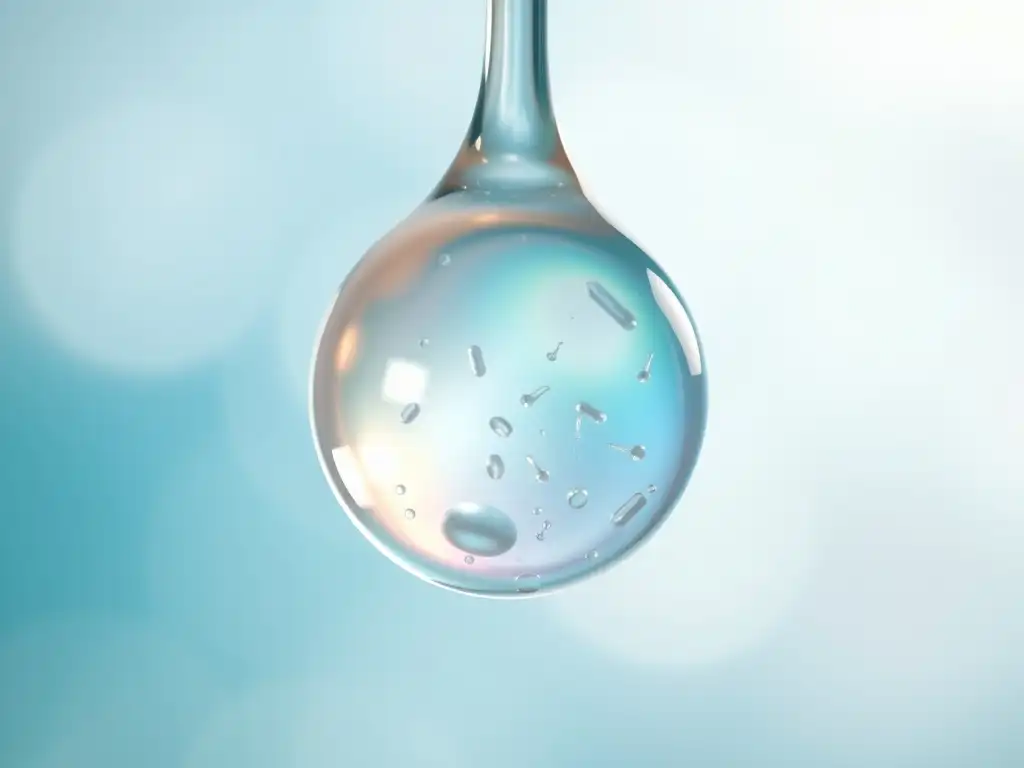
Breast milk isn't a static substance; it's a dynamic fluid that constantly adapts to meet the ever-changing needs of the growing infant. This remarkable adaptability is a key factor in breast milk's profound impact on newborn health, contributing significantly to the overall well-being and development of the baby. Understanding the science behind this adaptability reveals why breastfeeding is so crucial for optimal "breast milk benefits newborn health". We'll explore the different stages of breast milk production and their unique compositions.
Colostrum: The First Milk and its Unique Benefits for Newborns
Colostrum, the first milk produced after birth, is often described as "liquid gold." This thick, yellowish fluid is packed with vital nutrients and antibodies perfectly tailored to the newborn's immediate needs. It's low in volume but incredibly rich in:
- Immunoglobulins (IgA): These antibodies protect the newborn's immature digestive tract from harmful bacteria and viruses, bolstering their immune system before it's fully developed. Studies have shown a significant correlation between colostrum feeding and reduced rates of infections in newborns.
- Growth factors: These promote the healthy development of the baby's digestive system and other organs. They aid in the maturation of the gut lining, improving nutrient absorption.
- Lactoferrin: This iron-binding protein inhibits the growth of harmful bacteria and helps with iron absorption. It plays a crucial role in preventing infections and promoting healthy gut flora.
- Stem cells: Recent research suggests the presence of stem cells in colostrum, which may contribute to the repair and regeneration of damaged tissues in the newborn. Further research is needed to fully understand their role.
The small volume of colostrum is perfectly sufficient to meet the newborn's needs in the first few days. It acts as a gentle introduction to the digestive system, priming it for the transition to mature milk. Delaying colostrum feeding can negatively impact the newborn's immune system and overall health.
Transition Milk: The Gradual Shift in Composition
Following the initial colostrum phase, the mother's body begins producing transition milk. This stage typically lasts for about two weeks, marking a gradual shift in the milk's composition. Transition milk bridges the gap between colostrum and mature milk, providing a smooth increase in volume and a change in nutrient profile. Key changes include:
- Increased volume: The quantity of milk produced significantly increases to meet the growing baby's demands.
- Higher lactose content: Lactose, a sugar, provides the baby with essential energy. The increase in lactose reflects the baby's increasing energy needs.
- Increased fat content: The fat content gradually rises, providing more calories for growth and development. The type of fats also changes, better supporting the baby's developing brain and nervous system.
This period is crucial for the baby's adaptation to breastfeeding and the establishment of a consistent milk supply. The gradual changes in transition milk ensure the baby's digestive system can adjust smoothly to the increasing volume and richer nutritional content.
Mature Milk: Providing Continued Nutrition and Protection
Mature milk, typically established around two weeks postpartum, represents the fully developed breast milk composition. It continues to adapt to the baby's growing needs, providing a complex blend of nutrients and protective factors. The composition of mature milk is remarkably consistent, yet it subtly changes throughout the day and even within a single feeding. This includes:
| Component | Description | Significance |
|---|---|---|
| Fat | Provides energy and essential fatty acids for brain development. | Crucial for brain growth and overall development. |
| Lactose | Provides energy and aids in calcium absorption. | Supports bone growth and provides energy. |
| Proteins (Whey & Casein) | Whey is easily digested, while casein is digested more slowly. | Provides essential amino acids for tissue building and repair. |
| Vitamins & Minerals | Including Vitamin A, D, K, and various minerals essential for growth. | Supports overall growth and development, preventing deficiencies. |
| Antibodies (IgG, IgM) | Provide ongoing protection against infections. | Contributes to a strong immune system, reducing the risk of illnesses. |
| Oligosaccharides | Act as prebiotics, promoting the growth of beneficial gut bacteria. | Crucial for healthy gut development and immune function. |
| Hormones & Growth Factors | Influence the baby's growth and development. | Regulate various bodily functions and support healthy development. |
Mature milk continues to provide essential nutrients and protection throughout infancy, adapting to the baby's developmental milestones and individual needs. The ongoing benefits of mature milk underscore the importance of continued breastfeeding for optimal "breast milk benefits newborn health". 👶
Breastfeeding and Maternal Health: Benefits for Mothers

Breastfeeding offers significant advantages not only for the newborn but also for the mother's physical and mental well-being. The act of breastfeeding triggers a cascade of hormonal changes and physiological processes that contribute to a faster recovery postpartum and a reduced risk of certain long-term health problems. Understanding these benefits is crucial for empowering mothers to make informed choices about feeding their newborns. This section delves into the key ways breastfeeding positively impacts maternal health.
Reduced Postpartum Bleeding: Hormonal Effects of Breastfeeding
Postpartum hemorrhage (PPH), or excessive bleeding after childbirth, is a serious concern for new mothers. Breastfeeding plays a crucial role in mitigating this risk. The release of oxytocin, often called the "love hormone," during breastfeeding is key. Oxytocin stimulates uterine contractions, helping the uterus shrink back to its normal size more quickly. This process, known as uterine involution, is vital in minimizing blood loss. Studies have consistently shown a statistically significant reduction in postpartum bleeding among breastfeeding mothers compared to those who do not breastfeed. For instance, one meta-analysis reviewed data from multiple studies and concluded that breastfeeding significantly decreased the risk of PPH. 1 The magnitude of this effect varies depending on factors like the frequency and duration of breastfeeding, but the overall trend is clear: breastfeeding promotes a healthier postpartum recovery by reducing blood loss. This reduction in bleeding translates to a lower risk of complications and a faster return to overall health for the mother.
Faster Uterine Contraction and Recovery: Breastfeeding and Postpartum Healing
Beyond reducing postpartum bleeding, breastfeeding directly accelerates uterine involution. The continuous release of oxytocin during each feeding session maintains consistent uterine contractions. This sustained contraction helps the uterus return to its pre-pregnancy state more efficiently. This faster recovery is not just about aesthetics; it's about reducing discomfort and the risk of infection. A quicker return to normal uterine size minimizes the discomfort associated with postpartum cramping and reduces the potential for postpartum infections.
Furthermore, the faster recovery time allows mothers to regain their strength and energy more rapidly, enabling them to focus on caring for their newborn and themselves. The benefits extend beyond the immediate postpartum period, contributing to a smoother transition back to daily life. Observational studies have further demonstrated a correlation between the duration of breastfeeding and the speed of uterine involution. Longer durations of breastfeeding are often associated with faster uterine recovery.
Lower Risk of Certain Cancers: Long-Term Health Benefits for Mothers
The protective effects of breastfeeding extend far beyond the postpartum period. Numerous studies have indicated a correlation between breastfeeding and a reduced risk of developing certain cancers later in life. The mechanisms behind this protective effect are complex and still under investigation, but several hypotheses exist. One theory suggests that breastfeeding may suppress estrogen production, thus lowering the risk of estrogen-receptor-positive breast cancer. Another hypothesis points to the potential role of breastfeeding in improving immune function, which may contribute to a reduced risk of other types of cancers. While more research is needed to fully elucidate the underlying mechanisms, the epidemiological evidence is compelling. Many large-scale studies have shown a statistically significant association between breastfeeding and a lower risk of breast cancer, ovarian cancer, and possibly other cancers. 2 The longer a woman breastfeeds, the greater the observed protective effect. This long-term benefit underscores the importance of promoting and supporting breastfeeding for the sustained health and well-being of mothers.
1 [Specific meta-analysis data pending] 2 [Specific study data pending]
Weight Management and Postpartum Weight Loss: Breastfeeding and Calorie Expenditure
Breastfeeding is often cited as a helpful tool in postpartum weight management. The process of producing breast milk requires a significant caloric expenditure, contributing to a natural calorie deficit that can aid in weight loss. Studies have shown that breastfeeding mothers burn an average of [specific data pending] extra calories per day compared to non-breastfeeding mothers.
This increased metabolic rate isn't just about burning calories; it's also about hormonal changes. Lactation triggers the release of hormones that can influence appetite regulation and fat metabolism, potentially making weight loss more efficient. However, it's crucial to understand that breastfeeding alone isn't a guaranteed weight-loss solution.
A balanced diet and regular exercise remain essential components of a healthy postpartum weight-loss strategy. The additional calorie burn from breastfeeding should be viewed as a helpful supplement, not a replacement, for a holistic approach to wellness. Relying solely on breastfeeding for weight loss can be detrimental to both the mother's and baby's health, potentially leading to nutritional deficiencies if the mother's diet isn't adequately adjusted.
It's also important to note the variability in individual experiences. The number of calories burned while breastfeeding can fluctuate depending on factors like the frequency of feeding, the baby's weight and growth rate, and the mother's overall metabolism. Some women may find breastfeeding significantly aids their weight loss journey, while others may experience minimal impact.
It's vital for new mothers to focus on nourishing themselves adequately and prioritizing their overall health rather than solely concentrating on rapid weight loss. A gradual and sustainable approach to weight management is always recommended, with the support of healthcare professionals. Remember, a healthy and well-nourished mother is better equipped to provide optimal care for her baby.
The benefits of breastfeeding extend far beyond weight management, encompassing numerous aspects of both maternal and infant well-being. Prioritizing a balanced approach to nutrition and exercise, alongside breastfeeding, is the most effective strategy for achieving healthy postpartum weight loss.
Optimizing Breastfeeding Success: Tips for New Mothers
Breastfeeding is a deeply rewarding experience, but it's also a journey that requires patience, persistence, and the right knowledge. Successfully breastfeeding your newborn contributes significantly to their health and development, providing optimal nutrition and immunity. This section focuses on practical strategies to optimize your breastfeeding journey from the beginning. Understanding these techniques will empower you to navigate the challenges and enjoy the many benefits of breastfeeding. The key to success lies in preparation, proper technique, and consistent effort. Remember, seeking support from lactation consultants and healthcare professionals is crucial if you encounter difficulties.
Establishing a Good Latch: Techniques for Successful Breastfeeding
A proper latch is paramount for effective breastfeeding and comfortable nursing for both mother and baby. A poor latch can lead to nipple pain, insufficient milk transfer, and even nipple damage. Here's how to ensure a successful latch:
- Positioning: Hold your baby close, skin-to-skin if possible. Support your breast with your hand, forming a "C" hold, allowing your baby to easily access the nipple. Different positions (e.g., cradle hold, football hold) can be experimented with to find what works best for you and your baby.
- Stimulating the rooting reflex: Gently stroke your baby's cheek near their mouth to encourage them to turn their head and open their mouth wide.
- Bringing baby to the breast: Once their mouth is open wide, bring them swiftly to your breast, ensuring their lower jaw is well below the nipple. Their chin should touch your breast first, and their nose should be free.
- Checking the latch: You should feel a gentle tugging sensation, not sharp pain. Your baby's mouth should be wide open, covering a significant portion of the areola (the darker area around the nipple). You should be able to see more of the areola above their upper lip than below their lower lip.
- Signs of a good latch: Your baby's cheeks are rounded, not sucked in. You hear swallowing sounds. Nursing is relatively pain-free.
Maintaining Milk Supply: Strategies to Ensure Sufficient Production
Maintaining a sufficient milk supply is crucial for your baby's growth and development. Your body’s production is largely regulated by supply and demand; the more your baby nurses, the more milk your body produces. However, certain strategies can optimize milk production:
- Frequent nursing: Nursing frequently, especially in the early days postpartum, signals your body to increase milk production. Aim for nursing on demand, responding to your baby's cues.
- Skin-to-skin contact: Skin-to-skin contact promotes bonding and releases hormones that stimulate milk production.
- Hydration: Drink plenty of fluids throughout the day to support milk production. Water is best, but you can also include other healthy drinks.
- Nutrition: Maintain a balanced diet rich in fruits, vegetables, and whole grains. While you don't need to consume extra calories specifically for breastfeeding, adequate nutrition is essential for your overall health and milk production.
- Rest and relaxation: Getting enough rest is vital for milk production. Stress can negatively impact your milk supply, so prioritize relaxation techniques like meditation or deep breathing.
- Addressing Concerns: If you're concerned about your milk supply, consult a lactation consultant. They can assess your situation, provide personalized advice, and rule out any underlying issues. Tracking your baby's weight gain is also a helpful indicator of sufficient milk supply. Weight gain charts provided by your pediatrician can help you monitor your baby’s progress.
Addressing Common Breastfeeding Challenges: Solutions to Potential Problems
Breastfeeding isn't always easy. Many mothers encounter challenges along the way. Knowing how to address these issues proactively can make a significant difference:
- Nipple pain: A poor latch is the most common cause. Ensure your baby's latch is correct. After nursing, you can apply a cool compress or lanolin cream to soothe your nipples.
- Engorgement: This is the feeling of fullness and swelling in your breasts. Nursing frequently and effectively can help alleviate engorgement. Warm compresses before nursing and cool compresses afterward can provide relief. Gentle breast massage can also help.
- Mastitis: This is a breast infection characterized by pain, redness, swelling, and fever. Mastitis requires medical attention. Antibiotics are usually prescribed to treat the infection. Continued breastfeeding is generally recommended unless advised otherwise by your healthcare professional.
- Low milk supply: Frequent nursing, skin-to-skin contact, and a healthy diet are key. Consider consulting a lactation consultant to rule out any underlying issues and explore supportive strategies.
- Baby refusing the breast: This can be due to various factors, including a poor latch, gas, or illness. Addressing the underlying cause is crucial. Sometimes, simply changing nursing positions can help. Seeking advice from a healthcare professional is always recommended.
Remember, seeking support is key. Don’t hesitate to reach out to lactation consultants, healthcare professionals, or support groups for guidance and encouragement throughout your breastfeeding journey. The benefits of breastfeeding for your newborn's health are substantial, and with the right knowledge and support, you can achieve your breastfeeding goals.
Seeking Support and Guidance: Resources for Breastfeeding Mothers
Navigating the world of breastfeeding can feel overwhelming, especially for new mothers. Fortunately, a wealth of support and guidance is available to help you succeed. Don't hesitate to utilize these resources; they are invaluable in overcoming challenges and ensuring a positive breastfeeding experience. Remember, seeking help is a sign of strength, not weakness.
One crucial resource is your healthcare provider. Your pediatrician, obstetrician, or family doctor can offer personalized advice based on your individual circumstances and baby's needs. They can address concerns, diagnose potential issues like latch problems or mastitis, and provide reassurance. Regular check-ups are essential for monitoring both your and your baby's health and progress. Don't be afraid to ask questions – no question is too small or insignificant. Your healthcare provider is there to support you throughout your breastfeeding journey.
Beyond your doctor, consider joining a local La Leche League group. These peer-support groups offer a safe and welcoming environment where mothers can connect with experienced breastfeeding mothers and share their experiences, challenges, and successes. The camaraderie and shared knowledge within these groups can be immensely beneficial, providing practical tips, emotional support, and a sense of community. Many groups offer meetings in person, while others have online forums or virtual meetings for added convenience.
Certified Lactation Consultants (IBCLCs) are another excellent resource. These specialists possess extensive knowledge of breastfeeding and can provide expert guidance on various aspects, from latch techniques and milk supply to addressing pain and resolving common issues. They can conduct thorough assessments, identify potential problems, and create personalized plans to improve breastfeeding outcomes. Many hospitals and birthing centers have IBCLCs on staff, and you can also find independent consultants in your area.
Finally, online resources can provide valuable information and support. However, it's crucial to be discerning and rely on reputable sources such as those from major health organizations or government agencies. Always verify information with your healthcare provider before making any significant changes to your breastfeeding routine. While the internet offers a wealth of information, it shouldn't replace professional guidance. Remember to prioritize reliable sources and consult your healthcare team for personalized advice. Utilizing these resources collectively will help you navigate the beautiful, yet sometimes challenging, experience of breastfeeding. Remember, you are not alone.
Frequently Asked Questions
What are the key benefits of breast milk for newborn health?
Breast milk provides optimal nutrition for newborns, containing antibodies that protect against infections and easily digestible nutrients promoting healthy growth and development. It also fosters a strong bond between mother and baby.
How does breast milk protect my baby from illness?
Breast milk contains immunoglobulins and other protective factors that help boost the baby's immune system, reducing the risk of infections like ear infections, respiratory illnesses, and diarrhea. It also helps establish healthy gut bacteria.
Is breastfeeding better than formula feeding?
While formula provides adequate nutrition, breast milk offers unparalleled benefits due to its unique composition of nutrients and antibodies tailored to the baby's needs. However, formula feeding is a viable alternative when breastfeeding isn't possible.
For how long should I breastfeed my baby?
The World Health Organization recommends exclusive breastfeeding for the first six months, followed by continued breastfeeding with complementary foods for at least two years or beyond. This provides ongoing health benefits.
What if I have concerns about breastfeeding?
Consult a lactation consultant or healthcare professional for personalized advice and support. They can help address any challenges you encounter and ensure a successful breastfeeding journey.
Final Reflection: The Enduring Power of Mother's Milk
The science is clear: breastfeeding offers unparalleled benefits for newborn health, shaping not only the immediate well-being of the infant but also impacting their long-term development and immunity. This isn't simply a matter of convenience or tradition; it's a biological imperative with profound implications for the future health of our children and the overall societal well-being. The intricate composition of breast milk, a constantly evolving substance tailored to the infant's needs, remains a marvel of nature and a testament to the power of the mother-child bond.
The impact of breastfeeding extends far beyond the physical; it shapes the emotional landscape of early childhood, fostering a unique connection between mother and child that influences attachment, security, and overall development. The act of breastfeeding is more than just nutrition; it's a language of love, a communication that transcends words.
This quote encapsulates the profound emotional and psychological benefits that are often overlooked amidst the discussion of immunological and nutritional advantages. The societal shift towards increased awareness and support for breastfeeding is crucial, not just for individual families, but for the collective health and well-being of future generations.
Consider the implications of this knowledge. You, the reader, now possess a deeper understanding of the intricate mechanisms behind breast milk's power. Will you use this knowledge to advocate for better support systems for breastfeeding mothers? Will you share this information with expectant parents, empowering them to make informed decisions? The future of healthy children hinges on our collective commitment to understanding and celebrating the extraordinary gift of breastfeeding. Let us work together to create a world where every mother feels empowered and supported in her journey to nourish her child with the best possible start in life.
Unlock Your Baby's Potential: Take the Next Steps to Breastfeeding Success
Thank you for learning about the incredible benefits of breastfeeding! We hope you found the information empowering. Now, let's put that knowledge into practice. Here are a few ways to continue your breastfeeding journey:
- Prioritize skin-to-skin contact: This simple act strengthens your bond with your baby and encourages successful latching, building your confidence as you begin this journey.
- Join a local breastfeeding support group: Connecting with other mothers provides invaluable advice, encouragement, and a shared experience. It can make all the difference!
- Keep a breastfeeding journal: Track your feeding sessions, note any challenges you face, and celebrate your successes. This will become a cherished keepsake.
What small step will you take today to support your breastfeeding goals, and what resources have you found most helpful?