
Banana BabyLed Weaning Ideas: Simple, Soft, and Perfect for Beginners

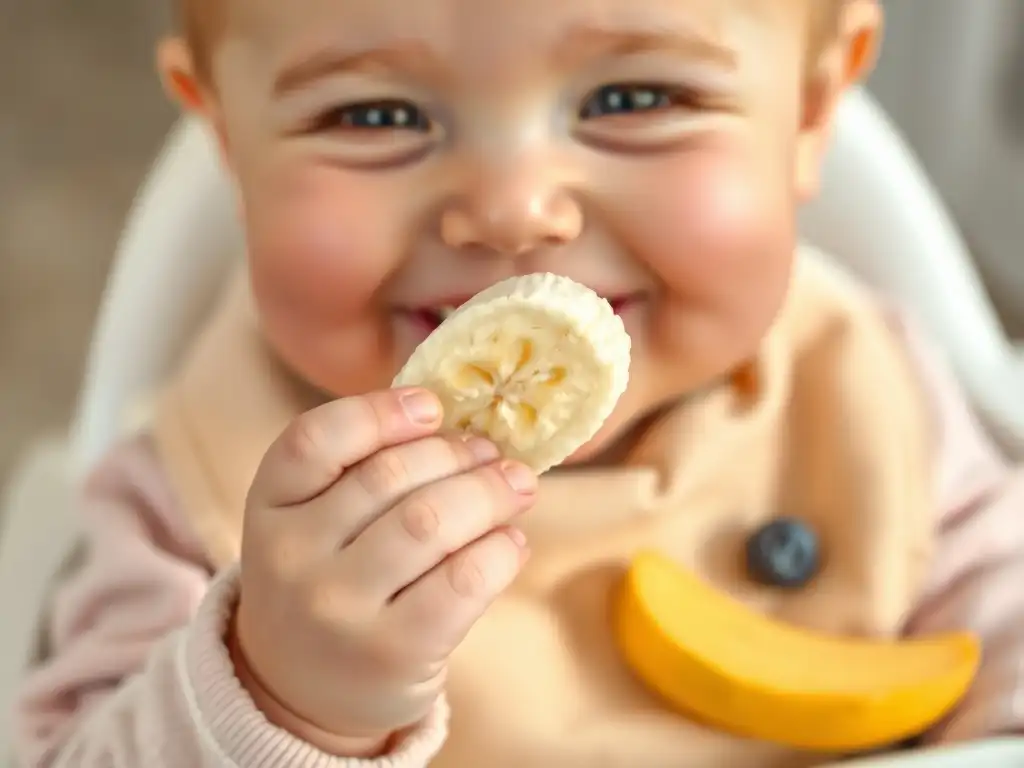
Welcome to BabyCareHub, your ultimate guide to navigating the exciting yet challenging world of parenthood! Are you ready to embark on the delicious journey of baby-led weaning? We've got you covered. Discover our collection of simple, safe, and nutritious Baby Led Weaning banana recipes, designed to make this milestone a breeze. Dive in and unlock the secrets to happy, healthy eating for your little one – your adventure starts here!
- Introducing Banana BLW: A Sweet Start to Solids
- Safe Preparation Techniques for Banana BLW
- Simple Banana Baby-Led Weaning Recipes
- Creative Banana BLW Combinations
- Troubleshooting Common Banana BLW Challenges
- Expanding Your Baby's Banana BLW Journey
- Frequently Asked Questions
- Final Reflection: The Sweetness of Independence: Nourishing Body and Spirit Through BLW
- Unlock Your Little One's Culinary Adventure!
Introducing Banana BLW: A Sweet Start to Solids
Embarking on the journey of baby-led weaning (BLW) can feel exciting yet daunting for first-time parents. Choosing the right first foods is crucial, and bananas often top the list for their ease of handling, nutritional value, and naturally sweet flavor that appeals to little ones. This comprehensive guide dives into the world of banana baby-led weaning, offering simple, soft, and perfectly safe recipes ideal for beginners.
We'll explore why bananas are a fantastic starting point for BLW, highlight their nutritional benefits for your baby, and guide you through selecting the perfect bananas for this exciting milestone. Get ready to discover how easy and enjoyable introducing solids can be with this delicious fruit! This guide will help you navigate the world of "Baby led weaning banana recipes" with confidence and ease, ensuring your little one enjoys a healthy and happy start to their solid food journey.
Why Bananas are Ideal for Baby-Led Weaning
Bananas are a fantastic choice for initiating baby-led weaning for several compelling reasons. Their soft texture makes them easy for babies to grasp and gum, minimizing the risk of choking. Unlike some fruits and vegetables, ripe bananas don't require extensive preparation—simply peel and offer! This simplicity is a huge boon for busy parents.
Furthermore, the naturally sweet flavor of bananas is often appealing to babies, encouraging them to explore new tastes and textures. The ease of preparation and inherent safety make bananas an excellent first food for BLW, helping your baby gain confidence and independence in the process. This makes the transition to solids smoother for both parent and child.
Nutritional Benefits of Bananas for Babies
Bananas offer a delightful array of nutrients beneficial for your baby's growth and development. They are an excellent source of potassium, crucial for maintaining healthy blood pressure and muscle function. They also provide a good amount of vitamin B6, essential for brain development and immune function. Bananas are also a decent source of fiber, which aids in digestion and promotes healthy bowel movements.
Moreover, they contain vitamin C, an antioxidant that supports the immune system. The combination of these nutrients makes bananas a valuable addition to your baby's diet as they begin their solid food journey. Remember to always consult with your pediatrician before introducing new foods to your baby’s diet.
Choosing the Right Bananas for Baby-Led Weaning
Selecting the right bananas is key for a successful BLW experience. Opt for perfectly ripe bananas, exhibiting a yellow peel with a few brown spots. These bananas are softer and easier for your baby to manage, reducing the risk of choking hazards. Avoid bananas that are overly green (too hard) or overly brown and mushy (too soft and potentially prone to bacterial growth).
The ideal banana should yield slightly to gentle pressure, indicating the perfect balance of ripeness and firmness. Remember, safety is paramount – always supervise your baby while they are eating and cut the banana into appropriately sized, manageable pieces to further reduce the choking risk. A good rule of thumb is to cut the banana into sticks no thicker than your baby's pinky finger.
Safe Preparation Techniques for Banana BLW
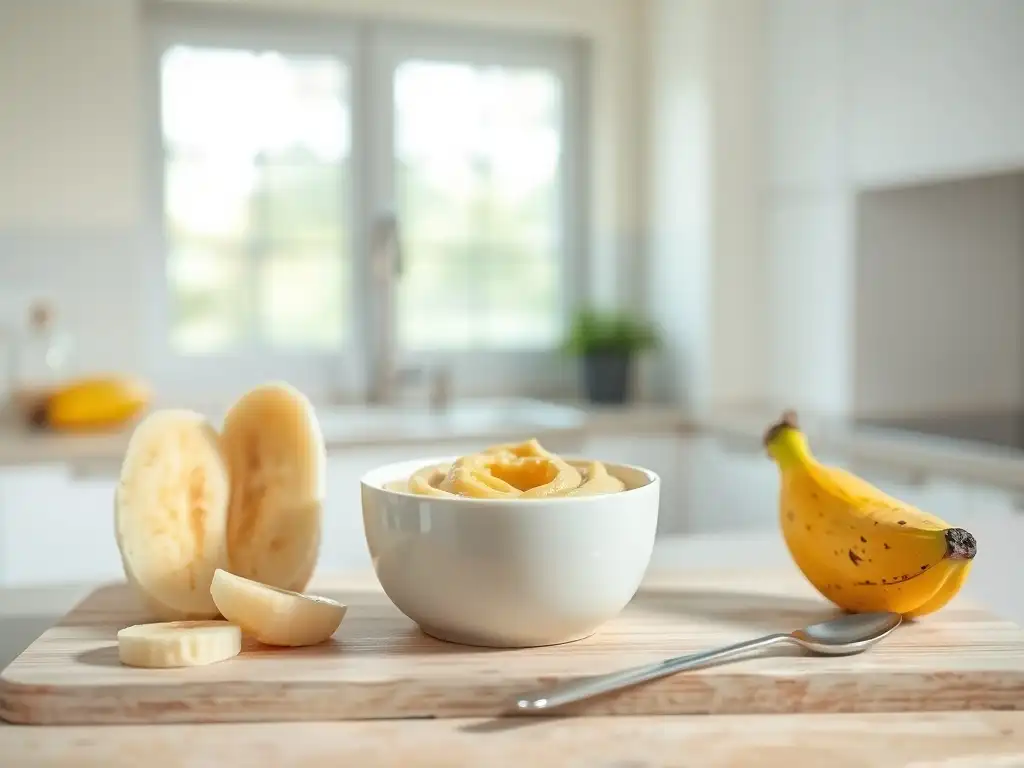
Bananas are a fantastic first food for baby-led weaning (BLW) due to their naturally soft texture and sweetness. However, even with this naturally soft texture, safe preparation is key to ensuring your little one can enjoy this nutritious fruit without choking hazards. This section focuses on safe preparation methods for bananas, optimizing them for your baby's developmental stage and ensuring a smooth transition to solids. Remember, always supervise your baby during mealtimes.
Steaming Bananas for Soft Texture
Steaming bananas enhances their softness, making them even easier for your baby to manage during BLW. This method is particularly useful for slightly underripe bananas, which might be too firm for your little one's gums. The steaming process also helps to retain more nutrients compared to boiling.
Here's how to steam bananas for your baby:
- Prepare the Banana: Peel the banana completely. You can cut it into smaller, manageable sticks (around 1-2 inches long and ½ inch thick), or leave it whole depending on your baby's developmental stage and chewing abilities. Smaller pieces reduce the choking risk.
- Steam the Banana: Place the banana pieces in a steamer basket over a pot of boiling water. Ensure the water doesn't touch the bananas. Cover the pot and steam for 2-3 minutes, or until the banana is noticeably softer but still holds its shape. Over-steaming can result in mushy bananas that are difficult to handle.
- Cool and Serve: Remove the banana from the steamer and let it cool completely before offering it to your baby. Always check the temperature before serving to prevent burns. You can test the temperature by placing a small piece on your inner wrist.
Mashing Bananas for Easier Handling
While many babies can readily manage steamed banana sticks, mashing bananas offers an alternative for younger babies or those who are just beginning their BLW journey. This method creates a smoother consistency, reducing the risk of choking. However, even mashed bananas should still have some texture to encourage gum development and self-feeding skills.
To mash bananas safely and effectively:
- Use a Fork: A simple fork works perfectly for mashing bananas. Simply pierce the banana and gently mash until it reaches your desired consistency. Avoid over-mashing, as this can create a very smooth puree that may be less stimulating for your baby's gums.
- Consider the Ripeness: Overripe bananas are easier to mash than underripe ones. Choose bananas that are slightly soft to the touch for optimal mashing.
- Serve Immediately: Mashed bananas are best served fresh to avoid browning and to maintain their nutritional value.
Freezing Banana Puree for Future Meals
Freezing banana puree is a great way to prepare healthy meals in advance. This is particularly helpful for busy parents or for those wanting to stock up on nutritious first foods. Remember to always thaw the puree completely and check the temperature before serving.
Steps for freezing banana puree:
- Prepare the Puree: Mash or blend ripe bananas until smooth. You can add a small amount of breast milk or formula to adjust the consistency if needed.
- Portion and Freeze: Pour the puree into ice cube trays or small freezer-safe containers. This allows for easy portioning and prevents freezer burn.
- Label and Store: Label the containers with the date and contents. Store the frozen puree in the freezer for up to 3 months.
- Thawing: When ready to use, thaw the puree in the refrigerator overnight or in a bowl of cold water. Always check the temperature before serving to your baby. Never microwave frozen puree as this can create hot spots and burn your baby.
Remember, the key to safe banana preparation for BLW is to prioritize your baby's safety and developmental stage. Adjust the consistency and size of the banana pieces accordingly, and always supervise your baby during mealtimes. Enjoy the delicious and nutritious journey of baby-led weaning!
Simple Banana Baby-Led Weaning Recipes
Bananas are a fantastic first food for baby-led weaning (BLW) because they're naturally sweet, soft, and packed with nutrients. Their ease of preparation makes them an ideal choice for busy parents navigating the exciting (and sometimes messy!) world of BLW. This section explores several simple banana recipes perfect for introducing your little one to solids.
Remember to always supervise your baby during mealtimes and introduce new foods one at a time to monitor for any allergic reactions. The following recipes are designed to be easily adaptable to your baby's developmental stage and preferences. Finding the right texture and consistency is key to a successful and enjoyable BLW experience.
Basic Steamed Banana Sticks
This is the simplest BLW banana recipe possible, perfect for babies just starting their solid food journey. Steaming softens the banana, making it easier for your baby to grasp and gum.
The process is straightforward:
- Peel a ripe banana.
- Cut the banana into 2-3 inch sticks, ensuring they are thick enough to avoid choking hazards. Aim for a diameter of about ½ inch to ¾ inch. Remember, the size should be appropriate for your baby's grasping abilities.
- Steam the banana sticks for 2-3 minutes, or until slightly softer. Over-steaming can result in mushy bananas, which are less ideal for BLW. A microwave steamer or a simple steamer basket over boiling water works well.
- Let the banana sticks cool slightly before offering them to your baby. Always check the temperature before serving to prevent burns.
This method preserves much of the banana's natural sweetness and nutrients. You can easily adjust the steaming time based on your baby's preference and the ripeness of the banana. Ripe, but still firm bananas, work best to retain their shape. Overly ripe bananas may become too soft and difficult to handle. Always supervise your baby while eating.
Banana and Avocado Mash
This recipe combines the sweetness of banana with the healthy fats of avocado, creating a creamy and nutritious puree ideal for babies who are ready for a smoother consistency.
Ingredients:
- ½ ripe banana, mashed
- ¼ ripe avocado, mashed
Instructions:
- Mash the banana and avocado together in a small bowl until you reach a smooth consistency. You can use a fork or a baby food masher.
- Offer the mash to your baby using a spoon or letting them self-feed with their hands, depending on their developmental stage and preference.
This mash is packed with healthy fats and potassium, crucial for your baby's development. The creamy texture makes it easy for babies to manage, even those with limited gumming skills. This recipe can also be easily adapted – adding a little breast milk or formula can adjust the consistency. Remember to always introduce new foods one at a time to monitor for allergies.
Banana Oatmeal Baby Food
This recipe adds a bit more complexity, introducing the added benefit of fiber-rich oatmeal. It's perfect for babies who are already enjoying bananas and are ready for a slightly more textured food.
Ingredients:
- ½ cup water
- ¼ cup rolled oats (not instant)
- ½ ripe banana, mashed
Instructions:
- Bring the water to a boil in a small saucepan.
- Add the rolled oats and reduce heat to low. Simmer for about 5-7 minutes, or until the oats are cooked through and the mixture has thickened.
- Remove from heat and stir in the mashed banana until well combined.
- Let the mixture cool slightly before offering it to your baby. You can adjust the consistency by adding more water if needed.
This recipe provides a good source of fiber and complex carbohydrates, contributing to your baby's overall nutritional intake. The oatmeal helps to thicken the mixture, providing a different texture compared to the mashed banana alone. Always ensure the oatmeal is well-cooked to avoid any choking hazards. The addition of cinnamon (a tiny pinch!) can add a subtle flavor, but always introduce spices cautiously. Remember to always supervise your baby while they are eating.
Banana Pancakes (modified for BLW)
Banana pancakes are a classic, and with a few simple modifications, they become perfect for baby-led weaning (BLW). The key is to adjust the texture to ensure they're soft enough for little ones to gum and manage without choking hazards. We'll avoid added sugars and focus on whole-wheat flour for added nutrients.
This recipe prioritizes simplicity and ease of preparation, making it ideal for busy parents. The ingredients are readily available, and the cooking process is quick and straightforward. The result is a naturally sweet and nutritious pancake that your baby will likely enjoy. Remember, always supervise your baby closely during mealtimes, especially when introducing new foods.
One crucial aspect of adapting this recipe for BLW is the size and shape of the pancakes. Instead of making large, round pancakes, opt for smaller, finger-sized pieces. This makes them easier for babies to grasp and self-feed. You can use a small cookie cutter or simply cut the pancakes into strips or squares after cooking. The smaller size also reduces the choking risk significantly.
Another important consideration is the cooking method. Overcooked pancakes can be hard and difficult for babies to manage. Aim for a slightly softer texture than you might typically prefer for yourself. This ensures the pancakes are easily mashed with gums, promoting healthy jaw development. You can achieve this by reducing the cooking time slightly or lowering the heat.
Finally, remember to always check the temperature of the pancakes before giving them to your baby. They should be lukewarm or cool to the touch to prevent burns. Never leave your baby unattended while they are eating. Observe their reactions to the new food and note any signs of allergies or discomfort.
Here's a suggested recipe adaptation:
| Ingredient | Quantity | Notes |
|---|---|---|
| Mashed ripe banana | 1 medium | The riper, the sweeter! |
| Whole wheat flour | 1/4 cup | Provides fiber and nutrients. |
| Egg | 1 | Binds the ingredients and adds protein. |
| Milk (breast milk or formula) | 1-2 tablespoons | Adjust for desired consistency. |
| Cinnamon (optional) | Pinch | Adds a warm, comforting flavor. |
Instructions:
- Mash the banana thoroughly in a bowl.
- Add the flour, egg, and milk (or formula). Mix well until a smooth batter forms. Add cinnamon if desired.
- Heat a lightly oiled griddle or frying pan over medium-low heat.
- Pour small portions of the batter onto the hot surface, creating small, finger-sized pancakes.
- Cook for 1-2 minutes per side, or until lightly browned and cooked through. Avoid overcooking.
- Let the pancakes cool slightly before serving to your baby.
Remember to always consult your pediatrician before introducing new foods to your baby's diet. Enjoy this simple and delicious BLW recipe!
Creative Banana BLW Combinations
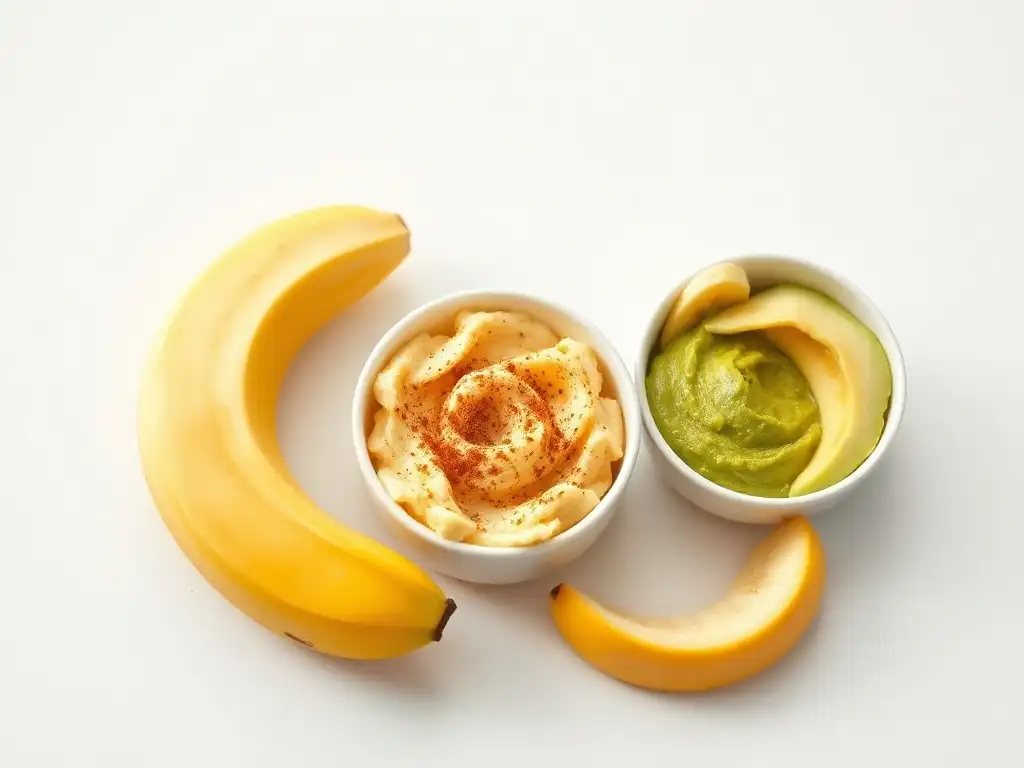
Bananas are a fantastic first food for baby-led weaning (BLW) due to their soft texture, natural sweetness, and nutritional benefits. They're packed with potassium, fiber, and vitamins, making them a perfect choice for little ones starting their solids journey. This section explores some creative and delicious banana-based BLW recipes that are simple to prepare and appealing to even the pickiest eaters. Remember to always supervise your baby during mealtimes and introduce new foods one at a time to monitor for any allergic reactions.
Banana and Sweet Potato Puree
This puree offers a smooth, easily-managed texture perfect for early BLW stages. The sweetness of the banana complements the earthiness of the sweet potato, creating a balanced and nutritious meal.
Sweet potatoes are an excellent source of vitamin A and fiber, supporting healthy growth and digestion. To prepare this puree, simply steam or bake a sweet potato until soft. Once cooled slightly, mash it thoroughly. Then, mash a ripe banana and combine it with the sweet potato puree. Adjust the consistency by adding a little breast milk or formula if needed to achieve a smooth, easily-munchable texture for your baby.
You can also add a touch of cinnamon for extra flavor – a tiny pinch is all you need! This puree can be stored in the refrigerator for up to 2 days or frozen in ice cube trays for longer storage. Remember to always check the temperature before serving to your baby. This recipe is a great option for introducing both banana and sweet potato as first foods, offering a delightful combination of flavors and textures.
The nutritional benefits of this combination are significant. Bananas provide potassium crucial for healthy muscle function and nerve transmission, while sweet potatoes offer beta-carotene, which the body converts into vitamin A, essential for vision and immune function. This puree provides a good source of both vitamins and fiber, supporting your baby's overall health and development.
Banana with Yogurt and Cinnamon
This simple combination offers a creamy texture and a delightful flavor profile. The addition of plain, full-fat yogurt provides calcium and probiotics, supporting healthy bone development and gut health. A sprinkle of cinnamon adds a warm, subtle spice that many babies enjoy.
To prepare this, simply mash a ripe banana. Mix in a spoonful of plain, full-fat yogurt (ensure it's specifically made for babies or check the ingredient list for any added sugars or unsuitable ingredients). Add a tiny pinch of cinnamon for flavor. The consistency should be thick enough to hold its shape but soft enough for your baby to easily gum and manage.
This recipe is quick, easy, and packed with nutrients. It is an excellent option for a snack or a light meal, providing a balanced combination of carbohydrates, protein, and healthy fats. Remember to always introduce new foods one at a time and observe your baby for any allergic reactions. This combination is particularly beneficial for babies who are already familiar with bananas and yogurt separately, as it introduces a new flavor profile without being overwhelmingly complex.
Banana and Apple Puree
This puree offers a slightly tangy twist on the classic banana puree. Apples are rich in vitamin C and fiber, contributing to a strong immune system and healthy digestion. The combination of banana and apple offers a balanced sweetness and a slightly more complex flavor profile than banana alone, making it a great option for babies who are starting to explore a wider range of tastes.
For this recipe, steam or bake an apple until soft. Once cool, mash it thoroughly. Then, mash a ripe banana and combine it with the apple puree. You can adjust the consistency as needed by adding a little breast milk or formula. This puree can be stored in the refrigerator for up to 2 days or frozen in ice cube trays for longer storage.
The natural sweetness of the banana complements the subtle tartness of the apple, creating a delicious and nutritious puree that is perfect for baby-led weaning. This combination provides a good balance of vitamins, minerals, and fiber, supporting your baby's overall growth and development. The soft texture of both fruits makes it ideal for babies who are just starting to explore solid foods. Remember to always supervise your baby during mealtimes.
Troubleshooting Common Banana BLW Challenges
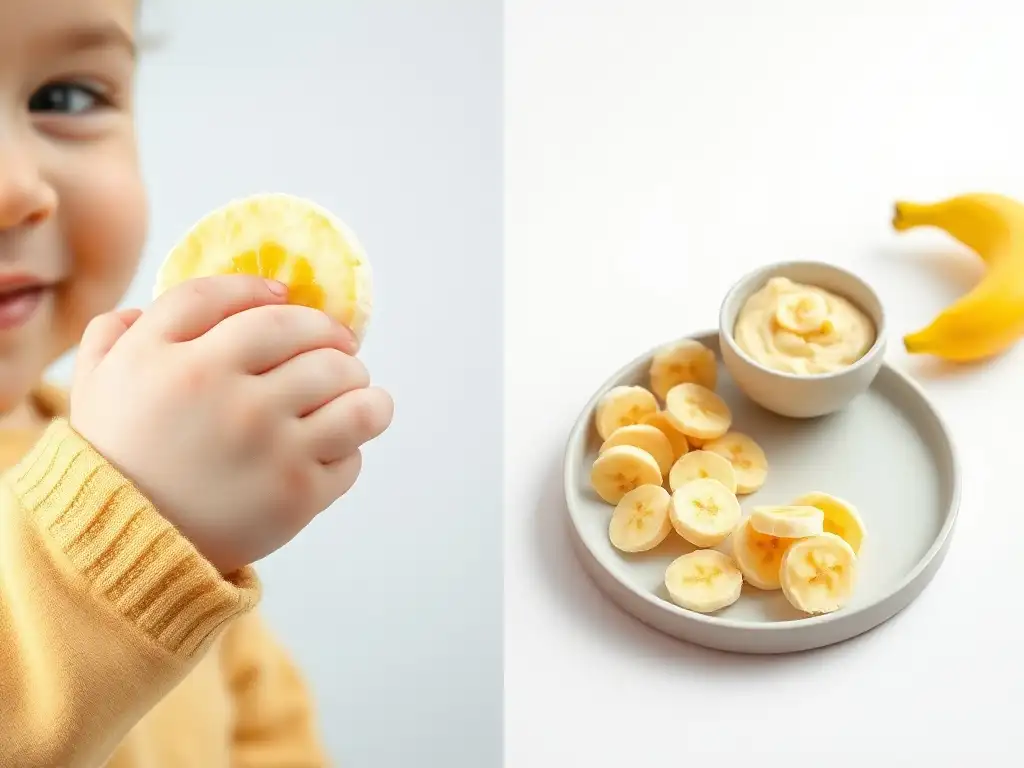
Introducing bananas into your baby's diet during baby-led weaning (BLW) is often a smooth process, thanks to their soft texture and natural sweetness. However, some challenges might arise. This section addresses common issues and provides practical solutions to ensure a safe and positive BLW experience with bananas. Remember, always supervise your baby closely during mealtimes.
Dealing with Gagging and Choking
Gagging and choking are common anxieties for parents starting BLW. It's crucial to understand the difference: gagging is a normal reflex that helps protect your baby from choking. Choking is a serious situation requiring immediate intervention.
Bananas, due to their soft texture, are less likely to cause choking than harder foods. However, larger pieces can still pose a risk.
Here's how to minimize the risk:
- Offer appropriately sized pieces: Cut bananas into small, manageable sticks or quarters, no longer than your baby's pinky finger and about half an inch thick. Avoid long, thin strips that could easily lodge in the throat.
- Supervise closely: Never leave your baby unattended during mealtimes. Stay alert and observe their eating patterns.
- Introduce gradually: Start with small amounts of banana and gradually increase the portion size as your baby becomes more comfortable.
- Position properly: Ensure your baby is sitting upright in a high chair with good support.
- Know the Heimlich maneuver: While unlikely with soft bananas, familiarize yourself with infant CPR and the Heimlich maneuver for babies. Attend a first-aid course for added confidence.
The table below summarizes the differences between gagging and choking:
| Feature | Gagging | Choking |
|---|---|---|
| Sound | Usually a soft, sputtering sound | Often silent or with a high-pitched wheeze |
| Breathing | Breathing is usually unaffected | Breathing is significantly impaired or absent |
| Color | Baby may turn slightly red or pale | Baby may turn blue or grey |
| Response | Baby can often cough up the food | Baby cannot cough up the food |
| Action | Observe and reassure; do not interfere | Immediate intervention required; call emergency services |
Remember, while gagging is a normal developmental stage, persistent gagging or choking warrants immediate medical attention.
Managing Allergies and Sensitivities
Banana allergies are relatively rare, but they can still occur. While bananas themselves are unlikely to cause a severe reaction in most babies, cross-reactivity with other fruits like latex is possible.
- Introduce slowly: Start with a small amount of banana and wait 24-48 hours to observe for any allergic reactions, such as rashes, hives, swelling, or difficulty breathing.
- Observe carefully: Watch for any signs of discomfort, including fussiness, vomiting, or diarrhea, after feeding your baby bananas.
- Family history: If there is a family history of allergies, introduce bananas with extra caution and consult your pediatrician.
- Consult your doctor: If you have any concerns about allergies or sensitivities, consult your pediatrician before introducing bananas or any new foods to your baby's diet.
Addressing Constipation or Diarrhea
Bananas are often considered a mild binder, meaning they can help with constipation. However, in some babies, they might have the opposite effect, leading to diarrhea. The effect depends on the baby's individual digestive system and the amount of banana consumed.
- Monitor bowel movements: Pay close attention to your baby's bowel movements. Constipation is characterized by infrequent, hard stools, while diarrhea involves loose, watery stools.
- Adjust portion size: If your baby experiences constipation, you might increase the banana intake slightly. Conversely, if diarrhea occurs, reduce the amount of banana offered.
- Hydration is key: Ensure your baby is well-hydrated, especially if they have diarrhea.
- Balance with other foods: Offer a variety of fruits and vegetables to ensure a balanced diet and promote healthy digestion. Consider adding foods known to help with either constipation (like prunes) or diarrhea (like rice cereal), depending on your baby's needs.
- Consult your pediatrician: If you have concerns about your baby's bowel movements, consult your pediatrician. They can help you determine the cause and recommend appropriate interventions.
Remember, these are general guidelines. Always consult with your pediatrician or a registered dietitian for personalized advice on your baby's nutrition. Every baby is unique, and their dietary needs may vary.
Expanding Your Baby's Banana BLW Journey
This section focuses on extending your baby's baby-led weaning (BLW) experience beyond the initial introduction of bananas. Bananas are a fantastic starting point due to their softness, sweetness, and nutritional value. However, a diverse diet is crucial for your baby's healthy growth and development. We'll explore ways to build upon your banana BLW success and introduce a wider range of flavors and textures. Remember to always consult your pediatrician before introducing new foods to your baby's diet.
Introducing Other Soft Fruits Alongside Bananas
Once your baby is comfortably eating bananas and showing no signs of allergies or digestive issues, you can start introducing other soft fruits. The key is gradual introduction, one new fruit at a time, waiting at least 2-3 days to observe for any reactions. This allows you to pinpoint any potential allergens.
Here's a suggested progression, focusing on similarly soft fruits:
- Avocado: Ripe avocado is incredibly soft and creamy, offering healthy fats. Simply cut it into small, manageable sticks.
- Peaches & Nectarines: Choose ripe, soft peaches or nectarines and cut them into small, manageable pieces. Remove the skin and pit.
- Mango: Ripe mango is also a great option. Cut it into small, easily-graspable pieces. Remember to remove the pit.
- Pears: Ripe pears, especially the softer varieties, can be offered in small, appropriately sized pieces.
Remember to always supervise your baby while they are eating and cut the fruits into appropriately sized pieces to prevent choking hazards. Start with small portions and observe your baby's reaction to each new fruit. Keep a food diary to track any allergies or digestive issues.
Gradual Transition to More Complex Textures
After your baby has mastered soft fruits like bananas, avocados, and peaches, you can gradually introduce fruits with slightly firmer textures. This helps develop their chewing and swallowing skills. This transition should be slow and deliberate.
Here's a potential progression:
- Slightly underripe bananas: While ripe bananas are ideal for starting BLW, slightly underripe bananas offer a slightly firmer texture, helping your baby develop stronger chewing muscles.
- Apples (steamed or baked): Steaming or baking apples softens them considerably, making them easier for your baby to manage. Cut them into small, manageable pieces.
- Berries (mashed or pureed initially): Berries can be a choking hazard, so it's best to start with mashed or pureed versions before offering small, whole berries.
The goal is to gradually increase the firmness of the fruits offered, always ensuring the pieces are appropriately sized to prevent choking. Observe your baby's cues – if they seem to struggle, return to softer options.
When to Introduce Other Foods Beyond Bananas
While bananas are a fantastic starting point for BLW, a varied diet is crucial. Once your baby is confidently eating a range of soft fruits, you can start introducing other food groups, such as vegetables and proteins.
Consider the following timeline, keeping in mind that every baby develops at their own pace:
| Food Group | Approximate Timing (after banana introduction) | Considerations |
|---|---|---|
| Soft Vegetables | 1-2 weeks | Steamed carrots, sweet potatoes, broccoli florets |
| Proteins | 2-3 weeks | Well-cooked, soft chicken, lentils, avocado |
| Grains | 4-6 weeks | Soft cooked rice, well-cooked pasta |
Remember to introduce one new food at a time, waiting several days to observe for any allergic reactions. Keep a detailed food diary to track your baby's progress and any potential issues. Always prioritize safety and consult your pediatrician for personalized guidance. Enjoy this exciting journey of expanding your baby's culinary horizons!
Frequently Asked Questions
What is Baby-Led Weaning (BLW)?
Baby-Led Weaning is a method where babies self-feed soft, finger foods from the start of weaning, skipping purees. It emphasizes letting the baby lead the pace and explore different textures and tastes. This approach focuses on the baby's natural ability to self-regulate food intake.
Are bananas good for baby-led weaning?
Yes! Bananas are excellent first foods for BLW because they're soft, easy to grip, and naturally sweet. They're also a good source of potassium and fiber. Just ensure they're ripe enough to be easily mashed by your baby's gums.
How should I prepare bananas for baby-led weaning?
Simply peel a ripe banana and cut it into appropriately sized sticks or slices. Ensure the pieces are large enough to avoid choking hazards but small enough for your baby to manage. You can also mash it slightly if needed for extra softness.
What other foods can I offer alongside bananas?
Good choices include soft cooked carrots, steamed broccoli florets, avocado slices, and well-cooked sweet potato. Remember to always supervise your baby during mealtimes and introduce new foods one at a time to monitor for allergies.
What are some simple banana BLW recipes beyond just slices?
You can try banana pancakes (made with mashed banana, egg, and flour), banana oatmeal (mashed banana added to cooked oatmeal), or banana muffins (using whole wheat flour and ripe bananas). Always ensure the texture is soft enough to avoid choking hazards.
Final Reflection: The Sweetness of Independence: Nourishing Body and Spirit Through BLW
The gentle introduction of solid foods is a pivotal moment in a baby's life, and the banana, with its soft texture and natural sweetness, often serves as the perfect first food. This seemingly simple act of offering a soft banana slice holds profound implications for a child's development, fostering independence, sensory exploration, and a healthy relationship with food from the very start.
Baby-led weaning (BLW) is more than just a feeding method; it's a philosophy that emphasizes trust in a child's innate abilities and cues. It's a journey of discovery, both for the baby and the parent, filled with messy moments and joyful milestones. The banana, in its versatility and ease of preparation, becomes a symbol of this journey. The best things in life are messy,
a phrase often associated with childhood, perfectly encapsulates the spirit of BLW and the beautiful chaos of this developmental stage. The impact extends beyond the immediate, shaping future eating habits and fostering a positive body image.
Now, consider your own journey. Reflect on the moments of wonder and the challenges you've faced as you've navigated the world of baby-led weaning. Remember the first tentative grasp, the delighted expression as your little one explored new textures and tastes. Embrace the mess, the learning, and the joy. You are not just feeding your baby; you are nurturing a lifelong love of food, a sense of self-efficacy, and a foundation for a healthy and happy future. Let the sweetness of this experience guide you, and continue to embrace the beautiful journey of parenthood.
Unlock Your Little One's Culinary Adventure!
Thank you for joining us on this journey into the exciting world of baby-led weaning! We hope you've discovered some delicious and safe recipes to kickstart your little one's food adventure. Now, let's put those ideas into action!
- First Steps: Try a simple banana-based recipe today! Observe your baby's reactions and adjust as needed. Remember, every baby is different.
- Share Your Experience: Share your successes and challenges in the comments below. Let's build a supportive community of parents! Feel free to mention any adjustments you made to the recipes.
- Continue Exploring: Visit BabyCareHub.org for more baby-led weaning ideas and resources, featuring a wide variety of fruits and vegetables.
Ready to watch your little one explore new flavors and textures? Which recipe are you most excited to try first?