
BabyLed Weaning: The Truth About Gagging and Choking

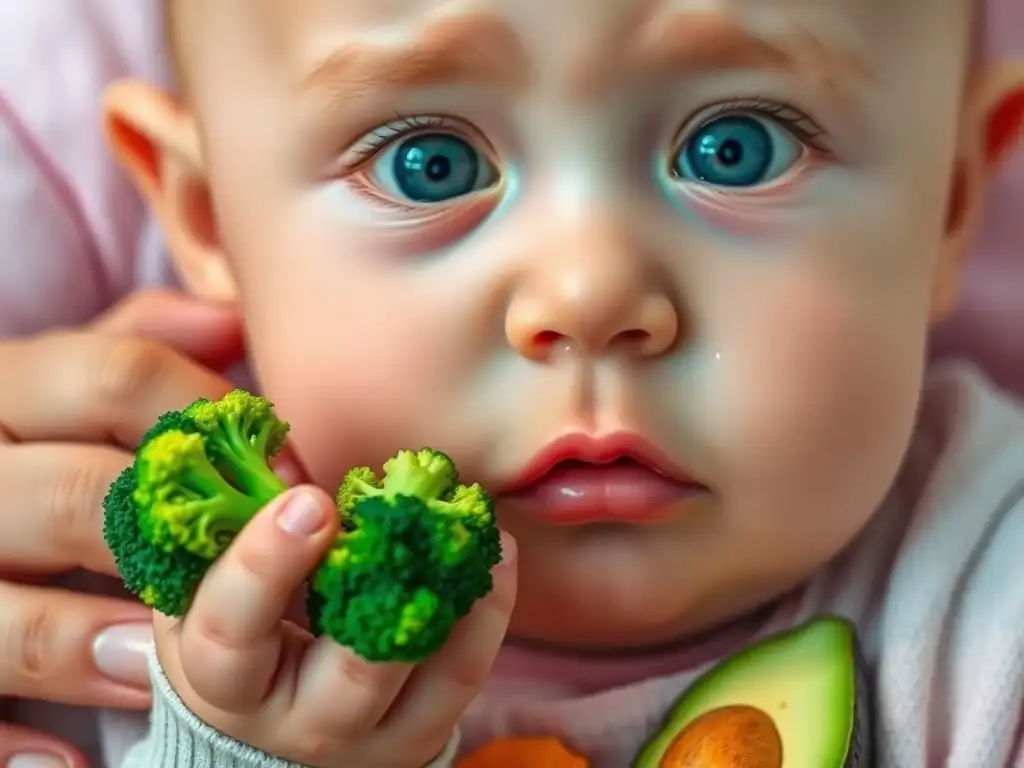
Welcome to BabyCareHub, your ultimate guide to navigating the incredible journey of parenthood! Are you a first-time parent feeling overwhelmed by the complexities of newborn care? We understand. That's why we've created this comprehensive resource, packed with expert advice and practical tips. Discover the truth about baby choking and first foods in our insightful article on Baby-Led Weaning, and learn how to confidently introduce solids to your little one. Let's explore the world of safe and healthy feeding together – your baby's well-being starts here!
- Understanding Baby Choking First Foods: Separating Myth from Reality
- Baby-Led Weaning and Choking Prevention: Practical Strategies
- Baby Choking First Foods: Emergency Procedures and First Aid
- Baby-Led Weaning and Choking: Addressing Parental Concerns
- Baby Choking First Foods: Long-Term Benefits of Baby-Led Weaning
- Frequently Asked Questions
- Final Reflection: Navigating the Messy, Wonderful World of Baby-Led Weaning
- Unlock Your Baby's Eating Potential!
Understanding Baby Choking First Foods: Separating Myth from Reality
Introducing your baby to solid foods is a significant milestone, filled with excitement and, understandably, anxiety. One of the most prevalent concerns among first-time parents embarking on the journey of baby-led weaning (BLW) is the fear of choking. This comprehensive guide aims to demystify the process, separating fact from fiction surrounding baby choking and first foods. We'll explore the critical differences between gagging and choking, teach you how to recognize the signs of each, and provide practical advice on selecting safe food choices to minimize choking risks during baby-led weaning. Understanding these distinctions will empower you to confidently navigate this exciting stage of your baby's development, fostering a positive and safe introduction to solid foods. Remember, while BLW offers numerous benefits, informed preparation is key to a smooth transition. Let's delve into the details and equip you with the knowledge to confidently embrace this new chapter with your little one.
The Difference Between Gagging and Choking in Babies
It's crucial to understand the fundamental difference between gagging and choking. Many parents confuse the two, leading to unnecessary panic. Gagging is a natural reflex designed to protect your baby from swallowing something too large or that they're not ready for. It's characterized by a forceful expulsion of food from the back of the throat. Think of it as your baby's way of saying, "Whoa, that's too big/too much!" The gag reflex is usually accompanied by sounds like sputtering, coughing, and sometimes even vomiting. Importantly, your baby is still able to breathe during a gagging episode.
Choking, on the other hand, is a much more serious situation. It occurs when an object completely blocks the airway, preventing your baby from breathing. This is a life-threatening emergency requiring immediate intervention. In a choking episode, your baby will be unable to cough, cry, or make any sound. Their face may turn blue or purple due to lack of oxygen. The distinction between these two is vital. While gagging is a normal part of the learning process, choking requires swift action.
Recognizing the Signs of Gagging and Choking
Learning to differentiate between gagging and choking is paramount. Here’s a table summarizing the key differences to help you quickly assess the situation:
| Feature | Gagging | Choking |
|---|---|---|
| Airway | Partially obstructed | Completely obstructed |
| Breathing | Able to breathe | Unable to breathe |
| Sound | Sputtering, coughing, sounds of distress | Silent, unable to cough or cry |
| Facial Color | Normal or slightly flushed | Blue or purple (cyanosis) |
| Body Posture | May arch back, push food out with tongue | Struggling, grasping at throat, silent |
| Response | Usually self-resolves | Requires immediate intervention (CPR if needed) |
Remember, if you are ever unsure, it is always better to err on the side of caution and seek immediate medical assistance. Early intervention is critical in choking emergencies. Consider taking a baby first aid and CPR course to be fully prepared. Knowing what to do in such situations will provide you with peace of mind and crucial skills to handle an emergency.
Safe Food Choices for Baby-Led Weaning: Minimizing Choking Risks
Choosing the right foods is crucial in minimizing choking risks during BLW. Offer foods that are soft enough to easily mash with the gums, yet firm enough to be held and manipulated by your baby. Avoid foods that are:
- Round and small: such as grapes, cherry tomatoes, or whole nuts.
- Hard and crunchy: such as raw carrots, apples, or pretzels.
- Sticky and chewy: such as gummy candies or marshmallows.
- Long and thin: such as hot dogs or sausages (cut into small, flat pieces).
Instead, opt for:
- Soft cooked vegetables: Broccoli florets, sweet potato sticks, well-cooked green beans.
- Soft fruits: Well-steamed or mashed avocado, ripe banana slices, well-cooked pears.
- Well-cooked pasta: Short, soft pasta shapes.
- Plain cooked meats: Chicken breast, fish (ensure it is flaked and soft).
Remember to always supervise your baby closely during mealtimes and cut food into appropriately sized pieces. The goal is to offer a variety of textures and flavors while prioritizing safety. Each baby develops at their own pace, so observe your baby's cues and adjust accordingly. With careful food selection and vigilant supervision, you can confidently embark on the BLW journey, minimizing choking risks and maximizing the developmental benefits. Remember, a calm and confident approach will set the stage for a positive and enjoyable feeding experience for both you and your baby. 🎉
Baby-Led Weaning and Choking Prevention: Practical Strategies

Baby-led weaning (BLW) offers many benefits, but concerns about choking are often top of mind for new parents. Understanding how to mitigate these risks is crucial for a positive BLW experience. This section focuses on practical strategies to minimize the chance of choking while embracing the benefits of BLW. Remember, while BLW empowers your baby to self-feed, consistent supervision and careful food preparation are non-negotiable aspects of safety. Successfully navigating BLW involves proactive preparation and vigilant observation during mealtimes. The goal is to build your baby's confidence and coordination while ensuring their safety. Let's delve into the specifics.
Preparing Foods for Baby-Led Weaning: Size and Texture
The size and texture of the food offered during BLW are paramount in preventing choking. Babies at the BLW stage are still developing their chewing and swallowing skills. Therefore, offering appropriately sized and textured foods is crucial. Aim for food pieces that are roughly the size of your baby's pinky finger. This allows for easy grasping and manipulation while minimizing the risk of whole pieces being swallowed without chewing.
Avoid offering round, smooth foods like whole grapes or cherry tomatoes. These can easily become lodged in the throat. Instead, opt for long, stick-like pieces of soft cooked vegetables like carrots or zucchini, or small pieces of well-cooked pasta.
Think about the texture as well. Foods should be soft enough to easily mash with the gums, but firm enough to hold their shape. Overly soft purees can be messy and increase the risk of choking due to the consistency being too slippery. Experiment with different cooking methods; steaming often preserves more nutrients and produces a softer texture than boiling.
Here's a table summarizing safe food sizes and textures for BLW:
| Food Type | Safe Size/Texture | Unsafe Size/Texture |
|---|---|---|
| Cooked Vegetables | Stick-like pieces, pinky finger size, soft | Round, whole pieces, hard |
| Cooked Fruits | Soft, easily mashed, long strips | Whole, round fruits, firm |
| Pasta | Small, well-cooked pieces | Large, uncooked pieces |
| Meat | Well-cooked, shredded, or in small strips | Large chunks, raw |
Remember, always supervise your baby during mealtimes, regardless of the food's size and texture.
Safe Food Introduction: Starting with Soft, Easily Manageable Foods
Introducing the right foods at the right time is crucial. Begin with foods that are naturally soft and easily mashed with gums. Avoid hard or crunchy foods until your baby demonstrates more advanced chewing skills. Excellent starting points include:
- Steamed and well-cooked carrots
- Soft avocado slices
- Well-cooked sweet potato sticks
- Soft cooked green beans
- Overripe banana slices (mashed if needed)
Gradually introduce new foods one at a time, waiting a few days to observe for any allergic reactions. Keep a food diary to track what you offer and any responses. This allows you to easily identify potential allergens and adjust your approach accordingly. Remember, introducing a variety of flavors and textures is important for your baby's nutritional development and palate expansion. However, prioritize safety and introduce new items one by one.
The progression from soft to firmer foods should be gradual, guided by your baby's developmental milestones. Observe how well they manage each texture before moving on to something more challenging.
Supervising Your Baby During Mealtimes: Constant Vigilance is Key
This cannot be overstated: constant supervision is absolutely crucial during every mealtime. Never leave your baby unattended while they are eating, even for a moment. This applies to all stages of BLW, from the initial introduction of foods to later stages when chewing skills improve. Your undivided attention is the best safeguard against choking.
Create a safe and comfortable eating environment. Ensure the area is free from distractions and potential hazards. Consider using a high chair with a tray to contain food and prevent your baby from reaching for potentially hazardous items.
Learn the Heimlich maneuver for infants. While the hope is that this knowledge will never be needed, it's essential to be prepared in case of an emergency. Knowing how to respond quickly and effectively can make a significant difference. Consider taking a baby first aid course to further enhance your preparedness. Remember, proactive preparation and constant vigilance are your best allies in ensuring a safe and enjoyable BLW experience.
Dealing with Gagging Episodes: A Calm and Controlled Response
Gagging is a normal reflex in babies, especially during the initial stages of baby-led weaning. It's the body's way of protecting the airway. Unlike choking, gagging involves the tongue pushing food forward out of the mouth, often accompanied by sounds and facial expressions of discomfort. While it can be alarming for parents, it's crucial to understand the difference and respond appropriately. A calm and controlled response is paramount. Panicking will only increase your baby's distress and make the situation more difficult to manage.
Remember, gagging is a learning process. Your baby is exploring new textures, sizes, and shapes of food, and their coordination is still developing. Frequent gagging episodes are often simply a sign that the food is too big or too difficult to manage. Observing your baby during mealtimes will help you identify problematic foods and adjust their size and consistency accordingly. Soft cooked vegetables cut into thin sticks or small, manageable pieces are generally well tolerated.
It's important to stay present and supportive during a gagging episode. Remain calm and avoid interfering unless your baby is truly struggling to breathe. Simply offer gentle reassurance and continue monitoring their breathing. You can stroke their back or offer a reassuring voice. Avoid putting your fingers in their mouth unless absolutely necessary, as this could inadvertently push the food further back.
Remember, choking is a far more serious issue. Choking involves a complete blockage of the airway, resulting in your baby being unable to breathe, cough, or make sounds. If you suspect choking, immediately follow the steps outlined in first aid guidelines for infants. Being able to differentiate between gagging and choking is a crucial skill for parents embarking on baby-led weaning.
Learning to recognize the subtle differences in your baby's responses to food will build your confidence and help you navigate this exciting stage of development. Regular practice and a calm approach will help you develop the skills needed to confidently manage these situations. Consider taking a baby first aid course to further enhance your knowledge and preparedness. This proactive approach will ensure you are equipped to handle any challenges that may arise during your baby's introduction to solid foods.
Baby Choking First Foods: Emergency Procedures and First Aid

Understanding how to react swiftly and effectively is crucial when dealing with a baby choking on first foods. While baby-led weaning offers numerous benefits, the potential for choking is a legitimate parental concern. This section focuses on providing you with the knowledge and steps to take in such an emergency. Remember, prompt action can be life-saving.
Responding to a Choking Incident: The Heimlich Maneuver for Babies
The Heimlich maneuver, while effective for adults and older children, is adapted for infants. Improper execution can cause further harm, so understanding the correct technique is paramount. For babies under one year of age, the back blows and chest thrusts method is recommended over the traditional abdominal thrusts.
First, assess the situation: Is the baby conscious and able to cry or cough forcefully? A strong cough indicates the airway isn't completely blocked. Encourage the baby to cough to try and dislodge the food. However, if the baby is unable to breathe, cry, or cough, immediate action is required.
Back Blows: Support the baby face down along your forearm, resting on your thigh. Give up to five firm back blows between the baby's shoulder blades using the heel of your hand. Avoid weak pats; the blows need to be forceful enough to dislodge the obstruction.
Chest Thrusts: Turn the baby face up, supporting the baby's head and neck. Using two or three fingers, give up to five chest thrusts, compressing the chest just below the nipple line. The compressions should be short and sharp, aiming to dislodge the object.
Repeat: Alternate between back blows and chest thrusts until the obstruction is cleared or emergency medical help arrives. Continue until the obstruction is cleared or the baby becomes unresponsive.
Remember, these steps should be performed with swiftness and confidence. Practice beforehand with a doll or stuffed animal to familiarize yourself with the procedure. Knowing what to do can make all the difference in a crisis. A calm and decisive response is key.
When to Call Emergency Services: Recognizing Life-Threatening Situations
Knowing when to call emergency services is just as crucial as knowing how to perform first aid. While minor choking episodes might resolve themselves, certain signs indicate a life-threatening situation requiring immediate professional help.
These signs include:
- Inability to breathe, cough, or cry: This is the most critical indicator. If the baby is silent and struggling for air, immediate action is necessary.
- Blue discoloration of lips or skin (cyanosis): This indicates a lack of oxygen.
- Loss of consciousness: Unconsciousness signifies a complete airway blockage and a critical emergency.
- Noisy breathing or wheezing: Difficulty breathing, accompanied by whistling sounds, points to a severe airway obstruction.
Do not hesitate to call emergency services if you observe any of these signs. Time is of the essence in such scenarios. Even if you manage to dislodge the food, it's prudent to seek medical attention to rule out any complications. The peace of mind gained from professional assessment outweighs any perceived inconvenience. Your baby's safety is paramount.
Preventing Choking Incidents: Ongoing Safety Measures
Prevention is always better than cure. While choking can happen despite precautions, several measures can significantly reduce the risk. These preventative measures should be implemented consistently from the introduction of solid foods onwards.
- Food Size and Texture: Cut foods into very small, manageable pieces, smaller than a pea. Avoid hard, round foods like whole grapes, nuts, popcorn, and hard candies. Choose soft, easily mashed foods that easily dissolve in the mouth. Always supervise your baby when eating.
- Food Selection: Opt for foods that easily dissolve in the mouth, such as well-cooked, soft vegetables, fruits, and mashed meats. Avoid hard, crunchy, or sticky foods.
- Supervised Feeding: Never leave your baby unattended while eating. Constant supervision is crucial, especially during the early stages of solid food introduction.
- Upright Positioning: Ensure your baby sits upright while eating to facilitate proper swallowing and reduce the risk of choking.
- Distraction-Free Environment: Minimize distractions during mealtimes to allow your baby to focus on eating. Avoid playing or engaging in other activities while your baby is eating.
- First Aid Training: Take a first-aid course specifically designed for infants and toddlers. Knowing how to respond to a choking incident can significantly improve your baby's chances of survival.
- Regular Checkups: Schedule regular checkups with your pediatrician to address any concerns and receive guidance on appropriate food choices for your baby's developmental stage.
Remember, being prepared and informed is the best way to ensure your baby's safety during the baby-led weaning journey. While the potential for choking exists, proactive measures and swift response can mitigate the risk significantly. Always prioritize your baby's well-being.
Baby-Led Weaning and Choking: Addressing Parental Concerns

The transition to solid foods is a significant milestone for both baby and parent. Baby-led weaning (BLW), where babies self-feed soft, appropriately sized pieces of food, offers many developmental benefits. However, a common fear among parents considering BLW is the potential for choking. This section aims to address these concerns, providing evidence-based information to help parents make informed decisions.
Understanding the difference between gagging and choking is crucial in navigating this phase safely. Many parents mistakenly equate gagging with choking, leading to unnecessary anxiety. Gagging is a natural reflex designed to protect the airway; it's the baby's way of learning to manage food in their mouth. Choking, on the other hand, is a serious blockage of the airway requiring immediate intervention.
Addressing Fears About Baby-Led Weaning: Overcoming Anxiety
The anxiety surrounding BLW and choking often stems from a lack of knowledge and practical experience. Many parents worry about their baby's safety and lack confidence in their ability to respond appropriately to potential choking incidents. This fear is understandable, but it's important to remember that with proper preparation and knowledge, BLW can be a safe and enjoyable experience.
The key to overcoming anxiety is education. Learning to identify the signs of choking versus gagging is paramount. Gagging involves sounds and actions like spitting, coughing, and bringing food to the front of the mouth. Choking, however, presents with a much more serious set of symptoms: inability to cough, breathe, or make sounds; bluish skin discoloration; and loss of consciousness. Understanding these differences allows parents to respond appropriately and confidently in various situations.
Furthermore, practicing safe food preparation techniques is vital. Offer appropriately sized and textured foods; avoid anything round, hard, or sticky that could pose a significant choking hazard. Always supervise your baby during mealtimes and maintain a calm and reassuring presence. Remember, a relaxed parent is better equipped to handle unexpected situations. A supportive network of friends, family, or online communities dedicated to BLW can also provide much-needed emotional support and practical advice.
Building Confidence in Baby-Led Weaning: Practical Tips and Support
Building confidence in BLW requires a multi-pronged approach. It involves not only understanding the physiological aspects of eating but also developing practical skills and a supportive environment.
Here are some practical tips to enhance your confidence:
- Start with soft, easily mashed foods: Think well-cooked, soft fruits and vegetables like avocado, banana, steamed carrots, or sweet potato. Cut them into long, gum-sized sticks to reduce choking risks.
- Introduce one new food at a time: This allows you to monitor your baby’s reaction and identify any potential allergies or intolerances.
- Practice the Heimlich maneuver: While not a replacement for immediate medical attention, knowing how to perform infant CPR and the Heimlich maneuver can significantly reduce anxiety and increase your preparedness. Consider taking a first-aid course specifically focused on infant care.
- Create a relaxed mealtime environment: Avoid distractions and focus on making mealtimes a positive and enjoyable experience for your baby.
- Join a support group: Connecting with other parents who are practicing BLW can provide valuable support, share experiences, and alleviate anxieties.
| Food Type | Example Foods | Preparation Tips | Safety Considerations |
|---|---|---|---|
| Soft Fruits | Avocado, banana, mango | Mash well or cut into long, gum-sized sticks | Avoid small, round pieces |
| Soft Vegetables | Steamed carrots, sweet potato | Cut into long, gum-sized sticks or mash well | Ensure they are thoroughly cooked |
| Finger Foods | Cooked pasta, soft tofu | Ensure they are soft enough to be easily mashed | Avoid anything hard, round, or sticky |
The table above provides examples of safe foods for BLW and preparation tips. Remember, every baby is different, and what works for one may not work for another. Observe your baby’s cues and adjust accordingly.
Seeking Professional Advice: When to Consult a Pediatrician or Healthcare Provider
While BLW is generally safe, it's crucial to know when to seek professional medical advice. Don't hesitate to contact your pediatrician or healthcare provider if you have any concerns or observe any of the following:
- Persistent or severe choking: If your baby is struggling to breathe or cough up the food, seek immediate medical attention.
- Signs of an allergic reaction: Symptoms such as hives, swelling, difficulty breathing, or vomiting require immediate medical attention.
- Unusual gagging or vomiting: If your baby is gagging excessively or frequently vomiting after meals, consult your healthcare provider.
- Failure to thrive or weight gain concerns: If your baby is not gaining weight appropriately, consult your pediatrician to rule out any underlying issues. This is especially important when introducing solid foods.
- Concerns about your baby's developmental milestones: If you have any concerns about your baby's overall development, seek professional guidance.
Remember, seeking professional advice is not a sign of failure, but rather a demonstration of responsible parenting. Your pediatrician can provide personalized guidance and address any specific concerns you may have about your baby's health and development during the transition to solid foods. Your baby's well-being is paramount, and professional support can provide peace of mind and ensure a smooth transition to this exciting new stage.
Baby Choking First Foods: Long-Term Benefits of Baby-Led Weaning
This section addresses a common parental fear surrounding baby-led weaning (BLW): choking. While the risk of gagging is higher with BLW compared to purees, the long-term benefits often outweigh this initial concern. Understanding the difference between gagging and choking is crucial. Gagging is a protective reflex that helps clear the airway, while choking is a true airway obstruction. With proper supervision and food selection, the risk of choking can be significantly minimized. This section focuses on the positive, long-term impacts of BLW on your baby's development and health, directly addressing concerns related to "baby choking first foods."
Promoting Healthy Eating Habits: Long-Term Benefits of BLW
Baby-led weaning encourages a healthy relationship with food from the start. Babies introduced to a variety of textures and flavors early on are more likely to develop adventurous palates. Studies show that children who start with BLW tend to be less picky eaters later in life. They learn to self-regulate their intake, recognizing their own hunger and fullness cues.
This self-regulation is crucial for preventing childhood obesity and promoting a healthy weight throughout life. Furthermore, exposure to a wider variety of foods early on can help prevent nutrient deficiencies and promote overall well-being. Consider this example: a baby introduced to soft cooked broccoli florets early on might develop a preference for vegetables, reducing the likelihood of future struggles with getting them to eat their greens. This contrasts sharply with babies solely fed purees, who may develop a preference for smoother textures and resist more complex foods later on.
Developing Fine Motor Skills: Benefits Beyond Nutrition
Beyond the nutritional advantages, BLW significantly contributes to the development of fine motor skills. The process of picking up, manipulating, and chewing food strengthens hand-eye coordination, pincer grasp, and oral motor skills. These skills are foundational for future developmental milestones, impacting everything from writing and drawing to self-care activities like dressing and buttoning. The varied textures of foods—from soft cooked carrots to slightly mashed avocado—provide a range of challenges that stimulate these skills.
Think about the difference between squeezing a soft piece of banana versus attempting to grasp a small piece of cooked sweet potato. Each food presents a unique challenge, fostering a gradual improvement in dexterity and coordination. This is a significant benefit often overlooked when discussing the advantages of BLW over traditional purees.
Fostering Independence and Self-Feeding Skills: Empowering Your Baby
BLW empowers babies to take control of their feeding experience. Instead of being passively fed, they actively participate in the process, choosing what and how much they eat. This fosters a sense of independence and self-efficacy, building confidence and self-esteem. The ability to self-feed also promotes a positive association with mealtimes, reducing potential power struggles often seen with forced feeding.
Imagine the pride a baby experiences successfully picking up and eating a piece of food themselves! This sense of accomplishment is a powerful motivator for continued engagement with food and builds positive eating habits. This empowerment extends beyond mealtimes, contributing to a more confident and self-assured child overall. The long-term benefits of this increased independence are immeasurable, impacting various aspects of their development and social interactions.
Frequently Asked Questions
What is the difference between gagging and choking?
Gagging is a reflex to protect the airway. It's usually characterized by spitting food out. Choking is when the airway is completely blocked, causing the baby to be unable to breathe. Learn to distinguish the two to react appropriately.
How can I prevent my baby from choking on first foods?
Always supervise your baby during mealtimes. Offer appropriately sized and textured foods suitable for their developmental stage. Start with soft, dissolvable foods and gradually introduce more complex textures.
What are the best first foods for baby-led weaning to minimize choking risk?
Good choices include soft cooked vegetables, like well-steamed carrots or sweet potato sticks. Well-ripe avocado and soft fruits like bananas (in small pieces) are also excellent options. Always ensure foods are easily mashed or dissolved in the mouth.
My baby gagged on their food. Should I be concerned?
Gagging is a normal reflex and usually isn't cause for alarm. However, if gagging is frequent or severe, or if it's accompanied by other symptoms like blue lips or difficulty breathing, seek immediate medical attention.
What should I do if my baby is choking?
Immediately call emergency services. If your baby is conscious and able to cough, encourage them to cough. If they are unconscious or unable to breathe, perform back blows and chest thrusts (infant CPR). Prompt action is crucial.
The fear of choking is a universal parental experience, especially when embarking on the exciting journey of baby-led weaning. This fear, however, shouldn't overshadow the incredible benefits of allowing your baby to explore food independently. Understanding the difference between gagging (a normal protective reflex) and choking (a true airway obstruction) is crucial for navigating this phase with confidence and joy.
The shift towards baby-led weaning reflects a broader societal movement towards more natural and child-centered approaches to parenting. It's a testament to our growing understanding of infant development and the importance of trusting a baby's innate abilities. This journey, while sometimes messy and anxiety-inducing, fosters a positive relationship with food and empowers babies to develop crucial self-feeding skills. The best way to find yourself is to lose yourself in the service of others.
– Mahatma Gandhi. While not directly about weaning, this quote speaks to the self-discovery inherent in the trust and patience required during this developmental stage for both parent and child.
Now, consider your own experiences with feeding your little one. Did you find yourself overwhelmed by the fear of choking? How did you overcome those anxieties? Take a moment to reflect on the power of observation and trust in your baby's cues. Remember, the journey of baby-led weaning is not just about introducing solids; it's about fostering independence, building confidence, and creating a lifelong love for healthy eating. Embrace the mess, celebrate the milestones, and trust the process. Your baby's journey is unique, and your role is to support and guide them with love and informed understanding.
Unlock Your Baby's Eating Potential!
Thank you for learning about baby-led weaning and the crucial difference between gagging and choking. You're now equipped to confidently guide your baby through this exciting developmental stage. Ready to put your knowledge into practice?
- Begin offering a variety of soft, appropriately-sized foods today! Examples include soft-cooked carrots, steamed broccoli, or avocado slices. Always supervise your baby closely while they eat.
- Join our supportive community forum to share your baby's weaning journey with other parents and learn from their experiences.
- Download our free guide on preparing safe and nutritious finger foods for babies. It includes a comprehensive recipe list and helpful preparation tips.
What delicious new food will your little one explore today?