
BabyLed Weaning Success Stories: Inspiring RealLife Experiences


Welcome to BabyCareHub, your ultimate guide to navigating the incredible journey of parenthood! Are you ready to embark on a rewarding adventure filled with milestones and cuddles? We understand the challenges and joys of raising a little one, which is why we've created this comprehensive resource. Discover inspiring Babyled Weaning success stories within our "Feeding & Nutrition" section – real-life experiences that will empower you to confidently embrace this exciting stage of your baby's development. Let's explore the path to happy, healthy growth together!
- Understanding Baby-Led Weaning (BLW) Success
- Real-Life Baby-Led Weaning Success Stories: Inspiring Journeys
- Tips for Baby-Led Weaning Success: Expert Advice
- Long-Term Benefits of Baby-Led Weaning
- Celebrating Your Baby's BLW Milestones: A Guide for Parents
- Frequently Asked Questions
- Final Reflection: The Enduring Power of Baby-Led Weaning
- Unleash Your Little One's Culinary Adventure!
Understanding Baby-Led Weaning (BLW) Success
Embarking on the journey of parenthood is a beautiful, yet often challenging, experience. Feeding your little one is a significant aspect of this journey, and choosing the right approach can make all the difference. This article focuses on Baby-Led Weaning (BLW), a popular and increasingly embraced method of introducing solids to infants.
We'll delve into real-life success stories, highlighting the joys, challenges, and invaluable lessons learned by parents who have successfully navigated the world of BLW. Understanding the principles of BLW, preparing adequately, and addressing common concerns are crucial for a positive and rewarding experience for both parent and baby.
We aim to provide you with the confidence and knowledge to embark on your own BLW adventure with your little one, armed with practical tips and inspiring examples from other families who have successfully embraced this approach. This article will equip you with the tools and insights you need to make informed decisions about your baby's dietary journey, fostering a healthy and happy relationship with food from the very beginning.
What is Baby-Led Weaning and its Benefits?
Baby-Led Weaning (BLW) is an approach to introducing solid foods where babies self-feed soft, appropriately sized pieces of food, skipping the purees and spoon-feeding stage. Instead of passively receiving pureed food, babies actively participate in the feeding process, exploring different textures, flavors, and tastes at their own pace. This approach offers several compelling benefits:
- Increased self-confidence: Babies gain a sense of accomplishment and independence by feeding themselves.
- Improved hand-eye coordination: The process of picking up and manipulating food enhances fine motor skills.
- Healthier eating habits: Early exposure to a variety of textures and flavors can promote a more adventurous palate and reduce the risk of picky eating later on.
- Better self-regulation: Babies learn to recognize and respond to their own hunger and fullness cues.
- Reduced risk of choking: While there is a common misconception about choking, with proper preparation and supervision, the risk is minimal, and babies learn to manage food safely. Appropriate food selection is paramount.
This method fosters a positive and enjoyable feeding experience, setting the stage for a healthy relationship with food throughout childhood and beyond. Many parents find that BLW leads to less food fussiness and a more relaxed approach to mealtimes.
Preparing for a Successful BLW Journey: Key Considerations
Successfully implementing BLW requires careful planning and preparation. Here’s a checklist to ensure a smooth transition:
- Timing: Most healthcare professionals recommend starting BLW around 6 months of age, when your baby shows signs of readiness such as head control, sitting upright, and showing interest in food.
- Food Selection: Choose soft, easily mashed foods that are cut into long, thin sticks or gums suitable for your baby’s grasp. Avoid round, small foods that pose a choking hazard. Examples include steamed broccoli florets, soft cooked carrots, avocado slices, and well-cooked pasta.
- Safe Environment: Create a comfortable and safe feeding environment. Ensure your baby is seated upright in a high chair with a secure harness. Never leave your baby unattended during mealtimes.
- Supervision: Constant, attentive supervision is crucial during every feeding session. Be prepared to intervene if needed.
- Patience and Persistence: Remember that BLW is a learning process for both you and your baby. Be patient, and don’t get discouraged if your baby doesn’t immediately take to it. Some babies may initially explore the food more than consume it.
Addressing Common Concerns and Misconceptions about BLW
Many parents have concerns about BLW, often stemming from misconceptions. Let's address some common worries:
- Choking: While choking is a legitimate concern, the risk is significantly reduced by offering appropriately sized and textured foods. Babies have a natural gag reflex that helps protect them from choking.
- Nutritional Adequacy: Many worry that BLW won’t provide adequate nutrition. However, with a varied diet, BLW can provide all the necessary nutrients. Breast milk or formula should remain the primary source of nutrition for the first year.
- Messiness: BLW is undeniably messy! Embrace the mess; it's a natural part of the learning process.
- Time Commitment: BLW requires more time and preparation than traditional purees, but the benefits often outweigh the extra effort.
- Baby’s refusal to eat: Some babies may initially resist trying new foods. Persistence and patience are key here. Continue offering a variety of foods, and don't pressure your baby to eat.
This initial section provides a strong foundation for understanding and successfully implementing Baby-Led Weaning. The following sections will delve into real-life success stories, providing practical tips and inspiring examples to help you on your BLW journey.
Real-Life Baby-Led Weaning Success Stories: Inspiring Journeys

This section showcases the triumphs and challenges faced by real families embracing baby-led weaning (BLW). These stories highlight the diverse approaches to BLW, emphasizing the importance of patience, flexibility, and a positive attitude. Remember, every baby is unique, and their journey with BLW will be just as individual. These accounts offer encouragement and practical tips for your own BLW experience.
Success Story 1: Liam's Journey to Self-Feeding
Liam's parents, Sarah and Mark, started BLW when he turned six months old. Initially, Liam showed little interest in the offered foods, preferring to gum on his teether. Sarah recalls, "We weren't discouraged. We kept offering a variety of soft, easily-graspable foods like steamed broccoli florets and avocado slices." The key, they found, was persistence and positive reinforcement. They never forced Liam to eat, but consistently presented him with options.
Gradually, Liam's interest piqued. He began experimenting with different textures and flavors. At seven months, he proudly grasped a soft piece of banana and fed himself, a significant milestone for both Liam and his parents. By nine months, Liam was confidently exploring a range of foods, demonstrating a healthy appetite and a growing understanding of self-feeding. His diet included a wide variety of fruits, vegetables, and soft proteins.
Sarah emphasizes the importance of creating a relaxed and enjoyable mealtime atmosphere: "We made it a fun and interactive experience, never pressuring Liam. We celebrated every small victory, focusing on the process rather than the quantity of food consumed." Liam's journey highlights that even a hesitant start can lead to a confident and successful BLW experience. His progress underscores the effectiveness of patient encouragement and a positive approach to self-feeding.
Success Story 2: Maya's Adventurous BLW Experience
Maya's parents, Emily and David, adopted a more adventurous approach to BLW. From the start, Maya was presented with a diverse range of textures and flavors, including finely diced cooked carrots, soft cooked sweet potato sticks, and even small pieces of well-cooked chicken. Emily explains, "We believed in exposing Maya to a wide variety of tastes and textures early on, fostering her adventurous palate."
Maya responded enthusiastically, readily exploring different foods and textures. She developed a particular fondness for soft fruits like blueberries and raspberries, expertly managing to pick them up and bring them to her mouth. Her parents documented her progress with photos and videos, capturing her delight in discovering new tastes and textures. This visual record served as a source of motivation and encouragement, especially during those moments when mealtimes weren't as smooth.
By eight months old, Maya was skillfully managing various foods, demonstrating excellent fine motor skills and a clear preference for certain flavors. Her adventurous eating habits showcased the benefits of introducing a diverse range of foods from the outset. Her story serves as inspiration for parents who want to embrace a more adventurous and exploratory BLW approach. It showcases how a proactive approach can lead to a child who is confident, adventurous, and enthusiastic about food.
Success Story 3: Noah's Overcoming Initial Food Fears
Noah's journey with BLW wasn't without its challenges. In the initial weeks, he displayed significant food aversion, rejecting most foods offered to him. His parents, Jessica and Michael, remained patient and persistent, understanding that some babies require more time to adjust to new textures and tastes.
They employed several strategies to encourage Noah's acceptance of solid foods. They started with simple, familiar flavors like mashed banana and avocado, gradually introducing new foods one at a time. They also made mealtimes interactive and fun, engaging Noah with songs and games to distract him from his initial apprehension.
The turning point came when they introduced steamed, soft carrots. Noah surprisingly showed interest, grasping the pieces and bringing them to his mouth. This small success boosted their confidence and spurred them to continue their efforts. They continued offering a diverse variety of foods, consistently presenting them in a relaxed and positive environment.
Over time, Noah's food aversion diminished, and he began to explore different textures and flavors with increasing enthusiasm. His story emphasizes the importance of patience and perseverance in overcoming initial challenges, showcasing that even babies who initially reject solid foods can eventually embrace BLW with the right approach. His transformation highlights the power of consistent effort and a supportive environment in fostering positive eating habits.
Success Story 4: Chloe's Focus on Nutrient-Rich Foods
Chloe's parents, Sarah and Mark, approached baby-led weaning with a strong emphasis on nutrient-rich foods. From the start, they prioritized offering a diverse range of colorful vegetables, fruits, and healthy proteins. Instead of focusing on purees or overly processed foods, they presented Chloe with soft, easily manageable pieces of foods like steamed broccoli florets, sweet potato chunks, and avocado slices. They meticulously tracked her intake, ensuring she was receiving a balanced diet encompassing all the essential vitamins and minerals crucial for her development.
This approach wasn't without its challenges. Sarah recounts moments of frustration when Chloe initially rejected certain foods, a common experience among baby-led weaning practitioners. However, they remained persistent, reintroducing rejected foods at different times and in various forms. They found that offering foods in a playful, engaging way, often alongside familiar favorites, significantly improved Chloe's acceptance. For example, pairing broccoli with a small piece of cheese or offering blueberries alongside her favorite yogurt proved particularly effective. Furthermore, they ensured that mealtimes were relaxed and enjoyable, avoiding pressure or coercion.
The results were remarkable. Chloe thrived on this nutrient-dense diet. Her developmental milestones were consistently met, and her pediatrician praised her healthy weight and overall well-being. Sarah and Mark attribute Chloe's success to their proactive approach to nutrition, emphasizing the importance of offering a variety of healthy options and remaining patient and persistent throughout the process.
They discovered that baby-led weaning, when approached with a focus on nutrient-rich foods, could be not only a successful but also a joyful and enriching experience for both the baby and the parents. Their journey highlights the significance of careful planning and consistent effort in ensuring a baby's optimal nutritional intake during this crucial stage of development. They also emphasized the importance of listening to their baby's cues and adjusting their approach as needed, a key element of successful baby-led weaning. This flexibility and adaptability proved invaluable in their journey with Chloe.
Tips for Baby-Led Weaning Success: Expert Advice
This section offers practical advice gleaned from successful baby-led weaning (BLW) journeys, focusing on creating a safe environment, selecting appropriate foods, and monitoring your baby's progress. Remember, every baby is unique, and flexibility is key! This information complements the delicious recipes and meal ideas found elsewhere on BabyCareHub. The goal is to empower you with the knowledge to confidently navigate this exciting stage of your baby's development.
Creating a Safe and Supportive BLW Environment
Baby-led weaning necessitates a safe and supportive environment. This means minimizing choking hazards and fostering a positive eating experience. Here’s how to achieve this:
- High Chair Safety: Invest in a sturdy high chair with a five-point harness and a wide, stable base. Ensure it's positioned away from sharp objects or hot surfaces. Consider using a placemat with a non-slip backing to prevent plate slippage.
- Food Preparation: Cut foods into long, stick-like pieces (think french fries, but softer! ), or offer small, manageable pieces that your baby can easily grasp and gum. Avoid round, hard foods like whole grapes or cherry tomatoes which pose a higher choking risk. Always supervise your baby during mealtimes.
- Positive Reinforcement: Create a relaxed and enjoyable atmosphere. Avoid pressure or forcing your baby to eat. Celebrate their attempts, even if they only manage a few bites. Positive reinforcement encourages exploration and builds confidence.
- Choking Prevention: Learn basic infant first aid and CPR. While BLW is generally safe, knowing how to respond to a choking incident is crucial. Keep emergency contact numbers readily accessible. Consider taking a baby and child first aid course. This proactive approach offers significant peace of mind.
Choosing the Right Foods for Your Baby's Developmental Stage
Selecting appropriate foods for your baby's developmental stage is crucial for successful BLW. Consider your baby's ability to grasp, chew, and swallow. Here are some guidelines:
- Stage 1 (6-8 months): Soft, easily gummable foods are ideal. Think well-cooked, steamed vegetables like carrots, sweet potatoes, and broccoli, cut into long, thin sticks or small, soft pieces. Offer soft fruits like ripe avocado, banana, or well-cooked pear. Avoid anything that is hard or could easily break into small pieces.
- Stage 2 (8-10 months): As your baby's motor skills improve, you can introduce more variety and slightly firmer textures. Consider soft cooked pasta, scrambled eggs, and small pieces of chicken or fish. Always ensure food is thoroughly cooked and soft enough to mash easily.
- Stage 3 (10+ months): By this stage, your baby is likely developing more advanced chewing skills. You can start introducing foods with a wider range of textures, including soft meats, whole-grain crackers, and well-cooked lentils. Continue to monitor for choking hazards and adjust food consistency as needed. Always cut food into small, manageable pieces. Remember to introduce new foods one at a time to monitor for allergies.
| Stage | Age Range (Months) | Food Examples | Safety Considerations |
|---|---|---|---|
| Stage 1 | 6-8 | Soft-cooked carrots, avocado, banana, well-cooked pear | Cut into long sticks or small, soft pieces; supervise closely |
| Stage 2 | 8-10 | Soft pasta, scrambled eggs, soft chicken or fish | Ensure food is thoroughly cooked and easy to mash; supervise |
| Stage 3 | 10+ | Soft meats, whole-grain crackers, lentils | Monitor for choking hazards; adjust consistency as needed |
Monitoring Your Baby's Progress and Addressing Potential Issues
Regularly monitoring your baby's progress is key to ensuring a positive BLW experience. Keep an eye out for potential issues and adapt your approach as needed.
- Food Acceptance: Don't be discouraged if your baby doesn't immediately embrace every food. Repeated exposure is often key to acceptance. Offer a variety of foods and don't force your baby to eat.
- Choking Concerns: While rare, choking can happen. Learning basic infant first aid and CPR is crucial. If you're concerned about your baby's ability to manage certain foods, consult your pediatrician. Always supervise your baby during mealtimes.
- Allergic Reactions: Be aware of potential allergic reactions. Introduce new foods one at a time, waiting a few days before introducing another. Watch for symptoms like rash, vomiting, or difficulty breathing. Consult your pediatrician if you suspect an allergy.
Remember, BLW is a journey, not a race. Celebrate the small victories, remain patient, and enjoy this special time with your baby! 👶 The key is to remain flexible, adaptable, and to prioritize your baby's safety and comfort above all else. Consult your pediatrician for personalized advice and to address any concerns you may have.
Incorporating Variety and Nutrition into Your Baby's BLW Diet
Introducing a variety of foods is crucial for ensuring your baby receives a balanced nutritional intake during baby-led weaning (BLW). Remember, the goal isn't just about getting your little one to eat, but to foster healthy eating habits from the start. This means offering a rainbow of colors on their plate, representing a diverse range of vitamins and minerals. Don't be discouraged if your baby initially rejects certain foods; persistence is key. It can often take multiple exposures before a baby accepts a new taste or texture.
One effective strategy is to introduce new foods alongside familiar favorites. This reduces the likelihood of your baby feeling overwhelmed by unfamiliar tastes and textures. For example, if your baby loves sweet potato, try pairing it with a small piece of steamed broccoli. Gradually increase the proportion of the new food over several meals. Another helpful tip is to offer foods in various forms. For instance, offer carrots as sticks, mashed, or pureed to explore different textures and preferences.
Remember to focus on nutrient-dense foods. This doesn't mean only offering bland, pureed options! Instead, focus on whole foods like fruits, vegetables, lean proteins, and whole grains. These provide essential vitamins, minerals, and fiber crucial for your baby's growth and development. Think about incorporating iron-rich foods like lentils, spinach, and red meat (after the appropriate age). Avoid added sugars and excessive salt, focusing on the natural flavors of the food.
Consider creating a "food journal" to track what your baby eats and their reactions. This can be invaluable in identifying potential allergies or aversions and in planning future meals. Note the colors, textures, and flavors you offer, and record your baby's responses. This detailed record can be a great tool for you and your pediatrician to monitor your baby's nutritional intake and identify any potential concerns.
Remember, every baby is different, and what works for one may not work for another. Be patient, flexible, and celebrate each small victory along the way! The journey of baby-led weaning is as much about exploration and discovery as it is about nutrition.
Long-Term Benefits of Baby-Led Weaning

Baby-led weaning (BLW) offers numerous advantages that extend far beyond the initial stages of introducing solids. While the immediate benefits are often focused on the child's autonomy and exploration of food textures, the long-term impacts on their health and development are equally significant. This section will explore some of these crucial long-term benefits, providing insights into how BLW can positively shape a child's relationship with food and contribute to their overall well-being. The success stories we'll examine highlight the lasting impact of this approach. These aren't just anecdotal; research increasingly supports the positive outcomes associated with BLW.
Positive Impacts on Eating Habits and Food Preferences
One of the most compelling long-term benefits of BLW is its positive influence on eating habits and food preferences. Children who participate in BLW often demonstrate a greater willingness to try new foods and a more adventurous palate compared to their peers introduced to solids through purees. This is likely due to the active role they play in self-feeding. They choose what to eat, how much to eat, and at their own pace. This fosters a sense of control and positive association with mealtimes.
Studies have shown that children introduced to a diverse range of textures and flavors from an early age are less prone to developing picky eating habits later in childhood. 1 Instead of associating food with a passive experience, they develop a natural curiosity and appreciation for a wider variety of culinary options. For example, a child who has confidently grasped and munched on broccoli florets from a young age is more likely to enjoy broccoli later in life than a child who only experienced it as a smooth puree. This positive association with food translates to healthier eating habits throughout their development. This increased acceptance of diverse textures also helps in preventing future nutritional deficiencies.
Improved Oral Motor Skills and Development
The act of self-feeding in BLW significantly contributes to the development of crucial oral motor skills. The process of picking up, manipulating, and chewing larger pieces of food strengthens jaw muscles, improves tongue coordination, and enhances the overall dexterity of the mouth. This can lead to better speech development, easier chewing of more complex foods in later years, and a reduced risk of oral motor difficulties.
Furthermore, the varied textures encountered during BLW stimulate the sensory receptors in the mouth, promoting better sensory integration. This is particularly important for children with potential sensory processing sensitivities. The experience of diverse textures helps them learn to regulate their sensory input and develop a more positive relationship with food textures. This enhanced oral motor development is not only crucial for eating but also plays a vital role in speech development and overall oral health. Think of the intricate muscle control required to pronounce sounds clearly – BLW can lay the groundwork for this.
Reduced Risk of Picky Eating in Toddlers
Picky eating is a common concern amongst parents, often leading to stress and nutritional anxieties. However, a growing body of evidence suggests that BLW significantly reduces the likelihood of picky eating in toddlers. By allowing babies to explore a wide variety of flavors and textures at their own pace, BLW fosters a more positive and less stressful relationship with food. This early exposure and self-directed feeding experience helps children develop a broader acceptance of different tastes and textures, making them less likely to reject unfamiliar foods later on.
The active participation in the feeding process empowers the child, reducing the power struggle often associated with feeding difficulties. Instead of forcing a child to eat certain foods, BLW emphasizes offering a variety of healthy options and allowing the child to decide what and how much they want to consume. This approach fosters a sense of autonomy and control, promoting a healthier and more enjoyable relationship with food throughout their life.
The long-term benefits extend to preventing many of the struggles many parents face with toddlers and their food preferences. This translates into less stress for both parents and children during mealtimes.
1 [Specific study reference pending]
Celebrating Your Baby's BLW Milestones: A Guide for Parents
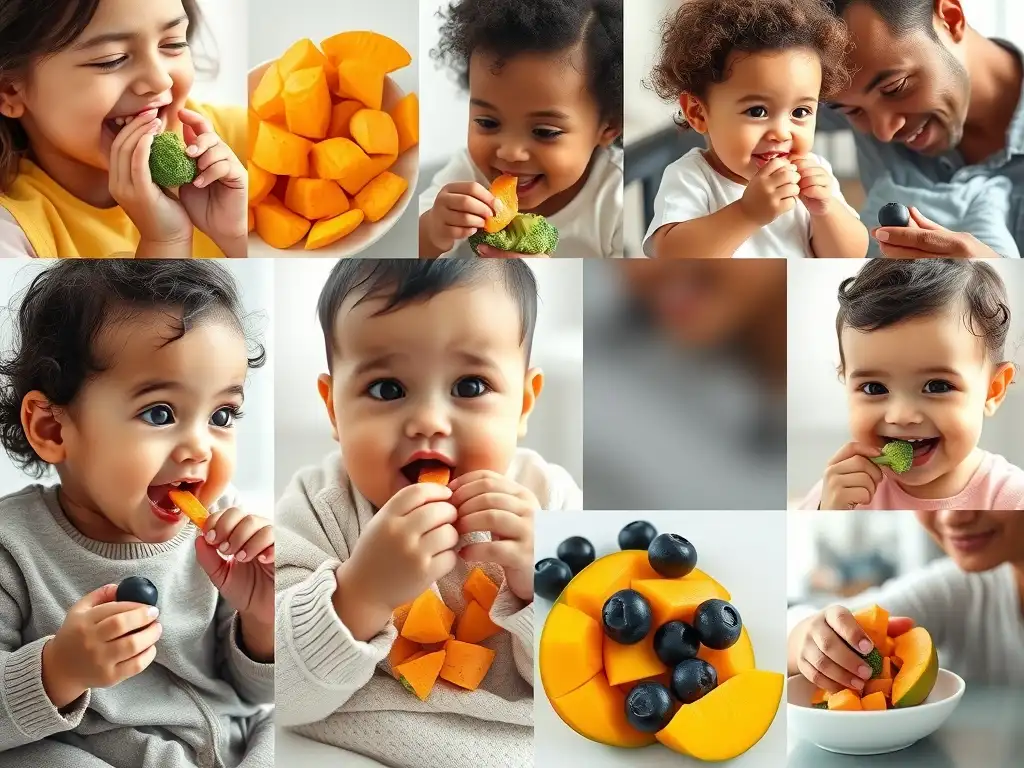
This section focuses on celebrating the exciting journey of baby-led weaning (BLW). It's crucial to remember that every baby develops at their own pace. While milestones are helpful benchmarks, focusing on your baby's individual progress is key to a positive BLW experience. Celebrating small victories along the way helps reinforce positive associations with food and encourages your little one's exploration.
Tracking Your Baby's Progress and Celebrating Achievements
Tracking your baby's progress in BLW isn't about rigid schedules or comparisons. It's about acknowledging their achievements, no matter how small. A simple way to track progress is through a journal or a dedicated app. Note down things like:
- Firsts: Record the date of their first attempts at self-feeding, their first successful bite, the first food they showed a preference for, and the first time they picked up a piece of food independently.
- Food Preferences: Keep a log of the foods your baby enjoys and those they show less interest in. This helps you plan future meals and cater to their developing tastes. Remember to offer a variety of nutritious options!
- Motor Skill Development: Observe and record milestones in their hand-eye coordination, such as grasping, bringing food to their mouth, and chewing. These skills are essential components of successful BLW.
- Photos and Videos: Capture these precious moments! A photo album or a video montage can be a wonderful keepsake to cherish later.
Consider creating a visual chart to track progress. You could use stickers or drawings to represent each milestone. This visual representation can be fun for both you and your baby (once they are old enough to understand!). Remember, the goal is not perfection, but celebrating the journey. 🎉
Responding to Your Baby's Cues and Preferences
Successful BLW hinges on respecting your baby's cues. They are the best indicators of their hunger, fullness, and preferences. Learning to interpret these cues is paramount to a positive feeding experience.
- Hunger Cues: Look for signs of hunger like increased fussiness, rooting (turning their head towards your breast or bottle), and hand-to-mouth movements.
- Fullness Cues: Watch for signs of fullness, such as pushing food away, turning their head away, closing their mouth, or becoming less interested in eating. Respect these cues and don't force your baby to eat more than they want.
- Food Preferences: Babies have preferences! Offer a variety of healthy foods, but don't be discouraged if they reject some. Reintroduce rejected foods later; tastes can change over time. Persistence is key!
- Pace: Let your baby dictate the pace of eating. Some days they might eat a lot, other days less. This is normal. Avoid rushing them or pressuring them to finish their food.
Remember, this is a learning process for both you and your baby. There will be messy moments, and that's perfectly okay! Embrace the chaos and celebrate the progress.
Building a Positive Relationship with Food
BLW is not just about nutrition; it's about fostering a healthy relationship with food. Creating a positive and enjoyable eating environment is crucial for your baby's long-term eating habits.
- Relaxed Atmosphere: Create a calm and relaxed atmosphere during mealtimes. Avoid distractions like TV or other screens. Focus on engaging with your baby and making mealtimes a positive social experience.
- Positive Reinforcement: Praise and encourage your baby's efforts, even if they don't eat much. Celebrate their attempts at self-feeding and their exploration of different textures and tastes. Avoid negative comments about food.
- Modeling Healthy Eating: Show your baby that you enjoy eating healthy foods. Let them see you eating a variety of fruits, vegetables, and other nutritious foods. Children learn by observing their parents.
- Patience and Persistence: Remember, BLW takes time and patience. There will be challenges and setbacks, but don't get discouraged. Persistence is key to success. Celebrate the small victories and enjoy this special time with your baby.
By following these guidelines and celebrating your baby's progress, you can create a positive and enjoyable BLW experience for both of you. Remember to prioritize your baby's cues and foster a healthy relationship with food for long-term well-being. This journey is full of rewarding moments – enjoy them! 👶
Frequently Asked Questions
What is Baby-Led Weaning (BLW)?
Baby-Led Weaning (BLW) is a method where babies are offered soft, appropriately sized finger foods from around six months old, skipping purees. It allows babies to self-feed and explore different textures. This approach emphasizes self-regulation of food intake.
Are there any risks associated with BLW?
While generally safe, there's a slightly increased risk of choking if not done correctly. Careful food selection (soft, easily mashed foods) and supervision are crucial. Early introduction of a variety of foods also helps prevent allergies.
What are some common success stories associated with BLW?
Many parents report improved self-feeding skills and a more positive relationship with food in babies introduced to BLW. Some cite greater acceptance of new flavors and textures. Improved jaw and tongue development are also often observed.
How can I ensure my baby's nutritional needs are met with BLW?
Offer a wide variety of nutritious foods from different food groups. Ensure your baby is getting enough iron-rich foods and healthy fats. Supplement with breast milk or formula as needed, especially in the first few months of BLW.
Where can I find more information and support regarding BLW?
BabyCareHub offers a comprehensive resource on BLW, including step-by-step guides and expert advice. You can also connect with other parents through online forums and support groups for shared experiences and encouragement.
Final Reflection: The Enduring Power of Baby-Led Weaning
The journey of baby-led weaning is more than just feeding; it's a testament to a child's innate ability to learn and grow, a powerful affirmation of their autonomy, and a celebration of the parent-child bond. This approach, once considered unconventional, is increasingly recognized as a nurturing and effective method for introducing solids, fostering healthy eating habits, and building confidence in both parent and child. Its impact resonates far beyond the high chair.
The stories shared within this article highlight the profound influence of baby-led weaning on families, extending beyond the immediate act of feeding. It's about fostering a positive relationship with food, encouraging exploration and self-regulation, and building a foundation for lifelong healthy eating habits. The best way to make children good is to make them happy,
a quote often attributed to Oscar Wilde, perfectly encapsulates the spirit of this approach; happy, confident eaters are built on a foundation of trust and respect for their individual needs. This method empowers parents to trust their instincts and their children's capabilities, creating a truly collaborative and joyful experience.
Now, consider your own approach to feeding your little one. What resonates with you from these success stories? What aspects of baby-led weaning could you incorporate into your own family's routine? Remember, the journey is unique to each child and family; embrace the process, celebrate the milestones, and trust in the incredible capacity of your child to learn and thrive. Let the stories shared here inspire you to embark on this rewarding adventure with confidence and joy.
Unleash Your Little One's Culinary Adventure!
Thank you for joining us on this journey into the exciting world of baby-led weaning! We hope you found inspiration and practical tips in these real-life success stories. Now it's time to put that knowledge into action.
- Start your own baby-led weaning adventure! Choose a soft, age-appropriate food like well-cooked sweet potato or avocado, and let your little one explore the textures and tastes. Document their reactions—it's a fantastic memory in the making!
- Share your experiences! Tell us about your baby's first taste of solid food in the comments below – what was their favorite? What surprised you the most about the process?
- Create a fun “First Foods” photo album to track your baby’s culinary progress. This visual timeline will be a cherished keepsake for years to come.
Ready to empower your baby's self-feeding journey and create some unforgettable moments? What delicious food will you offer your little one first?