
BabyLed Weaning with Eggs: Preparation Tips and Yummy Recipes

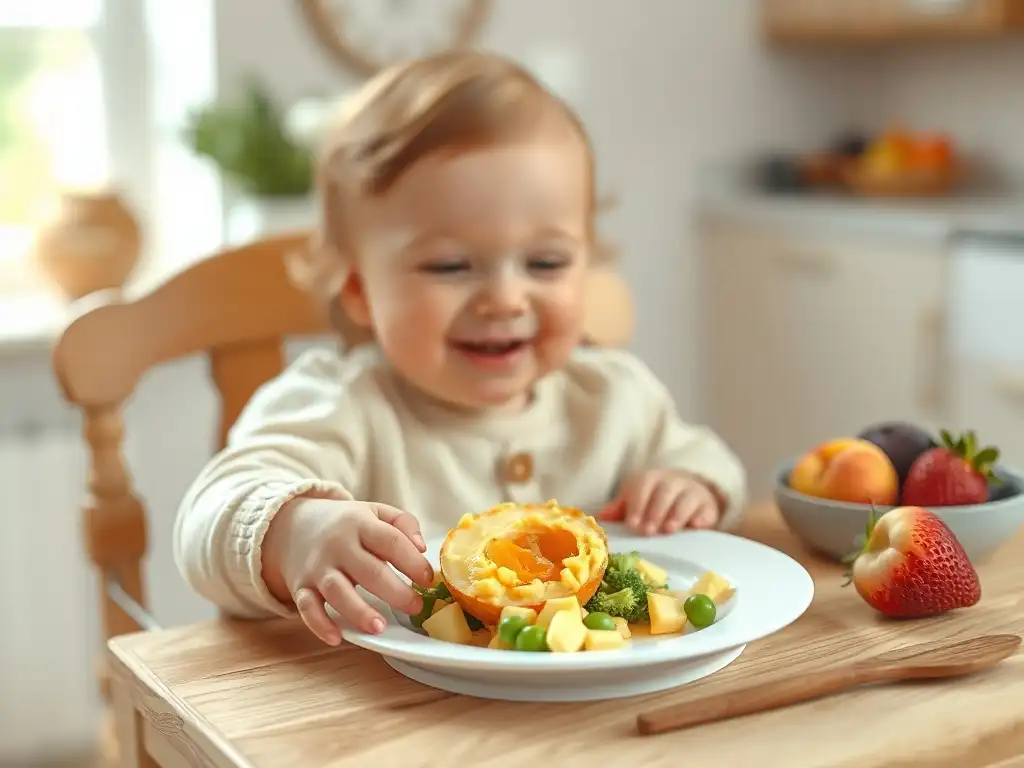
Welcome to BabyCareHub, your ultimate guide to navigating the incredible journey of parenthood! Are you ready to embark on the exciting adventure of baby-led weaning? We've got you covered. Discover delicious and nutritious egg recipes specifically designed for your little one's developmental stage in our comprehensive guide to Babyled Weaning with Eggs. Dive in and unlock the secrets to a smooth and enjoyable weaning experience – your baby's healthy future starts here!
- Introducing Eggs into Your Baby's Diet: A Safe and Nutritious Approach
- Safe Egg Preparation for Baby-Led Weaning: Avoiding Choking Hazards
- Delicious and Nutritious Baby-Led Weaning Egg Recipes
- Beyond the Basics: Creative Ways to Incorporate Eggs into Baby-Led Weaning Meals
- Troubleshooting Common Challenges with Baby-Led Weaning and Eggs
-
Frequently Asked Questions
- What are the benefits of introducing eggs in baby-led weaning?
- When should I introduce eggs to my baby during baby-led weaning?
- How should I prepare eggs for baby-led weaning?
- What are some safe and delicious egg recipes for baby-led weaning?
- Are there any allergies I should be aware of when introducing eggs?
- Final Reflection: Nourishing Little Ones, One Egg at a Time
- Unlock Your Little One's Culinary Journey!
Introducing Eggs into Your Baby's Diet: A Safe and Nutritious Approach
Introducing solid foods to your baby is an exciting milestone, and eggs are a fantastic addition to your baby-led weaning journey! Packed with protein, choline, and essential vitamins like A and D, eggs offer a wealth of nutritional benefits for your little one's development. This comprehensive guide will walk you through the process of safely introducing eggs into your baby's diet using the baby-led weaning (BLW) method, focusing on preparation techniques and delicious, age-appropriate recipes. We'll cover everything from the ideal timing for introduction to managing potential allergic reactions, ensuring a smooth and enjoyable experience for both you and your baby.
Remember, always consult your pediatrician before introducing any new foods to your baby's diet, especially if there's a family history of allergies. Let's embark on this delicious and nutritious adventure together! 🎉
When to Introduce Eggs in Baby-Led Weaning
The American Academy of Pediatrics (AAP) generally recommends introducing eggs around 6 months of age 1 , but this can vary depending on your baby's individual development and readiness. Signs of readiness include the ability to sit upright with minimal support, head control, and showing an interest in food. Before introducing eggs, ensure your baby has already tried other single-ingredient foods, such as pureed vegetables or fruits, to check for any reactions. Starting with a small amount of cooked egg yolk is generally recommended, as it's easier to digest than the egg white. Observe your baby closely for any signs of allergies or digestive upset after introducing the egg.
It's crucial to remember that timing is key. Introducing foods too early can increase the risk of allergies, while delaying introduction might miss out on crucial nutrients. Always consult your pediatrician to determine the best time to introduce eggs based on your baby's specific needs and development.
Choosing the Right Eggs for Baby-Led Weaning: Organic and Pasture-Raised Options
When selecting eggs for your baby, prioritize quality and safety. Organic and pasture-raised eggs are generally preferred due to their higher nutrient content and lower risk of exposure to harmful substances. Pasture-raised hens have access to open spaces and natural feed, resulting in eggs richer in vitamins and omega-3 fatty acids. Organic eggs come from hens that are raised without antibiotics or pesticides. While the cost might be slightly higher, the nutritional benefits and enhanced safety for your baby make it a worthwhile investment.
Consider these factors when choosing eggs:
| Feature | Description |
|---|---|
| Source | Organic and pasture-raised are ideal. Avoid eggs from unknown sources. |
| Labeling | Check for certifications like "Organic" or "Pasture-Raised" to ensure quality. |
| Storage | Refrigerate eggs promptly after purchase and use within a week for optimal freshness. |
Potential Allergic Reactions and How to Manage Them
Egg allergy is a common concern for parents. While most babies tolerate eggs well, it's important to be aware of potential allergic reactions and how to manage them. Symptoms can range from mild (rash, hives) to severe (anaphylaxis). Introducing eggs gradually and starting with a small amount helps identify any potential reactions early on.
Signs of an allergic reaction:
- Hives or rash
- Swelling of the face, lips, or tongue
- Difficulty breathing
- Vomiting or diarrhea
If you notice any of these symptoms, stop feeding your baby eggs immediately and contact your pediatrician or allergist. Keep an epinephrine auto-injector (EpiPen) readily available if your baby has a known egg allergy. Remember, early detection and prompt action are crucial in managing allergic reactions. Always prioritize your baby's safety and well-being.
1 This information is for general knowledge and does not constitute medical advice. Always consult your pediatrician for personalized guidance.
Safe Egg Preparation for Baby-Led Weaning: Avoiding Choking Hazards
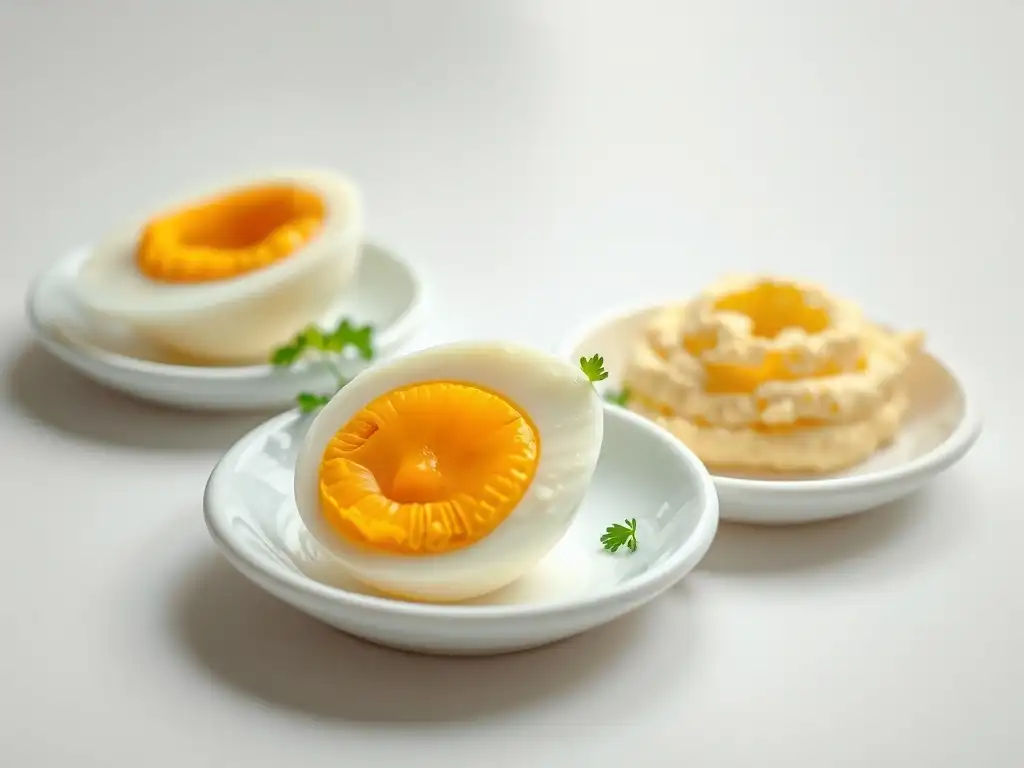
Introducing eggs into your baby's diet through baby-led weaning requires careful preparation to minimize choking risks. Remember, the goal is to offer your little one appropriately sized and textured pieces that are easy to manage. This section focuses on crucial safety measures to ensure a smooth and safe transition into this nutritious food group. The key is to understand your baby's developmental stage and adjust the egg preparation accordingly. For example, a 7-month-old will require a vastly different egg preparation than a 10-month-old.
Cooking Eggs for Baby-Led Weaning: Soft Boiled, Scrambled, and Poached Techniques
Cooking eggs to the right consistency is paramount. Overcooked eggs can be tough and difficult for babies to manage, while undercooked eggs pose a salmonella risk. Here's a breakdown of safe cooking methods:
- Soft Boiled Eggs: Gently simmer eggs for 6-7 minutes. The yolk should be soft and creamy, but the white fully cooked. Cut into small, manageable sticks or wedges to prevent choking hazards. This method is ideal for slightly older babies who can handle softer textures.
- Scrambled Eggs: Whisk eggs lightly with a splash of milk or breast milk for extra creaminess. Cook over low heat, stirring frequently, until the eggs are set but still moist. Ensure there are no large, unbroken pieces. The texture should be soft and easily mashed with a fork. This is a popular choice for its soft consistency and ease of preparation.
- Poached Eggs: Poaching creates a tender egg white and a runny yolk. This is suitable for babies who are comfortable with a variety of textures. Ensure the egg is cooked through, and cut it into small, easily manageable pieces. The runny yolk adds valuable nutrients and a delightful flavor.
Remember to always supervise your baby while they are eating.
Egg Safety: Temperature and Handling Guidelines for Preventing Salmonella
Salmonella contamination is a serious concern when introducing eggs to a baby's diet. Strict adherence to food safety guidelines is crucial.
- Refrigeration: Always keep eggs refrigerated at or below 40°F (4°C) until ready to use. Discard any eggs that have cracked shells.
- Thorough Cooking: Ensure eggs are cooked thoroughly to eliminate any potential Salmonella bacteria. The internal temperature should reach 160°F (71°C). A food thermometer is highly recommended for accuracy, especially when soft-boiling.
- Hygiene: Wash your hands thoroughly with soap and water before and after handling eggs. Clean all surfaces that come into contact with raw eggs.
- Prompt Refrigeration: Cooked eggs should be refrigerated within two hours of cooking. Avoid leaving cooked eggs at room temperature for extended periods.
Cutting and Serving Eggs for Easy Handling by Little Ones
The size and shape of the egg pieces are critical to prevent choking. Here's how to prepare eggs for easy handling by babies:
| Age Range (Months) | Recommended Egg Preparation & Size | Important Considerations |
|---|---|---|
| 6-7 | Small, soft-cooked pieces (1/2 inch cubes max), well-cooked scrambled eggs | Supervise closely. Introduce one new food at a time. |
| 8-9 | Slightly larger pieces (3/4 inch max), soft-boiled eggs cut into sticks | Check for adequate chewing and swallowing abilities. |
| 10-12+ | Larger pieces (1 inch max), hard-boiled eggs (cut into smaller pieces) | Continue to supervise, but allow more independence. |
Remember, every baby develops at their own pace. Observe your baby's chewing and swallowing abilities and adjust the size and texture of the egg pieces accordingly. Always supervise your baby during mealtimes and never leave them unattended while eating. Introducing eggs safely and gradually will help your baby enjoy this nutritious food while minimizing any risks. 👶🍳
Delicious and Nutritious Baby-Led Weaning Egg Recipes
This section explores delightful and nutritious egg recipes perfect for baby-led weaning. Eggs are a fantastic source of protein, choline, and essential vitamins, making them an ideal addition to your baby's diet once they're ready for solids. Remember to always consult your pediatrician before introducing new foods, including eggs, to your baby's diet. Allergic reactions, while uncommon, are possible.
These recipes focus on simple preparation methods to ensure the eggs are soft, easily manageable, and safe for little ones. We'll explore various textures and flavor combinations to cater to your baby's evolving palate and preferences. Enjoy the journey of introducing this superfood into your baby's meals!
Simple Scrambled Eggs with Avocado Mash: A Classic Combination
This recipe is a great starting point for introducing eggs to your baby. The creamy avocado complements the soft scrambled eggs, creating a nutritious and appealing meal. The combination provides healthy fats and fiber, alongside the protein from the eggs.
We recommend using organic, free-range eggs whenever possible, prioritizing quality ingredients for your little one.
Ingredients:
- 1 organic egg
- 1/4 ripe avocado, mashed
- 1 teaspoon breast milk or formula (optional, for smoother consistency)
Instructions:
- Gently whisk the egg with a fork until light and frothy. Avoid over-whisking.
- Heat a small non-stick pan over very low heat. Add the whisked egg and cook, stirring gently, until it’s set but still soft and moist. This should take approximately 2-3 minutes.
- In a separate bowl, mash the avocado until smooth. Add a teaspoon of breast milk or formula if needed to achieve a desirable consistency.
- Serve the scrambled egg alongside the avocado mash. Ensure the temperature is appropriate before serving. Always test the temperature on your wrist before feeding your baby.
Soft Boiled Egg with Steamed Broccoli: A Nutrient-Rich Meal
This recipe introduces a different texture and combines the protein-rich egg with the nutritional benefits of steamed broccoli. Broccoli is an excellent source of vitamins C and K, and fiber. The soft-boiled egg offers a slightly firmer texture than scrambled eggs, providing a different sensory experience for your baby.
Ingredients:
- 1 organic egg
- 1 small floret of broccoli
Instructions:
- Gently place the egg in a small saucepan and cover with cold water. Bring to a simmer and cook for 3-4 minutes for a soft-boiled yolk. Cooking time may need slight adjustment depending on your stove and the size of the egg.
- While the egg cooks, steam the broccoli floret until tender-crisp. This usually takes around 3-5 minutes.
- Carefully peel the egg and cut it into small, manageable pieces.
- Serve the soft-boiled egg pieces alongside the steamed broccoli. Again, always check the temperature before serving to your baby.
Egg and Sweet Potato Fritters: A Flavorful and Fun Option
This recipe offers a more complex flavor profile and a fun, finger-food-like texture for your baby. Sweet potatoes are packed with beta-carotene, which the body converts to Vitamin A, crucial for healthy vision and growth. The fritters are easy to handle for little ones practicing their self-feeding skills.
Ingredients:
- 1 organic egg, lightly beaten
- 1/4 cup cooked and mashed sweet potato
- 1 tablespoon finely grated carrot (optional)
- 1 tablespoon oat flour (optional, for binding)
Instructions:
- Gently combine the beaten egg, mashed sweet potato, and grated carrot (if using) in a bowl. Add oat flour if needed to bind the mixture.
- Heat a lightly oiled non-stick pan over low heat.
- Drop spoonfuls of the mixture onto the pan, flattening them slightly.
- Cook for 2-3 minutes per side, or until lightly browned and cooked through.
- Let cool slightly before serving to your baby. Cut into smaller pieces if necessary. Always ensure the temperature is safe before serving.
Remember to always supervise your baby while they are eating and introduce new foods one at a time to monitor for any allergic reactions. Enjoy experimenting with these recipes and creating delicious and nutritious meals for your little one! 🎉
Egg and Spinach Muffins: Easy to Grab and Go
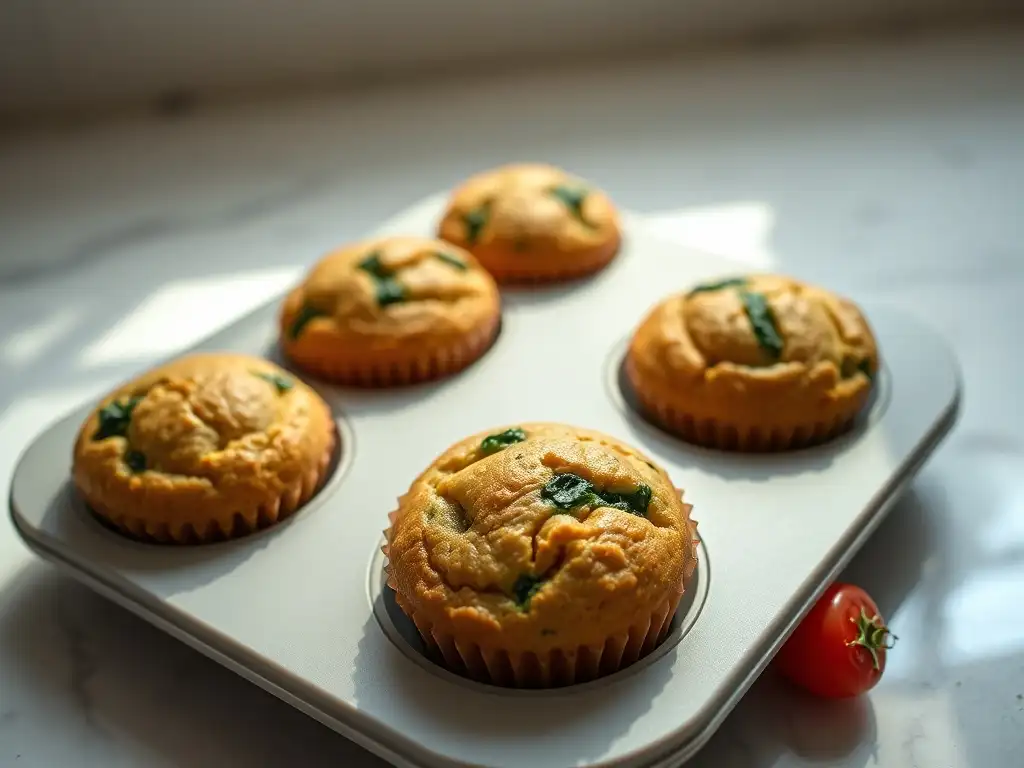
These egg and spinach muffins are perfect for busy mornings or as a healthy snack on the go. They're packed with nutrients and easy for little hands to grasp, making them ideal for baby-led weaning. The spinach provides iron, crucial for a baby's developing brain and body, while the egg offers protein and choline, essential for brain development. This recipe is easily adaptable; you can substitute the spinach with other leafy greens like kale or finely chopped broccoli. Remember to always supervise your baby while they are eating.
To make these muffins, you will need: 2 large eggs, 1 cup of cooked and finely chopped spinach (squeeze out excess water), 1/4 cup of grated cheese (optional, for added flavor and calcium), and a pinch of salt and pepper. Preheat your oven to 350°F (175°C). Grease a muffin tin. In a bowl, whisk the eggs lightly. Add the spinach, cheese (if using), salt, and pepper.
Mix well. Pour the mixture into the muffin tin, filling each cup about ¾ full. Bake for 15-20 minutes, or until the muffins are set and lightly golden brown. Let them cool completely before serving to your little one. These muffins can be stored in the refrigerator for up to 3 days.
Egg and Veggie Omelette
This recipe introduces your baby to a wider variety of flavors and textures. Omelettes are a fantastic way to incorporate various vegetables, making them a nutritionally balanced meal. The soft texture is suitable for babies starting their baby-led weaning journey, although you should always ensure the omelette is cooked thoroughly and cut into small, manageable pieces to prevent choking hazards. Remember to avoid adding salt or excessive seasoning. The natural flavors of the vegetables will be enough to tempt your little one.
For this recipe, you'll need: 2 eggs, 1 tablespoon of milk or water (to make the omelette fluffier), and finely chopped vegetables of your choice (such as bell peppers, zucchini, mushrooms, or onions—ensure they are soft and cooked thoroughly). Whisk the eggs and milk/water together. Sauté the vegetables in a little oil or butter until soft. Pour the egg mixture into a lightly oiled pan.
Cook over medium heat, gently pushing the cooked edges towards the center to allow uncooked egg to flow underneath. Sprinkle the cooked vegetables over one half of the omelette. Once the egg is mostly set, fold the omelette in half. Cut into small, bite-sized pieces suitable for your baby.
Egg and Carrot Puree (for younger babies)
This puree is perfect for younger babies just starting their solids journey, as it offers a smooth and easily digestible texture. Carrots are a great source of Vitamin A, essential for healthy vision and immune function. Combining them with eggs adds protein and other vital nutrients. This recipe is simple to prepare and can be made in advance and stored in the refrigerator for a few days. Always check the temperature of the puree before serving to your baby.
To prepare this puree, you will need: 1 large egg, 1 medium carrot (peeled and chopped), and a little water or breast milk if needed to adjust consistency. Steam or boil the carrot until tender. Hard-boil the egg. Once both are cooked, blend them together in a food processor or blender until smooth. Add a little water or breast milk if necessary to reach your desired consistency.
Start with a small amount and gradually increase the portion size as your baby gets used to solids. Remember to always supervise your baby during feeding time. This puree can be stored in the refrigerator for up to 3 days. Always ensure the puree is thoroughly reheated before serving and check the temperature before feeding your baby.
Beyond the Basics: Creative Ways to Incorporate Eggs into Baby-Led Weaning Meals

This section explores advanced techniques for incorporating eggs into your baby's diet during baby-led weaning, moving beyond simple scrambled eggs. Remember to always supervise your baby closely during mealtimes and introduce new foods one at a time to monitor for any allergic reactions. The focus here is on maximizing nutritional value and creating exciting, palatable meals that encourage self-feeding.
Adding Eggs to Other Dishes: Adding Scrambled Eggs to Oatmeal
Adding scrambled eggs to oatmeal provides a fantastic boost of protein and essential nutrients. This combination is particularly beneficial for babies who are starting to explore more complex textures. Instead of serving plain oatmeal, consider incorporating finely chopped, well-cooked scrambled eggs.
The key is to ensure the eggs are thoroughly cooked and finely divided to prevent choking hazards. You can achieve this by whisking the eggs lightly before cooking them over low heat, stirring frequently until they are soft and crumbly. Then, gently mix the scrambled eggs into the cooked oatmeal. You can also add a touch of breast milk or formula to adjust the consistency for your baby's preference.
This method allows for a gradual introduction of eggs into a familiar food, making it easier for your baby to accept. Experiment with different types of oatmeal – steel-cut, rolled, or quick-cooking – to find your baby's favorite. A small amount of cinnamon or a pinch of pureed fruit can also add flavor and appeal.
Combining Eggs with Different Vegetables and Fruits for Variety
To avoid monotony and ensure your baby receives a diverse range of nutrients, experiment with combining eggs with various fruits and vegetables. Think of eggs as a versatile binding agent and protein source that can be incorporated into many dishes.
For instance, you can create a simple frittata by whisking eggs with finely grated carrots, zucchini, or sweet potato. Cook in a small oven-safe dish until set. Cut into small, manageable pieces for your baby to self-feed. Similarly, you can add finely chopped cooked broccoli or spinach to scrambled eggs for a nutritious boost. Remember to always cook vegetables until tender to ensure easy chewing and digestion.
Fruit combinations are equally exciting! A simple egg and banana puree (ensure the banana is fully ripe and mashed well) can be a delicious and nutritious breakfast or snack. Remember to avoid adding sugar or honey. The natural sweetness of ripe fruit is sufficient. Always introduce new combinations gradually, observing your baby for any signs of allergies or digestive issues. Keep a food diary to track introduced ingredients and any reactions.
Adapting Recipes for Different Stages of Baby-Led Weaning
The texture of egg-based meals should be adjusted to suit your baby's developmental stage. In the early stages of baby-led weaning, when your baby is just beginning to explore solids, focus on soft, easily mashable textures. Well-cooked, finely scrambled eggs are ideal. Avoid hard-boiled eggs at this stage, as they are too firm for little ones.
As your baby progresses and develops stronger chewing skills, you can gradually introduce more textured egg-based meals. For example, finely chopped hard-boiled eggs (ensure they're very well-cooked and easy to break apart) can be offered alongside soft-cooked vegetables. Mini frittatas with larger pieces of vegetables can also be introduced. Always monitor your baby's chewing and swallowing abilities to ensure they can manage the texture safely.
Remember to cut food into small, manageable pieces to minimize choking risks. This gradual progression ensures that your baby develops their chewing and swallowing skills safely and confidently while enjoying a variety of egg-based meals. This approach to baby-led weaning with eggs helps build a foundation for a healthy and diverse diet.
Troubleshooting Common Challenges with Baby-Led Weaning and Eggs
Introducing eggs into your baby's diet through baby-led weaning can be a rewarding experience, but it's not without its potential challenges. Understanding these hurdles and knowing how to address them proactively will ensure a smooth transition and a positive eating experience for your little one. This section focuses on common problems encountered when introducing eggs via baby-led weaning, offering practical solutions and expert advice.
Dealing with Egg Allergies: Identifying Symptoms and Seeking Medical Advice
Egg allergies are a significant concern when starting baby-led weaning with eggs. While many babies tolerate eggs without issue, some experience allergic reactions ranging from mild to severe. Early identification and appropriate management are crucial.
Identifying symptoms is paramount. Common signs of an egg allergy can include:
- Skin reactions: Hives, eczema, rash, redness, swelling.
- Gastrointestinal issues: Vomiting, diarrhea, stomach cramps.
- Respiratory problems: Wheezing, coughing, difficulty breathing.
- Anaphylaxis (severe reaction): This is a medical emergency and requires immediate attention. Symptoms can include difficulty breathing, swelling of the face and throat, dizziness, and a rapid heartbeat. If you suspect anaphylaxis, call emergency services immediately.
If you notice any of these symptoms after your baby has consumed eggs, discontinue egg consumption immediately and contact your pediatrician or allergist. They can perform allergy testing to confirm a diagnosis and provide guidance on managing the allergy. Remember, even a mild reaction warrants medical attention to prevent future, potentially more severe, reactions. Accurate diagnosis and a tailored management plan are essential for the safety and well-being of your child. Early intervention is key in preventing potential complications associated with egg allergies.
Addressing Picky Eating: Encouraging Egg Consumption in Fussy Eaters
Many babies, even those who generally enjoy solids, can be picky eaters. Introducing eggs might meet some resistance. The key is to remain patient and persistent, offering eggs in various appealing ways.
Here are some strategies to encourage egg consumption in fussy eaters:
- Variety is key: Offer eggs in different forms – scrambled, soft-boiled (ensure the yolk is well-cooked), omelets (with other approved vegetables), or incorporated into muffins or fritters. Experiment with different seasonings (avoid salt and sugar initially).
- Positive reinforcement: Avoid pressure or forcing your baby to eat. Instead, focus on creating a positive and enjoyable mealtime experience.
- Incorporate eggs into familiar dishes: If your baby enjoys other foods, try incorporating finely diced cooked eggs into those dishes.
- Control the environment: Make mealtimes calm and distraction-free. Avoid screens and other distractions during feeding.
- Patience and persistence: It may take several attempts before your baby accepts eggs. Don't give up! Continue offering them regularly as part of a varied diet. Remember, it's normal for babies to reject new foods initially.
Remember, each baby is unique. What works for one might not work for another. Be patient, persistent, and creative in your approach to encourage egg consumption. It's a process, and celebrating small victories along the way is essential.
Managing Food Textures: Adjusting Recipes for Different Developmental Stages
As your baby grows and develops, their chewing and swallowing abilities will improve. Adapting egg recipes to match their developmental stage is crucial for safety and enjoyment.
Here's a guide to adjusting egg textures for different stages:
| Developmental Stage | Recommended Egg Texture | Example Recipe Modifications | Safety Considerations |
|---|---|---|---|
| 6-8 Months | Pureed or very finely mashed | Blend cooked egg yolk with breast milk or formula. | Ensure no large chunks remain to prevent choking. |
| 8-10 Months | Soft, easily mashed | Scrambled eggs, finely chopped. | Supervise closely during feeding. |
| 10-12 Months+ | Soft-boiled, chopped, or diced | Soft-boiled eggs (well-cooked yolk), egg slices, fritters. | Offer small, manageable pieces to prevent choking. |
Remember to always supervise your baby closely during mealtimes, especially when introducing new textures. Start with small portions and observe your baby’s reactions. If you have any concerns about your baby's development or ability to manage different food textures, consult your pediatrician or a registered dietitian specializing in infant nutrition. Properly prepared and appropriately textured eggs can be a valuable addition to your baby’s growing diet. 👶
Frequently Asked Questions
What are the benefits of introducing eggs in baby-led weaning?
Eggs are a great source of protein and choline, essential for brain development. They also provide iron and other vital nutrients. Starting early can help prevent allergies.
When should I introduce eggs to my baby during baby-led weaning?
Most experts recommend introducing eggs around 6 months of age, after your baby shows signs of readiness for solids. Always consult your pediatrician for personalized advice.
How should I prepare eggs for baby-led weaning?
Eggs should be fully cooked to avoid any risk of salmonella. Good options include soft-boiled, scrambled, or baked in muffins or frittatas. Cut into small, manageable pieces to prevent choking.
What are some safe and delicious egg recipes for baby-led weaning?
Try simple recipes like scrambled eggs with finely grated veggies, egg muffins with sweet potato, or soft-boiled eggs with avocado. Always supervise your baby while they eat.
Are there any allergies I should be aware of when introducing eggs?
Egg allergy is relatively common. Introduce eggs cautiously, starting with a small amount and watching for any signs of allergic reaction like rash, swelling, or difficulty breathing. Consult your pediatrician if you have concerns.
Final Reflection: Nourishing Little Ones, One Egg at a Time
The journey of introducing solids to your baby is a significant milestone, and incorporating eggs into baby-led weaning offers a wealth of nutritional benefits and exciting culinary adventures. Successfully navigating this stage requires careful preparation, understanding of potential allergens, and a dash of creativity in the kitchen – all of which we've explored in this article. The rewards, however, are immeasurable: a happy, healthy baby discovering the joys of food.
The impact of baby-led weaning extends far beyond simply providing nutrition; it fosters independence, encourages self-regulation, and builds a positive relationship with food from the very beginning. The most important thing is to make mealtimes enjoyable and stress-free for both parent and child.
This sentiment resonates deeply, as I've witnessed firsthand the joy on a baby's face when they successfully grasp and explore a soft-cooked egg slice. This simple act represents a significant step in their development, a testament to their growing capabilities and the power of shared mealtimes.
Now, it's your turn to embark on this exciting culinary journey. Remember the safety guidelines, experiment with the recipes provided, and most importantly, trust your instincts. Embrace the mess, celebrate the milestones, and cherish the moments of discovery as you introduce your little one to the wonderful world of eggs and beyond. The recipes are just a starting point; let your creativity flourish and create a unique and nourishing experience for your baby. Enjoy the process!
Unlock Your Little One's Culinary Journey!
Thank you for exploring the exciting world of baby-led weaning! We hope you found valuable tips and delicious recipe ideas to make this stage of your baby's development a fun and nutritious adventure. Now, it's time to put your newfound knowledge into action.
- Try one of our egg recipes today! Start with a simple scrambled egg recipe and gradually introduce variations as your baby progresses.
- Share your baby's first bites on social media! Use #BabyCareHubEgg to connect with other parents and inspire others.
- Experiment with different egg preparations: Think fluffy omelets, mini frittatas, or perfectly poached eggs – the possibilities are endless!
Ready to embark on this delicious journey with your little one? What's the first recipe you'll try?