
Baby Milk Alternatives: Understanding the Pros and Cons of Each Choice


Welcome to BabyCareHub, your ultimate guide to navigating the exciting yet challenging world of parenthood. Are you a first-time parent feeling overwhelmed by choices, especially when it comes to feeding your little one? Then you've come to the right place. Discover the secrets to happy, healthy babies with our expert advice. We delve into the crucial topic of Best baby formula alternatives, exploring various options and helping you make informed decisions for your child's well-being. Dive into our comprehensive Feeding & Nutrition section to uncover the truth behind each choice – and find the perfect fit for your family.
- Best Baby Formula Alternatives: A Comprehensive Guide for Parents
- Breast Milk: The Gold Standard and its Limitations
- Baby Formula: Types, Benefits, and Drawbacks
- Other Milk Alternatives for Babies: Exploring the Options
- Transitioning to Solid Foods: When and How
- Consulting Your Pediatrician: Seeking Expert Advice
- Making Informed Decisions: Prioritizing Your Baby's Health
-
Frequently Asked Questions
- What are some popular baby formula alternatives?
- Are there any risks associated with using baby formula alternatives?
- How do I choose the best baby formula alternative for my baby?
- When should I consider using a baby formula alternative instead of standard formula?
- Where can I find more information about baby formula alternatives?
- Final Reflection: Nurturing the Next Generation: Beyond the Bottle
- Unlock Your Baby's Nutritional Potential
Best Baby Formula Alternatives: A Comprehensive Guide for Parents
Choosing the right nutrition for your baby is one of the most important decisions you'll make as a new parent. While breastfeeding is often recommended as the ideal option, various circumstances may lead parents to explore alternatives to breast milk and standard infant formula.
This comprehensive guide delves into the world of baby milk alternatives, examining the pros and cons of each choice to help you make an informed decision for your little one. We'll explore various options, considering factors like your baby's individual needs, potential allergies, and budget constraints, ultimately empowering you to choose the best "best baby formula alternative" for your family.
Navigating this decision can feel overwhelming, but with the right information, you can feel confident in your choice and provide your baby with the optimal nutrition for healthy growth and development. This guide aims to provide that crucial information, empowering you to make the best choice for your baby's well-being.
Choosing the Right Baby Milk Alternative: Factors to Consider
Choosing the best baby formula alternative involves careful consideration of several key factors. It's not a one-size-fits-all situation, and the optimal choice will vary depending on your individual circumstances and your baby's specific needs. Understanding these factors will help you navigate the options available and make the most informed decision. Remember to always consult your pediatrician before making any significant changes to your baby's diet.
Assessing Your Baby's Individual Needs
Every baby is unique, and their nutritional needs can vary based on factors like age, weight, and overall health. Premature babies, for example, may require specialized formulas or supplements. Similarly, babies with specific health conditions might need formulas designed to address those conditions. Some babies might exhibit a preference for certain types of formulas or alternatives, and observing their feeding patterns and responses can be invaluable.
Keeping a detailed feeding diary can be extremely helpful in identifying any potential issues or preferences. This detailed record will help both you and your pediatrician monitor your baby's progress and make adjustments as necessary. Remember, attentive observation is key to ensuring your baby receives adequate nutrition.
Considering Allergies and Sensitivities
Allergies and sensitivities are a significant concern for many parents. Cow's milk protein allergy, for example, is relatively common in infants and can manifest in various symptoms, ranging from mild discomfort to severe reactions. Soy-based formulas are sometimes used as an alternative, but they also carry the potential for allergic reactions.
Hypoallergenic formulas are designed to minimize the risk of allergic reactions and are often recommended for babies with a family history of allergies or those who have already shown signs of sensitivity. It's crucial to discuss any concerns about allergies or sensitivities with your pediatrician, who can guide you toward the safest and most appropriate milk alternative for your baby's needs. Early identification and management of allergies are crucial for preventing serious health complications.
Budget and Accessibility of Different Options
The cost of baby milk alternatives can vary significantly. Specialized formulas and organic options tend to be more expensive than standard formulas. Accessibility is another factor to consider. Some specialized formulas may not be readily available in all areas, requiring parents to explore alternative sources or potentially order online.
Parents should carefully weigh the financial implications of different choices and ensure the chosen alternative fits within their budget and is easily accessible. Understanding the cost differences will allow parents to make a well-informed decision that balances nutrition with affordability and convenience. Remember, providing proper nutrition for your baby should not compromise your family's financial stability.
Breast Milk: The Gold Standard and its Limitations

Breast milk remains the gold standard for infant nutrition, offering unparalleled benefits for both baby and mother. However, it's crucial to acknowledge that breastfeeding isn't always feasible or desirable for every parent. Understanding the nuances of breastfeeding, including its advantages and limitations, is vital for informed decision-making. This section explores the complexities surrounding breast milk as a feeding option.
Benefits of Breastfeeding for Baby and Mother
Breastfeeding provides a multitude of benefits for both the infant and the mother. For the baby, breast milk offers a perfectly tailored blend of nutrients, antibodies, and growth factors that promote optimal development and protect against illness. These benefits are well-documented and scientifically supported.
- Optimal Nutrition: Breast milk contains the ideal balance of fats, proteins, carbohydrates, and vitamins perfectly suited to a baby's needs. It changes composition as the baby grows, adapting to their evolving requirements. This dynamic aspect ensures that the baby receives precisely what they need at each stage of development. For instance, colostrum, the first milk produced, is rich in antibodies that protect the newborn from infection.
- Immunity Boost: Breast milk is packed with antibodies and immune cells that help protect the baby from various infections, including respiratory illnesses, ear infections, and diarrhea. This passive immunity significantly reduces the risk of hospitalization and serious illness during the infant's first months of life. Studies have consistently shown a lower incidence of these illnesses in breastfed babies.
- Enhanced Cognitive Development: Research suggests a correlation between breastfeeding and improved cognitive development, potentially leading to higher IQ scores and better academic performance later in life. This is believed to be due to the presence of specific fatty acids and other bioactive compounds in breast milk that support brain development.
- Reduced Risk of Chronic Diseases: Breastfeeding has been linked to a reduced risk of developing chronic diseases later in life, including obesity, type 1 and type 2 diabetes, asthma, and certain cancers. This long-term protective effect underscores the significant health benefits of breastfeeding.
For mothers, breastfeeding offers a range of advantages as well:
- Uterine Contractions: Breastfeeding stimulates the release of oxytocin, a hormone that helps the uterus contract back to its normal size after childbirth, reducing postpartum bleeding.
- Weight Management: Producing breast milk burns calories, which can aid in weight loss after delivery. While not a guaranteed weight-loss solution, it can contribute to a healthier postpartum recovery.
- Reduced Cancer Risk: Studies suggest that breastfeeding may reduce the risk of developing certain types of cancer, including breast and ovarian cancer. The exact mechanisms behind this protective effect are still being investigated, but the correlation is noteworthy.
- Emotional Bonding: The physical closeness and intimacy of breastfeeding fosters a strong emotional bond between mother and child, contributing to a positive parenting experience.
Challenges and Circumstances Where Breastfeeding Isn't Possible
Despite the numerous benefits, breastfeeding isn't always possible or practical for all mothers and babies. A variety of factors can contribute to difficulties or prevent breastfeeding entirely. Understanding these challenges is crucial for providing support and offering appropriate alternatives.
- Medical Conditions: Certain medical conditions in either the mother or the baby may make breastfeeding difficult or impossible. Examples include some medications incompatible with breastfeeding, mastitis, inverted nipples, or prematurity requiring specialized feeding methods.
- Insufficient Milk Supply: Some mothers experience difficulties producing sufficient milk, leading to frustration and the need for supplemental feeding. This can stem from various factors, including hormonal imbalances or underlying health conditions.
- Baby's Difficulty Latching: Newborns may struggle to latch onto the breast effectively, leading to pain for the mother and insufficient milk intake for the baby. This can require specialized assistance from lactation consultants.
- Lifestyle Factors: Work commitments, travel, or other lifestyle demands can make consistent breastfeeding challenging. Mothers may need to find ways to balance their responsibilities with breastfeeding or consider alternative feeding methods.
- Personal Choice: Ultimately, the decision to breastfeed is a deeply personal one. Some mothers may choose not to breastfeed for various reasons, including personal preference, discomfort, or lack of support. This choice should be respected and supported. Choosing a safe and suitable alternative is equally important.
It's important to remember that providing the baby with adequate nutrition is the primary goal, regardless of the feeding method chosen. When breastfeeding isn't an option, various safe and effective alternatives are available, each with its own set of advantages and disadvantages. The following sections will explore these options in detail.
Baby Formula: Types, Benefits, and Drawbacks
Choosing the right nutrition for your baby is paramount. While breastfeeding is often the preferred choice, baby formula serves as a valuable alternative, offering a carefully formulated blend of nutrients vital for your little one's growth and development. This section dives deep into the world of baby formula, exploring its various types, benefits, and potential drawbacks. Understanding these aspects will empower you to make informed decisions tailored to your baby's specific needs and health. Finding the best baby formula alternatives involves careful consideration of several factors.
Different Types of Baby Formula: Cow's Milk, Soy, and Others
The market offers a variety of baby formulas, each designed to cater to different needs and preferences. The most common types include:
- Cow's Milk-Based Formula: This is the most widely available and often the most affordable option. It's designed to mimic the composition of breast milk as closely as possible, providing essential proteins, carbohydrates, fats, and vitamins. However, it's crucial to note that it's not suitable for babies under six months of age. Introducing it earlier could lead to digestive issues and nutrient deficiencies.
- Soy-Based Formula: This is a suitable alternative for babies with cow's milk protein allergy. Soy protein is used as the primary protein source, and these formulas often contain added iron and other essential nutrients. However, soy formulas are not suitable for all babies and may cause allergic reactions in some. Always consult a pediatrician before introducing a soy-based formula.
- Hydrolyzed Protein Formula: These formulas are specifically designed for babies with sensitive digestive systems or those diagnosed with cow's milk protein allergy or other food allergies. The proteins in these formulas are broken down into smaller pieces, making them easier to digest. They tend to be more expensive than other options.
- Specialized Formulas: There are also specialized formulas available for babies with specific dietary needs or medical conditions, such as premature babies or babies with metabolic disorders. These formulas are often prescribed by a pediatrician and should only be used under their guidance.
Choosing the right type of formula is crucial. Consider your baby's individual needs, potential allergies, and always seek your pediatrician’s advice before making a switch. Remember, the "best" formula is the one that best suits your baby's unique requirements and promotes healthy growth.
Understanding the Nutritional Content of Baby Formula
Baby formula is meticulously formulated to provide a balanced nutritional profile mimicking breast milk as much as possible. Key components include:
| Nutrient | Role | Typical Content (may vary by brand) |
|---|---|---|
| Protein | Essential for growth and development | 1.5 - 2.0 g per 100 kcal |
| Carbohydrates | Primary energy source | 7 - 12 g per 100 kcal |
| Fats | Crucial for brain development and energy | 3.5 - 5.5 g per 100 kcal |
| Vitamins & Minerals | Support overall health and development | Varies widely, check product labels |
It's vital to understand that the nutritional content can vary slightly between brands and types of formula. Always read the labels carefully to ensure your chosen formula meets your baby's nutritional requirements. Furthermore, the addition of probiotics and prebiotics in some formulas is becoming increasingly popular, as these are believed to support gut health and immunity. However, more research is needed to fully understand their long-term effects.
Potential Concerns and Side Effects of Baby Formula
While baby formula provides essential nutrients, some potential concerns and side effects warrant attention:
- Allergies: Cow's milk protein allergy is a relatively common concern. Symptoms can range from mild digestive upset to severe allergic reactions. Soy-based formulas can also cause allergic reactions in some infants.
- Constipation: Some formulas can lead to constipation in certain babies. Monitoring bowel movements and adjusting the formula or adding water as directed by your pediatrician may be necessary.
- Digestive Issues: Gas, colic, and reflux are common issues, some of which may be related to the type of formula used. If your baby experiences persistent digestive issues, consult your pediatrician.
- Cost: Baby formula can be expensive, especially specialized formulas. Budgeting for formula costs is an important consideration for parents.
- Iron Deficiency: If not carefully selected, some formulas may not provide adequate iron levels, which are crucial for healthy growth and development. A balanced formula with added iron is recommended.
Choosing the right baby formula requires careful consideration and consultation with your pediatrician. While formula offers a viable alternative to breastfeeding, it's crucial to be aware of potential issues and to monitor your baby's health closely. Remember, proactive communication with your healthcare provider is key to ensuring your baby receives optimal nutrition and support.
Other Milk Alternatives for Babies: Exploring the Options
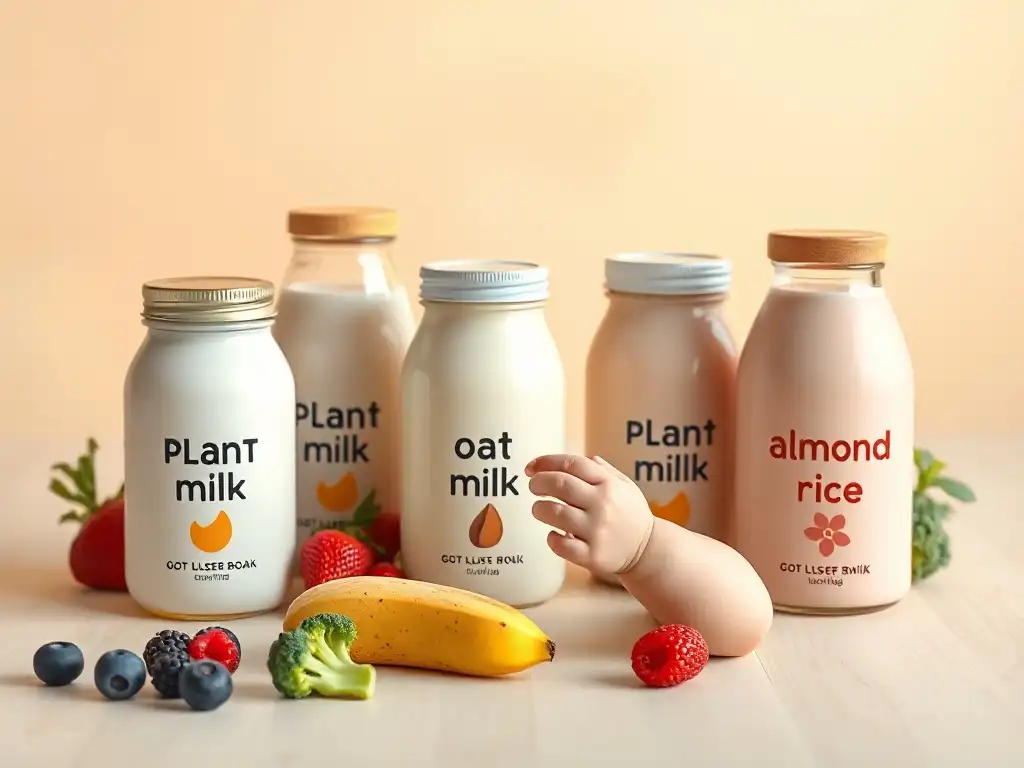
This section delves into baby milk alternatives beyond the commonly discussed options. We'll examine the nutritional profiles, potential benefits, and drawbacks of various choices, empowering you to make informed decisions about your baby's nutrition. Remember, always consult your pediatrician before making significant changes to your baby's diet. Finding the best baby formula alternatives requires careful consideration of your infant's specific needs and health status.
Goat Milk Formula: Pros and Cons for Infant Nutrition
Goat milk formula is sometimes touted as a closer alternative to human breast milk than cow's milk formula. However, it's crucial to understand that it's not a direct substitute and has its own set of advantages and disadvantages.
While some proponents suggest that goat milk is easier to digest and may have a lower risk of allergies, scientific evidence supporting these claims is limited. Furthermore, goat milk naturally lacks certain essential nutrients crucial for infant development, such as folate and iron. This often necessitates supplementation, adding complexity to the feeding routine.
Here's a breakdown of the key points:
| Feature | Pros | Cons |
|---|---|---|
| Digestibility | Potentially easier digestion for some infants (needs further research) | May still cause digestive upset in sensitive babies. |
| Allergenicity | Potentially lower risk of allergies compared to cow's milk (needs further research) | Still carries a risk of allergic reactions in susceptible infants. |
| Nutrient Profile | Naturally contains some beneficial fatty acids. | Lacks essential nutrients like folate and iron, requiring supplementation. |
| Cost | Can be more expensive than standard infant formulas. |
Choosing goat milk formula requires careful consideration. Always consult a pediatrician to assess whether it's a suitable option for your baby and to discuss necessary supplementation strategies to ensure adequate nutrient intake. Remember, best baby formula alternatives are those that best meet your baby's individual needs.
Plant-Based Alternatives: Soy Milk Formula and Alternatives
Plant-based formulas, primarily soy-based, offer an alternative for parents seeking a non-dairy option. However, it's essential to understand that these formulas are not suitable for all infants. Soy-based formulas are often used for babies with cow's milk protein allergy, but potential concerns exist.
Soy formulas can contain isoflavones, plant compounds that mimic estrogen. While the long-term effects on infants are still under investigation, some experts recommend caution. Furthermore, soy formulas may not provide the optimal balance of fatty acids crucial for brain development that is found in breast milk or extensively researched cow's milk-based formulas.
Other plant-based options, such as those based on rice or almond milk, are generally not recommended as primary infant nutrition due to their incomplete nutrient profiles. These alternatives often lack essential amino acids, vitamins, and minerals vital for healthy growth. These formulas often require extensive fortification and may not provide the same nutritional benefits as other options. Always prioritize formulas specifically designed for infant nutrition.
Important Note on Plant-Based Formula Selection
Always consult your pediatrician before introducing any plant-based formula to your baby's diet. They can assess your baby's individual needs and advise on the most appropriate option, ensuring they receive all the necessary nutrients for healthy development. Thorough research and professional guidance are crucial when considering these alternatives.
Hydrolyzed Protein Formula: Addressing Specific Allergies
Hydrolyzed protein formulas are designed for infants with cow's milk protein allergy (CMPA) or other sensitivities. These formulas break down cow's milk protein into smaller peptides, making them less likely to trigger an allergic reaction. This is an important consideration when exploring the best baby formula alternatives for infants with allergies.
There are different levels of hydrolysis, ranging from extensively hydrolyzed to amino acid-based formulas. Extensively hydrolyzed formulas break down the proteins into smaller pieces, while amino acid-based formulas are made up of individual amino acids. The choice between these depends on the severity of the allergy. Amino acid-based formulas are often recommended for infants with severe CMPA.
- Extensively Hydrolyzed Formula
- Suitable for babies with mild to moderate CMPA. May have a slightly different taste compared to standard formula.
- Amino Acid-Based Formula
- Recommended for babies with severe CMPA. Often has a less palatable taste and may be more expensive.
While hydrolyzed formulas are effective for managing CMPA, they can be more expensive and may have a less desirable taste than standard formulas. It's essential to work with your pediatrician to determine the most suitable type and ensure your baby is thriving on the chosen formula. Always carefully monitor your baby for any signs of allergic reactions even when using a hypoallergenic formula.
Transitioning to Solid Foods: When and How
Introducing solid foods is a significant milestone in your baby's development, marking a shift from a purely liquid diet to incorporating diverse textures and nutrients. The optimal time to start introducing solids varies, but generally, it's recommended to begin around 6 months of age. However, individual babies develop at different paces. Several cues indicate readiness, including:
- Ability to sit up unsupported: This ensures your baby can control their head and neck, minimizing the risk of choking.
- Showing interest in food: Does your baby watch you eat with keen interest? Do they try to grab your food? These are positive signs.
- Loss of the tongue-thrust reflex: This reflex, present in newborns, causes them to push food out of their mouth. Once this reflex diminishes, they are better equipped to manage solids.
- Good head and neck control: This is crucial for safe swallowing and preventing choking hazards.
It's important to note that introducing solids too early can lead to allergies and digestive problems. Conversely, delaying introduction can lead to nutritional deficiencies. Consult your pediatrician to determine the ideal timing for your baby, considering their individual growth and development. Remember, every baby is unique, and there's no one-size-fits-all approach.
Introducing Solids: A Step-by-Step Guide
The initial introduction of solids should be gradual and cautious. Start with single-ingredient purees to identify any potential allergies. Common first foods include:
- Sweet potato
- Avocado
- Butternut squash
- Pea puree
- Iron-fortified rice cereal (mixed with breast milk or formula)
Begin with small portions, a teaspoon or two, and observe your baby for any allergic reactions (rash, vomiting, diarrhea). Introduce new foods one at a time, waiting a few days before adding another to pinpoint any potential sensitivities. Pay close attention to your baby's cues. If they show signs of dislike or discomfort, don't force them. Try again another time or with a different food. The process should be enjoyable and positive for both you and your baby.
Remember to avoid adding salt, sugar, or honey to your baby's food. These are not necessary and can be harmful. Focus on providing nutrient-rich, whole foods in their purest form. As your baby progresses, you can gradually introduce more textured foods, such as mashed bananas, soft cooked vegetables, and finely chopped fruits. Always supervise your baby while they are eating to prevent choking.
Combining Milk Alternatives with Solid Foods
Once solids are introduced, breast milk or formula remains a crucial part of your baby's diet, providing essential nutrients for their continued growth and development. The amount of milk alternative needed will gradually decrease as your baby consumes more solid foods. However, it's generally recommended that babies continue to receive their primary source of nutrition (breast milk or formula) until at least 12 months of age, even after they've become comfortable with solid foods.
The transition to a diet that includes both solid foods and milk alternatives should be a gradual process. Don't rush the process; let your baby guide you. Observe their eating habits and adjust the amounts of milk and solids accordingly. A balanced approach ensures that your baby receives the necessary nutrients for optimal growth and development. Remember to consult your pediatrician or a registered dietitian for personalized advice tailored to your baby's specific needs and developmental stage. They can provide valuable guidance on creating a nutritious and balanced diet that supports your baby's healthy growth. This ensures your baby receives a varied and healthy diet, minimizing the risks associated with nutritional deficiencies.
The best approach is to focus on a balanced diet, combining the benefits of milk alternatives with the introduction of a wide variety of nutrient-rich solid foods. This holistic approach will support your baby's healthy growth and development, ensuring they receive all the necessary nutrients for optimal well-being.
Consulting Your Pediatrician: Seeking Expert Advice

Choosing the right nutrition for your baby is a crucial decision, and while this article provides information on various baby milk alternatives, remember that personalized advice is paramount. This section emphasizes the importance of consulting your pediatrician before making any significant changes to your baby's diet, particularly when considering alternatives to breast milk or standard infant formula. A thorough discussion with a healthcare professional ensures your baby receives the optimal nutrition for their individual needs and developmental stage. Ignoring professional medical advice can have serious consequences for your baby's health and well-being.
When to Seek Professional Guidance on Milk Alternatives
Deciding on the best baby formula alternatives requires careful consideration and expert input. There are specific situations where seeking immediate professional guidance is not just recommended, but essential. These include:
- Premature babies: Premature infants have unique nutritional needs. Their digestive systems might not be fully developed, requiring specialized formulas tailored to their specific gestational age and weight. A pediatrician can assess your premature baby's individual requirements and recommend appropriate alternatives.
- Allergies or intolerances: If your baby displays symptoms of an allergy or intolerance (e.g., eczema, digestive upset, vomiting, or blood in the stool) after introducing a formula or alternative, it's crucial to contact your pediatrician immediately. They can perform allergy tests and recommend a suitable hypoallergenic formula or alternative. Ignoring these symptoms could lead to serious health complications.
- Failure to thrive: If your baby isn't gaining weight appropriately or isn't meeting developmental milestones, it's vital to consult your pediatrician. They can investigate potential underlying issues, such as nutritional deficiencies, and recommend appropriate interventions, including alternative feeding strategies.
- Specific medical conditions: Babies with certain medical conditions (e.g., metabolic disorders, digestive problems, or kidney disease) may require specialized nutritional support. Your pediatrician can help determine the best course of action, considering your baby's unique medical history and needs. This might involve using specific formulas or alternatives designed to address these conditions.
Addressing Specific Concerns with Your Doctor
Your pediatrician is your best resource for addressing any concerns you have about baby milk alternatives. Don't hesitate to ask detailed questions about:
- The suitability of different alternatives: Discuss your baby's age, health status, and any existing allergies or intolerances. Your pediatrician can help you assess which alternatives are safe and appropriate based on this information.
- Potential side effects: Understand the potential risks and benefits associated with each alternative. Your pediatrician can help you weigh these factors and make an informed decision.
- Preparation and usage instructions: Ensure you understand the proper preparation and storage techniques for any chosen alternative to prevent contamination and ensure your baby's safety.
- Monitoring your baby's progress: Regular check-ups are vital to monitor your baby's growth, development, and overall health while on an alternative milk source. Your pediatrician will track your baby's progress and make necessary adjustments to the feeding plan as needed. This consistent monitoring is key to ensuring your baby thrives. Remember, proactive communication with your pediatrician is crucial for ensuring your baby's healthy development and well-being. Don't hesitate to seek clarification on any aspect of alternative feeding – your pediatrician's expertise is invaluable in this process. 👶
Making Informed Decisions: Prioritizing Your Baby's Health
Choosing the right nutrition for your baby is a crucial decision impacting their growth, development, and overall well-being. This section focuses on making informed decisions about baby milk alternatives, prioritizing your baby's health and individual needs. Remember, every baby is unique, and what works for one might not work for another. This requires careful consideration of several factors, including your baby's age, health status, and any potential allergies or intolerances.
Consult with your pediatrician before making any significant changes to your baby's diet. They can provide personalized recommendations based on your baby's specific circumstances and needs, ensuring you're making the best choices for their healthy development. The information provided here is for educational purposes and should not be considered a substitute for professional medical advice.
Choosing the Best Milk Alternative for Your Baby's Unique Needs
Selecting the best baby formula alternative requires a nuanced understanding of your baby's individual needs. This goes beyond simply choosing a brand; it involves considering factors like their age, weight, and any pre-existing health conditions. For example, premature babies often require specialized formulas with higher calorie densities and added nutrients. Babies with allergies or intolerances might need hypoallergenic formulas or those designed to address specific dietary restrictions. Furthermore, the choice might also be influenced by your baby's preferences. Some babies might show a clear preference for certain textures or flavors.
The process should be collaborative, involving careful observation of your baby's response to different alternatives. Note their digestive comfort, weight gain, and overall well-being. Keep a detailed record of feedings, including the type of formula, amount consumed, and any noticeable reactions. This data can be invaluable when discussing your baby's progress with your pediatrician. Remember, consistency is key. Switching formulas frequently can disrupt your baby's digestive system and potentially lead to discomfort.
Monitoring Your Baby's Growth and Development
Regular monitoring of your baby's growth and development is crucial when using baby milk alternatives. This involves regular weigh-ins and check-ups with your pediatrician to track their weight gain, height, and overall development. This allows for early detection of any potential problems related to nutrition. You should also pay close attention to your baby's bowel movements and stool consistency. Significant changes in bowel habits could indicate a problem with the chosen formula. The frequency and texture of stools can vary depending on the type of formula, but persistent constipation or diarrhea warrants immediate medical attention.
Consider keeping a growth chart to visually track your baby's progress. This allows you to easily spot any deviations from the expected growth trajectory. Don't hesitate to reach out to your pediatrician if you have any concerns about your baby's growth, development, or any adverse reactions to their formula. They can help you assess the situation, adjust the feeding plan if necessary, and ensure your baby is thriving.
Remember, proactive monitoring is key to ensuring your baby receives adequate nutrition and optimal development. Early intervention is always better than reactive treatment. The best "best baby formula alternatives" are those that support your baby's individual needs and healthy growth. 👶
Frequently Asked Questions
What are some popular baby formula alternatives?
Some popular alternatives include breast milk (the gold standard), hypoallergenic formulas for sensitive babies, soy-based formulas, and hydrolyzed protein formulas. Consider your baby's individual needs and consult your pediatrician.
Are there any risks associated with using baby formula alternatives?
Yes, some alternatives may have allergic reactions or nutritional deficiencies. Always consult with your pediatrician to ensure your choice meets your baby's needs and to monitor for any potential issues. Careful monitoring is crucial.
How do I choose the best baby formula alternative for my baby?
The best choice depends on your baby's individual needs and health. Factors like allergies, digestive issues, and your baby's overall well-being should guide your decision. Consult your pediatrician for personalized advice.
When should I consider using a baby formula alternative instead of standard formula?
Consider alternatives if your baby has allergies, digestive problems, or specific nutritional requirements. Always discuss any concerns with your pediatrician before making a change in your baby's feeding plan.
Where can I find more information about baby formula alternatives?
You can find more information from your pediatrician, reliable online resources like BabyCareHub, and reputable health organizations. Always prioritize credible sources for accurate and up-to-date information.
Final Reflection: Nurturing the Next Generation: Beyond the Bottle
The choices we make regarding infant nutrition have profound and lasting consequences, impacting not only the immediate health of our children but also shaping their long-term well-being. The journey of selecting the best nourishment for a newborn is fraught with anxieties and complex decisions, a reality underscored by the sheer volume of options available today. This exploration of baby milk alternatives highlights the crucial need for informed decision-making, emphasizing the importance of understanding the unique benefits and potential drawbacks of each choice.
The debate surrounding breast milk versus formula, and the ever-expanding array of plant-based alternatives, reflects a broader societal shift towards greater awareness of health and sustainability. This evolution is not merely a trend; it's a testament to our growing understanding of the intricate relationship between nutrition, development, and the environment. The future belongs to those who believe in the beauty of their dreams.
- Eleanor Roosevelt. This quote resonates deeply, as the dream of a healthy and thriving child is at the heart of every parental decision, and choosing the right nutrition is a crucial step in realizing that dream.
Consider the information presented within this article as a starting point, a foundation upon which you can build your own informed choices. Don't hesitate to consult with healthcare professionals, explore additional resources, and trust your intuition as you navigate this pivotal stage of your child's life. Empower yourself with knowledge, embrace the journey of parenthood, and nurture the next generation with love, care, and the best possible nourishment.
Unlock Your Baby's Nutritional Potential
Thank you for exploring the world of baby milk alternatives with us! We hope this article has provided you with the knowledge to make informed choices about your baby's nutrition. Now, let's put that knowledge into action.
- Prioritize personalized nutrition: Carefully consider your baby's individual needs and preferences when selecting a milk alternative. A consultation with your pediatrician or a registered dietitian is recommended to determine the best option for your baby's specific health needs.
- Join the BabyCareHub community: Share your experiences and connect with other parents facing similar decisions. Let's build a supportive network where we can learn from one another.
- Explore additional resources: Learn more about specific formulas and brands by researching reputable sources like the La Leche League International or other trusted parenting organizations.
Ready to take the next step in your baby's nutritional journey? Do you have any questions about choosing the right milk alternative for your little one?