
Baby Milk Alternatives: From Soy to Oat, Which is Best for Your Baby?


Welcome to BabyCareHub, your ultimate guide to navigating the incredible journey of parenthood! Are you overwhelmed by choices, especially when it comes to feeding your little one? Discover the answers you need with our expert insights on the Best Baby Milk Alternative. From soy to oat and beyond, we unravel the complexities of choosing the perfect formula, ensuring your baby thrives. Dive in and explore our comprehensive resources on feeding, sleep, health, development, and safety – your path to confident parenting starts here!
- Understanding the Need for Baby Milk Alternatives
- Exploring Popular Baby Milk Alternatives: A Detailed Comparison
- Choosing the Best Baby Milk Alternative for Your Child: Key Factors
- Transitioning to Baby Milk Alternatives: A Smooth Process
- Frequently Asked Questions about Baby Milk Alternatives (FAQ)
-
Frequently Asked Questions
- What are the best baby milk alternatives available?
- Are plant-based baby milk alternatives as nutritious as breast milk or formula?
- When should I consider a baby milk alternative?
- What are the potential risks associated with using baby milk alternatives?
- How do I choose the right baby milk alternative for my baby?
- Final Reflection: Navigating the World of Baby Milk Alternatives
- Unlock Your Baby's Nutritional Potential
Understanding the Need for Baby Milk Alternatives
Choosing the right nutrition for your baby is a paramount concern for all new parents. While breast milk remains the gold standard, many factors can lead families to explore baby milk alternatives. This comprehensive guide explores the various options available, helping you navigate the complexities of choosing the best baby milk alternative for your little one's unique needs and preferences.
We'll delve into the reasons behind choosing an alternative, common concerns regarding cow's milk formula, and how to identify potential allergies and intolerances in infants. Making an informed decision is crucial for ensuring your baby thrives, and this article aims to equip you with the knowledge to do just that. Finding the best baby milk alternative isn't about a single "right" answer, but rather understanding your baby's individual requirements and selecting the option that best supports their healthy growth and development.
Why Choose a Baby Milk Alternative? (Reasons for formula alternatives)
Several reasons might prompt parents to seek alternatives to standard cow's milk-based formula. These reasons often intertwine and require careful consideration:
- Lactose Intolerance: Some babies experience digestive discomfort due to lactose intolerance, a condition where their bodies struggle to digest the lactose sugar in cow's milk. Symptoms can range from mild gas and bloating to more severe diarrhea and discomfort. Choosing a lactose-free alternative, like soy or oat milk-based formula, can significantly alleviate these issues.
- Cow's Milk Allergy: A true cow's milk allergy is a more serious condition involving an immune system response to proteins found in cow's milk. Symptoms can vary widely, from mild skin rashes and eczema to severe respiratory problems and anaphylaxis. In these cases, hypoallergenic formulas, often soy-based or extensively hydrolyzed protein formulas, are necessary.
- Family History of Allergies: If there's a family history of allergies, parents might proactively choose a hypoallergenic formula to potentially reduce the risk of developing allergies in their baby. This is a preventative measure and doesn't guarantee allergy prevention, but it's a consideration for some families.
- Ethical or Philosophical Reasons: Some parents may choose plant-based alternatives for ethical reasons, such as concerns about animal welfare or environmental impact associated with dairy farming. This reflects a growing trend towards sustainable and compassionate choices in parenting.
- Religious or Cultural Practices: Certain religious or cultural practices might dictate dietary preferences, impacting the choice of baby milk formula.
Common Reasons for Avoiding Cow's Milk Formula
Beyond specific allergies and intolerances, several other factors contribute to parents opting for alternatives to cow's milk formula:
- Concerns about Hormones and Antibiotics: Some parents express concerns about the potential presence of hormones and antibiotics in cow's milk-based formulas, leading them to explore plant-based alternatives perceived as "cleaner" options. However, it's important to note that rigorous regulations govern the production of infant formulas, minimizing these risks.
- Preference for Plant-Based Diets: A growing number of parents follow plant-based diets themselves and extend this philosophy to their children's nutrition. This preference often drives the choice of plant-based baby milk alternatives.
- Digestive Issues (Beyond Lactose Intolerance): Even without a diagnosed lactose intolerance, some babies experience general digestive discomfort with cow's milk-based formulas. Switching to a different type of formula may resolve these issues.
Identifying Allergies and Intolerances in Infants
Recognizing potential allergies or intolerances in your baby requires careful observation and consultation with a pediatrician. Common symptoms include:
| Symptom Category | Specific Symptoms |
|---|---|
| Gastrointestinal Issues | Colic, gas, bloating, diarrhea, constipation, vomiting |
| Skin Reactions | Eczema, rash, hives, itching |
| Respiratory Problems | Wheezing, coughing, difficulty breathing, nasal congestion |
| Other | Fussiness, irritability, poor weight gain, blood in stool |
If you notice any of these symptoms, it's crucial to consult your pediatrician immediately. They can conduct tests to confirm a diagnosis and guide you towards the appropriate baby milk alternative. Early identification and intervention are key to managing allergies and intolerances effectively and ensuring your baby's well-being. Remember, accurate diagnosis is essential; self-diagnosing can be dangerous.
Exploring Popular Baby Milk Alternatives: A Detailed Comparison
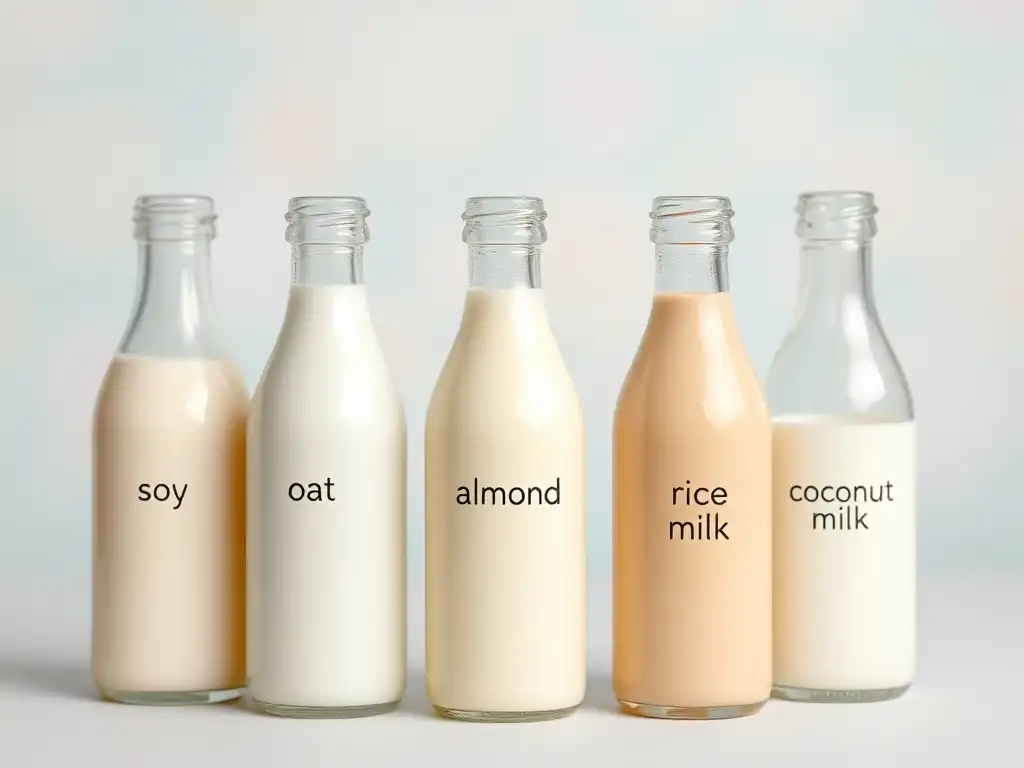
This section dives deep into the specifics of two popular baby milk alternatives: soy and oat milk formulas. We'll analyze their nutritional profiles, potential risks, and factors to consider when choosing the best option for your little one. Remember, always consult your pediatrician before making any significant changes to your baby's diet. Finding the best baby milk alternative requires careful consideration and personalized advice.
Soy Milk Formula for Babies: Benefits and Considerations
Soy milk formula is a long-standing alternative to cow's milk-based formula, often considered for babies with cow's milk protein allergy (CMPA). However, it's crucial to understand its nuances before making a decision.
Nutritional Content of Soy Milk Formula
Soy-based formulas are designed to mimic the nutritional profile of breast milk as closely as possible. They typically contain essential fatty acids like linoleic acid and alpha-linolenic acid, vital for brain development. They also provide essential vitamins and minerals, including iron, zinc, and vitamin D. However, the specific nutrient content can vary between brands, so careful label reading is essential. For instance, some formulas might be fortified with added prebiotics to promote gut health. Always check the label to ensure it meets your baby’s specific nutritional needs.
Potential Allergic Reactions to Soy
While soy milk formula is a suitable option for many, it's crucial to be aware of the potential for allergic reactions. Soy allergies, though less common than cow's milk allergies, can still occur. Symptoms can range from mild skin rashes to more severe reactions like anaphylaxis. If your baby displays any signs of an allergic reaction after introducing soy formula (e.g., hives, vomiting, difficulty breathing), discontinue use immediately and seek medical attention. A careful introduction, monitoring for reactions, and consultation with an allergist are paramount.
Choosing a High-Quality Soy Milk Formula
Selecting a high-quality soy milk formula involves looking beyond just the price. Look for formulas that are specifically designed for infants and meet the nutritional standards set by relevant health organizations. Check the ingredient list for added sugars and artificial ingredients; a shorter, simpler ingredient list is generally preferable. Furthermore, consider the formula's digestibility; some babies may find certain soy formulas easier to digest than others. Reading reviews and consulting your pediatrician can also provide valuable insights into which brands have proven successful for other infants.
Oat Milk Formula for Babies: A Growing Option
Oat milk formula is a relatively newer entrant in the baby formula market. While it's gaining popularity, it's important to understand its nutritional profile and potential limitations.
Nutritional Profile of Oat Milk Formula
Oat milk formulas are typically fortified with essential vitamins and minerals to mimic the nutritional composition of breast milk. This includes vitamins A, D, E, and K, as well as iron, zinc, and calcium. However, the protein content in oat milk formula might be lower than in other alternatives, necessitating careful monitoring of your baby's growth. Some brands might add other nutrients like prebiotics or probiotics to support gut health. Always scrutinize the nutritional information on the packaging to ensure it aligns with your baby's needs.
Safety and Suitability of Oat Milk for Infants
The safety and suitability of oat milk for infants are still under ongoing research. While generally considered safe for older babies and toddlers, its use for infants under six months remains a topic of debate. The potential for allergies, while less common than with soy or cow's milk, needs to be considered. Moreover, the bioavailability of certain nutrients in oat milk formula might differ from other alternatives, potentially requiring higher consumption to meet the daily requirements. Consult your pediatrician before introducing oat milk formula, especially for younger infants.
Comparing Oat Milk Formula to Other Alternatives
Compared to soy milk formula, oat milk formula is often considered a gentler option for babies with sensitive digestive systems. However, its lower protein content necessitates careful monitoring of your baby's growth. Compared to cow's milk-based formula, both soy and oat milk formulas are suitable alternatives for babies with cow's milk protein allergy.
The choice between soy and oat milk will depend on your baby's individual needs and tolerance, making a thorough discussion with your pediatrician essential in determining the "best baby milk alternative" for your child. This careful comparison, alongside medical advice, will ensure your baby receives optimal nutrition.
Rice Milk Formula: Nutritional Value and Limitations
Rice milk formula, while marketed as a hypoallergenic option, presents a unique nutritional profile compared to breast milk or cow's milk-based formulas. It's naturally low in protein and fat, which are crucial for a baby's growth and development. While it offers some carbohydrates for energy, its nutritional value is significantly less complete than other options.
For instance, rice milk is notably deficient in essential fatty acids like linoleic acid and alpha-linolenic acid, vital for brain development and overall health. Furthermore, it often lacks essential vitamins and minerals like vitamin B12, iron, and calcium, which are critical for healthy growth. Parents considering rice milk formula should carefully evaluate the specific formulation, as added nutrients can vary widely between brands.
Supplementing with these missing nutrients may be necessary, adding complexity to feeding routines and potentially increasing costs. Ultimately, the decision to use rice milk formula should be made in close consultation with a pediatrician, taking into account the baby's individual needs and potential risks.
Nutritional Deficiencies in Rice Milk Formula
A significant drawback of rice milk formula is its inherent deficiency in several key nutrients. Firstly, it's notably low in protein, a fundamental building block for tissue growth and repair. This deficiency can hinder a baby's physical development and potentially impact their immune system function. Secondly, essential fatty acids, vital for brain development and cognitive function, are often lacking or present in insufficient amounts in rice milk formulas.
These fatty acids, including linoleic acid and alpha-linolenic acid, are crucial for healthy neural development and cannot be synthesized by the body. Finally, several essential vitamins and minerals are often deficient, including vitamin B12, crucial for nerve function and red blood cell formation; iron, vital for oxygen transport and preventing anemia; and calcium, essential for bone development and overall health. These deficiencies can lead to various health problems if not addressed through supplementation.
Potential Risks Associated with Rice Milk Formula
While generally considered safe for most infants, rice milk formula presents certain potential risks. One major concern is the potential for nutritional deficiencies, as discussed above. These deficiencies can lead to stunted growth, developmental delays, and other health complications. Another concern arises from the presence of arsenic in rice. While the levels are generally considered low, prolonged exposure to even small amounts of arsenic can have long-term health consequences.
The bioavailability of arsenic in rice milk formula and its impact on infants is a subject of ongoing research. Additionally, some rice milk formulas may contain added sugars, which can contribute to weight gain and dental problems. Therefore, parents should carefully scrutinize the ingredient list and opt for formulas with minimal added sugars. Regular monitoring of the baby's growth and development by a pediatrician is vital to detect and address any potential issues early on.
Almond Milk Formula: Considerations for Infants
Almond milk formula offers a plant-based alternative to traditional cow's milk-based formulas, but it’s crucial to understand its limitations and potential risks before considering it for your infant. While it can be a suitable option for some babies with cow’s milk protein allergy, careful consideration of its nutritional profile and potential allergens is essential.
Many almond milk formulas are fortified with vitamins and minerals to improve their nutritional value, but it's important to compare formulations to ensure they meet your baby's needs. Moreover, the texture and taste of almond milk formula may differ significantly from breast milk or cow’s milk formula, potentially impacting your baby's acceptance.
Nutritional Aspects of Almond Milk Formula
The nutritional content of almond milk formula varies considerably depending on the manufacturer and specific formulation. Generally, almond milk is lower in protein compared to cow's milk-based formulas, a critical component for infant growth. While some formulations are fortified with added protein, it’s essential to check the nutritional label to ensure adequate protein intake for your baby. Similarly, the fat content also varies, affecting the caloric density and the supply of essential fatty acids.
Many formulas are fortified with essential fatty acids like linoleic acid and alpha-linolenic acid, but the amounts might not always match those found in breast milk or some cow's milk formulas. The vitamin and mineral content is also subject to variability, with some brands providing better fortification than others. Calcium and vitamin D are particularly important for bone development, so it's critical to choose a formula with adequate levels.
Potential Allergic Reactions and Health Concerns
Despite its plant-based nature, almond milk formula can still trigger allergic reactions in susceptible infants. While less common than cow’s milk allergy, almond allergy can manifest in various ways, from mild skin rashes to severe anaphylactic shock. It's crucial to monitor your baby closely for any signs of allergic reactions after introducing almond milk formula, such as hives, swelling, vomiting, or difficulty breathing.
Additionally, some almond milk formulas may contain added sugars or thickeners, which could contribute to digestive issues or weight gain in infants. Furthermore, the relatively low protein content compared to other formulas could potentially impact growth if not carefully monitored. Therefore, consulting with a pediatrician before introducing almond milk formula is strongly advised, particularly if your baby has a history of allergies or other health concerns.
Choosing the Best Baby Milk Alternative for Your Child: Key Factors
Selecting the best baby milk alternative for your little one isn't a decision to take lightly. It requires careful consideration of several crucial factors, ensuring your baby receives the optimal nutrition for healthy growth and development. This section dives deep into the key elements to consider when navigating the world of baby formula alternatives. Finding the perfect fit might involve a process of trial and error, guided by professional advice and a keen eye for detail. Remember, every baby is unique, and what works wonders for one might not be ideal for another.
Consulting Your Pediatrician: Essential First Step
Before introducing any baby milk alternative, a consultation with your pediatrician is absolutely paramount. This is not simply a suggestion; it's a crucial first step. Your pediatrician possesses the expertise to assess your baby's individual needs, health history, and any potential allergies or sensitivities. They can provide personalized recommendations based on your baby's specific circumstances, ensuring the chosen alternative aligns perfectly with their developmental stage and overall well-being.
Failing to seek professional advice could potentially lead to nutritional deficiencies or allergic reactions. Don't hesitate to discuss any concerns or questions you may have – your pediatrician is there to support you throughout this journey. This initial consultation will lay the foundation for making informed decisions about your baby's nutrition. They can also help you understand the potential risks and benefits of various alternatives, guiding you toward a safe and effective choice.
Considering Your Baby's Individual Needs and Health History
Choosing the right baby milk alternative demands a thorough understanding of your baby's unique requirements. This involves considering factors beyond just basic nutritional needs. For example:
- Allergies and Sensitivities: Does your baby have a history of allergies or sensitivities to certain foods like dairy or soy? This information is crucial in eliminating potential allergens from the equation. A detailed family history of allergies can also be incredibly helpful in guiding your decision.
- Digestive System: Some babies have more sensitive digestive systems than others. Certain milk alternatives, like soy or oat milk, might cause gas, bloating, or constipation in some infants. Observing your baby's reactions to different formulas is essential.
- Developmental Stage: The nutritional needs of a three-month-old differ significantly from those of a nine-month-old. Ensure the chosen milk alternative meets the specific nutritional requirements for your baby's age and developmental milestones.
- Premature Birth: If your baby was born prematurely, their nutritional needs might be more complex. Your pediatrician will advise on specialized formulas designed for premature infants.
Understanding these individual factors allows you to make a more informed and personalized choice, ensuring your baby thrives.
Reading Labels Carefully: Understanding Nutritional Information
Once you’ve consulted your pediatrician and considered your baby's individual needs, carefully scrutinizing product labels becomes essential. Don't just glance at the front; delve into the detailed nutritional information on the back. Pay close attention to the following:
| Nutrient | Importance | What to Look For |
|---|---|---|
| Protein | Essential for growth and development. | Adequate levels, suitable for your baby's age group. |
| Fats | Crucial for brain development and energy. | A balance of healthy fats, including essential fatty acids. |
| Carbohydrates | Provide energy. | Easily digestible carbohydrates. |
| Vitamins & Minerals | Essential for overall health and well-being. | Ensure the formula contains all essential vitamins and minerals. |
| Added Sugars | Should be minimal or absent. | Look for formulas with low or no added sugars. |
Remember, the label isn't just a list of ingredients; it’s a roadmap to understanding the nutritional composition of the milk alternative. Comparing labels from different brands allows you to make an informed decision based on your baby's specific nutritional requirements and your personal preferences. Choosing the "best" baby milk alternative involves a multifaceted approach, combining professional guidance with careful attention to detail. Prioritizing your baby's individual needs and a thorough understanding of nutritional information will contribute to their healthy growth and development. 👶
Assessing the Cost and Availability of Different Formulas
The financial aspect of choosing a baby milk alternative is a significant consideration for many parents. Prices vary considerably across brands and types of formula. Soy-based formulas, for example, are often priced similarly to standard cow's milk-based formulas, while specialized formulas, such as those designed for babies with allergies or digestive sensitivities, tend to be more expensive.
Oat milk-based formulas, a relatively newer entrant to the market, may also fall into a higher price bracket, at least initially, due to factors like production and demand. It's crucial to compare prices across different retailers and consider any potential discounts or loyalty programs. Budgeting for formula costs should be a part of your overall financial planning for your baby's first year.
Beyond price, the availability of different formulas is another crucial factor. While standard cow's milk-based formulas are widely available in most stores, specialized formulas may be harder to find, especially in smaller towns or rural areas. Some parents may need to order specialized formulas online, which can add to the cost and inconvenience. Oat milk-based formulas, being a relatively new option, might have limited availability initially, with only certain stores or online retailers stocking them.
Always check the availability of your chosen formula in your local area before committing to a particular brand to avoid potential disruptions to your baby's feeding schedule. Understanding both the cost and accessibility of your chosen option is essential for informed decision-making. Consider creating a budget spreadsheet to track expenses and explore local resources for formula assistance if needed.
Transitioning to Baby Milk Alternatives: A Smooth Process
Switching your baby's milk from breast milk or standard infant formula to an alternative can feel daunting, but a gradual and mindful approach can make the transition smoother for both you and your little one. The key is patience and observation. Remember, every baby is unique, and what works for one might not work for another. Finding the best baby milk alternative is a personalized journey.
Gradual Introduction of Baby Milk Alternatives
The most successful strategy involves a slow and steady introduction of the new milk alternative. Don't abruptly replace the existing milk entirely. Instead, start by mixing a small amount of the chosen alternative with their usual milk. For example, begin with a 25/75 ratio (25% alternative, 75% familiar milk) for a few days.
Observe your baby closely for any signs of discomfort or adverse reactions. Gradually increase the proportion of the alternative milk over several days or even weeks, until your baby is completely transitioned. This phased approach minimizes the chances of digestive upset and allows your baby's system to adjust comfortably.
This process requires careful monitoring and adjustment based on your baby's individual needs. Some babies might transition smoothly within a week, while others may require a longer period. There's no one-size-fits-all timeline; prioritize your baby's comfort and well-being. Keep a detailed record of your baby's feeding schedule and any observed reactions to help you track progress and identify potential problems early. This detailed approach to finding the best baby milk alternative is crucial for a positive outcome.
Monitoring Your Baby's Response to New Formula
Closely monitoring your baby's response to the new milk alternative is crucial. Look out for several key indicators:
- Digestive issues: Pay close attention to bowel movements. Changes in consistency, frequency, or the presence of excessive gas or discomfort are warning signs.
- Skin reactions: Rash, eczema, or other skin irritations could indicate an allergy or intolerance.
- Behavioral changes: Increased fussiness, irritability, or changes in sleep patterns might suggest that the new formula isn't agreeing with your baby.
- Weight gain: Consistent monitoring of your baby's weight is important to ensure they are receiving adequate nutrition. Any significant weight loss or stagnation should be addressed with your pediatrician.
Documenting these observations in a baby journal or using a dedicated app can be incredibly helpful for tracking progress and identifying patterns. This detailed record will be invaluable when discussing your baby's progress with your pediatrician. Remember, early detection of problems can prevent complications and allow for timely adjustments to the feeding plan. Finding the best baby milk alternative means finding one that supports your baby's healthy growth and development.
Addressing Potential Digestive Issues
Introducing a new milk alternative can sometimes lead to digestive discomfort. Common issues include gas, bloating, constipation, or diarrhea. If your baby exhibits any of these symptoms, consider the following steps:
- Slow down the transition: If you've been increasing the amount of alternative milk too quickly, slow down the process considerably. Return to a lower ratio of the alternative milk and gradually increase it again over a longer period.
- Consult your pediatrician: If digestive issues persist despite slowing the transition, consult your pediatrician. They can help determine the cause and recommend appropriate solutions. They can also help you determine the best baby milk alternative for your baby's specific needs.
- Consider hypoallergenic options: If you suspect an allergy or intolerance, discuss hypoallergenic options with your pediatrician. These formulas are designed to minimize the risk of allergic reactions. These options often require a prescription.
- Dietary changes (for breastfeeding mothers): If you're breastfeeding and introducing a formula, consider your own diet. Certain foods you consume can affect your baby's digestion.
Remember, patience and careful monitoring are key to a successful transition. Don't hesitate to seek professional advice if you have any concerns. Finding the best baby milk alternative is a collaborative effort between you and your healthcare provider. Prioritizing your baby's health and well-being is paramount throughout this process.
Frequently Asked Questions about Baby Milk Alternatives (FAQ)
This section addresses common concerns parents have regarding baby milk alternatives, helping you navigate the choices and ensure your little one thrives. Finding the best baby milk alternative for your child requires careful consideration and understanding.
Is it safe to switch baby milk formulas?
Switching baby milk formulas should be approached cautiously and ideally, under the guidance of a pediatrician. While some babies tolerate changes easily, others may experience digestive upset or other reactions. Sudden changes can disrupt their gut flora and lead to discomfort.
A gradual transition is generally recommended. Start by mixing small amounts of the new formula with the old one, gradually increasing the proportion of the new formula over several days or even a week. This allows your baby's digestive system to adjust more smoothly.
Observe your baby closely for any signs of distress during and after the transition, such as:
- Increased gas or bloating
- Changes in bowel movements (frequency, consistency, or color)
- Skin rashes or irritations
- Vomiting or diarrhea
- Fussiness or irritability
If you notice any of these symptoms, immediately consult your pediatrician. They can help determine if the new formula is unsuitable or if another issue is at play. Remember, every baby is unique, and what works for one may not work for another. Patience and close monitoring are key.
When should I introduce a baby milk alternative?
The decision to introduce a baby milk alternative is highly individualized and often depends on several factors. It's crucial to consult with your pediatrician before making any changes to your baby's diet. They can assess your baby's specific needs and health status to determine if an alternative is necessary and, if so, which one is most appropriate.
Some common scenarios where a pediatrician might recommend a baby milk alternative include:
- Cow's milk protein allergy: If your baby shows signs of an allergy (e.g., skin rashes, digestive issues, etc.) to cow's milk-based formula, a hypoallergenic alternative like soy, extensively hydrolyzed casein, or amino acid-based formula might be recommended.
- Lactose intolerance: If your baby struggles to digest lactose (the sugar in cow's milk), a lactose-free formula may be a better option.
- Other dietary needs: In certain cases, a pediatrician might suggest a specialized formula to address specific nutritional deficiencies or health conditions.
Introducing a milk alternative should always be done gradually and under medical supervision to minimize the risk of adverse reactions. The timing isn't a universally applicable rule; it's determined by your baby's individual circumstances and health.
How to know if my baby is allergic to a milk alternative?
Identifying a milk allergy in babies can be challenging as symptoms can vary widely. While some reactions are immediate and obvious, others may be more subtle and develop over time. It's crucial to pay close attention to your baby's response to each new formula introduced.
Common signs of an allergy to a baby milk alternative include:
| Symptom Category | Specific Symptoms |
|---|---|
| Digestive Issues | Vomiting, diarrhea, gas, bloating, constipation |
| Skin Reactions | Eczema, hives, rashes, itching |
| Respiratory Symptoms | Wheezing, coughing, difficulty breathing |
| Other Symptoms | Fussiness, irritability, poor weight gain, blood in stool |
If you suspect your baby is allergic to a specific milk alternative, immediately stop giving it to them and contact your pediatrician. They can perform allergy tests and recommend a suitable alternative or treatment plan. Early detection and intervention are crucial in managing milk allergies and preventing potential complications. Remember, 👶 accurate diagnosis is essential for your baby's well-being.
What are the long-term effects of using baby milk alternatives?
The long-term effects of using baby milk alternatives are a subject of ongoing research, and the results are often nuanced and depend heavily on the specific alternative used, the baby's individual health, and other dietary factors. There's no single, definitive answer applicable to all cases. However, we can examine some general considerations.
Studies have shown that babies fed soy-based formulas may have slightly altered hormone levels compared to those fed breast milk or cow's milk-based formulas. However, the clinical significance of these differences remains debated, and most researchers agree that the impact is likely minimal for most healthy infants. Further research is needed to fully understand the potential long-term implications of these hormonal shifts. The same is true for other plant-based alternatives, where the long-term effects on growth, development, and overall health are still under investigation.
It's crucial to emphasize that many studies comparing long-term outcomes focus on the comparison between breast milk and formula (whether cow's milk-based or alternative). While these studies offer valuable insights, they don't always isolate the effects of a specific milk alternative. For example, a study might show slightly lower bone density in children who were formula-fed compared to those breastfed, but it doesn't necessarily mean that this is solely attributable to the type of formula used. Other factors, such as genetics and overall diet, also play critical roles.
Furthermore, the nutritional composition of different baby milk alternatives varies significantly. Some may lack certain essential nutrients present in breast milk or cow's milk-based formulas, potentially leading to deficiencies if not carefully managed through supplementation or a diverse diet later in life. For instance, some plant-based formulas might be lower in certain vitamins like Vitamin B12 or Vitamin D, requiring careful monitoring and potential supplementation by a pediatrician.
Therefore, diligent parental attention to the nutritional needs of the baby is crucial, regardless of the milk alternative chosen. Regular check-ups with a pediatrician are essential to assess the baby's growth and development and make necessary adjustments to their diet. The long-term health of a child fed a milk alternative is not simply determined by the formula itself, but by the overall health and nutritional care provided.
Frequently Asked Questions
What are the best baby milk alternatives available?
Several alternatives exist, including soy milk, oat milk, rice milk, and coconut milk. However, it's crucial to choose a formula specifically designed for infants, as regular plant-based milks aren't suitable. Always consult your pediatrician.
Are plant-based baby milk alternatives as nutritious as breast milk or formula?
While plant-based milks can provide some nutrients, they often lack essential vitamins and minerals crucial for a baby's development. Breast milk or standard infant formula remains the most nutritionally complete option for most babies.
When should I consider a baby milk alternative?
Consider alternatives only after consulting your pediatrician and under their direct supervision. They can help determine if a milk alternative is appropriate for your baby's specific needs and health conditions, such as allergies.
What are the potential risks associated with using baby milk alternatives?
Risks include nutritional deficiencies, allergic reactions, and digestive problems. Properly formulated alternatives minimize these risks, but careful monitoring and medical guidance are essential.
How do I choose the right baby milk alternative for my baby?
Read labels carefully, paying close attention to the nutritional content and any potential allergens. Discuss your options with your pediatrician to ensure you select a formula that meets your baby's individual needs and developmental stage. They can guide you towards the safest and most beneficial option.
The choice of a baby milk alternative is a deeply personal and significant decision, impacting not only the immediate health of your child but also shaping long-term dietary habits and potentially influencing their overall well-being. The sheer variety of options available—from soy and oat to almond and rice—can feel overwhelming for new parents already grappling with the complexities of parenthood. This article aimed to provide clarity and guidance through this often confusing landscape.
The ongoing debate surrounding the best baby milk alternative highlights the evolving understanding of infant nutrition and the diverse needs of growing children. The impact of these choices extends beyond the individual child, influencing agricultural practices, environmental sustainability, and even the very definition of what constitutes "healthy" infant feeding. The best food for a baby is the one that best suits the individual needs of the baby and the family,
a sentiment echoed by many pediatricians, underscores the importance of personalized decision-making. This requires careful consideration of allergies, intolerances, and the long-term implications of each choice.
You, the parent, hold the key to making an informed decision. Take the time to research, consult with your pediatrician, and trust your instincts. Remember that there is no one-size-fits-all answer, and the "best" alternative is the one that nourishes your baby optimally while aligning with your family's values and circumstances. Embrace this journey of discovery, and remember that your dedication to providing the best possible care for your child is the most important factor of all.
Unlock Your Baby's Nutritional Potential
Thank you for exploring the world of baby milk alternatives with us! We hope you feel more confident in making informed choices about your baby's nutrition. Ready to take the next step?
- Prioritize your baby's needs: Every baby is unique, so carefully consider their individual dietary requirements and consult your pediatrician to determine the best milk alternative for them. This is crucial!
- Introduce your chosen milk alternative gradually. Start with a small amount to assess your baby's tolerance and preferences before completely switching.
- Share your experiences! What worked best for you and your baby? Join the conversation in the comments below.
What nutritional benefits have you discovered while searching for the perfect baby milk alternative?