
Baby Food and Weight Gain: Ensuring Healthy Growth

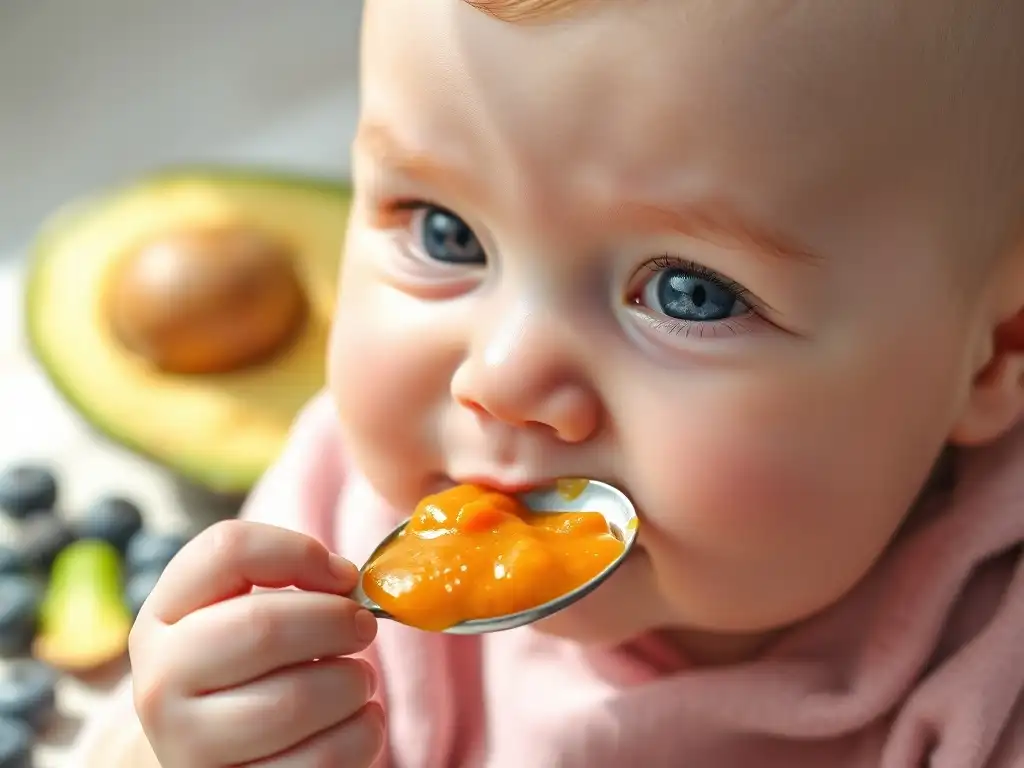
Welcome to BabyCareHub, your ultimate guide to navigating the exciting yet challenging journey of parenthood. Are you a first-time parent wondering about baby weight gain and the crucial role of first foods? We understand the anxieties surrounding your little one's healthy development, and that's why we've created this comprehensive resource. Discover expert advice and practical tips on baby weight gain first foods and much more, ensuring your baby thrives from day one. Let's explore the path to confident and informed parenting together!
- Understanding Baby Weight Gain and First Foods
- Choosing the Right Baby Food for Optimal Weight Gain
- Baby Weight Gain First Foods: Practical Tips and Recipes
- Monitoring Your Baby's Weight Gain: Signs and Solutions
- Baby Weight Gain and First Foods: Addressing Common Concerns
-
Frequently Asked Questions
- What are the best first foods for promoting healthy baby weight gain?
- When should I start introducing solid foods to my baby?
- How much weight gain should I expect in my baby after introducing solids?
- My baby isn't gaining weight as expected after starting solids. What should I do?
- Are there any foods I should avoid giving my baby as first foods?
- Final Reflection: Nurturing Healthy Growth: Beyond the First Foods
- Unlock Your Baby's Growth Potential
Understanding Baby Weight Gain and First Foods
Navigating the world of baby food and ensuring your little one thrives can feel overwhelming for first-time parents. This comprehensive guide delves into the crucial relationship between introducing solid foods and healthy weight gain in infants. We'll explore key developmental milestones, signs indicating your baby's readiness for solids, and a step-by-step approach to safely and effectively introduce complementary foods.
Understanding these aspects is vital for supporting your baby's optimal growth and development, contributing to their overall well-being and laying the foundation for a healthy future. This article focuses specifically on the critical period when introducing first foods and their impact on baby weight gain, offering valuable insights for parents seeking to optimize their baby's nutritional intake and growth trajectory. Remember, while this guide provides valuable information, always consult your pediatrician for personalized advice tailored to your baby's unique needs.
Healthy Weight Gain Milestones for Infants
Tracking your baby's weight gain is an important aspect of monitoring their overall health and development. While individual growth patterns vary, consistent monitoring helps identify potential concerns early. Pediatricians typically use growth charts to assess a baby's weight against established norms. These charts consider factors like age, sex, and gestational age. Weight gain isn't solely about the number on the scale; it's about consistent, steady progress.
Here's a general overview of expected weight gain, but remember, these are averages and your baby's growth may differ slightly:
| Age Range | Expected Weight Gain (approx.) | Notes |
|---|---|---|
| 0-3 Months | 1.5 - 2 pounds per month | Rapid weight gain is typical in the early months. |
| 4-6 Months | 1 pound per month | Growth rate begins to slow slightly. |
| 7-12 Months | 0.5 - 1 pound per month | Growth continues, but at a more moderate pace. |
Consistent monitoring, regular check-ups with your pediatrician, and a balanced diet are crucial for healthy weight gain. Remember, breastfeeding or formula feeding provides the primary source of nutrition during the first six months. Introducing solids should be seen as complementary nutrition, not a replacement for breast milk or formula.
👶 A healthy, steadily growing baby is a happy baby!
Signs Your Baby is Ready for Solids
Introducing solid foods too early or too late can be detrimental. Knowing when your baby is developmentally ready is paramount. Several key indicators signal that your baby might be ready to start their solid food journey. These are not strict rules, and you should always consult your pediatrician for personalized advice.
- Age: Most babies are ready to start solids around 6 months of age.
- Head Control: Can your baby hold their head steady and upright without support?
- Sitting Up: Can your baby sit upright with minimal support?
- Interest in Food: Does your baby show interest in the food you are eating, reaching for it or leaning forward?
- Loss of Tongue-Thrust Reflex: The tongue-thrust reflex, which pushes food out of the mouth, typically fades around 4-6 months.
- Doubled Birth Weight: Has your baby roughly doubled their birth weight?
These signs work together to indicate readiness. Don't just focus on one factor; observe your baby's overall development. If you're unsure, consult your pediatrician – they can provide tailored guidance based on your baby's individual needs and development.
Introducing Baby Food: A Step-by-Step Guide
Introducing solid foods should be a gradual and enjoyable process. Start with single-ingredient purees to identify any potential allergies or sensitivities. Introduce new foods one at a time, waiting 2-3 days to observe for any adverse reactions.
- Start with single-ingredient purees: Iron-fortified rice cereal, pureed sweet potatoes, or avocados are excellent starting points.
- Small portions: Begin with just a teaspoon or two of food, gradually increasing the amount as your baby gets used to it.
- Observe for allergies: Watch for any signs of allergic reactions like rash, vomiting, or diarrhea.
- Introduce new foods one at a time: Wait 2-3 days before introducing a new food to identify potential allergies.
- Offer a variety of textures: As your baby progresses, introduce different textures like mashed foods and soft finger foods.
- Avoid added salt and sugar: Baby food should be as natural as possible, without added salt, sugar, or honey.
- Breast milk or formula remains primary: Continue to offer breast milk or formula as the primary source of nutrition.
Remember, introducing solids is a journey, not a race. Enjoy this special time with your baby and celebrate their milestones! Patience and a positive approach will make this experience more rewarding for both you and your little one.
Choosing the Right Baby Food for Optimal Weight Gain
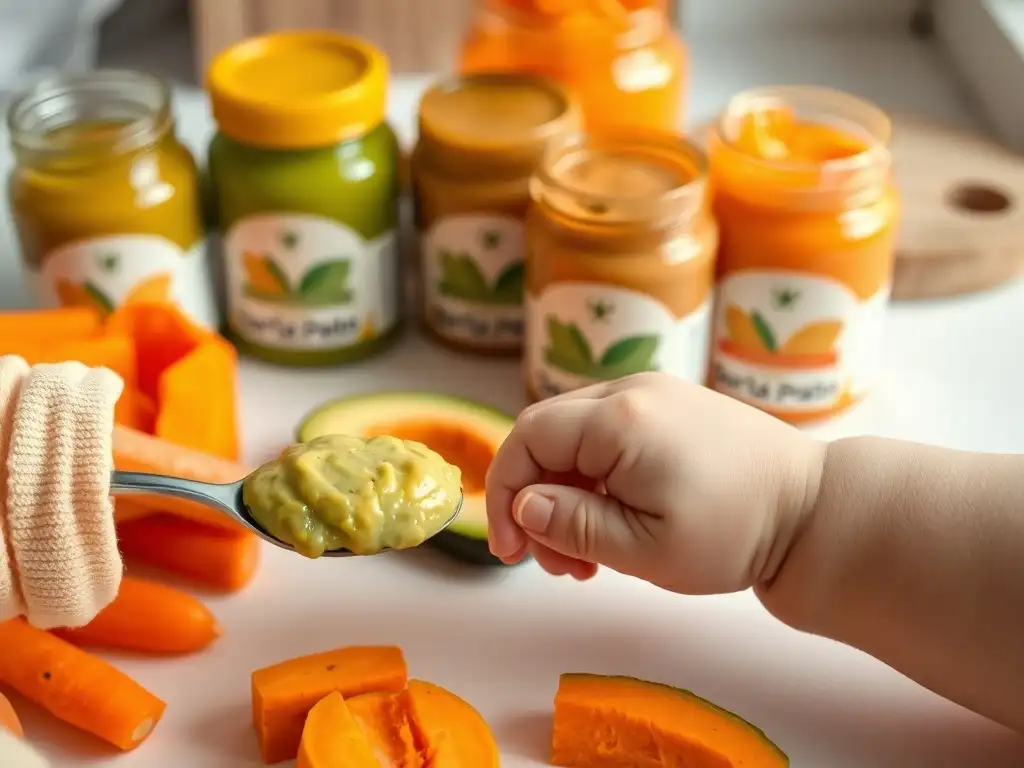
This section focuses on selecting baby foods that support healthy weight gain during the crucial first year. We'll explore key nutritional components, ingredient considerations, and practical tips to help you make informed choices that benefit your baby's development. Remember, consulting your pediatrician is crucial for personalized advice tailored to your baby's specific needs and growth trajectory. Always monitor your baby's weight and discuss any concerns with your healthcare provider.
Selecting Nutritious Baby Foods: Focus on Iron and Protein
Iron and protein are vital for healthy baby weight gain first foods and overall development. Iron deficiency is a common concern in infants, impacting energy levels and cognitive function. Protein provides the building blocks for growth and repair of tissues. When choosing commercial baby food, prioritize options rich in these nutrients.
Look for foods that specifically highlight iron content on the label. Examples include iron-fortified cereals, pureed meats (chicken, beef, turkey), and legumes (lentils, beans – but always check for choking hazards!). Protein sources include various meats, eggs (once introduced appropriately), and dairy products (after the appropriate age).
A helpful strategy is to incorporate a variety of food groups to ensure a balanced intake of both iron and protein. For instance, combining iron-rich pureed spinach with a protein-rich egg yolk puree offers a synergistic effect, promoting better nutrient absorption and weight gain. Remember to always introduce new foods one at a time, monitoring for any allergic reactions.
Organic vs. Non-Organic Baby Food: Making an Informed Choice
The debate surrounding organic versus non-organic baby food often centers on pesticide exposure and environmental impact. While organic baby food generally undergoes stricter regulations regarding pesticide residues, the nutritional differences between organic and non-organic options are often minimal.
The decision to choose organic baby food is largely a personal one, weighing the potential benefits against the often higher cost. Some parents prioritize minimizing pesticide exposure, while others focus on affordability and readily available options. It's important to note that both organic and non-organic baby foods can be nutritious and contribute to healthy baby weight gain first foods.
Thoroughly research brands and read labels carefully to understand their sourcing and production methods. Consider factors like your budget and personal values when making your choice. Ultimately, the most crucial aspect is ensuring your baby receives a balanced and diverse diet.
Avoiding Added Sugars and Unnecessary Ingredients in Baby Food
Added sugars and unnecessary ingredients in baby food are detrimental to your baby's health and can negatively impact their weight gain. Sugar contributes to weight problems, tooth decay, and can displace the intake of essential nutrients. Unnecessary additives, such as artificial flavors and colors, offer no nutritional value and may even pose potential health risks.
Always check the ingredient list carefully. Look for products with minimal ingredients, ideally containing only the named fruit, vegetable, or meat. Avoid products with added sugars, high-fructose corn syrup, or artificial sweeteners. Opt for baby foods with simple, recognizable ingredients, prioritizing whole foods whenever possible. Reading labels attentively empowers you to make informed choices that support your baby's healthy growth and development. Remember, simple is often best when it comes to baby weight gain first foods. A diet rich in whole, unprocessed foods provides the best foundation for optimal growth and well-being. 👶
Baby Weight Gain First Foods: Practical Tips and Recipes
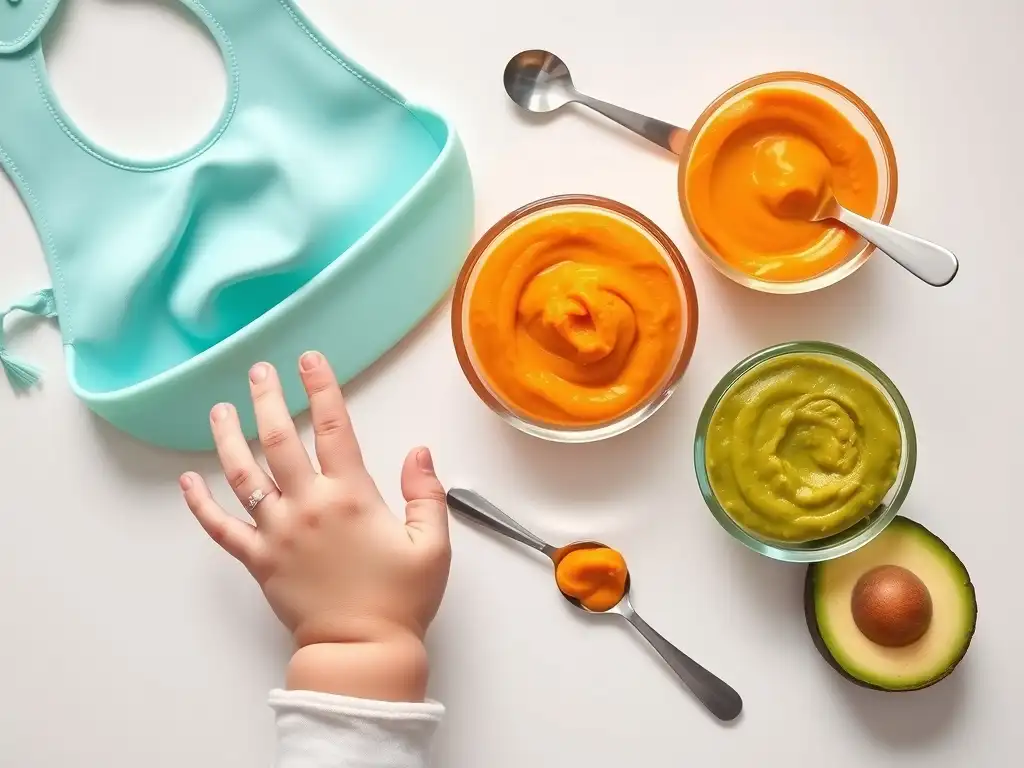
Introducing solid foods is a significant milestone in your baby's development, and it plays a crucial role in healthy weight gain. The transition from breast milk or formula to solid foods should be gradual and carefully planned. This section focuses on practical tips and recipes to support your baby's healthy weight gain during this exciting phase. Remember to always consult your pediatrician before introducing any new foods to your baby's diet.
They can provide personalized guidance based on your baby's individual needs and development. Successfully navigating this stage requires understanding the nutritional needs of your growing little one and choosing appropriate foods to meet those needs. This is particularly important for babies who may be experiencing slower than expected weight gain. The right foods can make all the difference.
Puree Recipes for Healthy Weight Gain: Sweet Potato Puree, Avocado Puree, Carrot Puree
Purees are an excellent starting point for introducing solid foods. They are easily digestible and packed with essential nutrients. Here are three simple and nutritious puree recipes to support healthy weight gain:
Sweet Potato Puree:
- Ingredients: 1 medium sweet potato, 2-3 tablespoons breast milk or water
- Instructions: Wash and peel the sweet potato. Cut into small cubes and boil until tender (approximately 15-20 minutes). Drain well and mash thoroughly. Add breast milk or water to achieve desired consistency. This puree is rich in Vitamin A and fiber, contributing to healthy growth.
Avocado Puree:
- Ingredients: ½ ripe avocado, 1-2 tablespoons breast milk or water
- Instructions: Scoop the flesh of the avocado into a bowl and mash until smooth. Add breast milk or water to adjust the consistency. Avocado is a great source of healthy fats, crucial for brain development and overall growth.
Carrot Puree:
- Ingredients: 1 cup chopped carrots, 2-3 tablespoons breast milk or water
- Instructions: Steam or boil the carrots until tender. Blend until smooth, adding breast milk or water as needed. Carrots provide Vitamin A and are gentle on sensitive tummies.
Remember to introduce these purees one at a time, waiting 2-3 days to observe for any allergic reactions before introducing a new one. Start with small portions (1-2 teaspoons) and gradually increase the amount as your baby gets used to the new textures and flavors. Always ensure the puree is lukewarm before feeding. Tracking your baby's weight gain alongside food introduction is essential. Keep a food diary to monitor progress and note any potential allergies or digestive issues.
Finger Foods for Weight Gain and Development: Soft Cooked Broccoli, Steamed Green Beans, Banana Slices
As your baby progresses, you can introduce finger foods. These encourage self-feeding, develop fine motor skills, and offer a wider variety of textures and nutrients. Here are some excellent options:
- Soft Cooked Broccoli: Steam or boil broccoli florets until very tender. Cut into small, manageable pieces to prevent choking hazards. Broccoli is a powerhouse of vitamins and minerals.
- Steamed Green Beans: Steam green beans until soft. Cut into small, bite-sized pieces. Green beans are a good source of fiber and vitamins.
- Banana Slices: Ripe bananas are soft and easy for little ones to grasp. Cut into small, manageable pieces to reduce choking risks. Bananas are naturally sweet and provide potassium.
Introducing finger foods is a significant step towards your baby's independence. It's important to supervise your baby closely during mealtimes to prevent choking. Choose foods that are soft and easily mashed, and cut them into small, manageable pieces. Remember that self-feeding is a learning process, and there will be some mess along the way! The benefits of increased independence and improved fine motor skills significantly outweigh the occasional mess. Consider offering a variety of textures and colors to keep your baby engaged and excited about mealtimes.
Combining Breast Milk/Formula with Solid Foods for Balanced Nutrition
Even as you introduce solid foods, breast milk or formula remains the primary source of nutrition for your baby, especially during the first year. Solid foods should be considered complementary to, not a replacement for, breast milk or formula. The recommended amount of breast milk or formula will gradually decrease as your baby consumes more solid foods. However, it’s crucial to continue offering breast milk or formula until at least one year of age.
| Food Group | Importance | Example |
|---|---|---|
| Breast Milk/Formula | Provides essential nutrients for growth and development. | Breast milk, Formula |
| Fruits | Rich in vitamins and fiber. | Banana, Avocado, Sweet Potato |
| Vegetables | Provide essential vitamins and minerals. | Broccoli, Green Beans, Carrots |
| Grains | Offer carbohydrates for energy. (Introduce later, after purees) | Oatmeal (well-cooked), Rice Cereal |
A balanced approach ensures your baby receives all the necessary nutrients for healthy growth and development. Remember, every baby is different, and their individual needs and preferences may vary. Consult your pediatrician for personalized advice on the appropriate amount of breast milk/formula and solid foods to give your baby. Close monitoring of your baby’s weight gain and overall health is essential to ensure they are thriving. Don't hesitate to seek professional advice if you have any concerns about your baby's weight or feeding habits. Early intervention can make a significant difference. 👶
Monitoring Your Baby's Weight Gain: Signs and Solutions

Tracking your baby's weight gain is crucial for ensuring healthy development. While every baby grows at their own pace, consistent monitoring allows for early detection of potential issues. Understanding the typical weight gain patterns for infants, combined with recognizing potential deviations, empowers parents to proactively address any concerns. This section focuses on interpreting weight gain data and understanding when professional intervention is necessary.
Tracking Baby's Weight: When to Consult a Pediatrician
Regular weigh-ins are essential, typically scheduled during well-baby checkups. However, parents should also be vigilant between appointments. Significant deviations from the expected weight gain trajectory should prompt a call to the pediatrician. For example, a baby who consistently falls below the 5th percentile on growth charts or experiences a sudden, unexplained weight loss warrants immediate attention.
This is especially important during the introduction of first foods, as changes in diet can sometimes affect weight gain. Remember, early intervention is key. Don't hesitate to contact your pediatrician if you have any concerns, no matter how small they may seem. They can provide personalized advice based on your baby's individual growth pattern and medical history.
Early detection of potential problems, such as feeding difficulties or underlying health conditions, can significantly impact the outcome. A proactive approach to monitoring your baby's weight is a crucial element in ensuring healthy development and growth. The pediatrician can also help you interpret the data and provide appropriate guidance.
Addressing Weight Gain Concerns: Common Issues and Solutions
Several factors can contribute to slower than expected weight gain in infants. These include:
- Feeding Difficulties: Latch problems, inefficient sucking, or other feeding challenges can hinder adequate nutrient intake.
- Underlying Medical Conditions: Certain health conditions, such as gastrointestinal issues or metabolic disorders, can impact weight gain.
- Premature Birth: Premature babies often require more specialized care and may experience slower weight gain initially.
- Dietary Restrictions: Allergies or intolerances may necessitate dietary adjustments, potentially affecting weight gain temporarily.
Addressing these issues requires a multi-pronged approach. This may involve:
- Consultations with specialists: A lactation consultant can assess breastfeeding techniques, while a gastroenterologist can investigate digestive issues.
- Dietary modifications: Introducing appropriate first foods, such as iron-rich purees, can support weight gain. Always consult your pediatrician before making significant dietary changes.
- Supplemental feeding: In some cases, supplemental feeding may be necessary to ensure adequate nutrient intake.
Remember, each case is unique. A pediatrician can provide the most accurate diagnosis and recommend personalized solutions to address any weight gain concerns and support your baby's healthy development. A collaborative effort between parents and healthcare professionals is crucial for successful outcomes, especially when navigating the introduction of first foods and their impact on your baby's "baby weight gain first foods" journey.
Supporting Healthy Weight Gain Through Play and Activity
While nutrition is paramount, physical activity also plays a role in healthy development and can indirectly support weight gain. Active play stimulates appetite and promotes healthy digestion. However, it's crucial to remember that excessive exercise is not recommended for infants. Instead, focus on gentle activities such as:
- Tummy time: Promotes muscle development and improves coordination.
- Interactive play: Singing songs, reading books, and playing with toys encourages engagement and stimulates development.
- Gentle movement: Carrying your baby, rocking them, or taking them for short walks can be beneficial.
Remember to prioritize age-appropriate activities and always supervise your baby closely during playtime. The goal is to promote healthy development, not to push your baby beyond their capabilities. Balanced nutrition and gentle physical activity work synergistically to support your baby's overall growth and well-being. This holistic approach will contribute significantly to healthy weight gain, especially during the crucial period of introducing first foods. By combining careful monitoring with a supportive environment, you can help your baby thrive and achieve optimal growth.
Baby Weight Gain and First Foods: Addressing Common Concerns
Introducing solid foods is a significant milestone in your baby's development, closely linked to healthy weight gain. While commercial baby food offers convenience, understanding its role in your baby's growth trajectory is crucial. This section addresses common concerns parents face when introducing solids and their impact on baby weight gain, specifically focusing on the keyword phrase "baby weight gain first foods." Remember, always consult your pediatrician for personalized advice tailored to your baby's individual needs and health status.
Allergies and Intolerances: Identifying and Managing Potential Issues
Introducing new foods carries the risk of allergic reactions or intolerances. These can significantly impact your baby's weight gain and overall well-being. Common allergens include cow's milk protein, eggs, peanuts, soy, wheat, tree nuts, fish, and shellfish.
Symptoms of an allergic reaction can range from mild (rash, hives) to severe (anaphylaxis), requiring immediate medical attention. Intolerances, on the other hand, often manifest as digestive issues like gas, bloating, or diarrhea. These can hinder nutrient absorption, potentially affecting weight gain.
Careful introduction of new foods, one at a time and in small quantities, is crucial. Wait 2-3 days before introducing a new food to observe for any reactions. Keep a detailed food diary noting any symptoms observed. If you suspect an allergy or intolerance, consult your pediatrician immediately. Early identification and management are key to ensuring your baby continues to gain weight healthily. Remember, allergies can affect a baby's ability to properly absorb nutrients, directly impacting their growth curve.
Constipation and Baby Food: Preventing and Treating
Constipation is a common concern when starting solids. Certain foods, particularly those low in fiber, can contribute to this issue. Dehydration can also exacerbate constipation, impacting your baby's weight gain. Signs of constipation include infrequent bowel movements, hard stools, and straining during bowel movements.
To prevent constipation, ensure your baby is adequately hydrated. Offer plenty of breast milk or formula alongside the introduction of solids. Include fiber-rich foods in your baby's diet, such as pureed fruits and vegetables (e.g., pears, prunes, sweet potatoes). Gradually increase the fiber content as your baby tolerates it.
If constipation persists, consult your pediatrician. They may recommend gentle remedies, such as increasing fluid intake or offering a mild laxative. Severe constipation can interfere with nutrient absorption and lead to weight gain issues. Proactive measures are crucial to ensure healthy bowel movements and optimal weight gain for your baby. Proper hydration is key to preventing and treating constipation, a factor directly impacting weight gain.
Refusal of Solid Foods: Strategies for Encouraging Healthy Eating Habits
Some babies readily accept solid foods, while others are more hesitant. Food refusal can be concerning, especially regarding its potential impact on weight gain. However, it's important to remember that every baby develops at their own pace.
Several strategies can encourage healthy eating habits. Offer a variety of foods in small portions, presented attractively. Avoid pressuring your baby to eat. Make mealtimes enjoyable and relaxed. Let your baby self-feed as much as possible to foster independence and interest in food.
If your baby consistently refuses solids, consult your pediatrician to rule out any underlying medical issues. Remember, a gradual and patient approach is crucial. Persistence is key, and focusing on creating positive associations with food can often improve acceptance. A healthy weight gain trajectory often involves a balanced approach, addressing both nutritional needs and the baby's emotional response to food.
Frequently Asked Questions
What are the best first foods for promoting healthy baby weight gain?
Introducing iron-rich foods like pureed meats, lentils, or fortified cereals is crucial. Fruits and vegetables should also be incorporated to provide essential vitamins and nutrients. Always consult your pediatrician for personalized recommendations.
When should I start introducing solid foods to my baby?
Most experts recommend starting around 6 months of age, when your baby shows signs of readiness like good head control and interest in food. However, always follow your pediatrician's advice as individual needs vary.
How much weight gain should I expect in my baby after introducing solids?
While solids contribute to nutrition, breast milk or formula remains the primary source of calories and nutrients for the first year. Weight gain should be gradual and consistent; consult your pediatrician if you have concerns.
My baby isn't gaining weight as expected after starting solids. What should I do?
First, schedule a check-up with your pediatrician to rule out any underlying medical issues. They can assess your baby's overall health and nutritional needs. They may suggest adjustments to your baby's diet or feeding schedule.
Are there any foods I should avoid giving my baby as first foods?
Avoid honey (risk of botulism), cow's milk, and foods with high potential for allergies (like peanuts, eggs, and seafood) until your pediatrician recommends it. Focus on simple, single-ingredient purees initially to monitor for allergies.
Final Reflection: Nurturing Healthy Growth: Beyond the First Foods
The journey of a baby's first year is a delicate dance between nourishment and growth, and understanding the role of baby food in weight gain is crucial for ensuring a healthy start. The information presented in this article highlights the importance of balanced nutrition, tailored to each baby's individual needs, rather than solely focusing on weight gain numbers. This is particularly relevant today, as societal pressures surrounding infant development can lead to unnecessary anxiety and potentially harmful feeding practices.
The impact of societal expectations on parental choices regarding infant feeding is profound and far-reaching. We've seen a shift from focusing solely on weight charts to a more holistic approach that emphasizes the overall well-being of the child. This change reflects a growing understanding of the complex interplay between nutrition, development, and parental confidence. The best food for a baby is the food that helps them thrive, not just gain weight.
This simple statement encapsulates the shift towards a more nuanced and compassionate understanding of infant nutrition.
Now, consider your own approach to feeding your little one. Are you prioritizing a balanced diet rich in nutrients, or are you overly focused on weight gain? Remember, healthy growth is a marathon, not a sprint. Take a moment to reflect on your feeding practices, and if needed, seek guidance from a pediatrician or registered dietitian. Embrace the journey of nurturing your child's healthy development, one nourishing meal at a time. Your love and attention are the most important ingredients in their growth story.
Unlock Your Baby's Growth Potential
Thank you for learning about healthy weight gain in babies! We hope you found this information valuable and empowering. Now, let's put this knowledge into action to support your little one's development.
- Monitor your baby's weight and developmental milestones: This simple step provides crucial insights into their progress and allows you to address any concerns promptly with your pediatrician. A dedicated app or journal can help maintain consistent records.
- Share this article with other parents: Help fellow parents navigate baby nutrition by sharing this guide. Let's build a supportive community!
- Explore nutritious baby food recipes: Discover delicious and easy recipes for homemade meals packed with essential nutrients to support optimal growth. [You could link to a specific recipe section here].
Ready to embark on a nourishing journey with your baby? What's one small step you can take today to ensure their healthy development?