
Baby Food Allergy and Travel: Planning Ahead for Safe Meals

Welcome to BabyCareHub, your ultimate guide to navigating the incredible journey of parenthood! Are you a first-time parent facing the challenge of safe and healthy feeding while traveling with your little one? Then you've come to the right place. Our comprehensive resource covers all aspects of baby care, and this section focuses on crucial Baby food allergy travel tips to ensure your family vacation is both fun and worry-free. Discover how to plan ahead and keep your baby safe and happy, no matter where your adventures take you. Read on to uncover essential strategies and helpful advice!
- Understanding Baby Food Allergies and Travel Risks
- Packing for Safe Travel with Food Allergies
- Choosing Safe Baby Food Options for Travel
- Preparing Homemade Baby Food for Travel: A Step-by-Step Guide
- Navigating Airports and Transportation with Baby Food Allergies
- Eating Out Safely When Traveling with a Baby with Food Allergies
-
Managing Food Allergies in Different Travel Environments
- Traveling Internationally with Baby Food Allergies: Special Considerations
- Cruises and Food Allergies: Planning for Onboard Meals
- Road Trips and Food Allergies: Managing Snacks and Meals on the Go
- Staying in Hotels: Ensuring a Safe Environment for Your Baby
- Dining Out: Navigating Restaurant Menus and Ordering Safely
- Traveling by Air: Managing Food Allergies on a Plane
- Emergency Preparedness for Baby Food Allergies While Traveling
- Baby Food Allergy Travel Tips for a Stress-Free Trip
-
Frequently Asked Questions
- What special precautions should I take when traveling with a baby who has food allergies?
- How can I find safe food options for my baby while traveling?
- What should I do if my baby has an allergic reaction while traveling?
- Are there any specific travel documents I should bring related to my baby's food allergies?
- What are some tips for packing baby food for air travel?
- Final Reflection: Navigating the World with Allergic Little Ones
- Unlock Worry-Free Travel with Your Little One
Understanding Baby Food Allergies and Travel Risks
Traveling with a baby is an exciting adventure, but it can present unique challenges, especially for parents of babies with food allergies. This comprehensive guide provides essential tips and strategies for planning safe and enjoyable trips while managing your baby's dietary needs. Navigating airports, restaurants, and unfamiliar environments requires meticulous preparation and a proactive approach to ensure your little one's safety and well-being.
We'll explore identifying your baby's allergies, minimizing allergen exposure during travel, and preparing for potential emergencies, equipping you with the knowledge and confidence to travel with peace of mind. This guide focuses on practical, actionable advice to help you confidently manage your baby's food allergies while exploring new places with your family. Remember, prioritizing your baby's safety is paramount, and careful planning is key to a successful and stress-free trip.
Identifying Your Baby's Food Allergies and Sensitivities
Accurately identifying your baby's food allergies and sensitivities is the first crucial step in safe travel planning. This involves a thorough understanding of the specific allergens your baby reacts to and the severity of those reactions. This information is vital for making informed decisions about food choices during travel.
Many babies exhibit symptoms of food allergies and sensitivities, which can manifest in various ways. These can range from mild discomfort, such as rashes or digestive upset, to severe reactions like anaphylaxis. Early identification is key! Working closely with your pediatrician or a pediatric allergist is essential.
They can perform tests, such as skin prick tests or blood tests, to pinpoint the specific allergens your baby needs to avoid. Keep a detailed record of any reactions, noting the specific food, the time of ingestion, and the symptoms observed. This detailed record will be invaluable for your medical team and for making informed decisions while traveling. Don't hesitate to seek professional guidance; proactive steps now will significantly impact your travel plans later.
Potential Allergen Exposure During Travel
Traveling with a baby with food allergies necessitates a heightened awareness of potential allergen exposure. Unexpected situations can arise, making careful planning essential to mitigate risks. Consider these scenarios and how to prepare for them:
- Air Travel: Pack your baby's own food supply, avoiding airplane meals which may contain hidden allergens. Inform airline staff about your baby's allergies; they can often assist with special meal requests or provide a clean area for food preparation if needed.
- Restaurants: Choose restaurants carefully. Call ahead to inquire about their menu and allergen policies. Be prepared to explain your baby's allergies clearly and concisely. Opting for restaurants with simpler menus that offer less potential for cross-contamination is often advisable. Packing your own food is always a safe backup plan.
- Accommodation: Consider self-catering accommodation to maintain greater control over your baby's diet. If choosing hotels, be sure to inform them of your needs and inquire about cleaning protocols to minimize cross-contamination risks.
- Social Gatherings: Communicate clearly with friends and family about your baby's allergies to prevent accidental exposure. Packing snacks and meals is crucial to ensure your baby always has safe food options available.
Severity of Allergic Reactions and Emergency Preparedness
Understanding the severity of your baby's allergic reactions is critical for ensuring their safety while traveling. Mild reactions may manifest as hives or mild digestive upset, while severe reactions can lead to anaphylaxis, a life-threatening condition.
- Emergency Plan: Develop a comprehensive emergency plan that includes details of your baby's allergies, current medications, and contact information for your doctor and emergency services. Ensure that everyone traveling with you is aware of this plan. Always carry two doses of epinephrine (EpiPen or similar) and know how to administer it correctly.
- Medical Alert Bracelet: Consider using a medical alert bracelet or necklace clearly identifying your baby's allergies. This can be particularly helpful in emergencies.
- Seeking Medical Attention: Know the location of the nearest medical facilities in your travel destination. Understand the local emergency services number and have a plan for contacting them swiftly in case of an emergency.
- Pack Essentials: Pack all essential medications and supplies, including extra doses of epinephrine, antihistamines, and any other prescribed medications. Consider including a thermometer and other basic first aid supplies. Always keep these items readily accessible.
Traveling with a baby who has food allergies requires careful planning and preparation. However, with the right precautions and a proactive approach, you can ensure safe and memorable family adventures. 👶✈️
Packing for Safe Travel with Food Allergies
This section focuses on the essential supplies needed to manage your baby's food allergies while traveling. Careful planning is key to a stress-free trip, ensuring your little one stays healthy and happy. Failing to prepare adequately can lead to unnecessary anxiety and potential health risks. Remember, proactive preparation is the best preventative measure.
Essential Supplies for Managing Baby Food Allergies on the Go
Packing for a trip with a baby who has food allergies requires meticulous attention to detail. You need to anticipate potential challenges and pack accordingly. Here's a checklist to help you:
- Pre-measured Baby Food Portions: Pack individual servings of your baby's approved foods in airtight, leak-proof containers. This prevents cross-contamination and makes portion control easy. Consider using reusable silicone pouches for easy cleanup.
- Emergency Supply of Formula or Breast Milk: If your baby is formula-fed or you supplement with breast milk, pack extra, ensuring it's stored correctly. Remember to account for any delays or unexpected changes in your itinerary.
- Allergy Medication: Always pack a sufficient supply of any prescribed allergy medication, along with a copy of the prescription. Keep this in an easily accessible location.
- Food Allergy Information Cards: Create cards clearly stating your baby's allergies, including the specific allergens and any potential reactions. Include emergency contact information. Carry multiple copies, in case one gets lost.
- Clean Utensils and Bibs: Pack clean spoons, forks, and bibs to avoid cross-contamination. Reusable options are more environmentally friendly and reduce waste.
- Hand Sanitizer: Maintain hand hygiene rigorously to minimize the risk of exposure to allergens. Carry a travel-sized hand sanitizer with at least 60% alcohol.
- Ice Packs or Cooler Bag: Keep perishable foods cold using ice packs or a well-insulated cooler bag, especially in warmer climates. This is crucial for maintaining food safety.
- First-Aid Kit: Pack a basic first-aid kit including antihistamines (always consult your pediatrician before administering any medication), antiseptic wipes, and bandages.
Remember, it's better to overpack than to be caught short. A well-stocked travel kit will provide peace of mind, allowing you to enjoy your trip without constant worry.
Choosing Safe Baby Food Options for Travel
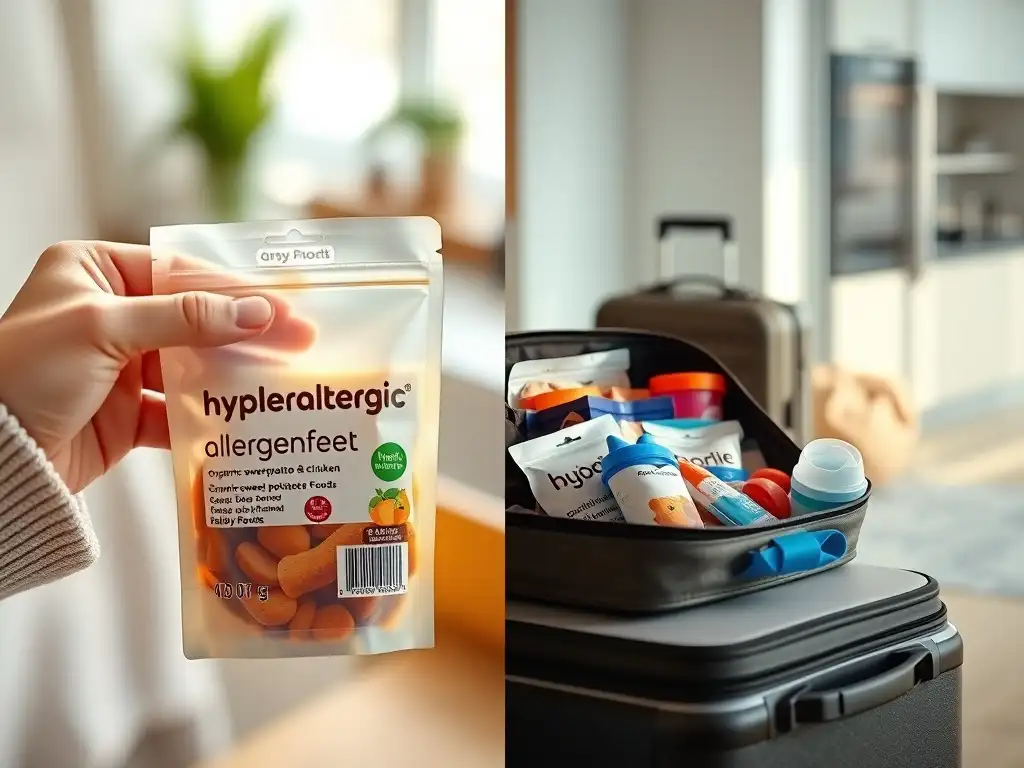
Selecting appropriate baby food for travel requires careful consideration of your baby's allergies and the availability of safe options at your destination. Prioritize convenience and safety.
Choosing Safe Baby Food Options for Travel
When choosing baby food for travel, consider these factors:
- Pre-packaged, Single-Serving Options: These are convenient and minimize the risk of contamination. Look for brands that clearly list ingredients and allergen information.
- Familiar Brands and Ingredients: Stick to brands and ingredients you know your baby tolerates well to minimize the risk of unexpected reactions. Avoid experimenting with new foods during travel.
- Check Labels Meticulously: Always double-check ingredient lists for any potential allergens, even those you usually feed your baby. Manufacturing processes can change.
- Shelf-Stable Options: Choose shelf-stable options whenever possible to avoid the need for refrigeration, especially if your travel plans involve long car rides or flights.
- Plan for Dietary Restrictions: If your baby follows a specific diet (e.g., organic, vegetarian), ensure you can find compatible options at your destination or pack sufficient supplies.
Preparing Homemade Baby Food for Travel: A Step-by-Step Guide
For parents who prefer homemade baby food, preparing it for travel requires extra care and attention to detail. This section provides a step-by-step guide to ensure safe and convenient feeding during your trip.
Preparing Homemade Baby Food for Travel: A Step-by-Step Guide
Preparing homemade baby food for travel involves careful planning and preparation. Here's a detailed guide:
- Choose Appropriate Recipes: Select recipes using ingredients your baby has already tolerated and that are easy to transport and store. Avoid foods that spoil quickly.
- Cook and Puree the Food: Prepare the food in advance, ensuring it's thoroughly cooked and pureed to a smooth consistency appropriate for your baby's age.
- Portion and Package: Divide the pureed food into individual, airtight, and leak-proof containers. Small, reusable silicone pouches are ideal for travel.
- Proper Cooling and Storage: Allow the food to cool completely before packaging. If refrigeration is necessary, use ice packs to maintain a safe temperature. For shelf-stable options, ensure proper canning or freezing techniques are followed.
- Label Clearly: Label each container with the contents and date of preparation. This helps with tracking and ensuring freshness.
- Transport Carefully: Pack the containers securely in a cooler bag with sufficient ice packs to maintain the correct temperature.
- Monitor Food Safety: Regularly check the food's temperature during travel, especially in warm climates. Discard any food that shows signs of spoilage.
By following these steps, you can safely prepare and transport homemade baby food, ensuring your baby receives nutritious meals throughout your travels. Remember, food safety is paramount when preparing food for your baby, especially while traveling.
Packing Medications and Emergency Supplies for Food Allergies
Traveling with a baby who has food allergies requires meticulous planning, especially regarding medication and emergency supplies. Failing to adequately prepare could lead to serious consequences. Therefore, packing the right items is paramount to ensuring your little one's safety and well-being during your trip. This involves more than just the usual allergy medication; it's about anticipating potential scenarios and having the necessary resources readily available.
First, ensure you have an ample supply of any prescribed medication your child needs. This includes antihistamines, epinephrine auto-injectors (like EpiPens), and any other medication your pediatrician has recommended. Remember to check the expiration dates well in advance of your trip and replace any expired medications. It's also wise to pack a few extra doses, accounting for potential delays or unexpected circumstances. Keep all medications in their original containers, clearly labeled with your child's name and dosage instructions.
Beyond prescription medications, consider packing over-the-counter remedies that might be useful in managing mild allergic reactions. These could include oral antihistamines for less severe reactions, or topical creams for skin irritations. Always consult your pediatrician before including any over-the-counter medications in your travel kit, ensuring they are suitable for your child's age and specific allergies.
Crucially, you should pack a detailed medical record for your child, including a list of their known allergies, the dosage and administration instructions for all their medications, and emergency contact information. This document should be readily accessible and ideally kept in multiple places – in your carry-on bag, in your checked luggage, and even a digital copy on your phone. Consider also carrying a copy of your child's allergy action plan, which your doctor may have provided. This plan outlines steps to take in case of an allergic reaction.
Finally, don't forget essential first-aid supplies. Include items like antiseptic wipes, bandages, and any other supplies your child might normally use. This preparedness ensures you can address minor injuries alongside any allergy-related issues. Remember, thorough preparation is key to a safe and enjoyable trip for your family. Being well-equipped allows you to focus on creating positive travel memories without the constant worry associated with managing a food allergy.
Traveling with a baby is challenging enough, but adding a food allergy into the mix significantly increases the complexity. Planning ahead is crucial for a stress-free and safe trip. This section focuses on practical strategies to navigate airports and various transportation methods while ensuring your baby's dietary needs are met. Successfully managing your baby's food allergies during travel requires proactive preparation and a detailed understanding of potential challenges. This will allow you to enjoy your trip while keeping your little one healthy and happy. Remember, always prioritize your baby's safety and well-being.
Airport Security and Baby Food: What to Expect
Navigating airport security with baby food can seem daunting, but it's manageable with proper preparation. The Transportation Security Administration (TSA) generally allows baby food through security checkpoints. However, understanding the process will ease your journey. To avoid delays, keep baby food in its original packaging whenever possible. This helps TSA agents quickly identify the contents.
If you're using homemade baby food, clearly label the containers with the contents. Consider using clear, reusable containers to assist with visual identification. It's helpful to pack your baby food in a separate, easily accessible bag to expedite the screening process. This reduces the stress of searching through luggage at the security checkpoint.
Here's a checklist to help you prepare:
- ✅ Pack baby food in its original packaging or clearly labeled containers.
- ✅ Keep baby food separate from other luggage for easy access.
- ✅ Be prepared to show TSA agents the contents if requested.
- ✅ Have a backup plan in case your baby food is confiscated (unlikely but possible).
- ✅ Consider bringing extra food, just in case.
Traveling by Car: Tips for Safe Food Handling and Storage
Road trips offer flexibility but require careful planning regarding food safety. Maintaining the correct temperature for baby food is crucial, especially during warmer months. A well-insulated cooler bag with ice packs is essential for preserving the quality and safety of your baby's food. Remember to replace ice packs as needed, especially during long drives. Choose foods that are less likely to spoil quickly, such as pouches or shelf-stable options. Avoid leaving baby food in direct sunlight, as this can significantly reduce its shelf life and potentially affect its safety.
Prioritize regular cleaning of any surfaces where baby food might be prepared or consumed. This includes the car seats, and any surfaces where you might prepare a bottle or feed your baby. This simple measure greatly minimizes the risk of contamination. Consider bringing along some wet wipes for quick and easy cleaning.
Traveling by Plane: Managing Food Allergies at 30,000 Feet
Air travel presents unique challenges when managing baby food allergies. Always pack enough baby food for the entire journey, including potential delays. Airline policies regarding baby food can vary, so it's always advisable to contact the airline directly beforehand to confirm their specific guidelines. It's recommended to carry all necessary baby food in your carry-on luggage to avoid potential issues with checked baggage.
This ensures you have access to your baby's food regardless of any baggage handling delays. Remember to inform airline staff about your baby's allergy, especially if you require any special assistance or accommodations. Have a detailed list of your baby's allergens readily available. This assists in case of any in-flight emergencies or unexpected situations.
Remember to always check the expiration dates on all baby food before your trip. This prevents accidental consumption of expired food and ensures your baby's safety. Packing a variety of baby food options ensures your baby enjoys their meals even while traveling. This simple step can make a huge difference in their comfort and happiness during the journey. Enjoy your travels, and remember that thorough planning is key to a smooth and safe experience for you and your baby!
Finding Safe Food Options at Airports and During Layovers
Traveling with a baby who has food allergies requires meticulous planning, especially when navigating airports and lengthy layovers. Airport food courts, while offering a variety of choices, can present challenges for parents concerned about allergens. Many restaurants lack detailed ingredient lists or may cross-contaminate foods due to shared preparation areas. To mitigate these risks, proactive measures are crucial.
First, thoroughly research the airport you'll be traveling through before your departure. Many larger airports now have online directories listing restaurants and concessions, sometimes even including allergen information. Check these listings carefully and identify establishments that clearly state their allergy-handling protocols or offer dedicated gluten-free or allergy-friendly menus. Look for restaurants that explicitly mention their ability to accommodate specific allergies, rather than just relying on general statements.
Secondly, pack sufficient quantities of your baby's safe foods. This is paramount, especially for layovers. Even if you identify a suitable restaurant, delays or unexpected closures could leave you without options. Pack a variety of familiar and safe foods, including pouches, jars, or homemade options that are easy to transport and consume. Remember to consider the temperature requirements of these foods and pack appropriate coolers or insulated bags.
Thirdly, don't hesitate to contact the airport or specific restaurants directly. A simple phone call or email before your trip can often provide valuable information about their allergy-handling capabilities. Inquire about ingredient sourcing, preparation methods, and the possibility of cross-contamination. Documenting these conversations can offer peace of mind and a record of your efforts should any issues arise.
Finally, always carry your baby's allergy information, including a detailed list of allergens to avoid and any necessary medications. This information should be readily accessible, preferably in multiple languages, in case you need assistance from airport staff or medical personnel. Consider carrying a doctor's note confirming your baby's allergies for extra reassurance and to facilitate communication. Remember, thorough preparation and proactive communication are key to ensuring a safe and stress-free travel experience for you and your baby. Being prepared for the unexpected is vital when managing a baby's food allergies while traveling.
Eating Out Safely When Traveling with a Baby with Food Allergies
Traveling with a baby, especially one with food allergies, requires meticulous planning. Even seemingly simple outings can become stressful if you're not prepared. This section focuses on navigating the challenges of eating out while ensuring your baby's safety. Remember, proactive planning is key to a smooth and allergy-safe trip. We'll explore strategies for finding suitable restaurants, communicating effectively with staff, and carefully scrutinizing menus to minimize risks. Prioritizing your baby's well-being while enjoying your trip is entirely achievable with the right preparation.
Identifying Restaurants with Allergy-Friendly Options
Before you even leave for your trip, research restaurants in your destination that cater to dietary restrictions. Many restaurants now proudly display allergy information on their websites or menus. Look for terms like "gluten-free," "dairy-free," "nut-free," or similar designations. Apps dedicated to food allergies can be invaluable resources, often providing user reviews and insights into a restaurant's experience with handling allergies.
While online research is helpful, don't rely solely on it. Sometimes, information can be outdated or inaccurate. Consider calling the restaurant directly before your visit to inquire about their allergy protocols. Ask specific questions about ingredient sourcing, cross-contamination prevention, and staff training in managing food allergies. Don't hesitate to ask for the manager; they are often the most knowledgeable about such matters. A proactive phone call can save you significant stress and potential allergic reactions.
Communicating with Restaurant Staff About Food Allergies
Effective communication is paramount when eating out with a baby who has food allergies. When you arrive at the restaurant, inform your server immediately about your baby's allergies. Be clear, concise, and specific about the allergens to avoid. For example, instead of saying "my baby is allergic to nuts," say "my baby has a severe allergy to peanuts, cashews, and tree nuts." This level of detail minimizes misunderstandings.
It's also helpful to use a food allergy card that clearly lists the allergens. Many allergy organizations provide customizable templates for these cards. This card can act as a visual aid for the staff, ensuring everyone is on the same page. It's always a good idea to reiterate the allergies to the kitchen staff if possible. Don't be afraid to ask questions; it's better to be overly cautious than to risk an allergic reaction. Remember, your baby's safety is the top priority.
Even with careful restaurant selection and communication, always thoroughly examine the menu. Pay close attention to ingredients listed, especially those that might contain hidden allergens. Common culprits include sauces, dressings, and spice blends, which can contain unexpected allergens like nuts, dairy, or soy. If an ingredient is unclear, don't hesitate to ask your server for clarification.
Consider bringing your own baby food to avoid any uncertainty. This ensures your baby has a safe and familiar meal, providing peace of mind during your travels. If you choose to order from the restaurant, select simple dishes with minimal ingredients to minimize the risk of cross-contamination or hidden allergens. Prioritize dishes that are naturally free of your baby's allergens. For example, plain steamed vegetables are generally safer than complex entrees. Remember, proactive measures and clear communication are crucial for a safe and enjoyable dining experience when traveling with a baby with food allergies. 🍽️👶
Ordering Safe Food for Your Baby at Restaurants
Planning to eat out while traveling with your little one who has food allergies requires extra preparation. Even seemingly simple dishes can harbor hidden allergens. Before you go, familiarize yourself with the restaurant's menu online, if available, looking for options that clearly state their ingredients. Many establishments now offer detailed allergen information, sometimes even specifying the preparation methods. This proactive approach minimizes the risk of accidental exposure.
When you arrive at the restaurant, don't hesitate to speak directly to the manager or chef. Explain your baby's allergies clearly and specifically. For example, instead of saying "my baby is allergic to dairy," be precise: "My baby has a severe allergy to cow's milk, including whey and casein." This level of detail ensures the kitchen staff understands the severity and potential cross-contamination risks. Ask about preparation methods – is the food cooked in shared oil or on the same grill as other items? Even seemingly safe options can be contaminated if not prepared carefully.
Consider bringing your own baby food, especially if your baby has severe allergies or is very young. This gives you complete control over the ingredients and eliminates any uncertainty. However, be aware that some restaurants may have policies against outside food; check this beforehand to avoid any awkward situations. If you opt to order from the restaurant, request simple dishes, avoiding complex sauces or preparations that may contain hidden allergens.
Plain steamed vegetables or simply cooked protein, such as chicken or fish, are usually safe bets, but always double-check the ingredients. Remember to clearly communicate your needs; the staff's willingness to accommodate your requests often depends on clear and respectful communication. Don't be afraid to ask questions – it's better to be cautious than to risk a severe allergic reaction. The safety of your baby is paramount.
Remember to always carry your baby's allergy medication and an emergency plan with you. This proactive approach will help you to stay calm and react swiftly in case of an emergency. Always have the contact information for local medical services readily available. Safe travels!
Managing Food Allergies in Different Travel Environments
Traveling with a baby, especially one with food allergies, requires meticulous planning and preparation. The key to a smooth and safe trip lies in proactive management of potential allergy triggers. This section provides detailed strategies for navigating various travel scenarios, ensuring your little one's well-being remains paramount. Successfully managing your baby's food allergies while traveling is achievable with careful preparation and a proactive approach. Remember, your baby's safety is the top priority.
Traveling Internationally with Baby Food Allergies: Special Considerations
International travel presents unique challenges when managing baby food allergies. Language barriers, unfamiliar ingredients, and varying food safety standards can significantly increase the risk of accidental exposure. Thorough research is crucial before embarking on any international journey.
First, compile a comprehensive list of your baby's allergens and their corresponding translations in the local language of your destination. This will be invaluable when communicating with restaurant staff or purchasing food at local markets. Consider carrying a detailed allergy card with you, translated into the local language, clearly stating your child's allergies and any necessary precautions.
Secondly, research local food regulations and practices. Some countries may have stricter food labeling laws than others, or may use different ingredients in familiar dishes. Understanding these nuances can help you make informed decisions about what your baby can safely consume. For example, while "milk" might be a straightforward label in one country, it might be less clear in another, so always seek clarification.
Thirdly, pack sufficient quantities of safe food. Don't rely solely on finding suitable options at your destination. Pack enough familiar, allergen-free baby food, snacks, and formula to last the entire trip, allowing for unexpected delays or difficulties in sourcing suitable alternatives. Consider bringing a small, portable cooler bag with ice packs to maintain the appropriate temperature of perishable items.
Finally, familiarize yourself with local healthcare systems. Knowing where to find medical assistance in case of an allergic reaction is crucial. Keep emergency contact information readily available, and ensure your travel insurance covers medical emergencies related to food allergies. This proactive approach minimizes risks and ensures a safer travel experience.
Cruises and Food Allergies: Planning for Onboard Meals
Cruises, while offering a convenient all-inclusive vacation experience, require careful planning regarding food allergies. Communicating your baby's allergies to the cruise line well in advance is essential. Many cruise lines have dedicated allergy management teams who can work with you to customize meal plans and ensure appropriate food preparation.
Before embarking, contact the cruise line's customer service department to discuss your baby's allergies and their procedures for handling them. Request a detailed menu in advance and specify any necessary substitutions or modifications. It is advisable to send a detailed list of all allergens your baby must avoid, including cross-contamination risks. Confirm the process for communicating dietary restrictions to the dining staff once onboard.
During the cruise, maintain open communication with the dining staff. Before each meal, reiterate your baby's allergies and confirm that the meal has been prepared according to your specifications. Do not hesitate to ask questions about ingredients and preparation methods. Consider carrying your own safe snacks and meals, especially for quick meals between scheduled dining times, to avoid any potential miscommunication or delays. Remember to always check labels and ingredient lists carefully.
Road Trips and Food Allergies: Managing Snacks and Meals on the Go
Road trips present a unique set of challenges for managing baby food allergies. Planning ahead is critical to ensure that your baby has access to safe and appropriate food throughout the journey. Strategic planning is key to a stress-free road trip.
First, pack a well-stocked cooler bag with a variety of allergen-free snacks and meals. This should include a mix of ready-to-eat options and items that can be easily prepared on the go. Remember to pack plenty of water to stay hydrated. Prioritize non-perishable items to reduce the need for refrigeration.
Secondly, plan your stops strategically. Research restaurants and rest areas along your route that offer allergen-friendly options. Consider calling ahead to confirm their ability to accommodate your baby's dietary needs. Many fast-food chains now offer online allergen information, making it easier to choose suitable options.
Thirdly, prepare for unexpected delays. Pack extra snacks and meals in case of unforeseen circumstances, such as traffic jams or road closures. Have a backup plan in place, such as readily accessible snacks that do not require refrigeration or preparation. A well-prepared emergency kit is crucial for any road trip, especially with a baby.
Finally, maintain a clean and organized car. Regularly clean surfaces and utensils to prevent cross-contamination. This will minimize the risk of accidental exposure to allergens. Remember to dispose of any food waste properly to avoid attracting insects or animals. A clean car ensures a healthier and more comfortable journey for your baby.
Staying in Hotels: Ensuring a Safe Environment for Your Baby
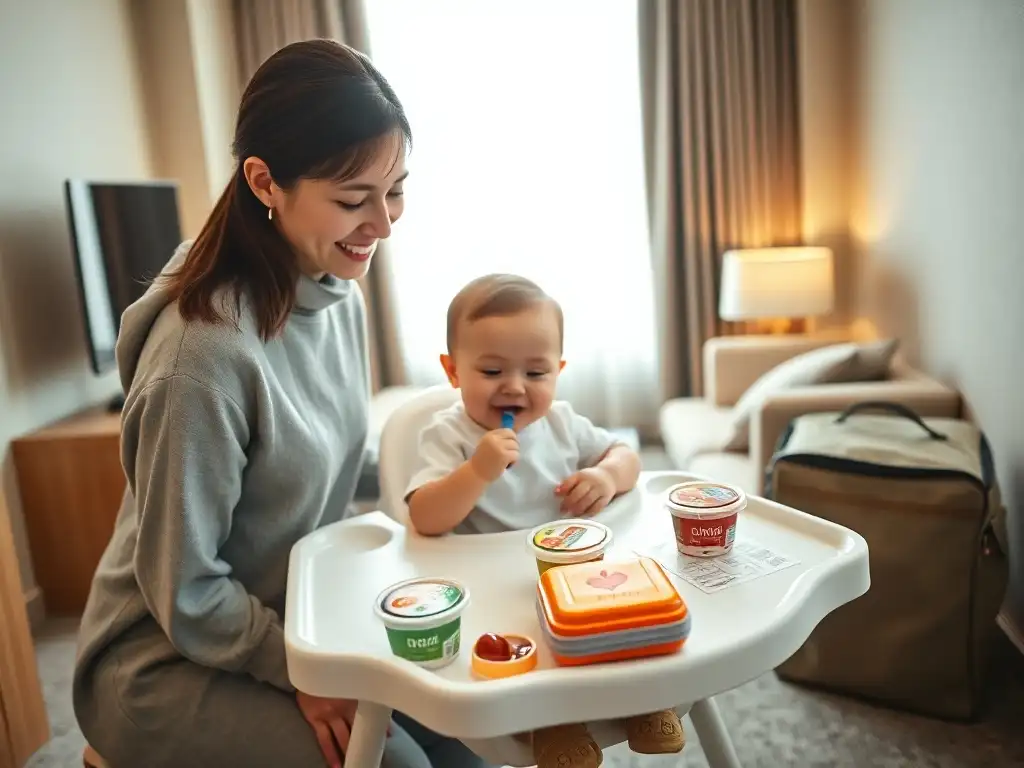
Staying in hotels with a baby who has food allergies requires meticulous planning and proactive communication. Before you even book, research the hotel's policies on bringing your own food. Many hotels are accommodating, but some may have restrictions or limited kitchen facilities. Knowing this beforehand prevents last-minute stress. If you plan to prepare baby food in your room, confirm the availability of a microwave, refrigerator, and potentially a small stovetop or hot plate. Bringing your own portable sterilizer is also a wise precaution, particularly if you’re using reusable containers for baby food.
Once you arrive, thoroughly inspect your room for potential allergens. This includes checking surfaces for crumbs or residue from previous guests, particularly if your baby has severe allergies. Wiping down surfaces with an allergen-removing wipe can provide an extra layer of protection. Consider bringing your own bedding, especially if your baby has a history of skin reactions to certain fabrics or detergents. Many hotels use strong cleaning products, which may trigger allergic reactions in sensitive babies.
Communicating with hotel staff is crucial. Inform them about your baby's allergies at check-in and request a room away from common areas where food is served, such as near the kitchen or restaurant. This minimizes the risk of cross-contamination. While not always possible, inquiring about hypoallergenic cleaning products used in the room can also be beneficial.
Remember to keep your baby's allergy information readily available, including a list of allergens to avoid and emergency contact numbers. A clearly written card placed visibly in your room can be helpful for housekeeping staff. Packing a detailed allergy action plan and carrying an EpiPen or other necessary medication is essential for any travel situation. Always be prepared for unexpected situations.
Dining out with a baby with food allergies requires careful planning and assertive communication. Before you go, call the restaurant to discuss your child's allergies and inquire about their menu preparation practices. Ask specific questions about how they handle cross-contamination, whether they offer allergy-friendly options, and if they are knowledgeable about common allergens. Don't hesitate to request speaking to the chef or kitchen manager to allay any concerns.
When ordering, clearly and firmly communicate your baby's allergies to the server, emphasizing the severity of the situation. Avoid ambiguous terms and specify the exact allergens your baby must avoid. For example, instead of saying "my baby is allergic to nuts," say "my baby has a severe allergy to peanuts, tree nuts, and any products that may contain traces of nuts."
Repeat the order back to the server to ensure they understand. If you're unsure about an ingredient, don't hesitate to ask for clarification. Many restaurants are now more allergy-aware and happy to accommodate special requests, but clear communication is key.
Consider bringing your own baby food, even if the restaurant claims to offer allergy-friendly options. This provides a safety net in case of any miscommunication or unexpected ingredients. Always check the labels carefully before serving anything to your baby. If you're still unsure, opt for a simpler, plain dish that is less likely to contain hidden allergens.
Remember to pack your allergy supplies, such as antihistamines or an EpiPen, in a readily accessible place. Be vigilant and don't be afraid to politely decline a dish if you have any doubts about its safety. Prioritizing your baby's safety is paramount. Careful planning and clear communication can significantly reduce the risks associated with dining out.
Traveling by Air: Managing Food Allergies on a Plane
Air travel with a baby who has food allergies presents unique challenges. Contact the airline well in advance of your flight to discuss your baby's dietary needs. Many airlines are equipped to handle special meal requests, including allergy-friendly options. However, confirming this well in advance is vital. Provide detailed information about your baby's allergies and any specific foods to avoid. You may need to supply a doctor's note to substantiate these needs.
When packing your baby's food for the flight, adhere to the Transportation Security Administration (TSA) guidelines for carrying liquids and gels. You may need to request additional allowances for necessary baby food items. Clearly label all containers with your baby's name and a detailed list of ingredients. This will help avoid any confusion during security checks. Consider bringing a variety of baby food options to cater to your baby's preferences and to account for potential changes in appetite during the flight.
During the flight, inform the flight attendants about your baby's allergies. They can usually assist with storing your baby's food safely and may even be able to help you manage any potential allergic reactions. Bringing your own snacks and drinks is recommended to avoid relying solely on the airline's limited options, especially if they don't offer allergy-friendly choices.
Keep your baby's allergy action plan readily available and ensure you have access to any necessary medications, such as an EpiPen. Remember, being prepared and proactive is key to ensuring a safe and comfortable flight for your little one. Always prioritize your baby's health and safety during the journey.
Emergency Preparedness for Baby Food Allergies While Traveling
Traveling with a baby who has food allergies requires meticulous planning and preparation. Even with the best precautions, unexpected situations can arise, making emergency preparedness paramount. This section focuses on equipping you with the knowledge and resources to handle allergic reactions effectively while on the go. Successfully navigating these challenges ensures your little one's safety and peace of mind during your trip. Remember, proactive measures are key to mitigating risks associated with baby food allergy travel tips.
Recognizing the Signs of an Allergic Reaction
Prompt recognition of an allergic reaction is critical. Time is of the essence, and swift action can significantly impact the outcome. Symptoms can vary in severity and presentation, ranging from mild to life-threatening. Be vigilant and aware of even subtle changes in your baby's behavior.
Common signs of a mild allergic reaction include:
- Hives or rash (urticaria)
- Itching
- Swelling of the lips, face, or tongue (angioedema)
- Mild gastrointestinal upset (vomiting, diarrhea)
- Runny nose or sneezing
More severe reactions, requiring immediate medical attention, can manifest as:
- Difficulty breathing or wheezing
- Rapid pulse
- Dizziness or lightheadedness
- Loss of consciousness
- Severe swelling of the throat (anaphylaxis)
It's crucial to understand your baby's specific allergy triggers and the typical reactions they exhibit. Maintain a detailed record of past reactions, noting the severity and timeline of symptoms. This information will be invaluable in communicating with medical professionals during an emergency. Remember, even seemingly minor symptoms can escalate rapidly. Err on the side of caution and seek medical assistance if you have any concerns. Always carry a comprehensive medical history and allergy details with you when traveling.
Administering Emergency Medication (EpiPen)
If your baby has a severe food allergy and requires an epinephrine auto-injector (like an EpiPen), knowing how to administer it correctly is crucial. This is a skill that should be mastered before embarking on any trip. Practice administering the EpiPen with your doctor or pharmacist to build confidence and proficiency.
Proper administration involves:
- Removing the EpiPen from its case.
- Holding the orange tip against your baby's outer thigh at a 90-degree angle.
- Pressing firmly until you hear a click, holding it in place for several seconds.
- Massaging the injection site for 10 seconds.
- Immediately calling emergency medical services.
Remember, administering the EpiPen is only the first step in managing a severe allergic reaction. It does not replace the need for prompt medical attention. Always seek professional medical help after administering the medication. Keep a spare EpiPen readily available and ensure it's within its expiration date. Check the expiration date frequently and replace it well before it expires to prevent any unexpected issues while traveling.
Seeking Medical Attention During Travel
Knowing how to access emergency medical services while traveling is paramount. Before your trip, research local emergency numbers and the nearest hospitals in your destination. If you are traveling internationally, consider travel insurance that covers emergency medical evacuation.
When contacting emergency services, clearly state:
- Your location.
- The nature of the emergency (severe allergic reaction).
- Your baby's age and weight.
- The medication administered (if any).
- Any other relevant information.
Having a clearly written plan, including contact information for your doctor and emergency contacts, is invaluable. Consider carrying a medical alert bracelet or necklace clearly indicating your baby's allergies. This information should be readily available to first responders. Preparation and proactive measures are key to ensuring a safe and enjoyable trip, even with the added complexities of managing a baby's food allergies. Remember, the peace of mind gained from thorough preparation is priceless.
Contacting Local Doctors and Hospitals in Advance
Before you even pack your bags, proactive steps can significantly reduce stress and potential risks. Contacting local doctors and hospitals in your travel destination beforehand is crucial, especially if your baby has severe allergies. This isn't just about finding a pediatrician; it's about establishing a network of support. You need to know who to call in an emergency and have a plan in place.
Begin your search by identifying hospitals in the area with pediatric emergency rooms or strong allergy departments. Many hospitals have websites that list their specialists and contact information. Consider calling the hospitals directly to inquire about their experience managing severe allergic reactions in infants. Ask about their protocols for anaphylaxis and whether they stock the specific epinephrine auto-injectors your child requires. Don't hesitate to ask detailed questions; your peace of mind is paramount.
Beyond hospitals, consider contacting local pediatricians or allergists. While you might not need a pre-trip appointment, knowing who's available and having their contact information readily accessible is invaluable. Some practices might even offer telehealth consultations, allowing you to quickly discuss any concerns that arise during your trip. Remember to keep a printed copy of your child's allergy information, including diagnosis, medication details, and emergency contact numbers, to share with any healthcare provider you might encounter.
Proactive communication is key to ensuring your baby's safety and well-being during your travels. This preparation can significantly reduce anxiety and make you feel more confident in handling unforeseen circumstances. It's a vital aspect of your overall travel plan when managing a baby with food allergies.
Baby Food Allergy Travel Tips for a Stress-Free Trip
Planning a trip with a baby, especially one with food allergies, can seem daunting. However, with careful preparation and a proactive approach, you can transform potential anxieties into a memorable and enjoyable family vacation. This section focuses on practical strategies and essential information to ensure your little one's safety and well-being while traveling. We'll delve into planning, building confidence, and creating a relaxed travel experience. Mastering these elements will allow you to navigate travel with a baby with food allergies smoothly and confidently. Remember, proactive planning is your best ally in managing baby food allergy travel.
Planning and Preparation: The Key to Safe Travel
Thorough planning is paramount when traveling with a baby who has food allergies. This involves meticulous preparation in several key areas. First, compile a comprehensive list of your baby's allergens. This list should be detailed, including not only the specific allergen (e.g., milk, eggs, peanuts) but also any related products or ingredients that might contain traces (e.g., whey, casein, etc.). Keep this list readily available – perhaps even multiple copies – throughout your trip.
Next, contact your pediatrician well in advance of your trip. Discuss your travel plans, including your destination and planned activities. Get advice on managing your baby's allergies in a new environment and obtain any necessary medical recommendations or prescriptions. Consider getting a doctor's note detailing your baby's allergies and necessary precautions, especially for international travel.
Furthermore, plan your meals meticulously. If you're driving, packing your own baby food is a great strategy. Ensure you have sufficient quantities to last the entire journey, factoring in potential delays. If flying, check airline policies regarding carrying baby food through security. Many airlines allow you to bring sufficient quantities of baby food in your carry-on luggage. However, it's always best to confirm this directly with your airline. For destinations, research restaurants and grocery stores in advance to identify those that can accommodate your baby's dietary needs.
| Item | Action | Notes |
|---|---|---|
| Allergen List | Create a detailed list of all allergens and related ingredients. | Include both common and less-obvious sources. Keep multiple copies. |
| Doctor Consultation | Consult your pediatrician well in advance. | Discuss travel plans and obtain any necessary medical advice or prescriptions. Obtain a doctor's note. |
| Meal Planning | Plan meals meticulously, packing your own baby food if driving. | Check airline policies for flying. Research restaurants and grocery stores at your destination. |
| Emergency Kit | Prepare an emergency kit with antihistamines, epinephrine (if prescribed), and other necessary medications. | Include contact information for your doctor and local emergency services. |
Building Confidence in Handling Food Allergies
Traveling with a baby who has food allergies naturally brings a degree of anxiety. However, building confidence is crucial for a stress-free experience. One key aspect is familiarizing yourself with local emergency services. Research the nearest hospitals and healthcare providers at your destination. Know how to contact emergency services in case of an allergic reaction. This proactive approach can alleviate anxiety significantly.
Another crucial step is practicing your allergy management skills before you go. This includes practicing administering any necessary medications (such as an epinephrine auto-injector) and familiarizing yourself with allergy symptoms. Regular practice will enhance your confidence and speed of response in an emergency.
Finally, don't hesitate to seek support. Connect with other parents of children with food allergies, either online or through support groups. Sharing experiences and tips can provide invaluable reassurance and practical advice. Remember that you're not alone, and many others have successfully navigated similar challenges.
Creating a Relaxing and Safe Travel Experience for Your Family
Beyond the practical aspects of managing food allergies, creating a relaxing and safe travel experience for your entire family is essential. This involves adopting strategies that minimize stress and maximize enjoyment.
For example, plan for extra time. Traveling with a baby, especially with added allergy considerations, will likely take longer than usual. Building extra time into your itinerary will help reduce stress and avoid rushing. This approach allows for unexpected delays or unforeseen circumstances.
Furthermore, pack strategically. Bring along familiar comfort items to help your baby relax and feel secure in a new environment. This could include favorite blankets, toys, or books. Familiar items can provide a sense of comfort and security, helping to ease your baby's adjustment to a new environment.
Finally, prioritize self-care. Traveling with a baby is demanding, even without allergy concerns. Remember to take breaks when needed and allow yourself time to relax and recharge. This will help you remain calm and focused on your baby's needs. A well-rested and relaxed parent is better equipped to handle any challenges that may arise. 😴
Frequently Asked Questions
What special precautions should I take when traveling with a baby who has food allergies?
Always carry a sufficient supply of your baby's safe foods. Inform airline staff and hotel personnel about your baby's allergies. Pack allergy medication and have a plan for emergency situations.
How can I find safe food options for my baby while traveling?
Research restaurants and grocery stores in advance to identify places that offer suitable options. Pack familiar snacks and meals to avoid relying solely on unfamiliar foods. Consider bringing a portable food warmer.
What should I do if my baby has an allergic reaction while traveling?
Remain calm and administer any necessary medication. Seek immediate medical attention, clearly stating your baby's allergies and symptoms. Contact your doctor or local emergency services.
Carry a copy of your baby's allergy diagnosis and treatment plan from your doctor. This is crucial for communication with medical professionals if needed. Consider a translated version if traveling internationally.
What are some tips for packing baby food for air travel?
Pack non-perishable options in airtight containers. Check airline regulations regarding liquids and the quantity of baby food allowed. Ensure proper temperature control to prevent spoilage.
The challenges of managing a baby's food allergies extend far beyond the home, becoming particularly acute when traveling. The seemingly simple act of feeding your child transforms into a complex logistical operation, demanding meticulous planning and unwavering vigilance. This is a reality for countless families, and the need for accessible, reliable information remains paramount.
The emotional toll of navigating unfamiliar environments while ensuring your child's safety is immense. The constant worry, the meticulous label-checking, and the potential for unforeseen reactions can be incredibly stressful. Yet, the joy of sharing experiences and creating memories with your child outweighs the anxieties. As one parent eloquently stated, The fear is real, but the love is stronger. We won't let allergies dictate our lives, but we will always prioritize our child's well-being.
This sentiment encapsulates the resilience and determination of parents facing this challenge, highlighting the importance of community support and readily available resources.
You, as a parent, hold the power to transform travel from a source of anxiety into a rewarding adventure. By proactively researching destinations, packing strategically, and communicating effectively with caregivers and service providers, you can create a safe and enriching experience for your little one. Don't let the fear of allergies confine you; instead, embrace the opportunity to teach your child about their condition and empower them to navigate the world with confidence. Remember, every journey, no matter how challenging, contributes to your child's growth and resilience.
Unlock Worry-Free Travel with Your Little One
Thank you for learning how to manage baby food allergies while traveling! We hope you feel more confident planning safe and delicious meals for your child. Ready to put your new knowledge into practice?
- Create a personalized allergy-safe travel meal plan: This is crucial for a stress-free trip! Consider preparing meals in advance, researching allergy-friendly restaurants at your destinations, and packing nutritious snacks.
- Share your meal plan with family and caregivers: This ensures everyone understands your child's dietary needs and can help prevent accidental exposure to allergens.
- Share your travel tips! Leave a comment below – what's your best tip for traveling with a child who has food allergies? What creative solutions have you discovered?
Are you ready for your next adventure, confident that your baby's dietary needs are met?