
Baby Feeding in Diverse Communities: A Look at Cultural Norms

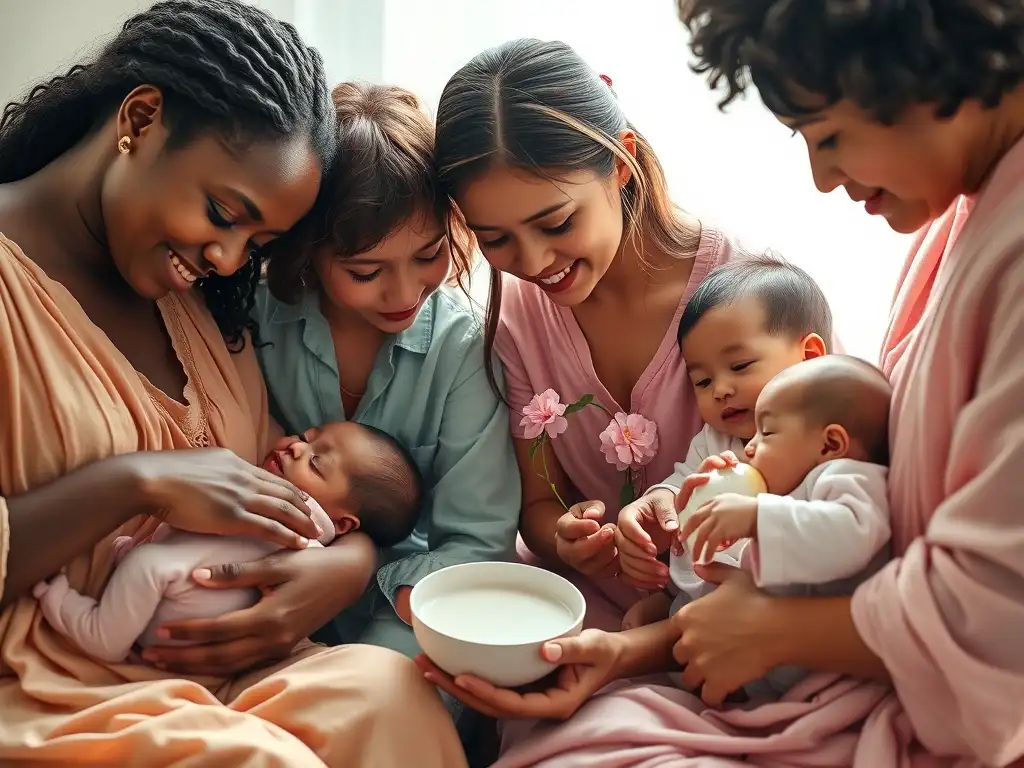
Welcome to BabyCareHub, your ultimate guide to navigating the incredible journey of parenthood! Are you ready to unlock the secrets to happy, healthy baby development? We're diving deep into the fascinating world of cultural baby feeding practices, exploring how diverse communities approach this fundamental aspect of childcare. Discover surprising traditions and gain valuable insights in our latest article, "Baby Feeding in Diverse Communities: A Look at Cultural Norms," part of our comprehensive Feeding & Nutrition section. Prepare to be amazed and empowered!
- Understanding Cultural Baby Feeding Practices: A Global Perspective
- Cultural Baby Feeding Practices: Case Studies from Around the World
- Navigating Cultural Differences in Baby Feeding: Practical Advice for Parents
- The Importance of Cultural Sensitivity in Pediatric Care: Baby Feeding and Beyond
- Cultural Baby Feeding Practices and Modern Challenges
-
Frequently Asked Questions
- How do cultural practices influence baby feeding choices?
- What are some examples of diverse cultural baby feeding practices?
- Are there any potential health implications linked to cultural feeding practices?
- How can healthcare providers address cultural differences in baby feeding?
- Where can I find more information about cultural baby feeding practices?
- Final Reflection: Nourishing the Future: A Legacy of Cultural Baby Feeding
- Unlock Your Baby's Nutritional Journey
Understanding Cultural Baby Feeding Practices: A Global Perspective
Navigating the world of infant feeding can be challenging, especially for first-time parents. While the fundamental needs of a baby remain consistent – nourishment, hydration, and growth – the ways in which these needs are met vary dramatically across cultures. This article delves into the fascinating realm of cultural baby feeding practices, exploring how diverse societal norms, traditions, and beliefs shape infant nutrition choices. Understanding these variations is crucial for healthcare professionals, parents, and anyone involved in supporting healthy child development. We will explore the influence of cultural factors on breastfeeding practices, the introduction of complementary foods, and the overall nutritional landscape of infancy around the world. This understanding promotes culturally sensitive care and helps ensure that all infants receive appropriate and adequate nutrition, fostering healthy growth and development. This exploration of "Cultural baby feeding practices" will provide a comprehensive overview of the diverse approaches to infant feeding prevalent globally.
The Influence of Culture on Infant Nutrition Choices
Cultural norms significantly impact infant feeding decisions. These influences extend beyond simply what a baby eats, encompassing when, how, and by whom the feeding is administered. For example, in some cultures, breastfeeding is exclusively practiced for a prolonged period, often extending well beyond the World Health Organization's recommended six months. In other communities, the introduction of complementary foods might begin much earlier, sometimes as early as four weeks of age.
The types of complementary foods offered also vary considerably, reflecting the readily available resources and traditional dietary patterns within a specific community. Some cultures prioritize breast milk as the sole source of nutrition for the first several months, while others incorporate a variety of foods, including cereals, purees, and even solid foods, from a very young age. Furthermore, the role of family members in the feeding process differs significantly.
In some societies, extended family members actively participate in feeding and caring for the infant, while in others, the responsibility rests primarily with the mother. These variations highlight the complex interplay between cultural beliefs, available resources, and infant feeding practices. Understanding these nuances is critical for providing effective and culturally appropriate guidance to parents.
Breastfeeding Practices Across Cultures: Prevalence and Duration
The prevalence and duration of breastfeeding show remarkable diversity across cultures. While the benefits of breastfeeding are universally acknowledged, the societal acceptance and support for breastfeeding vary significantly. In some communities, breastfeeding is the unquestioned norm, with extended breastfeeding periods considered beneficial for both the mother and child. These cultures often have strong social support systems in place to encourage and facilitate breastfeeding.
Conversely, in other cultures, formula feeding might be more prevalent due to factors such as societal pressures, workplace constraints, or limited access to breastfeeding support. The duration of breastfeeding also varies, ranging from a few months to several years. Furthermore, the feeding practices themselves might differ; for example, some cultures encourage on-demand breastfeeding, while others follow more structured schedules.
These variations underscore the need for culturally sensitive approaches to breastfeeding promotion and support. Data on specific breastfeeding prevalence rates and duration needs to be included here. [Specific data pending on breastfeeding prevalence and duration across various cultures]
Complementary Feeding Introduction: Cultural Variations and Timing
The introduction of complementary foods, meaning foods other than breast milk or infant formula, is another area where cultural practices demonstrate significant diversity. The timing of this introduction varies widely, from as early as four weeks of age in some cultures to six months or later in others. The types of foods introduced also differ greatly, reflecting the local dietary staples and cultural food preferences. For instance, some cultures begin with rice cereal, while others might introduce pureed fruits, vegetables, or even finely chopped meats.
The texture and consistency of the first complementary foods also vary, ranging from smooth purees to more coarsely textured foods. The method of food preparation also differs; some cultures favor homemade purees, while others might rely on commercially prepared baby foods. Moreover, the manner in which complementary foods are introduced—gradually or more rapidly—also reflects cultural norms. Understanding these variations is essential for providing appropriate guidance to parents and ensuring that complementary foods are introduced safely and effectively.
[Specific data pending on the timing and types of complementary foods introduced in various cultures]. The successful integration of complementary foods requires a nuanced understanding of cultural norms and preferences. 👶
Cultural Baby Feeding Practices: Case Studies from Around the World
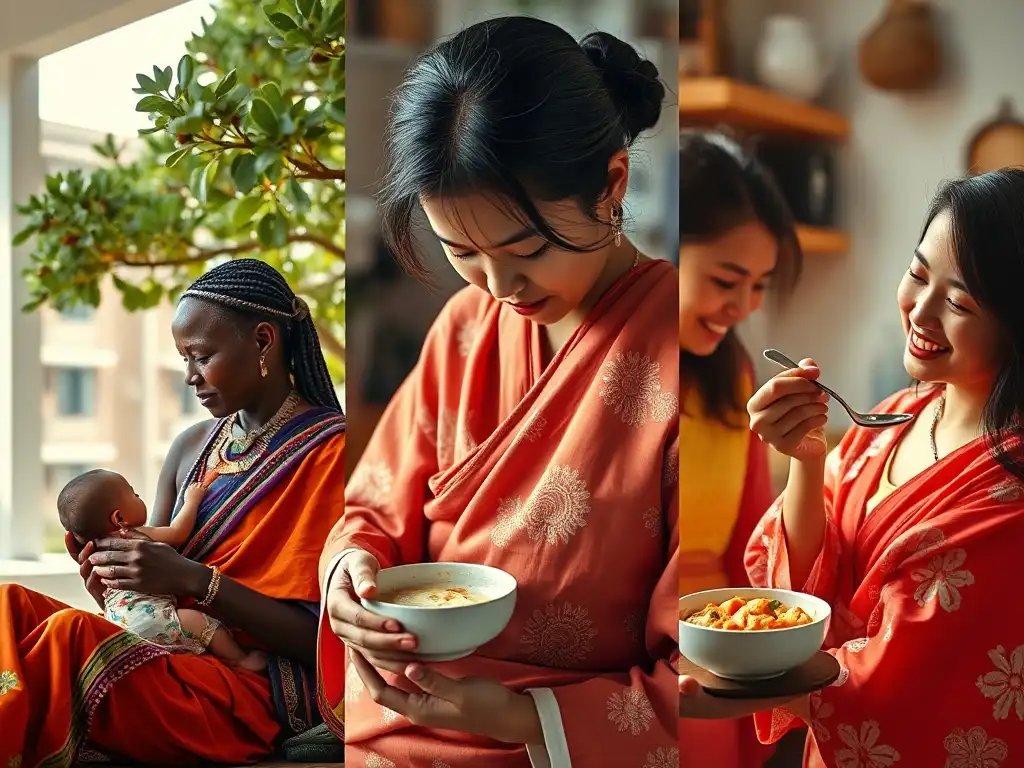
This section delves into the diverse approaches to infant feeding across different cultures, highlighting the unique practices and beliefs surrounding this crucial aspect of childcare. Understanding these variations in "cultural baby feeding practices" is essential for providing culturally sensitive and effective support to new parents from various backgrounds. We'll examine specific examples to illustrate the richness and complexity of these traditions.
Traditional Baby Food Recipes in the Maasai Community of Kenya: Ingredients and Preparation
The Maasai people of Kenya, known for their nomadic lifestyle and strong cultural traditions, have unique practices surrounding infant feeding. Breastfeeding is the cornerstone of their approach, often extending for several years. However, the introduction of complementary foods is carefully planned and involves traditional recipes passed down through generations.
These recipes are primarily plant-based, reflecting the readily available resources in their environment. A common early complementary food is a porridge made from finely ground sorghum or millet.
- Ingredients:
- 1 cup finely ground sorghum or millet flour
- 2 cups water
- A pinch of salt (optional)
- Breast milk or cow's milk (as needed to adjust consistency)
- Preparation:
- Combine the flour and water in a pot.
- Stir constantly over low heat until the porridge thickens to a smooth, easily digestible consistency. This usually takes around 15-20 minutes.
- Allow the porridge to cool slightly before feeding to the infant. A small amount of breast milk or cow's milk can be added to adjust the texture and nutritional value. The addition of breast milk is particularly beneficial, providing essential antibodies and nutrients.
The timing of introducing these complementary foods is flexible and determined by the mother's observation of the infant's readiness and developmental milestones. This holistic approach emphasizes a slow and gradual transition to solid foods, prioritizing the continued benefits of breastfeeding. The process is often viewed as a communal event, with family members sharing knowledge and support. This collaborative approach underscores the importance of community in Maasai culture, extending to all aspects of infant care.
Infant Feeding Customs in the Inuit Culture of Canada: Unique Approaches and Beliefs
The Inuit people of Canada face unique environmental challenges which influence their cultural baby feeding practices. Living in a harsh arctic climate with limited access to fresh produce, their traditional diet heavily relies on animal products. Breastfeeding is central to Inuit infant nutrition, often continuing for two years or more. However, the introduction of complementary foods differs significantly from many other cultures.
Instead of pureed fruits and vegetables, early complementary foods might include finely chopped seal or caribou meat, fish, and berries. These foods are rich in essential fatty acids and nutrients vital for survival in the arctic environment. The preparation methods are often simple, focusing on ensuring the food is safe and easily digestible. Meat is finely chopped or pureed, ensuring it poses no choking hazard. The cultural significance of sharing food extends to the feeding process, with family members frequently participating.
The timing of weaning also reflects the Inuit lifestyle. Mothers may gradually reduce breastfeeding as the child begins to consume more solid foods, but complete weaning often occurs later than in many other cultures. This prolonged breastfeeding period is viewed as essential for the child's health and well-being, providing crucial nutrients and strengthening the mother-child bond. The Inuit feeding practices are a testament to the remarkable adaptability of human cultures in response to environmental conditions. Understanding these practices requires sensitivity to the unique challenges and resources available within the Inuit community.
Exploring Cultural Norms Surrounding Weaning in the Japanese Culture
Japanese culture places significant emphasis on the mother-child bond, and this is reflected in their approach to weaning. Breastfeeding is widely practiced, often continuing for a year or even longer. However, the process of weaning is gradual and considered an important developmental milestone. The introduction of solid foods often begins around six months of age, but the transition is slow and carefully managed.
Unlike some cultures that abruptly wean, Japanese mothers often continue breastfeeding while simultaneously introducing complementary foods. These foods are typically finely pureed and carefully prepared, often with emphasis on traditional Japanese ingredients. Rice porridge, finely pureed vegetables, and small pieces of soft fish are common early additions to the infant's diet. The consistency and texture of the foods are closely monitored and adjusted to the infant's developmental stage. This gradual approach aims to minimize disruption and stress during the weaning process.
The social context of weaning is also important. Family members and older generations often provide guidance and support, sharing their knowledge and experience. This communal approach reinforces the importance of family and tradition in Japanese society. The emphasis on a gentle and supportive weaning process demonstrates the cultural value placed on the well-being of both mother and child. This careful consideration of the emotional and physical aspects of weaning highlights the holistic approach to childcare in Japanese culture.
This section offers practical advice for parents navigating the diverse world of cultural baby feeding practices. Understanding and respecting these traditions is crucial, but it's equally important to ensure your baby receives the necessary nutrients for healthy growth and development. Balancing cultural sensitivity with evidence-based infant nutrition is key. Remember, every culture has unique approaches, reflecting generations of experience and beliefs. However, modern nutritional science provides valuable insights into optimal infant feeding.
Respecting Cultural Traditions While Ensuring Nutritional Adequacy
Successfully integrating cultural traditions with modern nutritional guidelines requires careful consideration and proactive planning. For example, some cultures traditionally introduce solid foods earlier than recommended by Western pediatricians. While respecting this tradition, parents can work with healthcare providers to create a phased introduction plan that minimizes potential risks while honoring cultural norms. This might involve introducing small amounts of age-appropriate purees alongside breast milk or formula, gradually increasing the quantity and variety as the baby grows.
Another example is the use of specific herbs or foods in traditional weaning practices. While some may offer potential health benefits, others might pose risks if not properly prepared or introduced. A thorough understanding of the ingredients and their potential interactions with the baby's developing system is essential. Parents should consult with healthcare professionals and registered dietitians familiar with their cultural background to ensure the safety and nutritional value of these practices.
Open communication with healthcare providers is vital to ensure a healthy and culturally sensitive approach. This collaborative approach can help families feel empowered to make informed decisions that align with both their cultural values and their child’s nutritional needs. Remember, a healthy baby is a happy baby, regardless of the feeding method.
Navigating cultural baby feeding practices can present unique challenges. One common issue is the pressure to conform to traditional methods, even if they conflict with modern medical advice. This can be particularly challenging for immigrant families or those living in multicultural communities. For instance, pressure to exclusively breastfeed for an extended period, even beyond the recommended duration, can arise in certain cultures.
This might lead to nutritional deficiencies if the baby isn't receiving sufficient calories or other essential nutrients. Similarly, some traditional foods might lack crucial vitamins and minerals essential for healthy development. Openly discussing concerns with family members and community leaders can help create a supportive environment where parents feel comfortable making informed choices. Remember, prioritizing your baby's health doesn't mean rejecting your culture; it's about finding a balance.
Another challenge lies in accessing culturally appropriate resources and support. Finding healthcare providers familiar with specific cultural feeding practices can be difficult, especially in areas with limited diversity. This lack of access can exacerbate existing challenges and lead to misunderstandings. Fortunately, many organizations offer culturally sensitive resources and support networks. These resources can provide vital information, guidance, and emotional support, empowering parents to make informed decisions. Seeking out these resources can make a significant difference in ensuring a smooth and healthy feeding journey for your baby.
Seeking Support and Resources for Culturally Sensitive Infant Feeding
Finding the right support is crucial for parents navigating diverse cultural baby feeding practices. Several avenues can provide the necessary guidance and reassurance. Healthcare professionals, such as pediatricians, registered dietitians, and lactation consultants, can offer evidence-based advice while respecting cultural sensitivities. They can help parents assess their baby's nutritional status, address any concerns, and develop a feeding plan that aligns with both cultural norms and the baby's developmental needs. Moreover, community health centers often have programs specifically designed to support families from diverse backgrounds, offering culturally appropriate education and resources.
Furthermore, connecting with other parents from similar cultural backgrounds can provide invaluable support and shared experiences. Support groups, either in person or online, can create a safe space for parents to share challenges, celebrate successes, and learn from each other's journeys. These groups can offer emotional support and practical tips, fostering a sense of community and reducing feelings of isolation.
Remember, you are not alone in this journey, and seeking support is a sign of strength, not weakness. The right support system can help you confidently navigate the complexities of cultural baby feeding practices, ensuring your baby thrives. Utilizing available resources and embracing a collaborative approach with healthcare providers and community members will pave the way for a positive and enriching feeding experience.
The Importance of Cultural Sensitivity in Pediatric Care: Baby Feeding and Beyond
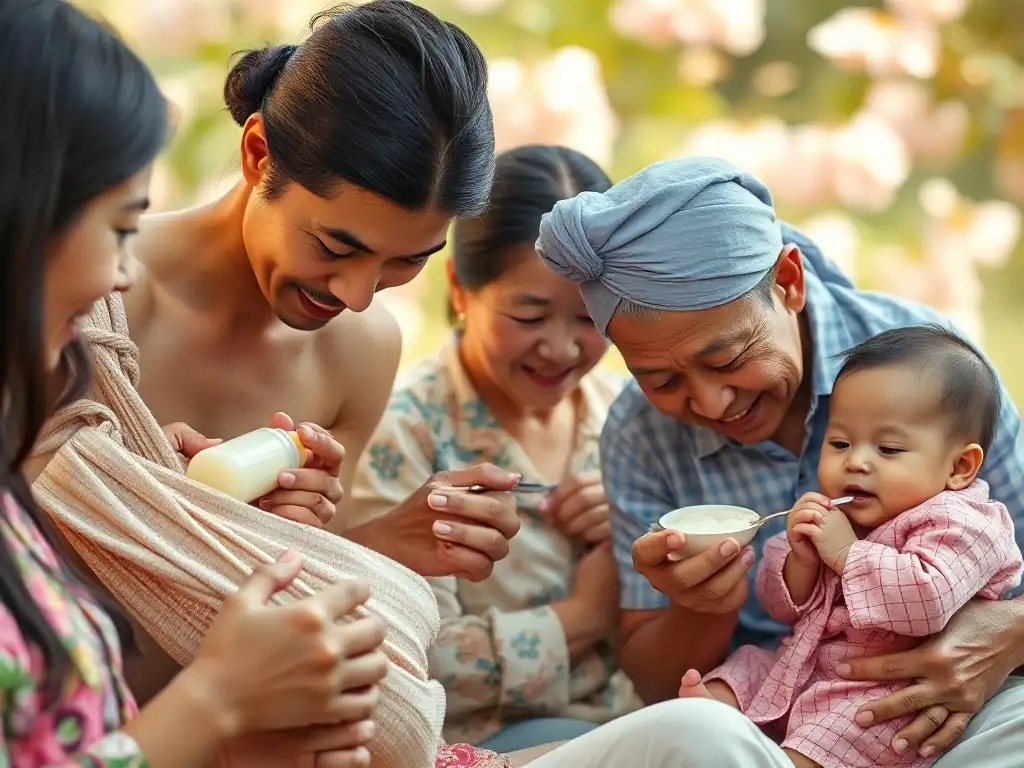
Cultural sensitivity is paramount in all aspects of pediatric care, but especially when it comes to infant feeding. A parent's cultural background profoundly influences their beliefs and practices surrounding infant nutrition, impacting choices ranging from breastfeeding duration to the introduction of solid foods. Ignoring these cultural nuances can lead to misunderstandings, mistrust, and ultimately, suboptimal health outcomes for the baby.
For example, in some cultures, delaying the introduction of solid foods is the norm, while in others, early supplementation is commonplace. These practices are not inherently right or wrong; they're rooted in generations of tradition and belief. A healthcare provider's role is not to judge but to understand and work collaboratively with families to support healthy growth and development within their cultural context.
This requires actively listening to parents' concerns, respecting their choices, and providing culturally appropriate information and guidance. Failing to do so can create barriers to accessing essential healthcare services and can negatively impact the parent-child relationship, leading to increased stress and anxiety for the family. The ultimate goal is to foster a trusting relationship built on mutual respect and understanding, ensuring that every baby receives the best possible care.
Cultural Competency in Healthcare: Providing Inclusive and Effective Care
Achieving cultural competency in healthcare requires a multifaceted approach. It goes beyond simply acknowledging cultural differences; it demands a commitment to actively learning about and integrating diverse cultural perspectives into clinical practice. This involves ongoing education and training for healthcare professionals on culturally diverse infant feeding practices.
For instance, understanding the significance of traditional remedies or the role of extended family in decision-making processes is crucial. Furthermore, healthcare facilities should strive to create culturally welcoming environments, ensuring that information materials are available in multiple languages and that staff are equipped to communicate effectively with families from diverse linguistic and cultural backgrounds. Data collection on the prevalence of various cultural baby feeding practices within the served population is also important to inform targeted interventions and resource allocation.
This might involve surveys or focus groups to gather qualitative data alongside quantitative data on infant health outcomes. The ultimate aim is to create a healthcare system that is truly inclusive and equitable, providing high-quality care that respects and values the cultural heritage of all families. This collaborative approach fosters trust and improves adherence to recommended guidelines, leading to better health outcomes for infants and their families.
Promoting Healthy Baby Feeding Practices While Honoring Cultural Diversity
Promoting healthy baby feeding practices while respecting cultural diversity necessitates a nuanced approach that avoids imposing Westernized ideals. Instead of dictating specific practices, healthcare providers should focus on empowering parents to make informed decisions based on a thorough understanding of both scientific evidence and their cultural values. This could involve providing education on the nutritional benefits of various foods while acknowledging the cultural significance of specific dishes or ingredients.
For example, a healthcare provider might discuss the importance of iron-rich foods while recognizing the cultural significance of a particular family recipe. Furthermore, healthcare professionals should be equipped to address common misconceptions or misinformation related to infant feeding within specific cultural contexts. This requires a deep understanding of the cultural beliefs and practices surrounding infant feeding and a willingness to engage in respectful dialogue with families.
The goal is to find a balance between evidence-based recommendations and culturally appropriate practices, ensuring the baby's nutritional needs are met while respecting the family’s traditions and beliefs. This approach fosters trust and strengthens the parent-provider relationship, leading to better adherence to health recommendations and improved health outcomes for the baby.
Resources and Further Reading on Cultural Influences on Infant Nutrition
Further research into the cultural influences on infant nutrition is crucial for healthcare providers to provide optimal care. Several organizations and academic institutions offer valuable resources on this topic. These resources can provide detailed information on the diverse practices prevalent in different communities, helping healthcare professionals understand the cultural context of parental decisions.
Additionally, exploring peer-reviewed articles and research studies expands our understanding of the impact of cultural practices on infant health outcomes. This ongoing learning helps healthcare professionals stay current on the latest research and adapt their approaches to better serve the diverse needs of their patients. Specific examples of resources might include [specific information pending] and dedicated websites focusing on culturally sensitive healthcare practices.
Staying updated on these resources ensures that healthcare providers can provide the most effective and culturally sensitive care possible. This ongoing commitment to professional development is vital in ensuring that all infants receive the best possible start in life, within the context of their unique cultural backgrounds.
Cultural Baby Feeding Practices and Modern Challenges
Cultural baby feeding practices are deeply rooted in traditions passed down through generations. These practices often involve specific foods, feeding techniques, and beliefs about infant nutrition. Understanding these diverse approaches is crucial for healthcare providers and parents alike, ensuring that cultural sensitivity is combined with evidence-based practices to promote the health and well-being of infants. However, the integration of traditional methods with modern nutritional science presents unique challenges.
The rapid dissemination of information through globalized media means that traditional practices are increasingly encountering modern nutritional guidelines, sometimes leading to conflict and confusion. Navigating this intersection requires a nuanced understanding of both cultural contexts and current scientific recommendations. For example, while breastfeeding is universally promoted as the ideal method for infant nutrition due to its immunity-boosting properties and optimal nutrient composition, the duration and exclusivity of breastfeeding vary significantly across cultures.
Some cultures encourage extended breastfeeding well into toddlerhood, while others may opt for early weaning onto complementary foods. These variations are influenced by factors such as societal norms, economic conditions, and available resources. The challenge lies in finding a balance that respects cultural practices while ensuring that infants receive adequate nutrition for healthy growth and development.
Balancing Tradition and Modern Nutritional Guidelines
The key to successful integration lies in bridging the gap between traditional practices and modern nutritional guidelines. This involves a collaborative approach involving healthcare professionals, community leaders, and parents themselves. Open dialogue is crucial; healthcare providers need to approach families with respect and understanding, acknowledging the value of their cultural practices while gently introducing evidence-based recommendations.
For example, a community may traditionally introduce rice cereal as a first food. While rice cereal itself is not inherently problematic, introducing it too early can delay the introduction of iron-rich foods and potentially lead to iron deficiency. A balanced approach would involve educating the community about the importance of iron-rich foods like pureed lentils or spinach while respecting their preference for starting with rice cereal, perhaps suggesting a gradual introduction of iron-rich foods alongside it.
This collaborative approach fosters trust and empowers families to make informed decisions that align with both their cultural values and the best interests of their children. This requires sensitivity and cultural competence from healthcare providers, recognizing that a “one-size-fits-all” approach is ineffective and potentially harmful. Successful strategies often involve tailoring nutritional advice to specific cultural contexts, working with the community rather than imposing external standards.
Addressing Misconceptions and Myths Surrounding Cultural Baby Feeding Practices
Many cultural practices surrounding infant feeding are steeped in tradition and may not always align with current scientific knowledge. Some practices, while seemingly harmless, might pose risks if not properly understood or adapted. For instance, some cultures believe in using herbal remedies to improve milk production or soothe digestive issues. While some herbs may have beneficial properties, others can be harmful to infants.
It's crucial to dispel misconceptions and myths surrounding these practices through accurate and culturally sensitive education. This requires a careful approach, avoiding the dismissal of traditional knowledge outright. Instead, the focus should be on providing evidence-based alternatives and explaining the potential risks associated with certain practices. For example, instead of simply stating that a particular herbal remedy is unsafe, it's more effective to explain the potential side effects and offer safe, evidence-based alternatives for achieving the same outcome.
This requires a deep understanding of the cultural context and the reasons behind the practices in question. Open communication and collaborative problem-solving are paramount in addressing these misconceptions and promoting healthy practices. This often involves working with community health workers and trusted community figures who can effectively communicate information within the cultural context.
The Role of Education and Awareness in Supporting Healthy Baby Feeding Choices
Education and awareness are fundamental to supporting healthy baby feeding choices across diverse communities. Programs designed to educate parents about proper nutrition and safe feeding practices should be culturally appropriate and accessible. This includes using multiple communication channels, such as community workshops, educational materials in multiple languages, and culturally relevant media campaigns. The involvement of community health workers and respected community leaders is crucial for effective dissemination of information and fostering trust.
These individuals can act as bridges between healthcare providers and families, translating information and addressing concerns in a culturally sensitive manner. Furthermore, educational initiatives should emphasize the importance of breastfeeding while acknowledging the various challenges that families may face. Support groups and peer-to-peer networks can provide valuable emotional and practical support to new parents, particularly those navigating the challenges of infant feeding within their cultural context.
By empowering parents with knowledge and providing access to resources, we can create a supportive environment that promotes healthy baby feeding choices while respecting and valuing the richness of diverse cultural traditions. Long-term success hinges on creating sustainable programs that integrate cultural sensitivity and evidence-based practices. The ultimate goal is to ensure that every baby has the opportunity to thrive, regardless of cultural background.
Frequently Asked Questions
How do cultural practices influence baby feeding choices?
Cultural norms significantly impact feeding decisions. Families may follow traditional methods passed down through generations, influencing choices regarding breastfeeding, formula feeding, and the introduction of solid foods. These practices are often deeply ingrained and reflect community values.
What are some examples of diverse cultural baby feeding practices?
Many cultures have unique traditions. For instance, some emphasize extended breastfeeding well into toddlerhood, while others prioritize early introduction of solid foods. Family involvement in feeding is also a common theme across various cultures.
Are there any potential health implications linked to cultural feeding practices?
While many cultural practices are beneficial, some may pose risks. Early introduction of certain foods could lead to allergies or digestive issues. Conversely, delaying solid foods could lead to nutrient deficiencies. Seeking professional advice is crucial to balance tradition and safety.
How can healthcare providers address cultural differences in baby feeding?
Providers should adopt a culturally sensitive approach, understanding and respecting diverse practices. Open communication and non-judgmental conversations are key to ensuring appropriate guidance and support for families, while prioritizing the baby's health and well-being.
Where can I find more information about cultural baby feeding practices?
BabyCareHub offers a comprehensive resource on this topic. You can explore our articles and guides for detailed information on diverse feeding customs and their implications for your baby's health and development. Consult with your pediatrician or a registered dietitian for personalized advice.
Final Reflection: Nourishing the Future: A Legacy of Cultural Baby Feeding
The choices we make surrounding infant nutrition are not merely about sustenance; they are deeply interwoven with cultural identity, shaping the health and well-being of generations. The practices explored in this article—from the traditional breastfeeding customs of indigenous communities to the evolving formula feeding trends in modern societies—highlight the profound impact of cultural norms on early childhood development. Understanding these diverse approaches is crucial for fostering inclusive healthcare practices and ensuring every child thrives.
The ongoing influence of cultural baby feeding practices is undeniable, shaping not only the physical health of infants but also their emotional and social development. These practices often represent the transmission of knowledge and values across generations, creating a powerful sense of belonging and continuity. As we navigate the complexities of modern parenting, it's vital to remember the wisdom embedded within these traditions. Culture is the widening of the mind and of the spirit.
– Jawaharlal Nehru. This quote resonates deeply, as the exploration of diverse baby feeding practices broadens our understanding of human experience and the enduring power of cultural heritage.
Consider the implications of this exploration for your own life. Are you consciously aware of the cultural influences shaping your own parenting choices? How can you foster a more inclusive and respectful approach to infant nutrition, recognizing the validity of diverse practices? Let this article serve as a springboard for further learning and critical reflection, empowering you to make informed decisions that support the healthy development of children everywhere. Embrace the richness of cultural diversity and let it nourish your understanding of the beautiful tapestry of human experience.
Unlock Your Baby's Nutritional Journey
Thank you for exploring the fascinating world of baby feeding across diverse cultures! We hope you gained valuable insights into the richness and variety of approaches to nourishing infants. Now, let's put that knowledge into practice.
- Share your family's feeding traditions and experiences: Let's build a vibrant community of shared knowledge and support. Tell us your unique story—what worked well, what surprised you, and what you learned along the way.
- Connect with other parents: Join local support groups or online communities to connect with parents who share similar cultural backgrounds or feeding preferences. Discover new recipes, tips, and friendships.
- Adapt cultural practices to your needs: Consider how the wisdom you've learned today can enrich your own feeding journey while ensuring you meet your baby's developmental needs.
What unique feeding practice from another culture inspired you the most, and how might you incorporate it into your family's routine?