
When to Switch to AntiColic Bottles: Timing Is Everything


Welcome to BabyCareHub, your ultimate guide to navigating the exciting yet challenging world of parenthood. Are you wondering when the best time is to introduce an anti-colic bottle to your little one? Our expert advice on finding the perfect timing for switching to anti-colic bottles will help alleviate feeding struggles and promote a happier, healthier baby. Dive into our "Feeding & Nutrition Insights" section to discover the secrets to successful feeding and unlock a world of peaceful nights. Let's embark on this journey together!
- Understanding Colic and Baby Discomfort: Recognizing the Signs
- Best Time to Introduce Anti-Colic Bottles: A Practical Guide
- Choosing the Right Anti-Colic Bottle: Features and Benefits
- Transitioning to Anti-Colic Bottles: A Step-by-Step Guide
- Beyond Bottles: Additional Strategies for Reducing Colic
- When to Seek Professional Advice: Recognizing Warning Signs
- Frequently Asked Questions
- Final Reflection: The Gentle Revolution of Feeding Time
- Unlock Your Baby's Comfort: Take the Next Step Now!
Understanding Colic and Baby Discomfort: Recognizing the Signs
Choosing the right feeding method for your newborn is crucial, especially when dealing with colic and other forms of baby discomfort. This article focuses on when to transition to anti-colic bottles, a common solution for parents struggling with fussy babies. Finding the best time to introduce anti-colic bottles isn't about a specific age or week; it's about carefully observing your baby's cues and understanding the underlying causes of their discomfort.
We'll explore the signs of colic, differentiate it from other feeding issues, and examine how feeding practices can contribute to or alleviate these problems. Ultimately, understanding your baby's individual needs will guide you in making the most informed decision about when and if to switch to an anti-colic bottle.
Remember, patience and observation are key in navigating this phase of parenthood. This guide aims to equip you with the knowledge to make the best choice for your little one, helping you find the best time to use anticolic bottles.
Identifying Colic Symptoms in Newborns: Fussiness, Crying, and Gas
Colic is characterized by prolonged and inconsolable crying in otherwise healthy babies. These crying episodes typically occur in the late afternoon or evening and can last for several hours. While there's no single definitive test for colic, parents often recognize a pattern of symptoms. These include:
- Intense crying: A high-pitched, inconsolable cry that is difficult to soothe.
- Drawing up legs: Your baby may pull their legs up towards their abdomen.
- Gas and bloating: Visible distension of the abdomen and excessive gas are common.
- Fussiness: Even when not crying, your baby might be unusually fussy and irritable.
- Facial expressions: Your baby might show signs of discomfort like grimacing or straining.
It's important to note that the duration and intensity of these symptoms can vary significantly between babies. Some babies might experience mild discomfort, while others might suffer from more severe symptoms. Keeping a detailed feeding and crying log can be helpful in identifying patterns and pinpointing potential triggers. Remember, consistency in tracking your baby's behavior is crucial for effective diagnosis.
Distinguishing Colic from Other Feeding Issues: Reflux, Allergies, and Other Conditions
While colic is often associated with excessive crying and gas, it's crucial to rule out other potential underlying issues that might mimic colic symptoms. These include:
- Reflux: Gastroesophageal reflux (GER) occurs when stomach acid flows back into the esophagus, causing discomfort and spitting up. Reflux symptoms can sometimes overlap with colic, making it challenging to differentiate.
- Food Allergies or Intolerances: Certain foods in the mother's diet (if breastfeeding) or in the baby's formula can trigger allergic reactions or intolerances, leading to symptoms that resemble colic. Common culprits include dairy, soy, and wheat.
- Ear Infections: Ear infections can cause significant discomfort and lead to increased crying and fussiness.
- Other Medical Conditions: In rare cases, colic-like symptoms might indicate an underlying medical condition requiring medical attention.
It's essential to consult with your pediatrician to rule out these conditions. A thorough examination can help determine the cause of your baby's discomfort and guide appropriate treatment. Don't hesitate to seek professional help if you are concerned about your baby's well-being. Early intervention is key in addressing potential underlying health issues.
The Role of Feeding in Colic: Identifying Potential Triggers
The way your baby feeds can significantly impact their comfort level and potentially contribute to colic symptoms. Several factors related to feeding can exacerbate or alleviate colic:
- Air Intake: Babies who ingest excessive air while feeding, whether through bottle-feeding or breastfeeding, are more prone to gas and colic.
- Type of Formula: Some babies are sensitive to certain types of formula, leading to increased gas and discomfort. Switching to a different formula might alleviate symptoms.
- Feeding Technique: Improper latch (breastfeeding) or bottle feeding techniques can contribute to air intake and subsequent gas.
- Overfeeding: Overfeeding can put pressure on the stomach, leading to discomfort and reflux.
Understanding these potential triggers is crucial in determining whether an anti-colic bottle might be beneficial. Anti-colic bottles are designed to minimize air intake during feeding, potentially reducing gas and discomfort. However, it's important to remember that anti-colic bottles aren't a guaranteed solution for all babies experiencing colic. Some babies may still experience discomfort even with anti-colic bottles, and other strategies might be necessary.
Best Time to Introduce Anti-Colic Bottles: A Practical Guide
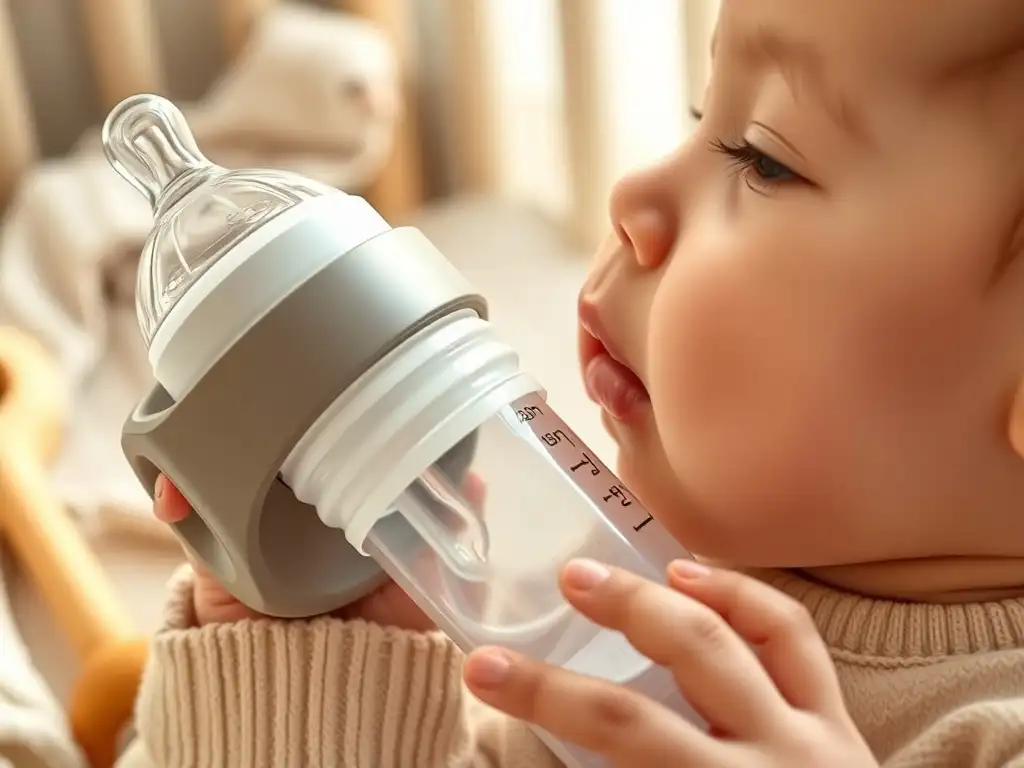
This section provides a detailed guide on determining the optimal time to switch your baby to anti-colic bottles. Finding the best time to make this change is crucial for maximizing its effectiveness and minimizing any potential disruption to your baby's feeding routine. Remember, every baby is unique, and what works for one might not work for another. This guide offers a framework to help you make an informed decision. The key is observation and understanding your baby's individual cues.
Early Signs Your Baby Needs an Anti-Colic Bottle: Excessive Gas and Fussiness
One of the clearest indicators that your baby might benefit from an anti-colic bottle is persistent fussiness and excessive gas. This isn't just about occasional crying; we're talking about frequent, intense periods of discomfort, often accompanied by noticeable signs of gas such as bloating, straining, and pulling up their legs. These symptoms often occur during or immediately after feedings.
Consider keeping a detailed feeding diary. Note down the duration of feedings, the amount consumed, the time of day, and importantly, a detailed description of your baby's behavior both during and after feeding. Look for patterns: Does fussiness always occur after a particular type of feeding (breast milk versus formula)? Does it happen at a specific time of day? This information is invaluable in pinpointing potential issues and determining if an anti-colic bottle could alleviate the discomfort.
For example, if your baby consistently cries for extended periods after each feeding, exhibiting signs of abdominal pain and passing gas frequently, it might be a strong indication that they are struggling with trapped air. This is where an anti-colic bottle, designed to reduce air intake during feeding, can become a valuable tool. Remember, documenting these episodes provides concrete evidence to discuss with your pediatrician.
Age Recommendations for Switching to Anti-Colic Bottles: When to Consider the Change
There's no single "magic age" to switch to an anti-colic bottle. While some parents introduce them as early as a few weeks old, others wait until several months. The decision should be based on your baby's individual needs and the presence of symptoms, not solely on age. However, it's generally recommended to wait until your baby has established a consistent feeding pattern, usually around 4-6 weeks of age. Before this age, it's important to rule out other causes of fussiness with your pediatrician.
Switching too early can sometimes create more problems than it solves. If your baby is already latching well and showing no signs of discomfort, introducing an anti-colic bottle may be unnecessary. Conversely, delaying the switch when your baby is clearly struggling with gas and colic can prolong their suffering. The goal is to find the balance between observing your baby's cues and seeking professional advice when necessary. Always consult your pediatrician before making significant changes to your baby's feeding routine.
Consider the following table summarizing age ranges and potential considerations:
| Age Range (Weeks) | Considerations |
|---|---|
| 0-4 | Focus on establishing proper latch and feeding techniques. Observe closely for signs of discomfort. |
| 4-6 | Begin observing for gas and fussiness. Consider an anti-colic bottle if symptoms persist. |
| 6+ | If symptoms continue, discuss the use of an anti-colic bottle with your pediatrician. |
Assessing Your Baby's Feeding Patterns: Identifying Potential Problems
Before switching to an anti-colic bottle, it's crucial to thoroughly assess your baby's feeding patterns. Are they feeding efficiently? Are they showing signs of hunger or satiety? Are there any obvious difficulties during feeding, such as excessive gulping or struggling to latch? Understanding these aspects will help you determine if the problem is related to air intake or another underlying issue.
Pay close attention to your baby's feeding behavior. Are they frequently pausing during feedings, appearing distressed or fussy? This could indicate that they are struggling to manage air intake. Excessive spitting up or regurgitation after feedings can also be a sign. These observations, combined with the presence of gas and fussiness, paint a clearer picture of the potential benefits of using an anti-colic bottle.
Remember, a proper assessment helps distinguish between normal baby behavior and symptoms indicating a potential need for an anti-colic bottle. If you are unsure, consulting a lactation consultant or pediatrician is always advisable. They can help rule out other potential causes of your baby's discomfort and provide personalized guidance on the best course of action. Don't hesitate to seek professional advice—it's a crucial step in ensuring your baby's well-being and comfort.
Choosing the Right Anti-Colic Bottle: Features and Benefits
Choosing the best anti-colic bottle for your baby involves considering several crucial factors beyond simply addressing colic. While the primary goal is reducing gas and discomfort, the bottle's design, material, and flow rate all play significant roles in your baby's feeding experience and overall satisfaction. Finding the right fit ensures a smoother transition and contributes to a more relaxed and happy baby. This section delves into the key features and benefits to help you make an informed decision. Remember, what works best will vary from baby to baby, so patience and experimentation may be necessary.
Top Anti-Colic Bottle Brands: Dr. Brown's, Philips Avent, Tommee Tippee, and More
Several reputable brands offer effective anti-colic bottles, each with its unique design and features. Let's explore some of the most popular choices:
- Dr. Brown's: Known for their innovative internal vent system designed to reduce air intake, Dr. Brown's bottles aim to minimize gas and pressure build-up. They are often praised for their effectiveness in reducing colic symptoms. However, some parents find the intricate cleaning process slightly more challenging.
- Philips Avent: Philips Avent bottles feature a unique airflex system that allows air to flow into the bottle, reducing vacuum and potential for gas. These bottles are generally easy to clean and assemble, making them a convenient option for busy parents. The range includes various nipple flow rates to cater to different developmental stages.
- Tommee Tippee: Tommee Tippee offers a variety of anti-colic bottles, including those with advanced venting systems and easy-to-clean designs. They often focus on mimicking breastfeeding latch and flow, which can be beneficial for babies transitioning between breast and bottle. Their bottles are generally well-regarded for their ease of use and effectiveness.
- Other Notable Brands: Many other brands produce excellent anti-colic bottles, including Chicco, Playtex, and NUK. Researching the specific features of each brand is crucial to selecting the best fit for your baby's needs and your parenting style. Consider reading reviews and comparing features before committing to a particular brand.
Key Features of Effective Anti-Colic Bottles: Vent Systems, Shapes, and Materials
The effectiveness of an anti-colic bottle often hinges on its design features. Let's examine the key aspects:
- Vent Systems: The core of any anti-colic bottle is its vent system. These systems work to reduce the amount of air your baby ingests during feeding, minimizing gas bubbles and pressure build-up. Different brands employ different venting mechanisms; some are internal, while others are external. Understanding how the vent system functions is key to choosing the right bottle.
- Bottle Shapes: The shape of the bottle itself can impact feeding. Some bottles are designed with a wider base to promote a more natural feeding position, mimicking the feel of breastfeeding. Others have ergonomic shapes for easier handling by parents.
- Materials: Anti-colic bottles are typically made from either glass or plastic. Glass bottles are often preferred for their durability and lack of potential chemical leaching, but they are heavier and more prone to breakage. Plastic bottles are lighter and more convenient but may contain BPA or other potentially harmful chemicals (although BPA-free options are widely available). Consider your preferences and priorities when selecting a material. The durability of the material is also a factor; you'll want a bottle that can withstand the rigors of daily use.
Comparing Anti-Colic Bottle Types: Glass vs. Plastic, Slow-Flow vs. Fast-Flow Nipples
The choice between glass and plastic, and slow-flow versus fast-flow nipples, further refines the selection process.
| Feature | Glass Bottles | Plastic Bottles |
|---|---|---|
| Durability | More durable but prone to breakage | Less durable, but more resistant to breakage |
| Weight | Heavier | Lighter |
| Cleaning | Easy to clean | Easy to clean, but can be stained |
| Cost | Generally more expensive | Generally less expensive |
| Environmental Impact | Generally less sustainable | Potentially less sustainable depending on type |
Regarding nipple flow rates:
- Slow-Flow Nipples: Ideal for newborns and babies who are still adjusting to bottle feeding. These nipples provide a slower, more controlled flow that helps prevent choking and promotes proper latch.
- Fast-Flow Nipples: Suitable for older babies who can handle a quicker flow. These nipples allow babies to feed more quickly and efficiently, especially during growth spurts.
Selecting the appropriate flow rate is crucial for ensuring a comfortable and efficient feeding experience. Observe your baby's feeding patterns and adjust the flow rate accordingly. A baby struggling to keep up with a fast flow or frequently gulping may benefit from a slower flow nipple. Conversely, a baby who feeds too slowly might prefer a faster flow. Always prioritize a comfortable and relaxed feeding environment.
Transitioning to Anti-Colic Bottles: A Step-by-Step Guide
This section provides a detailed, practical guide on how to successfully transition your baby to anti-colic bottles. Finding the best time to introduce these bottles is crucial for minimizing disruption and maximizing comfort for both you and your little one. Remember, every baby is unique, and what works for one might not work for another. Patience and observation are key.
Gradually Introducing the New Bottle: Mixing Old and New Feeding Methods
The key to a smooth transition is gradual introduction. Don't abruptly switch from your current feeding method to anti-colic bottles. Instead, implement a phased approach. Start by offering a small amount of formula or breast milk in the anti-colic bottle during one feeding per day. For example, if your baby typically feeds every three hours, you might start by replacing one of the feedings with the new bottle.
Over the next few days, slowly increase the amount of milk given in the new bottle, gradually decreasing the amount from the old bottle. This allows your baby to adjust to the new nipple flow and bottle design without feeling overwhelmed. You can even try mixing feeding methods – perhaps using the old bottle for the first half of the feeding and switching to the anti-colic bottle for the second half. This helps to ease the transition and reduce potential resistance. Remember to monitor your baby's feeding patterns closely during this period to ensure they are getting enough nourishment.
Addressing Potential Resistance to the New Bottle: Tips and Tricks for Smooth Transition
Some babies might initially resist the new bottle. This is perfectly normal! The change in nipple flow, bottle shape, and overall feeding experience can be disruptive. Here are some strategies to help alleviate resistance:
- Different Nipple Flows: Experiment with different nipple flows. Some anti-colic bottles offer various nipple flow rates to cater to different feeding paces. If the flow is too fast or slow, your baby might reject the bottle.
- Temperature Matters: Ensure the milk is at the right temperature. Too hot or too cold milk can be unpleasant, leading to bottle refusal.
- Bottle Choice: The best time to switch is also related to the bottle itself. Consider the type of anti-colic bottle. Some babies prefer certain brands or designs over others. Experimenting with a few different types can be helpful.
- Timing and Environment: Try offering the new bottle at a time when your baby is calm and relaxed, not when they are overly hungry or tired. A quiet, comfortable environment can make a significant difference.
- Patience is Key: Remember, patience is crucial. Don't get discouraged if your baby doesn't take to the new bottle immediately. It may take several attempts and adjustments before they fully accept it. Consistency is key.
| Tip | Description |
|---|---|
| Gradual Introduction | Slowly increase the use of the new bottle over several days. |
| Nipple Flow Adjustment | Experiment with different nipple flow rates to find the best fit for your baby's feeding pace. |
| Temperature Control | Ensure the milk is at the ideal temperature. |
| Comfortable Environment | Feed your baby in a calm, quiet space. |
| Patience | Don't get discouraged if it takes time; consistency is key. |
Monitoring Your Baby's Response: Observing Feeding Patterns and Behavior Changes
Once you've started using the anti-colic bottle, closely monitor your baby's feeding patterns and behavior. Look for signs of improvement, such as:
- Reduced Fussiness: Are they less fussy during and after feedings? This is a clear indicator that the anti-colic bottle is helping to reduce discomfort.
- Improved Digestion: Are they experiencing fewer gas bubbles or less discomfort? Observe for signs of improved digestion, such as less crying or straining during bowel movements.
- Better Sleep: Does the anti-colic bottle lead to more restful sleep for your baby? Improved digestion often translates to better sleep.
- Increased Weight Gain: Are they maintaining healthy weight gain? This is a crucial indicator of adequate nutrition.
If you notice any concerning changes, such as decreased feeding amounts, significant weight loss, or persistent fussiness, consult your pediatrician immediately. Remember, the goal is to find the best time and method to ensure your baby is comfortable and thriving. The transition to anti-colic bottles is a process; be patient and celebrate every small victory along the way. 🎉
Beyond Bottles: Additional Strategies for Reducing Colic

While anti-colic bottles can significantly alleviate colic symptoms, they're not a silver bullet. A multifaceted approach often yields the best results. Remember, the "best time" to switch to anti-colic bottles is when you observe consistent signs of colic related to feeding, such as excessive crying, gas, and discomfort. However, combining bottle changes with other strategies can maximize their effectiveness and provide your baby with comprehensive relief. This section explores complementary methods to soothe your little one and reduce colic occurrences.
Burping Techniques for Gas Relief: Effective Methods to Reduce Discomfort
Effective burping is crucial for releasing trapped air that contributes to colic. Many parents struggle with this, so mastering different techniques is essential. Here are a few to try:
- Over-the-shoulder burping: Hold your baby securely against your shoulder, supporting their head and back. Gently pat or rub their back until they burp. This is a classic method, effective for many babies.
- Across-the-lap burping: Lay your baby face down across your lap, supporting their head and chin. Gently rub or pat their back. This position can be more effective for some babies.
- Sitting-up burping: Support your baby in a sitting position, leaning slightly forward. Gently rub or pat their back. This method works well for babies who can sit up with support.
Remember to be patient and gentle. Some babies burp easily, while others require more time and effort. Experiment with different positions and techniques to find what works best for your baby. Consistent, gentle pressure is key – avoid harsh patting or shaking. If your baby doesn't burp after a few minutes, try a different position. Persistent gas might indicate a more significant issue, so consult your pediatrician. The timing of burping isn't strictly tied to the introduction of anti-colic bottles, but rather to the ongoing management of colic symptoms.
Massage and Gentle Movement: Soothing Techniques to Calm a Fussy Baby
Gentle massage and movement can significantly soothe a colicky baby. The warmth and touch can be incredibly comforting, helping to relax their muscles and relieve gas.
- Tummy massage: Gently rub your baby's tummy in a clockwise direction. This can help move gas through their digestive system. Use a gentle, soothing touch.
- Bicycle legs: Gently move your baby's legs in a bicycling motion. This can also help relieve gas.
- Swinging: Gently rock or swing your baby in your arms or in a cradle. The rhythmic motion can be very calming.
Remember to always support your baby's head and neck during these activities. Observe your baby's cues; if they seem uncomfortable or distressed, stop immediately. The timing of these massage and movement techniques is flexible and can be integrated alongside using anti-colic bottles, providing holistic colic management. The key is consistency and responsiveness to your baby's needs.
Diet and Lifestyle Considerations for Parents: Impact on Baby's Colic
While not directly related to the timing of anti-colic bottle introduction, parental diet and lifestyle can significantly impact a baby's colic. What the parent consumes can affect breast milk or formula composition, influencing the baby's digestive system.
| Dietary Consideration | Potential Impact on Colic | Recommendation |
|---|---|---|
| Dairy Products (Cow's Milk) | Can cause gas and discomfort in some babies. | Eliminate dairy from your diet for a trial period (if breastfeeding) to observe any changes. |
| Caffeine | Can cause fussiness and irritability. | Limit or eliminate caffeine intake. |
| Spicy Foods | Can irritate the digestive system. | Reduce or avoid spicy foods. |
| Gas-Producing Foods (Beans, Cabbage, Broccoli) | Can contribute to gas in both parents and babies. | Limit or avoid these foods, especially if breastfeeding. |
Remember, eliminating certain foods requires careful monitoring and potentially consulting a pediatrician or registered dietitian. This is particularly important if breastfeeding, to ensure sufficient nutrition. The timing here is less about a specific schedule and more about ongoing mindful choices for optimal baby health. Addressing these dietary factors in conjunction with anti-colic bottles can contribute to a more comprehensive colic management plan. The optimal "best time" for these changes is ongoing, adapting as needed based on your baby's response.
When to Seek Professional Advice: Recognizing Warning Signs
Switching to anti-colic bottles can significantly reduce baby's discomfort, but it's crucial to understand when professional intervention is necessary. While anti-colic bottles address common feeding issues, they aren't a solution for all types of distress. Knowing the difference between typical fussiness and a serious problem is paramount for every parent's peace of mind. This section focuses on identifying warning signs that necessitate a consultation with a pediatrician or other healthcare professional. Ignoring these signs could potentially delay crucial treatment and negatively impact your baby's well-being. Remember, seeking help is a sign of strength, not weakness.
Severe Colic Symptoms Requiring Medical Attention: When to Consult a Doctor
Colic, characterized by excessive crying for no apparent reason, is a common experience for newborns. However, some colic symptoms indicate underlying medical issues requiring immediate attention. These severe symptoms often go beyond the typical three-hour crying spells. Parents should seek immediate medical attention if their baby exhibits:
- Projectile vomiting: Vomiting that forcefully ejects milk or formula across a significant distance. This could signify a serious gastrointestinal problem.
- Bloody stools or vomit: The presence of blood in either indicates a potential internal injury or infection.
- Fever exceeding 100.4°F (38°C): A high fever accompanied by colic warrants immediate medical evaluation.
- Lethargy or unusual sleepiness: If your baby is unusually lethargic or unresponsive, it may indicate a more severe underlying condition.
- Dehydration: Signs include sunken eyes, dry mouth, decreased urination, and lack of tears. Dehydration is a serious concern and requires prompt medical attention.
- Difficulty breathing or labored breathing: Any signs of respiratory distress should be addressed immediately.
- Persistent inconsolable crying: Crying that continues for extended periods despite attempts to soothe the baby, often accompanied by other symptoms, requires a doctor's evaluation.
It's important to note that the best time to introduce anti-colic bottles is preventative, aiming to avoid these severe symptoms. However, if your baby already presents with these symptoms, consult a healthcare professional before making any changes to their feeding routine.
Finding Support and Resources for Parents: Online Communities and Expert Advice
Navigating the challenges of parenthood can be overwhelming, especially when dealing with a fussy or colicky baby. Fortunately, numerous resources are available to provide support and guidance. Connecting with other parents facing similar situations can offer valuable emotional support and practical advice.
Online communities dedicated to baby care and colic offer a safe space for parents to share experiences, ask questions, and receive peer support. These forums often feature experienced parents and healthcare professionals who provide helpful insights and guidance. Remember to always verify information found online with your pediatrician or other trusted healthcare providers.
Beyond online communities, seeking professional advice from pediatricians, lactation consultants, and other specialists can provide personalized guidance based on your baby's specific needs. These professionals can assess the situation, rule out underlying medical issues, and offer tailored strategies for managing colic and improving feeding. They can also assist with determining the best time to switch to anti-colic bottles, considering your baby's individual development and feeding patterns. Don't hesitate to reach out for help; it's a sign of responsible and proactive parenting. Remember, you are not alone in this journey. Many resources exist to support you and your little one.
Frequently Asked Questions
When should I switch my baby to an anti-colic bottle?
There's no single "best" time. Consider switching if your baby shows signs of colic, such as excessive crying, fussiness during feeding, or gas. Observe your baby's cues and consult your pediatrician if concerns persist.
What are the signs my baby needs an anti-colic bottle?
Look for excessive fussiness or crying during and after feedings, frequent spitting up, gas, and arching of the back. If you notice these symptoms consistently, an anti-colic bottle might help.
Are anti-colic bottles necessary for all babies?
No, not all babies need anti-colic bottles. Many babies feed comfortably with standard bottles. Anti-colic bottles are designed to reduce air intake, which can be beneficial for babies prone to gas and colic.
How do I choose the best anti-colic bottle for my baby?
Consider your baby's individual needs and preferences. Different brands offer various features, such as different nipple shapes and venting systems. Read reviews and try a few different brands to find what works best.
Will switching to an anti-colic bottle completely eliminate colic?
While anti-colic bottles can help reduce colic symptoms, they may not eliminate them entirely. Colic has multiple potential causes, and a multifaceted approach, including burping, positioning, and potentially consulting a pediatrician, might be necessary.
Final Reflection: The Gentle Revolution of Feeding Time
The quest for the perfect feeding experience is a universal one, and the timing of introducing anti-colic bottles plays a crucial role in achieving that harmony. Finding the right balance between addressing colic symptoms and respecting a baby's developmental needs is a delicate dance, one that requires careful observation and a willingness to adapt. This isn't just about bottles; it's about nurturing a healthy and happy start to life.
The impact of colic on both parents and babies is profound, creating a ripple effect throughout the family dynamic. The sleepless nights, the constant crying, the feeling of helplessness – these are experiences shared by countless families. Finding solutions, like the strategic introduction of anti-colic bottles, can be a game-changer. The most important thing a father can do for his children is to love their mother.
This sentiment, while traditionally focused on the parental relationship, extends to the importance of creating a supportive and peaceful environment for the entire family, especially during the challenging newborn phase. The right bottle can contribute significantly to that peace.
Consider this your invitation to actively participate in your baby's journey. Don't just passively accept colic as an unavoidable part of infancy. Observe your little one, understand their cues, and be proactive in finding solutions that work best for your family. Remember, the "best time" for anti-colic bottles is not a fixed point in time, but rather a moment of informed decision-making, guided by your baby's unique needs and your own intuition. Embrace the journey, and cherish the moments of connection that a peaceful feeding experience can bring.
Unlock Your Baby's Comfort: Take the Next Step Now!
Thank you for learning about colic and choosing the right bottle for your little one. We hope this guide helped you select an effective anti-colic bottle. Now, let's put that knowledge into practice!
- Prioritize your baby's comfort: Carefully observe your baby's feeding habits over the next few days. Note any signs of discomfort, such as fussiness, gas, or spitting up, during and after feedings. Adjust your approach as needed.
- Share your experiences: Connect with other parents in our BabyCareHub community forum. Share your successes and challenges in finding the right anti-colic bottle—we can all learn from each other!
- Explore different options: Try a few different brands of anti-colic bottles to find the best fit for your baby. Remember, every baby is unique!
What strategies have you found most helpful in managing your baby's colic? Let's discuss!