
Powder vs. ReadytoFeed Formula for Sensitive Infants: Pros and Cons

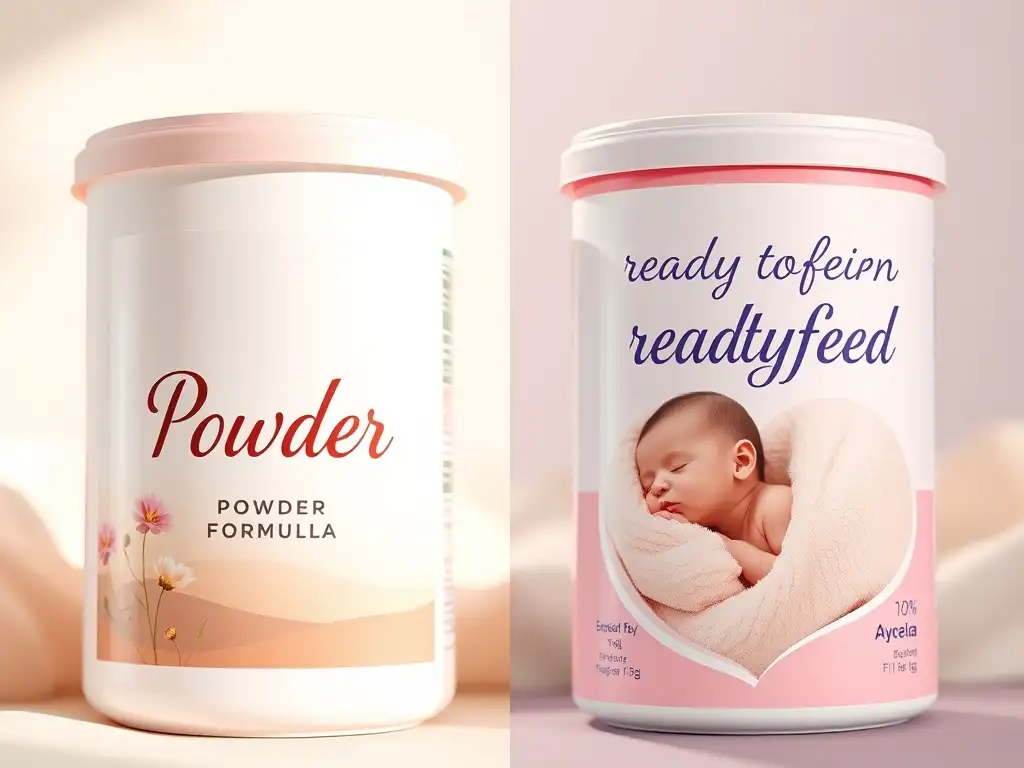
Welcome to BabyCareHub, your ultimate guide to navigating the incredible journey of parenthood! Are you a first-time parent facing the daunting task of choosing the right formula for your little one, especially if they have sensitive skin? Then you've come to the right place. Discover the crucial differences between powdered and ready-to-feed sensitive baby formulas in our in-depth comparison, and gain the confidence to make the best choice for your baby's well-being. Let's dive into the details!
- Understanding Sensitive Baby Formula Needs
- Powder Formula for Sensitive Infants: A Deep Dive
- Ready-to-Feed Formula for Sensitive Infants: A Detailed Look
-
Powder vs. Ready-to-Feed: A Head-to-Head Comparison for Sensitive Babies
- Cost Comparison: Powder vs. Ready-to-Feed Formula for Sensitive Infants
- Convenience Factor: Preparation Time and Effort for Each Formula Type
- Nutritional Content: Are There Significant Differences?
- Risk of Contamination: Powder vs. Ready-to-Feed
- Environmental Impact: Packaging and Waste Considerations
- Choosing the Best Formula for Your Sensitive Baby: A Practical Guide
- Frequently Asked Questions about Sensitive Baby Formula
-
Frequently Asked Questions
- What is the difference between powder and ready-to-feed formula for sensitive babies?
- Which type of formula is better for my sensitive baby?
- Are there specific brands recommended for sensitive babies?
- What are the potential benefits of using ready-to-feed formula?
- How can I determine if my baby is truly sensitive to their formula?
- Final Reflection: Nourishing the Future: Choosing the Right Formula for Sensitive Infants
- Unveil Your Baby's Comfort: Next Steps for Formula Feeding
Understanding Sensitive Baby Formula Needs
Choosing the right formula for your little one can feel overwhelming, especially when dealing with a sensitive baby. This comprehensive guide delves into the key differences between powder and ready-to-feed infant formulas, specifically designed for babies with sensitivities. We'll explore the pros and cons of each, helping you make an informed decision that prioritizes your baby's comfort and nutritional needs.
Navigating the world of sensitive baby formula can be challenging, but understanding the nuances of different formulas and recognizing your baby's specific sensitivities is the first step towards providing optimal nutrition and care. This article will equip you with the knowledge to compare powder and ready-to-feed options effectively, addressing your concerns related to the keyword "Sensitive baby formula comparison" and empowering you to choose the best formula for your infant's delicate system. Remember, always consult your pediatrician before making any significant changes to your baby's diet.
Identifying Signs of Infant Sensitivity: Colic, Reflux, and Allergies
Recognizing the signs of infant sensitivity is crucial in choosing the right formula. Many babies experience discomfort due to digestive issues or allergies, manifesting in various ways. Let's explore some common symptoms:
- Colic: Characterized by excessive crying for more than three hours a day, for more than three days a week, for more than three weeks. This is often associated with gas and abdominal pain. While not always linked to formula, it can be a symptom of intolerance.
- Reflux: Frequent spitting up or vomiting, sometimes accompanied by arching of the back or irritability. This can indicate sensitivity to certain formula components.
- Allergies: Symptoms can range from mild skin rashes and eczema to more severe reactions like hives, vomiting, diarrhea, or difficulty breathing. These reactions often point to specific protein allergies in the formula.
Understanding these distinctions is vital. A simple diary tracking feeding times, stool consistency, and any signs of discomfort can be invaluable in pinpointing potential sensitivities and informing your choice of formula. Early identification allows for timely intervention and a smoother transition to a more suitable formula.
Common Allergens in Infant Formula: Dairy, Soy, and Wheat Proteins
Infant formulas often contain common allergens like dairy, soy, and wheat proteins. These proteins can trigger adverse reactions in sensitive babies.
| Allergen | Common Symptoms | Alternative Formulas |
|---|---|---|
| Dairy Protein | Colic, reflux, eczema, diarrhea, blood in stool | Soy-based, extensively hydrolyzed, amino acid-based |
| Soy Protein | Similar to dairy allergies, sometimes more severe | Dairy-based, extensively hydrolyzed, amino acid-based |
| Wheat Protein | Less common than dairy or soy, often milder reactions | Dairy-based, soy-based, extensively hydrolyzed |
It's important to note that the severity of allergic reactions can vary greatly. Some babies may only experience mild discomfort, while others may have more severe symptoms requiring immediate medical attention. Always consult your pediatrician if you suspect your baby has a food allergy. Choosing a hypoallergenic formula, such as extensively hydrolyzed or amino acid-based formulas, might be necessary in these cases.
Nutritional Requirements for Sensitive Babies: Avoiding Irritants
Sensitive babies often require formulas that minimize potential irritants. This means focusing on formulas that are:
- Hypoallergenic: These formulas use extensively hydrolyzed proteins or amino acids, breaking down proteins into smaller, less allergenic pieces.
- Lactose-free: For babies with lactose intolerance, lactose-free formulas are essential.
- Low in Oligosaccharides: Some babies react negatively to specific carbohydrates; formulas with lower oligosaccharide levels might be beneficial.
- Gentle on the digestive system: Look for formulas that are easily digestible and promote healthy bowel movements.
Remember that the nutritional needs of a sensitive baby are no different than those of a healthy baby. They still require the necessary vitamins, minerals, and fats for proper growth and development. The key difference lies in selecting a formula that minimizes potential irritants and caters to their specific digestive sensitivities. Careful consideration of these factors will contribute significantly to your baby's overall well-being and healthy development.
Powder Formula for Sensitive Infants: A Deep Dive
This section delves into the specifics of using powdered formula for infants with sensitive systems. We'll explore the advantages and disadvantages, offering practical advice for parents navigating this crucial aspect of baby care. Understanding the nuances of powder formula is key to providing optimal nutrition for your little one while minimizing potential issues. This detailed comparison will help you make an informed decision regarding the best formula for your sensitive baby's needs.
Advantages of Powder Formula: Cost-Effectiveness and Variety
Powder formula is often lauded for its cost-effectiveness. Compared to ready-to-feed options, it significantly reduces the overall expense per feeding. This is a considerable advantage, especially for parents on a budget. A single container of powder formula provides a substantially larger volume of prepared formula than a comparable quantity of ready-to-feed formula.
Furthermore, powder formula offers a greater variety of options. Many brands cater to specific dietary needs, such as hypoallergenic formulas designed for babies with sensitivities to cow's milk protein or soy. This wider selection allows parents to find a formula that best suits their baby's unique digestive system and nutritional requirements. The market offers many choices to address common sensitivities, ensuring a better chance of finding the perfect fit for your baby.
Choosing the Right Powder Formula: Hypoallergenic Options like Similac Alimentum and Enfamil Nutramigen
Selecting the appropriate powder formula for a sensitive baby requires careful consideration. Hypoallergenic options, such as Similac Alimentum and Enfamil Nutramigen, are specifically formulated to minimize allergic reactions. These formulas often utilize extensively hydrolyzed proteins, breaking down the proteins into smaller, less allergenic particles. This reduces the likelihood of triggering an immune response in babies prone to sensitivities.
It's crucial to consult with your pediatrician before making any changes to your baby's formula. They can assess your baby's specific needs and recommend the most suitable option. Remember, each baby is unique, and what works for one might not work for another. Close monitoring of your baby's reactions to the formula is also essential.
Preparing Powder Formula Correctly: Avoiding Contamination and Lumps
Proper preparation is paramount when using powder formula. Following the instructions meticulously is vital to prevent contamination and ensure the formula is mixed correctly. Using clean, sterilized bottles and utensils is essential. Failure to adhere to these guidelines can increase the risk of bacterial growth, potentially leading to illness.
To avoid lumps, add the powder to the water gradually, swirling gently to dissolve completely. Never add water to the powder; always add powder to water. This method helps prevent clumping and ensures a smooth, consistent texture. Use a clean measuring scoop provided with the formula container for precise measurement. Improper preparation can lead to inconsistent nutrition and digestive upset.
Disadvantages of Powder Formula: Preparation Time and Potential for Impurities
While offering cost savings and variety, powder formula also presents some disadvantages. The most notable is the time required for preparation. Mixing the formula, cleaning bottles, and ensuring proper hygiene add extra steps to each feeding, which can be challenging, particularly during the night or when time is limited. This added step can be a significant hurdle for busy parents.
Another concern is the potential for impurities. Although stringent regulations govern formula production, there is a small risk of contamination during storage, transportation, or preparation. Proper storage in a cool, dry place is crucial to minimize this risk. Always check the expiration date and discard any unused formula after the recommended timeframe.
Dealing with Spit-Up and Reflux with Powder Formula: Strategies and Solutions
Spit-up and reflux are common occurrences in infants, irrespective of the type of formula used. However, certain strategies can help mitigate these issues when using powder formula. Using smaller, more frequent feedings can reduce the volume of formula in the stomach, lessening the chance of reflux. Keeping your baby upright for at least 30 minutes after feeding can also be beneficial.
Thickening the formula slightly, under the guidance of a pediatrician, can sometimes improve reflux symptoms. However, always consult a healthcare professional before making any alterations to your baby's feeding routine. They can assess the severity of the reflux and recommend appropriate management strategies. Remember, persistent or severe reflux requires professional medical attention.
Managing Allergies with Powder Formula: Identifying and Avoiding Triggers
Identifying and avoiding potential allergens is critical when managing allergies in infants fed with powder formula. Careful observation of your baby's reactions after introducing new foods or formulas is essential. Signs of an allergic reaction can include rashes, digestive upset, vomiting, or difficulty breathing. If you suspect an allergy, immediately discontinue the suspected trigger and consult your pediatrician.
Maintaining a detailed food diary can be invaluable in tracking potential allergens. Note down every food and formula your baby consumes, along with any subsequent reactions. This information will be invaluable to your pediatrician in identifying potential triggers and determining the appropriate course of action. Early intervention is key in managing allergies effectively.
Ready-to-Feed Formula for Sensitive Infants: A Detailed Look

This section delves into the specifics of ready-to-feed formula, focusing on its advantages and disadvantages for parents of sensitive infants. We'll examine the convenience factors, cost implications, and environmental considerations to help you make an informed decision about which type of formula best suits your needs and your baby's sensitivities. Remember, always consult your pediatrician before making any significant changes to your baby's feeding routine.
Advantages of Ready-to-Feed Formula: Convenience and Ease of Use
Ready-to-feed formula offers unparalleled convenience, particularly beneficial for first-time parents or those with busy schedules. The elimination of the mixing step significantly reduces the potential for errors and simplifies the feeding process. This is especially valuable when dealing with a sensitive baby who requires precise formula preparation.
On-the-Go Feeding with Ready-to-Feed: Ideal for Travel and Busy Schedules
The portability of ready-to-feed formula is a major advantage. Pre-measured bottles are easily transported in diaper bags, making feeding on the go a breeze. This is incredibly helpful for parents who frequently travel or have demanding schedules. No need to pack water, bottles, and formula powder separately – everything is contained within the ready-to-feed bottle. This simplifies feeding during outings, errands, or travel, reducing stress and ensuring timely feeding for your little one.
Reducing Preparation Errors with Ready-to-Feed: Ensuring Accurate Dilution
Incorrect dilution of powdered formula is a common concern, especially for sensitive babies. Improper mixing can lead to an imbalance of nutrients or the introduction of contaminants. Ready-to-feed formula eliminates this risk entirely. Each bottle is pre-mixed to the perfect consistency, ensuring accurate nutrient levels and minimizing the chance of digestive upset in sensitive infants. This precision contributes to better digestion and reduces the likelihood of colic or other digestive issues.
Disadvantages of Ready-to-Feed Formula: Cost and Environmental Impact
While ready-to-feed formula offers undeniable convenience, it also comes with higher costs and greater environmental impact compared to powdered formula. Let's examine these drawbacks in detail.
Comparing Prices of Ready-to-Feed vs. Powder: A Cost-Benefit Analysis
Ready-to-feed formula is significantly more expensive than powdered formula. The convenience comes at a price, and parents need to carefully consider the long-term budgetary implications. While the convenience factor might be worth the extra expense for some families, others might find the cost prohibitive. A detailed cost comparison, factoring in the number of feedings per day and the duration of formula use, is crucial for making a financially sound choice. [Specific price comparison data pending].
Waste Reduction Strategies with Ready-to-Feed: Minimizing Leftovers
Another significant disadvantage of ready-to-feed formula is the potential for waste. Once a bottle is opened, it should be used immediately or discarded. This can lead to considerable waste, especially if your baby doesn't finish a bottle. To mitigate this, careful planning and smaller bottle sizes can be employed. However, even with careful planning, some waste is inevitable, contributing to a larger environmental footprint compared to powdered formula. Strategies for reducing waste, such as using smaller bottles or freezing portions, should be considered. Careful monitoring of your baby's intake is key to minimizing waste.
Powder vs. Ready-to-Feed: A Head-to-Head Comparison for Sensitive Babies
This section dives deep into the key differences between powdered and ready-to-feed formulas specifically designed for sensitive babies. Choosing the right formula can significantly impact your baby's comfort and well-being, so understanding the nuances of each option is crucial. We'll analyze cost, convenience, and nutritional content to help you make an informed decision. This comparison focuses on formulas catering to sensitive infants, acknowledging that ingredient lists and nutritional profiles might vary slightly between brands. Remember to always consult your pediatrician before making any changes to your baby's feeding routine.
Cost Comparison: Powder vs. Ready-to-Feed Formula for Sensitive Infants
The most significant difference between powdered and ready-to-feed sensitive baby formula often lies in the price. Powdered formula is almost universally cheaper per ounce than ready-to-feed. This is because the cost of packaging and sterilization is significantly lower for powdered formula.
Let's illustrate with a hypothetical example: A large container of powdered sensitive baby formula might cost $30 and yield approximately 40 ounces of prepared formula. This translates to approximately $0.75 per ounce. In contrast, a comparable amount of ready-to-feed formula in individual bottles could cost upwards of $45, potentially exceeding $1.00 per ounce. This price difference can be substantial, especially considering the significant volume of formula a baby consumes daily.
However, it's important to consider the hidden costs. While ready-to-feed is more expensive upfront, it eliminates the cost of water, bottles, and the time investment in preparation. This cost-benefit analysis is highly individual and depends on factors like the family's budget and time constraints.
| Formula Type | Approximate Cost per Ounce | Notes |
|---|---|---|
| Powdered (Sensitive) | $0.75 - $1.00 | Varies significantly by brand and retailer |
| Ready-to-Feed (Sensitive) | $1.00 - $1.50+ | Higher due to packaging and sterilization costs |
Convenience Factor: Preparation Time and Effort for Each Formula Type
Convenience is a major factor for many parents, especially during those sleep-deprived early months. Ready-to-feed formula offers unparalleled convenience. Simply open, feed, and discard. No measuring, mixing, or sterilizing equipment is needed. This is particularly advantageous during nighttime feedings or when traveling.
Powdered formula, on the other hand, requires several steps: measuring the precise amount of powder, adding the correct amount of water (ideally pre-boiled and cooled), mixing thoroughly to ensure proper dissolution, and then sterilizing the bottle. This process, while manageable, adds time and effort to each feeding. Improper mixing can lead to lumps that might be difficult for the baby to digest.
The convenience factor is subjective. While ready-to-feed offers immediate gratification, powdered formula, once prepared, is equally efficient for subsequent feedings. The initial setup time should be considered in the overall comparison. Parents should weigh the convenience of ready-to-feed against the long-term cost savings of powdered formula.
Nutritional Content: Are There Significant Differences?
Generally speaking, there are no significant differences in the nutritional content between powdered and ready-to-feed sensitive baby formulas from the same brand. Both types aim to meet the same nutritional needs, providing a balance of proteins, carbohydrates, fats, vitamins, and minerals tailored for sensitive babies. Manufacturers strive for consistency across their product lines.
However, minor variations might exist due to processing and storage. Some parents report that their babies seem to tolerate one type better than the other, possibly due to subtle differences in ingredient breakdown or manufacturing processes. This is anecdotal, and more research is needed to confirm these claims.
Always check the nutritional information panel on the packaging to compare the specific ingredient profiles of the formulas you're considering. The key is to choose a formula that your baby tolerates well and that meets their nutritional requirements as recommended by your pediatrician. This is especially critical for sensitive babies, where even minor variations can trigger digestive upset.
Risk of Contamination: Powder vs. Ready-to-Feed

Choosing the right formula for a sensitive baby involves careful consideration of potential risks. One significant factor is the risk of contamination. Powdered formula, while often more economical, presents a higher risk of contamination compared to ready-to-feed options. This is primarily due to the handling and preparation process. The powder itself, before being mixed with water, is exposed to the environment, increasing the chance of bacterial contamination.
Improper hygiene during mixing—using unclean utensils or water that isn't properly boiled—can further increase this risk. Contamination can lead to various health issues in infants, including diarrhea, vomiting, and even more serious infections. Ready-to-feed formula, on the other hand, is pre-sterilized and sealed, significantly minimizing the risk of contamination. While not entirely risk-free (contamination could theoretically occur during manufacturing or if the packaging is compromised), the risk is substantially lower than with powdered formula.
For sensitive babies, whose immune systems are still developing, minimizing the risk of contamination is paramount. Therefore, parents of sensitive infants often opt for ready-to-feed formula to prioritize their baby's health and reduce the chance of gastrointestinal upset. The convenience factor should not overshadow the critical importance of minimizing health risks. Parents must diligently follow all instructions on the formula packaging, regardless of whether they choose powder or ready-to-feed, to maintain optimal hygiene.
Environmental Impact: Packaging and Waste Considerations
The environmental impact of formula feeding is another crucial aspect to consider, especially in the context of sustainability. Both powdered and ready-to-feed formulas contribute to waste, but in different ways. Powdered formula typically comes in large cans, which generate a significant amount of metal waste once emptied. While some manufacturers are incorporating recycled materials into their packaging, the overall environmental footprint remains considerable due to the transportation of these large cans and the energy required for their production. Furthermore, the production of the formula itself requires substantial resources and energy.
Ready-to-feed formula, while more convenient, usually comes in individual, single-serving bottles or larger containers, resulting in a higher volume of plastic waste. This plastic waste poses a significant environmental challenge due to its slow decomposition rate and potential for harming wildlife. Parents concerned about the environmental impact of their formula choice must carefully weigh the trade-offs. While powdered formula might seem more eco-friendly at first glance due to less packaging per serving, the overall energy consumption and metal waste should be considered.
Alternatively, ready-to-feed formula's convenience comes at the cost of increased plastic waste. Ultimately, the “best” choice depends on individual priorities and a careful assessment of the environmental impact of each option. Investigating manufacturers' sustainability initiatives and recycling programs can help parents make more informed and environmentally conscious decisions. Choosing reusable containers for formula preparation can also reduce waste associated with powdered formula.
Choosing the Best Formula for Your Sensitive Baby: A Practical Guide
This section delves into the practical considerations when selecting between powdered and ready-to-feed formula for your sensitive baby. Choosing the right formula can significantly impact your baby's digestion, comfort, and overall well-being. Understanding the nuances of each type will empower you to make an informed decision. We'll explore key factors to help you navigate this important choice, focusing on a sensitive baby formula comparison.
Factors to Consider: Baby's Age, Sensitivity Level, and Lifestyle
Selecting the ideal formula for your sensitive infant requires a holistic approach. Several crucial factors must be considered beyond simply "powdered versus ready-to-feed." Let's examine these key elements:
- Baby's Age: Newborns often have more sensitive digestive systems. Powdered formulas, while economical, may require more precise mixing to avoid clumps that could irritate a delicate tummy. Ready-to-feed formulas eliminate this concern, providing a consistent, immediately usable solution, especially beneficial for the first few months. As your baby grows older, their digestive system matures, potentially reducing the need for the added convenience of ready-to-feed.
- Sensitivity Level: The severity of your baby's sensitivity dictates the type of formula needed. If your baby experiences mild discomfort, a hypoallergenic powdered formula might suffice, provided you meticulously follow mixing instructions. However, for babies with severe sensitivities (e.g., diagnosed cow's milk protein allergy), a hydrolyzed or amino acid-based ready-to-feed formula might be necessary to minimize reactions. This is crucial for a sensitive baby formula comparison.
- Lifestyle: Your lifestyle plays a significant role. Ready-to-feed formula offers unparalleled convenience, particularly for parents with busy schedules or who frequently travel. The elimination of mixing steps saves valuable time and reduces the risk of improper dilution. However, the cost and environmental impact of ready-to-feed formula are considerably higher than powdered alternatives. Consider the trade-off between convenience and cost-effectiveness when making your decision.
A well-informed choice considers the interplay of these factors. For instance, a busy parent with a mildly sensitive older infant might find powdered formula suitable, while a stay-at-home parent with a newborn experiencing severe sensitivity might prioritize the convenience and reduced risk of ready-to-feed. Careful assessment is vital for optimal outcomes.
Consulting Your Pediatrician: Importance of Professional Guidance
Before making any decisions about your baby's formula, consulting your pediatrician is paramount. They can assess your baby's individual needs, considering their medical history, symptoms, and overall health. Your pediatrician will help determine the appropriate formula type and brand based on your baby's specific sensitivities. This personalized approach ensures you're providing the best possible nutrition for your child's unique needs. They are best equipped to guide you through the complexities of a sensitive baby formula comparison and provide tailored advice.
Remember, a pediatrician's recommendation is crucial, especially when dealing with sensitive infants. They can identify underlying conditions that might influence formula selection and monitor your baby's progress closely. Don't hesitate to discuss any concerns or questions you may have; their expertise will provide peace of mind and ensure your baby thrives.
Transitioning Between Formula Types: A Smooth and Safe Process
Switching between powdered and ready-to-feed formulas, or even between different brands, requires a gradual approach to avoid upsetting your baby's digestive system. A sudden change can lead to discomfort, gas, or other digestive issues. A smooth transition minimizes these risks and ensures a positive experience for your little one.
Here's a suggested strategy:
- Start Slow: Begin by mixing small amounts of the new formula with the current one. Increase the proportion of the new formula gradually over several days or even a week.
- Monitor Closely: Pay close attention to your baby's stools and overall behavior. Look for any signs of discomfort, such as fussiness, gas, or changes in bowel movements.
- Consult Your Pediatrician: If you notice any adverse reactions, consult your pediatrician immediately. They can provide guidance and help you determine the best course of action.
- Patience is Key: Remember that every baby is different. Some babies may adapt quickly, while others might require more time. Be patient and persistent throughout the transition process.
Successfully transitioning between formulas requires careful planning and observation. By following these steps and seeking professional advice when needed, you can ensure a smooth and safe transition for your baby. This careful approach is especially important when dealing with a sensitive infant and navigating the complexities of a sensitive baby formula comparison.
Monitoring Your Baby's Response: Identifying Signs of Improvement or Worsening Symptoms
Monitoring your baby's response to a new formula is crucial, especially when dealing with sensitivities. Careful observation allows you to quickly identify if the chosen formula is beneficial or exacerbating existing issues. This requires diligent record-keeping and a keen eye for subtle changes in your baby's behavior and physical condition.
Consistent tracking of bowel movements is paramount. Note the frequency, consistency (hard, soft, watery), and color of your baby's stools. Changes in these aspects can signal a positive or negative reaction to the formula. For instance, a shift from hard, infrequent stools to softer, more regular bowel movements could indicate improvement, while an increase in watery or excessively loose stools might suggest irritation. Keep a detailed diary, noting the date, time, and characteristics of each bowel movement. This information is invaluable when discussing your observations with your pediatrician.
Beyond bowel movements, pay close attention to your baby's skin. Look for any signs of rash, redness, dryness, or eczema. A reduction or disappearance of these skin issues is a positive sign, while a worsening or new onset of skin problems indicates a potential negative reaction to the formula. Take photos of any skin changes to document their progression. Remember, skin reactions can manifest in different ways, so meticulous observation is key.
Furthermore, observe your baby's overall behavior. Is your baby more content and less fussy? Are they sleeping better? Are they exhibiting fewer signs of discomfort like gas, bloating, or crying? These behavioral changes, alongside physical observations, provide a holistic picture of your baby's response to the formula. A significant improvement in your baby's overall well-being is a strong indicator that the chosen formula is suitable. Conversely, increased fussiness, irritability, or sleep disturbances could point towards an incompatibility.
Remember, every baby is different, and their responses can vary. What works for one baby may not work for another. If you notice any concerning symptoms such as persistent diarrhea, vomiting, blood in the stool, or severe skin reactions, consult your pediatrician immediately. Don't hesitate to seek professional medical advice if you're unsure about your baby's response to a new formula. Early intervention is critical in managing any potential complications related to sensitive baby formula. Your pediatrician can help you interpret the signs and determine the best course of action for your little one. 👶
Frequently Asked Questions about Sensitive Baby Formula
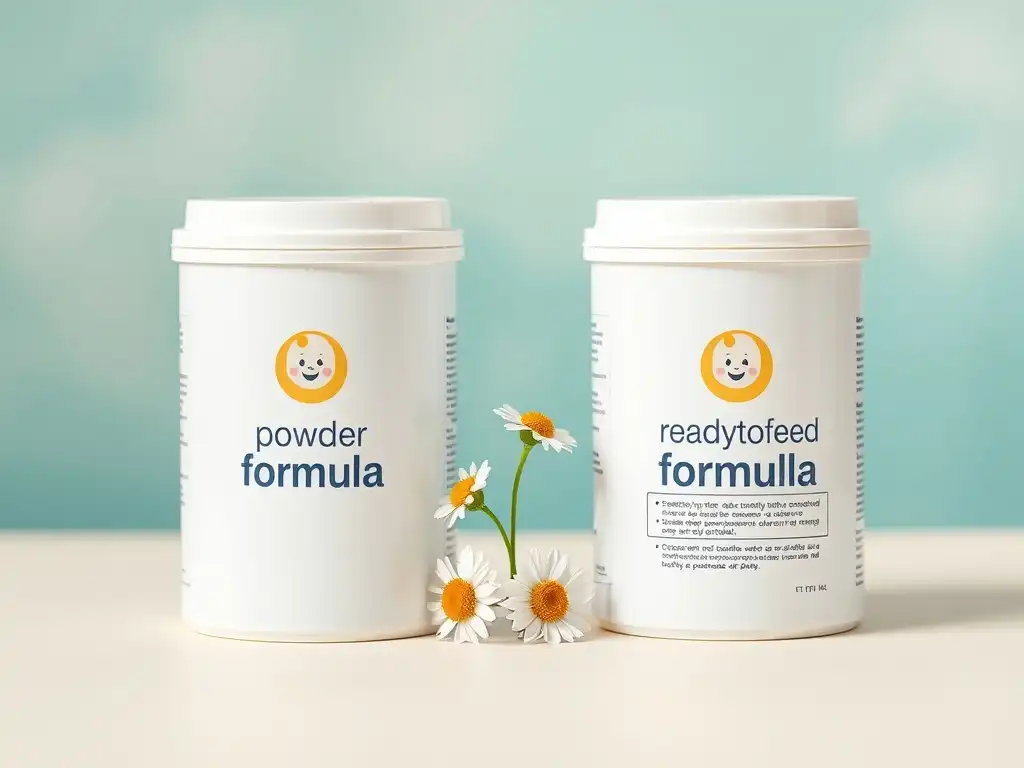
This section addresses common queries regarding the choice between powdered and ready-to-feed formula for babies with sensitive systems. Choosing the right formula is crucial for your baby's well-being and digestive health. Understanding the nuances of each type helps make an informed decision tailored to your infant's needs. We'll delve into storage, switching practices, and brand recommendations to assist you in navigating this important aspect of sensitive baby care.
Can I switch between powder and ready-to-feed formula?
Switching between powdered and ready-to-feed formula isn't generally recommended without consulting your pediatrician. While both aim to provide complete nutrition, the formulation, even within the same brand, might slightly differ. A sudden change can potentially upset your baby's delicate digestive system, leading to discomfort like gas, colic, or diarrhea. Introducing a new formula should be a gradual process, usually involving a slow transition over several days.
Start by mixing a small amount of the new formula with the old, gradually increasing the proportion of the new formula over time. This allows your baby's gut to adapt more smoothly. Always monitor your baby closely for any adverse reactions during the transition period.
Remember, consistent feeding is key for sensitive babies, and abrupt changes should be avoided. Observe your baby's bowel movements and overall behavior; any changes warrant a call to your healthcare provider. Careful monitoring and a gradual approach are vital for a successful switch.
How long can I store prepared ready-to-feed formula?
Prepared ready-to-feed formula has a limited shelf life once opened. Unlike powdered formula, which can be stored for a longer period (refer to the manufacturer’s instructions), prepared formula is highly susceptible to bacterial contamination. To minimize risk, always follow the instructions printed on the package. Generally, prepared ready-to-feed formula should be refrigerated and used within 24 hours of opening. After 24 hours, discard any unused portion. Never reuse leftover formula; always prepare fresh formula for each feeding.
Proper storage and disposal are critical for preventing the growth of harmful bacteria which can cause severe illness in your sensitive baby. Using a clean bottle and nipple is also important to maintain hygiene. Think of it this way: you wouldn’t leave milk out at room temperature for 24 hours! The same principle applies to ready-to-feed formula. Prioritize your baby's safety and follow these guidelines meticulously.
What are the best brands of hypoallergenic formula?
Choosing a hypoallergenic formula for a sensitive baby requires careful consideration. There isn't a single "best" brand, as individual responses vary. However, several reputable brands offer formulas designed to minimize allergic reactions and digestive upset. These often feature extensively hydrolyzed protein or amino acid-based formulas, which break down proteins into smaller, easier-to-digest components. Before selecting a brand, it's crucial to discuss your options with your pediatrician.
They can assess your baby's specific needs and recommend a formula suitable for their condition. Factors to consider include your baby's age, any diagnosed allergies or intolerances, and their overall response to different formulas. Your doctor can also help you navigate the sometimes confusing array of choices on the market, ensuring you select a formula that aligns with your baby's dietary requirements and helps them thrive. Remember, choosing the right formula is a collaborative effort between you and your healthcare provider.
Don't hesitate to ask questions and seek their guidance. Your baby's health is paramount, and a tailored approach is key to success. Consider keeping a detailed log of your baby's reactions to each formula to aid in future decision-making. 👶
My baby is sensitive to dairy; what are my options?
Dairy protein is a common allergen for infants, causing symptoms ranging from mild discomfort to severe reactions. If your baby shows signs of dairy sensitivity, such as fussiness, gas, diarrhea, or skin rashes after feeding, it's crucial to address the issue promptly. Several options exist for parents dealing with dairy-sensitive infants. The most straightforward solution is switching to a hypoallergenic formula. These formulas are specifically designed to remove or significantly reduce the amount of cow's milk protein, minimizing the risk of allergic reactions.
Many hypoallergenic formulas utilize extensively hydrolyzed casein or whey protein, breaking down the proteins into smaller, less allergenic peptides. These are often prescribed by pediatricians after confirming a dairy allergy through testing. Alternatively, some parents opt for soy-based formulas, but it's essential to note that soy allergies can also occur, albeit less frequently than dairy allergies. Soy formulas might be considered only if the baby doesn't show any soy sensitivity. Finally, for infants with severe or multiple food allergies, amino acid-based formulas may be necessary.
These formulas contain free amino acids, the building blocks of proteins, making them suitable even for the most sensitive babies. Remember to consult your pediatrician before making any changes to your baby's formula; they can help determine the best course of action based on your baby's specific needs and medical history. They can also help rule out other potential causes of your baby's symptoms. A thorough discussion with your healthcare provider is essential for ensuring your baby receives the appropriate nutrition while managing their sensitivity.
What should I do if my baby has a reaction to their formula?
Identifying a formula reaction in your infant is crucial for their well-being. Reactions can manifest in various ways, from mild digestive upset to more severe symptoms. Common signs of a reaction include excessive gas, colic, fussiness, vomiting, diarrhea, constipation, skin rashes (eczema), or blood in the stool. If you suspect a reaction, the first step is to carefully review your baby's feeding schedule and track any noticeable changes after feeding. This detailed record can be invaluable when discussing your concerns with your doctor.
Immediately stop feeding your baby the suspected formula. Do not attempt to self-treat or switch formulas without professional guidance. Instead, consult your pediatrician or a registered dietitian specializing in infant nutrition. They will assess your baby's symptoms and help determine the cause, ruling out other potential factors. Depending on the severity of the reaction, your doctor might recommend a different formula, potentially a hypoallergenic option or one with a different protein source.
In severe cases, immediate medical attention might be necessary. Keep a detailed record of your baby's symptoms, including the timing, severity, and any accompanying signs. This information is vital for your healthcare provider in diagnosing the issue and determining the best course of action. Remember, early intervention is key to managing formula reactions and ensuring your baby's health and well-being. Never hesitate to contact your doctor if you have any concerns about your baby's reaction to formula; their expertise is vital in navigating these situations safely and effectively.
Frequently Asked Questions
What is the difference between powder and ready-to-feed formula for sensitive babies?
Powder formula requires mixing with water, offering cost savings and convenience of storage. Ready-to-feed formula is pre-mixed, offering convenience and ease of use, but is more expensive and generates more waste.
Which type of formula is better for my sensitive baby?
The best choice depends on your baby's needs and your lifestyle. Consider factors like allergy concerns, your comfort level with preparation, and your budget. Consult your pediatrician for personalized advice.
Are there specific brands recommended for sensitive babies?
Many brands offer formulas designed for sensitive babies, often labeled as "hypoallergenic" or "gentle". Look for formulas that minimize common allergens like soy or dairy. Always consult your pediatrician before switching brands.
What are the potential benefits of using ready-to-feed formula?
Ready-to-feed formula offers immediate preparation, eliminating the risk of incorrect mixing ratios and potential contamination. It's especially convenient for on-the-go feeding or situations where clean water isn't readily available.
How can I determine if my baby is truly sensitive to their formula?
Signs of sensitivity can include digestive issues like gas, fussiness, or diarrhea, along with skin reactions. If you suspect a sensitivity, consult your pediatrician immediately to discuss options and potential testing.
Final Reflection: Nourishing the Future: Choosing the Right Formula for Sensitive Infants
The debate surrounding powdered versus ready-to-feed formula for sensitive babies remains a critical one, impacting the health and well-being of countless infants. The choice, often fraught with anxiety for parents, underscores the urgent need for clear, accessible information to navigate this complex decision. This is not merely a matter of convenience; it's about ensuring optimal nutrition and minimizing potential allergic reactions or digestive distress.
The impact of formula choice extends far beyond the immediate feeding experience. It shapes the early development of a child's gut microbiome, influencing long-term health outcomes. The first 1,000 days of a child's life are critical for their development and future health.
This quote highlights the profound implications of our choices, emphasizing the responsibility we bear in selecting the most suitable nutrition for our vulnerable infants. The ongoing research into infant gut health and the increasing prevalence of allergies only amplify the importance of informed decision-making in this area.
Consider the information presented in this article – the pros and cons of each formula type, the potential allergens to watch out for, and the importance of consulting your pediatrician. You are now equipped to make a more informed choice, one that prioritizes your baby's unique needs. Take a moment to reflect on your own experiences and priorities. Remember, the best formula is the one that allows your baby to thrive, and that journey begins with knowledge and careful consideration.
Unveil Your Baby's Comfort: Next Steps for Formula Feeding
Thank you for learning about the differences between powdered and ready-to-feed formula for sensitive infants. We hope this guide clarified which option best suits your baby's needs. Now, let's put that knowledge into action!
- Prioritize Your Baby's Comfort: Carefully choose a formula that suits your baby's sensitivities, paying close attention to ingredients and your baby's reactions. A happy baby is a healthy baby!
- Share Your Experience: Connect with other parents in our BabyCareHub community and share your experiences—both successes and challenges—to help others navigate infant formula. This is a great way to find solutions to new problems!
- Explore Additional Resources: Learn more about specific formula brands and ingredients in our comprehensive formula guide on the BabyCareHub website. (This should link to an actual page on the site, if applicable).
What changes will you make to ensure your baby receives optimal nutrition and comfort?