
Colic Relief: How AntiColic Bottles Can Transform Feeding Time


Welcome to BabyCareHub, your ultimate guide to navigating the exciting, yet sometimes challenging, world of parenthood. Are you facing sleepless nights and frustrated feeding sessions? Discover how anti-colic bottles can revolutionize your baby's feeding experience and bring much-needed calm to your home. Dive into our "Feeding & Nutrition Insights" section to uncover the secrets to colic relief and unlock a happier, healthier baby. Learn more about how the right bottle can transform feeding time – and your life!
- Understanding Colic and its Impact on Babies and Parents
- Introducing Anti-Colic Bottles: A Solution for Colic Relief
- Top Anti-Colic Bottle Reviews and Comparisons
-
Practical Tips for Using Anti-Colic Bottles for Maximum Colic Relief
- Proper Bottle Preparation and Sterilization Techniques
- Feeding Techniques to Minimize Air Intake and Gas: Slow and Steady Wins the Race
- Burping Your Baby Effectively After Feeding: Techniques for Different Ages
- Combining Anti-Colic Bottles with Other Colic Relief Methods: Infant Massage, Chiropractic Care
- Beyond Bottles: Additional Strategies for Colic Relief
- Conclusion: Finding Peace and Comfort During Colic
- Frequently Asked Questions
- Final Reflection: Finding Solace in the Storm of Colic
- Transform Feeding Time: Find Your Colic Solution Now!
Understanding Colic and its Impact on Babies and Parents
Colic, that agonizing period of inconsolable crying in infants, can be a deeply distressing experience for both babies and their parents. This article focuses on how anti-colic bottles can significantly alleviate this distress, transforming feeding time from a source of frustration into a more peaceful and nurturing experience. We will explore the telltale signs of colic, the emotional burden it places on parents, and the common struggles faced when trying various remedies.
Ultimately, we aim to provide a comprehensive understanding of how anti-colic bottles can offer effective colic relief and contribute to a healthier and happier family dynamic. This guide is specifically designed for first-time parents navigating the challenging world of infant feeding and seeking solutions for colic.
Choosing the right bottle can make a world of difference, and understanding the mechanics behind anti-colic bottle design is crucial to making an informed decision. This is especially important for parents already facing sleep deprivation and the emotional toll of a colicky baby.
Recognizing Colic Symptoms: Fussiness, Crying, and Discomfort
Colic is characterized by prolonged and intense crying in otherwise healthy babies. While there's no single definitive test, typical symptoms include:
- Excessive crying: Typically lasting more than three hours a day, for more than three days a week, and for more than three weeks.
- Intense fussiness: The baby may be difficult to soothe, even with common comfort measures.
- Facial expressions of discomfort: Babies might grimace, clench their fists, and arch their backs.
- Distended abdomen: Some babies with colic experience bloating or gas.
- Pulling up legs: This is a common sign of discomfort in babies experiencing colic.
- No apparent medical cause: It's crucial to rule out other underlying medical conditions before diagnosing colic. A visit to the pediatrician is always recommended.
Understanding these symptoms is the first step toward effective colic management. Recognizing the patterns of your baby's crying can help you anticipate and potentially mitigate episodes. Remember, every baby is different, and the severity of colic symptoms varies.
The Emotional Toll of Colic on Parents: Stress, Sleep Deprivation, and Anxiety
The relentless crying of a colicky baby can take a significant toll on parents. The constant worry, sleep deprivation, and feeling of helplessness can lead to:
- Extreme stress and exhaustion: The lack of sleep and the emotional strain of trying to soothe a crying baby can be incredibly draining.
- Increased anxiety and depression: Parents may experience heightened anxiety, feelings of inadequacy, and even postpartum depression.
- Strained relationships: The stress of colic can put a strain on the relationship between parents and other family members.
- Difficulty bonding with the baby: While this is rare, the frustration of colic can sometimes impact the parent-child bond.
It's crucial for parents to acknowledge these emotional challenges and seek support. Talking to your partner, family, friends, or a healthcare professional can make a significant difference in managing the emotional burden. Remember you are not alone, and help is available.
The Frustration of Trying Various Colic Remedies: A Parent's Journey
Many parents try various methods to soothe their colicky babies, often with limited success. This can lead to feelings of frustration and helplessness. Common remedies explored include:
- Dietary changes for breastfeeding mothers: Eliminating certain foods from the mother's diet.
- Swaddling: Wrapping the baby snugly to provide a sense of security.
- White noise: Using a white noise machine or fan to create a calming environment.
- Gentle rocking or swaying: Providing rhythmic movement to soothe the baby.
- Different bottle types: Experimenting with different nipples and bottle designs to find one that suits the baby's needs.
The journey to finding relief can be long and tiring. However, understanding the potential causes and exploring different strategies is key to finding a solution that works for your baby. The use of anti-colic bottles, as discussed further in this article, represents one potentially effective strategy in this journey.
Introducing Anti-Colic Bottles: A Solution for Colic Relief

Colic, characterized by intense and inconsolable crying in infants, is a common source of distress for both babies and parents. While the exact cause remains elusive, a significant contributing factor is often excessive air intake during feeding, leading to gas buildup and discomfort. This is where anti-colic bottles step in, offering a potential solution for colic relief and a more peaceful feeding experience. These specialized bottles are designed with innovative features to minimize air ingestion, thereby reducing gas and fussiness.
Many parents report a significant improvement in their baby's comfort and overall well-being after switching to an anti-colic bottle. The reduction in colic symptoms can lead to better sleep for both baby and parent, improving the overall family dynamic and reducing parental stress. Choosing the right anti-colic bottle can be a game-changer in managing colic and fostering a more positive feeding relationship.
How Anti-Colic Bottles Work: Reducing Air Intake and Preventing Gas Buildup
Anti-colic bottles employ various mechanisms to minimize air ingestion during feeding. The primary goal is to prevent the baby from swallowing air along with the milk or formula. This is achieved through different design features:
- Internal Vent Systems: Many anti-colic bottles incorporate internal vents or tubes that allow air to enter the bottle instead of the baby's mouth. This creates a continuous flow of milk, preventing vacuum formation and reducing the likelihood of air bubbles being ingested.
- Unique Bottle Shapes: Some bottles have specialized shapes designed to maintain a constant milk flow, ensuring that the baby is not sucking in air to create a vacuum.
- Slow Flow Nipples: Slower flow nipples encourage a more controlled feeding pace, reducing the baby's tendency to gulp and swallow air. This gentler feeding style can significantly reduce gas and colic symptoms. The slower flow also helps babies develop better feeding habits and coordination.
The effectiveness of these mechanisms varies depending on the specific design of the bottle and the individual baby's feeding style. However, the overall principle remains the same: to create a feeding environment that minimizes air intake and maximizes milk flow. The reduction in swallowed air directly translates to less gas, less discomfort, and ultimately, less crying.
Different Types of Anti-Colic Bottles: Dr. Brown's Options, Philips Avent, Tommee Tippee
The market offers a wide variety of anti-colic bottles, each with its unique features and design. Some of the most popular brands include:
- Dr. Brown's: Known for their internal vent system that creates a vacuum-free feeding experience, reducing gas and colic symptoms. They offer various nipple flow rates to accommodate babies of different ages and feeding preferences. Their bottles are also designed to be easy to clean and assemble.
- Philips Avent: Philips Avent bottles often feature a unique airflex system that vents air into the bottle, preventing vacuum buildup. They are known for their ergonomic design and easy-to-hold shape, making feeding more comfortable for both the baby and the parent.
- Tommee Tippee: Tommee Tippee anti-colic bottles often utilize a unique valve system that regulates airflow and prevents the baby from swallowing air. They offer a range of options, including bottles designed for breastfed babies and those transitioning from bottle to cup.
The choice between these brands often comes down to personal preference and what works best for your baby. Each brand offers slightly different features and designs, and it's recommended to try a few different types to find the best fit for your family. Reading reviews from other parents can also be helpful in making an informed decision. Remember, consistency is key; once you find a bottle that works well, sticking with it can help your baby develop a consistent feeding routine.
Choosing the Right Anti-Colic Bottle for Your Baby: Factors to Consider (Flow Rate, Nipple Shape, Material)
Selecting the right anti-colic bottle involves considering several key factors to ensure optimal comfort and effectiveness:
| Factor | Description | Importance |
|---|---|---|
| Flow Rate | The speed at which milk flows from the nipple. Choose a rate appropriate for your baby's age and sucking ability. Too fast, and they may gulp air; too slow, and they may get frustrated. | Directly impacts feeding efficiency and air intake. |
| Nipple Shape | The shape and size of the nipple should be comfortable for your baby and encourage proper latch. Different shapes cater to different preferences and sucking patterns. | Affects the baby's ability to feed comfortably and efficiently. |
| Material | Common materials include BPA-free plastic, glass, and silicone. Consider durability, ease of cleaning, and potential for temperature changes. | Impacts the longevity of the bottle, ease of cleaning, and overall hygiene. |
| Ease of Cleaning | Bottles should be easy to clean and disassemble for thorough sterilization. A complex design can make cleaning more difficult, increasing the risk of bacterial growth. | Crucial for maintaining hygiene and preventing illness. |
Remember that finding the perfect anti-colic bottle may involve some trial and error. Each baby is unique, and what works for one may not work for another. Don't hesitate to experiment with different brands and features until you find the one that provides the best colic relief and enhances your baby's feeding experience. Patience and persistence are key to finding the right solution for your little one. The improved feeding experience and reduction in colic symptoms will be well worth the effort.
Top Anti-Colic Bottle Reviews and Comparisons
This section dives deep into the world of anti-colic bottles, comparing popular brands and models to help you choose the best fit for your baby. Finding the right bottle can significantly improve feeding time and reduce colic symptoms, leading to happier baby and parents. We'll focus on two leading brands: Dr. Brown's and Philips Avent, analyzing their features, benefits, and drawbacks. Remember, every baby is different, so what works wonders for one might not be as effective for another. The key is to experiment and find the perfect solution for your little one's needs.
Dr. Brown's Options Anti-Colic Bottles: Features, Benefits, and User Reviews
Dr. Brown's Options anti-colic bottles are renowned for their innovative internal vent system designed to minimize air intake during feeding. This system helps reduce gas bubbles and the resulting colic symptoms, such as fussiness, crying, and discomfort. Many parents praise Dr. Brown's bottles for their effectiveness in alleviating colic, leading to calmer, more contented babies. The wide-neck design makes cleaning easy, a significant plus for busy parents.
The bottles are also BPA-free, providing an extra layer of safety and peace of mind. User reviews frequently highlight the ease of cleaning and assembly, although some mention a slightly more complex cleaning process compared to other brands. The availability of various sizes caters to babies of different ages and feeding volumes.
Dr. Brown's Options Pro's and Cons: A Detailed Analysis
| Pros | Cons |
|---|---|
| Effective in reducing colic symptoms | Can be more challenging to clean than other bottles |
| Wide-neck design for easy cleaning | Multiple parts can lead to assembly frustration |
| BPA-free material | Some users report leaks |
| Various sizes available | Can be more expensive than some competitor brands |
| Reduces gas and spit-up | May require a learning curve for assembly |
Where to Buy Dr. Brown's Options: Online Retailers and Local Stores
Dr. Brown's Options anti-colic bottles are widely available. You can find them at various online retailers specializing in baby products and also at many major pharmacies and baby stores. Checking both online and local options allows you to compare prices and shipping costs to find the best deal. Consider checking for sales and promotions, as these can help you save money on this essential baby item. Remember to always verify the authenticity of the product to ensure you are receiving a genuine Dr. Brown's bottle.
Philips Avent Anti-Colic Bottles: A Comprehensive Review
Philips Avent anti-colic bottles employ a unique airflow system that vents air away from the nipple, minimizing the baby's intake of air during feeding. This system is designed to reduce gas and colic, leading to a more comfortable feeding experience for both the baby and the parent. The bottles are made from BPA-free materials and feature a variety of nipple sizes to accommodate different developmental stages. Many parents appreciate the ergonomic design of the bottles, which makes them comfortable to hold and easy to use.
The bottles also feature a wide neck, making cleaning easier. However, some users report occasional leaks. A clear advantage is the bottle's compatibility with other Philips Avent products.
Philips Avent Anti-Colic Bottle Features: Airflow System and Nipple Design
The innovative airflow system is the cornerstone of the Philips Avent anti-colic bottle's design. It works by directing air into the bottle instead of the baby's tummy. This prevents the formation of vacuum and reduces the amount of air the baby ingests. The nipple design is also crucial; its shape and flexibility are designed to mimic the natural latching process, promoting a more natural and comfortable feeding experience.
The different nipple flow rates accommodate babies of various ages and feeding needs. The design minimizes the risk of nipple collapse, ensuring a consistent flow of milk. This thoughtful design often leads to increased parent satisfaction and reduced feeding frustration.
Philips Avent vs Dr. Brown's: A Head-to-Head Comparison
Choosing between Philips Avent and Dr. Brown's often comes down to personal preference. Both brands effectively reduce colic symptoms, but their mechanisms and designs differ. Dr. Brown's uses an internal vent system, while Philips Avent uses an airflow system. Dr. Brown's bottles have more parts to assemble and clean, while Philips Avent is generally considered easier to clean.
The best choice depends on your baby's individual needs and your own preferences regarding ease of use and cleaning. Consider trying both brands if you are unsure which one is better suited for your baby. Many parents find success with both. 🍼
Tommee Tippee Closer to Nature Anti-Colic Bottles: Review and Comparison
Tommee Tippee Closer to Nature Anti-Colic bottles are a popular choice among parents seeking colic relief for their babies. Their design aims to minimize air intake during feeding, reducing the likelihood of gas buildup and subsequent discomfort. Many parents report a significant reduction in fussiness and crying after switching to these bottles.
The bottles feature a unique valve system that prevents vacuum formation, allowing for a more natural and comfortable feeding experience for the baby. This is particularly helpful for babies who struggle with latching or have difficulty coordinating sucking and swallowing. The soft silicone nipples mimic the feel of a mother's breast, further contributing to a comfortable and familiar feeding experience.
However, some parents have noted that the valve system can be slightly more challenging to clean than other bottle designs, requiring extra attention to detail. The overall consensus, though, is that the benefits of reduced colic outweigh this minor inconvenience for many. The bottle's design also makes it relatively easy to assemble and disassemble, a plus for busy parents.
Tommee Tippee Anti-Colic Features: Unique Design and Benefits
The Tommee Tippee Closer to Nature Anti-Colic bottle's success lies in its innovative design. The key feature is the integrated anti-colic vent, cleverly situated within the nipple. This vent allows air to flow into the bottle as the baby feeds, preventing the creation of a vacuum and reducing the ingestion of air bubbles. This system is designed to mimic the natural flow of breastfeeding, promoting a more comfortable feeding experience.
The unique shape of the nipple further contributes to the reduced air intake. Its design encourages a natural latch, reducing the chances of the baby gulping air. The soft, flexible silicone material of the nipple is gentle on baby's gums and mimics the natural feel of a mother's breast. Beyond the anti-colic features, the bottles are also designed with ease of use in mind.
Wide-neck bottles make cleaning easier and more thorough, important for maintaining hygiene and preventing bacterial growth. The bottles are also compatible with a range of Tommee Tippee teats, allowing for customization as your baby grows and their feeding needs change. The bottles are made from BPA-free materials, ensuring the safety of your little one.
Tommee Tippee Anti-Colic: Price Point and Availability
Tommee Tippee Closer to Nature Anti-Colic bottles are generally considered to be mid-range in terms of pricing. While not the cheapest option available, they are often viewed as offering excellent value for money, considering their effectiveness in reducing colic and their durable construction. The price point can vary depending on the retailer and the number of bottles in a pack, but generally, a single bottle falls within a reasonable price bracket for most parents.
Availability is generally high, with these bottles readily available in most major baby stores, both online and in physical locations. They are also commonly stocked by pharmacies and supermarkets with a baby products section. Finding replacement nipples and other accessories is usually straightforward as well.
This widespread availability makes it convenient for parents to purchase the bottles and replacement parts as needed. The popularity of the brand and the positive feedback from users further contribute to the ease of acquiring these bottles.
Practical Tips for Using Anti-Colic Bottles for Maximum Colic Relief

This section delves into practical strategies for maximizing the colic relief benefits offered by anti-colic bottles. Successfully using these bottles involves more than just purchasing them; proper preparation, feeding techniques, and burping methods all play a crucial role in minimizing your baby's discomfort and promoting a smoother feeding experience. Remember, consistency is key when addressing colic, so patience and persistence are vital.
Proper Bottle Preparation and Sterilization Techniques
Maintaining hygiene is paramount when preparing baby bottles, especially for newborns and infants prone to colic. Contamination can exacerbate digestive issues, potentially worsening colic symptoms. Here's a breakdown of effective sterilization techniques:
- Boiling: The traditional method. Boil the disassembled bottle parts (excluding any non-heat-resistant components) in water for at least 5 minutes. Ensure all parts are fully submerged. This method effectively kills most harmful bacteria and viruses.
- Steam Sterilizer: A convenient and efficient option. These sterilizers use steam to sanitize bottles and other baby items within a short period. Follow the manufacturer's instructions carefully for optimal results. This method is generally faster than boiling.
- Microwave Sterilizer: Quick and easy, ideal for busy parents. However, ensure your bottles and components are microwave-safe before using this method. Always check the manufacturer's guidelines. This option is usually the quickest but may not be as thorough as boiling or steam sterilization.
- Cold Water Sterilizer Tablets/Solution: A portable option for on-the-go sterilization. Dissolve the tablets or solution in cold water according to the instructions and submerge the bottle parts for the recommended duration. This method is convenient for travel but might not be as effective as heat-based methods.
Remember to always wash bottles and teats thoroughly with warm soapy water before sterilizing. Thorough cleaning removes visible residue before sterilization eliminates microscopic contaminants. Always allow the sterilized bottles to air dry completely on a clean surface before use to prevent recontamination. Using a bottle brush with a long handle will help to reach all parts of the bottle.
Feeding Techniques to Minimize Air Intake and Gas: Slow and Steady Wins the Race
The way you feed your baby from an anti-colic bottle can significantly impact their gas and discomfort. Rapid feeding can lead to increased air intake, exacerbating colic symptoms. Here are some crucial feeding techniques to minimize air intake:
- Maintain an Upright Position: Keep your baby in a near-upright position during feeding. This helps prevent air from entering the bottle and reduces the risk of gas buildup. Avoid laying your baby flat on their back while feeding.
- Slow and Steady: Encourage slower feeding. This allows your baby to control the flow of milk and reduces the chances of gulping air. If the flow is too fast, try using a different nipple flow rate.
- Frequent Burping: Burp your baby frequently during feeding, every 2-3 ounces, to release trapped air. This prevents excessive gas buildup and discomfort. This is particularly important for babies who feed quickly.
- Check for Air Bubbles: Pay attention to the bottle. If you notice many air bubbles accumulating in the bottle, adjust the angle or feeding position to minimize air ingestion. Some anti-colic bottles have features that specifically reduce air intake.
- Keep the Nipple Full: Ensure the nipple remains fully filled with milk or formula throughout the feeding. An empty nipple can cause your baby to suck in air.
Using these techniques, you can significantly reduce the amount of air your baby ingests during feeding, directly impacting their comfort and reducing colic symptoms. Observe your baby's feeding cues; if they seem distressed, stop feeding, burp them, and resume when they are calm.
Burping Your Baby Effectively After Feeding: Techniques for Different Ages
Burping is a critical step in reducing gas and discomfort after feeding, regardless of whether you are using an anti-colic bottle or not. However, effective burping techniques can vary depending on your baby's age and development.
- Newborns (0-3 months): Support your baby's head and shoulders with one hand, resting their chin on your hand. Gently pat or rub their back with the other hand. You can also try holding them over your shoulder, supporting their head and bottom.
- Older Infants (3-6 months): You can still use the over-the-shoulder method. Alternatively, sit your baby upright on your lap, supporting their chin and chest with one hand. Gently pat or rub their back.
- Older Babies (6+ months): As they become more mobile, they may prefer to sit upright in a high chair or on your lap. You can still use the patting or rubbing technique, but they may also be able to burp themselves by leaning forward.
Remember to be patient and persistent. Some babies burp easily, while others may require more effort. If your baby doesn't burp after a few minutes, try changing positions or techniques. If your baby is still uncomfortable after feeding, try gently massaging their tummy. Persistent, excessive gas or discomfort warrants consulting a pediatrician. Consistent and proper burping significantly contributes to colic relief and improves your baby's overall comfort after feeding.
Combining Anti-Colic Bottles with Other Colic Relief Methods: Infant Massage, Chiropractic Care
Infant massage and chiropractic care are often recommended alongside the use of anti-colic bottles to provide holistic colic relief. These methods address different potential underlying causes of colic, offering a multi-pronged approach to soothing your baby. It's crucial to remember that these are complementary therapies, and their effectiveness can vary from baby to baby. Always consult your pediatrician before starting any new therapy for your infant.
Infant massage can be a gentle and effective way to calm a fussy baby. The rhythmic strokes can help relax tense muscles, reduce gas buildup, and promote a sense of well-being. Many resources are available online and in libraries that demonstrate proper infant massage techniques. Remember to use gentle, slow strokes, avoiding any pressure on the baby's abdomen or spine.
A warm room and a calming atmosphere will enhance the experience for both you and your baby. The benefits extend beyond colic relief; regular massage can also improve sleep quality and strengthen the parent-child bond. Observe your baby's reactions closely and stop if they show any signs of discomfort.
Chiropractic care for infants focuses on gentle adjustments to the spine and other joints. Some practitioners believe that misalignments can contribute to colic symptoms by interfering with nerve function and impacting the digestive system. The goal of infant chiropractic is to restore proper alignment and improve the body's natural healing processes. It's important to seek out a chiropractor who is experienced and certified in pediatric chiropractic care.
They will assess your baby's condition and determine if chiropractic adjustments are appropriate. Remember, chiropractic care is not a substitute for medical advice; always consult your pediatrician before seeking chiropractic treatment for your baby. While some parents report significant colic relief from chiropractic care, it’s vital to remember that research on its effectiveness for colic is still limited and more studies are needed. The decision to pursue chiropractic care should be made in collaboration with your pediatrician and a qualified pediatric chiropractor.
Beyond Bottles: Additional Strategies for Colic Relief
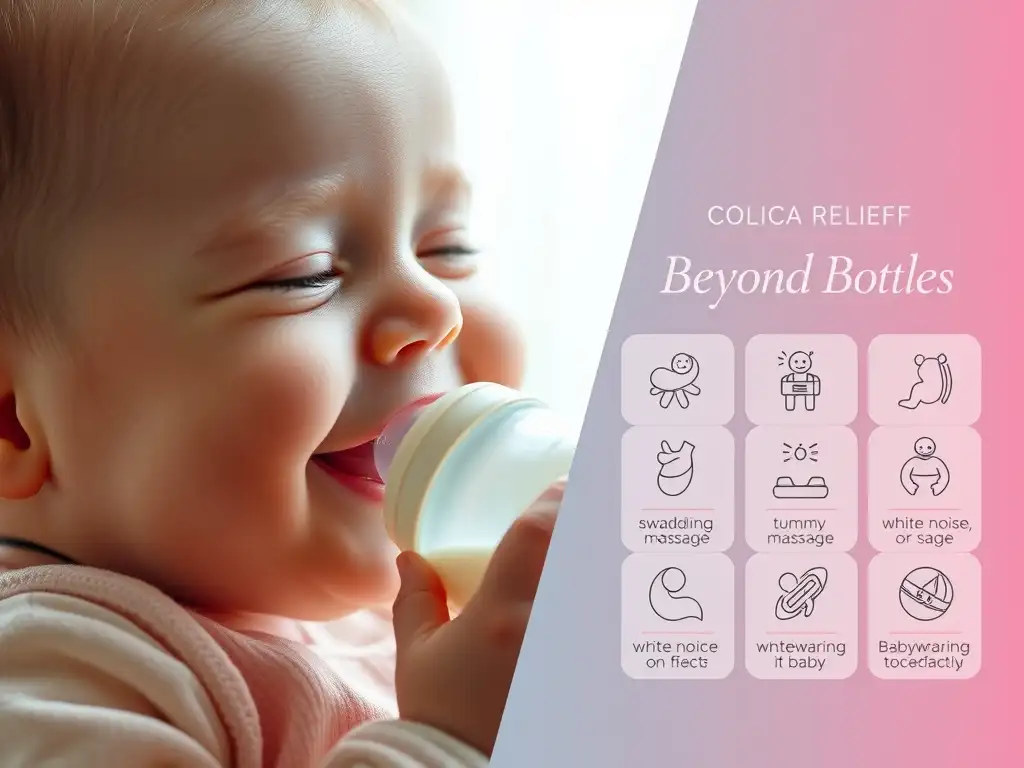
While anti-colic bottles can significantly alleviate colic symptoms related to air ingestion during feeding, they are not a standalone solution for every baby. Many factors contribute to colic, and a multifaceted approach often yields the best results. This section explores additional strategies parents can implement alongside the use of anti-colic bottles to provide comprehensive colic relief and improve their baby's comfort. Remember, consistency and patience are key when dealing with colic.
Dietary Changes for Breastfeeding Mothers: Eliminating Potential Allergens
For breastfeeding mothers, dietary changes can sometimes dramatically impact a baby's colic symptoms. Certain foods can be transferred through breast milk and may trigger discomfort in sensitive infants. Careful elimination diets can help pinpoint potential allergens. Common culprits include dairy products (cow's milk), soy, wheat, eggs, peanuts, and tree nuts.
It's crucial to consult with a pediatrician or registered dietitian before making significant dietary changes. They can guide you through the process of eliminating suspected allergens one at a time, keeping a meticulous record of your diet and your baby's reactions. This systematic approach helps identify the specific trigger without causing unnecessary nutritional deficiencies.
Remember, eliminating entire food groups should be done under professional guidance to ensure adequate nutrition for both mother and baby. A gradual elimination process, meticulously documented, provides the most reliable data for identifying potential allergens. Tracking your baby's symptoms alongside your dietary changes is essential for effective identification and intervention.
Important Note: Eliminating dairy or other major food groups should only be done under the supervision of a healthcare professional. Nutritional deficiencies can be a serious concern, and professional guidance helps ensure both mother and baby remain healthy.
Soothing Techniques for Calming a Colicky Baby: Swaddling, White Noise, and Gentle Rocking
Beyond nutritional adjustments, various soothing techniques can help calm a colicky baby. These methods aim to create a sense of security and reduce overstimulation, often contributing factors to colic.
- Swaddling: Wrapping your baby snugly in a swaddle blanket can mimic the feeling of being held and provide a sense of security. This can be particularly helpful for babies who are easily startled or overly sensitive to external stimuli. Ensure the swaddle is not too tight and allows for comfortable movement of the baby's hips and legs.
- White Noise: The consistent sound of white noise, such as a fan or a white noise machine, can be incredibly soothing. The constant, low-level sound can mask other disruptive sounds and help calm a fussy baby. Experiment with different white noise sources to find what your baby responds best to.
- Gentle Rocking: The rhythmic motion of gentle rocking can be very calming. This can be done in a rocking chair, a baby swing, or even by gently rocking your baby in your arms. The repetitive movement helps soothe the baby and promote relaxation.
| Technique | Description | Effectiveness | Potential Benefits |
|---|---|---|---|
| Swaddling | Wrapping baby snugly in a blanket | Variable | Security, reduced startle reflex, improved sleep |
| White Noise | Consistent low-level sound | Variable | Masks disruptive sounds, promotes relaxation, improved sleep |
| Gentle Rocking | Rhythmic motion | Variable | Calming, soothing, promotes relaxation |
These techniques are not guaranteed to work for every baby, but many parents find them helpful in managing colic symptoms. Combining these methods with the use of anti-colic bottles can provide a comprehensive approach to colic relief. Remember to always supervise your baby while using any soothing technique.
When to Seek Professional Medical Advice: Recognizing Serious Underlying Issues
While colic is typically benign and resolves on its own, it's crucial to recognize when it might indicate a more serious underlying issue. Persistent, inconsolable crying, accompanied by other symptoms, warrants immediate medical attention.
These symptoms include:
- Vomiting (projectile or frequent)
- Diarrhea
- Fever
- Lethargy or unusual sleepiness
- Refusal to feed
- Jaundice (yellowing of the skin or eyes)
- Blood in the stool
- Abdominal distension (swollen belly)
If your baby exhibits any of these symptoms alongside colic, seek immediate medical attention. A doctor can conduct a thorough examination to rule out any serious underlying medical conditions that may be contributing to the baby's discomfort. Early intervention is key in managing potential health concerns. Don't hesitate to contact your pediatrician or healthcare provider if you have any concerns about your baby's health. Their expertise is invaluable in ensuring your baby receives the appropriate care and support.
Conclusion: Finding Peace and Comfort During Colic
Colic can be a challenging experience for both parents and babies. The constant crying and discomfort can be incredibly stressful, leading to sleep deprivation and emotional exhaustion. However, understanding the potential causes of colic, like trapped air and difficulty latching, can empower parents to take proactive steps towards relief.
Anti-colic bottles, with their innovative designs aimed at reducing air intake during feeding, offer a valuable tool in this process. While not a guaranteed solution for every baby, they represent a significant advancement in addressing a common infant discomfort. Remember, patience and persistence are key; finding the right feeding method and bottle may require some trial and error.
Don't hesitate to seek professional advice if you continue to struggle with colic. The journey to a calmer, happier baby is achievable, and the relief is well worth the effort. The use of anticolic bottles for colic relief can significantly improve the feeding experience for both parent and child.
The Long-Term Benefits of Using Anti-Colic Bottles: Happy Baby, Happy Parent
The immediate benefit of using anticolic bottles is, of course, colic relief. Reducing the amount of air your baby ingests during feeding directly translates to less fussiness, less crying, and potentially, longer stretches of peaceful sleep. This immediate impact ripples outwards, creating long-term benefits for the entire family. A well-fed, well-rested baby is a happier baby, leading to a more positive and enjoyable parenting experience.
The improved feeding efficiency can also contribute to better weight gain and overall development in the infant. For parents, the reduction in stress and anxiety associated with colic translates to improved mental and physical health. The ability to enjoy more peaceful feeding sessions fosters a stronger bond between parent and child, creating a more positive and loving family environment. The investment in an anticolic bottle, therefore, is an investment in the long-term well-being of both the baby and the parents.
This contributes to a more harmonious family dynamic, enhancing the overall quality of life for everyone involved. Consider the long-term impact on your family's well-being when choosing feeding solutions for your little one. The positive effects of anticolic bottles extend far beyond simply relieving colic symptoms.
Resources and Support for Parents Dealing with Colic: Online Communities and Expert Advice
Navigating the challenges of colic doesn't have to be a solitary journey. Numerous resources are available to provide parents with support, guidance, and reassurance. Online communities dedicated to parenting often feature dedicated threads and forums where parents can share their experiences, tips, and advice regarding colic. These platforms offer a valuable space for connecting with others facing similar challenges, fostering a sense of community and reducing feelings of isolation.
Furthermore, seeking professional advice from pediatricians, lactation consultants, or other healthcare professionals is crucial. These experts can offer personalized guidance based on your baby's specific needs and health history. They can help rule out any underlying medical conditions that might be contributing to the colic and recommend appropriate strategies for management. Remember, seeking help is a sign of strength, not weakness.
Don't hesitate to reach out to your healthcare provider or explore the wealth of online resources available to support you and your baby through this phase. Utilizing these resources can significantly ease the burden of colic and empower you to provide the best possible care for your little one. Remember, you are not alone in this experience.
Frequently Asked Questions
What is colic, and why do babies get it?
Colic is characterized by excessive crying in otherwise healthy babies, often lasting for several hours a day. The exact cause is unknown, but it's thought to be related to immature digestive systems and swallowing air during feeding.
How can anti-colic bottles help with colic relief?
Anti-colic bottles are designed to reduce air intake during feeding. This minimizes gas bubbles and can significantly lessen discomfort leading to less crying. Different designs achieve this through various mechanisms.
What are the different types of anti-colic bottles available?
Many brands offer anti-colic bottles, each with a unique design. Some feature venting systems, others use special teats, and some combine both approaches. Choosing the best bottle depends on your baby's individual needs and preferences.
Are anti-colic bottles guaranteed to cure colic?
While anti-colic bottles are effective for many babies, they aren't a guaranteed cure. Colic can have multiple underlying causes, and some babies may not respond to these bottles. Consult your pediatrician if colic persists.
How do I choose the right anti-colic bottle for my baby?
Consider factors like your baby's age and feeding style, as well as the bottle's design and material. Read reviews and, if possible, try a few different brands to find what works best for you and your little one. Look for easy-to-clean designs.
Final Reflection: Finding Solace in the Storm of Colic
The relentless cry of a colicky baby is a universal experience, a symphony of distress that leaves parents exhausted and heartbroken. Yet, amidst the chaos, there's a glimmer of hope – the potential for calmer feeding times and a more peaceful family life. This article explored the significant role anti-colic bottles can play in navigating this challenging period.
The impact of colic extends far beyond the immediate family. It ripples outwards, affecting sleep patterns, parental well-being, and even the dynamics of the entire household. The most important thing a parent can do is to take care of themselves, because if you're not well, you can't take care of your baby.
This quote highlights the crucial need for solutions that alleviate the stress associated with colic, allowing parents to focus on nurturing their child and strengthening their family bond. The search for relief is a shared journey, and the availability of effective tools like anti-colic bottles offers a lifeline during a difficult time.
Consider the lessons learned here. Remember the importance of finding the right tools to support your family's needs, and don't hesitate to seek advice and explore different options. You are not alone in this journey. Take a moment to reflect on your own experiences with feeding your little one. What worked best for you? What challenges did you overcome? Embrace the knowledge gained, and remember that even the smallest steps towards a calmer feeding time can make a world of difference in creating a more peaceful and loving home.
Transform Feeding Time: Find Your Colic Solution Now!
Thank you for learning about colic relief! We hope you found helpful information on how anti-colic bottles can significantly improve your baby's (and your!) life. Now let's put this knowledge into practice.
- Prioritize a calmer feeding experience: Carefully select an anti-colic bottle that best suits your baby's needs, considering factors like the bottle's flow rate and nipple shape. This is the first step toward happier mealtimes.
- Share your experience: Join our online community forum and connect with other parents. Share your experiences—both challenges and successes—with anti-colic bottles. Let's build a supportive network together!
- Explore bottle options: Visit a local baby store to compare different anti-colic bottle designs and ask the staff any questions you may have. A hands-on approach can be incredibly beneficial.
Ready to embrace a more peaceful feeding routine? What's the first step you'll take to alleviate your baby's colic discomfort?