
Bottle Features and Their Impact on Baby's Latch


Welcome to BabyCareHub, your ultimate guide to navigating the exciting yet sometimes overwhelming world of parenthood! Are you a first-time parent struggling to find the perfect bottle for your little one? Discover the secrets to a successful latch and happy feeding times with our in-depth article on "Best bottle nipples newborn latch," a crucial aspect of your baby's healthy development covered within our Feeding & Nutrition Insights section. Uncover the surprising impact of bottle features and prepare for a smoother feeding journey – read on to learn more!
- Understanding Newborn Latch Difficulties: A Parent's Guide
- Best Bottle Nipples for Newborn Latch: Shape and Size Matters
- Best Bottle Nipples for Newborn Latch: Material and Texture
- Best Bottle Nipples for Newborn Latch: Additional Features to Consider
- Transitioning from Breast to Bottle: Strategies for a Smooth Change
- Addressing Common Myths About Bottle Feeding and Latch
- Choosing the Best Bottle for Your Baby: A Step-by-Step Guide
-
Frequently Asked Questions
- What are the best bottle nipples for newborns to achieve a good latch?
- How can I tell if my baby has a good latch on the bottle?
- What nipple flow rate is best for newborns?
- My baby is struggling to latch onto the bottle; what should I do?
- Are there any specific bottle brands known for their excellent nipples for newborns?
- Final Reflection: The Enduring Importance of a Good Latch
- Unlock Your Baby's Happy Feeding Journey!
Understanding Newborn Latch Difficulties: A Parent's Guide
Navigating the world of newborn feeding can be challenging, especially for first-time parents. Successfully breastfeeding is a common goal, but many families choose—or need to transition to—bottle feeding. This guide focuses on a critical aspect of bottle feeding: achieving a proper latch.
A successful latch is crucial for efficient feeding, minimizing fussiness, and preventing issues like gas and colic. This article will explore common challenges associated with bottle feeding newborns, delve into the signs of a poor latch, and highlight the pivotal role of the bottle nipple in ensuring a comfortable and effective feeding experience for your little one. Understanding these factors will equip you with the knowledge to choose the best bottle nipples for your newborn's needs, ultimately contributing to a smoother and more enjoyable feeding journey for both you and your baby.
We'll explore what constitutes a "best bottle nipple newborn latch" by examining various nipple features and their impact. 🍼
Common Challenges with Bottle Feeding Newborns
Bottle feeding, while convenient, presents its own set of hurdles. Newborns often struggle to adapt to the different flow and feel of a bottle compared to the breast. Some common challenges include:
- Nipple confusion: Some babies may find it difficult to coordinate sucking between breast and bottle, leading to nipple preference and potential breastfeeding difficulties.
- Air ingestion: Babies can easily swallow air while bottle feeding, resulting in gas, discomfort, and colic.
- Inefficient feeding: A poor latch can lead to inefficient feeding, causing frustration for both the baby and the caregiver. The baby might tire easily, feed for extended periods, or not consume enough milk.
- Slow or rapid flow: An inappropriate flow rate can make feeding difficult. Too slow a flow can lead to frustration and exhaustion, while too fast a flow can cause choking or spitting up.
- Difficult latch: The baby may struggle to get a proper seal on the nipple, leading to inefficient feeding and air ingestion. This is often linked to the shape and size of the nipple.
These challenges can significantly impact a baby's overall well-being and feeding satisfaction. Choosing the right bottle and nipple is vital in mitigating these difficulties.
Identifying Signs of a Poor Latch: Fussiness, Gas, and Inefficient Feeding
Recognizing signs of a poor latch is essential for addressing feeding issues promptly. Observe your baby carefully during feedings. Key indicators of a poor latch include:
- Excessive fussiness and crying during feeding: The baby may become agitated and frustrated if the latch isn't secure or the flow is unsuitable.
- Frequent gas and colic: Air ingestion, a common consequence of a poor latch, manifests as excessive gas, bloating, and colic.
- Inefficient feeding: The baby may feed for extended periods without consuming a sufficient amount of milk. They might frequently pause, pull off the nipple, or seem tired and disinterested.
- Clicking sounds: A clicking sound during feeding can indicate that the baby isn't creating a proper seal around the nipple.
- Spitting up or regurgitation: While some spitting up is normal, excessive spitting up can be a sign of a poor latch and inefficient feeding.
If you observe these signs, carefully examine your bottle and nipple. Consider trying different nipple types or flow rates to find the best fit for your baby. Consulting a lactation consultant or pediatrician can also provide valuable guidance and support.
The Crucial Role of the Nipple in Successful Latch
The bottle nipple plays a crucial role in determining the success of a baby's latch. Several key features contribute to a comfortable and effective feeding experience:
- Nipple shape: Different nipple shapes (e.g., orthodontic, round, flat) mimic the shape of the mother's nipple to varying degrees, impacting the baby's ability to latch correctly.
- Nipple material: Some materials are softer and more pliable than others, which might influence the baby's sucking ability. Silicone and latex are common materials.
- Nipple size and hole size: The size and hole size of the nipple must be appropriate for the baby's age and developmental stage. A nipple that is too small or has a hole that is too small can make feeding difficult, while one that is too large or has a hole that is too large can lead to choking or spitting up.
- Nipple flow rate: The flow rate of the nipple should match the baby's sucking ability. Slow, medium, and fast flow rates are typically available.
Choosing a nipple that considers these features is crucial in ensuring that your baby can latch effectively, minimizing discomfort and maximizing feeding efficiency. Experimentation might be necessary to find the perfect fit for your baby's unique needs. Remember, every baby is different, and what works for one may not work for another.
Best Bottle Nipples for Newborn Latch: Shape and Size Matters

Finding the best bottle nipple for your newborn can significantly impact their feeding experience and latch. A proper latch minimizes discomfort and promotes healthy development. This section focuses on key nipple features impacting a successful latch, helping you choose the right bottle for your little one.
We'll explore nipple shapes, flow rates, and how these factors contribute to a comfortable and efficient feeding. Optimizing your baby's feeding experience is crucial for their growth and overall well-being, and selecting the right bottle nipple is a key component of that process. The search for the "best bottle nipples newborn latch" often leads parents to consider these crucial factors first.
Exploring Different Nipple Shapes: Orthodontic vs. Standard Nipples
Choosing between orthodontic and standard nipples is a crucial step in selecting the best bottle for your newborn. The nipple's shape directly influences how your baby latches and affects their oral development.
Orthodontic Nipples: Benefits for Palate Development and Preventing Teething Issues
Orthodontic nipples are designed to mimic the shape of a mother's breast. Their asymmetrical shape encourages a natural sucking motion, promoting healthy jaw and palate development. Many studies suggest that these nipples can help prevent future orthodontic issues. They are often preferred by parents seeking to minimize the potential for nipple confusion, especially for babies who are also breastfeeding. The gentle, flexible design is often easier on a baby's gums, potentially reducing teething discomfort.
Standard Nipples: Simplicity and Familiarity for Some Babies
Standard nipples are typically rounder and more symmetrical. While they might not offer the same developmental benefits as orthodontic nipples, many babies latch onto them easily. Their simplicity can be appealing to parents and some babies find them more comfortable. However, long-term use might not promote optimal oral development compared to orthodontic alternatives. The choice between standard and orthodontic nipples often comes down to individual baby preferences and parental priorities.
Nipple Flow Rates: Choosing the Right Speed for Your Baby's Age and Feeding Style
The flow rate of a bottle nipple is equally important as its shape. A poorly matched flow rate can lead to frustration, swallowing air, and colic. Finding the right balance is crucial for a positive feeding experience.
Slow Flow Nipples for Newborns: Mimicking Breastfeeding Pace
Slow-flow nipples are designed to mimic the slower pace of breastfeeding. This is particularly beneficial for newborns, as it allows them to control the flow of milk and prevents them from overfeeding or gulping air. This can reduce the risk of colic and gas. These nipples often have smaller holes, requiring more effort from the baby to draw milk, which can be more satisfying for them, especially during the initial adjustment to bottle feeding. Choosing a slow-flow nipple can also be a good way to minimize nipple confusion for babies who are also breastfeeding.
Medium and Fast Flow Nipples: For Older Infants and Increased Feeding Efficiency
As babies grow, their sucking ability improves, and their need for milk increases. Medium and fast-flow nipples are designed for older infants who can handle a more rapid flow of milk. These nipples are characterized by larger holes, allowing milk to flow more freely. This can make feeding more efficient, especially during busy periods or when the baby is hungry.
It's essential to select the appropriate flow rate based on your baby's age and individual feeding needs. Monitoring your baby's feeding cues is key to selecting the appropriate flow for each stage of development. Using the wrong flow rate can lead to frustration, choking, or excessive air intake.
Best Bottle Nipples for Newborn Latch: Material and Texture
Finding the best bottle nipples for your newborn's latch is crucial for a comfortable and successful feeding experience. The material and texture of the nipple significantly impact your baby's ability to latch effectively and minimize discomfort. Choosing wisely can prevent issues like nipple confusion, colic, and gas. This section will delve into the key considerations when selecting a nipple, focusing on material and texture to optimize your baby's latch. We'll explore various options to help you find the best bottle nipples newborn latch solution for your little one.
Silicone vs. Latex Nipples: Pros and Cons for Baby's Comfort and Safety
The choice between silicone and latex nipples often tops the list of considerations for new parents. Both materials have their advantages and disadvantages concerning a baby's comfort and safety.
Silicone Nipples:
- Pros: Silicone nipples are generally more durable and heat-resistant than latex, meaning they can withstand sterilization better and last longer. They are also less likely to harbor bacteria and are naturally odorless and tasteless, minimizing the risk of allergic reactions. Many parents find silicone nipples easier to clean.
- Cons: Silicone nipples can feel firmer than latex, potentially making it more challenging for some newborns to latch, especially those exclusively breastfed. Some babies may find the firmer texture less comfortable. The cost can be slightly higher compared to latex nipples.
Latex Nipples:
- Pros: Latex nipples tend to be softer and more flexible than silicone, mimicking the feel of a mother's breast more closely. This softer texture can make it easier for some newborns to transition between breastfeeding and bottle-feeding, reducing the risk of nipple confusion. They often feel more natural in the baby's mouth.
- Cons: Latex nipples are more susceptible to tearing and wear and tear compared to silicone. They are also more prone to harboring bacteria and can degrade more quickly with repeated sterilization. Latex allergies are a potential concern, although rare.
| Feature | Silicone Nipple | Latex Nipple |
|---|---|---|
| Durability | High | Low |
| Texture | Firmer | Softer, more flexible |
| Sterilization | Withstands high heat | More prone to damage with heat |
| Allergic Reactions | Less likely | Potential for latex allergies |
| Cost | Generally higher | Generally lower |
| Mimics Breast | Less closely | More closely |
Choosing between silicone and latex depends largely on your baby's individual preferences and needs. Observing your baby's feeding behavior and comfort level is key to determining the best choice.
The Importance of Soft and Flexible Nipples: Promoting a Natural Sucking Motion
A soft and flexible nipple is crucial for promoting a natural sucking motion in newborns. This is especially important for babies who are also breastfeeding, as it helps minimize nipple confusion. A nipple that is too firm can make it difficult for the baby to create the necessary suction and rhythm for effective feeding. A stiff nipple can also lead to frustration and discomfort for both the baby and the parent.
The flexibility of the nipple allows for a natural compression and release during sucking, mimicking the experience of breastfeeding. This helps the baby develop proper oral motor skills and prevents the development of poor feeding habits. Look for nipples described as "slow-flow," "newborn," or "preemie" to ensure the correct flow rate for your baby's needs. The nipple's shape is also important; a nipple that is too long or too wide can interfere with the latch. A more natural, rounded shape is often preferred. This helps to mimic the shape and feel of the breast.
Many manufacturers now produce nipples with varying degrees of softness and flexibility. Experimenting with different brands and types may be necessary to find the perfect fit for your baby. Remember, a comfortable latch is essential for a successful and enjoyable feeding experience.
Anti-Colic Bottles and Their Impact on Latch and Air Intake
Anti-colic bottles often feature specialized nipples designed to minimize air intake during feeding. This reduction in air ingestion can significantly reduce gas and colic in babies, leading to a more comfortable feeding experience. However, the design of these nipples can sometimes affect the baby's latch.
While the goal of anti-colic bottles is to improve feeding, the unique venting systems or specialized shapes might require a slight adjustment in the baby's latch technique. Some babies may adapt easily, while others might need a little more time to get used to the different nipple design. Observe your baby closely during feeding. If you notice any signs of discomfort or difficulty latching, consider trying a different nipple or bottle.
It's important to note that not all anti-colic bottles are created equal. Some designs are more effective than others in reducing air intake, and some may interfere with the latch more than others. Reading reviews and comparing different models can help you choose an anti-colic bottle that best suits your baby's needs while still promoting a secure and comfortable latch. Remember, the primary goal is a happy, well-fed baby—and choosing the right bottle and nipple is a crucial step in achieving that.
Best Bottle Nipples for Newborn Latch: Additional Features to Consider
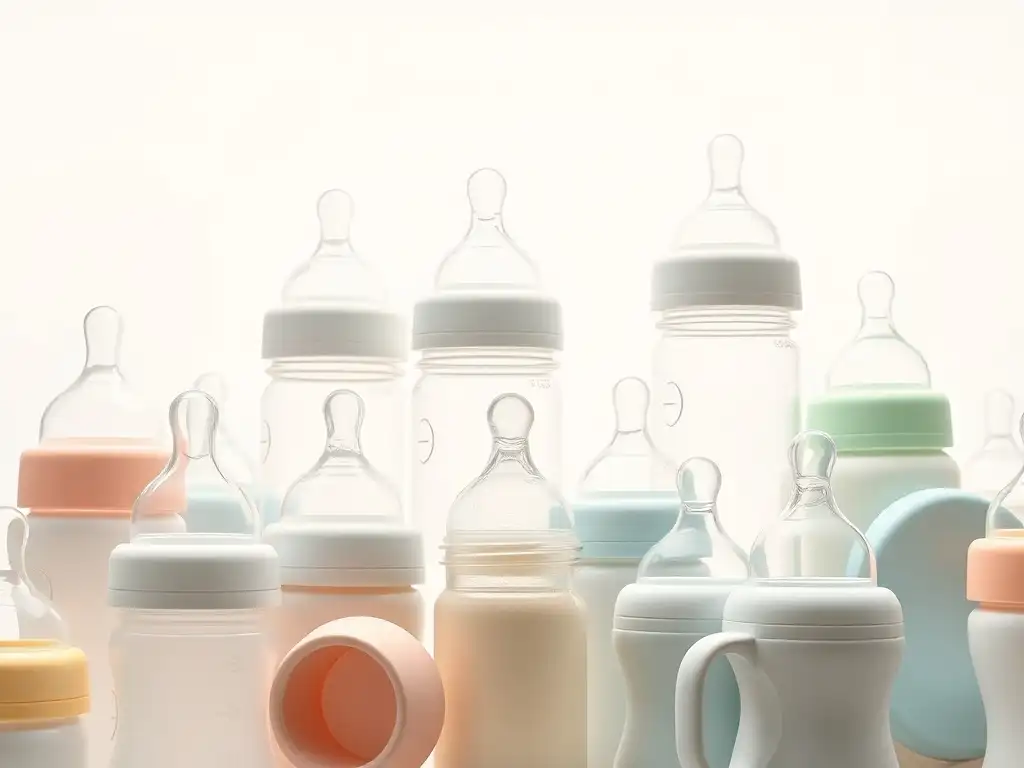
Choosing the right bottle nipple is crucial for a successful breastfeeding transition and overall baby satisfaction. While the nipple shape is paramount for a good latch, several other features significantly impact a baby's feeding experience and comfort. This section delves into additional aspects beyond the nipple's shape that contribute to a positive feeding experience, optimizing both the baby’s latch and overall well-being. Understanding these features will help you select the best bottle nipples newborn latch options available.
Vent Systems and Their Role in Preventing Colic and Gas
Air ingestion during feeding is a common cause of colic and gas in infants. Different bottle designs incorporate vent systems to mitigate this problem. These systems aim to reduce the vacuum created within the bottle, preventing your baby from swallowing excessive air along with their milk. The effectiveness of these vents varies considerably.
Several types of vent systems exist:
- Internal Vent Systems: These vents are integrated within the nipple itself, often subtle and less noticeable. They typically create channels that allow air to flow into the bottle as the baby feeds, equalizing pressure.
- External Vent Systems: These are more visible, often featuring a ring or other mechanism at the base of the nipple or on the bottle itself. They work similarly to internal systems but might be easier to clean.
- Anti-Colic Valves: Some bottles utilize specialized valves to prevent air bubbles from entering the milk flow. These valves are designed to regulate the flow and minimize air ingestion.
Choosing a bottle with a reliable vent system can significantly reduce the risk of colic and gas in your baby. However, remember that even with the best vent system, burping your baby regularly is still recommended. The effectiveness of different vent systems is often a matter of personal preference and baby's response.
Some babies may tolerate certain vent systems better than others. Observing your baby's feeding behavior and noting any signs of discomfort (fussiness, gas, spitting up) can help determine if a particular vent system is suitable. Consider keeping a feeding diary to track your observations and make informed decisions.
Wide-Neck Bottles: Easier Cleaning and Filling
Wide-neck bottles offer several advantages beyond simply accommodating larger nipples. Their wider opening makes cleaning significantly easier, allowing for thorough scrubbing and reaching all corners of the bottle. This is particularly important for removing milk residue, which can be a breeding ground for bacteria. A clean bottle is essential for maintaining your baby's health.
Furthermore, the wider neck simplifies the process of filling the bottle. Pouring milk or formula into a wide-neck bottle is less prone to spills and generally faster than filling a narrow-necked bottle. This can be a considerable time-saver, especially during busy feeding schedules.
Data suggests that parents who use wide-neck bottles report less difficulty with cleaning and filling compared to those using narrow-neck bottles. [Specific data pending on comparative study of cleaning time and spill rates]. The ease of cleaning reduces the chance of bacterial contamination, contributing to the baby's overall health. The convenience of filling reduces frustration and stress for parents, leading to a more positive feeding experience for everyone involved. Ultimately, a wider neck bottle offers practical advantages that can contribute to a smoother and more efficient feeding routine, helping parents focus on bonding with their newborn.
Transitioning from Breast to Bottle: Strategies for a Smooth Change
Successfully transitioning your baby from breastfeeding to bottle-feeding requires a gentle and patient approach. The key is to minimize nipple confusion, a situation where a baby struggles to coordinate the different sucking patterns required for breast and bottle nipples. Many factors influence a successful transition, including the type of bottle and nipple chosen, the timing of introduction, and the overall feeding environment. A gradual introduction is generally recommended, allowing your baby time to adjust to the new feeding method.
Remember, every baby is unique, and what works for one may not work for another. Patience and flexibility are essential throughout this process. Observe your baby's cues and adjust your strategy accordingly. If you encounter significant challenges, consulting a lactation consultant can provide invaluable support and personalized guidance.
Introducing the Bottle Gradually: Tips for Avoiding Nipple Confusion
Introducing the bottle gradually is crucial to prevent nipple confusion. Don't rush the process! Start by offering the bottle only when your baby is calm and not overly hungry. A relaxed baby is more likely to accept the bottle without frustration.
Initially, offer only a small amount of expressed breast milk or formula in the bottle. Let your baby lead the way; don't force them to finish the entire bottle. Even a few sips are a success in the early stages. Consider having another caregiver offer the bottle initially, as babies can sometimes sense their mother's scent and associate the bottle with a different feeding experience.
It's important to remember the timing of introduction. Ideally, introduce the bottle after your baby has established a good breastfeeding routine, usually around 3-4 weeks old. This allows your baby to become comfortable with breastfeeding before introducing a new feeding method. Pay close attention to your baby's cues during the transition. If they seem frustrated or reject the bottle repeatedly, take a break and try again later. Consistency is key, but flexibility is equally important.
Here's a sample schedule you could follow:
| Day | Bottle Feedings | Breastfeedings | Notes |
|---|---|---|---|
| 1 | 1 (small amount) | 6-8 | Observe baby's response. |
| 2-3 | 1-2 (gradually increase amount) | 6-7 | Continue to monitor for signs of frustration. |
| 4-7 | 2-3 | 5-6 | Adjust based on baby's needs and preferences. |
| Beyond 7 | Gradually increase as needed | Adjust accordingly | Continue to monitor and adjust as needed. |
Combining Breastfeeding and Bottle Feeding: A Practical Guide
Successfully combining breastfeeding and bottle-feeding requires a coordinated approach. This method is often preferred by parents who wish to share feeding responsibilities or supplement breastfeeding. The key is to maintain a consistent and supportive feeding environment.
Consider the following strategies:
- Maintain a consistent feeding schedule: A predictable schedule can help your baby adapt to both breastfeeding and bottle-feeding.
- Offer both breast and bottle: Don't favor one feeding method over the other. Provide both breast milk and formula (if using) to ensure your baby receives adequate nutrition.
- Use a variety of bottle nipples: Experimenting with different nipples might help find one that your baby prefers. Remember, the best bottle nipples newborn latch will vary from baby to baby.
- Vary feeding positions: Try different positions for both breastfeeding and bottle-feeding to keep things interesting and comfortable for your baby.
- Observe your baby's cues: Pay close attention to your baby's hunger cues and feeding patterns to adjust the feeding plan as needed. This includes monitoring weight gain and overall well-being.
- Stay calm and patient: The transition can be challenging. Remember to stay calm and patient throughout the process. If you're feeling overwhelmed, seek support from a lactation consultant or other healthcare professional.
Remember, the goal is to provide your baby with sufficient nutrition and create a positive feeding experience. This may involve trial and error, but with patience and observation, you can successfully combine breastfeeding and bottle-feeding to meet both your and your baby's needs. 🎉
Addressing Common Myths About Bottle Feeding and Latch
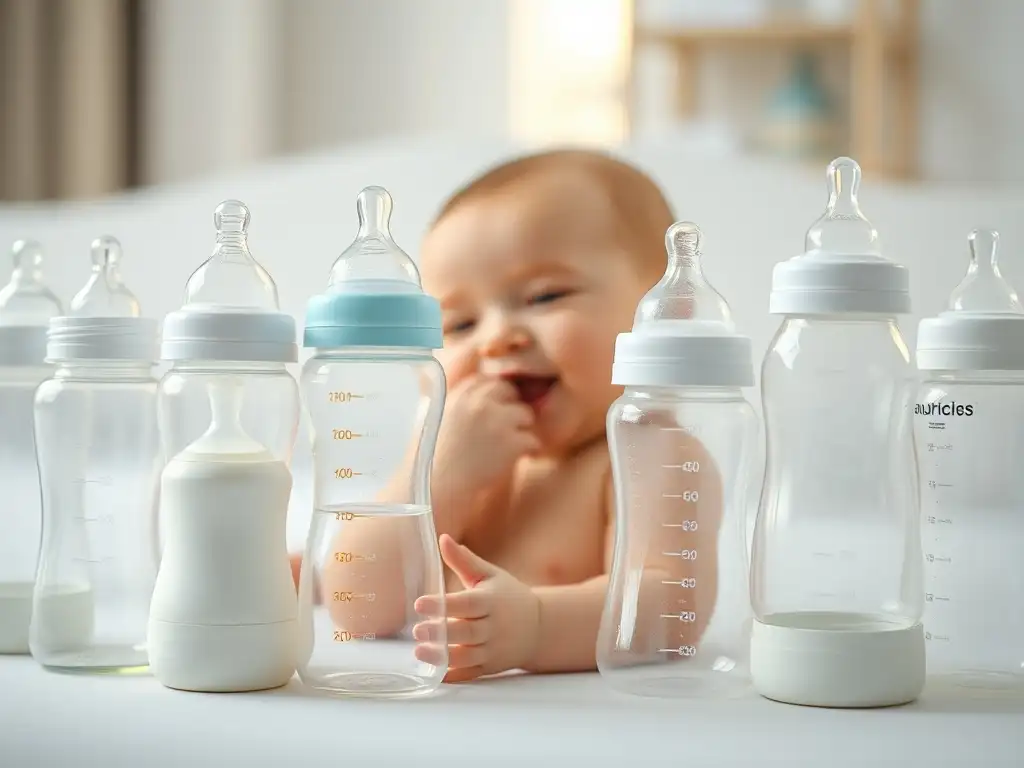
Many first-time parents harbor misconceptions about bottle feeding, particularly regarding its impact on their baby's latch. Understanding these myths is crucial for choosing the best bottle nipples newborn latch and ensuring a smooth transition, if needed. Let's debunk some common beliefs.
Myth 1: All Bottles are Created Equal: Debunking the "One Size Fits All" Approach
The notion that all baby bottles are interchangeable is simply false. The shape, size, and material of the bottle, as well as the nipple's design, significantly influence a baby's ability to latch effectively. A bottle nipple that works perfectly for one baby might be completely unsuitable for another. This is why finding the best bottle nipples newborn latch requires careful consideration of several factors.
For example, some nipples are designed with a wide base, mimicking the shape of a mother's breast, while others are more narrow and elongated. The flow rate also varies considerably; slow-flow nipples are ideal for newborns, while faster-flow nipples are better suited for older babies. The material of the nipple, whether silicone or latex, can also affect the baby's acceptance.
Silicone nipples tend to be more durable and less prone to tearing, but some babies prefer the softer feel of latex. Furthermore, the nipple's shape—whether it's orthodontic, shaped to mimic the mother’s breast, or standard—can affect the baby’s ability to create a proper seal and reduce the risk of nipple confusion. Choosing a bottle with features that support the baby's natural sucking reflex is key to success.
Ignoring these nuances can lead to frustration for both parent and baby. The "best" bottle nipple for newborn latch is the one that best suits your baby's individual needs.
Myth 2: Bottle Feeding Always Leads to Nipple Confusion: Understanding the Factors Involved
While nipple confusion is a valid concern, it's not an inevitable consequence of bottle feeding. Nipple confusion, characterized by difficulty coordinating sucking, swallowing, and breathing, is more likely to occur when there's a significant difference between the bottle nipple and the mother's breast. The key factors involved are the nipple's shape, size, and flow rate, as previously mentioned. If a bottle nipple is too firm, has an unnatural shape or an overly fast flow rate, it can interfere with the baby's natural latch and lead to confusion.
However, if parents choose bottles with nipples that closely mimic the feel and flow of the breast, the risk of nipple confusion is significantly reduced. Many brands now offer bottles with slow-flow nipples designed to promote a natural latch. Furthermore, the introduction of the bottle should be gradual and ideally done by someone who is comfortable with both breastfeeding and bottle feeding. This careful introduction, coupled with a well-chosen bottle and nipple, can help minimize the chances of nipple confusion.
Careful observation of your baby's feeding behavior is essential. Signs of nipple confusion can include a poor latch, frustration during feeding, and difficulty coordinating sucking and breathing. If you notice these signs, consult a lactation consultant or your pediatrician.
Myth 3: My Baby Refuses the Bottle, What Should I Do?
Many parents experience this frustration. If your baby refuses the bottle, don't panic. There are several strategies you can try. Firstly, ensure you're using a bottle and nipple that are appropriate for your baby's age and development. A slow-flow nipple is generally recommended for newborns. Try different brands and types of nipples to find one that your baby prefers. The material of the nipple (silicone or latex) can also affect acceptance.
Secondly, consider the timing of bottle feeding. A tired or overstimulated baby may be less receptive to the bottle. Try offering the bottle when your baby is calm and relaxed, but not overly hungry. Also, the temperature of the milk can matter; lukewarm milk is generally preferred. Finally, the person offering the bottle is important. Some babies prefer feeding from a specific caregiver.
A relaxed and patient approach is vital. If you continue to experience difficulties, seeking advice from a lactation consultant or your pediatrician can provide valuable support and guidance. Remember, patience and persistence are key. Finding the right bottle and technique takes time, and every baby is different. The best bottle nipples newborn latch is the one that works best for your baby.
Choosing the Best Bottle for Your Baby: A Step-by-Step Guide
This section focuses on selecting the optimal bottle for your newborn, ensuring a comfortable and effective latch. Finding the best bottle nipples newborn latch requires careful consideration of several factors, moving beyond simply choosing a cute design. We'll explore key features and their impact on your baby's feeding experience.
Assessing Your Baby's Needs: Age, Feeding Style, and Potential Issues
Selecting the right bottle nipple is crucial for a successful feed, especially for babies transitioning from breastfeeding. A newborn's needs differ significantly from those of a 6-month-old, impacting nipple flow rate and shape.
Consider these factors:
- Age: Newborns typically require slow-flow nipples to avoid choking and promote a natural feeding rhythm. As they grow and their sucking ability improves, you can gradually transition to medium or fast-flow nipples. This gradual progression mimics the natural development of their feeding skills.
- Feeding Style: Observe your baby's feeding style. Some babies are slow and steady feeders, while others gulp down milk quickly. Choose a nipple flow rate that matches their individual pace. A slow feeder may struggle with a fast-flow nipple, leading to frustration and air ingestion. Conversely, a fast feeder may become frustrated with a slow-flow nipple, leading to prolonged feeding times.
- Potential Issues: Does your baby have a cleft palate or other oral motor issues? Consult with a pediatrician or lactation consultant to determine the most appropriate nipple shape and size for their unique needs. Specialized nipples are available to address specific challenges. These professionals can provide personalized recommendations for the best bottle nipples newborn latch, considering any existing conditions.
Consider this table summarizing nipple flow rates and suitable ages:
| Age Range | Nipple Flow Rate | Notes |
|---|---|---|
| 0-3 Months | Slow | Ideal for newborns and babies with weak sucking reflexes. |
| 3-6 Months | Medium | Suitable for babies who are developing stronger sucking abilities. |
| 6+ Months | Fast | Appropriate for older babies who can manage a faster flow rate. |
Remember, these are guidelines. Always monitor your baby during feedings and adjust the flow rate as needed. A good latch is characterized by a relaxed, content baby feeding efficiently without excessive gulping or pausing.
Prioritizing Safety and Material Quality: Choosing BPA-Free Bottles
Safety should be the paramount concern when selecting baby bottles. The material from which the bottle is made directly impacts your baby's health. Prioritize bottles made from BPA-free materials, such as polypropylene (PP) or silicone.
- BPA (Bisphenol A): This chemical is known to disrupt hormones and is linked to various health problems. While many manufacturers have transitioned to BPA-free products, always double-check the bottle's labeling to ensure it's BPA-free. Look for clear and prominent labeling indicating the absence of BPA.
- Material Durability: Choose a material that can withstand repeated sterilizations and washing without degrading or leaching chemicals. PP and silicone are known for their durability and resistance to high temperatures.
- Easy Cleaning: Opt for bottles with wide necks that are easily cleaned and allow for thorough sterilization. A bottle that's difficult to clean is a breeding ground for bacteria, potentially harming your baby.
The best bottle nipples newborn latch are not just about flow; they're about the overall safety and hygiene of the bottle itself. A safe and clean bottle contributes to your baby's overall well-being.
Considering Your Budget and Long-Term Needs: Investing in Durable and Reliable Bottles
While the initial cost of a baby bottle might seem insignificant, consider the long-term investment. A durable bottle will last longer, saving you money in the long run.
- Durability: Invest in high-quality bottles that can withstand repeated use, washing, and sterilization. Cheap bottles may crack or warp over time, requiring frequent replacements. This adds up financially and creates unnecessary waste.
- Replacements: Consider the cost and availability of replacement nipples. Some brands offer a wider variety of nipple flow rates and shapes, making it easier to find the perfect fit as your baby grows. Easy access to replacements minimizes disruption to your baby's feeding routine.
- Features: Evaluate the bottle's additional features. Some bottles include anti-colic systems, temperature sensors, or easy-grip handles. These features can enhance the feeding experience and make your life easier, justifying a higher initial investment. Weigh the benefits of these additional features against your budget and your baby's needs.
Choosing the best bottle nipples newborn latch is a multifaceted decision, encompassing your baby's individual needs, safety concerns, and long-term cost-effectiveness. By carefully considering these factors, you can make an informed choice that supports your baby's healthy development and provides a positive feeding experience.
Frequently Asked Questions
What are the best bottle nipples for newborns to achieve a good latch?
The best bottle nipples for newborns often mimic the shape of the breast, featuring a slow flow and a soft, flexible material. Look for nipples with a natural shape to encourage proper latch and reduce nipple confusion.
How can I tell if my baby has a good latch on the bottle?
A good latch is indicated by your baby's relaxed and comfortable feeding, with minimal air intake (reduced gurgling). You should see smooth, consistent sucking rather than gulping or struggling.
What nipple flow rate is best for newborns?
Newborns typically need a slow flow nipple. A too-fast flow can cause choking, while a too-slow flow may lead to frustration. Always check the nipple flow rate recommendations on the packaging.
My baby is struggling to latch onto the bottle; what should I do?
Try different nipple shapes and sizes to find the best fit for your baby. Ensure the nipple is fully filled with milk to prevent air intake. If problems persist, consult a lactation consultant or your pediatrician.
Are there any specific bottle brands known for their excellent nipples for newborns?
Many brands offer nipples designed for a good latch, but there's no single "best" brand. Research brands emphasizing soft, flexible silicone or natural-shaped nipples; reading reviews from other parents can also be helpful. Consider trying a few different brands to find what works best for your baby.
Final Reflection: The Enduring Importance of a Good Latch
The perfect bottle nipple remains elusive, yet the pursuit of it directly impacts the health and well-being of countless newborns. Finding the right fit significantly influences a baby's feeding experience, impacting everything from weight gain to the development of a healthy jawline. This seemingly small detail holds immense power in the early days of a child's life.
The quest for the "best" bottle nipple is a journey shared by millions of parents, a testament to the profound impact even seemingly minor details have on infant development. The subtle nuances of nipple shape, flow rate, and material can dramatically alter a baby's feeding success and overall contentment. This underscores the importance of informed choices and the ongoing need for research and innovation in this area. The first few weeks of a baby's life are crucial for establishing healthy feeding habits, and the right bottle can make all the difference.
Consider the implications of this research. You now possess a deeper understanding of the factors influencing a successful latch. Take this knowledge and use it to empower your own choices, whether you're a parent navigating the world of baby bottles or a healthcare professional guiding new families. Remember, the seemingly small details can have a significant impact, and your informed decisions can contribute to a healthier, happier start for every baby.
Unlock Your Baby's Happy Feeding Journey!
Thank you for learning about the crucial connection between bottle features and your baby's latch. We hope you feel empowered to make informed choices that support your little one's healthy development. Ready to put this knowledge into practice?
- Choose a bottle with a slow-flow nipple: This is key for a comfortable and effective latch. Experiment with different nipple shapes to find the best fit for your baby.
- Experiment with different feeding positions: Find what works best for you and your baby. Remember, every baby is unique!
- Share your experiences and tips with other parents in our community forum—let's build a supportive network!
What small change will you make today to help your baby latch better?