
Sibling Support: How to Encourage a Positive Relationship


Welcome to BabyCareHub, your ultimate guide to navigating the incredible journey of parenthood! Are you preparing for the arrival of a new baby and wondering how to ensure a smooth transition for your older child? Discover practical strategies and expert advice on Older sibling newborn support in our insightful article, "Sibling Support: How to Encourage a Positive Relationship," and learn how to foster a loving and supportive environment for your entire family. Let us help you build strong sibling bonds from the very beginning.
- Preparing Your Older Child for the New Baby: Laying the Groundwork for Sibling Support
-
Building a Positive Sibling Bond After the Baby Arrives: Practical Tips for Older Sibling Newborn Support
- Creating Special One-on-One Time: Prioritizing Individual Attention for Your Older Child
- Incorporating Your Older Child in Baby Care (Age-Appropriately): Building Responsibility and Connection
- Encouraging Positive Interactions: Promoting Kindness and Empathy Between Siblings
- Addressing Sibling Rivalry: Strategies for Conflict Resolution and Mediation
- Celebrating Milestones and Shared Experiences: Strengthening the Sibling Bond Over Time
- Long-Term Sibling Support: Cultivating a Lifelong Bond
-
Frequently Asked Questions
- How can I prepare my older child for the arrival of a new baby?
- My older child is acting out since the baby arrived. What should I do?
- How can I help my older child bond with the new baby?
- My older child is jealous of the baby. Is this normal?
- What if my older child is showing signs of regression (e.g., bed-wetting)?
- Final Reflection: Cultivating Bonds: The Enduring Power of Sibling Support
- Unlock Stronger Sibling Bonds: Take Action Today!
Preparing Your Older Child for the New Baby: Laying the Groundwork for Sibling Support
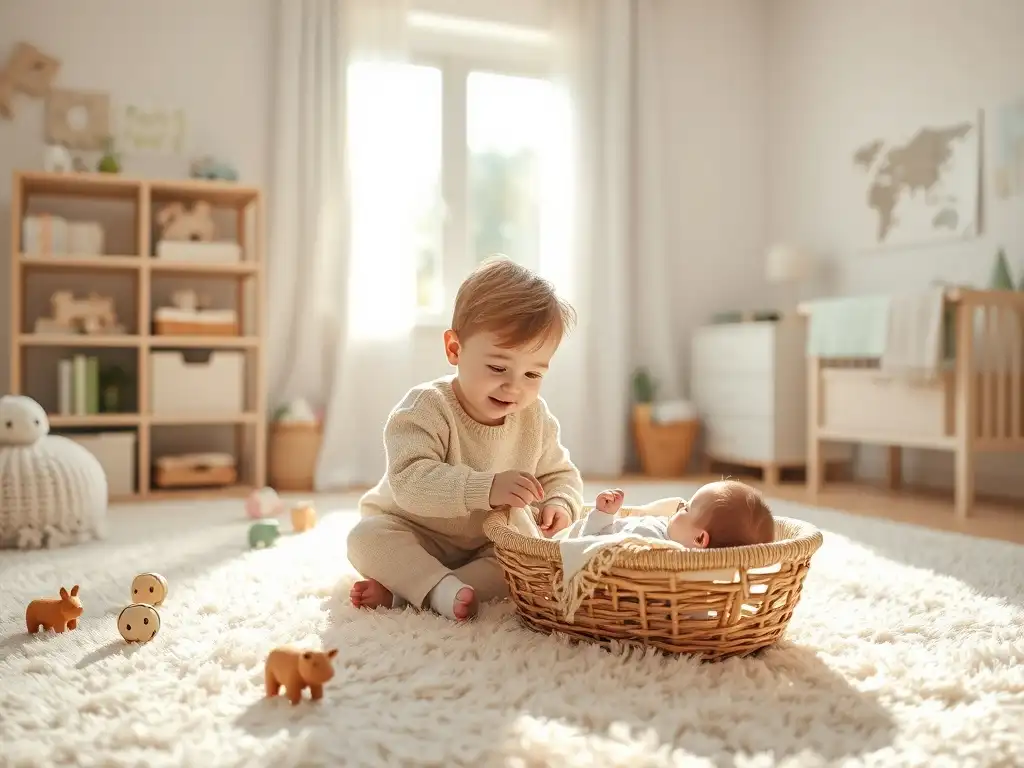
Welcoming a new baby into the family is a joyous occasion, but it can also be a significant adjustment for your older child. Successfully navigating this transition requires careful planning and proactive measures to foster a positive and supportive sibling relationship from the start.
This article focuses on strategies for older sibling newborn support, providing practical advice and techniques to help prepare your older child for the arrival of their new sibling and cultivate a loving bond between them. We'll explore how open communication, active involvement in preparations, and realistic expectation management can significantly contribute to a harmonious family dynamic, minimizing potential sibling rivalry and maximizing the benefits of a growing family.
This comprehensive guide will equip you with the tools to create a supportive and loving environment where both your children can thrive. The key is to approach the situation with empathy, understanding, and a proactive approach that prioritizes your older child's emotional well-being.
Open Communication Before the Arrival: Talking to Your Older Child About the New Baby
Open and honest communication is paramount in preparing your older child for the arrival of a new sibling. Start talking about the baby well in advance – even months before the due date. Use age-appropriate language to explain what's happening. For younger children, you might use simple terms like "baby brother" or "baby sister" is growing inside mommy's tummy. For older children, you can explain the pregnancy process in more detail, answering their questions honestly and patiently. Remember to emphasize the positive aspects of having a sibling, focusing on the fun and companionship they can share.
It's crucial to address any potential anxieties or concerns your child might have. They may feel worried about losing your attention or feeling less loved. Reassure them that your love is unconditional and that you'll still have plenty of time for them, even with a new baby in the family. Reading books about becoming a big brother or sister can also help normalize their feelings and prepare them for the changes to come.
Consider creating a special “big sibling” box filled with gifts and activities designed to make them feel special and important in their new role. This proactive approach will help alleviate any potential anxieties and cultivate a sense of anticipation rather than apprehension. Remember to validate their feelings, regardless of how they express them.
Involving Your Older Child in Baby Preparations: Fostering a Sense of Ownership and Excitement
Involving your older child in the preparations for the new baby is a powerful way to foster a sense of ownership and excitement. This active participation can significantly reduce feelings of displacement or jealousy. Let them help choose items for the baby's nursery, such as bedding or toys. They can also assist with tasks like washing baby clothes or assembling furniture (age appropriate tasks, of course!). This shared experience creates a sense of anticipation and belonging, transforming the arrival of the new baby from a potentially disruptive event into a shared family adventure.
Consider creating a special project together, such as decorating a welcome banner for the baby or making a scrapbook documenting the pregnancy journey. This collaborative activity promotes bonding and creates lasting memories. Allowing your older child to participate in these preparations helps them feel included and valued, fostering a sense of responsibility and positive anticipation for the arrival of their new sibling. This sense of ownership is key to building a positive sibling relationship from the very beginning. Remember to praise their efforts and contributions, reinforcing their importance within the family.
Managing Expectations and Addressing Potential Concerns: Preparing for Changes in Family Dynamics
The arrival of a new baby inevitably leads to changes in family dynamics. It's essential to manage expectations and address potential concerns proactively. Explain to your older child that things will be different after the baby arrives, and that they might need to share your attention. Be specific about the changes, such as less one-on-one time, adjusted routines, and potential disruptions to their daily lives. However, be sure to emphasize that these changes are temporary and that life will eventually settle into a new, comfortable rhythm.
Explain that the baby will require a lot of care and attention, and that this is a normal and necessary part of having a new baby in the family. You could create a visual schedule showing their daily routine and highlight how some activities may need to be adjusted temporarily. Prepare them for potential disruptions to their sleep schedule or preferred activities. Prepare for potential regression in behaviors such as toilet training or thumb-sucking.
This proactive approach will minimize surprises and help your older child adapt more smoothly. This preparation, coupled with consistent reassurance and extra affection, will help create a supportive and loving environment for all. Remember, patience and understanding are key during this transitional period.
Building a Positive Sibling Bond After the Baby Arrives: Practical Tips for Older Sibling Newborn Support
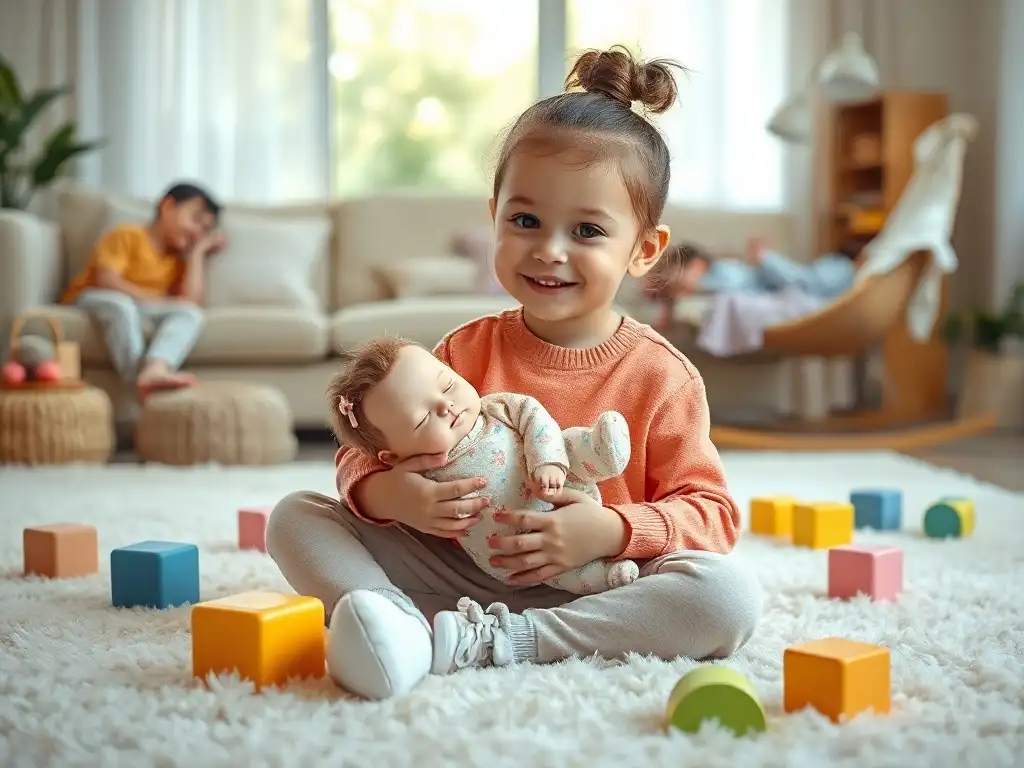
The arrival of a newborn significantly alters family dynamics. Successfully navigating this transition requires proactive strategies to foster a positive relationship between the older sibling and the new baby. Older sibling newborn support isn't just about preventing jealousy; it's about cultivating a bond of love and understanding. This section provides practical tips to achieve this crucial goal. Remember, each child is unique, and adapting these suggestions to your family's specific needs is key. Consistency and patience are paramount in building strong sibling relationships.
Creating Special One-on-One Time: Prioritizing Individual Attention for Your Older Child
Before the baby's arrival, many parents focus on preparing the older child. However, maintaining individual attention after the baby is born is equally, if not more, crucial. The older child may feel displaced by the demands of the newborn, leading to feelings of neglect and resentment. Dedicated one-on-one time helps counteract this.
This doesn't need to be elaborate. Even 15-20 minutes of focused attention daily can make a world of difference. Think of activities tailored to the older child's interests: reading a favorite book together, playing a game, going for a walk, or simply cuddling and chatting. The key is undivided attention, putting away phones and other distractions.
This dedicated time shows the older child that they are still loved and valued, despite the arrival of the new baby. Schedule this time strategically – perhaps before bedtime or during the baby's nap. Consistency in providing this time is more important than the length.
Consider creating a special "older sibling" box or basket filled with their favorite toys, books, or activities. This dedicated space provides a sense of ownership and security, a place where they can retreat and enjoy their own things. This reinforces their individuality and importance within the family.
Incorporating Your Older Child in Baby Care (Age-Appropriately): Building Responsibility and Connection
Involving the older child in age-appropriate baby care tasks can foster a sense of responsibility and connection with their new sibling. This doesn't mean handing them the baby; instead, focus on small, manageable tasks.
For example, a three-year-old might help fetch diapers or wipes. A five-year-old could assist with selecting baby clothes or singing songs to the baby. An older child, perhaps eight or older, might help with gentle baby massage or read a story to the baby. These small acts make them feel included and important, transforming them from a bystander to an active participant in their sibling's care.
Remember to praise and acknowledge their efforts frequently. Positive reinforcement strengthens their sense of accomplishment and encourages continued participation. However, avoid overwhelming them with tasks. Start with one or two simple tasks and gradually increase their involvement as they gain confidence and competence. Always supervise them closely when they are interacting with the baby to ensure safety.
Encouraging Positive Interactions: Promoting Kindness and Empathy Between Siblings
Encouraging positive interactions is essential to prevent sibling rivalry and build a strong bond. This requires proactive strategies to model kindness and empathy.
Read books about siblings and discuss the emotions portrayed. Stories can help children understand and process their feelings. Role-playing scenarios can be beneficial – for instance, practicing how to share toys or comfort a crying sibling. Encourage gentle touch and positive interactions. Praise acts of kindness, such as sharing a toy or helping the baby. Remember to use positive language; instead of saying "Don't hit your sister," try "Let's use gentle hands."
It’s also helpful to create opportunities for positive interactions. For instance, allow the older child to choose a toy or book to share with the baby. Plan activities that both children can enjoy together, such as singing songs, reading books, or playing simple games. Even just watching the baby together can create a bonding experience. Remember, building a strong sibling bond takes time and patience. Consistency in your approach and positive reinforcement will yield positive results. Celebrate small victories and focus on building positive memories for both children.
Addressing Sibling Rivalry: Strategies for Conflict Resolution and Mediation
Sibling rivalry is a common occurrence, especially after the arrival of a new baby. The older child may feel displaced, neglected, or resentful of the attention the newborn receives. This can manifest in various ways, from tantrums and aggressive behavior to withdrawal and sullenness. Understanding the root causes of this rivalry is crucial to effectively address it. Often, the competition stems from a perceived lack of parental attention or a feeling of being unfairly treated. The key is to proactively address these feelings and create a sense of fairness and security for the older sibling.
One effective strategy is to establish clear and consistent routines. Predictability can provide a sense of stability and control for the older child, reducing feelings of anxiety and insecurity. This might involve setting aside specific times for one-on-one activities with the older sibling, ensuring they have dedicated time with each parent, free from the demands of the baby. For example, a "special time" for reading together before bed, or a dedicated afternoon walk just the older child and parent. These dedicated moments communicate to the child that they are still valued and loved.
Another crucial element is open and honest communication. It's important to validate the older child's feelings. Instead of dismissing their concerns, acknowledge their emotions. Phrases like, "It sounds like you're feeling a little left out," or "I understand that it's hard when the baby needs so much attention," can go a long way in helping the child feel heard and understood. This validation doesn't necessarily mean agreeing with their perspective, but showing empathy for their experience. This creates a safe space for them to express their emotions without fear of judgment.
Active listening and conflict resolution skills are also vital. When conflicts arise, avoid taking sides or dismissing the older child's complaints. Instead, encourage them to express their feelings and help them find ways to resolve disagreements peacefully. Role-playing different scenarios, teaching problem-solving skills, and providing opportunities for negotiation can equip them with tools to handle conflicts independently. For example, if they are fighting over a toy, guide them through a process of compromise or taking turns, emphasizing the importance of sharing and cooperation.
Finally, remember to celebrate the positive aspects of the sibling relationship. Encourage cooperation and positive interactions by praising instances of kindness, sharing, and helping each other. This reinforces the desired behaviors and strengthens the bond between siblings. A reward system could be introduced, but should focus on positive behaviors and not just on stopping negative ones.
This creates a more supportive and nurturing environment for both children to thrive in. It's a long-term investment in their relationship, fostering a positive and supportive sibling bond that will last a lifetime. Remember, consistency and patience are key in navigating the challenges of sibling rivalry and building a strong and loving relationship between siblings.
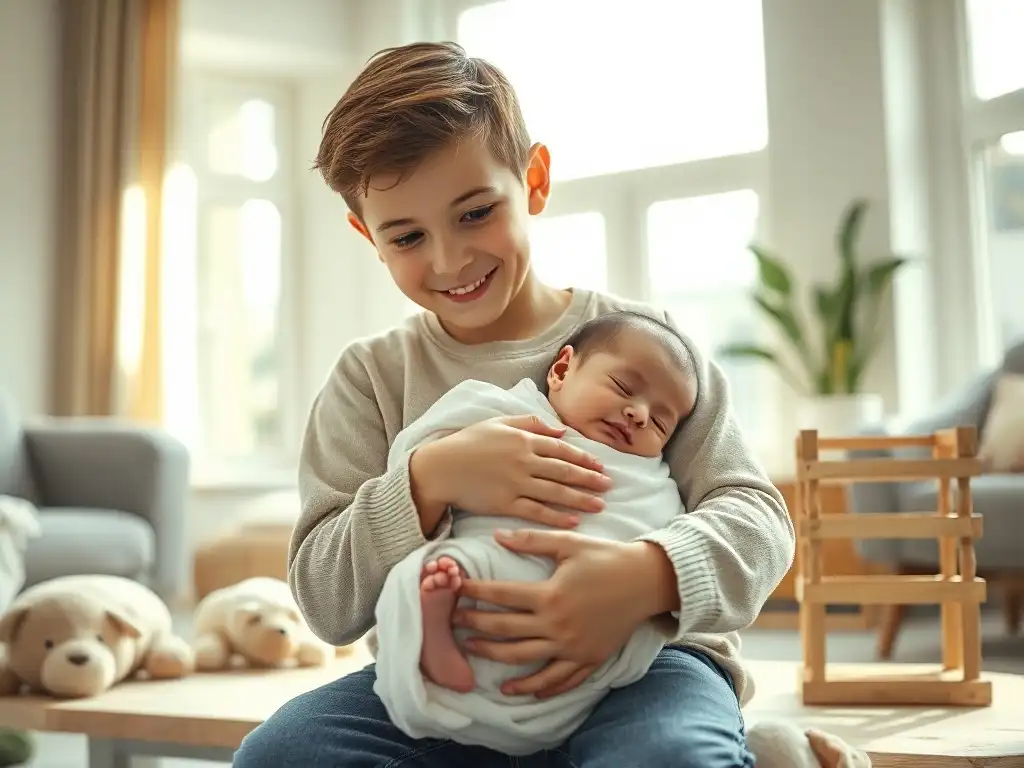
Successfully navigating the transition to a new family member hinges significantly on fostering a strong bond between the older sibling and the newborn. Simply introducing them isn't enough; nurturing their relationship requires conscious effort and creative strategies. One highly effective approach is to celebrate milestones and shared experiences, transforming potential rivalry into a foundation of mutual support and affection. This proactive approach helps the older child feel valued and included, rather than feeling replaced or overlooked.
Establishing family traditions and rituals is crucial for building a strong sibling bond. These shared experiences create a sense of belonging and shared history, enriching the relationship far beyond the initial introduction. Think beyond the typical bedtime stories.
Consider creating unique rituals, like a weekly "sibling date" where the older child gets one-on-one time with the parent, fostering a sense of individual attention. Perhaps a special "family movie night" featuring a movie chosen collaboratively, or a Sunday afternoon baking session where both siblings participate (age-appropriately, of course). Document these moments – photos, videos, or even a family scrapbook – to further solidify their shared history and reinforce the positive connection.
The key is consistency; regular repetition solidifies these rituals as cherished family norms. For example, a weekly "show and tell" where the older sibling can share their week's accomplishments alongside a simple "baby update" from the parent creates a sense of shared family narrative.
Another vital aspect of building a positive sibling relationship involves promoting teamwork and cooperation. This isn't about assigning chores, but rather about creating opportunities for collaboration and shared responsibility. Simple acts can make a big difference. For instance, let the older sibling help with age-appropriate tasks like choosing the baby's outfit or helping to prepare a simple snack for the baby's feeding time.
This gives them a sense of involvement and importance within the family unit. Even small acts like helping to tidy up baby toys or singing songs to the baby together can foster cooperation and build a sense of shared responsibility. Remember to praise their efforts and highlight their contributions to the family.
Positive reinforcement is key to encouraging continued participation and cooperation. For example, you could say, "Wow, you did such a great job helping me get the baby ready for a bath! You're such a great big sister/brother!"
Seeking Support When Needed: Recognizing the Importance of External Resources and Guidance
While proactive strategies are essential, acknowledging that challenges may arise is equally important. Adjusting to a new sibling is a significant life change, and it's crucial to recognize that both parents and children may need additional support. Don't hesitate to reach out to family, friends, or support groups for assistance.
There are numerous online and community-based resources available to help families navigate this transition. Open communication within the family is vital; creating a safe space for the older child to express their feelings – both positive and negative – is essential. Remember, seeking help is a sign of strength, not weakness.
Consider joining a parent support group or seeking guidance from a child psychologist if you feel the need for professional assistance. Early intervention can prevent minor issues from escalating into significant problems, ensuring a smoother transition and a stronger sibling bond. Remember, building a positive sibling relationship is an ongoing process that requires patience, understanding, and a willingness to seek support when needed.
Long-Term Sibling Support: Cultivating a Lifelong Bond
Preparing for a newborn often focuses on the immediate transition. However, fostering a strong, positive relationship between siblings is a long-term commitment that extends far beyond the initial weeks and months. Building this bond requires consistent effort and proactive strategies to ensure a loving and supportive environment for both children. This is crucial for the emotional well-being of both the older sibling and the newborn, contributing to a harmonious family dynamic.
Successfully navigating this journey requires understanding the evolving needs of each child as they grow. The goal is to cultivate a lifelong bond that transcends the challenges of childhood. This section explores strategies to maintain a positive sibling relationship over the years.
Maintaining Open Communication as Children Grow: Addressing Challenges and Celebrating Successes
Open communication is paramount in navigating the complexities of sibling relationships. As children mature, their interactions evolve, and new challenges emerge. Regular family meetings, even with young children, can establish a safe space to voice concerns, share feelings, and resolve conflicts. Creating this routine early helps children develop crucial communication skills. For example, dedicate 15-20 minutes each week for a "family check-in," where everyone can share their highs and lows. This fosters empathy and understanding.
It's also crucial to address challenges proactively. Instead of dismissing arguments as "just sibling squabbles," take the time to understand the underlying issues. Ask open-ended questions like, "Can you tell me what happened?" or "How did that make you feel?" This encourages them to articulate their feelings and find solutions together. Remember to validate each child's feelings, even if their perspectives differ.
Celebrating successes, both big and small, is equally important. Acknowledge positive interactions, acts of kindness, and moments of cooperation. This reinforces desirable behaviors and strengthens the sibling bond. A simple "I noticed you helped your sister with her blocks; that was so kind of you!" can go a long way. Building a culture of appreciation strengthens their relationship. Documenting these moments through photos or a family journal can create lasting memories and reinforce positive feelings.
Modeling Positive Sibling Relationships: Setting a Healthy Example for Your Children
Children learn by observing the adults in their lives. Modeling positive sibling relationships, or if applicable, positive relationships with your own siblings, provides a powerful example for your children. Your interactions, both positive and negative, significantly influence their understanding of healthy relationships. If you and your partner demonstrate effective conflict resolution, empathy, and mutual respect, your children are more likely to emulate those behaviors in their own interactions.
Consider sharing anecdotes from your own childhood about your sibling relationships. Highlighting both the challenges and the joys can help normalize the ups and downs of sibling dynamics. However, always frame these stories in a positive, constructive light, emphasizing the importance of forgiveness, compromise, and enduring love. This helps children understand that sibling rivalry is normal but doesn't have to define the relationship.
Furthermore, actively encourage positive interactions. Plan family activities that promote cooperation and teamwork, such as board games, building projects, or volunteering together. These shared experiences create opportunities for bonding and strengthen their connection. Regular family time, even seemingly mundane activities like cooking dinner together, can significantly contribute to a positive family dynamic and indirectly strengthen sibling bonds.
Seeking Professional Help When Necessary: Recognizing Signs of Significant Sibling Conflict
While sibling rivalry is common, persistent and intense conflict can negatively impact children's emotional well-being. Recognizing the signs of significant sibling conflict is crucial. This includes persistent aggression, physical violence, verbal abuse, intense jealousy, or a complete lack of positive interaction. If these behaviors persist despite your best efforts, seeking professional help is essential.
A family therapist can provide guidance and support in resolving conflicts and developing healthy coping mechanisms. They can help children understand and manage their emotions, improve communication skills, and learn conflict-resolution strategies. Early intervention is key to preventing long-term negative consequences.
Remember, seeking professional help is not a sign of failure as a parent. It’s a proactive step towards ensuring the well-being of your children and fostering a healthy sibling relationship. Many resources are available, including therapists specializing in child and family dynamics. Don't hesitate to reach out for support when needed. Prioritizing your children's mental health is paramount in building a strong, supportive family unit. This proactive approach ensures a positive sibling relationship that will benefit your children throughout their lives.
Frequently Asked Questions
How can I prepare my older child for the arrival of a new baby?
Start early! Involve your older child in preparing for the baby, like choosing baby items or reading books about siblings. This helps them feel included and less anxious about the changes.
My older child is acting out since the baby arrived. What should I do?
This is common! Increased attention towards the baby can make older siblings feel neglected. Spend dedicated one-on-one time with your older child, focusing on their needs and interests.
How can I help my older child bond with the new baby?
Create opportunities for positive interactions. Supervise playtime together, and praise your older child for kind gestures towards the baby. Reading stories about siblings can also help.
My older child is jealous of the baby. Is this normal?
Yes, sibling rivalry is completely normal. Reassure your older child that you love them both equally, and make sure they still get plenty of attention and affection.
What if my older child is showing signs of regression (e.g., bed-wetting)?
Regression is a common response to stress. Maintain a consistent routine, offer extra reassurance, and consider professional support if the regression persists or is severe.
Final Reflection: Cultivating Bonds: The Enduring Power of Sibling Support
The arrival of a newborn profoundly impacts the family dynamic, yet often, the older sibling's experience is overlooked. This shift requires careful navigation, and fostering a positive relationship between siblings during this transition is crucial for the well-being of the entire family. The support provided during this period sets the stage for a lifetime of connection.
The impact of sibling relationships extends far beyond the immediate family unit; it shapes individuals' understanding of empathy, cooperation, and conflict resolution. These skills are fundamental to navigating the complexities of life. As one insightful author wrote, The sibling bond is the first relationship we have where we learn to negotiate, compromise, and share—skills that are essential for success in all future relationships.
This sentiment underscores the importance of nurturing a supportive environment where older siblings feel valued and understood, rather than sidelined or resentful.
Now, consider your own experiences with siblings. How did the arrival of a new family member impact your relationship? What strategies could you have employed to foster a more positive dynamic? Take a moment to reflect on these questions, and remember that creating a supportive environment for your children, especially during times of significant change, is an investment in their future happiness and well-being. Let's prioritize open communication, empathy, and proactive support to build strong, enduring sibling bonds.
Unlock Stronger Sibling Bonds: Take Action Today!
Thank you for learning about fostering positive sibling relationships! You've gained valuable insights into creating a supportive and loving home environment for your children. Now, let's put that knowledge into practice.
- **Prioritize dedicated one-on-one time with each child:** This is crucial for building individual connections and reducing sibling rivalry. Even 15 minutes a day can make a significant difference!
- **Share this article with other parents:** Let's build a supportive community of parents committed to nurturing strong sibling bonds. Help other families discover these helpful tips!
- **Consider starting a family tradition:** Think about creating a special ritual that brings your children closer—it could be anything from a weekly game night to a shared bedtime story. A consistent, enjoyable activity will strengthen their bond and create lasting memories.
What small step will you take today to strengthen your children's sibling bonds?