
Organizing Your Baby's Space: Storage Solutions for a ClutterFree Home

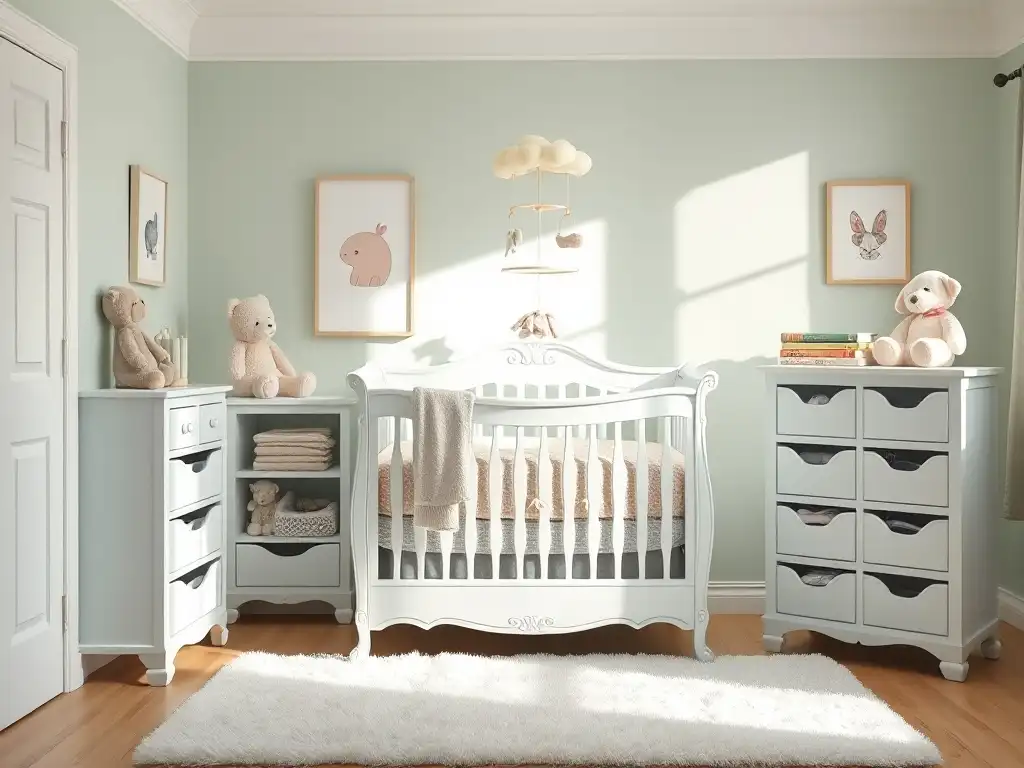
Welcome to BabyCareHub, your ultimate guide to navigating the incredible journey of parenthood! Are you overwhelmed by the sheer volume of baby gear? We understand. That's why we've created this comprehensive resource, packed with expert advice and practical tips. Discover clever baby room storage solutions to transform chaos into calm and create a peaceful haven for your little one. Learn how to conquer the clutter and reclaim your sanity – explore our expert guide now and unlock the secrets to a more organized and enjoyable parenting experience!
- Maximizing Space: Clever Baby Room Storage Solutions
- Smart Storage Solutions for Baby Essentials
- Choosing the Right Baby Storage Furniture
- Decluttering and Maintaining an Organized Baby Room
- DIY Baby Room Storage Solutions: Budget-Friendly Options
- Baby Room Organization: Safety First
-
Frequently Asked Questions
- What are the best storage solutions for a baby's room?
- How can I keep my baby's room clutter-free with limited space?
- What kind of storage is best for baby clothes?
- Are there any storage solutions to keep baby's toys organized?
- How can I make baby room storage both functional and aesthetically pleasing?
- Final Reflection: Nurturing Growth, One Organized Space at a Time
- Unclutter Your Baby's World: Simple Steps to a Peaceful Nursery
Maximizing Space: Clever Baby Room Storage Solutions
Becoming a parent is an incredibly joyful experience, but it also brings a wave of new responsibilities, one of which is managing the influx of baby items! From tiny clothes to diapers, toys, and countless other essentials, a baby's belongings can quickly overwhelm even the most spacious nursery. This article focuses on practical and stylish baby room storage solutions to help you create a clutter-free and organized environment for your little one, promoting a calm and peaceful atmosphere for both baby and parents.
We’ll explore various strategies to maximize space and keep everything easily accessible, ensuring that your baby's room remains a haven of tranquility amidst the joys (and challenges!) of parenthood.
We'll cover everything from utilizing vertical space to optimizing closet organization, transforming your baby's room from a potential storage nightmare into a functional and aesthetically pleasing space. This guide will equip you with the knowledge and inspiration to tackle the organizational challenges of parenthood head-on, leaving you with more time to focus on the precious moments with your new arrival.
Utilizing Vertical Space: Shelving and Wall-Mounted Units for Baby Gear
Vertical space is often underutilized in nurseries. By strategically incorporating shelving and wall-mounted units, you can significantly increase your storage capacity without sacrificing valuable floor space. Consider open shelving for easy access to frequently used items like diapers, wipes, and changing supplies. This allows for quick retrieval during those late-night diaper changes. For less frequently used items, closed cabinets or drawers offer a neat and organized solution.
Remember to choose shelving units made from non-toxic materials and sturdy enough to hold the weight of your baby's belongings. A great tip is to use baskets and bins within the shelves to further categorize items and maintain a tidy appearance. Think about using labeled containers for different types of items - one for toys, one for clothes, etc. This adds to the overall organization and makes it easier to find things.
Consider the height of the shelves carefully. Lower shelves should be easily accessible for you, while higher shelves can be used for items less frequently accessed. Wall-mounted units can also be a fantastic space-saver, especially in smaller rooms. They can be used to store books, decorative items, or even a changing station, freeing up valuable floor space. Remember safety! Secure all wall-mounted units firmly to prevent accidents. Using child-proof latches on cabinets is also a crucial safety measure as your baby grows.
The space under the crib or other furniture often remains untapped. This is a goldmine for storing out-of-season clothing, extra blankets, and toys. Utilizing under-bed storage containers can significantly increase your storage capacity without compromising the visual appeal of the room. Look for containers with lids to keep dust and moisture out, and choose lightweight yet durable options for easy access. Clear plastic containers are ideal, as they allow you to see the contents at a glance, eliminating the need for constant searching.
Remember to label these containers clearly to maintain organization. Rolling storage containers are another excellent option as they can be easily slid in and out from under the bed, making access effortless. Consider the weight of the items you'll be storing when selecting your containers. Choose sturdy options that can handle the load without collapsing.
Clever Closet Organization: Optimizing Baby Clothing Storage
A well-organized closet is essential for managing your baby's growing wardrobe. Start by purging any clothes that no longer fit or are damaged. Then, utilize vertical space by installing additional shelves or hanging organizers. Folding clothes vertically, rather than horizontally, maximizes space and makes it easier to see what you have.
Consider using drawer dividers to separate different types of clothing, such as socks, shirts, and pants. This keeps everything neat and prevents piles from becoming disorganized. Invest in slimline hangers to maximize hanging space, and consider using stackable drawers for smaller items like socks and underwear. Remember to regularly assess your baby’s wardrobe and donate or discard items that are no longer needed.
This will prevent the closet from becoming overcrowded and ensure that you always have easy access to the clothes you need. Using seasonal storage solutions can help to further streamline your closet organization. For example, you can store winter clothes in a separate container during the summer months and vice-versa.
Smart Storage Solutions for Baby Essentials
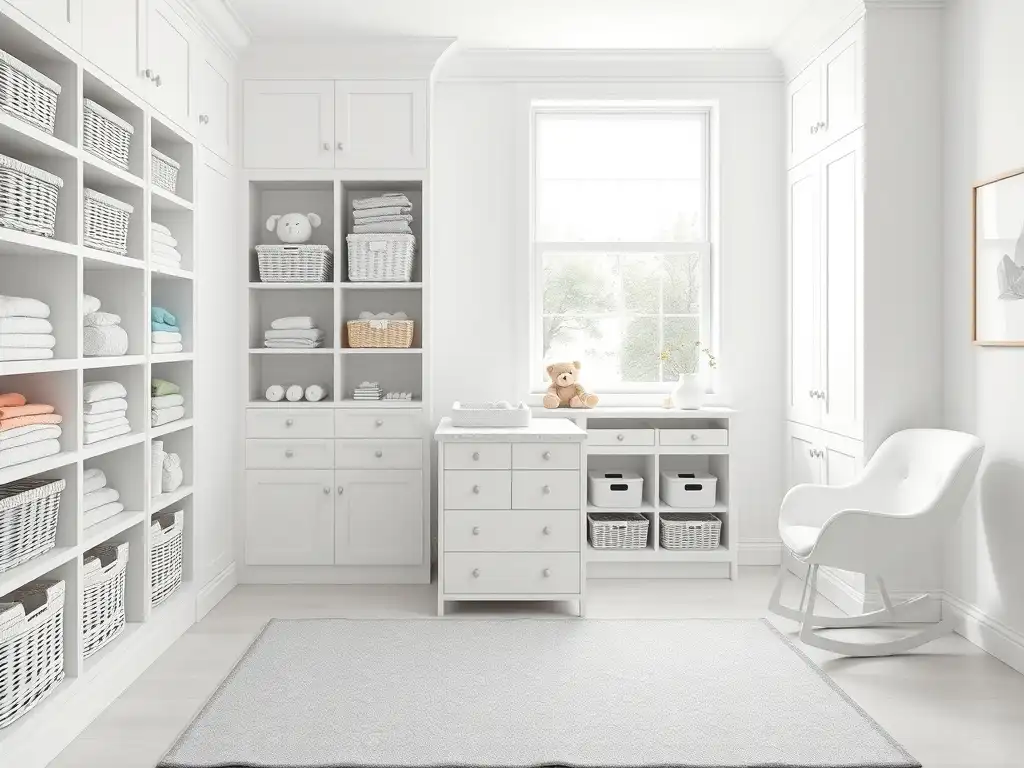
This section focuses on practical and efficient storage solutions to manage the influx of baby items that inevitably accumulate in a new parent's home. We'll explore various methods for organizing baby essentials, keeping your home clutter-free and your baby's needs readily accessible. Effective baby room storage solutions are crucial for maintaining a calm and organized environment, reducing parental stress, and ensuring a safe space for your little one.
Diaper Storage Solutions: Keeping Diapers Organized and Readily Accessible
Diapers – the unsung hero (or villain, depending on the moment!) of babyhood – require dedicated storage. Scattered diaper packs lead to chaos and wasted time. Here are some smart solutions:
- Diaper Caddies: These portable containers are perfect for bedside tables or changing stations. Look for caddies with multiple compartments to separate diapers of different sizes, wipes, diaper rash cream, and other changing essentials. Consider one with a handle for easy transport around the house.
- Drawers and Baskets: Utilize dresser drawers or stylish woven baskets to store bulk diaper supplies. Label each drawer or basket clearly (e.g., "newborn diapers," "size 1 diapers," "wipes"). This method allows for larger quantities and helps maintain a tidy look.
- Under-the-Changer Storage: If your changing table has shelves or drawers, maximize the space! Store extra diapers, wipes, and other supplies directly underneath to keep everything within reach.
- Repurposed Containers: Don't underestimate the power of repurposing! Clean and attractive storage containers – from decorative boxes to clear plastic bins – can be used to organize diapers effectively.
Consider this example: A family with twins might use a large, three-drawer dresser dedicated solely to diapers. One drawer for newborn, one for size 1, and a third for wipes, creams, and changing mats. This system allows for quick access and minimizes clutter. Remember, choosing a system that suits your home and lifestyle is key to long-term success! Efficient diaper storage is a critical component of effective baby room storage solutions.
Baby Food Storage Ideas: Efficiently Storing and Organizing Baby Food
Once your baby starts solids, the amount of baby food jars and pouches can quickly overwhelm your kitchen. Organization is paramount to prevent spoilage and ensure you always have the right food at the right time. Here's how:
- Freezer Organization: For homemade or pre-portioned purees, invest in freezer-safe containers or ice cube trays. Label each container with the date and contents for easy identification. Using smaller portions prevents waste if your baby doesn't finish a meal.
- Refrigerator Organization: If using pre-made pouches, store them upright in a dedicated section of the refrigerator to maximize space and visibility. Use a small shelf or container to keep them from getting lost in the back.
- Rotating Stock: Employ a FIFO (First In, First Out) system to ensure you use older food before it expires. Check expiration dates regularly and discard any outdated items. This is crucial for maintaining food safety and avoiding waste.
- Labeling System: A clear labeling system is essential for both refrigerator and freezer storage. Use a permanent marker to write the date, contents, and any relevant information (e.g., allergens). This will make mealtime preparation smoother and reduce food waste.
Think about this: A weekly meal plan for your baby, combined with a well-organized freezer, can drastically reduce the stress of meal preparation. Pre-portioning purees into ice cube trays or small containers also simplifies the process, saving you valuable time and energy. Effective baby food storage is a significant aspect of comprehensive baby room storage solutions.
Essential Baby Product Storage: Streamlining Crib Accessories and More
Beyond diapers and food, countless other baby essentials demand efficient storage. Here’s how to tackle the overflow:
- Crib Accessories: Sheets, blankets, and bumpers should be stored neatly in labeled drawers or baskets. Consider using vacuum-sealed bags to save space for seasonal items.
- Clothing Organization: Sort baby clothes by size and type (sleepers, onesies, etc.). Use drawer dividers or small bins to keep stacks organized and easily accessible.
- Toys and Playthings: Designate a specific area for toys, using bins, baskets, or shelves. Regularly rotate toys to keep your baby engaged and prevent sensory overload.
- Diaper Changing Station: Keep everything you need for diaper changes within easy reach. A dedicated shelf or caddy will streamline the process and minimize searching for essentials.
Let's consider a practical example: A rotating toy system, where toys are swapped out every few weeks, can keep your baby stimulated and prevent clutter. This also allows you to thoroughly clean and sanitize toys regularly. Proper organization of all baby products significantly contributes to overall baby room storage solutions. A well-organized space contributes to a calm and efficient environment for both parent and child.
Choosing the Right Baby Storage Furniture
Choosing the right baby storage furniture is crucial for maintaining a clutter-free and organized nursery. The sheer volume of baby items – clothes, diapers, toys, bedding – can quickly overwhelm a space. Careful selection of furniture that maximizes storage while complementing your nursery's aesthetic is key to creating a calm and functional environment.
This requires considering several factors, including space constraints, your budget, and your personal style. Successfully navigating these considerations will lead to a baby room that is both beautiful and practical. Remember, the goal is to find baby room storage solutions that streamline your daily routine and minimize stress.
Selecting the Perfect Changing Table with Storage
A changing table is a must-have for any nursery, but choosing one with integrated storage can significantly improve organization. Look for changing tables with drawers, shelves, or cabinets. Drawers are ideal for storing diapers, wipes, and changing supplies within easy reach. Shelves can accommodate lotions, creams, and other smaller items.
Cabinets offer more discreet storage for larger items like extra blankets or clothing. Consider the depth of the drawers and shelves – deeper is better for accommodating bulkier items. Moreover, think about the height of the changing surface; it should be comfortable for you to use without straining your back. The material of the changing table is also important.
Opt for durable materials that are easy to clean, such as solid wood or melamine. Some parents even appreciate changing tables with a padded top for extra comfort for their little one. A well-chosen changing table with storage becomes a central hub for baby care, helping you stay organized and efficient during diaper changes.
Baby Dressers: Choosing the Right Size and Style for Your Needs
Baby dressers are essential for storing a growing baby's wardrobe. To determine the right size, consider your baby's projected clothing needs for the first few years. A dresser with at least six drawers is a good starting point, allowing you to separate clothing by size and type. The style of the dresser should complement your nursery's décor.
Choose from a variety of materials, including wood, metal, and plastic. Wood offers a classic and timeless look, while metal and plastic options provide more modern and budget-friendly alternatives. Consider features like safety stops to prevent drawers from slamming shut, soft-close mechanisms for quieter operation, and smooth surfaces that are easy to clean. Remember to measure the space available in your nursery before purchasing to ensure a proper fit.
Don't forget to consider the height of the dresser in relation to other furniture and the overall flow of the room. Proper placement is vital for creating an efficient and aesthetically pleasing space. Selecting the right dresser is a significant step in creating effective baby room storage solutions.
Multi-Functional Furniture: Optimizing Space with Convertible Cribs and Storage Ottomans
Maximizing space in a nursery often requires creative use of multi-functional furniture. Convertible cribs, for instance, can transition into toddler beds or even full-size beds as your child grows, saving you money and space in the long run. Some convertible cribs even include built-in storage drawers or shelves, further enhancing their practicality. Storage ottomans are another excellent option.
They provide extra seating while offering hidden storage for blankets, toys, or seasonal clothing. Look for ottomans with ample storage space and a sturdy construction. Choose materials that are easy to clean and durable enough to withstand regular use.
The added benefit of these pieces is their adaptability to different stages of your child's development, making them a worthwhile investment for parents looking for long-term baby room storage solutions. Consider the overall style and functionality to ensure a seamless integration within your nursery's design. This approach not only saves space but also contributes to a more streamlined and organized nursery.
Decluttering and Maintaining an Organized Baby Room
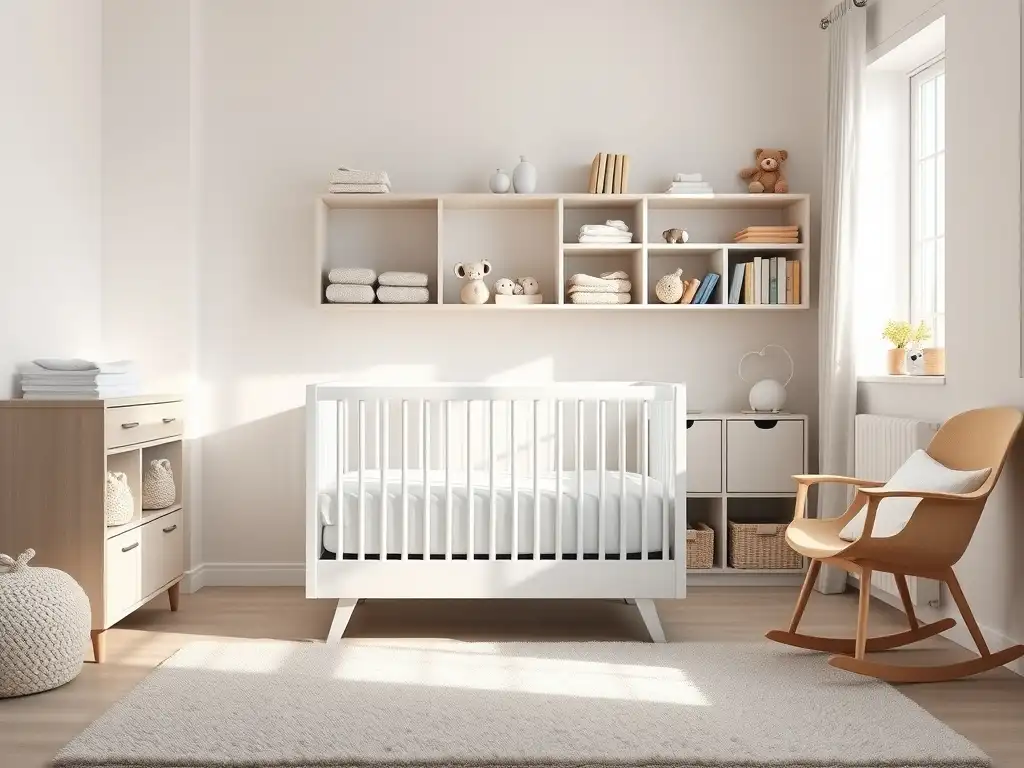
This section focuses on practical strategies for decluttering and maintaining an organized baby room, a crucial aspect of creating a safe and stimulating environment for your little one. Effective organization not only minimizes stress for parents but also contributes to a calmer and more enjoyable experience for the baby. We'll explore methods to efficiently manage the ever-growing accumulation of baby items, ensuring your baby's room remains a haven of tranquility and order. The key to successful baby room storage solutions lies in proactive strategies and consistent maintenance.
Regularly Purging Baby Clothes and Toys: A Step-by-Step Guide
Maintaining a clutter-free baby room requires regular purging. Babies grow quickly, outgrowing clothes and losing interest in toys at an astonishing rate. A proactive approach to decluttering minimizes the accumulation of unused items and maximizes space. Here's a step-by-step guide:
- Sort: Begin by separating baby clothes and toys into three piles: Keep, Donate, and Discard. The Keep pile should contain items currently in use or those you plan to use in the near future. The Donate pile includes items in good condition that your baby has outgrown. The Discard pile should contain worn-out, damaged, or stained items.
- Seasonal Storage: Consider storing out-of-season clothing in labeled containers or vacuum-sealed bags. This frees up valuable closet space and prevents items from getting lost or damaged. Think about using clear storage bins for easy identification.
- Toy Rotation: Rotate toys regularly to maintain your baby's interest. Store some toys away and bring them out after a few weeks. This creates a sense of novelty and prevents toy overload.
- The One-In, One-Out Rule: For every new item you bring into the baby’s room, consider removing an old one. This prevents the accumulation of unnecessary items and helps maintain a clutter-free environment.
- Donation/Disposal: Once you've sorted your items, promptly donate or discard the unwanted items. This prevents them from accumulating and cluttering your space further. Consider donating to local charities or shelters.
Remember, regular purging is key to successful baby room storage solutions. Aim for a decluttering session at least every three months, or more frequently if needed. This prevents overwhelming amounts of clutter and makes the process more manageable.
Creating a Baby Room Cleaning Schedule: Maintaining a Clutter-Free Environment
A consistent cleaning schedule is essential for maintaining a clean and organized baby room. A clean environment is crucial for your baby's health and well-being. Here's a sample cleaning schedule:
| Day | Task | Frequency |
|---|---|---|
| Daily | Wipe down surfaces (changing table, etc.) | Daily |
| Tidy up toys and clothes | Daily | |
| Weekly | Vacuum or sweep the floor | Weekly |
| Wash bedding | Weekly | |
| Clean the changing mat | Weekly | |
| Monthly | Deep clean the room (including walls) | Monthly |
| Wash curtains/blinds | Monthly | |
| Check and clean storage containers | Monthly |
This schedule is a guideline; adjust it to suit your needs and lifestyle. Remember that a clean and organized space contributes significantly to a peaceful and healthy environment for your baby. Effective cleaning is a vital component of baby room storage solutions.
Organizing Baby's Play Area: Promoting a Safe and Stimulating Environment
A well-organized play area is crucial for both safety and stimulation. Babies need a dedicated space to explore and play, but a cluttered play area can be hazardous. Here's how to create a safe and stimulating play area:
- Designated Play Area: Designate a specific area in the baby's room for playtime. This helps contain the toys and makes cleanup easier.
- Age-Appropriate Toys: Ensure that all toys are age-appropriate and safe for your baby. Remove any toys that are broken or pose a choking hazard.
- Storage Solutions: Use storage containers, bins, or shelves to keep toys organized. Label containers clearly to make it easy to find specific toys. Consider using low, open shelves that your baby can access independently.
- Floor Covering: Use a soft, cushioned floor covering to protect your baby from falls. This is a particularly important aspect of baby room storage solutions for safety.
- Regular Clean-up: Establish a routine for cleaning up toys after playtime. This prevents clutter from accumulating and makes the play area safer. Involving your baby in the clean-up process, as they get older, can teach them valuable organizational skills.
By implementing these strategies, you can create a safe, stimulating, and organized play area for your baby, contributing to a positive and enriching play experience. Remember, a safe and organized play area is a key element of effective baby room storage solutions.
DIY Baby Room Storage Solutions: Budget-Friendly Options
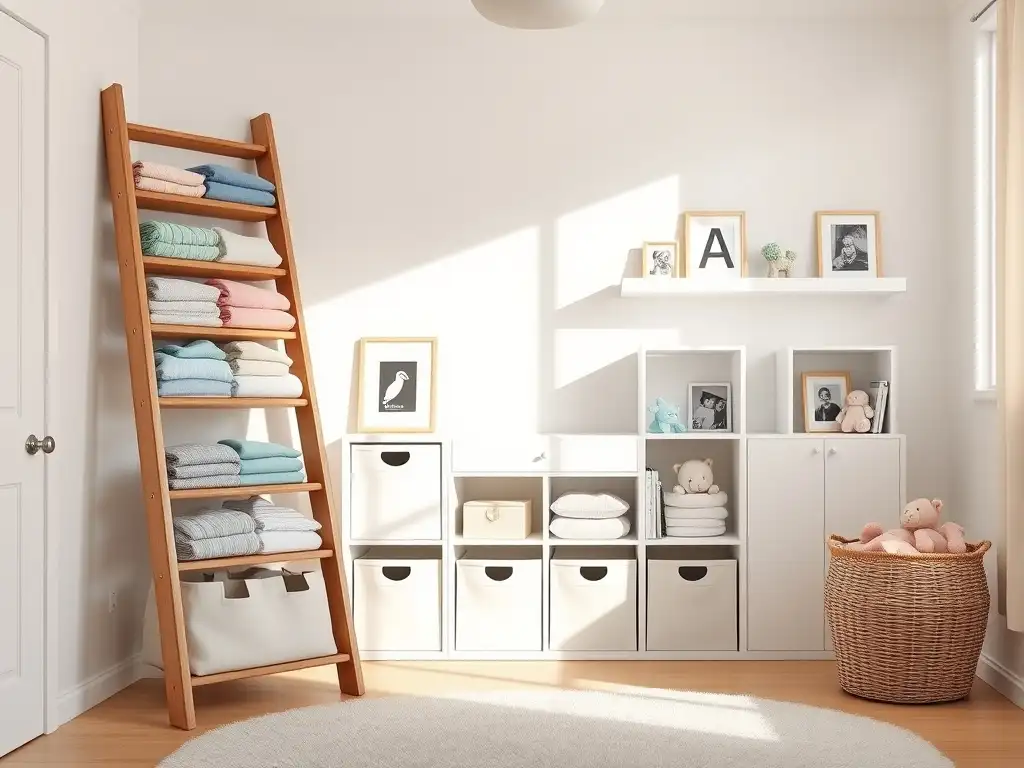
Creating a clutter-free and organized baby room doesn't require breaking the bank. Many effective baby room storage solutions can be achieved through DIY projects, repurposing existing items, and upcycling materials you already have. This section explores budget-friendly options that are both practical and aesthetically pleasing, helping you maximize space and minimize expenses. Remember, clever storage solutions are key to managing the influx of baby gear that comes with parenthood. Effective baby room storage solutions are essential for a calm and functional nursery.
Repurposing Household Items: Creative Storage Ideas for Baby Gear
Transforming everyday household items into clever storage solutions is a fantastic way to save money and add a unique touch to your baby's room. Instead of buying expensive storage containers, consider these ideas:
- Empty Cereal Containers: Clean and decorate empty cereal containers to store smaller items like pacifiers, teething rings, and small toys. A coat of paint, some decorative paper, or even washi tape can completely transform them. Label them clearly for easy access. This is a great way to practice your creativity while saving money on storage!
- Shoe Organizers: Over-the-door shoe organizers are surprisingly versatile. They can be used to store diapers, wipes, baby clothes, or even burp cloths. Their multiple pockets provide excellent organization and accessibility. Hang one on the inside of a closet door or even on the back of a nursery door for maximum space utilization.
- Wine Crates: Upcycled wine crates are a rustic and charming way to store books, blankets, or toys. You can leave them as is for a natural look or paint them to match your nursery's décor. This adds a unique and visually appealing storage element to the room. Consider staining them for a more polished finish.
- Mason Jars: Use mason jars to store cotton balls, Q-tips, or other small items. They are airtight and easy to label, making them perfect for keeping things organized and fresh. Add ribbons or labels for an extra personal touch.
Simple DIY Storage Projects: Affordable and Easy-to-Make Solutions
Even with limited crafting skills, you can create simple yet effective storage solutions for your baby's room. These projects require minimal tools and materials, making them perfect for busy parents.
- Fabric Bins: Sewing simple fabric bins from inexpensive fabric scraps is a great way to store toys, clothes, or blankets. Choose bright, cheerful fabrics to add a pop of color to the room. No sewing machine? No problem! No-sew fabric bins can be made using fabric glue or iron-on adhesive.
- Floating Shelves: Construct floating shelves from readily available lumber. A simple design adds extra storage space without cluttering the floor. Paint them to match your nursery's color scheme for a cohesive look. These are perfect for displaying books, stuffed animals, or decorative items.
- DIY Bookcase: Building a simple bookcase from inexpensive materials like plywood or reclaimed wood is another option, although it requires slightly more skill than the previous projects. This offers a significant amount of storage space and adds a personalized touch to the room.
Upcycling for Baby Room Storage: Environmentally Friendly and Cost-Effective
Upcycling is not only budget-friendly but also contributes to a more sustainable lifestyle. Giving old items a new purpose is both practical and environmentally conscious.
- Repurposed Dressers: An old dresser can be sanded, repainted, and transformed into a beautiful and functional storage solution for baby clothes and other items. Adding new knobs or pulls can personalize the piece further.
- Suitcases: Vintage suitcases can be used as unique storage containers for toys or blankets. They add a touch of character and charm to the nursery. Line them with fabric for a softer touch.
- Milk Crates: Milk crates, readily available at some grocery stores or online marketplaces, can be stacked to create a sturdy and visually interesting storage unit. Paint them in bright colors to match your nursery's theme. They're surprisingly strong and perfect for storing heavier items.
Remember, the key to successful baby room storage solutions is finding a system that works for you and your family. By implementing these DIY and upcycling strategies, you can create a functional and organized nursery without exceeding your budget. The right storage solution will contribute to a more peaceful and enjoyable experience for both you and your baby.
Baby Room Organization: Safety First
Creating a clutter-free and organized baby room is crucial for a peaceful home environment, but prioritizing safety is paramount. Efficient baby room storage solutions shouldn't compromise your little one's well-being. This section focuses on implementing safe storage practices to ensure a secure and happy space for your baby. Remember, even the most stylish storage can be dangerous if not implemented correctly. Let's explore some key safety aspects of baby room storage.
Safe Storage Solutions for Hazardous Materials
Keeping cleaning supplies, medications, and other potentially harmful substances out of your baby's reach is non-negotiable. This isn't just about tidiness; it's about preventing accidents. High shelves are a good start, but even those aren't foolproof for a determined toddler. Consider these additional safety measures:
- Locked Cabinets: Invest in childproof cabinet locks for all cabinets containing hazardous materials. These are inexpensive and readily available. Choose locks that are difficult for little fingers to manipulate.
- Designated Storage Area: Designate a specific area, ideally out of your baby's reach and preferably locked, for storing cleaning supplies, medications, and other potentially dangerous items. This creates a clear system and minimizes the risk of accidental exposure.
- Out of Sight, Out of Mind: Don't just hide things; actively work to keep these items out of your baby's visual field. Babies are naturally curious, and seeing something tempting can lead to unwanted exploration.
- Regular Checks: Regularly check your storage solutions to ensure locks are functioning correctly and that nothing has been moved or accessed. This proactive approach is essential for maintaining a safe environment. A monthly check is a good starting point.
Remember, prevention is key when it comes to baby safety. A few extra minutes spent securing hazardous materials can save you a lot of worry and potential heartache. 👶
Securing Furniture to Prevent Tip-Overs: Baby Safety Measures
Tip-over accidents are a serious concern for babies and toddlers. Dressers, bookshelves, and even TVs can topple, causing significant injury. Here's how to secure your furniture and minimize this risk, focusing on effective baby room storage solutions:
- Wall Anchors: Use wall anchors to secure tall furniture pieces to the wall. This simple step can dramatically reduce the risk of tip-overs. Consult your furniture's instructions for specific anchoring recommendations.
- Low Furniture: Opt for lower furniture pieces whenever possible. Lower furniture is inherently less prone to tipping and offers easier access for your baby as they grow.
- Weight Distribution: Distribute the weight evenly within drawers and shelves. Overloading one side can make furniture unstable.
- Avoid Overcrowding: Avoid overcrowding shelves or drawers. This can shift the center of gravity, increasing the risk of tipping.
- Regular Inspections: Regularly inspect furniture for any signs of instability or damage. Address any issues promptly to prevent accidents.
The peace of mind knowing your furniture is secure is invaluable. Investing in wall anchors is a small price to pay for the safety of your child.
Choosing Non-Toxic and Baby-Safe Storage Containers
When selecting storage containers for your baby's room, prioritize non-toxic and baby-safe materials. Avoid plastics containing BPA or phthalates, which are known endocrine disruptors. Consider these options:
- Natural Materials: Opt for storage containers made from natural materials like bamboo, wood, or organic cotton. These are generally safer and more environmentally friendly.
- Glass Containers: Glass containers are a durable and non-toxic option. However, ensure they are stored safely to prevent breakage.
- BPA-Free Plastics: If you choose plastic containers, select only those clearly labeled as BPA-free and phthalate-free. Look for certifications from reputable organizations.
- Proper Labeling: Clearly label all storage containers with their contents. This helps maintain organization and makes it easier to quickly find items.
Creating a safe and organized baby room involves careful planning and attention to detail. By implementing these safety measures and selecting appropriate baby room storage solutions, you can create a nurturing and secure environment for your little one to thrive. Remember, a safe space is a happy space! 🎉
Frequently Asked Questions
What are the best storage solutions for a baby's room?
Many options exist! Consider shelving units, drawers, storage ottomans, and under-bed storage to maximize space and keep things organized. Choose solutions that fit your room's style and your baby's needs.
How can I keep my baby's room clutter-free with limited space?
Vertical storage is your friend! Use wall shelves, tall bookcases, and even hanging organizers to take advantage of unused vertical space. Multi-functional furniture, like a changing table with built-in storage, can also help.
What kind of storage is best for baby clothes?
Drawers and wardrobes are ideal for storing folded clothes. Use dividers to separate items by size or type. For smaller items like socks and mittens, consider using small baskets or containers.
Are there any storage solutions to keep baby's toys organized?
Absolutely! Toy bins, storage baskets, and toy chests are great options. Consider clear containers to easily see what's inside. Label containers for easier clean-up and playtime organization.
How can I make baby room storage both functional and aesthetically pleasing?
Choose stylish storage solutions that complement your room's decor. Use baskets and containers in coordinating colors and patterns. Consider labeling containers with cute labels for a personalized touch.
Final Reflection: Nurturing Growth, One Organized Space at a Time
The relentless influx of baby gear can quickly overwhelm even the most organized home, but creating a clutter-free environment isn't just about aesthetics; it's about fostering a calm and nurturing space for your little one's development. The strategies discussed – from clever storage solutions to mindful decluttering – are more than just organizational tips; they're essential tools for navigating the beautiful chaos of parenthood.
The impact of a well-organized baby's room extends far beyond the visual. A calm and predictable environment contributes significantly to a baby's sense of security and well-being, allowing them to thrive and explore their world without the added stress of a chaotic space. A place for everything, and everything in its place,
a simple adage, holds profound truth when applied to the delicate world of a growing child. The peace it brings ripples outwards, affecting not only the baby but the entire family dynamic.
Now, consider your own space. What small changes can you implement today to create a more peaceful and organized environment for your child? Perhaps it's dedicating fifteen minutes to sorting through a drawer, or investing in a single, well-designed storage unit. Remember, the journey towards a clutter-free home is a marathon, not a sprint. Embrace the process, celebrate small victories, and enjoy the profound benefits of a space designed to nurture growth, both for your child and for yourself.
Unclutter Your Baby's World: Simple Steps to a Peaceful Nursery
Thanks for exploring smart storage solutions for your little one's room! We hope you found practical ideas to create a calmer, more organized environment. Ready to transform your baby's space?
- Declutter in one go: Dedicate a few hours this weekend to tackling the most cluttered areas. You'll be amazed at the difference!
- Share your tips: Inspire other parents by sharing your organizational strategies on our BabyCareHub forum – let's build a supportive community!
- Donate or upcycle: Give unwanted items a new home, freeing up space and reducing waste.
What's your biggest organizational challenge in your baby's room, and how do you plan to overcome it?