
New Baby, New Dynamics: How to Navigate Sibling Relationships


Welcome to BabyCareHub, your ultimate guide to navigating the incredible journey of parenthood! Are you preparing for the arrival of a new little one and wondering how to ensure a smooth transition for your existing child? Discover practical and effective New baby sibling adjustment tips within our "Family & Baby Life" section – we'll help you foster a loving and supportive environment for your growing family. Learn how to create a harmonious sibling bond and prepare for the exciting changes ahead. Let's embark on this adventure together!
- Preparing Your Older Child for the New Baby: Essential Steps for a Smooth Transition
- Introducing the Baby: Creating Positive First Interactions
- Maintaining a Strong Bond with Your Older Child: Prioritizing Individual Attention
- Navigating the Challenges of Sibling Rivalry: Practical Tips and Strategies
- Seeking Support: Resources and Professional Help for Sibling Dynamics
- Long-Term Sibling Relationships: Fostering Love and Understanding
-
Frequently Asked Questions
- How can I prepare my older child for the arrival of a new sibling?
- What are some common challenges siblings face after a new baby arrives?
- How can I help my children bond with each other after the baby's arrival?
- My older child is acting out since the baby arrived. What should I do?
- What are some ways to ensure fair treatment between my children?
- Final Reflection: Reweaving the Family Tapestry
- Unleash the Power of Sibling Bonds!
Preparing Your Older Child for the New Baby: Essential Steps for a Smooth Transition
Welcoming a new baby into your family is an incredibly joyous occasion, but it can also be a time of significant adjustment, particularly for your older child. The arrival of a sibling can dramatically alter the family dynamic, potentially leading to feelings of jealousy, resentment, or even confusion. This article provides practical, evidence-based strategies to help your older child navigate this transition smoothly, fostering a loving and supportive sibling relationship from the start.
We'll explore how to prepare your older child for the new arrival, manage their expectations, and create a positive environment where both siblings can thrive. Understanding and addressing the potential challenges proactively will pave the way for a harmonious family life enriched by the bond between siblings. This guide focuses on providing actionable "new baby sibling adjustment tips" to help you successfully navigate this exciting yet potentially challenging period.
Announcing the Arrival: Age-Appropriate Explanations for Your Older Child
Announcing the arrival of a new sibling requires sensitivity and careful consideration of your older child's age and developmental stage. Simply stating "We're having a baby!" might not be sufficient. Instead, tailor your explanation to their understanding.
For younger children (preschool age), use simple terms and visual aids like baby books or pictures. Explain the baby's arrival in terms they can grasp, focusing on the positive aspects – a new playmate, someone to love, etc. For older children (school age and beyond), you can provide more detailed information, explaining the pregnancy process in an age-appropriate way, addressing their questions honestly and openly. Remember to involve them in the process of preparing for the baby's arrival, making them feel included and valued.
This approach can significantly reduce anxiety and foster excitement about the new addition to the family. Consider using a special "big sibling" book to help them understand their new role. 👶
Involving Your Older Child in the Preparation Process: Creating Excitement and Ownership
Actively involving your older child in the preparations for the new baby's arrival is crucial for fostering a sense of ownership and reducing potential feelings of displacement. This doesn't mean giving them complete control, but rather offering age-appropriate tasks and decisions. They could help choose baby items, decorate the nursery (within reason! ), or read books about babies.
Allowing them to participate in choosing the baby's name or picking out a special gift for the new sibling can create a sense of anticipation and excitement rather than resentment. Remember to praise their efforts and contributions, reinforcing their role as a helpful and important member of the family. Consider creating a special "big sibling" box filled with gifts and activities just for them, to be opened after the baby arrives. 🎁
Managing Expectations: Addressing Potential Feelings of Jealousy and Resentment
It's crucial to acknowledge that feelings of jealousy and resentment are common reactions in older siblings. The arrival of a new baby often means a significant shift in attention and routine. Parents may be more preoccupied with the baby's needs, leading to the older child feeling neglected or overlooked. Proactively address these potential feelings by setting aside dedicated one-on-one time with your older child, even if it's just for a few minutes each day. Maintain existing routines as much as possible, offering reassurance and consistency. It's important to validate their feelings, letting them know it's okay to feel jealous or angry. Emphasize that you love them both equally and that the baby's arrival doesn't diminish their importance in the family. Explain that the baby needs extra care, but their needs are equally important. Consider creating a special "sibling time" activity that you can do together regularly, strengthening their bond. ❤️
Introducing the Baby: Creating Positive First Interactions
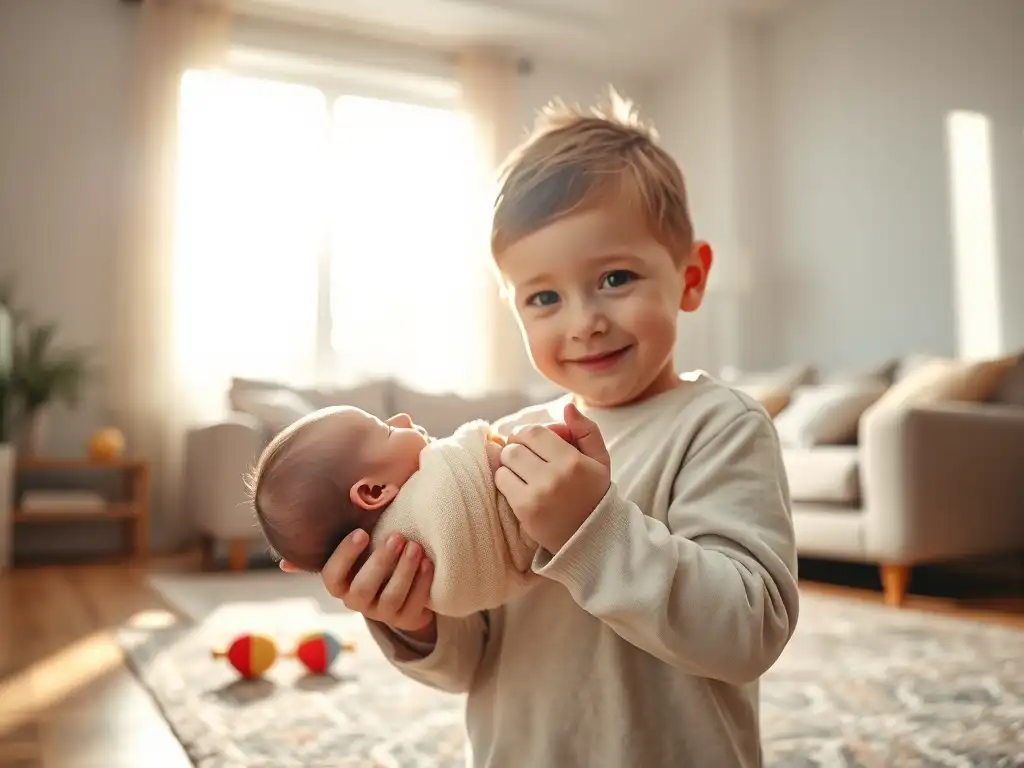
This section focuses on strategies for facilitating a positive and loving relationship between your newborn and older sibling(s) from the very beginning. Successfully navigating this transition requires careful planning and a proactive approach to minimize potential jealousy and resentment. Remember, the goal is to create a welcoming environment where the older child feels valued and included, not replaced. This is crucial for successful "new baby sibling adjustment," fostering a strong bond between siblings from the outset.
The First Meeting: A Calm and Controlled Environment for Siblings
The first meeting between your newborn and older sibling(s) should be carefully orchestrated to ensure a positive experience for everyone. Avoid overwhelming situations. A quiet, familiar room, free from distractions, is ideal. Keep the initial interaction short—perhaps 10-15 minutes—to prevent sensory overload for both the baby and the older child.
Before the introduction, prepare your older child. Explain that they will be meeting their new baby brother or sister, emphasizing the baby's vulnerability and need for gentle care. Read a book about becoming a big sibling, or use a doll to practice holding and caring for a baby. This helps manage expectations and reduces anxiety.
During the meeting, encourage gentle interaction. Let the older sibling touch the baby's hand or foot, under your close supervision, of course. Praise positive behaviors and reassure them that they are still loved and important. Avoid forcing interaction if the older child seems hesitant or uncomfortable. Remember, patience and positive reinforcement are key to a smooth transition. The aim is to create positive associations with the baby, avoiding any feelings of displacement.
Supervised Playtime: Gradual Introduction of Interactions
Once the initial meeting has gone well, gradually increase the amount of supervised time the siblings spend together. Start with short, structured play sessions, focusing on activities that both children can enjoy. Simple activities such as reading books together, singing songs, or looking at picture books can be excellent starting points.
It's crucial to maintain close supervision during these interactions. The older child may not yet understand how to handle a newborn safely, and the baby is incredibly vulnerable. Intervene immediately if any rough play or aggressive behavior occurs, redirecting the older child’s attention to gentler activities. Remember, consistent supervision is paramount for ensuring the safety of your newborn and fostering positive sibling interactions. This measured approach is vital for successful new baby sibling adjustment.
Consider incorporating age-appropriate toys and activities that both siblings can share. This promotes bonding and reduces feelings of competition. For example, a simple toy like blocks can be enjoyed by both a toddler and a newborn (with appropriate supervision, of course). Remember, the goal is to create positive memories and associations between the siblings.
Addressing Potential Sibling Rivalry: Early Intervention and Conflict Resolution
Sibling rivalry is a common occurrence, but early intervention can help minimize conflicts and build a stronger sibling bond. Be vigilant for signs of jealousy or resentment, such as increased clinginess, regression in behavior (e.g., bed-wetting, thumb-sucking), or aggressive behavior towards the baby.
Address these issues proactively. Spend dedicated one-on-one time with your older child, engaging in activities they enjoy. Reinforce their importance and value, reminding them that the new baby doesn't replace their place in the family. Create special rituals or traditions just for the older sibling, maintaining a sense of individuality and importance. This dedicated attention helps mitigate feelings of displacement and contributes to smoother "new baby sibling adjustment."
When conflicts arise, address them calmly and fairly. Help siblings understand each other's perspectives and find solutions together. Teach them conflict-resolution skills, such as sharing, taking turns, and expressing feelings appropriately. Consistency and fairness are key to establishing a positive family dynamic where both children feel loved and valued. This approach is critical for successful new baby sibling adjustment and the development of a healthy sibling relationship. Remember, early intervention is key to preventing escalation and fostering a positive sibling dynamic.
Maintaining a Strong Bond with Your Older Child: Prioritizing Individual Attention
The arrival of a new baby inevitably shifts the family dynamic. While welcoming the newborn is joyous, it's crucial to proactively nurture the relationship with your older child to prevent feelings of displacement or jealousy. Successfully navigating this transition hinges on maintaining a strong, individual bond with your older child before and after the baby arrives.
This requires conscious effort and a commitment to prioritizing individual attention, even amidst the demands of a newborn. Remember, your older child needs reassurance that their place in the family remains secure and cherished. This isn't about favoring one child over the other, but rather about acknowledging each child's unique needs and emotional landscape.
The goal is to foster a positive sibling relationship built on mutual respect and understanding. Ignoring this aspect can lead to long-term sibling rivalry and resentment, making it essential to take proactive steps toward maintaining a strong bond with your older child. This section will explore practical strategies to achieve this.
Dedicated One-on-One Time: Maintaining Individual Connections
Before the baby arrives, schedule dedicated one-on-one time with your older child. This might involve a special outing, a favorite activity, or simply uninterrupted playtime. The key is to make them feel seen and heard, focusing entirely on them without the distractions of household chores or other siblings. For example, you could plan a weekly "date" – just the two of you – going to the park, reading together, or engaging in a hobby they enjoy.
This dedicated time reinforces their importance and helps them feel secure. After the baby arrives, continue this practice, even if it means adjusting the timing or duration. Even 15-20 minutes of focused attention can make a significant difference. Consider creating a visual schedule that includes this special time, helping them anticipate and look forward to it.
This creates a sense of routine and predictability, which is particularly beneficial during periods of significant change, like the arrival of a new sibling. Remember to truly be present during this time; put away your phone and give your child your undivided attention. Quality time, not quantity, is the key to fostering a strong connection. This dedicated one-on-one time is a vital component of successful new baby sibling adjustment tips.
Special Activities and Rituals: Strengthening the Sibling Bond
Establishing special activities and rituals exclusively for your older child can further strengthen your bond and mitigate potential feelings of jealousy. These could be simple things like reading a specific bedtime story, having a special snack together, or engaging in a favorite game. These rituals create a sense of continuity and normalcy, providing comfort and reassurance during a period of significant change. Think about activities that were already special to your older child and continue them.
For example, if they loved baking cookies before the baby, maintain that tradition, even if it means adjusting the timing to accommodate the new schedule. Consistency is key. Additionally, create new rituals specifically designed to include your older child in caring for the baby (age-appropriate tasks, of course).
This can foster a sense of responsibility and involvement, helping them feel like a part of the process rather than an outsider. This approach helps instill feelings of importance and inclusion, essential elements in new baby sibling adjustment tips. Examples include helping to choose the baby's outfit or singing a lullaby together.
Celebrating Individual Achievements: Acknowledging and Supporting Each Child
It's crucial to acknowledge and celebrate your older child's achievements, both big and small, to reinforce their self-worth and individuality. This might involve praising their efforts in school, celebrating their artistic creations, or simply acknowledging their kindness towards others. Make sure your praise is specific and genuine, highlighting their individual strengths and accomplishments.
Don't just focus on the baby's milestones; actively seek out opportunities to celebrate your older child's progress and growth. This demonstrates that you value and appreciate them as an individual, separate from their role as a sibling. Maintaining a balance between celebrating both children’s achievements fosters a sense of fairness and reduces the likelihood of sibling rivalry.
This is a critical element in providing effective new baby sibling adjustment tips. A simple, heartfelt “I’m so proud of you” can go a long way in building their self-esteem and strengthening your bond. This consistent affirmation of their worth is vital to navigating the new family dynamic successfully.
The arrival of a new baby dramatically alters family dynamics, often triggering sibling rivalry. This isn't necessarily a negative; it's a natural response to a significant change in the family unit and the perceived shift in parental attention. Successfully navigating this transition requires proactive strategies focused on fairness, communication, and conflict resolution. Remember, your goal is to foster a loving and supportive sibling relationship, even amidst the inevitable adjustments.
The key is to approach the situation with empathy, understanding, and a healthy dose of patience. This section will offer practical strategies to help you manage sibling rivalry and build a stronger bond between your children. Effectively managing these challenges will contribute to a harmonious family environment and ensure that your older child feels loved and secure.
Fairness and Consistency: Establishing Clear Expectations and Rules
One of the most effective ways to mitigate sibling rivalry is to establish clear, consistent expectations and rules for all children. This doesn't mean treating them identically; recognizing individual needs and personalities is crucial. However, it does mean applying the same principles of discipline and reward across the board. Inconsistency breeds resentment, fueling the flames of competition.
For example, if your older child is used to a specific bedtime routine, try to maintain as much of it as possible despite the new baby's arrival. While some adjustments are inevitable, maintaining familiar routines provides a sense of stability and security. Similarly, if screen time is limited for your older child, don't suddenly relax those rules because of the new baby. This will only create further resentment and feelings of unfairness.
Consider creating a visual chart outlining daily routines and household rules. This can be especially helpful for younger siblings who may not fully grasp verbal instructions. The chart can include specific times for meals, playtime, and quiet time, making expectations clear and transparent for all. Visual aids can significantly reduce misunderstandings and minimize conflict.
Remember, consistency is key. Children thrive on predictability; it provides a sense of security and control in their lives. Sticking to established routines and rules, even when facing challenges, helps maintain order and minimizes the chances of sibling disputes escalating.
Effective Communication: Active Listening and Empathy
Open and honest communication is paramount in managing sibling relationships during this period of transition. It's not enough to simply tell your children to "be nice" or "share." You need to actively listen to their concerns and feelings, validating their emotions even when their behavior isn't ideal. Empathy is crucial here. Try to see the situation from your older child's perspective. They're experiencing a major shift in their world, and their feelings of jealousy or resentment are perfectly understandable.
Active listening involves more than just hearing; it means truly understanding what your child is saying, both verbally and nonverbally. Maintain eye contact, offer verbal affirmations ("I understand you're feeling frustrated"), and ask clarifying questions. This shows your child that you value their feelings and are taking their concerns seriously. This is especially crucial when discussing the new baby and how the family's dynamics have shifted.
For example, if your older child complains about not getting enough attention, resist the urge to dismiss their feelings. Instead, try saying something like, "I know it can be tough when a new baby arrives, and I understand you miss having my undivided attention. Let's find some special time just for you today." This acknowledges their feelings and offers a solution, fostering a sense of connection and understanding.
Conflict Resolution Techniques: Teaching Siblings to Resolve Disputes Peacefully
Inevitably, conflicts will arise between siblings. The key is not to prevent conflict altogether, but to teach your children effective conflict resolution techniques. This involves empowering them to address their disagreements peacefully and respectfully. Instead of always stepping in to mediate, guide them towards finding solutions on their own.
One effective technique is to teach them to use "I" statements. Instead of blaming the other sibling ("You always take my toys! "), encourage them to express their feelings without placing blame ("I feel upset when my toys are used without asking"). This encourages empathy and promotes a more constructive conversation.
You can also teach them problem-solving skills by guiding them through a structured process. Ask them to identify the problem, brainstorm possible solutions together, and evaluate the potential consequences of each solution. This collaborative approach teaches them to work together and find mutually acceptable outcomes. Remember to praise their efforts to resolve conflicts peacefully and constructively, reinforcing positive behaviors.
Consider role-playing different conflict scenarios to help them practice these skills. This provides a safe space for them to experiment with various approaches and learn from their mistakes. Remember, teaching conflict resolution is an ongoing process that requires patience and consistent reinforcement. But the payoff – a harmonious sibling relationship – is well worth the effort.
Seeking Support: Resources and Professional Help for Sibling Dynamics
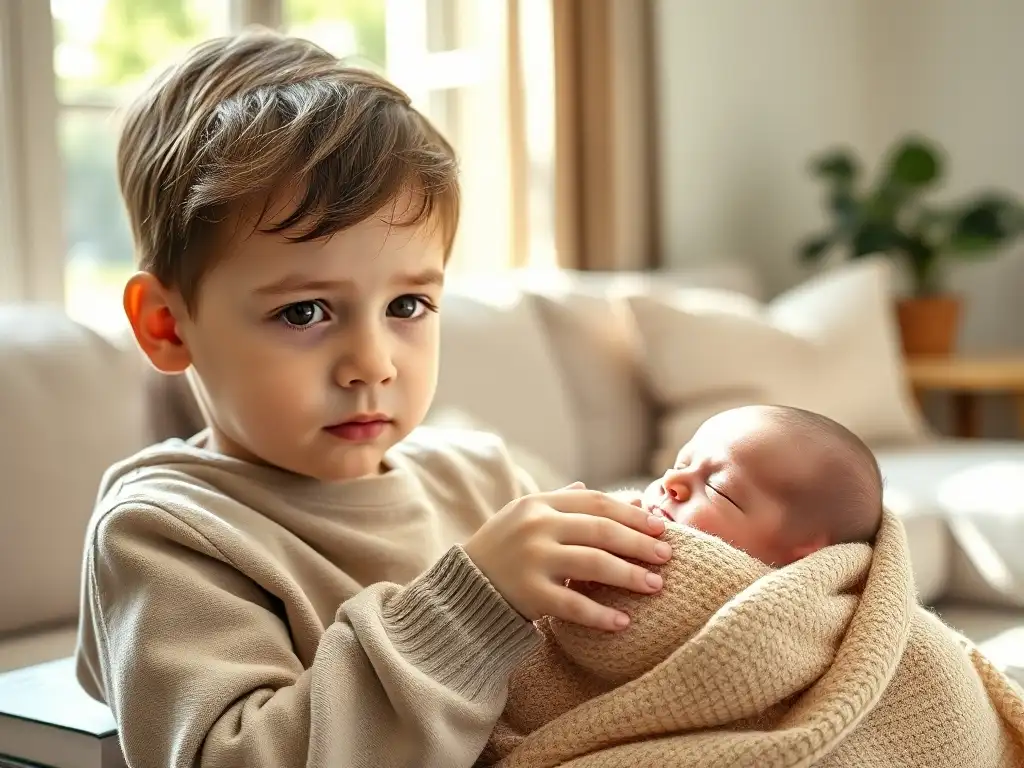
Navigating the complexities of sibling relationships, especially after the arrival of a new baby, can be challenging. Many parents find themselves needing additional support beyond the wealth of information available online. Understanding where to find that support, and knowing when professional help is necessary, is crucial for fostering a positive and loving environment for all children.
This section provides guidance on accessing resources and professional support to help your family thrive during this significant life transition. Remember, seeking help is a sign of strength, not weakness, and prioritizing your family's well-being is paramount. Effective strategies for new baby sibling adjustment often involve a multi-pronged approach, incorporating both practical tips and emotional support.
Support Groups and Online Communities: Connecting with Other Families
The experience of welcoming a new baby and managing sibling dynamics is often shared by many families. Connecting with others who understand the unique challenges and joys of this transition can provide invaluable support and perspective. Numerous online communities and support groups cater specifically to parents facing these issues.
These platforms offer a safe space to share experiences, ask questions, and receive advice from other parents who have successfully navigated similar situations. The sense of community and shared understanding can be incredibly helpful in reducing feelings of isolation and overwhelm. Many groups offer practical tips for managing sibling rivalry, strategies for involving older siblings in baby care, and coping mechanisms for dealing with the emotional rollercoaster of parenthood.
Participating in these groups can also provide a sense of normalcy, reminding parents that they are not alone in their struggles. Finding a supportive community can significantly ease the transition and contribute to a more harmonious family dynamic. Look for groups focused on sibling adjustment and new baby sibling adjustment tips to find the most relevant advice.
Family Therapy: Professional Guidance for Challenging Situations
While support groups offer peer-to-peer support, sometimes families require more structured guidance from professionals. Family therapy can be extremely beneficial when sibling rivalry becomes intense, or when behavioral changes in older children are significantly impacting family life. A therapist specializing in family dynamics can provide tools and techniques to improve communication, resolve conflicts, and foster a more positive relationship between siblings.
They can help identify the root causes of conflict, such as feelings of jealousy, insecurity, or resentment, and guide the family in developing effective coping strategies. Family therapy sessions offer a safe and confidential space for open communication, allowing each family member to express their feelings and concerns without judgment. The therapist acts as a neutral facilitator, helping the family to understand each other's perspectives and work towards a resolution.
This professional guidance can be particularly valuable during periods of significant transition, such as the arrival of a new baby, when family dynamics are naturally disrupted. Remember, seeking professional help doesn't mean there's something "wrong" with your family; it simply means you're proactively seeking tools and strategies to build a stronger, healthier family unit. They can offer expert new baby sibling adjustment tips tailored to your family's specific needs.
Professional Advice: Seeking Help When Needed
Knowing when to seek professional help is crucial. While many challenges can be addressed through self-help strategies and support groups, certain situations warrant professional intervention. Signs that professional help may be beneficial include:
- Persistent and intense sibling rivalry leading to physical aggression or significant emotional distress.
- Significant changes in an older child's behavior, such as regression, withdrawal, or significant changes in sleep or appetite.
- Difficulty managing sibling conflicts independently despite trying various strategies.
- Feeling overwhelmed and unable to cope with the challenges of managing sibling dynamics and a new baby.
Several professionals can offer assistance, including family therapists, child psychologists, and pediatricians. A pediatrician can offer advice on developmental milestones and address any concerns about a child's physical or emotional well-being. A child psychologist or family therapist can provide more in-depth support for managing behavioral issues and improving family dynamics. Don't hesitate to reach out for professional guidance when you need it.
Early intervention can often prevent small problems from escalating into larger, more challenging issues. Remember, prioritizing your family's well-being is a key component of effective parenting, and seeking professional support is a sign of strength and commitment to building a healthy and happy family. They can offer specific and personalized new baby sibling adjustment tips.
Long-Term Sibling Relationships: Fostering Love and Understanding
The arrival of a new baby significantly alters family dynamics. While the initial focus is naturally on the newborn, cultivating a strong and loving relationship between siblings is crucial for their long-term well-being. This isn't just about preventing squabbles; it's about building a foundation of mutual respect, empathy, and support that will last a lifetime. A positive sibling bond can provide invaluable emotional support, companionship, and a sense of belonging throughout childhood and beyond.
Investing time and effort in fostering this connection now will yield significant rewards in the years to come. Ignoring potential sibling rivalry can lead to lasting resentment and strained relationships. Therefore, proactive strategies are essential for navigating this transition successfully.
Building a Supportive Sibling Relationship: Encouraging Kindness and Cooperation
One effective approach to nurturing positive sibling relationships involves actively encouraging acts of kindness and cooperation. This can be achieved through various methods, including:
- Praising positive interactions: When you observe instances of your older child showing affection, helping, or sharing with the baby, make sure to acknowledge and praise their behavior explicitly. Phrases like, "I saw you so gently holding the baby's hand – that was so kind!" can reinforce positive actions.
- Creating opportunities for bonding: Structured playtime, even short sessions, can be incredibly beneficial. Reading books together, playing simple games, or engaging in parallel play (where children play alongside each other without direct interaction) can foster a sense of shared experience.
- Teaching conflict resolution skills: Disagreements are inevitable. Instead of immediately intervening, try guiding your children through conflict resolution techniques. Encourage them to express their feelings, listen to each other's perspectives, and find compromise solutions. Role-playing can be a helpful tool in this process.
- Establishing clear expectations and consequences: Setting clear rules and expectations about appropriate behavior towards each other is vital. Consistent enforcement of consequences for unacceptable behavior (e.g., hitting, name-calling) is crucial to maintain order and respect. Fairness is key; ensure that consequences are proportionate to the offense and applied equally to both children.
Building strong sibling bonds requires more than just managing conflict; it involves creating a rich tapestry of shared experiences and family traditions. These shared memories become the glue that binds siblings together, providing a sense of belonging and shared history. Consider these strategies:
- Family outings and activities: Regular family outings to parks, museums, or zoos can create lasting memories and opportunities for siblings to interact positively. Choose activities that cater to the interests and abilities of all children.
- Establishing family traditions: Regular family dinners, bedtime stories, or special holiday celebrations can create a sense of routine and shared identity. These traditions become anchors that connect siblings throughout their lives.
- Involving older siblings in baby care (appropriately): Age-appropriate involvement in baby care, such as helping with diaper changes (under supervision) or reading to the baby, can foster a sense of responsibility and connection. However, it's crucial to avoid overburdening the older child.
- One-on-one time: While family time is essential, dedicating specific time to each child individually is equally important. This shows each child that they are loved and valued, reducing feelings of jealousy or neglect.
The Evolving Sibling Dynamic: Adapting to Changing Family Needs
The relationship between siblings is not static; it evolves and changes as the children grow and develop. The dynamic will shift as the baby grows, and the older sibling enters different developmental stages. Adapting to these changes is crucial for maintaining a positive sibling relationship.
- Monitoring for signs of jealousy or resentment: Pay close attention to your children's behavior for any signs of jealousy or resentment. Increased aggression, withdrawal, or regression to earlier behaviors can be indicators of underlying issues. Addressing these promptly is crucial.
- Adjusting parenting strategies: As children mature, your parenting strategies need to adapt. What worked for managing a toddler's tantrums might not be effective with a teenager's conflicts. Remain flexible and adapt your approach as needed.
- Seeking professional support: If you're struggling to manage sibling rivalry or notice persistent negative interactions, don't hesitate to seek professional help from a therapist or counselor specializing in family dynamics. Early intervention can prevent long-term problems.
- Celebrating individual milestones: Acknowledge and celebrate each child's individual achievements and milestones. This reinforces their sense of self-worth and reduces competition between siblings. This can involve individual gifts, special outings, or simply expressing pride in their accomplishments. This helps avoid the "baby gets all the attention" narrative.
This ongoing process of nurturing and adapting will contribute significantly to building a strong and positive sibling relationship, a foundation for a happy and harmonious family life. Remember, patience, consistency, and a proactive approach are key to navigating the challenges and celebrating the joys of siblinghood.
Frequently Asked Questions
How can I prepare my older child for the arrival of a new sibling?
Start preparing well in advance. Involve your older child in preparing the nursery and choosing baby items. Read books about becoming a big brother or sister to help them understand.
What are some common challenges siblings face after a new baby arrives?
Jealousy, attention seeking behaviors, and feelings of being left out are common. Regression to earlier behaviors (e.g., thumb-sucking, bed-wetting) can also occur. It's important to be patient and understanding.
How can I help my children bond with each other after the baby's arrival?
Dedicate one-on-one time with each child, engaging in activities they enjoy. Involve the older sibling in caring for the baby (age-appropriately), such as helping with diaper changes or singing songs. Praise positive interactions between them.
My older child is acting out since the baby arrived. What should I do?
Try to understand the underlying cause. Increased attention-seeking behaviors are common. Offer extra love and reassurance, making sure your older child still feels special and loved. Consider professional help if behaviors are extreme or persistent.
What are some ways to ensure fair treatment between my children?
Schedule dedicated time with each child, focusing solely on them. Avoid comparisons between siblings. Emphasize the unique qualities and strengths of each child. Show consistent love and affection to both.
Final Reflection: Reweaving the Family Tapestry
The arrival of a new baby dramatically reshapes family dynamics, a shift that requires conscious effort and understanding to navigate successfully. This isn't simply about adjusting to a new routine; it's about preserving and strengthening the bonds within the family, ensuring every child feels loved, secure, and valued. The challenges are real, but so are the rewards of a thriving sibling relationship built on empathy and mutual respect.
Witnessing the complex interplay of emotions – from initial jealousy to eventual affection – highlights the profound impact siblings have on each other's lives. These relationships, often the longest-lasting in our lives, shape our personalities, teach us about sharing and compromise, and provide a foundation of unconditional love (or at least, the potential for it! ). Siblings: the definition of a chosen family, even if you didn't get to choose them.
This quote perfectly encapsulates the unique and often turbulent beauty of sibling bonds, reminding us that nurturing these relationships is an investment in the future well-being of the entire family.
You now hold the tools to foster a positive sibling relationship in your own family. Remember the strategies discussed: proactive communication, dedicated one-on-one time, and creating opportunities for shared experiences. Embrace the challenges, celebrate the small victories, and remember that building strong sibling bonds is a journey, not a destination. Take the time to observe your children's interactions, adapt your approach as needed, and most importantly, show them the love and support they need to thrive in this new chapter of your family's story.
Unleash the Power of Sibling Bonds!
Thank you for exploring the wonderful, yet sometimes challenging, world of sibling relationships! You've gained valuable insights into fostering connection and harmony between your children. Now, let's put that knowledge into practice.
- Schedule dedicated sibling time this week: Set aside special time for your children to play a game, read together, or simply talk. This focused time fosters connection and strengthens their bond.
- Share your experiences: Let us know in the comments how you're applying these strategies and what you've learned. Your insights can inspire other parents!
- Celebrate sibling successes: Create a "Sibling Success" jar. Each time you witness a positive interaction between your children, add a small token (like a sticker or a small treat). Celebrate these successes together as a family!
What small step will you take today to strengthen your children's relationship?