
New Baby, Happy Siblings: Simple Steps to Success

Welcome to BabyCareHub, your ultimate guide to navigating the incredible journey of parenthood! Are you preparing for a new addition to your family and want to ensure a smooth transition for your existing children? Discover essential tips and tricks for creating a happy and harmonious home with your new baby and siblings. Learn how to foster positive sibling relationships and ease the adjustment period with our comprehensive guide on "Happy Sibling New Baby Tips"—read on to unlock the secrets to a thriving family!
- Preparing Your Older Child for the New Arrival: Essential Tips for a Smooth Transition
- Introducing the Baby: Minimizing Sibling Rivalry and Promoting Positive Interactions
- Maintaining a Routine: Balancing Needs of Both Children
- Seeking Support: Resources and Strategies for Success
- Celebrating Successes: Recognizing and Rewarding Positive Behavior
-
Frequently Asked Questions
- How can I prepare my older child for the arrival of a new baby?
- What are some ways to prevent sibling rivalry after the baby arrives?
- My older child is acting out since the baby arrived. What should I do?
- How can I make sure my older child feels included in the baby's care?
- How do I manage my time effectively with a newborn and a toddler?
- Final Reflection: Nurturing Sibling Bonds in the Wake of New Life
- Unleash the Joy: Nurturing Sibling Bonds After Baby Arrives
Preparing Your Older Child for the New Arrival: Essential Tips for a Smooth Transition
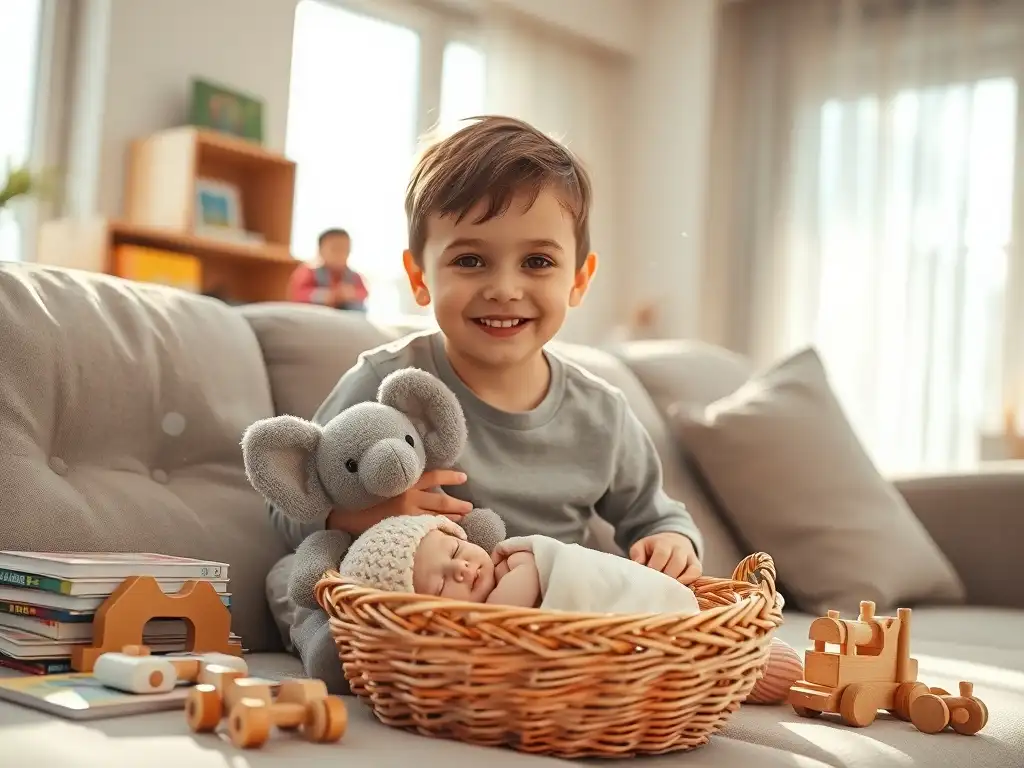
Bringing a new baby home is an exciting time, but it can also be a period of significant adjustment, especially for older siblings. A smooth transition hinges on proactive preparation and thoughtful planning.
This article provides practical, evidence-based strategies to ease your older child into their new role as a big brother or sister, fostering a positive and loving sibling relationship from the start. We'll explore effective communication techniques, ways to involve your child in the preparations, and methods to cultivate a special bond between the siblings, ultimately contributing to a happier family dynamic and minimizing potential sibling rivalry.
Successfully navigating this transition not only benefits your older child but also creates a more harmonious and loving environment for your entire family, ensuring that the arrival of your new baby brings joy to everyone. Let's delve into the key steps to a happy family with a happy new baby and happy siblings!
Open Communication: Talking to Your Child About the New Baby
Open and honest communication is paramount when preparing your older child for a new baby. Start talking to them well in advance of the due date – ideally, several months beforehand. Don't overwhelm them with complex details, but use age-appropriate language to explain that a new baby is coming and what that means. For example, you might say, "Mommy's tummy is growing a little baby brother/sister!" or "We're going to have a new member of our family soon!"
Use books, pictures, and even dolls to help illustrate the concept. Answer their questions honestly and patiently, addressing any fears or anxieties they might have. Some children might worry about losing your attention or affection. Reassure them that you love them very much and that your love will only grow with the addition of a new baby. It's crucial to listen attentively to their concerns and validate their feelings. This open dialogue will build trust and reduce anxiety as the big day approaches. Remember to use positive language, emphasizing the joys of having a sibling.
Consider creating a visual timeline leading up to the baby's arrival. This can help your child understand the process and reduce any feelings of uncertainty. For instance, you could use pictures or drawings to depict milestones like the baby shower, the hospital stay, and the baby's homecoming. This visualization can be a powerful tool in easing the transition.
Involving Your Child in Baby Preparations: Fostering Excitement and Ownership
Involving your older child in the preparations for the new baby can foster a sense of excitement and ownership, helping them feel included and less threatened by the upcoming change. This doesn't mean giving them complete control, but offering age-appropriate tasks and choices can make a big difference. Let them help choose baby items, like blankets or toys, or participate in decorating the nursery. They could even help assemble some of the baby's furniture (with appropriate supervision, of course! ).
Consider assigning them small, meaningful responsibilities related to the baby's care, such as choosing a name for a favorite stuffed animal or helping to sort baby clothes. These small acts of participation can make them feel like an integral part of the process, reducing any feelings of displacement. Remember to praise their efforts and emphasize their role as a helpful and caring big brother or sister. This sense of participation can be instrumental in building positive anticipation for the new baby’s arrival. Remember to tailor tasks to their age and abilities, ensuring that the experience is positive and rewarding.
Creating a Special Bond: Preparing a Gift from the Older Sibling
One powerful way to foster a positive sibling relationship is to have your older child prepare a special gift for the new baby. This could be a drawing, a handmade card, or a small, age-appropriate toy. This act of giving allows them to express their love and anticipation in a tangible way, fostering a sense of connection and responsibility. The gift itself becomes a symbol of their role as a big brother or sister, strengthening the bond between them before the baby even arrives.
The process of creating the gift is equally important. It offers a dedicated time for bonding and allows you to talk about the new baby and their feelings. Guide them through the process, offering encouragement and support.
When the baby arrives, make sure to display the gift prominently, emphasizing its significance and your older child's contribution. This small gesture can significantly impact their feelings about the new baby and contribute to a warm and welcoming environment for the new arrival. This special gift will serve as a lasting reminder of the love and anticipation shared before the baby's arrival, strengthening the sibling bond in the years to come.
Introducing the Baby: Minimizing Sibling Rivalry and Promoting Positive Interactions
The arrival of a new baby is a joyous occasion, but it can also be a period of significant adjustment for older siblings. Successfully navigating this transition requires proactive planning and a focus on minimizing sibling rivalry while fostering positive interactions. This section offers practical strategies to help your older child embrace their new role and build a loving relationship with their baby sibling. Remember, patience and consistency are key to achieving a harmonious family dynamic. The goal is not instant, perfect bonding, but rather a gradual, positive adjustment for everyone.
The First Meeting: Creating a Positive First Impression
The first meeting between the older sibling and the newborn is crucial in setting the tone for their future relationship. Avoid overwhelming the older child; a short, controlled introduction is ideal. Consider these tips for a successful first encounter:
- Prepare the older sibling: Explain the arrival of the baby in simple, age-appropriate terms well before the birth. Use books, dolls, or even videos to help them understand what to expect. Let them participate in preparations, such as choosing a name or helping to set up the nursery (age-appropriate tasks, of course!). This helps them feel included and less anxious.
- Controlled environment: Choose a quiet, comfortable space for the first meeting. Avoid noisy or crowded environments that might overstimulate the older child.
- Supervised interaction: Keep the initial interaction brief and supervised. Let the older sibling touch or hold the baby under your close guidance. Don't force interaction if the child seems hesitant or uncomfortable.
- Positive reinforcement: Praise and reward the older sibling for their patience and positive behavior. This positive reinforcement encourages continued cooperation and strengthens their bond with the baby. A small gift or special activity can make them feel appreciated.
- Manage expectations: Remember that the initial reaction might not be overwhelmingly positive. Some children may show more enthusiasm than others. The important thing is to create a safe and comfortable environment where the sibling can gradually bond with the new arrival.
Managing Expectations: Realistic Goals for Sibling Bonding
It's important to set realistic expectations for sibling bonding. Immediate, perfect harmony is unlikely. Sibling rivalry is normal, and it's crucial to understand that it's a developmental stage, not a reflection of your parenting. Here's how to manage expectations effectively:
- Focus on small, achievable goals: Instead of aiming for instant best-friend status, focus on small, achievable goals, such as the older child helping with simple baby care tasks (like getting diapers) or showing affection (a gentle pat). Celebrate each milestone, no matter how small.
- Avoid comparisons: Never compare the older child to the baby. This can lead to resentment and feelings of inadequacy. Instead, focus on each child's individual strengths and accomplishments. Each child is unique and deserves individual attention and praise.
- One-on-one time: Maintain dedicated one-on-one time with the older child, ensuring they don't feel neglected or replaced. This special time shows them they are still loved and valued, regardless of the new addition to the family. This can be as simple as reading a story together or playing a game.
- Patience and consistency: Remember that building a positive sibling relationship takes time and patience. Be consistent in your approach, reinforcing positive behaviors and addressing negative ones calmly and firmly.
Addressing Jealousy and Resentment: Proactive Strategies for Happy Siblings
Jealousy and resentment are common feelings in older siblings after the arrival of a new baby. Addressing these emotions proactively is crucial for fostering positive sibling relationships. Here's how to tackle these challenges:
- Acknowledge their feelings: Validate the older child's feelings. Let them know it's okay to feel jealous or resentful. Listening empathetically and acknowledging their emotions helps them feel understood and less alone.
- Provide special attention: Continue to provide one-on-one time and special attention to the older sibling. This shows them that they are still important and loved. Even small gestures, like reading them a bedtime story or letting them pick a movie, can make a big difference.
- Involve them in baby care: Involve the older child in age-appropriate baby care tasks, such as fetching diapers or helping with dressing the baby. This can give them a sense of responsibility and involvement, making them feel more connected to the baby. However, avoid overwhelming them with too many tasks.
- Positive sibling reinforcement: Praise and reward positive interactions between siblings. When you see them playing together nicely or showing affection, acknowledge and praise their behavior. This reinforces positive interactions and strengthens their bond.
- Professional help: If sibling rivalry is excessive or persistent, despite your best efforts, don’t hesitate to seek professional guidance from a child psychologist or therapist. They can provide tailored strategies and support to help your family navigate these challenges. Early intervention can prevent long-term negative impacts.
Remember, creating a happy and harmonious environment for your children requires consistent effort, understanding, and patience. By implementing these strategies, you can significantly improve the chances of your older child welcoming their new sibling with open arms, leading to a loving and supportive family dynamic. 👶❤️
Maintaining a Routine: Balancing Needs of Both Children
Successfully integrating a newborn into a family with an older sibling hinges significantly on maintaining a sense of routine and predictability. The arrival of a baby inevitably disrupts the established family rhythm, and this can be particularly challenging for older children who thrive on consistency. Failing to acknowledge and address this can lead to resentment, jealousy, and behavioral problems. The key is to adapt, not abandon, the pre-baby routine as much as possible.
Preserving Individual Time: Dedicated One-on-One Attention
Prioritizing individual time with your older child is paramount. Even 15-20 minutes of dedicated, uninterrupted attention each day can make a world of difference. This isn't about elaborate activities; it's about focused connection. Read a book together, play a favorite game, or simply chat about their day.
This special time reinforces their importance and value in the family, combating feelings of being replaced by the new baby. Consider scheduling this special time strategically, perhaps before bedtime or after the baby's nap, ensuring it's a consistent part of the daily rhythm. Remember, quality time is more effective than quantity.
A short, focused interaction is far more impactful than a longer period punctuated by interruptions and distractions. Documenting these special moments, even with a simple note in a journal, can help you track and maintain consistency. This dedicated time also allows you to address any anxieties or concerns your older child may have regarding the new baby.
Introducing opportunities for positive interaction between the older sibling and the baby is crucial for fostering a loving bond. However, it's essential to approach this carefully, respecting the older child's boundaries and developmental stage. Don't force interaction; instead, create opportunities for shared experiences. For example, you might involve your older child in age-appropriate tasks like helping to choose baby clothes or singing songs to the baby.
Simple activities like reading together or playing gentle games near the baby can foster a sense of shared experience and responsibility. Remember to praise and appreciate the older sibling’s involvement, reinforcing positive behavior and building their self-esteem. Moreover, it's vital to ensure these shared activities are enjoyable for both children.
Avoid activities that are overly demanding or frustrating for the older child. The goal is to build positive associations between the sibling and the baby, not to create resentment or stress. Consider age-appropriate activities such as:
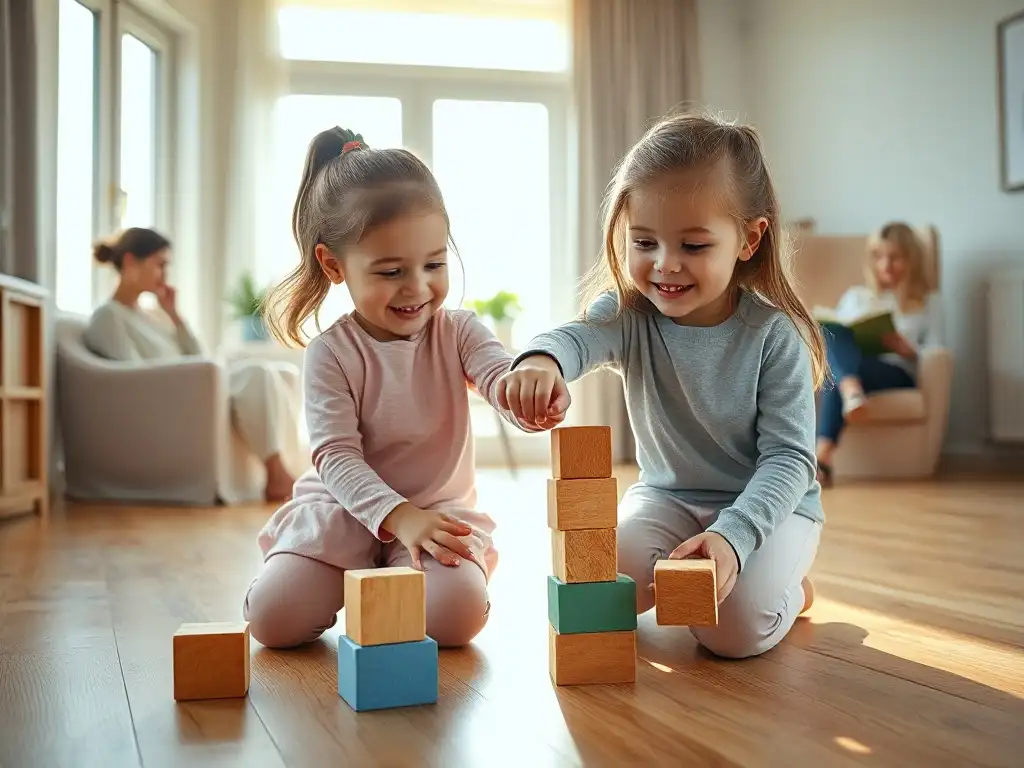
- For toddlers (1-3 years): Simple songs, stacking blocks, reading picture books.
- For preschoolers (3-5 years): Playing with soft toys, helping with age-appropriate baby care tasks (under supervision), drawing pictures together.
- For older children (5+ years): Reading aloud, playing board games, helping with baby care tasks (with more independence).
Creating these positive shared experiences helps to cultivate a sense of belonging and shared responsibility, making the transition to a new family dynamic smoother and more harmonious. Remember, patience and understanding are key. Building a happy sibling relationship takes time and consistent effort. 🧸
Seeking Support: Resources and Strategies for Success
Becoming a parent is a joyous but often overwhelming experience, especially when adding a new baby to a family with existing children. Successfully navigating this transition requires a multifaceted approach, and seeking support is crucial for both parents and older siblings to thrive. Remember, it's perfectly normal to feel stressed or uncertain during this period. Leaning on available resources and building a strong support network are key to fostering a happy family dynamic and ensuring a smooth sibling introduction. This section focuses on the practical strategies and resources that can make a significant difference in your journey.
Support Groups and Community Resources: Finding Your Tribe
Connecting with other parents facing similar challenges is invaluable. Sharing experiences, exchanging tips, and receiving emotional support from a community of understanding individuals can significantly ease the transition. Many online and in-person support groups specifically cater to parents of multiple children or those preparing for the arrival of a new baby.
These groups offer a safe space to voice concerns, celebrate milestones, and learn from others' experiences. Consider joining groups focused on sibling dynamics or those dealing with specific challenges related to your family's unique situation, such as adjusting to a new baby when an older sibling is also struggling with a developmental milestone. The sense of community and shared experience found in these groups can be incredibly beneficial for your mental well-being and help you feel less isolated in your journey.
Furthermore, local community centers, churches, and hospitals often host parenting classes and workshops that can provide additional support and practical advice on managing sibling relationships. Don't underestimate the power of connection; finding your "tribe" can make all the difference.
The benefits extend beyond emotional support. Practical tips and advice shared within these groups can be invaluable. For instance, one parent might share a successful strategy for managing sibling jealousy during feeding time, while another might offer insights into creating a positive bedtime routine that accommodates both the new baby and the older child.
This collective wisdom can help you avoid common pitfalls and proactively address potential challenges. The shared experiences also help normalize the feelings of stress and overwhelm that are frequently experienced during this period. Knowing that you are not alone in your struggles can significantly reduce feelings of isolation and anxiety.
Professional Guidance: When to Seek Help from Experts
While support groups offer valuable peer-to-peer support, sometimes professional guidance is necessary. If you're struggling to manage sibling rivalry, address behavioral issues in your older child, or cope with the emotional demands of a new baby, don't hesitate to seek professional help. A family therapist or counselor can provide tailored strategies to address specific challenges and help you develop effective communication and conflict-resolution skills. They can also provide a safe space for open communication within the family, helping everyone express their feelings and needs.
Consider seeking professional help if you notice significant changes in your older child's behavior, such as increased aggression, withdrawal, or regression. These behaviors can be indicators of underlying stress or adjustment difficulties, and early intervention is crucial. A therapist can help you understand the root causes of these behaviors and develop strategies to support your child's emotional well-being. Similarly, if you're struggling to manage your own stress and anxiety, seeking support from a therapist or counselor can be extremely beneficial.
Remember, prioritizing your mental health is crucial for your overall well-being and your ability to effectively parent your children. Seeking professional help is a sign of strength, not weakness, and it can make a significant difference in creating a happy and harmonious family environment. Don't hesitate to reach out for support when needed; your family's well-being is worth it.
Celebrating Successes: Recognizing and Rewarding Positive Behavior
Introducing a new baby into the family is a significant life change, especially for older siblings. While initial adjustments can be challenging, focusing on positive reinforcement and celebrating even small victories can significantly improve sibling relationships and foster a happy family dynamic. This section explores practical strategies for acknowledging and rewarding positive behaviors, ultimately contributing to a smoother transition and a harmonious home environment.
Positive Reinforcement: Encouraging Kind Interactions
Positive reinforcement is key to shaping desired behaviors. Instead of solely focusing on correcting negative actions, actively reward positive interactions between your children. This could involve simple acts like:
- Verbal praise: "I saw you so gently holding the baby's hand! That was so sweet and caring." Specific praise highlighting the positive action is more effective than generic compliments.
- Small rewards: A sticker chart tracking kind acts, a small toy, or extra story time can be highly motivating, especially for younger siblings. Consider a system where points accumulate towards a bigger reward, like a family outing.
- Special privileges: Allowing the older sibling to help with age-appropriate baby care tasks, like choosing a bedtime story or helping with diaper changes (under supervision), can foster a sense of responsibility and connection. Remember to emphasize the positive impact of their involvement.
Remember to be consistent. Regular reinforcement, even for seemingly small gestures, reinforces the desired behavior and builds a positive association with caring for their sibling. It's crucial to tailor rewards to the individual child's age and preferences. What motivates a five-year-old might not be as effective for a teenager. Observe your children carefully and adjust your approach accordingly. For example, a teenager might appreciate extra screen time or involvement in a family decision.
The goal isn't just to eliminate negative behaviors; it's to cultivate positive ones. Focusing on what you want to see is far more effective than dwelling on what you don't want.
Creating opportunities for positive interactions is equally crucial. Scheduled family time dedicated to shared activities can significantly strengthen sibling bonds. These activities should be inclusive, allowing both the older child and the baby to participate in age-appropriate ways. Examples include:
- Reading time: Reading aloud to both children, even if the baby is too young to understand the story, fosters a sense of shared experience.
- Playtime: Choose activities that can be adapted to different age groups. For example, a simple game of peek-a-boo can engage both a toddler and a newborn.
- Outdoor activities: A walk in the park, a trip to the zoo, or simply playing in the backyard provides opportunities for bonding and shared experiences. Remember to adapt the activities to the baby's needs and the older sibling's abilities and interests.
- Special one-on-one time: Maintaining dedicated one-on-one time with each child is essential. This reassures the older sibling that they are still loved and valued despite the arrival of a new family member. This could be a special outing, a shared hobby, or simply cuddling and reading together.
Remember to document these happy moments! Photos and videos can serve as lasting reminders of positive interactions, reinforcing the positive feelings associated with sibling relationships. These memories can be revisited during challenging moments, reminding everyone of the joys of family life. This strategy is particularly helpful during the initial adjustment period when tensions might arise. The creation of these positive memories is a crucial part of achieving happy sibling new baby tips.
Frequently Asked Questions
How can I prepare my older child for the arrival of a new baby?
Start early! Involve your older child in preparing the nursery and choosing baby items. Read books about becoming a big sibling to help manage expectations.
What are some ways to prevent sibling rivalry after the baby arrives?
Dedicate one-on-one time to each child daily, even if it's just for 15 minutes. Give your older child special privileges or small gifts to make them feel important. Acknowledge their feelings and validate their emotions.
My older child is acting out since the baby arrived. What should I do?
This is normal! Increased attention-seeking behavior is common. Try to understand the root cause – are they feeling neglected or jealous? Offer extra cuddles and praise positive behavior.
How can I make sure my older child feels included in the baby's care?
Give your older child age-appropriate tasks, like fetching diapers or helping with burping. This fosters a sense of responsibility and involvement. Let them choose a baby toy or sing songs to the baby.
How do I manage my time effectively with a newborn and a toddler?
Prioritize and plan. Accept help from family and friends. Embrace the chaos and remember that this phase is temporary. Focus on quality time rather than quantity.
Final Reflection: Nurturing Sibling Bonds in the Wake of New Life
The arrival of a new baby is a seismic shift in family dynamics, but it doesn't have to be a source of sibling rivalry and resentment. Successfully navigating this transition requires proactive planning and consistent effort, fostering an environment where older siblings feel loved, valued, and included. This isn't just about avoiding conflict; it's about building stronger, more resilient family bonds that will last a lifetime.
The impact of a new sibling on existing children is profound and long-lasting. It shapes their sense of self, their understanding of family, and their capacity for empathy and compassion. The most important thing a father can do for his children is to love their mother.
This quote, while traditionally focused on marital harmony, speaks to a broader truth: a stable, loving environment where all children feel secure is the bedrock of successful sibling relationships. Creating that environment, even amidst the chaos of a new baby, is a testament to the power of intentional parenting.
You now hold the key to unlocking a future filled with sibling harmony and mutual support. Consider the strategies discussed – from dedicated one-on-one time to involving older siblings in baby care (appropriately) to celebrating each child's unique contributions. Don't just read these tips; live them. Embrace the challenges, celebrate the small victories, and remember that the journey of building strong sibling bonds is a continuous process, one filled with love, laughter, and the occasional (and perfectly normal) sibling squabble. The reward? A family bound together by enduring love and unwavering support.
Unleash the Joy: Nurturing Sibling Bonds After Baby Arrives
Thank you for exploring ways to make the transition to a larger family smoother and happier for everyone! We hope you found helpful advice on fostering positive sibling relationships. Now, let's put that advice into action:
- Prioritize individual time with each child. Even 15 minutes of undivided attention can significantly improve each child's sense of being loved and special. Schedule this time like any other important appointment.
- Share this article with other parents experiencing the joys (and challenges!) of expanding their families. Let's build a supportive community!
- Try implementing one strategy from the article this week and observe its impact on your family. Be patient and celebrate small successes!
Ready to create a home filled with even more love and laughter? What's one small step you'll take today to strengthen your children's bond?